OHR Archives: 2006-2020
"A basic principle of modern state capitalism is that costs and risks
are socialized to the extent possible, while profit is privatized."
Noam Chomsky
Blog | Archives | Private | Post Codes | About
|
OHR Archives: 2006-2020 "A basic principle of modern state capitalism is that costs and risks Blog | Archives | Private | Post Codes | About |
|
| Elusive City? (23 August 2021) [C] | |||||||||||||||||||||||||||||||||||||||||||||||||||||||||||||||||||||||||||||||||||||||||||||||||||||||||||||||||||||||||||||||||||||||||||||||||||||||||||||||||||||||||||||||||||||||||||||||||||||||||||||||||||||||||||||||||||||||||||||||||||||||||||||||||||||||||||||||||||||||||||||||||||||||||||||||||||||||||||||||||||||||||||||||||||||||||||||||||||||||||||||||||||||||||||||||||||||||||||||||||||||||||||||||||||||||||||||||||||||||||||||||||||||||||||||||||||||||||||||||||||||||||||||||||||||||||||||||||||||
I can't help finding it ironic that an essay entitled "The Elusive Dream of the 15-Minute City" has Alan Ehrenhalt (20 July 2021) treading where many have expanded their minds, if not their footprints, over the past 100 years. He writes "I can't help finding it ironic that in the 21st century some of the best minds in urban planning are striving to design the sort of communities that used to exist without anybody inside having to give them the slightest thought" (my emphasis). Used to exist. This was life for most urban residents in the evolution of cities where walking was the only form of transportation (and thus not "having to give ... the slightest thought"). It's possible, however, that many people everywhere reside in a similar buffer, given time budget constraints. It evolved naturally, just like today's car-oriented pattern evolved naturally given the existence of cars. The 15-Minute City is an about face to an urban concept where most residents would again meet most of their needs within a short walking distance of their homes. Was this a concept that actively was relinquished in light of a better option? Has that better option become one that is unsustainable? If so, do we go back, or do we go forward? I support walkable neighborhoods, which are not the same as walkable cities. Ehrenhalt uses the example of Chicago where an intended insult on the city level became an unintended compliment at the neighborhood level. Neighborhoods provided access to activities all within 15 minutes, but the city was at best an interconnected network of such neighborhoods, with those connections often questionable due to a range of non-compatible land uses in both the built and natural environments defining and restricting neighborhoods. I live in a 2,100 square foot single family home on leased land with a 10 minute greenbelt stroll to work, with a broad range of residential amenities within 5 minutes (pools, parks, trails, a nature preserve, etc.), in the middle of the 6th most populated county in the US, and the second most densely populated county in the state, in a city that has reserved over 40 percent of it's sizable footprint as permanent open space, and all of this located just a few miles from the ocean. Is this a 15-Minute City? Of course not. No city can offer what I just described all within a 15 minute walk. But guess what? In addition to my 5-Minute Neighborhood, everything else that I regularly access -- including family, stores, work, health care, airports, beaches -- is within about a 15 minute drive. In this regard, I consider myself quite fortunate. Not everyone has this opportunity, and if everyone did, then the options I've described would no longer exist. Sure, you could pack millions of people into cities, many of them within 15 minute neighborhoods, but would this work for most people? Do most people even want this? Ehrenhalt also sees these problems and suggests that, if walking is the mode, perhaps a 5-10 minute city (an "n-Minute City is a better soundbite, but an "n-Minute Neighborhood" is a more appropriate reference). He also does not see this working for bikes since the needed increase in infrastructure would be in most cases excessively expensive. And public transit? Maybe a station within 15 minutes, but not an actual trip that would take only 15 minutes. The author does make one critical error regarding cars. While he agrees that 15 minute cities already exist for cars, he adds that this is "precisely what we need to stop doing" but offers only the fossil fuel issue, something that electric vehicles can address. Why do arguments against cars always play the fossil fuel card? This is an argument to do away with fossil fuels, not an argument to do away with cars. I support various concepts of cities. In core urban areas perhaps all cars should be removed. But those who wish to live in such environments should find one and move there, rather than trying to devolve other city forms to their liking. "The biggest difference between those who love living in big cities and those who don't is that those who do, can't comprehend why those who don't, don't." | |||||||||||||||||||||||||||||||||||||||||||||||||||||||||||||||||||||||||||||||||||||||||||||||||||||||||||||||||||||||||||||||||||||||||||||||||||||||||||||||||||||||||||||||||||||||||||||||||||||||||||||||||||||||||||||||||||||||||||||||||||||||||||||||||||||||||||||||||||||||||||||||||||||||||||||||||||||||||||||||||||||||||||||||||||||||||||||||||||||||||||||||||||||||||||||||||||||||||||||||||||||||||||||||||||||||||||||||||||||||||||||||||||||||||||||||||||||||||||||||||||||||||||||||||||||||||||||||||||||
| You Might Recall (21 August 2021) [P] | |||||||||||||||||||||||||||||||||||||||||||||||||||||||||||||||||||||||||||||||||||||||||||||||||||||||||||||||||||||||||||||||||||||||||||||||||||||||||||||||||||||||||||||||||||||||||||||||||||||||||||||||||||||||||||||||||||||||||||||||||||||||||||||||||||||||||||||||||||||||||||||||||||||||||||||||||||||||||||||||||||||||||||||||||||||||||||||||||||||||||||||||||||||||||||||||||||||||||||||||||||||||||||||||||||||||||||||||||||||||||||||||||||||||||||||||||||||||||||||||||||||||||||||||||||||||||||||||||||||
Endings in love and politics are often awkward, to say the least. At least in politics, some rules could easily be defined. For example, a recall of a governor can occur only if the recall election can be completed with at least 50 percent of the term remaining and, if the governor is recalled, the duly-elected lieutenant governor assumes the governorship until the next regular election. Fair, right? But, you might recall, all is fair in love and war. | |||||||||||||||||||||||||||||||||||||||||||||||||||||||||||||||||||||||||||||||||||||||||||||||||||||||||||||||||||||||||||||||||||||||||||||||||||||||||||||||||||||||||||||||||||||||||||||||||||||||||||||||||||||||||||||||||||||||||||||||||||||||||||||||||||||||||||||||||||||||||||||||||||||||||||||||||||||||||||||||||||||||||||||||||||||||||||||||||||||||||||||||||||||||||||||||||||||||||||||||||||||||||||||||||||||||||||||||||||||||||||||||||||||||||||||||||||||||||||||||||||||||||||||||||||||||||||||||||||||
| A Free Ride (to the Promised Land?) (20 August 2021) [T] [S] | |||||||||||||||||||||||||||||||||||||||||||||||||||||||||||||||||||||||||||||||||||||||||||||||||||||||||||||||||||||||||||||||||||||||||||||||||||||||||||||||||||||||||||||||||||||||||||||||||||||||||||||||||||||||||||||||||||||||||||||||||||||||||||||||||||||||||||||||||||||||||||||||||||||||||||||||||||||||||||||||||||||||||||||||||||||||||||||||||||||||||||||||||||||||||||||||||||||||||||||||||||||||||||||||||||||||||||||||||||||||||||||||||||||||||||||||||||||||||||||||||||||||||||||||||||||||||||||||||||||
Nicholas Goldberg has a "both sides moment" with his Op-Ed (LA Times 20 August 2021) "L.A. opens the the door to a free ride" immediately sub-titled "There's more to learn about doing away with Metro fares." Ideas, especially those that can be empirically tested, are usually good. So, the free-fare transit pilot programs to be conducted in LA might prove useful, as may additional tests of any pay-as-you-go VMT taxes as alternatives to gas taxes. But any empirical study, or discussion there of, should first fully exercise due diligence. Goldberg does write "before we jump ..." but seems only concerned with higher taxes. The costs of fare-free transit would have to be covered, and if demand then shifts from roads, service expansion would cost even more. Pandemic ridership impacts were preceded by an 18 percent drop from 2014-2018, but transit nationwide had never recovered from the roughly forty percent declines associated with the 2008-2009 Great Recession. This has become a chronic problem and unlikely one that can be easily resolved. Consider Goldberg's points:
| |||||||||||||||||||||||||||||||||||||||||||||||||||||||||||||||||||||||||||||||||||||||||||||||||||||||||||||||||||||||||||||||||||||||||||||||||||||||||||||||||||||||||||||||||||||||||||||||||||||||||||||||||||||||||||||||||||||||||||||||||||||||||||||||||||||||||||||||||||||||||||||||||||||||||||||||||||||||||||||||||||||||||||||||||||||||||||||||||||||||||||||||||||||||||||||||||||||||||||||||||||||||||||||||||||||||||||||||||||||||||||||||||||||||||||||||||||||||||||||||||||||||||||||||||||||||||||||||||||||
| Both Sides Now: 1. Roads (14 August 2021) [T] [P] | |||||||||||||||||||||||||||||||||||||||||||||||||||||||||||||||||||||||||||||||||||||||||||||||||||||||||||||||||||||||||||||||||||||||||||||||||||||||||||||||||||||||||||||||||||||||||||||||||||||||||||||||||||||||||||||||||||||||||||||||||||||||||||||||||||||||||||||||||||||||||||||||||||||||||||||||||||||||||||||||||||||||||||||||||||||||||||||||||||||||||||||||||||||||||||||||||||||||||||||||||||||||||||||||||||||||||||||||||||||||||||||||||||||||||||||||||||||||||||||||||||||||||||||||||||||||||||||||||||||
There are (at least) two sides to every story but in recent times it seems that more often than not the two sides are diametrically opposed. Newspapers have a repution for placing differing viewpoints on the same Op-Ed pages while audio-visual media seem more likely to embrace a soundbite. The bottom line is that there are usually different viewpoints and each should be considered when you are forming opinions. But I wonder if individuals focus only on a viewpoint with which they are already predisposed and perhaps miss or even ignore opposing views? Here are a few examples where the juxtaposition of views have recently jumped out at me. We'll start with roads, then proceed to smart cities and traffic signals. A recent newsletter from a respected transportation research center presented two briefs. The first, "Can America's Road Builders Break the Highway Habit?" addresses Biden's infrastructure plan currently in negotiations in Washington. The link quotes a CityLab article [15 Apr 2021] in which Laura Bliss writes: "While these agencies have evolved in the decades since the Interstate Highway Act, their DNA -- and the vast majority of their spending -- still lie in the highways they built 70 years ago, when the emphasis was on throughput and speed, not pedestrian safety and racial equity."First, your DNA is but half of the nature versus nurture argument (again two sides but here they are usually considered complementary). Second, what Bliss poses is explicitly not a binary choice. Don't pedestrians and marginalized groups want the dessert topic of "throughput and speed?" while getting their floor wax of safe streets and neighborhoods? The second brief immediately followed, entitled "DOE Awards $60 Million to Accelerate Advancements in Zero-Emissions Vehicles," and reported 24 new research and development projects aimed at reducing carbon dioxide emissions from cars trucks. Improving vehicles can be consistent with improving the neighborhoods through which they travel, but this certainly would be taken by some to be that old "road and car" DNA at work. Maybe a new paradigm is needed, one where the primary objective is no longer to dominate the world's economy by placing our economy first and foremost over all other concerns, but rather to re-focus on quality of life issues. Since the "throughput and speed lobby" will no longer be paying directly for their old benefits, they will now need to pay indirectly via higher taxes which will be required to fund public programs with a formal orientation toward non-automotive mobility. Proponents of current and emerging alternatives rarely present the many problems of their preferences, and funding is just one such problem. Maybe Robert Frost should have considered roads when writing "Something there is that doesn't love a wall." | |||||||||||||||||||||||||||||||||||||||||||||||||||||||||||||||||||||||||||||||||||||||||||||||||||||||||||||||||||||||||||||||||||||||||||||||||||||||||||||||||||||||||||||||||||||||||||||||||||||||||||||||||||||||||||||||||||||||||||||||||||||||||||||||||||||||||||||||||||||||||||||||||||||||||||||||||||||||||||||||||||||||||||||||||||||||||||||||||||||||||||||||||||||||||||||||||||||||||||||||||||||||||||||||||||||||||||||||||||||||||||||||||||||||||||||||||||||||||||||||||||||||||||||||||||||||||||||||||||||
| Both Sides Now: 2. Smart Cities (14 August 2021) [C] [P] | |||||||||||||||||||||||||||||||||||||||||||||||||||||||||||||||||||||||||||||||||||||||||||||||||||||||||||||||||||||||||||||||||||||||||||||||||||||||||||||||||||||||||||||||||||||||||||||||||||||||||||||||||||||||||||||||||||||||||||||||||||||||||||||||||||||||||||||||||||||||||||||||||||||||||||||||||||||||||||||||||||||||||||||||||||||||||||||||||||||||||||||||||||||||||||||||||||||||||||||||||||||||||||||||||||||||||||||||||||||||||||||||||||||||||||||||||||||||||||||||||||||||||||||||||||||||||||||||||||||
Infrastructure planning, development, and management has been under constant improvement throughout the history of civilization. This is the primary reason that I've always abhorred terms such as "smart" or "intelligent" systems. All systems reflect a level of being smart or intelligent based on contemporary or near future levels of technology. Everything else is PR (and PR that is generally an oversell). I do like much of the press on Smart Cities because, like many innovative systems and concepts, it helps focus our attention on current problems and also on the active consideration of potential solutions. What these efforts do not usually achieve is a balanced perspective, primarily because these efforts are primarily profit motivated. I am appreciative of media efforts, although typically too little and too late, to show that most "smart" projects never achieve their initial objectives. I just saw this in Fast Company: "Designers, planners, engineers, investors, technologists, developers, and entrepreneurial city leaders had for years espoused visions of an urban future in which embedded sensors, ubiquitous cameras and beacons, networked smartphones, dashboards, and omniscient operating systems would produce unprecedented efficiency, seamless connectivity, convenience, and, for the especially well connected, the realization of what Aaron Bastani calls 'fully automated luxury communism' (or capitalism: The smart city could be made to support a range of ideologies). Yet the appeal of such an urban vision, and the belief that it's even possible, seems to have waned."This quote was excerpted from Shannon Mattern's A City Is Not a Computer: Other Urban Intelligences. This is close to my take on the topic, but the list of responsible parties does not include the media. My colleague Mike Hyland, who knows a thing or two about Smart Cities, commented: "Benefits for cities are unclear and hard to measure. Upfront costs can be high and continued maintenance and monitoring costs won't be trivial either. Hence, there's no clear business case for companies selling smart cities products and services, at the moment." | |||||||||||||||||||||||||||||||||||||||||||||||||||||||||||||||||||||||||||||||||||||||||||||||||||||||||||||||||||||||||||||||||||||||||||||||||||||||||||||||||||||||||||||||||||||||||||||||||||||||||||||||||||||||||||||||||||||||||||||||||||||||||||||||||||||||||||||||||||||||||||||||||||||||||||||||||||||||||||||||||||||||||||||||||||||||||||||||||||||||||||||||||||||||||||||||||||||||||||||||||||||||||||||||||||||||||||||||||||||||||||||||||||||||||||||||||||||||||||||||||||||||||||||||||||||||||||||||||||||
| Both Sides Now: 3. Traffic Signals (14 August 2021) [T] [P] | |||||||||||||||||||||||||||||||||||||||||||||||||||||||||||||||||||||||||||||||||||||||||||||||||||||||||||||||||||||||||||||||||||||||||||||||||||||||||||||||||||||||||||||||||||||||||||||||||||||||||||||||||||||||||||||||||||||||||||||||||||||||||||||||||||||||||||||||||||||||||||||||||||||||||||||||||||||||||||||||||||||||||||||||||||||||||||||||||||||||||||||||||||||||||||||||||||||||||||||||||||||||||||||||||||||||||||||||||||||||||||||||||||||||||||||||||||||||||||||||||||||||||||||||||||||||||||||||||||||
In SmartBrief for Civil Engineers (13 Aug 2021) is a link to "Albuquerque confronts speeders with innovative stoplights." On one hand, we have "innovative," "smart," and "enforcement" as the key words. On the other hand, we have a system that seems to have several complementary benefits. The systems features "Rest on Red" programming where an approaching vehicle can trigger a change to green only if it is traveling at or below the posted speed limit. Progression has often been a goal of signal timing to minimize delay but also to minimize fuel consumption and emissions. The Albuquerque system, however, appears focused on stopping speeders, but this may nevertheless lead to better progression and the associated environmental benefits, once drivers find that they can't benefit by speeding. It was unclear whether there's an emergency vehicle preemption and it also didn't say what the effective traffic volumes would be. For example, if cars are queued at the signal, would the same "rest in red" scheme be maintained? My pet peeve when driving is having a vehicle in the fast lane coast into a red signal while I'm trying to get to a left turn pocket. I wonder if such an action would be more effective when the through red is held for a speeding vehicle intending to turn left, thus extending the left turn green? Both Sides in Sum. Perhaps one can better see these three issues from both sides now, or at least see that there are multiple viewpoints. In general, the primary benefits and costs of change may be unintended. Consider California's SB375 which has not yet succeeded in reducing greenhouse gas emissions but since it was enacted in 2008 decision-makers, professionals, and the general public have never been more aware that there indeed is a problem to be addressed. Perhaps that's life. But I really don't know life at all. | |||||||||||||||||||||||||||||||||||||||||||||||||||||||||||||||||||||||||||||||||||||||||||||||||||||||||||||||||||||||||||||||||||||||||||||||||||||||||||||||||||||||||||||||||||||||||||||||||||||||||||||||||||||||||||||||||||||||||||||||||||||||||||||||||||||||||||||||||||||||||||||||||||||||||||||||||||||||||||||||||||||||||||||||||||||||||||||||||||||||||||||||||||||||||||||||||||||||||||||||||||||||||||||||||||||||||||||||||||||||||||||||||||||||||||||||||||||||||||||||||||||||||||||||||||||||||||||||||||||
| In Cleveland (6 August 2021) [T] | |||||||||||||||||||||||||||||||||||||||||||||||||||||||||||||||||||||||||||||||||||||||||||||||||||||||||||||||||||||||||||||||||||||||||||||||||||||||||||||||||||||||||||||||||||||||||||||||||||||||||||||||||||||||||||||||||||||||||||||||||||||||||||||||||||||||||||||||||||||||||||||||||||||||||||||||||||||||||||||||||||||||||||||||||||||||||||||||||||||||||||||||||||||||||||||||||||||||||||||||||||||||||||||||||||||||||||||||||||||||||||||||||||||||||||||||||||||||||||||||||||||||||||||||||||||||||||||||||||||
In Cleveland, a bridge (a structure) spans a river (a water resource) that had caught fire on numerous occasions (an environmental topic) and features The Guardians of Traffic. In this AP image, the bridge is free of traffic (and, thankfully, flames and toxic smoke), unlike in most images that usually depict anything associated with transportation as congested, polluted, and otherwise a bane on society. In Cleveland, the bridge, the river, and the City itself are on the upswing but, unlike Cleveland, my home department's web page still features an image of a congested freeway. I began the process to change the page, but to be honest I spent more time mocking it. Theoretically, the page would be easy to change; practically, it would be tilting at windmills. The public doesn't even notice structural and water resource infrastructure, even when it doesn't work (Flint's lead pipes and Seaside's condo collapse not withstanding). But for transportation systems, and to some degree for many environmental systems, an unfortunate stasis has evolved, to the extent that an engineering department in a premiere research university provides a home page that prospective students will visit that includes an images of system failure rather than success. It's quite possible, however, that no one would notice, perhaps because these problems that humans directly create are also problems that they appear to accept. These problems include social, economic, and political elements, but you wouldn't find such an image on these departments' web sites. | |||||||||||||||||||||||||||||||||||||||||||||||||||||||||||||||||||||||||||||||||||||||||||||||||||||||||||||||||||||||||||||||||||||||||||||||||||||||||||||||||||||||||||||||||||||||||||||||||||||||||||||||||||||||||||||||||||||||||||||||||||||||||||||||||||||||||||||||||||||||||||||||||||||||||||||||||||||||||||||||||||||||||||||||||||||||||||||||||||||||||||||||||||||||||||||||||||||||||||||||||||||||||||||||||||||||||||||||||||||||||||||||||||||||||||||||||||||||||||||||||||||||||||||||||||||||||||||||||||||
| 113 Pages (4 August 2021) [U] | |||||||||||||||||||||||||||||||||||||||||||||||||||||||||||||||||||||||||||||||||||||||||||||||||||||||||||||||||||||||||||||||||||||||||||||||||||||||||||||||||||||||||||||||||||||||||||||||||||||||||||||||||||||||||||||||||||||||||||||||||||||||||||||||||||||||||||||||||||||||||||||||||||||||||||||||||||||||||||||||||||||||||||||||||||||||||||||||||||||||||||||||||||||||||||||||||||||||||||||||||||||||||||||||||||||||||||||||||||||||||||||||||||||||||||||||||||||||||||||||||||||||||||||||||||||||||||||||||||||
How does one assess the value of work based solely on simple metrics such as the size of both the inputs and the outputs? In academia, the publish or perish policy applies across all academic units but in STEM areas there seems to be, at least at some levels of review, a disproportionate weight assigned to simple estimates of inputs: how many contracts and grants and how much funding. The ability to create, complete, and publish innovative work is an output that is not necessarily directly linked to inputs such as grant funds. And the outputs that have some meaning, such as number of books or papers published or the number of graduate students advised, can be weak quantitative indices of some underlying but often unmeasured qualitative assessment of performance. So it was with little surprise that I finally concluded that such false objective formality is present in most areas where the judgement is actually subjective. Such assessments often appear in the media so it may be that this is a media thing (as well as an academic thing). Consider this excerpt from today's LA Times Sports section: "A law firm hired by the NCAA to investigate equity issues released a 113-page report that includes a series of recommendations ..." Why is the phrase "a 113 page report" included? Does this matter given the importance of the underlying issue being investigated? Would a 226 page report been better? One could ask to what degree are inputs linked to outputs? "Why was the dollar value of the contract with the law firm not mentioned?" A lot of people can spend a lot of money and produce reports with a lot of pages. None of this measures the effectiveness of the outcome and perhaps those who can measure outcome effectiveness look past irrelevant measures of inputs and outputs to focus on the overall objectives. If so, for whom are these irrelevant measures presented? Do readers of the sports page say "Hmm, only a 113 page report? How good could that be?" or "113 pages? How much money did they waste on that?" I do admit that in academia I have rarely seen a page count associated with books or papers, but at the same time, ten 10-page papers is usually double the value of five 20-page papers. But this is not the time or place to critique the academic review process. I would probably need at least 113 pages to do that. | |||||||||||||||||||||||||||||||||||||||||||||||||||||||||||||||||||||||||||||||||||||||||||||||||||||||||||||||||||||||||||||||||||||||||||||||||||||||||||||||||||||||||||||||||||||||||||||||||||||||||||||||||||||||||||||||||||||||||||||||||||||||||||||||||||||||||||||||||||||||||||||||||||||||||||||||||||||||||||||||||||||||||||||||||||||||||||||||||||||||||||||||||||||||||||||||||||||||||||||||||||||||||||||||||||||||||||||||||||||||||||||||||||||||||||||||||||||||||||||||||||||||||||||||||||||||||||||||||||||
| Miscellanea 2 (1 August 2021) [M] | |||||||||||||||||||||||||||||||||||||||||||||||||||||||||||||||||||||||||||||||||||||||||||||||||||||||||||||||||||||||||||||||||||||||||||||||||||||||||||||||||||||||||||||||||||||||||||||||||||||||||||||||||||||||||||||||||||||||||||||||||||||||||||||||||||||||||||||||||||||||||||||||||||||||||||||||||||||||||||||||||||||||||||||||||||||||||||||||||||||||||||||||||||||||||||||||||||||||||||||||||||||||||||||||||||||||||||||||||||||||||||||||||||||||||||||||||||||||||||||||||||||||||||||||||||||||||||||||||||||
... or it's something else: random musings from the last month or so ...
| |||||||||||||||||||||||||||||||||||||||||||||||||||||||||||||||||||||||||||||||||||||||||||||||||||||||||||||||||||||||||||||||||||||||||||||||||||||||||||||||||||||||||||||||||||||||||||||||||||||||||||||||||||||||||||||||||||||||||||||||||||||||||||||||||||||||||||||||||||||||||||||||||||||||||||||||||||||||||||||||||||||||||||||||||||||||||||||||||||||||||||||||||||||||||||||||||||||||||||||||||||||||||||||||||||||||||||||||||||||||||||||||||||||||||||||||||||||||||||||||||||||||||||||||||||||||||||||||||||||
| Chaos (31 July 2021) [S] | |||||||||||||||||||||||||||||||||||||||||||||||||||||||||||||||||||||||||||||||||||||||||||||||||||||||||||||||||||||||||||||||||||||||||||||||||||||||||||||||||||||||||||||||||||||||||||||||||||||||||||||||||||||||||||||||||||||||||||||||||||||||||||||||||||||||||||||||||||||||||||||||||||||||||||||||||||||||||||||||||||||||||||||||||||||||||||||||||||||||||||||||||||||||||||||||||||||||||||||||||||||||||||||||||||||||||||||||||||||||||||||||||||||||||||||||||||||||||||||||||||||||||||||||||||||||||||||||||||||
Chaotic systems come in two flavors. Level 1 chaos is that which does not react to predictions about it. An example is the weather. Level 2 chaos is that which reacts to predictions about it, and therefore can never be predicted accurately. Examples include markets and politics, as well as my primary area of interest, travel behavior. Odd that a concept that can be defined in such a clear and simple manner can be used to describe something that cannot. Note: I first came upon these definitions of chaos in Yuval Noah Harari's Sapiens. | |||||||||||||||||||||||||||||||||||||||||||||||||||||||||||||||||||||||||||||||||||||||||||||||||||||||||||||||||||||||||||||||||||||||||||||||||||||||||||||||||||||||||||||||||||||||||||||||||||||||||||||||||||||||||||||||||||||||||||||||||||||||||||||||||||||||||||||||||||||||||||||||||||||||||||||||||||||||||||||||||||||||||||||||||||||||||||||||||||||||||||||||||||||||||||||||||||||||||||||||||||||||||||||||||||||||||||||||||||||||||||||||||||||||||||||||||||||||||||||||||||||||||||||||||||||||||||||||||||||
| Not To-Do List (29 July 2021) [T] [P] | |||||||||||||||||||||||||||||||||||||||||||||||||||||||||||||||||||||||||||||||||||||||||||||||||||||||||||||||||||||||||||||||||||||||||||||||||||||||||||||||||||||||||||||||||||||||||||||||||||||||||||||||||||||||||||||||||||||||||||||||||||||||||||||||||||||||||||||||||||||||||||||||||||||||||||||||||||||||||||||||||||||||||||||||||||||||||||||||||||||||||||||||||||||||||||||||||||||||||||||||||||||||||||||||||||||||||||||||||||||||||||||||||||||||||||||||||||||||||||||||||||||||||||||||||||||||||||||||||||||
I offer some simple recommendations to those charged with policy development and the decision making process in California regarding potential changes in transportation and land use systems for the near future. Most of the items on the list are actually "not-to-do" items, and the others are "don't do the same way" items.
* Note: California already has a 10 year trend of net out-migration and had a negative population growth rate last year for the first time in a century, so the process is already underway. The pandemic was responsible for a portion of the loss (due to both immigration limitations and COVID-19 deaths) but as it begins to be under control so must we control growth.
| |||||||||||||||||||||||||||||||||||||||||||||||||||||||||||||||||||||||||||||||||||||||||||||||||||||||||||||||||||||||||||||||||||||||||||||||||||||||||||||||||||||||||||||||||||||||||||||||||||||||||||||||||||||||||||||||||||||||||||||||||||||||||||||||||||||||||||||||||||||||||||||||||||||||||||||||||||||||||||||||||||||||||||||||||||||||||||||||||||||||||||||||||||||||||||||||||||||||||||||||||||||||||||||||||||||||||||||||||||||||||||||||||||||||||||||||||||||||||||||||||||||||||||||||||||||||||||||||||||||
| The 16.666 Percent Solution (28 July 2021) [U] | |||||||||||||||||||||||||||||||||||||||||||||||||||||||||||||||||||||||||||||||||||||||||||||||||||||||||||||||||||||||||||||||||||||||||||||||||||||||||||||||||||||||||||||||||||||||||||||||||||||||||||||||||||||||||||||||||||||||||||||||||||||||||||||||||||||||||||||||||||||||||||||||||||||||||||||||||||||||||||||||||||||||||||||||||||||||||||||||||||||||||||||||||||||||||||||||||||||||||||||||||||||||||||||||||||||||||||||||||||||||||||||||||||||||||||||||||||||||||||||||||||||||||||||||||||||||||||||||||||||
"Zoom fatigue is real, and back-to-back meetings are adding to feelings of stress and burnout. To help address this meeting fatigue, we are changing a setting in all UCI Microsoft Outlook accounts ... [with] ... shorter default meeting times." The first choice for a 30 minute meeting will be 25 minutes with 50 minutes for a 60 minute meeting. Are people really burning out from a 30 minute Zoom meeting? Is there really any difference between a 30 minute in-person meeting and a 30 minute Zoom meeting? Is this social engineering being passed down the Ivory Tower? This applies to all campus employees, except College of Health Science employees who apparently are immune to the identified health effects of online meetings. Can the Department of Physics be next to propose changing the scales in campus health facilities so that every 6 pounds will now be only 5 pounds since the health effects of pandemic weight gain can cause stress and burnout? I'd like to propose that every potential decision along these lines, and the associated memos, be subject to the 16.666 percent solution, as in just toss that portion of them a priori, since this idiocy is creating stress and burnout in my life. | |||||||||||||||||||||||||||||||||||||||||||||||||||||||||||||||||||||||||||||||||||||||||||||||||||||||||||||||||||||||||||||||||||||||||||||||||||||||||||||||||||||||||||||||||||||||||||||||||||||||||||||||||||||||||||||||||||||||||||||||||||||||||||||||||||||||||||||||||||||||||||||||||||||||||||||||||||||||||||||||||||||||||||||||||||||||||||||||||||||||||||||||||||||||||||||||||||||||||||||||||||||||||||||||||||||||||||||||||||||||||||||||||||||||||||||||||||||||||||||||||||||||||||||||||||||||||||||||||||||
| Permafrost and Irony (26 July 2021) [E] | |||||||||||||||||||||||||||||||||||||||||||||||||||||||||||||||||||||||||||||||||||||||||||||||||||||||||||||||||||||||||||||||||||||||||||||||||||||||||||||||||||||||||||||||||||||||||||||||||||||||||||||||||||||||||||||||||||||||||||||||||||||||||||||||||||||||||||||||||||||||||||||||||||||||||||||||||||||||||||||||||||||||||||||||||||||||||||||||||||||||||||||||||||||||||||||||||||||||||||||||||||||||||||||||||||||||||||||||||||||||||||||||||||||||||||||||||||||||||||||||||||||||||||||||||||||||||||||||||||||
An email from The Natural Resources Defense Council (NRDC) reports that "the Arctic permafrost is thawing so rapidly that the ground in Alaska's North Slope may not even be solid enough to support the machinery needed for oil drilling." So what's a oil company to do? Apparently, ConocoPhillips has developed plans to "install chillers in the ground to keep it solid enough" for oil drilling, so the world can burn more oil to make global warming even worse, which in turn will thaw permafrost even more ... Could be a plot line for a evil scientist satire. But it isn't. | |||||||||||||||||||||||||||||||||||||||||||||||||||||||||||||||||||||||||||||||||||||||||||||||||||||||||||||||||||||||||||||||||||||||||||||||||||||||||||||||||||||||||||||||||||||||||||||||||||||||||||||||||||||||||||||||||||||||||||||||||||||||||||||||||||||||||||||||||||||||||||||||||||||||||||||||||||||||||||||||||||||||||||||||||||||||||||||||||||||||||||||||||||||||||||||||||||||||||||||||||||||||||||||||||||||||||||||||||||||||||||||||||||||||||||||||||||||||||||||||||||||||||||||||||||||||||||||||||||||
| Rumors of Glory (24 July 2021) [P] | |||||||||||||||||||||||||||||||||||||||||||||||||||||||||||||||||||||||||||||||||||||||||||||||||||||||||||||||||||||||||||||||||||||||||||||||||||||||||||||||||||||||||||||||||||||||||||||||||||||||||||||||||||||||||||||||||||||||||||||||||||||||||||||||||||||||||||||||||||||||||||||||||||||||||||||||||||||||||||||||||||||||||||||||||||||||||||||||||||||||||||||||||||||||||||||||||||||||||||||||||||||||||||||||||||||||||||||||||||||||||||||||||||||||||||||||||||||||||||||||||||||||||||||||||||||||||||||||||||||
Groucho Marx had a famous quip "I refuse to join any club that would have me as a member." Most people, however, cannot overcome the need to belong and will embrace any system that welcomes them. They will exalt any charismatic snake oil salesman who refers to them as "us" and to everyone else in near satanic terms. An explanation is offered that individuals who seek change in their lives (or increasingly seek stasis in an ever-changing world) will latch on to the nearest bright light and, once committed, despite overwhelming evidence to the contrary, their paths are set and choosing otherwise is anathema. Had Me/Now been a little more responsive to the pandemic, followed his talking points, and maybe been a bit less of an asshole, he likely would have won in 2020. Could an insurrection of any sort have taken place in the months that would have followed? If so, would the reaction of those in power been the same? Would our democracy have survived? No, no, and who knows. The fundamental problem in the age of information is not so much false information as it is simple messages of outrage. Those who claim "Stop the Steal" really don't want to see truth: they are fully satisfied with the simple, untruthful message. This is the history of mankind. Education used to preach the 3Rs: Reading, wRiting, and aRithmetic. No where do we teach our children how to think, how to form their own opinions, how to challenge other opinions. This is because the well-trodden path of blind loyalty is easier and does not require thinking. Those who are only marginally more adept are aware of this and will guide you along that path. If you let them. Like a lamb to the slaughter. | |||||||||||||||||||||||||||||||||||||||||||||||||||||||||||||||||||||||||||||||||||||||||||||||||||||||||||||||||||||||||||||||||||||||||||||||||||||||||||||||||||||||||||||||||||||||||||||||||||||||||||||||||||||||||||||||||||||||||||||||||||||||||||||||||||||||||||||||||||||||||||||||||||||||||||||||||||||||||||||||||||||||||||||||||||||||||||||||||||||||||||||||||||||||||||||||||||||||||||||||||||||||||||||||||||||||||||||||||||||||||||||||||||||||||||||||||||||||||||||||||||||||||||||||||||||||||||||||||||||
| Flattening the Curve (22 July 2021) [T] | |||||||||||||||||||||||||||||||||||||||||||||||||||||||||||||||||||||||||||||||||||||||||||||||||||||||||||||||||||||||||||||||||||||||||||||||||||||||||||||||||||||||||||||||||||||||||||||||||||||||||||||||||||||||||||||||||||||||||||||||||||||||||||||||||||||||||||||||||||||||||||||||||||||||||||||||||||||||||||||||||||||||||||||||||||||||||||||||||||||||||||||||||||||||||||||||||||||||||||||||||||||||||||||||||||||||||||||||||||||||||||||||||||||||||||||||||||||||||||||||||||||||||||||||||||||||||||||||||||||
"Flattening the curve" was the expression adopted by public health officials to emphasize that the sharp peaking of COVID-19 infection rates at the start of the pandemic would overwhelm the capacity of healthcare facilities to accommodate those who needed service. Policies to achieve this flattening included various activity and travel restrictions that were arguably effective in flattening the infection curve, as well as a curve more familiar to transportation professionals, the peak period traffic volume curve. This flattening produced significant reductions in congestion despite relatively small reductions in overall vehicle-miles traveled. A shift from in-person work to telecommuting was likely a causal factor in the flattening for both curves, with work from home increasing from roughly 5 percent pre-pandemic to over one third of the labor force in the early months of the pandemic after public sector and private business policies were imposed. How effective telecommuting and related policies will be in addressing the traffic peak hour problem as the pandemic recedes is unclear. However, as disruptive and costly as this pandemic has been it has provided a rare real world experiment upon which we can base future transportation policy, not to mention policies and impacts on work productivity, transportation systems, housing and land use, and many other areas of modern life. | |||||||||||||||||||||||||||||||||||||||||||||||||||||||||||||||||||||||||||||||||||||||||||||||||||||||||||||||||||||||||||||||||||||||||||||||||||||||||||||||||||||||||||||||||||||||||||||||||||||||||||||||||||||||||||||||||||||||||||||||||||||||||||||||||||||||||||||||||||||||||||||||||||||||||||||||||||||||||||||||||||||||||||||||||||||||||||||||||||||||||||||||||||||||||||||||||||||||||||||||||||||||||||||||||||||||||||||||||||||||||||||||||||||||||||||||||||||||||||||||||||||||||||||||||||||||||||||||||||||
| Lost and Found (19 July 2021) [B] | |||||||||||||||||||||||||||||||||||||||||||||||||||||||||||||||||||||||||||||||||||||||||||||||||||||||||||||||||||||||||||||||||||||||||||||||||||||||||||||||||||||||||||||||||||||||||||||||||||||||||||||||||||||||||||||||||||||||||||||||||||||||||||||||||||||||||||||||||||||||||||||||||||||||||||||||||||||||||||||||||||||||||||||||||||||||||||||||||||||||||||||||||||||||||||||||||||||||||||||||||||||||||||||||||||||||||||||||||||||||||||||||||||||||||||||||||||||||||||||||||||||||||||||||||||||||||||||||||||||
Algorithms and apps may help you not get lost, but uncertainty is not always a bad thing. There is uncertainty in exploration, in discovery, in new experiences. The very nature of uncertainty, and the very nature of being human, is that these unknown elements contribute to what it means to live, to what it means to be human. Algorithms and apps may help you not get lost, but what will you lose? | |||||||||||||||||||||||||||||||||||||||||||||||||||||||||||||||||||||||||||||||||||||||||||||||||||||||||||||||||||||||||||||||||||||||||||||||||||||||||||||||||||||||||||||||||||||||||||||||||||||||||||||||||||||||||||||||||||||||||||||||||||||||||||||||||||||||||||||||||||||||||||||||||||||||||||||||||||||||||||||||||||||||||||||||||||||||||||||||||||||||||||||||||||||||||||||||||||||||||||||||||||||||||||||||||||||||||||||||||||||||||||||||||||||||||||||||||||||||||||||||||||||||||||||||||||||||||||||||||||||
| Roads Not Taken (14 July 2021) [B] | |||||||||||||||||||||||||||||||||||||||||||||||||||||||||||||||||||||||||||||||||||||||||||||||||||||||||||||||||||||||||||||||||||||||||||||||||||||||||||||||||||||||||||||||||||||||||||||||||||||||||||||||||||||||||||||||||||||||||||||||||||||||||||||||||||||||||||||||||||||||||||||||||||||||||||||||||||||||||||||||||||||||||||||||||||||||||||||||||||||||||||||||||||||||||||||||||||||||||||||||||||||||||||||||||||||||||||||||||||||||||||||||||||||||||||||||||||||||||||||||||||||||||||||||||||||||||||||||||||||
The subject of maps was addressed in Yuval Harari's Sapiens in support of his "explore and conquer" theory of European excellence over the past 500 years in establishing the links between exploration (scientific and geographic), capitalism, and empire. A critical observation was the development of maps, post-Columbus, that clearly reflected that "we" did not know everything (a blow to organized religion) by showing "unknown areas" explicitly on these new maps. In fact, Amerigo Vespucci had two texts attributed to him that for the first time clearly stated that there were new lands west of Europe and east of Asia, something that Columbus apparently never accepted. Mapmaker Martin Waldseemuller drew a revised map but had apparently never heard of Columbus having instead only seen the attributions to Vespucci and thus named these new lands America. I have always been fascinated by maps. I recall a project in 5th grade where I drew a world map and plotted the paths of the major explorers, identified by nation and year of exploration. This connection of government, geography, and time was critical in my own academic and personal development. I still cannot go some where new without first looking at a map, something that today would be the last thing that most anyone else would do. Years ago in the dawn of the internet I had a colleague who loved being able to request a book from the library and have it delivered to his office door. For me, I loved being able to walk to the library, go directly to the shelf, and then explore the books north, south, east, and west of the one I sought. For me, having been able to follow those roads, now often no longer taken, has made all the difference. | |||||||||||||||||||||||||||||||||||||||||||||||||||||||||||||||||||||||||||||||||||||||||||||||||||||||||||||||||||||||||||||||||||||||||||||||||||||||||||||||||||||||||||||||||||||||||||||||||||||||||||||||||||||||||||||||||||||||||||||||||||||||||||||||||||||||||||||||||||||||||||||||||||||||||||||||||||||||||||||||||||||||||||||||||||||||||||||||||||||||||||||||||||||||||||||||||||||||||||||||||||||||||||||||||||||||||||||||||||||||||||||||||||||||||||||||||||||||||||||||||||||||||||||||||||||||||||||||||||||
| Someone (10 July 2021) [I] | |||||||||||||||||||||||||||||||||||||||||||||||||||||||||||||||||||||||||||||||||||||||||||||||||||||||||||||||||||||||||||||||||||||||||||||||||||||||||||||||||||||||||||||||||||||||||||||||||||||||||||||||||||||||||||||||||||||||||||||||||||||||||||||||||||||||||||||||||||||||||||||||||||||||||||||||||||||||||||||||||||||||||||||||||||||||||||||||||||||||||||||||||||||||||||||||||||||||||||||||||||||||||||||||||||||||||||||||||||||||||||||||||||||||||||||||||||||||||||||||||||||||||||||||||||||||||||||||||||||
Someone subtly scans each room, searching for someone who just maybe was subtly scanning the same room, searching for someone just like them. To find the one. Someone who wistfully recalls many evenings doing just that; who rues the pandemic for the loss of opportunity and the need for online searching; who reminisces about conversations over drinks at more popular bars and restaurants than I knew even existed; who is exasperated at dead-on-arrival online meetings while momentarily forgetting about the in-person equivalents; who roams the city and passes by all the places they can no longer haunt; and who finally has a revelation. A revelation that anyone listening could have reached after only a few moments. Someone who was "fortunate to be born and raised in LA", to attend the finest schools, to be part of the diversity and thrill of a "city with a bustling nightlife" and to "meet incredible people at countless bars and restaurants," but who makes no mention of the resources that funded this life. But a revelation? As in something to make one re-assess and re-orient their life? No. Someone is already dreaming of how they will expand their search for someone to include other potential meeting places such as stores and gyms. Someone is alone but not alone, for there are many like them out there. But for many, finding one is most difficult. I am someone who has no answers, other than that time has shown that I am unlikely anyone that someone will find [LAT] | |||||||||||||||||||||||||||||||||||||||||||||||||||||||||||||||||||||||||||||||||||||||||||||||||||||||||||||||||||||||||||||||||||||||||||||||||||||||||||||||||||||||||||||||||||||||||||||||||||||||||||||||||||||||||||||||||||||||||||||||||||||||||||||||||||||||||||||||||||||||||||||||||||||||||||||||||||||||||||||||||||||||||||||||||||||||||||||||||||||||||||||||||||||||||||||||||||||||||||||||||||||||||||||||||||||||||||||||||||||||||||||||||||||||||||||||||||||||||||||||||||||||||||||||||||||||||||||||||||||
| The More Things Change ... (10 July 2021) [S] | |||||||||||||||||||||||||||||||||||||||||||||||||||||||||||||||||||||||||||||||||||||||||||||||||||||||||||||||||||||||||||||||||||||||||||||||||||||||||||||||||||||||||||||||||||||||||||||||||||||||||||||||||||||||||||||||||||||||||||||||||||||||||||||||||||||||||||||||||||||||||||||||||||||||||||||||||||||||||||||||||||||||||||||||||||||||||||||||||||||||||||||||||||||||||||||||||||||||||||||||||||||||||||||||||||||||||||||||||||||||||||||||||||||||||||||||||||||||||||||||||||||||||||||||||||||||||||||||||||||
We have "evolved" from control by "virtue" of physical force to control by political, economic, and intelligence campaigns. In the past, a country would threaten or even attack another country with military forces; today, we increasingly see cyber warfare. The maritime trade routes of the past have been replaced by internet e-trade pathways, with a high level of effective piracy likely already privatized by governments around the world. The more things change, the more they stay the same. | |||||||||||||||||||||||||||||||||||||||||||||||||||||||||||||||||||||||||||||||||||||||||||||||||||||||||||||||||||||||||||||||||||||||||||||||||||||||||||||||||||||||||||||||||||||||||||||||||||||||||||||||||||||||||||||||||||||||||||||||||||||||||||||||||||||||||||||||||||||||||||||||||||||||||||||||||||||||||||||||||||||||||||||||||||||||||||||||||||||||||||||||||||||||||||||||||||||||||||||||||||||||||||||||||||||||||||||||||||||||||||||||||||||||||||||||||||||||||||||||||||||||||||||||||||||||||||||||||||||
| Other Terms (8 July 2021) [P] | |||||||||||||||||||||||||||||||||||||||||||||||||||||||||||||||||||||||||||||||||||||||||||||||||||||||||||||||||||||||||||||||||||||||||||||||||||||||||||||||||||||||||||||||||||||||||||||||||||||||||||||||||||||||||||||||||||||||||||||||||||||||||||||||||||||||||||||||||||||||||||||||||||||||||||||||||||||||||||||||||||||||||||||||||||||||||||||||||||||||||||||||||||||||||||||||||||||||||||||||||||||||||||||||||||||||||||||||||||||||||||||||||||||||||||||||||||||||||||||||||||||||||||||||||||||||||||||||||||||
Today's column by the always interesting Nicholas Goldberg, "Trump's legacy: Amateurs who run for office" (LA Times 8 July 2021), makes the argument that amateurs, and celebrities in particular, have no business even considering running for higher office. He states the obvious that one does not have to be "smart, experienced, level-headed, or decent to win an election." It's not the lack of qualifications that enables such an office seeker to win; rather, it's the odd presence of something different, voicing positions that resonate with people who are ready and willing to go with something different. It worked for Arnold and it worked for Me/Now. The problem is as much the voters themselves as it is those who try to earn their votes. Voters are reactive, not proactive. They prefer to not get involved until someone comes along and convinces them that they're being screwed and that they need this particular person to get rid of an automobile registration fee, or to drain the swamp, or to buy this elixir to make their lives whole again. The Republican Party literally had no platform in the 2020 election and I don't think that absence is why they lost. They thought they had the snake oil (but apparently to most people it had expired). Goldberg provides a list of amateur politicians who are professional celebrities and, quite frankly, most of them have no qualifications to run for higher office. But Goldberg does not make clear that people with no experience should consider public office but that they should start at the bottom to gain some experience first. After all, every politician starts out as an amateur with little or no experience. This is often the incumbent's strongest position: 'I have experience, my opponent does not.' And that's the real problem. It's not the amateurs; rather, it's entrenched politicians that are the problem. An upstart with no experience has little chance to replace an established politician who is active doing the job they were elected to do. But most politicians quickly realize that they represent themselves and will take any action, or no action, to ensure they keep their position and power. With growing frequency these are not the actions they were elected to do: negotiate and compromise to serve all Americans. This is why we need term limits. One need not worry about recalls or brash amateurs with a system that is constantly refreshing itself. I propose a maximum of eighteen years in Congress, in any combination of Senate or House service. When termed out, you can go back to your state (and follow whatever rules might be in place at the state level) or you can move up to the Presidency (already with a two term maximum), the Supreme Court (with a new 18 year maximum), or go back to the private sector. States and political parties would focus on the progression of qualified candidates since these higher offices would be much more frequently rotating. Expertise would not be lost because career government employees and the staffs of elected politicians possess most of the political experience in the first place. The only real differences between the average American and the average politician is money to get in and a professional staff to stay there. | |||||||||||||||||||||||||||||||||||||||||||||||||||||||||||||||||||||||||||||||||||||||||||||||||||||||||||||||||||||||||||||||||||||||||||||||||||||||||||||||||||||||||||||||||||||||||||||||||||||||||||||||||||||||||||||||||||||||||||||||||||||||||||||||||||||||||||||||||||||||||||||||||||||||||||||||||||||||||||||||||||||||||||||||||||||||||||||||||||||||||||||||||||||||||||||||||||||||||||||||||||||||||||||||||||||||||||||||||||||||||||||||||||||||||||||||||||||||||||||||||||||||||||||||||||||||||||||||||||||
| The Zero Milestone (7 July 2021) [T] | |||||||||||||||||||||||||||||||||||||||||||||||||||||||||||||||||||||||||||||||||||||||||||||||||||||||||||||||||||||||||||||||||||||||||||||||||||||||||||||||||||||||||||||||||||||||||||||||||||||||||||||||||||||||||||||||||||||||||||||||||||||||||||||||||||||||||||||||||||||||||||||||||||||||||||||||||||||||||||||||||||||||||||||||||||||||||||||||||||||||||||||||||||||||||||||||||||||||||||||||||||||||||||||||||||||||||||||||||||||||||||||||||||||||||||||||||||||||||||||||||||||||||||||||||||||||||||||||||||||
Over 100 years ago, Eisenhower joined a military convoy departing Washington, D.C. to drive across America. A dedication ceremony was first held for The Zero Milestone, the point just south of the White House from which all highway miles to the nation's capital were to be measured. The journey covered about 3,200 miles in 62 days, averaging 52 miles per day. In recent years, the average round trip commute to work has been about 32 miles per day. | |||||||||||||||||||||||||||||||||||||||||||||||||||||||||||||||||||||||||||||||||||||||||||||||||||||||||||||||||||||||||||||||||||||||||||||||||||||||||||||||||||||||||||||||||||||||||||||||||||||||||||||||||||||||||||||||||||||||||||||||||||||||||||||||||||||||||||||||||||||||||||||||||||||||||||||||||||||||||||||||||||||||||||||||||||||||||||||||||||||||||||||||||||||||||||||||||||||||||||||||||||||||||||||||||||||||||||||||||||||||||||||||||||||||||||||||||||||||||||||||||||||||||||||||||||||||||||||||||||||
| Punctuated Continuity (7 July 2021) [B] [G] | |||||||||||||||||||||||||||||||||||||||||||||||||||||||||||||||||||||||||||||||||||||||||||||||||||||||||||||||||||||||||||||||||||||||||||||||||||||||||||||||||||||||||||||||||||||||||||||||||||||||||||||||||||||||||||||||||||||||||||||||||||||||||||||||||||||||||||||||||||||||||||||||||||||||||||||||||||||||||||||||||||||||||||||||||||||||||||||||||||||||||||||||||||||||||||||||||||||||||||||||||||||||||||||||||||||||||||||||||||||||||||||||||||||||||||||||||||||||||||||||||||||||||||||||||||||||||||||||||||||
Every new generation behaves (at least) marginally different because social mores, technology, and many other factors evolve, often slowly like a stream etching the landscape. The effect might be indirect but continuous, from parents and other mentors who would have been influential during one's age-defining years (1981-1996 for millennials), or direct but episodic, from a range of external factors (such as 9-11 or the 2008 recession as millennials became independent). When a large external factor is introduced, such as the Vietnam War for Boomers, things can change more rapidly, at least in the short-run. For millennials, this could have been the one-two punch of 9-11 followed by the Great Recession seven years later. New behaviors, however, should not be ascribed to a generation unless there is strong supporting evidence over time that fundamental changes have occurred. First, consider the arbitrary nature of the designation. What defines a generation? Historically, it was based on standard genealogy: your grandparents, your parents, and you are different generations, roughly 20 years apart. Since growing up is typically in cohorts, each of these cohorts would be a generation. You would go to grade school, high school, college, and the various life stages all as part of the same cohort, that is, the same generation. But this does not reflect external factors, nor does it capture the continuity of time and genealogy. Your next door neighbors move in and start a new family 10 years after your family did: what does this cohort share with you? Second, this is more a research and media artifact: an attempt to make something out of whatever might be there. Sources have not always agreed as to what defines these periods, but many sources suggest Boomers (1946-1964), Generation-X (1965-1980), Millennials (1981-1996), Generation-Z (1997-2012), and whatever. Would a late period Gen-Xer (born in, say, 1980) behave more like a Millennial? Would an early period Gen-Zer (born, say, in 1997) behave more like a Millennial? Even more important, external factors of sufficient magnitude would logically be a critical causal factor in behavioral change. For example, Millennials were aged 12-27 at the start of the Great Recession in 2008. Wouldn't this economic impact be the primary causal factor in behavior changes for individuals first gaining independence from parents, rather than the random fact that they were born in a particular 15 year period? This of course can be tested, and likely has. But there are those who want there to be differences, often as evidence that behavior is changing in a desired manner. For example, were Millennials foregoing the conventional American Dream of a suburban home and multiple cars for a inner city loft and public transit? Wishful thinking. It was the economy, stupid. The recession starts to fade and the Millennials start to look like their parents. Differences? Some, but are they significant? More to come ... | |||||||||||||||||||||||||||||||||||||||||||||||||||||||||||||||||||||||||||||||||||||||||||||||||||||||||||||||||||||||||||||||||||||||||||||||||||||||||||||||||||||||||||||||||||||||||||||||||||||||||||||||||||||||||||||||||||||||||||||||||||||||||||||||||||||||||||||||||||||||||||||||||||||||||||||||||||||||||||||||||||||||||||||||||||||||||||||||||||||||||||||||||||||||||||||||||||||||||||||||||||||||||||||||||||||||||||||||||||||||||||||||||||||||||||||||||||||||||||||||||||||||||||||||||||||||||||||||||||||
| Expertise 2 (6 July 2021) [B] | |||||||||||||||||||||||||||||||||||||||||||||||||||||||||||||||||||||||||||||||||||||||||||||||||||||||||||||||||||||||||||||||||||||||||||||||||||||||||||||||||||||||||||||||||||||||||||||||||||||||||||||||||||||||||||||||||||||||||||||||||||||||||||||||||||||||||||||||||||||||||||||||||||||||||||||||||||||||||||||||||||||||||||||||||||||||||||||||||||||||||||||||||||||||||||||||||||||||||||||||||||||||||||||||||||||||||||||||||||||||||||||||||||||||||||||||||||||||||||||||||||||||||||||||||||||||||||||||||||||
A recent flyer, one of many of late, features "experts" in transportation, consumer behavior, and environmental health to share perspectives on the environmental health impact of evolving mobility options. My argument is not about the topic but about the continued ascription of an inflated status to people who, experience and ideas not withstanding, effectively lower the bar on what constitutes an expert (a similar argument can be made regarding heroes). The flyer in question also references my pet peeve of evolving or emerging trends. The central problem is that those currently deemed experts are typically those who make the complex simple, which reminds me of a paraphrased quotation (I've lost the author's identity) "Making complex subjects simple is, well, simple ... presentations often seem complicated because the speaker is too focused on what matters to them rather than the audience." Ay, there's the rub. The difference between an expert's presentation that an audience thinks is good and one that is good for an audience is the degree of "ignorance is bliss" with which the audience departs. I do understand that many people are under pressure to make decisions and need the best information available, but that best information in the field of travel behavior is more often than not uncertainty. I think that one should always leave a presentation with more questions than answers. The truth is that we do not have many real answers when it comes to human behavior. Trends often mask underlying behavior the same way that models do. An expert needs to use these tools but must also be careful when presenting results which are really just educated guesses, like forecasting the weather two weeks off. The only thing in which I consider myself an expert is knowing that I'm not an expert. As with most things I do, these opinions do not make people happy. | |||||||||||||||||||||||||||||||||||||||||||||||||||||||||||||||||||||||||||||||||||||||||||||||||||||||||||||||||||||||||||||||||||||||||||||||||||||||||||||||||||||||||||||||||||||||||||||||||||||||||||||||||||||||||||||||||||||||||||||||||||||||||||||||||||||||||||||||||||||||||||||||||||||||||||||||||||||||||||||||||||||||||||||||||||||||||||||||||||||||||||||||||||||||||||||||||||||||||||||||||||||||||||||||||||||||||||||||||||||||||||||||||||||||||||||||||||||||||||||||||||||||||||||||||||||||||||||||||||||
| The Forest for the Trees (6 July 2021) [S] | |||||||||||||||||||||||||||||||||||||||||||||||||||||||||||||||||||||||||||||||||||||||||||||||||||||||||||||||||||||||||||||||||||||||||||||||||||||||||||||||||||||||||||||||||||||||||||||||||||||||||||||||||||||||||||||||||||||||||||||||||||||||||||||||||||||||||||||||||||||||||||||||||||||||||||||||||||||||||||||||||||||||||||||||||||||||||||||||||||||||||||||||||||||||||||||||||||||||||||||||||||||||||||||||||||||||||||||||||||||||||||||||||||||||||||||||||||||||||||||||||||||||||||||||||||||||||||||||||||||
"Fake trees have taken root," Daniel Miller's (30 June 2021) front page article in the LA Times, produced some odd but primarily benign response letters (not unlike most posts in this blog). The original article was probably unnecessarily comprehensive, and definitely unnecessarily long, eventually reaching the inane discussion of southern California's invasive cell towers mimicking what are essentially invasive palm trees so that invasive humans can virtually exist somewhere else. This is also reflected in allusion to utility poles not being required to hide in plain sight without recognizing that this species has, at least in cell tree neighborhoods, been long ago forced underground with other roots. If you want to have ubiquitous cell service, you need ubiquitous cell towers, and given aesthetic limitations of cell towers, hiding them in plain sight as trees makes a lot of sense. There's a lot one could offer in complaint regarding the disproportionate impact of cell phones on daily life, so I can only conclude that these folks can't see the forest for the trees. | |||||||||||||||||||||||||||||||||||||||||||||||||||||||||||||||||||||||||||||||||||||||||||||||||||||||||||||||||||||||||||||||||||||||||||||||||||||||||||||||||||||||||||||||||||||||||||||||||||||||||||||||||||||||||||||||||||||||||||||||||||||||||||||||||||||||||||||||||||||||||||||||||||||||||||||||||||||||||||||||||||||||||||||||||||||||||||||||||||||||||||||||||||||||||||||||||||||||||||||||||||||||||||||||||||||||||||||||||||||||||||||||||||||||||||||||||||||||||||||||||||||||||||||||||||||||||||||||||||||
| AutoDystopia (5 July 2021) [T] [S] | |||||||||||||||||||||||||||||||||||||||||||||||||||||||||||||||||||||||||||||||||||||||||||||||||||||||||||||||||||||||||||||||||||||||||||||||||||||||||||||||||||||||||||||||||||||||||||||||||||||||||||||||||||||||||||||||||||||||||||||||||||||||||||||||||||||||||||||||||||||||||||||||||||||||||||||||||||||||||||||||||||||||||||||||||||||||||||||||||||||||||||||||||||||||||||||||||||||||||||||||||||||||||||||||||||||||||||||||||||||||||||||||||||||||||||||||||||||||||||||||||||||||||||||||||||||||||||||||||||||
Reed Stevenson and Mark Gurman (LA Times, 5 July 2021) write that "Big Tech wants to grab your car, attention." That last word is the more ominous but also more specious part of the claim, but it's the sub-head that really caught my eye: "At stake in the competition to build self-driving vehicles is the last vestige of consumers time." This is incorrect: sleep consumes the largest chunk of daily time that is as of yet not controlled by, although indirectly tarnished by, big tech (one day, perhaps soon, we androids will be dreaming of something other than electric sheep). Even assuming that such claims of the vehicle fleet comprising only autonomous vehicles fully controlled by some corporate entity are valid, why would the vehicle's occupants be similarly controlled? Now freed of way-finding tasks, travelers would be able to choose how to while away the hours. Even public transport does not impose a media stream on users. But my real complaint is the continued claims that autonomous vehicles are right around the corner. The article suggests that by 2030, 58 million AVs will be in service globally. Total vehicle production over the few years before the pandemic was about 90 million per year. Currently there are about 10 million EVs, with production currently at 2 million per year and growing. But AVs? Claims of 10 million by 2020 were a bit inflated (there are essentially none, with perhaps 2,000 in R&D). Big Tech apparently sees a $2 trillion market by 2030, and not in the cars themselves (expensive to build and with a relatively small profit margin) but in the controlled media stream that will somehow be imposed. The article quotes studies, plausible studies, that suggest that fossil fuel demand could peak in "just six years" -- peak, not end. The article adds that EV market penetration should hit 16% by 2025, 33% by 2030, and 68% by 2040. The article further muddles the distinction that autonomous cars are a special case of electric cars. It is the latter, EVs, that hold promise for environmental improvements. Studies of AVs operating in a ride hailing fashion suggests that these operations will increase vehicle miles traveled and thus could have a variety of negative impacts on the environment (and remember, fossil fuel burning vehicles will not disappear any time soon, nor will the true self-driving car -- you know, the one with a driver driving themselves). In the area of goods movement, the article suggests that Amazon could potentially benefiting from self-driving cars providing driverless (i.e., employee-less) package delivery to homes. Public transit has the last mile problem but urban goods movement would seem to have a "last yard problem" -- how does one get the package from the driverless vehicle to the front door a front yard or so away? Does anyone else find it odd that Big Tech wants to feed you ads to buy the stuff that Big Tech doesn't actually want you to have? Perhaps what they really want are automatic monthly payments, at least as their immediate goal. A modern version of Bradbury's apocalyptic vision in "There Will Come Soft Rains" comes to mind where what's left of your house keeps streaming advertisements, placing orders, and accepting deliveries, while billing your bank account that still receives paychecks from businesses that no longer exist while all that remains of you is a charred impression on the one remaining wall of your suburban utopia. | |||||||||||||||||||||||||||||||||||||||||||||||||||||||||||||||||||||||||||||||||||||||||||||||||||||||||||||||||||||||||||||||||||||||||||||||||||||||||||||||||||||||||||||||||||||||||||||||||||||||||||||||||||||||||||||||||||||||||||||||||||||||||||||||||||||||||||||||||||||||||||||||||||||||||||||||||||||||||||||||||||||||||||||||||||||||||||||||||||||||||||||||||||||||||||||||||||||||||||||||||||||||||||||||||||||||||||||||||||||||||||||||||||||||||||||||||||||||||||||||||||||||||||||||||||||||||||||||||||||
| A CASE of You (4 July 2021) [T] [S] | |||||||||||||||||||||||||||||||||||||||||||||||||||||||||||||||||||||||||||||||||||||||||||||||||||||||||||||||||||||||||||||||||||||||||||||||||||||||||||||||||||||||||||||||||||||||||||||||||||||||||||||||||||||||||||||||||||||||||||||||||||||||||||||||||||||||||||||||||||||||||||||||||||||||||||||||||||||||||||||||||||||||||||||||||||||||||||||||||||||||||||||||||||||||||||||||||||||||||||||||||||||||||||||||||||||||||||||||||||||||||||||||||||||||||||||||||||||||||||||||||||||||||||||||||||||||||||||||||||||
From the perspective of someone who pays attention to most travel-related things, it seems that autonomous vehicles, as for monorails before, are always on the verge of deployment but never quite arrive, the hardware equivalent of vaporware. Researchers, media, and technology geeks are all immersed in the birth process, spawning the acronym CASE (connected, autonomous, shared, and electric) and the 3 Revolutions from UC Davis. The who, what, when, where, why, and how questions are heavily debated by most involved, not to mention the potential impacts that might follow. I'm not trying to be pedestrian, but I have a different perspective, paraphrasing Joni: "I could drink a CASE of you, darling / And I would still be on my feet." | |||||||||||||||||||||||||||||||||||||||||||||||||||||||||||||||||||||||||||||||||||||||||||||||||||||||||||||||||||||||||||||||||||||||||||||||||||||||||||||||||||||||||||||||||||||||||||||||||||||||||||||||||||||||||||||||||||||||||||||||||||||||||||||||||||||||||||||||||||||||||||||||||||||||||||||||||||||||||||||||||||||||||||||||||||||||||||||||||||||||||||||||||||||||||||||||||||||||||||||||||||||||||||||||||||||||||||||||||||||||||||||||||||||||||||||||||||||||||||||||||||||||||||||||||||||||||||||||||||||
| Green Day (4 July 2021) [E] | |||||||||||||||||||||||||||||||||||||||||||||||||||||||||||||||||||||||||||||||||||||||||||||||||||||||||||||||||||||||||||||||||||||||||||||||||||||||||||||||||||||||||||||||||||||||||||||||||||||||||||||||||||||||||||||||||||||||||||||||||||||||||||||||||||||||||||||||||||||||||||||||||||||||||||||||||||||||||||||||||||||||||||||||||||||||||||||||||||||||||||||||||||||||||||||||||||||||||||||||||||||||||||||||||||||||||||||||||||||||||||||||||||||||||||||||||||||||||||||||||||||||||||||||||||||||||||||||||||||
Renewable power sources just became the second-largest source of electricity generation in the U.S. Natural gas accounted for 40 percent of generation, followed by renewables (21%), nuclear (20%), and coal (19%). | |||||||||||||||||||||||||||||||||||||||||||||||||||||||||||||||||||||||||||||||||||||||||||||||||||||||||||||||||||||||||||||||||||||||||||||||||||||||||||||||||||||||||||||||||||||||||||||||||||||||||||||||||||||||||||||||||||||||||||||||||||||||||||||||||||||||||||||||||||||||||||||||||||||||||||||||||||||||||||||||||||||||||||||||||||||||||||||||||||||||||||||||||||||||||||||||||||||||||||||||||||||||||||||||||||||||||||||||||||||||||||||||||||||||||||||||||||||||||||||||||||||||||||||||||||||||||||||||||||||
| Turn On, Tune In, Drop Out (30 June 2021) [B] | |||||||||||||||||||||||||||||||||||||||||||||||||||||||||||||||||||||||||||||||||||||||||||||||||||||||||||||||||||||||||||||||||||||||||||||||||||||||||||||||||||||||||||||||||||||||||||||||||||||||||||||||||||||||||||||||||||||||||||||||||||||||||||||||||||||||||||||||||||||||||||||||||||||||||||||||||||||||||||||||||||||||||||||||||||||||||||||||||||||||||||||||||||||||||||||||||||||||||||||||||||||||||||||||||||||||||||||||||||||||||||||||||||||||||||||||||||||||||||||||||||||||||||||||||||||||||||||||||||||
With the current tsunami of conspiracies, lies, and misinformation, you may be tempted to simply disregard if not reject everything you hear, but that is precisely what our disgraced snake oil salesman has been proselytizing. When you're brainwashed to reject virtually everything, you cling to whatever is left, even if that entity is the source of the confusion. Are your eyes wide shut? When any information begins to overwhelm you, facts or lies, beliefs or opinions, just relax. Take a breath and open your mind. Consider the source, do a little thinking, and try to make a little sense before you boldly go beyond the fringe. Turn on, tune in, drop out. That expression doesn't mean what you think it means ... or does it? | |||||||||||||||||||||||||||||||||||||||||||||||||||||||||||||||||||||||||||||||||||||||||||||||||||||||||||||||||||||||||||||||||||||||||||||||||||||||||||||||||||||||||||||||||||||||||||||||||||||||||||||||||||||||||||||||||||||||||||||||||||||||||||||||||||||||||||||||||||||||||||||||||||||||||||||||||||||||||||||||||||||||||||||||||||||||||||||||||||||||||||||||||||||||||||||||||||||||||||||||||||||||||||||||||||||||||||||||||||||||||||||||||||||||||||||||||||||||||||||||||||||||||||||||||||||||||||||||||||||
| Pizza on the New Jersey Turnpike (29 June 2021) [A] | |||||||||||||||||||||||||||||||||||||||||||||||||||||||||||||||||||||||||||||||||||||||||||||||||||||||||||||||||||||||||||||||||||||||||||||||||||||||||||||||||||||||||||||||||||||||||||||||||||||||||||||||||||||||||||||||||||||||||||||||||||||||||||||||||||||||||||||||||||||||||||||||||||||||||||||||||||||||||||||||||||||||||||||||||||||||||||||||||||||||||||||||||||||||||||||||||||||||||||||||||||||||||||||||||||||||||||||||||||||||||||||||||||||||||||||||||||||||||||||||||||||||||||||||||||||||||||||||||||||
On 6 November 1978 I found myself at Shea's Buffalo Theatre to see Little Feat. It was the last show on their tour and it appears to be their last show with Lowell George, and I think their last show at all for many years. George launched a solo tour and about eight months later on 29 June 1979 George was found dead in his hotel room of a heart attack. There's much I can say on many related issues but, in minor tribute to George, I'll keep it to the point. Waiting for Columbus, which was recorded live in 1978, is one of the best albums I've ever heard. | |||||||||||||||||||||||||||||||||||||||||||||||||||||||||||||||||||||||||||||||||||||||||||||||||||||||||||||||||||||||||||||||||||||||||||||||||||||||||||||||||||||||||||||||||||||||||||||||||||||||||||||||||||||||||||||||||||||||||||||||||||||||||||||||||||||||||||||||||||||||||||||||||||||||||||||||||||||||||||||||||||||||||||||||||||||||||||||||||||||||||||||||||||||||||||||||||||||||||||||||||||||||||||||||||||||||||||||||||||||||||||||||||||||||||||||||||||||||||||||||||||||||||||||||||||||||||||||||||||||
| Expertise 1 (29 June 2021) [B] [S] | |||||||||||||||||||||||||||||||||||||||||||||||||||||||||||||||||||||||||||||||||||||||||||||||||||||||||||||||||||||||||||||||||||||||||||||||||||||||||||||||||||||||||||||||||||||||||||||||||||||||||||||||||||||||||||||||||||||||||||||||||||||||||||||||||||||||||||||||||||||||||||||||||||||||||||||||||||||||||||||||||||||||||||||||||||||||||||||||||||||||||||||||||||||||||||||||||||||||||||||||||||||||||||||||||||||||||||||||||||||||||||||||||||||||||||||||||||||||||||||||||||||||||||||||||||||||||||||||||||||
In a meeting regarding the applicability of AI techniques in transportation planning and forecasting, I explicitly did not use the term Expert Systems because "old experts" may no longer be relevant, and "evolving" or "new experts" are quite often false prophets. In another meeting, questions were raised about the level of detail to be provided in a webinar. I've never liked "dumbed-down" presentations, regardless of who the audience is. A concise, up-front "this is where we're going" and at the end (or interspersed) slides that say, "OK, this is what we found" are great, and needed, but one can get lost in the middle unless they recognize that the work presented was a lot of thinking, analysis, and discussion and it's not just, "see, it all turned out just like we thought it would." One doesn't need to fully understand the complexities, but they do need to understand that complexities exist, and what is sacrificed to the abstraction. Some people think decision-makers want simple answers to complex problems. This is often the case. Some people think that individuals charged with implementing these simple answers don't like them because the over-simplification can mean that the complex problem, even after careful and expensive design and implementation, will not be resolved. This, too, is often the case. Decision-makers provide funding, via agencies, to researchers, who are under pressure to provide simple answers to decision makers, but more realistic and even complex answers to agencies, which is all for naught if decision-makers tell the agency to implement the simple answer. It was no less than Einstein who said "everything should be made as simple as possible, but no simpler." | |||||||||||||||||||||||||||||||||||||||||||||||||||||||||||||||||||||||||||||||||||||||||||||||||||||||||||||||||||||||||||||||||||||||||||||||||||||||||||||||||||||||||||||||||||||||||||||||||||||||||||||||||||||||||||||||||||||||||||||||||||||||||||||||||||||||||||||||||||||||||||||||||||||||||||||||||||||||||||||||||||||||||||||||||||||||||||||||||||||||||||||||||||||||||||||||||||||||||||||||||||||||||||||||||||||||||||||||||||||||||||||||||||||||||||||||||||||||||||||||||||||||||||||||||||||||||||||||||||||
| Too Late for a Helmet (25 June 2021) [R] | |||||||||||||||||||||||||||||||||||||||||||||||||||||||||||||||||||||||||||||||||||||||||||||||||||||||||||||||||||||||||||||||||||||||||||||||||||||||||||||||||||||||||||||||||||||||||||||||||||||||||||||||||||||||||||||||||||||||||||||||||||||||||||||||||||||||||||||||||||||||||||||||||||||||||||||||||||||||||||||||||||||||||||||||||||||||||||||||||||||||||||||||||||||||||||||||||||||||||||||||||||||||||||||||||||||||||||||||||||||||||||||||||||||||||||||||||||||||||||||||||||||||||||||||||||||||||||||||||||||
The Buffalo Bill's Cole Beasley has declared that he would rather retire from the NFL than get a vaccine. God supposedly informed Beasley how to respond, but Beasley apparently did not listen to the parts about God's creations such as science and other humans, or whether God had anything to do with the NFL's helmet mandate (which may not have been effective for Beasley). He apparently only cares about winning a Super Bowl, but whether God has this in his plan for Beasley is unclear. | |||||||||||||||||||||||||||||||||||||||||||||||||||||||||||||||||||||||||||||||||||||||||||||||||||||||||||||||||||||||||||||||||||||||||||||||||||||||||||||||||||||||||||||||||||||||||||||||||||||||||||||||||||||||||||||||||||||||||||||||||||||||||||||||||||||||||||||||||||||||||||||||||||||||||||||||||||||||||||||||||||||||||||||||||||||||||||||||||||||||||||||||||||||||||||||||||||||||||||||||||||||||||||||||||||||||||||||||||||||||||||||||||||||||||||||||||||||||||||||||||||||||||||||||||||||||||||||||||||||
| The Skinny (22 June 2021) [Z] | |||||||||||||||||||||||||||||||||||||||||||||||||||||||||||||||||||||||||||||||||||||||||||||||||||||||||||||||||||||||||||||||||||||||||||||||||||||||||||||||||||||||||||||||||||||||||||||||||||||||||||||||||||||||||||||||||||||||||||||||||||||||||||||||||||||||||||||||||||||||||||||||||||||||||||||||||||||||||||||||||||||||||||||||||||||||||||||||||||||||||||||||||||||||||||||||||||||||||||||||||||||||||||||||||||||||||||||||||||||||||||||||||||||||||||||||||||||||||||||||||||||||||||||||||||||||||||||||||||||
Skinny jeans. Never owned a pair, although several lifetimes ago I did have tight jeans, but that was more an artifact of simple growth. I also had shredded jeans, but that was only an artifact of not being willing or able to buy and break-in new jeans. Never did fashion have any influence on any of these "choices." But now, The Wall Street Journal reports that skinny jeans will date you, quoting fashion designers who are trying to get you to stop wearing what they sold you last time and to buy new stuff from them that will be similarly outdated the next time around. Now I'm not knocking the general concept of fashion but I am knocking anyone that readily succumbs to the sales pitch of a snake oil salesman (and of course the snake oil salesmen themselves). "They" say that such a fashion faux pas says "I'm an out-of-touch millennial clinging to a trend my dad ditched years ago." You should say "I'm an in-touch person who knows what I like and I'm too sophisticated to succumb to the sales pitch of some fop's holier than thou attitude, so bugger off." I do sort of like the "dad ditched" observation so I guess I'm not entirely averse to indirect flattery. It is not only fashion, but virtually any consumer product. It's always easier to not have to think, to not have to make up one's mind, to not need to actually form and hold ideas, beliefs, and opinions. While it's always much easier to let others dictate your life style choices for you, at least you can focus your attention on really important matters like equality, religion, politics, ... | |||||||||||||||||||||||||||||||||||||||||||||||||||||||||||||||||||||||||||||||||||||||||||||||||||||||||||||||||||||||||||||||||||||||||||||||||||||||||||||||||||||||||||||||||||||||||||||||||||||||||||||||||||||||||||||||||||||||||||||||||||||||||||||||||||||||||||||||||||||||||||||||||||||||||||||||||||||||||||||||||||||||||||||||||||||||||||||||||||||||||||||||||||||||||||||||||||||||||||||||||||||||||||||||||||||||||||||||||||||||||||||||||||||||||||||||||||||||||||||||||||||||||||||||||||||||||||||||||||||
| Flying Monkeys (18 June 2021) [T] [S] | |||||||||||||||||||||||||||||||||||||||||||||||||||||||||||||||||||||||||||||||||||||||||||||||||||||||||||||||||||||||||||||||||||||||||||||||||||||||||||||||||||||||||||||||||||||||||||||||||||||||||||||||||||||||||||||||||||||||||||||||||||||||||||||||||||||||||||||||||||||||||||||||||||||||||||||||||||||||||||||||||||||||||||||||||||||||||||||||||||||||||||||||||||||||||||||||||||||||||||||||||||||||||||||||||||||||||||||||||||||||||||||||||||||||||||||||||||||||||||||||||||||||||||||||||||||||||||||||||||||
Reuters (14 June 2021) reports that both Hyundai and General Motors "said on Monday they are ... developing flying cars ... (and) could have an air-taxi service in operation as soon as 2025." Hyundai appears to think that such "urban air taxis" could be operational domestically by 2028 and possibly before 2025. GM appears to see a longer pathway to 2030. I have no real problem with the technology, although it's a bit troubling that these companies feel the need to over inflate the concept. First of all, call it what you want but it is NOT a flying car. It's an aircraft that looks like a helicopter, takes off and lands just like a helicopter, performs in the same air space as does a helicopter, and will address the same demand types as helicopters. Instead of a single large rotor providing lift and thrust, these "air taxis" will use multiple, smaller rotors. There are no conventional surface driving aspects what-so-ever. There is not a single thinking person on the planet that when first seeing this technology would say "Hey, a car that can fly!" Second, air taxis will initially be piloted but may eventually become autonomous. If this can be achieved before actual cars themselves finally achieve autonomous status, then perhaps we can see the media hype that "non-flying helicopters will soon be seen on our roadways." If you expect any autonomous transportation options any sooner, then you'd better click your heels together and repeat "there's no place like Oz, there's no place like ... Update: I just saw an older article in The Week (30 April 2021) entitled "Flying Cars: This time they may be real." The Week presents multiple published viewpoints on many issues, including this one (here accompanied with a picture of the EHang "quadcopter" drone). The Economist positioned this technology "midway between a cab and a helicopter" -- a bit odd since these vehicles would provide service in the manner of a taxicab but would perform them precisely as a helicopter. In terms of technology it is a helicopter, and helicopters currently provide cab-like transportation services in the same market in which these vehicles would operate. I side with Andrew Paul in Input magazine who dismisses not the technology but the business model as being limited to just a few, high-return markets. You know, the same market that our current helicopters service. | |||||||||||||||||||||||||||||||||||||||||||||||||||||||||||||||||||||||||||||||||||||||||||||||||||||||||||||||||||||||||||||||||||||||||||||||||||||||||||||||||||||||||||||||||||||||||||||||||||||||||||||||||||||||||||||||||||||||||||||||||||||||||||||||||||||||||||||||||||||||||||||||||||||||||||||||||||||||||||||||||||||||||||||||||||||||||||||||||||||||||||||||||||||||||||||||||||||||||||||||||||||||||||||||||||||||||||||||||||||||||||||||||||||||||||||||||||||||||||||||||||||||||||||||||||||||||||||||||||||
| Who Studies Transportation? (17 June 2021) [T] | |||||||||||||||||||||||||||||||||||||||||||||||||||||||||||||||||||||||||||||||||||||||||||||||||||||||||||||||||||||||||||||||||||||||||||||||||||||||||||||||||||||||||||||||||||||||||||||||||||||||||||||||||||||||||||||||||||||||||||||||||||||||||||||||||||||||||||||||||||||||||||||||||||||||||||||||||||||||||||||||||||||||||||||||||||||||||||||||||||||||||||||||||||||||||||||||||||||||||||||||||||||||||||||||||||||||||||||||||||||||||||||||||||||||||||||||||||||||||||||||||||||||||||||||||||||||||||||||||||||
Who studies transportation? My question first needs to be re-framed because the "who" needs to be expanded. The who, what, why, when, where, and how of transportation are dimensions that are considered by everyone who studies transportation, in general, and travel behavior, in particular. But who studies transportation? What drives the individuals who may have used transportation everyday but who typically have no educational exposure to anything that was transport-related? What paths did today's transportation professionals follow? In other words, the who, what, where, when, and how of their journeys from zygote to now. This is not simply an academic question but has as its objective a means to better attract people to, and better educate them in, the broad field of transportation. | |||||||||||||||||||||||||||||||||||||||||||||||||||||||||||||||||||||||||||||||||||||||||||||||||||||||||||||||||||||||||||||||||||||||||||||||||||||||||||||||||||||||||||||||||||||||||||||||||||||||||||||||||||||||||||||||||||||||||||||||||||||||||||||||||||||||||||||||||||||||||||||||||||||||||||||||||||||||||||||||||||||||||||||||||||||||||||||||||||||||||||||||||||||||||||||||||||||||||||||||||||||||||||||||||||||||||||||||||||||||||||||||||||||||||||||||||||||||||||||||||||||||||||||||||||||||||||||||||||||
| Re-imagining Eden (12 June 2021) [C] | |||||||||||||||||||||||||||||||||||||||||||||||||||||||||||||||||||||||||||||||||||||||||||||||||||||||||||||||||||||||||||||||||||||||||||||||||||||||||||||||||||||||||||||||||||||||||||||||||||||||||||||||||||||||||||||||||||||||||||||||||||||||||||||||||||||||||||||||||||||||||||||||||||||||||||||||||||||||||||||||||||||||||||||||||||||||||||||||||||||||||||||||||||||||||||||||||||||||||||||||||||||||||||||||||||||||||||||||||||||||||||||||||||||||||||||||||||||||||||||||||||||||||||||||||||||||||||||||||||||
Planology can be defined as the belief that people and things should conform to one's imagined ideal, whether it be residing in cities, public and shared modes of transit, or the lost tribe of millennials wandering in a suburban wasteland is search of the old ways. The planologist seeks to minimize their cognitive dissonance with mantras that condemn those who have strayed (car users, suburbanites, and baby boomers) while praising the elements of their imagined eden (transit users, city dwellers, and millennials) that they themselves embrace but cannot effectively impose on others. How much of this cognitive dissonance is dictated by the tenets of the faith? Does one who aspires to work as a planologist need to embrace the cannon? Can they challenge these tenets when faced with new information and still remain in the tribe? Can a planologist be open to conflicting beliefs and opinions and still be a planologist? Is this really a thing? Before coining a term that possibly has already been in circulation, I searched and found a 1937 paper by J. M. de Casseres entitled "Principles of Planology: A Contribution to the Scientific Foundation of Town and Country Planning" (Town Planning Review, 17(2), 103-114). The author immediately summarized: "'A place for everything and everything in its place' -- that, briefly, is the task of planology." Pretty much what I was saying. Engineers were supposed to be the anal bunch, but perhaps not? | |||||||||||||||||||||||||||||||||||||||||||||||||||||||||||||||||||||||||||||||||||||||||||||||||||||||||||||||||||||||||||||||||||||||||||||||||||||||||||||||||||||||||||||||||||||||||||||||||||||||||||||||||||||||||||||||||||||||||||||||||||||||||||||||||||||||||||||||||||||||||||||||||||||||||||||||||||||||||||||||||||||||||||||||||||||||||||||||||||||||||||||||||||||||||||||||||||||||||||||||||||||||||||||||||||||||||||||||||||||||||||||||||||||||||||||||||||||||||||||||||||||||||||||||||||||||||||||||||||||
| God Bless the Child (11 June 2021) [P] [B] | |||||||||||||||||||||||||||||||||||||||||||||||||||||||||||||||||||||||||||||||||||||||||||||||||||||||||||||||||||||||||||||||||||||||||||||||||||||||||||||||||||||||||||||||||||||||||||||||||||||||||||||||||||||||||||||||||||||||||||||||||||||||||||||||||||||||||||||||||||||||||||||||||||||||||||||||||||||||||||||||||||||||||||||||||||||||||||||||||||||||||||||||||||||||||||||||||||||||||||||||||||||||||||||||||||||||||||||||||||||||||||||||||||||||||||||||||||||||||||||||||||||||||||||||||||||||||||||||||||||
An attendee at a UCITS Webinar (9 June 2021) posted the following question: How do we differentiate between a NIMBY (Not In My Back Yard) and a CBO (Community-based Organization)? Are they essentially the same thing or are CBOs only found in disadvantaged communities while NIMBYs are found only in affluent ones? Good question, the moderator hesitantly and somewhat embarrassingly commented. Webinar speakers did not have immediate (or good) answers, possibly because the difference is one of those things that when you see it, you just know (I won't mention the obvious but completely inappropriate analogy). On one hand, CBOs include a broad range of community-oriented organizations, formal and informal, acting in a wide range of functional, institutional, and geographical spaces. On the other hand, NIMBYs, while often acting in chorus, are usually individuals promoting their own self-interest. Well, both are essentially representing self-interest, so is it just a matter of names and numbers? Those who have privilege, wealth and access to people in power, are deemed NIMBYs; those who lack these resources can only gain political power united in common cause, are deemed CBOs. There's clearly a difference, but it seems to be between those who have and want to keep, and those who don't and want to have. "Them that's got shall get. Them that's not shall lose." | |||||||||||||||||||||||||||||||||||||||||||||||||||||||||||||||||||||||||||||||||||||||||||||||||||||||||||||||||||||||||||||||||||||||||||||||||||||||||||||||||||||||||||||||||||||||||||||||||||||||||||||||||||||||||||||||||||||||||||||||||||||||||||||||||||||||||||||||||||||||||||||||||||||||||||||||||||||||||||||||||||||||||||||||||||||||||||||||||||||||||||||||||||||||||||||||||||||||||||||||||||||||||||||||||||||||||||||||||||||||||||||||||||||||||||||||||||||||||||||||||||||||||||||||||||||||||||||||||||||
| Gohmert Pyle (10 June 2021) [P] | |||||||||||||||||||||||||||||||||||||||||||||||||||||||||||||||||||||||||||||||||||||||||||||||||||||||||||||||||||||||||||||||||||||||||||||||||||||||||||||||||||||||||||||||||||||||||||||||||||||||||||||||||||||||||||||||||||||||||||||||||||||||||||||||||||||||||||||||||||||||||||||||||||||||||||||||||||||||||||||||||||||||||||||||||||||||||||||||||||||||||||||||||||||||||||||||||||||||||||||||||||||||||||||||||||||||||||||||||||||||||||||||||||||||||||||||||||||||||||||||||||||||||||||||||||||||||||||||||||||
Representative Louis Gohmert (R, Tx) recently asked a senior forestry service official (!) if changing the moon's orbit around the Earth, or the Earth's orbit around the sun, might be a solution for climate change. This almost makes one forget about injecting bleach into humans as a COVID-19 remedy. But we do need to find a way to alter some orbits: those of truly ignorant sycophants who still orbit the black hole of Me/Now. | |||||||||||||||||||||||||||||||||||||||||||||||||||||||||||||||||||||||||||||||||||||||||||||||||||||||||||||||||||||||||||||||||||||||||||||||||||||||||||||||||||||||||||||||||||||||||||||||||||||||||||||||||||||||||||||||||||||||||||||||||||||||||||||||||||||||||||||||||||||||||||||||||||||||||||||||||||||||||||||||||||||||||||||||||||||||||||||||||||||||||||||||||||||||||||||||||||||||||||||||||||||||||||||||||||||||||||||||||||||||||||||||||||||||||||||||||||||||||||||||||||||||||||||||||||||||||||||||||||||
| Privacy v Transparency (10 June 2021) [R] | |||||||||||||||||||||||||||||||||||||||||||||||||||||||||||||||||||||||||||||||||||||||||||||||||||||||||||||||||||||||||||||||||||||||||||||||||||||||||||||||||||||||||||||||||||||||||||||||||||||||||||||||||||||||||||||||||||||||||||||||||||||||||||||||||||||||||||||||||||||||||||||||||||||||||||||||||||||||||||||||||||||||||||||||||||||||||||||||||||||||||||||||||||||||||||||||||||||||||||||||||||||||||||||||||||||||||||||||||||||||||||||||||||||||||||||||||||||||||||||||||||||||||||||||||||||||||||||||||||||
Our community list serve has had a couple of 'anonymous" posts of late. Nothing controversial, except for the fact that they were anonymous. The user email is shown, so the poster could be contacted, but the post itself does not provide transparency as to who made the post. List serve moderators decided that all posters should provide their name if their email address does not contain identifying information and a few residents posted in opposition to this policy. An earlier post that had been taken to task had argued that a lack of tenure limited the ability of some to express opinions other than anonymously, given that our residential and work communities are essentially one in the same. After some thought, I made the following post: I agree with the named albeit "unelected dictatorial admins" (aka volunteers). Rights come with responsibilities: if you have an opinion, own it. If you fear retribution for expressing your opinions then we have a much bigger problem that needs to be addressed. In the interim, there are other ways to channel information anonymously.Off line, an anonymous party contacted me directly with a post explaining why they felt it was important to be able to post but to also maintain their privacy. There were okay with me forwarding their arguments but not any identifying information (I only had their non-identifiable email address). I responded with the following direct response: I would never share anything posted directly to me from anyone without their permission, although this can be a problem on our list serve with many frequent contributors clicking reply (more often "reply all") first and then thinking later. I believe that some forums have a price of admission, such as a letter to the editor of a newspaper: what you gain in reach you might lose in privacy. This makes one think about what they're going to say. I rarely post to the list serve but when I do I write my response off line and then let it simmer for a while. I'll usually re-edit, think some more, and more often than not delete the post.I thanked the person for getting me to think about this but I'll have to think further, at least twice, before I post anything here, let alone on the list serve ... | |||||||||||||||||||||||||||||||||||||||||||||||||||||||||||||||||||||||||||||||||||||||||||||||||||||||||||||||||||||||||||||||||||||||||||||||||||||||||||||||||||||||||||||||||||||||||||||||||||||||||||||||||||||||||||||||||||||||||||||||||||||||||||||||||||||||||||||||||||||||||||||||||||||||||||||||||||||||||||||||||||||||||||||||||||||||||||||||||||||||||||||||||||||||||||||||||||||||||||||||||||||||||||||||||||||||||||||||||||||||||||||||||||||||||||||||||||||||||||||||||||||||||||||||||||||||||||||||||||||
| The Usual Suspects (9 June 2021) [P] [T] | |||||||||||||||||||||||||||||||||||||||||||||||||||||||||||||||||||||||||||||||||||||||||||||||||||||||||||||||||||||||||||||||||||||||||||||||||||||||||||||||||||||||||||||||||||||||||||||||||||||||||||||||||||||||||||||||||||||||||||||||||||||||||||||||||||||||||||||||||||||||||||||||||||||||||||||||||||||||||||||||||||||||||||||||||||||||||||||||||||||||||||||||||||||||||||||||||||||||||||||||||||||||||||||||||||||||||||||||||||||||||||||||||||||||||||||||||||||||||||||||||||||||||||||||||||||||||||||||||||||
After viewing a Virtual Community Meeting from the Orange County Transportation Authority (OCTA) on their South County Transportation Study, I concluded that what was presented was very good, but what's missing was very problematic. It's people, not vehicles, that demand travel. Given the essentially zero growth rate in California, issues of housing affordability, likely changes in travel and residential behavior as the pandemic recedes, and movement in Sacramento that the State would like a greater influence in local land use decisions, it would seem that proposals that either directly address growth and land use, or at least explicitly recognize their impact, should be a formal part of any long term planning effort. Some options, likely problematic to some people, can nevertheless make sense. Removing bottlenecks can improve traffic flow and remove excessive congestion and associated impacts without significantly increasing network capacity. Addressing first/last mile issues via innovative technology options has a similar justification. Of course "the usual suspects" were rounded up, including capacity increases on both roads and transit as well as pricing or subsidization of, well, both roads and transit, with little sense of the contradictory nature of such choices. OCTA was of course seeking public input but perhaps some public education is equally important. Indirectly controlling the growth in trips was explicitly considered, but no options were proposed for directly controlling the growth in trip makers. Pricing roads, typically perceived as very unpopular, is being considered, but effectively pricing land under market forces was not. "I'm shocked, shocked." | |||||||||||||||||||||||||||||||||||||||||||||||||||||||||||||||||||||||||||||||||||||||||||||||||||||||||||||||||||||||||||||||||||||||||||||||||||||||||||||||||||||||||||||||||||||||||||||||||||||||||||||||||||||||||||||||||||||||||||||||||||||||||||||||||||||||||||||||||||||||||||||||||||||||||||||||||||||||||||||||||||||||||||||||||||||||||||||||||||||||||||||||||||||||||||||||||||||||||||||||||||||||||||||||||||||||||||||||||||||||||||||||||||||||||||||||||||||||||||||||||||||||||||||||||||||||||||||||||||||
| Do the Math (5 June 2021) [U] | |||||||||||||||||||||||||||||||||||||||||||||||||||||||||||||||||||||||||||||||||||||||||||||||||||||||||||||||||||||||||||||||||||||||||||||||||||||||||||||||||||||||||||||||||||||||||||||||||||||||||||||||||||||||||||||||||||||||||||||||||||||||||||||||||||||||||||||||||||||||||||||||||||||||||||||||||||||||||||||||||||||||||||||||||||||||||||||||||||||||||||||||||||||||||||||||||||||||||||||||||||||||||||||||||||||||||||||||||||||||||||||||||||||||||||||||||||||||||||||||||||||||||||||||||||||||||||||||||||||
History is taught, or at least learned, as isolated facts, perhaps streamed chronologically but still not linked regarding concepts, themes, nor the connecting underlying forces. This was true within a defined course, and even more so between courses. This was even true to a degree in the sciences, but not in math. Similar to learning a language, in fact best thought of as a language, math requires continuity. It is best mastered via immersion with learners of similar ability and interest. While I've never been enamored with the concept of gifted students, it is difficult to argue that for whatever reason there are not some students who more readily master certain concepts, whether these concepts be related to math, music, drama, or football. In public high schools, should choral groups, drama performances, or football teams comprise students randomly assigned, mixing those with advanced skills with those who lack the basic knowledge and possibly the basic desire to be there? Some may argue that these cases are exceptions, or primarily extra-curricular, but these cases are critical for many students to advance their education and personal growth further, just as math and other curricula areas are. If an future engineer or scientist is to have the opportunity to excel in a skill-appropriate college and in employment in critical areas of the economy, then they must have the opportunity to excel in high school. There is a problem with drawing lines. Students just below a cut-off line for advanced math are about as capable as those just above. The top ten percent, however, are not the same as the middle ten percent, who in turn are not the same as the bottom 10 percent. There's also the question of how these groupings are determined and whether they are regularly reassessed so those that excel can move forward and those who do not move back. There will always be differences due to support provided outside of the classroom. It's not a level playing field, for many reasons that can only be resolved by addressing society's problems with equity and wealth and not by assuming that all math learners should be placed in the same learning environment. Resources must be equitably allocated to all levels of learning, including teachers. The best teachers are likely assigned to the best students, but all learners need quality teachers. This can be a particular problem with math, particularly at the lower K-12 levels when math skills are first developed. Making everyone learn at the same level may have some benefit for those in the middle, but neither the best nor the worst students will be better off. | |||||||||||||||||||||||||||||||||||||||||||||||||||||||||||||||||||||||||||||||||||||||||||||||||||||||||||||||||||||||||||||||||||||||||||||||||||||||||||||||||||||||||||||||||||||||||||||||||||||||||||||||||||||||||||||||||||||||||||||||||||||||||||||||||||||||||||||||||||||||||||||||||||||||||||||||||||||||||||||||||||||||||||||||||||||||||||||||||||||||||||||||||||||||||||||||||||||||||||||||||||||||||||||||||||||||||||||||||||||||||||||||||||||||||||||||||||||||||||||||||||||||||||||||||||||||||||||||||||||
| Cosplay (31 May 2021) [P] | |||||||||||||||||||||||||||||||||||||||||||||||||||||||||||||||||||||||||||||||||||||||||||||||||||||||||||||||||||||||||||||||||||||||||||||||||||||||||||||||||||||||||||||||||||||||||||||||||||||||||||||||||||||||||||||||||||||||||||||||||||||||||||||||||||||||||||||||||||||||||||||||||||||||||||||||||||||||||||||||||||||||||||||||||||||||||||||||||||||||||||||||||||||||||||||||||||||||||||||||||||||||||||||||||||||||||||||||||||||||||||||||||||||||||||||||||||||||||||||||||||||||||||||||||||||||||||||||||||||
I long ago concluded that Me/Now never really wanted to be the President. More precisely, he didn't want the duties, he just wanted the perqs. Being able to say whatever he desired, whenever and wherever he wanted, with a guaranteed audience and no legal, ethical, or factual ramifications, well, he was happy as a pig in shit. The ultimate cosplay sex. Cosplay is more than just some Halloween fun: it can become a lifestyle. I'm pretty sure that's indeed the case of Me/Now but today I started thinking about the rising number of Me/Now types on the planet. Me/Now himself was clearly not the first -- he had many role models for inspiration. But now I'm thinking that every cosplay star has an entourage of sycophants, people typically explained away as groupies with benefits. But now I think it's really that they're all engaged in cosplay. All extreme politics is little more than cosplay. The problem is that we all have to watch and we all bear the brunt of their play. | |||||||||||||||||||||||||||||||||||||||||||||||||||||||||||||||||||||||||||||||||||||||||||||||||||||||||||||||||||||||||||||||||||||||||||||||||||||||||||||||||||||||||||||||||||||||||||||||||||||||||||||||||||||||||||||||||||||||||||||||||||||||||||||||||||||||||||||||||||||||||||||||||||||||||||||||||||||||||||||||||||||||||||||||||||||||||||||||||||||||||||||||||||||||||||||||||||||||||||||||||||||||||||||||||||||||||||||||||||||||||||||||||||||||||||||||||||||||||||||||||||||||||||||||||||||||||||||||||||||
| You Didn't RIBMF (29 May 2021) [G] [S] | |||||||||||||||||||||||||||||||||||||||||||||||||||||||||||||||||||||||||||||||||||||||||||||||||||||||||||||||||||||||||||||||||||||||||||||||||||||||||||||||||||||||||||||||||||||||||||||||||||||||||||||||||||||||||||||||||||||||||||||||||||||||||||||||||||||||||||||||||||||||||||||||||||||||||||||||||||||||||||||||||||||||||||||||||||||||||||||||||||||||||||||||||||||||||||||||||||||||||||||||||||||||||||||||||||||||||||||||||||||||||||||||||||||||||||||||||||||||||||||||||||||||||||||||||||||||||||||||||||||
An Op-Ed in today's LA Times (29 May 2021) by Samuel J. Abrams is entitled "Millennials, like their parents, now long for the suburbs." Abrams writes "before the pandemic, the media focused on urban millennials and their 'sharing economy' and 'friendship group'-based lifestyles in places like Los Angeles and New York." So did far too many academics and practicing planners, although Abrams politely attributes these media portrayals of "millennials as being very different from their parents and grand-parents in housing and life choices" as being simple misunderstandings. It's apparently become much more important to be first than to be correct or even insightful. I admit to an annoyance with binary bias and these millennial and sharing topics are yet additional examples. See prior posts at Suburgatory; (G)Olden Days; Twice Upon a Time; Hippies and Millennials; The Gig Is Up?; Premature Explication; and Emerging Trends. | |||||||||||||||||||||||||||||||||||||||||||||||||||||||||||||||||||||||||||||||||||||||||||||||||||||||||||||||||||||||||||||||||||||||||||||||||||||||||||||||||||||||||||||||||||||||||||||||||||||||||||||||||||||||||||||||||||||||||||||||||||||||||||||||||||||||||||||||||||||||||||||||||||||||||||||||||||||||||||||||||||||||||||||||||||||||||||||||||||||||||||||||||||||||||||||||||||||||||||||||||||||||||||||||||||||||||||||||||||||||||||||||||||||||||||||||||||||||||||||||||||||||||||||||||||||||||||||||||||||
| Don't Back-up with Fruit (27 May 2021) [C] [T] | |||||||||||||||||||||||||||||||||||||||||||||||||||||||||||||||||||||||||||||||||||||||||||||||||||||||||||||||||||||||||||||||||||||||||||||||||||||||||||||||||||||||||||||||||||||||||||||||||||||||||||||||||||||||||||||||||||||||||||||||||||||||||||||||||||||||||||||||||||||||||||||||||||||||||||||||||||||||||||||||||||||||||||||||||||||||||||||||||||||||||||||||||||||||||||||||||||||||||||||||||||||||||||||||||||||||||||||||||||||||||||||||||||||||||||||||||||||||||||||||||||||||||||||||||||||||||||||||||||||
An editorial in today's LA Times (27 May 2021), "Scrap the outdated plan to expand the crowded 710," dished out lots of (mashed) potatoes before they got to the meat. Over two thirds of the way in they make the brief statement "Clearly, Metro and Caltrans need to do something with 710 Freeway -- it's bad for goods movement and travelers, and it's a burden on the neighboring communities." We've heard "need to do something" as the standard response to most any transportation problem, but now is the time when we need ripe ideas, but also a reversal of direction. Any plan to widen the 710 will have a magnified impact on neighboring communities, including the demolition of homes and businesses and an increase in noise and particulate pollutants. The editorial flounders, however, stating "the old model of just seizing land and mowing down homes is not the answer, particularly in dense urban areas." Particularly? This is the only place this was done, but point taken. It continues with "widening a freeway to ease traffic actually induces more people to drive, which results in congestion and air pollution at least as bad as before the project." Let's keep with the theme expressed in the editorial by presenting things in reverse order. First, even if you buy the "Big Mistruth" of induced demand, proponents claim that most but not all of the gained capacity is quickly consumed. I've seen reviews of empirical studies claim as much as 90 percent so consumed. Even the proponents of induced demand don't think it will be "at least as bad as before." Second, even if it is 90 percent consumed, the implication is that more people are traveling, which of course is the primary reason the public sector provides transportation infrastructure and operations in the first place. If your local school is overcrowded, and you build classrooms which are quickly filled to 90 percent of capacity, is this a bad thing? It's preconceptions that mislead our post-analysis. Third, from just where does this induced traffic come? The first and obvious (but often ignored) source is explicitly not an inducement of current residents to travel more but an accommodation of growth of new residents and businesses. How many areas that are not growing are expanding transportation infrastructure? The second source is not an inducement of new trips, but the same number of trips being made but taking advantage of the new capacity (and at least initially newly reduced costs of travel) by now using different routes, at different times, by different modes, and/or to different destinations. Different routes and times imply (induce?) a change that frees capacity on the old routes or at the old times, which are likely local arterials or the shoulders of the peak periods. It's a market equilibrium where users optimize their choices. It's also something that current travel forecasting models address explicitly, so there should not be any surprises when the project is opened. New modes and destinations work the same way, however, there may be concerns regarding these shifts in user preferences. Travel to farther destinations and reduced transit trips can lead to increased vehicle miles traveled. I have seem mode changes from freeways to commuter rail when facing the combination of $5 per gallon gas and congested freeways, but then the rise of electric vehicles and pandemics could have the opposite effect. But these are not induced trips: they're shifts in traffic. So can there be induced trip making by a stable population? Increased affluence is associated with increased travel but studies of travel time budgets and trip generation rates over many decades in many metropolitan areas have shown these factors to be extremely stable. So can there be induced trips? Only if that stable population had their trip rates suppressed or time budgets exceeded by the costs of travel on the current transportation network. Sort of the Russian bread line phenomena: bread lines formed not because appetites increased but because bread was made available. Fourth, returning to backing up with fruit, we get to the unfortunate and often racist history of siting transport "improvements" for the benefits of the wealthy and white and at the cost of the poor and non-white. While this is history and obviously should not be accepted, it should also reflect the fact that land aquisition in poor areas is much cheaper than in wealthy areas. Allowing dirty trucks on freeways is also much cheaper than restricting goods movement to clean trucks (a direction in which California is moving). These choices must be evaluated by decision-makers that represent the communities being impacted, the region's economy and population flows, and everything in between. This is not conventional decision-making. This is where the editorial should have started, rather than turning to conventionally incorrect ideas on how things supposedly work and instead focus on what can justly be done. Start by getting rid of dirty trucks and make better use of the Alameda rail corridor, and stop looking at bike lanes along a busy freeway. Consumers everywhere will pay a little, and the people living in these areas will benefit a lot. | |||||||||||||||||||||||||||||||||||||||||||||||||||||||||||||||||||||||||||||||||||||||||||||||||||||||||||||||||||||||||||||||||||||||||||||||||||||||||||||||||||||||||||||||||||||||||||||||||||||||||||||||||||||||||||||||||||||||||||||||||||||||||||||||||||||||||||||||||||||||||||||||||||||||||||||||||||||||||||||||||||||||||||||||||||||||||||||||||||||||||||||||||||||||||||||||||||||||||||||||||||||||||||||||||||||||||||||||||||||||||||||||||||||||||||||||||||||||||||||||||||||||||||||||||||||||||||||||||||||
| There are 10 types of people ... (27 May 2021) [S] | |||||||||||||||||||||||||||||||||||||||||||||||||||||||||||||||||||||||||||||||||||||||||||||||||||||||||||||||||||||||||||||||||||||||||||||||||||||||||||||||||||||||||||||||||||||||||||||||||||||||||||||||||||||||||||||||||||||||||||||||||||||||||||||||||||||||||||||||||||||||||||||||||||||||||||||||||||||||||||||||||||||||||||||||||||||||||||||||||||||||||||||||||||||||||||||||||||||||||||||||||||||||||||||||||||||||||||||||||||||||||||||||||||||||||||||||||||||||||||||||||||||||||||||||||||||||||||||||||||||
... those who understand binary and those who don't. As binary-based information technology assumes increasing cultural importance and permanence, a recurring theme has appeared in these posts regarding the binary thinking that increasingly permeates ideas and opinions. Binary bizarrity has included: More Binary Minds on cities and transportation (10 April 2021); Passive Aggressive: Take 2 on fossil fuels (29 September 2020); The Beginning of the End? on the role of cities (22 June 2020); Belief on beliefs and philosophy (18 April 2020); Two Trains on politics (5 January 2020); Not Another Manic Monday on Uber drivers (25 November 2019); There's No Such Thing as a Free Lunch on free tuition (16 Sept 2019); and the first generic post Binary Bias (8 July 2019). My prior post addressed "The Beautiful Boulevard" plan for LA's Eagle Rock area. | |||||||||||||||||||||||||||||||||||||||||||||||||||||||||||||||||||||||||||||||||||||||||||||||||||||||||||||||||||||||||||||||||||||||||||||||||||||||||||||||||||||||||||||||||||||||||||||||||||||||||||||||||||||||||||||||||||||||||||||||||||||||||||||||||||||||||||||||||||||||||||||||||||||||||||||||||||||||||||||||||||||||||||||||||||||||||||||||||||||||||||||||||||||||||||||||||||||||||||||||||||||||||||||||||||||||||||||||||||||||||||||||||||||||||||||||||||||||||||||||||||||||||||||||||||||||||||||||||||||
| The Beautiful Boulevard (27 May 2021) [C] [T] | |||||||||||||||||||||||||||||||||||||||||||||||||||||||||||||||||||||||||||||||||||||||||||||||||||||||||||||||||||||||||||||||||||||||||||||||||||||||||||||||||||||||||||||||||||||||||||||||||||||||||||||||||||||||||||||||||||||||||||||||||||||||||||||||||||||||||||||||||||||||||||||||||||||||||||||||||||||||||||||||||||||||||||||||||||||||||||||||||||||||||||||||||||||||||||||||||||||||||||||||||||||||||||||||||||||||||||||||||||||||||||||||||||||||||||||||||||||||||||||||||||||||||||||||||||||||||||||||||||||
"The Beautiful Boulevard" plan for LA's Eagle Rock area is not unlike many urban planning efforts to re-purpose streets the same why that land uses have been re-purposed for, well, centuries. The New York Times asks "Can Removing Highways Fix America's Cities? Nadja Popovich, Josh Williams, and Denise Lu (May 27, 2021) write about, and the interactive graphics show, the before, during, and after aerial photos of domestic cities without, with, and the projects and plans of once again being without, urban freeways. By sheer chance I've seen the case studies of Buffalo, Syracuse, and Pittsburgh which featured deteriorating infrastructure as a primary reason to do something, including to rectify past mistakes. But each of thee cities is a completely different city than that which saw the construction of these facilities. The Beautiful Boulevard is different. Eagle Rock is older but vibrant neighborhood in the sprawling metropolis that most people consider LA to be. Except on the surface, this proposal is fundamentally different from most of the freeway removal projects discussed in the NY Times article. It does share an activist community that wants change and this is where I sense an IMBYism (i.e., In My Back Yard). Hundreds of people attending a community meeting is, of course, a biased sample that reflects local sentiments but does not attempt to survey the inputs of other users or the impacts that such a restructuring will impose on adjacent neighborhoods (I've seen similar activity in my own community). What is the relative weight of a local community, one that has evolved over decades, and other users of the LA traffic network, communities that have also evolved over these decades. The initial floor wax bias was introduced with an original design that only reflected a pedestrian environment that just served as a connector between a car and an activity. The current dessert topping bias assumes that it's now a simple matter of tossing out the cars and converting the space based on what local residents now prefer. The cars represent a larger more dominant pattern, one that will not convert to pedestrian trips in the new space or simply "go away." If these trips are forced out, they will make the second-best choice, likely on parallel paths in other neighborhoods. It's like arguments for a VMT tax: let's have users of the transportation network pay for it. The problem is that we are all users, whether we directly travel on these roads or rely on others to deliver the goods and services, yesterday, today, and tomorrow, that makes modern life possible. Everything is connected to everything. | |||||||||||||||||||||||||||||||||||||||||||||||||||||||||||||||||||||||||||||||||||||||||||||||||||||||||||||||||||||||||||||||||||||||||||||||||||||||||||||||||||||||||||||||||||||||||||||||||||||||||||||||||||||||||||||||||||||||||||||||||||||||||||||||||||||||||||||||||||||||||||||||||||||||||||||||||||||||||||||||||||||||||||||||||||||||||||||||||||||||||||||||||||||||||||||||||||||||||||||||||||||||||||||||||||||||||||||||||||||||||||||||||||||||||||||||||||||||||||||||||||||||||||||||||||||||||||||||||||||
| Low Riser (22 May 2021) [C] | |||||||||||||||||||||||||||||||||||||||||||||||||||||||||||||||||||||||||||||||||||||||||||||||||||||||||||||||||||||||||||||||||||||||||||||||||||||||||||||||||||||||||||||||||||||||||||||||||||||||||||||||||||||||||||||||||||||||||||||||||||||||||||||||||||||||||||||||||||||||||||||||||||||||||||||||||||||||||||||||||||||||||||||||||||||||||||||||||||||||||||||||||||||||||||||||||||||||||||||||||||||||||||||||||||||||||||||||||||||||||||||||||||||||||||||||||||||||||||||||||||||||||||||||||||||||||||||||||||||
Carolina A. Miranda's LA Times column (7 May 2021), "Imagining density, done in the L.A. way" provides an interesting perspective on "density done intelligently and humanely." But all perspectives, including her column and my response, have biases. She views her intelligent density as minimizing the architectural footprint and therefore sprawl, but the location which she describes is par for the Los Angeles sprawl course where most such critics play. Given the constant pressure of growth in areas such as Los Angeles, density will only delay sprawl in the same manner that capacity will only accommodate growth. Miranda, however, makes good arguments, and relaxes the reader by writing that increased density "will steer clear of ... 'Manhattanization,' which she deems absurd, or "reactive panic to whatever density legislation state Sen. Scott Weiner (D-San Francisco) might be working on." Speaking of Weiner things, Miranda also mentions "California's housing crisis," which really first needs to be defined, particularly with respect to what is being proposed to address it. My son's and daughter's Westwood and WeHo zip codes are the most expensive places to rent in California (and behind only some Manhattan zip codes overall). When demand exceeds supply, prices go up. In response, you can either impede growth or accommodate growth by sprawling vertically (as in Manhattan) or horizontally (as in Los Angeles). Both kinds of sprawl precipitate high levels of congestion and smog, but density will only delay and might eventually worsen these impacts. But please read her article in which she discusses an LA competition to imagine innovative "low risers" -- higher (not high) density options for housing. She includes interesting facts that LA alleys comprise more total square feet than Manhattan's Central Park and a suggestion to reverse the associated front-back distinction of alleys. On the other hand, she mentions also new designs that share kitchens. Here's some news: it ain't kitchens that are responsible for increased square footage in new developments. It's sprawling bathrooms, closets, and hall ways. But she discusses lots of good ideas. These will not stop sprawl, but they may slow it down, at least to we collectively come to our senses. | |||||||||||||||||||||||||||||||||||||||||||||||||||||||||||||||||||||||||||||||||||||||||||||||||||||||||||||||||||||||||||||||||||||||||||||||||||||||||||||||||||||||||||||||||||||||||||||||||||||||||||||||||||||||||||||||||||||||||||||||||||||||||||||||||||||||||||||||||||||||||||||||||||||||||||||||||||||||||||||||||||||||||||||||||||||||||||||||||||||||||||||||||||||||||||||||||||||||||||||||||||||||||||||||||||||||||||||||||||||||||||||||||||||||||||||||||||||||||||||||||||||||||||||||||||||||||||||||||||||
| Three Roses (21 May 2021) [P] | |||||||||||||||||||||||||||||||||||||||||||||||||||||||||||||||||||||||||||||||||||||||||||||||||||||||||||||||||||||||||||||||||||||||||||||||||||||||||||||||||||||||||||||||||||||||||||||||||||||||||||||||||||||||||||||||||||||||||||||||||||||||||||||||||||||||||||||||||||||||||||||||||||||||||||||||||||||||||||||||||||||||||||||||||||||||||||||||||||||||||||||||||||||||||||||||||||||||||||||||||||||||||||||||||||||||||||||||||||||||||||||||||||||||||||||||||||||||||||||||||||||||||||||||||||||||||||||||||||||
A lesson for those who remain blissfully uninformed: "You are entitled to your informed opinion. No one is entitled to be ignorant." Harlan EllisonA lesson for those who allow the continued onslaught of lies, mistruths, and conspiracies: "The greatest enemy of knowledge is not ignorance, it is the illusion of knowledge." Daniel BoorstinA lesson for everyone else: "The test of a first-rate intelligence is the ability to hold two opposed ideas in mind at the same time and still retain the ability to function." F. Scott Fitzgerald | |||||||||||||||||||||||||||||||||||||||||||||||||||||||||||||||||||||||||||||||||||||||||||||||||||||||||||||||||||||||||||||||||||||||||||||||||||||||||||||||||||||||||||||||||||||||||||||||||||||||||||||||||||||||||||||||||||||||||||||||||||||||||||||||||||||||||||||||||||||||||||||||||||||||||||||||||||||||||||||||||||||||||||||||||||||||||||||||||||||||||||||||||||||||||||||||||||||||||||||||||||||||||||||||||||||||||||||||||||||||||||||||||||||||||||||||||||||||||||||||||||||||||||||||||||||||||||||||||||||
| Stealth References (21 May 2021) [I] [L] | |||||||||||||||||||||||||||||||||||||||||||||||||||||||||||||||||||||||||||||||||||||||||||||||||||||||||||||||||||||||||||||||||||||||||||||||||||||||||||||||||||||||||||||||||||||||||||||||||||||||||||||||||||||||||||||||||||||||||||||||||||||||||||||||||||||||||||||||||||||||||||||||||||||||||||||||||||||||||||||||||||||||||||||||||||||||||||||||||||||||||||||||||||||||||||||||||||||||||||||||||||||||||||||||||||||||||||||||||||||||||||||||||||||||||||||||||||||||||||||||||||||||||||||||||||||||||||||||||||||
A friend saw a strange reference in a paper and thought about a tradition that I had launched many years ago. When completing a dissertation or thesis, students would add to the reference list one fabricated entry that embedded some "inside humor." My own first contribution was: Zaphod,B. (1954). So Long and Thanks for All the Fish. Vogon Press, Los Angeles.Not all students participated; in fact, only those who somehow discovered the tradition might then decide to follow it. My friend's email served to remind me that I had been amiss in this regard for some time. Some students may not have appreciated the odd humor and it was more often the case that many real references were left out (to be fair, this may be more laziness of faculty who no longer appear to carefully parse references, perhaps in part because there are so many theses and so many references of late). The tradition reflects my contention that few faculty, and very few others, ever read a dissertation or thesis. I would never put a fake reference in a journal or conference paper, although I've heard that some studies indicate that most papers are not read by anyone other than the journal's editors and reviewers. | |||||||||||||||||||||||||||||||||||||||||||||||||||||||||||||||||||||||||||||||||||||||||||||||||||||||||||||||||||||||||||||||||||||||||||||||||||||||||||||||||||||||||||||||||||||||||||||||||||||||||||||||||||||||||||||||||||||||||||||||||||||||||||||||||||||||||||||||||||||||||||||||||||||||||||||||||||||||||||||||||||||||||||||||||||||||||||||||||||||||||||||||||||||||||||||||||||||||||||||||||||||||||||||||||||||||||||||||||||||||||||||||||||||||||||||||||||||||||||||||||||||||||||||||||||||||||||||||||||||
| Ante-meridiem? (19 May 2021) [H] | |||||||||||||||||||||||||||||||||||||||||||||||||||||||||||||||||||||||||||||||||||||||||||||||||||||||||||||||||||||||||||||||||||||||||||||||||||||||||||||||||||||||||||||||||||||||||||||||||||||||||||||||||||||||||||||||||||||||||||||||||||||||||||||||||||||||||||||||||||||||||||||||||||||||||||||||||||||||||||||||||||||||||||||||||||||||||||||||||||||||||||||||||||||||||||||||||||||||||||||||||||||||||||||||||||||||||||||||||||||||||||||||||||||||||||||||||||||||||||||||||||||||||||||||||||||||||||||||||||||
My preferred spelling of morning is with a 'u'. | |||||||||||||||||||||||||||||||||||||||||||||||||||||||||||||||||||||||||||||||||||||||||||||||||||||||||||||||||||||||||||||||||||||||||||||||||||||||||||||||||||||||||||||||||||||||||||||||||||||||||||||||||||||||||||||||||||||||||||||||||||||||||||||||||||||||||||||||||||||||||||||||||||||||||||||||||||||||||||||||||||||||||||||||||||||||||||||||||||||||||||||||||||||||||||||||||||||||||||||||||||||||||||||||||||||||||||||||||||||||||||||||||||||||||||||||||||||||||||||||||||||||||||||||||||||||||||||||||||||
| Transportation Equity (13 May 2021) [T] [U] | |||||||||||||||||||||||||||||||||||||||||||||||||||||||||||||||||||||||||||||||||||||||||||||||||||||||||||||||||||||||||||||||||||||||||||||||||||||||||||||||||||||||||||||||||||||||||||||||||||||||||||||||||||||||||||||||||||||||||||||||||||||||||||||||||||||||||||||||||||||||||||||||||||||||||||||||||||||||||||||||||||||||||||||||||||||||||||||||||||||||||||||||||||||||||||||||||||||||||||||||||||||||||||||||||||||||||||||||||||||||||||||||||||||||||||||||||||||||||||||||||||||||||||||||||||||||||||||||||||||
The UCI student chapter of the Institute of Transportation Engineers just had their annual banquet night (sans banquet) to present their annual project. Unlike the typical project involving new technologies and quantitative analysis, this year they considered transportation equity. Their preliminary presentation was made to an alumni panel (including me -- they will present to the local ITE professional chapter in a competition next week) and it was borderline excellent. I'll usually judge with a higher standard when a project is well defined, organized, and covers the material to reflect both breadth and depth so I added "borderline" because at the end I was left wanting more. Most people agree that transportation equity is critically important and that the issue's breadth and the diverse range of policy options and funding constraints make this an appropriate topic. The presentation favored breadth over depth but given the more engineering-oriented audience next week, this was probably the right choice. I took a lot of notes and there was excellent discussion (I'll add that the other two panel members were former students and thus were more versed in equity issues than most). But, building upon the student's presentation, more needs to be said: More 1. The presentation's reference was the California Transportation Plan 2050. Looking 30 years into the future is probably too far for infrastructure planning but it's definitely too far for considering today's policy issues such as equity, environmental justice, and leveraging transportation funding for more than just funding transport. Let's focus on 2030 first. More 2. Terms need to be defined: not only equity but also accessibility, mobility, and related terms. As our perspective evolves, we need to define the common ground on which discussions can occur. It's not that there is a disagreement over definitions, rather, there is a sloppiness with multiple definitions in use. More 3. In long-range planning, it is easy to conclude that non-motorized transportation is under-valued and that motorized transportation is under-priced, but in discussions of equity one must consider which groups will bear the benefits and costs of proposed changes. Transportation is a public sector provision but it isn't managed as a public utility. Most transportation infrastructure and public transportation options have public ownership, from planning and financing to operations and management, but it is a big step to change the fundamental usage of a highway system which effectively has operated in a laissez-faire fashion for all of our lifetimes. More 4. What is likely to change regarding transportation infrastructure, technology, and policy? Transportation technology seems to be on a cusp, but the reality is that deployment on public networks is not imminent. Infrastructure cannot change rapidly, nor should it regarding uncertain technology characteristics, for vehicles and for human-vehicle interactions in particular. This does not mean that there will not be big changes but it does mean that it is time to assess which potential changes are most likely. For example, changing parking lanes in dense activity centers to multi-purpose use for ride hailing, public transit, and non-motorized transport is quite possible, but fundamental changes to freeway lanes are not, at least not in the short-run. More 5. 3Revolution1: Electric Vehicles are not a revolution -- they're been around as long as the automobile. Market share is increasing and the internal combustion engine will slowly but surely be replaced. This change will happen because it will not require big changes in how the public buys and uses cars. Some technology is evolutionary but the fact that the mode is not will allow massive substitutions without most people thinking much about it. What will be evolutionary is the broad changes in energy generation and our power grid, including distributed generation from renewable sources. Your house will likely change a lot but there will still be a car parked in your garage. More 6. 3Revolutions2: Connected Autonomous Vehicles are a revolution, or more precisely will be a revolution one day. Just not today, tomorrow, or any time soon. There will be equity issues since the cost of CAVs will be substantially higher. How we own and use this technology is yet to be determined. But there is time to think about it. More 7. 3Revolutions3: Shared use is almost a form of devolution. One is taught in kindergarten to share; from that point on the message becomes I, me, mine. People who prefer cities and public transit will share; people who do not prefer cities and public transit will not. It is incumbent on those who believe otherwise to provide evidence that leopards can change their spots. More 8. There are many categories that come to mind when addressing issues of transportation equity. People with physical disabilities are clearly important, but significant progress has been made since ADA was enacted in 1990. When social justice is considered, the conversation turns to those living in poverty, particularly people of color. Formal consideration should probably start with assessing the relative level and location for each of these classes. More 9. Social justice as a prime aspect of transportation equity is closely related to housing. In California, housing is considered a critical issue with median prices in most areas pricing many out of the market. There is also rising homelessness and the California legislature is considering policies that will be revolutionary such as the misguided attempt to do away with single family zoning. Note that population trends, including net migration and birth rates, are declining. More 10. Transit agencies must operate demand responsive service for transportation disadvantaged groups, a requirement that is tied to the provision of fixed route service in a given area. This can result in the latter not be offered in some areas due to the cost of also having to offer demand responsive service. This suggests that an equity issue might exist where lower income households may not have access to fixed route service because the operator cannot justify the cost of parallel demand responsive service. As new operating modes are introduced, similar unclear choices will certainly be present. More 11. CEQA has eliminated automobile LOS and replace it with VMT. While the process was biased in favor of the automobile under the LOS standard, it appears that now there is a bias against the automobile under the VMT standard. It does not seem that the alternative of developing equivalent LOS measures for public transit and non-motorized modes was ever considered before the change to VMT, which of course resulted from SB743 and the desire to approve a new arena for the Sacramento Kings (the NBA team, not the politicians). This is related to transportation equity, but not by design. More 12. User Fees or Gas Taxes -- a rose by any other name. The bottom line is that more funding is needed since the federal gas tax has not been adjusted in over 27 years. While one can argue that EVs do not buy gas and thus do not pay gas taxes (note that 20% of the federal tax goes toward public transit), one could also argue that the environmental improvements of replacing the Internal Combustion Engine and fossil fuels with EVs and renewable energy would justify giving EVs a free ride for the near future. Eventually, an alternative funding method must be implemented but the arguments for VMT taxes have been disingenuous, propose a regressive tax, and have no inexpensive and non-invasive means to measure a vehicle's VMT for tax purposes. The regressiveness of the tax is a particular important issue for transportation equity. More more ... All of the above plus Complete Streets, TNCs, Active Transportation, and more makes it quite clear that our engineers need to know a lot more about planning and policy and that our planners need to know a lot more about design and technology if we are to successfully address any of these issues. | |||||||||||||||||||||||||||||||||||||||||||||||||||||||||||||||||||||||||||||||||||||||||||||||||||||||||||||||||||||||||||||||||||||||||||||||||||||||||||||||||||||||||||||||||||||||||||||||||||||||||||||||||||||||||||||||||||||||||||||||||||||||||||||||||||||||||||||||||||||||||||||||||||||||||||||||||||||||||||||||||||||||||||||||||||||||||||||||||||||||||||||||||||||||||||||||||||||||||||||||||||||||||||||||||||||||||||||||||||||||||||||||||||||||||||||||||||||||||||||||||||||||||||||||||||||||||||||||||||||
| A Slippery Slope between Sustainability and Change (7 May 2021) [P] | |||||||||||||||||||||||||||||||||||||||||||||||||||||||||||||||||||||||||||||||||||||||||||||||||||||||||||||||||||||||||||||||||||||||||||||||||||||||||||||||||||||||||||||||||||||||||||||||||||||||||||||||||||||||||||||||||||||||||||||||||||||||||||||||||||||||||||||||||||||||||||||||||||||||||||||||||||||||||||||||||||||||||||||||||||||||||||||||||||||||||||||||||||||||||||||||||||||||||||||||||||||||||||||||||||||||||||||||||||||||||||||||||||||||||||||||||||||||||||||||||||||||||||||||||||||||||||||||||||||
We are at new extremes of liberty, thanks to the internet, regarding free speech. Corporations, especially those who brought us the internet, are at perhaps the height of their "corporate" freedoms. Our systems, society, and culture suffer from a lack of ownership. Extreme behaviors dominant, with weakening societal norms and a lack of leadership no longer capable of reining these behaviors. People cling to freedoms that are only threatened in the minds of charlatans who can gain power only through fear and lies. It is possible that underlying currents indeed are irreversible. Maybe we need to recalibrate. Jared Diamond wrote: "People often cling to values when they no longer make sense. For example, a commitment to the values of individual freedom and independent self-sufficiency make it difficult to accept that new conditions may require some form of government planning and curbing individual rights."A slippery slope has always been present but now we seem to be balanced on a knife edge, in large part due to Me/Now. It was not his actual words and actions which after his first few months, although just as incendiary, became simply expected. It was the words and actions of his sycophants, including his base, people with few if any cogent thoughts who were now thrilled to have some ephemeral connection to a fake power. It was the reactions to Me/Now, and not the grifter himself, that was so disturbing. In the same manner, it is not Biden per se, but the calmness and sanity brought by one with principles and experience. Me/Now is only a weak memory of a bad dream, but a hidden consternation remains that the same bad dream may come again. It is very hard to move forward when you're always looking over your shoulder ... | |||||||||||||||||||||||||||||||||||||||||||||||||||||||||||||||||||||||||||||||||||||||||||||||||||||||||||||||||||||||||||||||||||||||||||||||||||||||||||||||||||||||||||||||||||||||||||||||||||||||||||||||||||||||||||||||||||||||||||||||||||||||||||||||||||||||||||||||||||||||||||||||||||||||||||||||||||||||||||||||||||||||||||||||||||||||||||||||||||||||||||||||||||||||||||||||||||||||||||||||||||||||||||||||||||||||||||||||||||||||||||||||||||||||||||||||||||||||||||||||||||||||||||||||||||||||||||||||||||||
| Guardians of ... Traffic? (5 May 2021) [T] [A] | |||||||||||||||||||||||||||||||||||||||||||||||||||||||||||||||||||||||||||||||||||||||||||||||||||||||||||||||||||||||||||||||||||||||||||||||||||||||||||||||||||||||||||||||||||||||||||||||||||||||||||||||||||||||||||||||||||||||||||||||||||||||||||||||||||||||||||||||||||||||||||||||||||||||||||||||||||||||||||||||||||||||||||||||||||||||||||||||||||||||||||||||||||||||||||||||||||||||||||||||||||||||||||||||||||||||||||||||||||||||||||||||||||||||||||||||||||||||||||||||||||||||||||||||||||||||||||||||||||||
Today's ASCE SmartBrief provided this factoid that I turned into an e-mail quiz for my colleagues, entitled "Transportation Quiz of the Day (Hall of Fame Edition)": "What was the first major airport to provide an integrated system of paved landing surfaces, lighted runways and a terminal complex consisting of hangars and operating facilities? This airport's control tower -- built in 1929 to manage air traffic and advise pilots of wind, air traffic and field conditions -- was the first of its kind." (ASCE SmartBrief)The city served by this airport? Cleveland had the first "modern day" airport and apparently also had the first functional traffic signal, which was installed on Euclid Avenue connecting the suburb of Euclid to downtown Cleveland, quite near the Rock & Roll Hall of Fame (which was the quiz's city hint). And of great relevance to transportation (and to California), that same suburb was featured in Euclid v Ambler, the SCOTUS decision made about 100 years ago that said local areas had the right to zone land use. It gets even better (or worse, depending on your perspective). Cleveland is also home to the Guardians of Traffic, eight huge sandstone pylons on what is now called the Hope Bridge which were designed to "typify the spirit of progress in transportation." The backstory on the Guardians (and on the bridge name), given you've got this far with this post, is worth your time. Update: On 23 July 2021 the Cleveland MLB team changed their name to the "Guardians." As SI explains, the new name "pays homage to the Guardians of Traffic statues near Progressive Field in Cleveland, located on the Hope Memorial Bridge." | |||||||||||||||||||||||||||||||||||||||||||||||||||||||||||||||||||||||||||||||||||||||||||||||||||||||||||||||||||||||||||||||||||||||||||||||||||||||||||||||||||||||||||||||||||||||||||||||||||||||||||||||||||||||||||||||||||||||||||||||||||||||||||||||||||||||||||||||||||||||||||||||||||||||||||||||||||||||||||||||||||||||||||||||||||||||||||||||||||||||||||||||||||||||||||||||||||||||||||||||||||||||||||||||||||||||||||||||||||||||||||||||||||||||||||||||||||||||||||||||||||||||||||||||||||||||||||||||||||||
| Cars That Watch You ... (4 May 2021) [T] [S] | |||||||||||||||||||||||||||||||||||||||||||||||||||||||||||||||||||||||||||||||||||||||||||||||||||||||||||||||||||||||||||||||||||||||||||||||||||||||||||||||||||||||||||||||||||||||||||||||||||||||||||||||||||||||||||||||||||||||||||||||||||||||||||||||||||||||||||||||||||||||||||||||||||||||||||||||||||||||||||||||||||||||||||||||||||||||||||||||||||||||||||||||||||||||||||||||||||||||||||||||||||||||||||||||||||||||||||||||||||||||||||||||||||||||||||||||||||||||||||||||||||||||||||||||||||||||||||||||||||||
I don't want a car to drive me and I certainly don't want a car to watch me watching it drive. The LA Time article (3 May 2021) starts by referencing a Tesla acknowledgement in a financial filing on Wednesday that "it may never be able to deliver a full self-driving car at all." Hmm. Apparently, if a driver is not "actively paying attention" then the car will slow down and pull over to the side (unlike current programming, or lack there of, which has the car simply run into a tree or a semi). Drivers not actively engaged are one of the primary causes of accidents, even in regular cars, but the more automated the interaction becomes with the car, the less immersed the driver will become. The problem might be that society has created a system where everyone is allowed to drive, regardless of their skill level, attention span, or state of mind. A system that stops a driver from driving when certain conditions apply is good, but that should be the end of interaction. For years I've mocked predictions that CAVs will soon be deployed. Now it seems that even Tesla agrees. But, and I did not see this coming, a form of autonomous vehicles may soon be deployed, not with autonomous driving capabilities but with theater seating, massage chairs, and direct links to your bank accounts. | |||||||||||||||||||||||||||||||||||||||||||||||||||||||||||||||||||||||||||||||||||||||||||||||||||||||||||||||||||||||||||||||||||||||||||||||||||||||||||||||||||||||||||||||||||||||||||||||||||||||||||||||||||||||||||||||||||||||||||||||||||||||||||||||||||||||||||||||||||||||||||||||||||||||||||||||||||||||||||||||||||||||||||||||||||||||||||||||||||||||||||||||||||||||||||||||||||||||||||||||||||||||||||||||||||||||||||||||||||||||||||||||||||||||||||||||||||||||||||||||||||||||||||||||||||||||||||||||||||||
| Media & Mode Perqs (3 May 2021) [T] [R] | |||||||||||||||||||||||||||||||||||||||||||||||||||||||||||||||||||||||||||||||||||||||||||||||||||||||||||||||||||||||||||||||||||||||||||||||||||||||||||||||||||||||||||||||||||||||||||||||||||||||||||||||||||||||||||||||||||||||||||||||||||||||||||||||||||||||||||||||||||||||||||||||||||||||||||||||||||||||||||||||||||||||||||||||||||||||||||||||||||||||||||||||||||||||||||||||||||||||||||||||||||||||||||||||||||||||||||||||||||||||||||||||||||||||||||||||||||||||||||||||||||||||||||||||||||||||||||||||||||||
I get a paper copy of the LA Times everyday, but ... Fewer people use it every day: rEAdership is down and won't be coming back. There are better alternatives based on accessibility and environmental impacts. Soon, perhaps, users won't have the paper choice for rEAding, or should others be forced to make my choice?I used to ride public transit regularly, but ... Fewer people use it every day: rIdership is down and won't be coming back. There are better alternatives based on accessibility and, with EVs, environmental impacts. Soon, perhaps, users won't have the transit choice for rIding, or should others be forced to make the transit choice, too?Fewer trees would be turned into paper, and fewer fossil fuels would be refined into gas, although other possibly less renewable resources may be consumed to generate the energy needed to provide e-copies of the paper and of our cars. Overall, however, it should be better environmentally. Newspapers have some real advantages over e-copies, but they have real costs as well (paper, production, delivery, recycling). Public transit has some real advantages over cars, but no technology or service options have been able to overcome the real costs and the fact that transit is a inferior good. Is it time for the Times to wake up, smell the (Fair Trade?) coffee, and realize that choices between media and modes (and single family homes) all come down to economics and market demand? Regulating markets is the yin to the yang of capitalism, but there is no part of regulation and legislation that suggests that government should be defining individual behavior. An invisible hand could be wielded that gently encourages individual actors to behave in a manner that leads toward a better system for all. Is that what the Times is trying to do? Hmm. | |||||||||||||||||||||||||||||||||||||||||||||||||||||||||||||||||||||||||||||||||||||||||||||||||||||||||||||||||||||||||||||||||||||||||||||||||||||||||||||||||||||||||||||||||||||||||||||||||||||||||||||||||||||||||||||||||||||||||||||||||||||||||||||||||||||||||||||||||||||||||||||||||||||||||||||||||||||||||||||||||||||||||||||||||||||||||||||||||||||||||||||||||||||||||||||||||||||||||||||||||||||||||||||||||||||||||||||||||||||||||||||||||||||||||||||||||||||||||||||||||||||||||||||||||||||||||||||||||||||
| Miscellanea (1 May 2021) [M] | |||||||||||||||||||||||||||||||||||||||||||||||||||||||||||||||||||||||||||||||||||||||||||||||||||||||||||||||||||||||||||||||||||||||||||||||||||||||||||||||||||||||||||||||||||||||||||||||||||||||||||||||||||||||||||||||||||||||||||||||||||||||||||||||||||||||||||||||||||||||||||||||||||||||||||||||||||||||||||||||||||||||||||||||||||||||||||||||||||||||||||||||||||||||||||||||||||||||||||||||||||||||||||||||||||||||||||||||||||||||||||||||||||||||||||||||||||||||||||||||||||||||||||||||||||||||||||||||||||||
It's always something: random musings from the last month or so ...
| |||||||||||||||||||||||||||||||||||||||||||||||||||||||||||||||||||||||||||||||||||||||||||||||||||||||||||||||||||||||||||||||||||||||||||||||||||||||||||||||||||||||||||||||||||||||||||||||||||||||||||||||||||||||||||||||||||||||||||||||||||||||||||||||||||||||||||||||||||||||||||||||||||||||||||||||||||||||||||||||||||||||||||||||||||||||||||||||||||||||||||||||||||||||||||||||||||||||||||||||||||||||||||||||||||||||||||||||||||||||||||||||||||||||||||||||||||||||||||||||||||||||||||||||||||||||||||||||||||||
| A Horse with No Name (29 April 2021) [I] | |||||||||||||||||||||||||||||||||||||||||||||||||||||||||||||||||||||||||||||||||||||||||||||||||||||||||||||||||||||||||||||||||||||||||||||||||||||||||||||||||||||||||||||||||||||||||||||||||||||||||||||||||||||||||||||||||||||||||||||||||||||||||||||||||||||||||||||||||||||||||||||||||||||||||||||||||||||||||||||||||||||||||||||||||||||||||||||||||||||||||||||||||||||||||||||||||||||||||||||||||||||||||||||||||||||||||||||||||||||||||||||||||||||||||||||||||||||||||||||||||||||||||||||||||||||||||||||||||||||
As usual, I had a full morning "working at the office" (but never leaving home despite being only a 10 minute walk from my UCI office) ending with a thought-provoking Zoom webinar from UCSD on walkability and public health. I then grabbed some lunch and moved to my backyard, watching a variety of bees and bugs, lizards and birds, negotiate their busy days while surrounded by flowering vines, both red (campsis radicans) and violet (bignonia violacea) trumpet vines providing a wall of color all around me. Plants and birds and rocks and things can be seen in the desert's tranquility, or in a corner of one's backyard. I suddenly realized that I was living a suburban mullet metaphor: business up front, party in the back. I never understood the mullet but even more I never understood the meme. But then I also never understood the compulsion of many people to have everyone else live with their approved hairstyles, modes of travel, or neighborhood designs. Have you ever seen a picture showing side by side the space consumed by 100 people with mullets, 100 people with fades, and 100 people with no hair at all? | |||||||||||||||||||||||||||||||||||||||||||||||||||||||||||||||||||||||||||||||||||||||||||||||||||||||||||||||||||||||||||||||||||||||||||||||||||||||||||||||||||||||||||||||||||||||||||||||||||||||||||||||||||||||||||||||||||||||||||||||||||||||||||||||||||||||||||||||||||||||||||||||||||||||||||||||||||||||||||||||||||||||||||||||||||||||||||||||||||||||||||||||||||||||||||||||||||||||||||||||||||||||||||||||||||||||||||||||||||||||||||||||||||||||||||||||||||||||||||||||||||||||||||||||||||||||||||||||||||||
| Yin Yang (29 April 2021) [C] | |||||||||||||||||||||||||||||||||||||||||||||||||||||||||||||||||||||||||||||||||||||||||||||||||||||||||||||||||||||||||||||||||||||||||||||||||||||||||||||||||||||||||||||||||||||||||||||||||||||||||||||||||||||||||||||||||||||||||||||||||||||||||||||||||||||||||||||||||||||||||||||||||||||||||||||||||||||||||||||||||||||||||||||||||||||||||||||||||||||||||||||||||||||||||||||||||||||||||||||||||||||||||||||||||||||||||||||||||||||||||||||||||||||||||||||||||||||||||||||||||||||||||||||||||||||||||||||||||||||
In the middle of a Zoom seminar which considered the influence of walkability and other elements or urban design on public health, I noticed my Zoom photo, taken at the beginning of the pandemic sitting outside at a restaurant on Melrose in West Hollywood. The photo was taken after we had just walked two blocks from my daughter's townhouse through an extremely "walkable" neighborhood. My assessment of what constitutes walkable was broad and personal, based on aspects such as street design, low-rise housing, street trees, and many other people walking dogs and jogging. It could have been a PSA for living in a walkable community. The seminar was presenting some graphics on what constitutes walkability when I noticed my Zoom photo on the side. I thought of the photo it had recently replaced, one taken years earlier at a country ice cream stand overlooking Owasco Lake in upstate New York (I had lived just down the road many years before). That area had few if any characteristics of being walkable, but I then thought about the various places I have resided in between, focusing on my home of the past 30 years in Irvine California (see Venice, Los Angeles, Irvine before you draw any knee-jerk conclusions). Unbeknownst to most, and as with most Irvine neighborhoods, my community of cul-de-sacs is quite walkable. While such cul-de-sacs prevent automobiles from traveling through, non-motorized trips can exit on walkways at the end of most cul-de-sacs. What exists is essentially a grid for non-motorized travel, and one that is well shaded, well lit, and very much utilized by people walking dogs and jogging. And by people walking to work. I live in University Hills, a faculty housing development on the UC Irvine campus, and I have a 10 minute walk via a greenway from my front door to my office. Sometimes, even before the pandemic, I'd work from home; other days I might head to campus two or three times (not even counting walking my dog twice a day). Activities and the associated travel can be examined in the field of complex travel behavior, where the habits and subtleties of daily life, on the surface, can make the complex seem simple. The same well applies to the land use pattern that defines the canvas on which we paint each day. Any model that attempts to explain this dance can only capture a small part of the underlying truth. | |||||||||||||||||||||||||||||||||||||||||||||||||||||||||||||||||||||||||||||||||||||||||||||||||||||||||||||||||||||||||||||||||||||||||||||||||||||||||||||||||||||||||||||||||||||||||||||||||||||||||||||||||||||||||||||||||||||||||||||||||||||||||||||||||||||||||||||||||||||||||||||||||||||||||||||||||||||||||||||||||||||||||||||||||||||||||||||||||||||||||||||||||||||||||||||||||||||||||||||||||||||||||||||||||||||||||||||||||||||||||||||||||||||||||||||||||||||||||||||||||||||||||||||||||||||||||||||||||||||
| Make America Rake Again (27 April 2021) [P] | |||||||||||||||||||||||||||||||||||||||||||||||||||||||||||||||||||||||||||||||||||||||||||||||||||||||||||||||||||||||||||||||||||||||||||||||||||||||||||||||||||||||||||||||||||||||||||||||||||||||||||||||||||||||||||||||||||||||||||||||||||||||||||||||||||||||||||||||||||||||||||||||||||||||||||||||||||||||||||||||||||||||||||||||||||||||||||||||||||||||||||||||||||||||||||||||||||||||||||||||||||||||||||||||||||||||||||||||||||||||||||||||||||||||||||||||||||||||||||||||||||||||||||||||||||||||||||||||||||||
Some Texas members of Congress are asking that the federal infrastructure plan include a $26 billion barrier structure to protect the Texas coast from hurricanes [ NBC News (27 April 2021) ]. After the reaction that several Texas legislators had to California's climate change induced wildfires over the past few years, I'd like to suggest they take their former leader's sage advise and, instead of asking others to help, start raking their beaches ... | |||||||||||||||||||||||||||||||||||||||||||||||||||||||||||||||||||||||||||||||||||||||||||||||||||||||||||||||||||||||||||||||||||||||||||||||||||||||||||||||||||||||||||||||||||||||||||||||||||||||||||||||||||||||||||||||||||||||||||||||||||||||||||||||||||||||||||||||||||||||||||||||||||||||||||||||||||||||||||||||||||||||||||||||||||||||||||||||||||||||||||||||||||||||||||||||||||||||||||||||||||||||||||||||||||||||||||||||||||||||||||||||||||||||||||||||||||||||||||||||||||||||||||||||||||||||||||||||||||||
| One If by Cable, Two If by Air (22 April 2021) [S] [R] | |||||||||||||||||||||||||||||||||||||||||||||||||||||||||||||||||||||||||||||||||||||||||||||||||||||||||||||||||||||||||||||||||||||||||||||||||||||||||||||||||||||||||||||||||||||||||||||||||||||||||||||||||||||||||||||||||||||||||||||||||||||||||||||||||||||||||||||||||||||||||||||||||||||||||||||||||||||||||||||||||||||||||||||||||||||||||||||||||||||||||||||||||||||||||||||||||||||||||||||||||||||||||||||||||||||||||||||||||||||||||||||||||||||||||||||||||||||||||||||||||||||||||||||||||||||||||||||||||||||
When I have an internet problem, I call Cox on my land line telephone, quickly get to a service representative, and I've always been able to resolve the internet issue with that voice call. When I have a cell phone problem, I call Verizon but I'm forced into an internet (or cell) chat with a digital assistant. So, I can use a phone to address my Cox internet problems but I have to use the internet to address my Verizon phone problems? WTF? It gets better. An email from Verizon advertised a money saving offer and a 800 number to call. That 800 number turns out to be their regular automated number that has no option to talk to an actual person (anyone remember Ernestine?). The closest option available is that they will send a code to my cell phone (I'm talking on another provider's land line, which Verizon surely knows) for access to their online digital assistant. Remember, Verizon emailed me to call this number to change my cell phone plan. I finally gave up on the phone conversation (which I'm sure was their system's design intent) and went online, had a brief exchange with the digital assistant, but was able to get a real assistance in chat (the real assistant was indistinguishable from the digital assistant, but what's reality anyway). The assistant gave me an internet link to the information needed to talk on the phone to an actual person. Bad site (well done, Verizon, since only the most tenacious of pissed off customers would continue). You know that little character on the right-hand-side of a dialog box that corresponds to a pull-down menu? Well, not for Verizon's site. That character does nothing. You have to click on the left where the word "select" faintly appears. Then it asks for a call back number: turns out that it's preset to allow the number to be entered without typing in a hyphen after the third and sixth digits, but if you do type a hyphen or a period, nothing happens and no error message appears. The only indication that something's wrong is that nothing else can be entered on the page. After solving that puzzle, I had to select one of the radio buttons to select "a time for a live agent to call you back at your convenience." At my convenience? Right now would be at my convenience. That question should say "at Verizon's convenience." Full disclosure: one button did say "right away (current wait 5 minutes)" which doesn't seem to be Webster's "right away." Let me remind you again that Verizon essentially asked me (via email) to call them on the number provided, which is apparently a prank of some sort. Finally, Halston got on the line. Quite pleasant and competent (no wonder they keep him away from the hoi polloi responding to Verizon email requests). I think things worked out. A cheaper plan and unlimited data (although the comparison provided via an internet link was anything but clear as to what I had just changed). Halston also informed me that there was indeed a way to get directly to a human operator after dialing the standard 1-800 number. As soon as the digital assistant starts up, type *611 and then ignore all subsequent requests from the assistant to do something that 99.9 percent of callers would likely do. After (not) doing so about three times, I was told a human operator will magically be summoned (sounds a bit like rubbing a genie bottle three times, but be careful what you wish for). This *611 option is not something that Verizon wants you to know. Then again, maybe it's just one more thing that they do want you to know because they need material for Tik Tok videos. Did I mention that I can get free Disney+, Apple Music, and Discovery+ "on Verizon" for six months? Lucky guy, hey? Update: OK. Not so lucky, since I had to go through that gantlet once again (that *611 BS was just that). When one signs up for a cheaper alternative, one expects to get a cheaper alternative. After repeated questions, Halston assured, reassured, and did so once again that nothing else would change. The small print on the bill was missed but the $30 increase was not. Turns out that Autopay now excludes via credit card. This is not an entirely unreasonable change ... had they told me. So, in summary, Verizon has the best network service in my area, but they also have the worst customer service, worst web site, and worst billing statements that I have ever had the misfortune of negotiating. T-Mobile perhaps? | |||||||||||||||||||||||||||||||||||||||||||||||||||||||||||||||||||||||||||||||||||||||||||||||||||||||||||||||||||||||||||||||||||||||||||||||||||||||||||||||||||||||||||||||||||||||||||||||||||||||||||||||||||||||||||||||||||||||||||||||||||||||||||||||||||||||||||||||||||||||||||||||||||||||||||||||||||||||||||||||||||||||||||||||||||||||||||||||||||||||||||||||||||||||||||||||||||||||||||||||||||||||||||||||||||||||||||||||||||||||||||||||||||||||||||||||||||||||||||||||||||||||||||||||||||||||||||||||||||||
| D(e)rive(d) Demand? (15 April 2021) [T] [A] | |||||||||||||||||||||||||||||||||||||||||||||||||||||||||||||||||||||||||||||||||||||||||||||||||||||||||||||||||||||||||||||||||||||||||||||||||||||||||||||||||||||||||||||||||||||||||||||||||||||||||||||||||||||||||||||||||||||||||||||||||||||||||||||||||||||||||||||||||||||||||||||||||||||||||||||||||||||||||||||||||||||||||||||||||||||||||||||||||||||||||||||||||||||||||||||||||||||||||||||||||||||||||||||||||||||||||||||||||||||||||||||||||||||||||||||||||||||||||||||||||||||||||||||||||||||||||||||||||||||
There's a tradeoff between rights and responsibility, and there's always a fight over who gets to decide. A fight because there are usually winners and losers -- and not just individuals but often an entire way of life. "If I can just get off of this LA freewayOne version of the backstory has the songwriter, Guy Clark, waking drunk in a car's backseat on the freeway, with the lyrics that came to him written with eyeliner on a used burger sack. Success followed and it was off to Nashville. Another version has him leaving LA after a dispute with a landlord and writing the song after getting to Nashville. In either case, he apparently was not a fan of LA, its freeways, or landlords. Maybe it was the ebbing promise of success in trying to make it in LA that led to the song, but I'm pretty sure that many similar stories could be told by others trying to make it, albeit less lyrically or soulfully. | |||||||||||||||||||||||||||||||||||||||||||||||||||||||||||||||||||||||||||||||||||||||||||||||||||||||||||||||||||||||||||||||||||||||||||||||||||||||||||||||||||||||||||||||||||||||||||||||||||||||||||||||||||||||||||||||||||||||||||||||||||||||||||||||||||||||||||||||||||||||||||||||||||||||||||||||||||||||||||||||||||||||||||||||||||||||||||||||||||||||||||||||||||||||||||||||||||||||||||||||||||||||||||||||||||||||||||||||||||||||||||||||||||||||||||||||||||||||||||||||||||||||||||||||||||||||||||||||||||||
| Who You Gonna Call? (11 April 2021) [P] [R] | |||||||||||||||||||||||||||||||||||||||||||||||||||||||||||||||||||||||||||||||||||||||||||||||||||||||||||||||||||||||||||||||||||||||||||||||||||||||||||||||||||||||||||||||||||||||||||||||||||||||||||||||||||||||||||||||||||||||||||||||||||||||||||||||||||||||||||||||||||||||||||||||||||||||||||||||||||||||||||||||||||||||||||||||||||||||||||||||||||||||||||||||||||||||||||||||||||||||||||||||||||||||||||||||||||||||||||||||||||||||||||||||||||||||||||||||||||||||||||||||||||||||||||||||||||||||||||||||||||||
Over the past decade, former Texas governor and US Secretary of Energy Rick Perry made a series of proud but misinformed pronouncements: on induced energy demand and power plants [ 6 July 2017 ]; on America's "hostility to coal" [ 26 June 2017 ]; on science and not economics being the dismal science [ 8 Sept 2011 ]. Now we have LA Times columnist George Skelton (8 April 2021) pontificating that California's Governor Newsom "has allowed single-minded health experts to all but run the show" (perhaps he has other experts in mind to make literally life and death decisions on public health). "We lean too heavily on ... 'science' which is perpetually changing anyway" (unlike, he implies, the solid bedrock of economics and politics). Skelton later and sheepishly appears apologetic but only after stepping in the cow patty that he himself dropped. So, who you gonna call? | |||||||||||||||||||||||||||||||||||||||||||||||||||||||||||||||||||||||||||||||||||||||||||||||||||||||||||||||||||||||||||||||||||||||||||||||||||||||||||||||||||||||||||||||||||||||||||||||||||||||||||||||||||||||||||||||||||||||||||||||||||||||||||||||||||||||||||||||||||||||||||||||||||||||||||||||||||||||||||||||||||||||||||||||||||||||||||||||||||||||||||||||||||||||||||||||||||||||||||||||||||||||||||||||||||||||||||||||||||||||||||||||||||||||||||||||||||||||||||||||||||||||||||||||||||||||||||||||||||||
| More Binary Minds (10 April 2021) [T] | |||||||||||||||||||||||||||||||||||||||||||||||||||||||||||||||||||||||||||||||||||||||||||||||||||||||||||||||||||||||||||||||||||||||||||||||||||||||||||||||||||||||||||||||||||||||||||||||||||||||||||||||||||||||||||||||||||||||||||||||||||||||||||||||||||||||||||||||||||||||||||||||||||||||||||||||||||||||||||||||||||||||||||||||||||||||||||||||||||||||||||||||||||||||||||||||||||||||||||||||||||||||||||||||||||||||||||||||||||||||||||||||||||||||||||||||||||||||||||||||||||||||||||||||||||||||||||||||||||||
"Can L.A. public transit survive the pandemic ridership collapse?" asks the typically insightful Nicholas Goldberg in an LA Times Op-Ed (9 April 2021). First, but looking back, this is not simply a pandemic ridership collapse, but rather a continuation of an earlier collapse during the Great Recession twelve years ago. Transit ridership never recovered from that event and for many of the same reasons mentioned by Goldberg for declines over the past year. Second, and looking forward, Goldberg says that "to fight climate change, reduce pollution, encourage tourism, ease congestion -- basically, to be a 21st century city -- Los Angeles needs a robust transit system." He later doubles down with "Los Angeles cannot continue on as a gas-guzzling, greenhouse gas emitting, traffic clogging city of cars for much longer." For most of the past 50 years, these comments would have nicely and correctly summarized the choice. But is it still binary? A shift to public transit would fight climate change by reducing pollution and decreasing fuel consumption, but would it encourage tourism (hardly) or ease congestion (any shift to transit is essentially a capacity increase on roadways). More importantly, what defines a 21st century city? How about a sustainable growth-controlled metropolis featuring full conversion to electric vehicles (ideally smaller EVs -- think Think City size) with suitable levels of autonomous and shared operations that would complement forms of public transit entirely different from the bus and rail vehicles of today? LA would no longer be a gas-guzzling, greenhouse gas emitting, traffic clogging city. Is this a binary vision? No, since neither of these extremes is likely to occur. We will not see a 2050 IGY Los Angeles where public transit dominates and we will not see a full conversion to EVs, CAVs, shared modes, and other TransTech visions. Something in between perhaps? | |||||||||||||||||||||||||||||||||||||||||||||||||||||||||||||||||||||||||||||||||||||||||||||||||||||||||||||||||||||||||||||||||||||||||||||||||||||||||||||||||||||||||||||||||||||||||||||||||||||||||||||||||||||||||||||||||||||||||||||||||||||||||||||||||||||||||||||||||||||||||||||||||||||||||||||||||||||||||||||||||||||||||||||||||||||||||||||||||||||||||||||||||||||||||||||||||||||||||||||||||||||||||||||||||||||||||||||||||||||||||||||||||||||||||||||||||||||||||||||||||||||||||||||||||||||||||||||||||||||
| YCAGWYW (9 April 2021) [I] | |||||||||||||||||||||||||||||||||||||||||||||||||||||||||||||||||||||||||||||||||||||||||||||||||||||||||||||||||||||||||||||||||||||||||||||||||||||||||||||||||||||||||||||||||||||||||||||||||||||||||||||||||||||||||||||||||||||||||||||||||||||||||||||||||||||||||||||||||||||||||||||||||||||||||||||||||||||||||||||||||||||||||||||||||||||||||||||||||||||||||||||||||||||||||||||||||||||||||||||||||||||||||||||||||||||||||||||||||||||||||||||||||||||||||||||||||||||||||||||||||||||||||||||||||||||||||||||||||||||
Grief is the price of love, made all the more dear by having to bear the cost after love departs. | |||||||||||||||||||||||||||||||||||||||||||||||||||||||||||||||||||||||||||||||||||||||||||||||||||||||||||||||||||||||||||||||||||||||||||||||||||||||||||||||||||||||||||||||||||||||||||||||||||||||||||||||||||||||||||||||||||||||||||||||||||||||||||||||||||||||||||||||||||||||||||||||||||||||||||||||||||||||||||||||||||||||||||||||||||||||||||||||||||||||||||||||||||||||||||||||||||||||||||||||||||||||||||||||||||||||||||||||||||||||||||||||||||||||||||||||||||||||||||||||||||||||||||||||||||||||||||||||||||||
| More is Not Always Better, but It's Always More (8 April 2021) [T] [S] | |||||||||||||||||||||||||||||||||||||||||||||||||||||||||||||||||||||||||||||||||||||||||||||||||||||||||||||||||||||||||||||||||||||||||||||||||||||||||||||||||||||||||||||||||||||||||||||||||||||||||||||||||||||||||||||||||||||||||||||||||||||||||||||||||||||||||||||||||||||||||||||||||||||||||||||||||||||||||||||||||||||||||||||||||||||||||||||||||||||||||||||||||||||||||||||||||||||||||||||||||||||||||||||||||||||||||||||||||||||||||||||||||||||||||||||||||||||||||||||||||||||||||||||||||||||||||||||||||||||
A gas tax? A mileage tax? The general fund? Discussion is underway as to how to fund Biden's infrastructure bill. Secretary of Transportation Buttigieg indicated that all options were on the table but Biden appears wary of implementing user fees given current pandemic impacts on the the economy. I would not be surprised to see a bundle of funding mechanisms. Sam Graves (R-Mo) of the House Transportation and Infrastructure Committee, says he strongly supports a vehicle mileage tax since all users "should pay their fair share for the roads they're using." One needs to define use. It's not only individual travel but virtually all products and many services reach consumers by the way of roads, and the majority of public transit riders are using roads. It is not an exaggeration to say that everyone benefits from roads. The cost of roads will thus be borne, ultimately, by consumers, and not just by drivers. Even when one considers the actual movement of a vehicle over a roadway, is usage defined by the lanes miles being consumed or the wear and tear on the underlying pavements? Longer and larger vehicles consume more space and cause more damage. It is the sheer mass of large trucks that damages pavements, although it's the sheer numbers of passenger vehicles that cause congestion. While congested traffic is polluting, it is not actively consuming vehicle miles traveled (VMT). A gas tax applies directly to the fuel being consumed so user costs reflect the rate of consumption. Users can opt for fuel-efficient vehicles to reduce their costs and decision makers only need to 'say when" to adjust the tax. This benefit does however lead to one problem with the fuel tax: fossil fuel itself is a major contributor to environmental problems, although fossil fuels and thus the associated fuel tax are slowly but surely on the way out. An alternate fee structure will be needed but in the interim a simple indexing of fuel taxes to inflation would address overall revenue flows in the short term without additional administrative expense. In a prior post I suggested indexing fuel taxes to congressional salaries so when they give themselves a raise, the fuel tax automatically and proportionately increases. When California's SB1 raised the fuel tax in 2017, they added a fee for electric vehicles. At some point, a user fee for EVs will be needed but this should be carefully implemented to not discourage the adoption of EVs. A flat fee is fine for the short term, especially given the range and charging limitations which constrain EV usage. The bottom line, regardless of the mechanism, is that the public sector will need more money from all users to provide transportation infrastructure and services. Whether it be an increased gas tax, a VMT tax, or general fund support, users will pay more. | |||||||||||||||||||||||||||||||||||||||||||||||||||||||||||||||||||||||||||||||||||||||||||||||||||||||||||||||||||||||||||||||||||||||||||||||||||||||||||||||||||||||||||||||||||||||||||||||||||||||||||||||||||||||||||||||||||||||||||||||||||||||||||||||||||||||||||||||||||||||||||||||||||||||||||||||||||||||||||||||||||||||||||||||||||||||||||||||||||||||||||||||||||||||||||||||||||||||||||||||||||||||||||||||||||||||||||||||||||||||||||||||||||||||||||||||||||||||||||||||||||||||||||||||||||||||||||||||||||||
| Weasal Hypocrisy (7 April 2021) [R] [P] | |||||||||||||||||||||||||||||||||||||||||||||||||||||||||||||||||||||||||||||||||||||||||||||||||||||||||||||||||||||||||||||||||||||||||||||||||||||||||||||||||||||||||||||||||||||||||||||||||||||||||||||||||||||||||||||||||||||||||||||||||||||||||||||||||||||||||||||||||||||||||||||||||||||||||||||||||||||||||||||||||||||||||||||||||||||||||||||||||||||||||||||||||||||||||||||||||||||||||||||||||||||||||||||||||||||||||||||||||||||||||||||||||||||||||||||||||||||||||||||||||||||||||||||||||||||||||||||||||||||
"So my warning ... to corporate America is to stay out of politics. It's not what you're designed for." McWeasal quickly added "I'm not talking about political contributions." In Citizens United v. FEC, the Supreme Court ruled that corporations have the same rights as people with respect to influencing the political process. McWeasal commended the decision, arguing restoration of First Amendment rights for corporations. But the GOP doesn't want corporations to use their influence unless it helps the GOP. The GOP doesn't want individual Americans to have a choice over their personal health care (insurance and abortion) but they want to ensure that no one is impeded by a vaccination ID requirement. The GOP values individual rights including privacy but not so much when it comes down to consumer affairs and surveillance capital. The greatest service the GOP could perform is to place their hearts on their sleeves and just say that all they want is the America of 1950 where only white males possess decision power, all rights, and most wealth, and always will. At least we would no longer have to deal with this weasal hypocrisy. | |||||||||||||||||||||||||||||||||||||||||||||||||||||||||||||||||||||||||||||||||||||||||||||||||||||||||||||||||||||||||||||||||||||||||||||||||||||||||||||||||||||||||||||||||||||||||||||||||||||||||||||||||||||||||||||||||||||||||||||||||||||||||||||||||||||||||||||||||||||||||||||||||||||||||||||||||||||||||||||||||||||||||||||||||||||||||||||||||||||||||||||||||||||||||||||||||||||||||||||||||||||||||||||||||||||||||||||||||||||||||||||||||||||||||||||||||||||||||||||||||||||||||||||||||||||||||||||||||||||
| Licenses, Limits, and Lunatics (28 March 2021) [P] | |||||||||||||||||||||||||||||||||||||||||||||||||||||||||||||||||||||||||||||||||||||||||||||||||||||||||||||||||||||||||||||||||||||||||||||||||||||||||||||||||||||||||||||||||||||||||||||||||||||||||||||||||||||||||||||||||||||||||||||||||||||||||||||||||||||||||||||||||||||||||||||||||||||||||||||||||||||||||||||||||||||||||||||||||||||||||||||||||||||||||||||||||||||||||||||||||||||||||||||||||||||||||||||||||||||||||||||||||||||||||||||||||||||||||||||||||||||||||||||||||||||||||||||||||||||||||||||||||||||
Does it seem odd that the typical way a young person gets into a bar is to show their driver's license? I once proposed that under-aged people be given a choice: get a driver's license or get a drinking license, but not both. I just received an email that opened: "It shouldn't be easier to buy an assault weapon than to vote." Recent efforts to make voting more difficult for some people (that seems to be the objective) coincide with the most recent mass shooting and the most recent GOP denials of the problem. But unlike drinking and driving (as independent acts) which are privileges, voting and owning guns are constitutional rights. But just like speech and property, there are limits to all rights. Update: (1 April 2021) "Carrying your gun on your hip can be a pain, especially when you're driving ... Tactical USA is giving away 500 of these stylish black shoulder holsters to American patriots ... For FREE!" So many questions: Is this really a problem? Does WeatherTech offer a cupholder holster? Is this innovative technology for congestion relief? Who ordered the veal cutlet? How did I get on that email list? | |||||||||||||||||||||||||||||||||||||||||||||||||||||||||||||||||||||||||||||||||||||||||||||||||||||||||||||||||||||||||||||||||||||||||||||||||||||||||||||||||||||||||||||||||||||||||||||||||||||||||||||||||||||||||||||||||||||||||||||||||||||||||||||||||||||||||||||||||||||||||||||||||||||||||||||||||||||||||||||||||||||||||||||||||||||||||||||||||||||||||||||||||||||||||||||||||||||||||||||||||||||||||||||||||||||||||||||||||||||||||||||||||||||||||||||||||||||||||||||||||||||||||||||||||||||||||||||||||||||
| Et Tu, CASA? (25 March 2021) [R] [U] | |||||||||||||||||||||||||||||||||||||||||||||||||||||||||||||||||||||||||||||||||||||||||||||||||||||||||||||||||||||||||||||||||||||||||||||||||||||||||||||||||||||||||||||||||||||||||||||||||||||||||||||||||||||||||||||||||||||||||||||||||||||||||||||||||||||||||||||||||||||||||||||||||||||||||||||||||||||||||||||||||||||||||||||||||||||||||||||||||||||||||||||||||||||||||||||||||||||||||||||||||||||||||||||||||||||||||||||||||||||||||||||||||||||||||||||||||||||||||||||||||||||||||||||||||||||||||||||||||||||
How could I have not seen this coming? Death by IT ... that's Infectious Technology, by the way. Our engineering school's undergraduate office, CASA (Curriculum, Analytical Studies, & Accreditation), has always been a quick email away when any student policy or program issues arose. But now "The CASA team is pleased to announce that we have transitioned to the Request Tracker (RT) system." Et tu, CASA? The most annoying aspect of any question sent to UCI's Office of Information Technology (OIT) is the Request Tracker. OK, maybe never getting a simple answer is more annoying. And all the emails, starting with "we're busy" then "here's your ticket number" then multiple "we haven't heard from you" emails might actually be even more annoying. It's all annoying. And also, in my experience, ineffective. In Henry VI, Shakespeare wrote: "The first thing we do, let's kill all the lawyers." There of course were no IT people at the time. It works as follows: "to expedite the processing of your request, please include all pertinent information into your email. Once you send an email to the above address, a ticket number will be assigned to your case and a response email will be generated confirming receipt of the request." Really? And "Once your request is resolved, you will receive an email confirming completion of the request." Shouldn't I be the one to determine whether my request is resolved? The new RT includes a "helpful links" page, another sign that it's probably a system that requires a lot more than just helpful links. And "All requests can be reopened by utilizing and responding to the email chain with the ticket number at any time." I'll be sure to keep all those ticket numbers, like everyone else. I guess we'll all need an RRT -- a Request Response Tracker -- to keep track of all the emails each of these requests will generate. We'll start RRTT (RRT Tag), where our systems will slowly die in an infinite regress of what, huh, what, huh, what, huh, ... But here's an idea: why does anyone with a question even care about the internal processing of a request? Get back to me when you can with an actual answer, not a message that "we're working on it." If you do use this RT system, here's advice not mentioned. If the CASA RT is based on the OIT RT, when you do respond to an email do not respond inline: put your entire message, questions, threats, and comments all at the top, otherwise your inline response will be deleted by the RT. Last, many thanks for the "helpful hint" that we shouldn't "CC an RT email address in an email to others" since "This will create a storm of new tickets." This is the same as telling the January 6th seditionists not to poke their Trump flagpoles at windows because they might break the glass. I wonder if Henry David Thoreau thought that civil disobedience could be so easy! But, alas, I think it's time for me to retire to a nice pond ... maybe that's their real intent! I'd ask CASA but I don't want to go through the RT root canal process. | |||||||||||||||||||||||||||||||||||||||||||||||||||||||||||||||||||||||||||||||||||||||||||||||||||||||||||||||||||||||||||||||||||||||||||||||||||||||||||||||||||||||||||||||||||||||||||||||||||||||||||||||||||||||||||||||||||||||||||||||||||||||||||||||||||||||||||||||||||||||||||||||||||||||||||||||||||||||||||||||||||||||||||||||||||||||||||||||||||||||||||||||||||||||||||||||||||||||||||||||||||||||||||||||||||||||||||||||||||||||||||||||||||||||||||||||||||||||||||||||||||||||||||||||||||||||||||||||||||||
| Premature Departures (22 March 2021) [P] | |||||||||||||||||||||||||||||||||||||||||||||||||||||||||||||||||||||||||||||||||||||||||||||||||||||||||||||||||||||||||||||||||||||||||||||||||||||||||||||||||||||||||||||||||||||||||||||||||||||||||||||||||||||||||||||||||||||||||||||||||||||||||||||||||||||||||||||||||||||||||||||||||||||||||||||||||||||||||||||||||||||||||||||||||||||||||||||||||||||||||||||||||||||||||||||||||||||||||||||||||||||||||||||||||||||||||||||||||||||||||||||||||||||||||||||||||||||||||||||||||||||||||||||||||||||||||||||||||||||
There's a problem with all career politicians: they always want to seek higher office, more power, and greater influence. My view is that public service should never be considered a career. More importantly, when an individual runs for an office, they are making a commitment to the public: if the public puts their faith in you, then you must honor your commitment and fulfill the requirements of your position, including completing your term. This means that politicians should consider their election a contract with the people and not just a job that you can conveniently leave when something better comes along. Why should this be the case? First and foremost, public service is an honor and a commitment. If you cannot fulfill the terms of that commitment, then you should not accept that position and you should certainly not be eligible for a greater expected commitment. Second, there are real costs to abandoning a public commitment for your career choice, including that the position left open must be filled. In some cases, a replacement can be appointed, but this distorts the political process by not reflecting the public's choice. The public's choice can be reflected via a special election, but this comes at a significant public cost. A Modest Proposal: An individual running for office shall commit to fulfilling the requirements of that office, including completing the full term. If an individual chooses to leave office prior to the end of the term, then that individual is ineligible to run for or serve in any other public office. If a replacement election is needed for an open position, then it can only be scheduled in the regular election cycle. A temporary appointment may be made until the next election cycle but that appointee is not eligible to run for that office in that election cycle. Recall: California is facing a recall election for our Governor. Some people feel that both the recall and the state referendum processes are in need of reform. A letter in the LA Times suggests that a potential reform would increase the number of signatures required to place a measure on the ballot from 12 to 50 percent -- I'm not sure about the 12 percent but if 50 percent of eligible voters sign a petition to recall an office holder than I think that constitutes a formal recall. While a recall is a legitimate voter right, whatever the process constraints may be, it should also be subject to rules similar to those for elected officials who choose to leave office early. No special elections. The recall will occur as part of the next elections cycle. If a recall petition was approved in 2019, then it would be decided as part of the 2020 General Election; if a recall petition is approved in 2021, then it will be decided in the 2022 General election. Unless the group funding the recall also wishes to pay for the full cost of a special election. | |||||||||||||||||||||||||||||||||||||||||||||||||||||||||||||||||||||||||||||||||||||||||||||||||||||||||||||||||||||||||||||||||||||||||||||||||||||||||||||||||||||||||||||||||||||||||||||||||||||||||||||||||||||||||||||||||||||||||||||||||||||||||||||||||||||||||||||||||||||||||||||||||||||||||||||||||||||||||||||||||||||||||||||||||||||||||||||||||||||||||||||||||||||||||||||||||||||||||||||||||||||||||||||||||||||||||||||||||||||||||||||||||||||||||||||||||||||||||||||||||||||||||||||||||||||||||||||||||||||
| Feelings? (21 March 2021) [U] | |||||||||||||||||||||||||||||||||||||||||||||||||||||||||||||||||||||||||||||||||||||||||||||||||||||||||||||||||||||||||||||||||||||||||||||||||||||||||||||||||||||||||||||||||||||||||||||||||||||||||||||||||||||||||||||||||||||||||||||||||||||||||||||||||||||||||||||||||||||||||||||||||||||||||||||||||||||||||||||||||||||||||||||||||||||||||||||||||||||||||||||||||||||||||||||||||||||||||||||||||||||||||||||||||||||||||||||||||||||||||||||||||||||||||||||||||||||||||||||||||||||||||||||||||||||||||||||||||||||
I've concluded that most university faculty are either established or aspiring idiot savants. I differ in at least two fundamental ways: first, I believe that I am neither an idiot nor a savant and, second, I am aware that this belief may be at least partially incorrect. | |||||||||||||||||||||||||||||||||||||||||||||||||||||||||||||||||||||||||||||||||||||||||||||||||||||||||||||||||||||||||||||||||||||||||||||||||||||||||||||||||||||||||||||||||||||||||||||||||||||||||||||||||||||||||||||||||||||||||||||||||||||||||||||||||||||||||||||||||||||||||||||||||||||||||||||||||||||||||||||||||||||||||||||||||||||||||||||||||||||||||||||||||||||||||||||||||||||||||||||||||||||||||||||||||||||||||||||||||||||||||||||||||||||||||||||||||||||||||||||||||||||||||||||||||||||||||||||||||||||
| Blue Strains of Ne Regrette Rien (18 March 2021) [I] | |||||||||||||||||||||||||||||||||||||||||||||||||||||||||||||||||||||||||||||||||||||||||||||||||||||||||||||||||||||||||||||||||||||||||||||||||||||||||||||||||||||||||||||||||||||||||||||||||||||||||||||||||||||||||||||||||||||||||||||||||||||||||||||||||||||||||||||||||||||||||||||||||||||||||||||||||||||||||||||||||||||||||||||||||||||||||||||||||||||||||||||||||||||||||||||||||||||||||||||||||||||||||||||||||||||||||||||||||||||||||||||||||||||||||||||||||||||||||||||||||||||||||||||||||||||||||||||||||||||
I started the car and "Little Martha" began to play, the only song composed solely by Duane Allman and one of the last things that he ever recorded. Folklore has the song named after Martha Ellis, a child buried in Macon's Rose Hill Cemetery but, as is often the case, the song may have been about someone else. I was taking one last trip with Bodhisattva and that same song that played when the lights came up at the end of every Allman Brothers Band concert that I ever saw seemed an appropriate recessional for almost sixteen years of shared enlightenment. | |||||||||||||||||||||||||||||||||||||||||||||||||||||||||||||||||||||||||||||||||||||||||||||||||||||||||||||||||||||||||||||||||||||||||||||||||||||||||||||||||||||||||||||||||||||||||||||||||||||||||||||||||||||||||||||||||||||||||||||||||||||||||||||||||||||||||||||||||||||||||||||||||||||||||||||||||||||||||||||||||||||||||||||||||||||||||||||||||||||||||||||||||||||||||||||||||||||||||||||||||||||||||||||||||||||||||||||||||||||||||||||||||||||||||||||||||||||||||||||||||||||||||||||||||||||||||||||||||||||
| Telecommuting (15 March 2021) [T] | |||||||||||||||||||||||||||||||||||||||||||||||||||||||||||||||||||||||||||||||||||||||||||||||||||||||||||||||||||||||||||||||||||||||||||||||||||||||||||||||||||||||||||||||||||||||||||||||||||||||||||||||||||||||||||||||||||||||||||||||||||||||||||||||||||||||||||||||||||||||||||||||||||||||||||||||||||||||||||||||||||||||||||||||||||||||||||||||||||||||||||||||||||||||||||||||||||||||||||||||||||||||||||||||||||||||||||||||||||||||||||||||||||||||||||||||||||||||||||||||||||||||||||||||||||||||||||||||||||||
A major impact of the pandemic has been on work patterns, and thus on commuting, due to increases in unemployment and working from home. While unemployment is a negative phenomena and thus likely to diminish with the pandemic, it is not clear to what degree telecommuting may be expected to continue in the future. But some things do seem likely. Any model of telecommuting would seem to reduce work travel, but likely increase travel for other purposes. Public and shared technologies are a better fit for commuting and similar repetitive behaviors. If high levels of telecommuting are sustained, peak hour congestion would decrease as would the associated demand for the public provision of related services and infrastructure. And, one would suspect, there would also be a reduction in demand for autonomous and shared modes (which in turn would impact models of vehicle ownership). Would significant telecommuting effectively spread the peak and allow for a more efficient use of transportation infrastructure, especially public transit? Now would be a good time to explore potential futures. It may prove easier to effectuate desired changes since the status quo has already been significantly disrupted. The devil, as they say, will be in the details. Note: In January 2019, a year before the pandemic, I posted on a somewhat similar topic ( The Gig Is Up? ). In 2015 two economists predicted that growth in the gig economy "would upend traditional work arrangements." Four years later as the economy started going back to "more familiar work arrangements," they revised their predictions, attributing the prior prediction to lingering impacts of the 2008 recession. Same as it ever was? | |||||||||||||||||||||||||||||||||||||||||||||||||||||||||||||||||||||||||||||||||||||||||||||||||||||||||||||||||||||||||||||||||||||||||||||||||||||||||||||||||||||||||||||||||||||||||||||||||||||||||||||||||||||||||||||||||||||||||||||||||||||||||||||||||||||||||||||||||||||||||||||||||||||||||||||||||||||||||||||||||||||||||||||||||||||||||||||||||||||||||||||||||||||||||||||||||||||||||||||||||||||||||||||||||||||||||||||||||||||||||||||||||||||||||||||||||||||||||||||||||||||||||||||||||||||||||||||||||||||
| Walkers, Bikers, and Cars ... (14 March 2021) [T] | |||||||||||||||||||||||||||||||||||||||||||||||||||||||||||||||||||||||||||||||||||||||||||||||||||||||||||||||||||||||||||||||||||||||||||||||||||||||||||||||||||||||||||||||||||||||||||||||||||||||||||||||||||||||||||||||||||||||||||||||||||||||||||||||||||||||||||||||||||||||||||||||||||||||||||||||||||||||||||||||||||||||||||||||||||||||||||||||||||||||||||||||||||||||||||||||||||||||||||||||||||||||||||||||||||||||||||||||||||||||||||||||||||||||||||||||||||||||||||||||||||||||||||||||||||||||||||||||||||||
Any incident involving any two of these modes, almost always one of the first two with a car, and particularly if the car is an exotic model traveling at a improper rate of speed, brings a public response, as it should. As with virtually all of today's political discussions, such responses tend to be high on emotions and often short on facts. This is not the best path to address these real problems. For example, a few highly publicized recent accidents led to a Steve Lopez column (LA Times, 14 March 2021) and in turn to response letters to the editor. It's usually easy to tell who's writing the letter by the first paragraph. In one letter today is was "... it's the design of the roadways that causes many collisions." This was not likely from a traffic engineer but most likely a walkable communities advocate. A second letter, placing blame on distracted drivers and a lack of enforcement, was most likely from a cyclist. I am not criticizing these individuals, nor their organizations, each acting in or representing the public good. What I am saying is that one needs to look at all sides of what is actually an incredibly complex issue. First, despite a steady increase in annual vehicle miles traveled (VMT), a conventional measure of overall exposure, traffic fatalities on a per capita basis have been in steady decline. There are at least two explanatory factors: a continual improvement in both roadway and vehicle design. While the former most often improves safety for all of the traveling public, vehicle design improvements increase safety for vehicle occupants but a concomitant increase in vehicle size and mass increases injuries and fatalities for pedestrians. What hasn't been a contributing factor, and in my opinion might be as critical of a detrimental element as vehicle design, is a lack of improvement in the quality of drivers. The first letter writer claims that "traffic engineers know how to design safer roads but the public demand throughput, not safety." Traffic engineers have designed safer roads, but there is a tradeoff between safety and the utility of driving (as there is in virtual every human activity). From my experience, city traffic engineers seek to minimize liability due to injury and fatalities on city streets. This implies that safety is primary (although some argue that the deployment of standardized design of infrastructure and control systems might inhibit any innovative experimentation). But another very good point is made: since we are still poised at the beginning of what will likely be a significant conversion to electric vehicles, now would be the time to address issues of safety regarding vehicle and pedestrian incidents. The second letter addresses distracted drivers. Can you imagine if all these distracted drivers instead became walkers and bicyclists? Would such a change of modes also change their level of distraction, or would they simply be swapping positions in a bizarre predator-prey relationship? Speed cameras are also suggested but, as with speed traps, these devices have been deployed by revenue-seeking companies working for revenue seeking jurisdictions, and at locations that can generate the most revenue and not necessarily at locations that are the most dangerous. These cameras can cause traffic to switch to alternative routes and can increase rear-end collisions where they are deployed. Would cameras also be deployed to control errant pedestrians and bicyclists? I hold the image of a pedestrian blithely waltzing into a crosswalk with their eyes cast down toward their cell phone screen and/or wearing ear buds while an equally distracted driver is approaching. Why can't technology design an interconnected app for use by both the pedestrian and the driver? Why can't cars include cameras that sense when a drivers eyes are not on the road. Why can't every crosswalk include a sensor that warns a pedestrian on what may be their last step? | |||||||||||||||||||||||||||||||||||||||||||||||||||||||||||||||||||||||||||||||||||||||||||||||||||||||||||||||||||||||||||||||||||||||||||||||||||||||||||||||||||||||||||||||||||||||||||||||||||||||||||||||||||||||||||||||||||||||||||||||||||||||||||||||||||||||||||||||||||||||||||||||||||||||||||||||||||||||||||||||||||||||||||||||||||||||||||||||||||||||||||||||||||||||||||||||||||||||||||||||||||||||||||||||||||||||||||||||||||||||||||||||||||||||||||||||||||||||||||||||||||||||||||||||||||||||||||||||||||||
| Not So Common Dog Sense (13 March 2021) [B] | |||||||||||||||||||||||||||||||||||||||||||||||||||||||||||||||||||||||||||||||||||||||||||||||||||||||||||||||||||||||||||||||||||||||||||||||||||||||||||||||||||||||||||||||||||||||||||||||||||||||||||||||||||||||||||||||||||||||||||||||||||||||||||||||||||||||||||||||||||||||||||||||||||||||||||||||||||||||||||||||||||||||||||||||||||||||||||||||||||||||||||||||||||||||||||||||||||||||||||||||||||||||||||||||||||||||||||||||||||||||||||||||||||||||||||||||||||||||||||||||||||||||||||||||||||||||||||||||||||||
I taught my dog to stay out of the road. In hindsight, I should have tried to teach him that it's cars and not roads that need to be avoided. In any case, with a squirrel or an unfamiliar dog on the other side, all bets were off. I once dropped the leash and he hightailed it down the middle of the road toward a coyote (screaming in pursuit, I barely got there in time, with the coyote likely thinking, hey, Doordash!). The point is, you can teach dogs, and other more intelligent creatures, behaviors that you may not fully trust initially, but that you hope will become automatic down the road. I occasionally post on our neighborhood's list serve to advise pedestrians, like my colleague posts to advise bicyclists (especially kids at play or riding to school and thus less attentive) to assume that every intersection is dangerous and that every car is out to get you. Of course, this does not address the problem of drivers behaving badly or just not paying attention. I've written about the pros and cons of stricter enforcement before, and also about design flaws at particular intersections. In general, if turning left is dangerous, then don't do it. I believe that, after car accidents, drowning is the next most common cause of accidental death. We fence in pools, but kids still drown; we provide a range of safety measures at intersections, but accidents still occur. Regarding bicycle violations, I agree that most bicyclists, despite commonly violating current traffic laws, are paying attention to traffic -- cars, pedestrians, dogs, and other bikers -- but this does not apply to many young bike riders. But it does apply to many if not most drivers who can effectively judge their surroundings and choose whether it is safe to execute a rolling stop just like they need to assess safety when making a Right Turn On Red or many other driving decisions. We do need to encourage safer and more environmentally-friendly transportation, including electric vehicles. On the pro side, they have no emissions and since they are usually less massive, they have less of an impact in a collision. On the con side, they can accelerate rapidly and make little noise so that pedestrians can not hear them (at least those pedestrians not wearing earbuds). And they will still have inattentive drivers in control (don't hold your breath for autonomous vehicles). In the meantime, selective enforcement is more likely to turn people away from supporting police than it is to catch those rare drivers violating the law. | |||||||||||||||||||||||||||||||||||||||||||||||||||||||||||||||||||||||||||||||||||||||||||||||||||||||||||||||||||||||||||||||||||||||||||||||||||||||||||||||||||||||||||||||||||||||||||||||||||||||||||||||||||||||||||||||||||||||||||||||||||||||||||||||||||||||||||||||||||||||||||||||||||||||||||||||||||||||||||||||||||||||||||||||||||||||||||||||||||||||||||||||||||||||||||||||||||||||||||||||||||||||||||||||||||||||||||||||||||||||||||||||||||||||||||||||||||||||||||||||||||||||||||||||||||||||||||||||||||||
| Truth and Violence (7 March 2021) [B] [P] [R] | |||||||||||||||||||||||||||||||||||||||||||||||||||||||||||||||||||||||||||||||||||||||||||||||||||||||||||||||||||||||||||||||||||||||||||||||||||||||||||||||||||||||||||||||||||||||||||||||||||||||||||||||||||||||||||||||||||||||||||||||||||||||||||||||||||||||||||||||||||||||||||||||||||||||||||||||||||||||||||||||||||||||||||||||||||||||||||||||||||||||||||||||||||||||||||||||||||||||||||||||||||||||||||||||||||||||||||||||||||||||||||||||||||||||||||||||||||||||||||||||||||||||||||||||||||||||||||||||||||||
Does it seem that there's a growing sense of pride in not knowing, or more precisely with being satisfied with knowing overly simple and often erroneous information? Has the glut of information which technology has made available, literally at our finger tips, created a backlash where expressions of ignorance are now emblazoned on hats and t-shirts? "Data is not information, information is not knowledge, knowledge is not understanding, understanding is not wisdom." Clifford StollToo much of anything quickly becomes devalued, including truth, and the more technology does for us the less qualified we become to perform basic tasks such as discerning truth. "It is astonishing what force, purity, and wisdom it requires for a human being to keep clear of falsehoods." Margaret FullerCommunication technology enabled an attempted coup that, despite some agitants participating with military accouterments, was fought with essentially sticks and stones rather than any advanced technology. Ultimately, it ended in what seemed to be more a loss of interest which caused them all to wander off, with democracy only somewhat less secure than it was before. "Anyone who can make you believe absurdities, can make you commit atrocities." Voltaire | |||||||||||||||||||||||||||||||||||||||||||||||||||||||||||||||||||||||||||||||||||||||||||||||||||||||||||||||||||||||||||||||||||||||||||||||||||||||||||||||||||||||||||||||||||||||||||||||||||||||||||||||||||||||||||||||||||||||||||||||||||||||||||||||||||||||||||||||||||||||||||||||||||||||||||||||||||||||||||||||||||||||||||||||||||||||||||||||||||||||||||||||||||||||||||||||||||||||||||||||||||||||||||||||||||||||||||||||||||||||||||||||||||||||||||||||||||||||||||||||||||||||||||||||||||||||||||||||||||||
| Never a Borrower Nor a Lender Be (4 March 2021) [U] | |||||||||||||||||||||||||||||||||||||||||||||||||||||||||||||||||||||||||||||||||||||||||||||||||||||||||||||||||||||||||||||||||||||||||||||||||||||||||||||||||||||||||||||||||||||||||||||||||||||||||||||||||||||||||||||||||||||||||||||||||||||||||||||||||||||||||||||||||||||||||||||||||||||||||||||||||||||||||||||||||||||||||||||||||||||||||||||||||||||||||||||||||||||||||||||||||||||||||||||||||||||||||||||||||||||||||||||||||||||||||||||||||||||||||||||||||||||||||||||||||||||||||||||||||||||||||||||||||||||
Not everyone should go to college. No one who goes to college should assume unmanageable debt. Student debt should not be treated differently from any other debt in terms of debt management. However, government (we, the people) should not pay for debt acquisition mistakes of others nor should government encourage those mistakes to be made. We should allow student debt to be delayed, refinanced, or traded for in kind service but it should not be simply forgiven. This should be considered the first lesson for anyone thinking about continuing their education. | |||||||||||||||||||||||||||||||||||||||||||||||||||||||||||||||||||||||||||||||||||||||||||||||||||||||||||||||||||||||||||||||||||||||||||||||||||||||||||||||||||||||||||||||||||||||||||||||||||||||||||||||||||||||||||||||||||||||||||||||||||||||||||||||||||||||||||||||||||||||||||||||||||||||||||||||||||||||||||||||||||||||||||||||||||||||||||||||||||||||||||||||||||||||||||||||||||||||||||||||||||||||||||||||||||||||||||||||||||||||||||||||||||||||||||||||||||||||||||||||||||||||||||||||||||||||||||||||||||||
| Fire and ICE (3 March 2021) [E] | |||||||||||||||||||||||||||||||||||||||||||||||||||||||||||||||||||||||||||||||||||||||||||||||||||||||||||||||||||||||||||||||||||||||||||||||||||||||||||||||||||||||||||||||||||||||||||||||||||||||||||||||||||||||||||||||||||||||||||||||||||||||||||||||||||||||||||||||||||||||||||||||||||||||||||||||||||||||||||||||||||||||||||||||||||||||||||||||||||||||||||||||||||||||||||||||||||||||||||||||||||||||||||||||||||||||||||||||||||||||||||||||||||||||||||||||||||||||||||||||||||||||||||||||||||||||||||||||||||||
"To save us all, gas guzzlers have to die" reads the title of an LA Times Op-Ed (1 March 2021) but I think this means motorized vehicles or, more precisely, vehicles powered by internal-combustion engines (ICE) burning fossil fuels and producing on the order of 40 percent of the greenhouse gas emissions (about 45 percent in California but much less globally). I also assume that replacing them with, say, electric vehicles, whose power can eventually come from renewable sources, would be acceptable. In any case, we're still only talking about a 40 percent reduction -- a great start -- but much more must change. The Op-Ed discusses many other elements of change that will be necessary, at least those directly associated with eliminating ICE vehicles (and, indirectly, since an associated overhaul of our electrical grid would also address a shift to less natural gas and more electricity in residences and businesses). The changes to human behavior that will be needed if we do not change our energy and transportation behaviors will be much more severe -- sort of a Texas-sized problem. "Some say the world will end in fire, Some say in ice." Robert Frost | |||||||||||||||||||||||||||||||||||||||||||||||||||||||||||||||||||||||||||||||||||||||||||||||||||||||||||||||||||||||||||||||||||||||||||||||||||||||||||||||||||||||||||||||||||||||||||||||||||||||||||||||||||||||||||||||||||||||||||||||||||||||||||||||||||||||||||||||||||||||||||||||||||||||||||||||||||||||||||||||||||||||||||||||||||||||||||||||||||||||||||||||||||||||||||||||||||||||||||||||||||||||||||||||||||||||||||||||||||||||||||||||||||||||||||||||||||||||||||||||||||||||||||||||||||||||||||||||||||||
| The Solution ... (2 March 2021) [T] [S] | |||||||||||||||||||||||||||||||||||||||||||||||||||||||||||||||||||||||||||||||||||||||||||||||||||||||||||||||||||||||||||||||||||||||||||||||||||||||||||||||||||||||||||||||||||||||||||||||||||||||||||||||||||||||||||||||||||||||||||||||||||||||||||||||||||||||||||||||||||||||||||||||||||||||||||||||||||||||||||||||||||||||||||||||||||||||||||||||||||||||||||||||||||||||||||||||||||||||||||||||||||||||||||||||||||||||||||||||||||||||||||||||||||||||||||||||||||||||||||||||||||||||||||||||||||||||||||||||||||||
... to urban traffic congestion could be AI? ZME Science reports that "artificial intelligence-based traffic management holds the promise of significantly reducing traffic congestion on urban roads." For years I consulted with local jurisdictions to provide better signal timing along high volume corridors, with the usual results of a 15-25 percent decrease in delay. The AI TMS developed by Alibaba reduced traffic congestion in the Chinese city of Hangzhou from fifth worst to 57th. Let's assume that this AI(n't) actually worked (and it wasn't just the other cities getting more congested). What's the difference between adding more lanes, new links, or better control if all that is effectively done is to increase roadway capacity which, in a growing area, will be readily consumed. Such reducing of congestion is like icing down a fever without ever addressing the underlying disease. Yes, this may make the patient more comfortable, at least for a while. But if the disease is not addressed by the body or other means, then what? I'm not (totally) knocking AI: such an automated system could effectively update signal timing continually so as to minimize the inevitable straying from optimal timing that will occur when path-demand is induced by the resulting performance improvement. But this is, at best, congestion management, and can't (at least not yet) anticipate changes in destination, mode, or even time-of-day (elements of induced traffic) let alone changes in total trips (growth-based induced demand). | |||||||||||||||||||||||||||||||||||||||||||||||||||||||||||||||||||||||||||||||||||||||||||||||||||||||||||||||||||||||||||||||||||||||||||||||||||||||||||||||||||||||||||||||||||||||||||||||||||||||||||||||||||||||||||||||||||||||||||||||||||||||||||||||||||||||||||||||||||||||||||||||||||||||||||||||||||||||||||||||||||||||||||||||||||||||||||||||||||||||||||||||||||||||||||||||||||||||||||||||||||||||||||||||||||||||||||||||||||||||||||||||||||||||||||||||||||||||||||||||||||||||||||||||||||||||||||||||||||||
| I'm Melting, Melting! (28 February 2021) [G] | |||||||||||||||||||||||||||||||||||||||||||||||||||||||||||||||||||||||||||||||||||||||||||||||||||||||||||||||||||||||||||||||||||||||||||||||||||||||||||||||||||||||||||||||||||||||||||||||||||||||||||||||||||||||||||||||||||||||||||||||||||||||||||||||||||||||||||||||||||||||||||||||||||||||||||||||||||||||||||||||||||||||||||||||||||||||||||||||||||||||||||||||||||||||||||||||||||||||||||||||||||||||||||||||||||||||||||||||||||||||||||||||||||||||||||||||||||||||||||||||||||||||||||||||||||||||||||||||||||||
Today's LA Times Op-Ed on housing laments Los Angeles being "stuck in the past -- clinging to development patterns," a sentence that directly concluded with "born out of racist housing policies from the last century that perpetuate segregation and inequality today." I split that sentence because the two phrases are quite different. The second half of this quote holds truth: there have been and continues to be racist housing policies and these must be addressed. The phrase "stuck in the past" is meaningless without context (we don't want racist anything but we may want historical developments maintained) and that context follows with "clinging to development patterns." These phrases provide justification for all that follows including reforming land use laws, especially "in communities that have long resisted density and development." I have argued numerous times why this proposal to "throw out the baby with the bath water" makes little sense. While there are many predominantly white communities in Los Angeles, there are communities of color that are not looking for change (yes, progressive policies do not support social phenomena such as gentrification, but most concerns are much deeper than they appear at first glance). My point has always been two-fold: first, government cannot foster a population behavior (owning a home as the major household economic investment) and then trash it by actively devaluing that investment and, second, there is no "one size fits all" so top-down policies are destined to fail. If single family homes comprise 75 percent of residential property in Los Angeles, through active policy and public buy-in, then any attempt to change this policy can occur only at the edges. This means both marginal changes in land use policies as well as changes at the (spatial) margins of current development. But I've written about this numerous times. The objective of this post is to report some data for which the LA Times Op-Ed instigated my search. I've previously reported that California is not growing but now, in fact, it appears to be shrinking, perhaps throwing some water on the overheated housing rhetoric. The former 0.5 percent slow growth (that's one half of one percent) is now a 0.18 percent decrease in population in 2020 (this after an effective zero rate of change in 2019). So just why is there a demand for 455,000 housing units? Yes, there appear to be insufficient affordable housing units being built and I'd also expect spatial distribution problems. But people are not only leaving the state but rents are dropping in some major cities due to the pandemic and clearly population is always shifting, something that can and should be analyzed, especially before calling for massive construction that would replace some current housing. I don't think California would want the federal government telling us what to do, and many jurisdictions in California feel the same way about the state. There is a lot that can and should be done but it needs to start at the same level in which it applied: the local level. So the bottom line is good news and bad news. The good news is that we need to consider housing but first we must analyze how much, of what types, and in what locations, and to do so without throwing the baby out with the bath water. The bad news is that we probably don't need to build more roads, except maybe those heading out of California. Update: The LA Time reported (20 December 2021) that a second straight year of population decline occurred in California. A 0.44 percent decline was recorded between 1 July 2020 to 1 July 2021 and was attributed to lower birthrates, reduced immigration, and pandemic-related deaths. Immigration appears as a significant factor and is based on pandemic-related restrictions as well as housing prices. The pattern of change was interesting: most inland counties showed positive population growth rates while all nine Bay Area counties showed a population decline. Of note was a comment by the State's chief demographer: "As long as a number of employers maintain this telework policy, I don't think we will see as many people moving to California."The elephant in the room might be asking whether or not population loss is actually a good thing. | |||||||||||||||||||||||||||||||||||||||||||||||||||||||||||||||||||||||||||||||||||||||||||||||||||||||||||||||||||||||||||||||||||||||||||||||||||||||||||||||||||||||||||||||||||||||||||||||||||||||||||||||||||||||||||||||||||||||||||||||||||||||||||||||||||||||||||||||||||||||||||||||||||||||||||||||||||||||||||||||||||||||||||||||||||||||||||||||||||||||||||||||||||||||||||||||||||||||||||||||||||||||||||||||||||||||||||||||||||||||||||||||||||||||||||||||||||||||||||||||||||||||||||||||||||||||||||||||||||||
| Weasel Economics (28 February 2021) [P] | |||||||||||||||||||||||||||||||||||||||||||||||||||||||||||||||||||||||||||||||||||||||||||||||||||||||||||||||||||||||||||||||||||||||||||||||||||||||||||||||||||||||||||||||||||||||||||||||||||||||||||||||||||||||||||||||||||||||||||||||||||||||||||||||||||||||||||||||||||||||||||||||||||||||||||||||||||||||||||||||||||||||||||||||||||||||||||||||||||||||||||||||||||||||||||||||||||||||||||||||||||||||||||||||||||||||||||||||||||||||||||||||||||||||||||||||||||||||||||||||||||||||||||||||||||||||||||||||||||||
"This is no time to send wheelbarrows of cash to state and local governments that they simply, factually, don't need." Says Mitch McWeasel, simply but not factually. Also simple to resolve: just negotiate a number explicitly dependent on any state and local shortfalls that actually do exist. I mean, Mitch knows about wheelbarrows of cash since he's delivered quite a few over the past four years to big corporations and the one percenters. | |||||||||||||||||||||||||||||||||||||||||||||||||||||||||||||||||||||||||||||||||||||||||||||||||||||||||||||||||||||||||||||||||||||||||||||||||||||||||||||||||||||||||||||||||||||||||||||||||||||||||||||||||||||||||||||||||||||||||||||||||||||||||||||||||||||||||||||||||||||||||||||||||||||||||||||||||||||||||||||||||||||||||||||||||||||||||||||||||||||||||||||||||||||||||||||||||||||||||||||||||||||||||||||||||||||||||||||||||||||||||||||||||||||||||||||||||||||||||||||||||||||||||||||||||||||||||||||||||||||
| Smart Phones, Smart City? (26 February 2021) [C] [S] | |||||||||||||||||||||||||||||||||||||||||||||||||||||||||||||||||||||||||||||||||||||||||||||||||||||||||||||||||||||||||||||||||||||||||||||||||||||||||||||||||||||||||||||||||||||||||||||||||||||||||||||||||||||||||||||||||||||||||||||||||||||||||||||||||||||||||||||||||||||||||||||||||||||||||||||||||||||||||||||||||||||||||||||||||||||||||||||||||||||||||||||||||||||||||||||||||||||||||||||||||||||||||||||||||||||||||||||||||||||||||||||||||||||||||||||||||||||||||||||||||||||||||||||||||||||||||||||||||||||
Writing on how new technology seeks to overcome old ways, Matthew B. Crawford (in "Why We Drive") quotes an urbanist who thought that today's cities were the equivalent of flip-phones. Crawford offers a vision of the wealth-driven desire of Big Tech: "What would it mean to make a city more like a smart phone? Presumably such a city would be one in which a glassy facade of high design opens into a cornucopia of apps tailored to my needs, to be satisfied with maximum efficiency and minimum effort on my part, through mechanisms that were utterly unknown to me."To be truly smart, should you turn over control of your private infrastructure (home, cars, stuff) and financial control (cash flow) to someone else? To be truly smart should a city do the same? Update: The Guardian (12 March 2021) reports that "Toronto swaps Google-backed, not-so-smart city plans for people-centred vision" and quotes one Mike Lydon, a New York-based planner, saying "To bet the farm on technology that redesigns our entire streets and relies on apps and sensors doesn't really jive with how human beings actually use public spaces." While I'm not a supporter of the "hard smart city" vision, I do think that some "soft smart city" strategies can work at the human level. But the term "smart city" has been over-promised: ideas used to be developed, implemented, and evaluated, but now under private sector pressure "hyped" has become the second step. However, when a city is designed it has always been what the designer thinks should be, and whether that "smart" vision is hard or soft, it will likely always be science fiction. | |||||||||||||||||||||||||||||||||||||||||||||||||||||||||||||||||||||||||||||||||||||||||||||||||||||||||||||||||||||||||||||||||||||||||||||||||||||||||||||||||||||||||||||||||||||||||||||||||||||||||||||||||||||||||||||||||||||||||||||||||||||||||||||||||||||||||||||||||||||||||||||||||||||||||||||||||||||||||||||||||||||||||||||||||||||||||||||||||||||||||||||||||||||||||||||||||||||||||||||||||||||||||||||||||||||||||||||||||||||||||||||||||||||||||||||||||||||||||||||||||||||||||||||||||||||||||||||||||||||
| Monorailed (21 February 2021) [T] | |||||||||||||||||||||||||||||||||||||||||||||||||||||||||||||||||||||||||||||||||||||||||||||||||||||||||||||||||||||||||||||||||||||||||||||||||||||||||||||||||||||||||||||||||||||||||||||||||||||||||||||||||||||||||||||||||||||||||||||||||||||||||||||||||||||||||||||||||||||||||||||||||||||||||||||||||||||||||||||||||||||||||||||||||||||||||||||||||||||||||||||||||||||||||||||||||||||||||||||||||||||||||||||||||||||||||||||||||||||||||||||||||||||||||||||||||||||||||||||||||||||||||||||||||||||||||||||||||||||
In a prior post, The Once and Future King, I addressed a case of Monomania in Maryland, but a few years earlier I addressed speculation about the viability of a monorail system along the 405 corridor through LA's Sepulveda Pass. I thus very much enjoyed the LA Times editorial on Sunday (21 February 2021) entitled "A monorail in the 405? No." I doubt they read my 3+ year-old post but they reflected my sentiments quite well. The editorial also addressed the expected approval of contracts to study the monorail concept as well as a subway concept, each study priced at about $65 million. All I can say is that it is high time that monorail be derailed. Update: Surprised a bit by the LA Times editorial's "just say no", I was further surprised by today's Op-Ed reader letters (23 February 2021) in that they focused on reasonable concerns such as cost considerations, regional fair-share coverage, and system connectivity. I can only surmise that there is so much insanity in the world that only those with a more relaxed sense of the greater good focus on such boring (pun intended) problems. | |||||||||||||||||||||||||||||||||||||||||||||||||||||||||||||||||||||||||||||||||||||||||||||||||||||||||||||||||||||||||||||||||||||||||||||||||||||||||||||||||||||||||||||||||||||||||||||||||||||||||||||||||||||||||||||||||||||||||||||||||||||||||||||||||||||||||||||||||||||||||||||||||||||||||||||||||||||||||||||||||||||||||||||||||||||||||||||||||||||||||||||||||||||||||||||||||||||||||||||||||||||||||||||||||||||||||||||||||||||||||||||||||||||||||||||||||||||||||||||||||||||||||||||||||||||||||||||||||||||
| Two Takes on Faith (15 February 2021) [P] | |||||||||||||||||||||||||||||||||||||||||||||||||||||||||||||||||||||||||||||||||||||||||||||||||||||||||||||||||||||||||||||||||||||||||||||||||||||||||||||||||||||||||||||||||||||||||||||||||||||||||||||||||||||||||||||||||||||||||||||||||||||||||||||||||||||||||||||||||||||||||||||||||||||||||||||||||||||||||||||||||||||||||||||||||||||||||||||||||||||||||||||||||||||||||||||||||||||||||||||||||||||||||||||||||||||||||||||||||||||||||||||||||||||||||||||||||||||||||||||||||||||||||||||||||||||||||||||||||||||
The LA Times juxtaposed two takes on faith on it's Sunday Op-Ed page (14 Feb 2021). Shankar Vedantam describes his "father's secret for an ideal marriage" where "on all matters" his wife was right. I can see but not buy the logic and I certainly can't see how such a situation could ever be ideal. The author does have a point, buried well below his premise. People change and thus so do their relationships, so one can't tell with any certainty what the future will be. But if "all happy unions need to have" an element of delusion, just with whom did the delusion reside in this case? Perhaps abandoning one's ideas and opinions that run contrary to a spouse's can be balanced by some resulting benefit realized via said acquiescence. Or perhaps the father had no ideas and opinions to express. Perhaps all he wanted was to be happy; perhaps he was. The author ascribes it all to faith (thinking deeply, I find I would agree). Here, his father had faith that his wife was infallible (by implication, was his mother's faith that this was too the case). Is this a form of non-verbal or even non-confrontational communications? LZ Granderson discusses "tribalism on Sunday mornings" starting with an observation by Martin Luther King Jr. that "11 o'clock on Sunday morning is one of the most segregated hours ... in Christian America." That observation should not be limited to "Christian" America and in fact is perhaps strongest where is doesn't even seem to apply: those who face the greatest segregation are perhaps those who actively practice no religion at all. It seems that some religious practice has become more cultural than a matter of faith, and cultural differences may be the biggest barrier to over-coming tribalism. The Irish band Dead Heroes Club had this perspective: "We breathe together. But still divide in tribes." | |||||||||||||||||||||||||||||||||||||||||||||||||||||||||||||||||||||||||||||||||||||||||||||||||||||||||||||||||||||||||||||||||||||||||||||||||||||||||||||||||||||||||||||||||||||||||||||||||||||||||||||||||||||||||||||||||||||||||||||||||||||||||||||||||||||||||||||||||||||||||||||||||||||||||||||||||||||||||||||||||||||||||||||||||||||||||||||||||||||||||||||||||||||||||||||||||||||||||||||||||||||||||||||||||||||||||||||||||||||||||||||||||||||||||||||||||||||||||||||||||||||||||||||||||||||||||||||||||||||
| Finally ... (14 February 2021) [L] | |||||||||||||||||||||||||||||||||||||||||||||||||||||||||||||||||||||||||||||||||||||||||||||||||||||||||||||||||||||||||||||||||||||||||||||||||||||||||||||||||||||||||||||||||||||||||||||||||||||||||||||||||||||||||||||||||||||||||||||||||||||||||||||||||||||||||||||||||||||||||||||||||||||||||||||||||||||||||||||||||||||||||||||||||||||||||||||||||||||||||||||||||||||||||||||||||||||||||||||||||||||||||||||||||||||||||||||||||||||||||||||||||||||||||||||||||||||||||||||||||||||||||||||||||||||||||||||||||||||
Finally: an interesting word with which to end, from both a speaking or listening perspective. It not only says that the speaker is concluding, but it editorializes on what was expended to get to that point. The speaker says "well, if you followed my argument," hoping the listener did but also wondering whether, if not, on which side was the communication failure. For the listener, well, I'm not sure, since I'm most often ahead of the speaker and already drawing my own conclusions. So "finally" is more the speaker's recognition that they probably need to assess how they got to this point, with a bit of relief and perhaps a bit of anticipation. Note 1: Unbeknownst to me but not surprisingly, there are academic papers that address a speaker's meaning. I wonder how an audience reacts to such a paper being presented, especially when the speaker says "finally ..."? Note 2: I haven't had such a "finally" thought before but I've cringed in anticipation of a speaker who, when displaying an opening slide providing requisite background information on the speaker and the subject, then proceeds to a slide foreshadowing the presentation, when virtually all presentations follow the same linear format ("oh, well that's novel: after they present their work they're going to draw some conclusions!"). | |||||||||||||||||||||||||||||||||||||||||||||||||||||||||||||||||||||||||||||||||||||||||||||||||||||||||||||||||||||||||||||||||||||||||||||||||||||||||||||||||||||||||||||||||||||||||||||||||||||||||||||||||||||||||||||||||||||||||||||||||||||||||||||||||||||||||||||||||||||||||||||||||||||||||||||||||||||||||||||||||||||||||||||||||||||||||||||||||||||||||||||||||||||||||||||||||||||||||||||||||||||||||||||||||||||||||||||||||||||||||||||||||||||||||||||||||||||||||||||||||||||||||||||||||||||||||||||||||||||
| Preposition Propositions (11 February 2021) [L] | |||||||||||||||||||||||||||||||||||||||||||||||||||||||||||||||||||||||||||||||||||||||||||||||||||||||||||||||||||||||||||||||||||||||||||||||||||||||||||||||||||||||||||||||||||||||||||||||||||||||||||||||||||||||||||||||||||||||||||||||||||||||||||||||||||||||||||||||||||||||||||||||||||||||||||||||||||||||||||||||||||||||||||||||||||||||||||||||||||||||||||||||||||||||||||||||||||||||||||||||||||||||||||||||||||||||||||||||||||||||||||||||||||||||||||||||||||||||||||||||||||||||||||||||||||||||||||||||||||||
I always got a real kick out of a sign at a dry cleaning business near a favorite breakfast spot. The sign in the window said "Most items $1.29 and up." So, some items were actually less, but most were more? Just how this would best encourage business is beyond me, ignoring the real possibility that many people can't read (and some, apparently, can't write). I saw something similar in one of the all too frequent tortured English emails encouraging authors to "share research achievements, their perspectives, and practical experiences" in so-called "open access" journals. The one in question was "The American Journal of Humanities and Social Sciences Research" and the email included (at least) two odd statements. The first was to provide "a platform to researchers, academicians, professionals, and students in all areas of computer science." Computer science? In a humanities and social science journal? And the second, which brought me back to that sign in the dry cleaner's window, was "Author Get 20% Discount in our Publication if they Publish up to 10 Papers." | |||||||||||||||||||||||||||||||||||||||||||||||||||||||||||||||||||||||||||||||||||||||||||||||||||||||||||||||||||||||||||||||||||||||||||||||||||||||||||||||||||||||||||||||||||||||||||||||||||||||||||||||||||||||||||||||||||||||||||||||||||||||||||||||||||||||||||||||||||||||||||||||||||||||||||||||||||||||||||||||||||||||||||||||||||||||||||||||||||||||||||||||||||||||||||||||||||||||||||||||||||||||||||||||||||||||||||||||||||||||||||||||||||||||||||||||||||||||||||||||||||||||||||||||||||||||||||||||||||||
| Infinite Regress (7 February 2021) [B] | |||||||||||||||||||||||||||||||||||||||||||||||||||||||||||||||||||||||||||||||||||||||||||||||||||||||||||||||||||||||||||||||||||||||||||||||||||||||||||||||||||||||||||||||||||||||||||||||||||||||||||||||||||||||||||||||||||||||||||||||||||||||||||||||||||||||||||||||||||||||||||||||||||||||||||||||||||||||||||||||||||||||||||||||||||||||||||||||||||||||||||||||||||||||||||||||||||||||||||||||||||||||||||||||||||||||||||||||||||||||||||||||||||||||||||||||||||||||||||||||||||||||||||||||||||||||||||||||||||||
In "Do we need access to every place on Earth?" (LA Times, 7 Feb 2021) Jane Smiley juxtaposes memories of the sights from frequent car journeys down California Highway 1, Pacific Coast Highway, with awareness that the sum total of many people making such trips will endanger the very roadside things that she cherishes. She extends her lament to reflect a relative's concern that California has become too risky a place to live. While she clearly loves much about this environment, she also questions whether she should even be here. The question that she asks, however, is whether "humans really need to have access to every place on Earth?" She does not appear able to make that decision for herself. That is the tragedy of the commons. One might think that technology could bring what Smiley sees to all, without the environmental impacts that she fears. But that is not the same, that is not a substitute, at least for most people. The problem is as simple as that for any commons: too many commoners. With little surprise, readers responded to Smiley, mostly pro forma, including unhelpful comments such as "The simplest solution would be to have a few thousand people vow never to drive the road again" and the even less helpful "Let's make Hwy 1 available for pedestrians, bicyclists and equestrians. Imagine." Yes, imagine. Even John Lennon didn't imagine that impossibility. And there's always that common perspective of those living at the edge of any growing development. "Why do they have to keep building and ruin the view for us?" they tell their neighbors from the prior phase who of course were thinking exactly the same thing a short time before. | |||||||||||||||||||||||||||||||||||||||||||||||||||||||||||||||||||||||||||||||||||||||||||||||||||||||||||||||||||||||||||||||||||||||||||||||||||||||||||||||||||||||||||||||||||||||||||||||||||||||||||||||||||||||||||||||||||||||||||||||||||||||||||||||||||||||||||||||||||||||||||||||||||||||||||||||||||||||||||||||||||||||||||||||||||||||||||||||||||||||||||||||||||||||||||||||||||||||||||||||||||||||||||||||||||||||||||||||||||||||||||||||||||||||||||||||||||||||||||||||||||||||||||||||||||||||||||||||||||||
| Was It 26? (4 February 2021) [I] | |||||||||||||||||||||||||||||||||||||||||||||||||||||||||||||||||||||||||||||||||||||||||||||||||||||||||||||||||||||||||||||||||||||||||||||||||||||||||||||||||||||||||||||||||||||||||||||||||||||||||||||||||||||||||||||||||||||||||||||||||||||||||||||||||||||||||||||||||||||||||||||||||||||||||||||||||||||||||||||||||||||||||||||||||||||||||||||||||||||||||||||||||||||||||||||||||||||||||||||||||||||||||||||||||||||||||||||||||||||||||||||||||||||||||||||||||||||||||||||||||||||||||||||||||||||||||||||||||||||
"I guess I fell in love with her, all it took was just one kiss"Was It 26" by Chris Stapleton (written by Don Sampson) | |||||||||||||||||||||||||||||||||||||||||||||||||||||||||||||||||||||||||||||||||||||||||||||||||||||||||||||||||||||||||||||||||||||||||||||||||||||||||||||||||||||||||||||||||||||||||||||||||||||||||||||||||||||||||||||||||||||||||||||||||||||||||||||||||||||||||||||||||||||||||||||||||||||||||||||||||||||||||||||||||||||||||||||||||||||||||||||||||||||||||||||||||||||||||||||||||||||||||||||||||||||||||||||||||||||||||||||||||||||||||||||||||||||||||||||||||||||||||||||||||||||||||||||||||||||||||||||||||||||
| IT2: An IT Incompleteness Theorem (29 January 2021) [S] | |||||||||||||||||||||||||||||||||||||||||||||||||||||||||||||||||||||||||||||||||||||||||||||||||||||||||||||||||||||||||||||||||||||||||||||||||||||||||||||||||||||||||||||||||||||||||||||||||||||||||||||||||||||||||||||||||||||||||||||||||||||||||||||||||||||||||||||||||||||||||||||||||||||||||||||||||||||||||||||||||||||||||||||||||||||||||||||||||||||||||||||||||||||||||||||||||||||||||||||||||||||||||||||||||||||||||||||||||||||||||||||||||||||||||||||||||||||||||||||||||||||||||||||||||||||||||||||||||||||
No, Virginia, in the IT world there is no Santa Claus for good children who just ask for simple things like being able to sign a form electronically. While children may be (at least occasionally) wonderful, infants are valued only for their future potential. Same for IT. Nothing initially works and those who develop these systems are conspicuously unique in having no ability whatsoever to explain to a potential user how their system works or, more importantly, why it doesn't work. But the system will have every conceivable option that you will never, ever use. One size fits all really fits no one at all. Take any simple need, such as wanting to sign a form electronically. What is needed is an application that does this and only this. I know how to do everything else already. Maybe Version 2 would be a bit better, but all this really means is that when Version 2 arrives then that's a sign that it's time to consider Version 1, which should be relatively bug-free by then. Long ago, such observations were fodder for jokes about engineers; now, it's about IT folks. I recently had to complete some "fillable pdf form." It required a signature, a field that was neither fillable nor allowed an image to be appended (yes, this is evolving with apps such as DocuSign but I'm pretty sure that such apps will try to do other new and unnecessary things, and poorly so if at all). The bottom line was after completing the form, I needed to print it, sign it, and scan it back in. Any time saved in filling in the form electronically was exceeded by the time required by subsequent steps. Any general market invention whose application is not readily apparent to the average user is a design failure. An IT corollary of Godel's Incompleteness Theorem says: "Any software that aspires to a level of completeness will fail in achieving the original elemental objectives." Evolution has created a bond between parents and infants that selects for those who hormonally care for infants. The bad news is that, if parents didn't care, then we wouldn't be here. The good news would be that none of the IT folks would be here either. | |||||||||||||||||||||||||||||||||||||||||||||||||||||||||||||||||||||||||||||||||||||||||||||||||||||||||||||||||||||||||||||||||||||||||||||||||||||||||||||||||||||||||||||||||||||||||||||||||||||||||||||||||||||||||||||||||||||||||||||||||||||||||||||||||||||||||||||||||||||||||||||||||||||||||||||||||||||||||||||||||||||||||||||||||||||||||||||||||||||||||||||||||||||||||||||||||||||||||||||||||||||||||||||||||||||||||||||||||||||||||||||||||||||||||||||||||||||||||||||||||||||||||||||||||||||||||||||||||||||
| Outrageously Ambitious (27 January 2021) [U] | |||||||||||||||||||||||||||||||||||||||||||||||||||||||||||||||||||||||||||||||||||||||||||||||||||||||||||||||||||||||||||||||||||||||||||||||||||||||||||||||||||||||||||||||||||||||||||||||||||||||||||||||||||||||||||||||||||||||||||||||||||||||||||||||||||||||||||||||||||||||||||||||||||||||||||||||||||||||||||||||||||||||||||||||||||||||||||||||||||||||||||||||||||||||||||||||||||||||||||||||||||||||||||||||||||||||||||||||||||||||||||||||||||||||||||||||||||||||||||||||||||||||||||||||||||||||||||||||||||||
What did you think of when you read the title of this post? I bet you didn't think of Duke University's Engineering School, but they displayed this tag line in an ASEE eNews ad announcing a new Duke engineering building. Engineering schools and universities can be ambitious, but outrageously so? It is catchy: maybe prospective students (or donors) pay attention to only the smoke and mirrors -- hey, I just did -- so apparently something indeed is out-bloody-rageous (thank you Soft Machine). And I guess "Brilliant Future" was already taken ... | |||||||||||||||||||||||||||||||||||||||||||||||||||||||||||||||||||||||||||||||||||||||||||||||||||||||||||||||||||||||||||||||||||||||||||||||||||||||||||||||||||||||||||||||||||||||||||||||||||||||||||||||||||||||||||||||||||||||||||||||||||||||||||||||||||||||||||||||||||||||||||||||||||||||||||||||||||||||||||||||||||||||||||||||||||||||||||||||||||||||||||||||||||||||||||||||||||||||||||||||||||||||||||||||||||||||||||||||||||||||||||||||||||||||||||||||||||||||||||||||||||||||||||||||||||||||||||||||||||||
| 100 Years (26 January 2021) [I] | |||||||||||||||||||||||||||||||||||||||||||||||||||||||||||||||||||||||||||||||||||||||||||||||||||||||||||||||||||||||||||||||||||||||||||||||||||||||||||||||||||||||||||||||||||||||||||||||||||||||||||||||||||||||||||||||||||||||||||||||||||||||||||||||||||||||||||||||||||||||||||||||||||||||||||||||||||||||||||||||||||||||||||||||||||||||||||||||||||||||||||||||||||||||||||||||||||||||||||||||||||||||||||||||||||||||||||||||||||||||||||||||||||||||||||||||||||||||||||||||||||||||||||||||||||||||||||||||||||||
Exactly 100 years ago, another journey started. At century's end, the world remains a better place. | |||||||||||||||||||||||||||||||||||||||||||||||||||||||||||||||||||||||||||||||||||||||||||||||||||||||||||||||||||||||||||||||||||||||||||||||||||||||||||||||||||||||||||||||||||||||||||||||||||||||||||||||||||||||||||||||||||||||||||||||||||||||||||||||||||||||||||||||||||||||||||||||||||||||||||||||||||||||||||||||||||||||||||||||||||||||||||||||||||||||||||||||||||||||||||||||||||||||||||||||||||||||||||||||||||||||||||||||||||||||||||||||||||||||||||||||||||||||||||||||||||||||||||||||||||||||||||||||||||||
| Snake Oil © (lyrics 20 January 2021) [I] [A] [P] | |||||||||||||||||||||||||||||||||||||||||||||||||||||||||||||||||||||||||||||||||||||||||||||||||||||||||||||||||||||||||||||||||||||||||||||||||||||||||||||||||||||||||||||||||||||||||||||||||||||||||||||||||||||||||||||||||||||||||||||||||||||||||||||||||||||||||||||||||||||||||||||||||||||||||||||||||||||||||||||||||||||||||||||||||||||||||||||||||||||||||||||||||||||||||||||||||||||||||||||||||||||||||||||||||||||||||||||||||||||||||||||||||||||||||||||||||||||||||||||||||||||||||||||||||||||||||||||||||||||
I should have recorded this when I wrote it last September. Like bad luck blues, let's hope it's all in the past ... Snake Oil: The Me/Now Medicine Show [© mgm]FYI: See my post from four years ago. | |||||||||||||||||||||||||||||||||||||||||||||||||||||||||||||||||||||||||||||||||||||||||||||||||||||||||||||||||||||||||||||||||||||||||||||||||||||||||||||||||||||||||||||||||||||||||||||||||||||||||||||||||||||||||||||||||||||||||||||||||||||||||||||||||||||||||||||||||||||||||||||||||||||||||||||||||||||||||||||||||||||||||||||||||||||||||||||||||||||||||||||||||||||||||||||||||||||||||||||||||||||||||||||||||||||||||||||||||||||||||||||||||||||||||||||||||||||||||||||||||||||||||||||||||||||||||||||||||||||
| Swimming (19 January 2021) [A] | |||||||||||||||||||||||||||||||||||||||||||||||||||||||||||||||||||||||||||||||||||||||||||||||||||||||||||||||||||||||||||||||||||||||||||||||||||||||||||||||||||||||||||||||||||||||||||||||||||||||||||||||||||||||||||||||||||||||||||||||||||||||||||||||||||||||||||||||||||||||||||||||||||||||||||||||||||||||||||||||||||||||||||||||||||||||||||||||||||||||||||||||||||||||||||||||||||||||||||||||||||||||||||||||||||||||||||||||||||||||||||||||||||||||||||||||||||||||||||||||||||||||||||||||||||||||||||||||||||||
Mac Miller (19 January 1992 - 7 September 2018). Four months shy of the 27 Club. "My regrets look just like texts I shouldn't send | |||||||||||||||||||||||||||||||||||||||||||||||||||||||||||||||||||||||||||||||||||||||||||||||||||||||||||||||||||||||||||||||||||||||||||||||||||||||||||||||||||||||||||||||||||||||||||||||||||||||||||||||||||||||||||||||||||||||||||||||||||||||||||||||||||||||||||||||||||||||||||||||||||||||||||||||||||||||||||||||||||||||||||||||||||||||||||||||||||||||||||||||||||||||||||||||||||||||||||||||||||||||||||||||||||||||||||||||||||||||||||||||||||||||||||||||||||||||||||||||||||||||||||||||||||||||||||||||||||||
| Moby Don (12 January 2021) [P] [H] | |||||||||||||||||||||||||||||||||||||||||||||||||||||||||||||||||||||||||||||||||||||||||||||||||||||||||||||||||||||||||||||||||||||||||||||||||||||||||||||||||||||||||||||||||||||||||||||||||||||||||||||||||||||||||||||||||||||||||||||||||||||||||||||||||||||||||||||||||||||||||||||||||||||||||||||||||||||||||||||||||||||||||||||||||||||||||||||||||||||||||||||||||||||||||||||||||||||||||||||||||||||||||||||||||||||||||||||||||||||||||||||||||||||||||||||||||||||||||||||||||||||||||||||||||||||||||||||||||||||
A land-based re-telling of Moby Dick reverses perspectives. While Moby Dick was not a story about a white whale, Moby Don is indeed focused on a white elephant, a singular grifter intent on nothing less than being the center of everyone else's attention. The endless hunt of a disinterested whale is replaced by an endless hoax with the narcissistic Moby Don claiming that everyone else is on a "whale" hunt all while he is the one sailing the ship of state into chaos and throwing harpoons at anyone who he deems has tried to attack him. The only way to rid ourselves of someone with the sole mission to remain at the center of everyone's attention is to bite the bullet and stop paying attention. Let the baby cry: sooner or later he will stop crying. We need to completely ignore Me/Now, as difficult as that will be, and focus all of our attention on the dozens of Republican sycophants, and do so 24/7, in a manner similar to what the Lincoln Club is doing, most recently regarding the law firm where Cleta Mitchell was employed when she was present at the call in which Me/Now asked Georgia's Secretary of State to "find votes." That firm, Foley & Lardner, represents both Major League Baseball and Venezuelan President Maduro. If we fail to hold all of these sycophants to account, then Maduro becomes MLB commissioner and only lawyers and agents will be able to play major league baseball, with Rudy G, Jenna Ellis, and Sidney Powell as the coverage team calling whatever it is they see in their twisted minds. I just saw a South Park episode where one of them made a customer service call from virtual reality entering a loop that could only be broken by saying 'yes' when the Customer Rep asks "Have I answered your questions satisfactorily and offered good customer service?" So maybe if we all agree to just say that Me/Now won, he'll disappear forever? | |||||||||||||||||||||||||||||||||||||||||||||||||||||||||||||||||||||||||||||||||||||||||||||||||||||||||||||||||||||||||||||||||||||||||||||||||||||||||||||||||||||||||||||||||||||||||||||||||||||||||||||||||||||||||||||||||||||||||||||||||||||||||||||||||||||||||||||||||||||||||||||||||||||||||||||||||||||||||||||||||||||||||||||||||||||||||||||||||||||||||||||||||||||||||||||||||||||||||||||||||||||||||||||||||||||||||||||||||||||||||||||||||||||||||||||||||||||||||||||||||||||||||||||||||||||||||||||||||||||
| Socialism? (2 January 2021) [T] [P] | |||||||||||||||||||||||||||||||||||||||||||||||||||||||||||||||||||||||||||||||||||||||||||||||||||||||||||||||||||||||||||||||||||||||||||||||||||||||||||||||||||||||||||||||||||||||||||||||||||||||||||||||||||||||||||||||||||||||||||||||||||||||||||||||||||||||||||||||||||||||||||||||||||||||||||||||||||||||||||||||||||||||||||||||||||||||||||||||||||||||||||||||||||||||||||||||||||||||||||||||||||||||||||||||||||||||||||||||||||||||||||||||||||||||||||||||||||||||||||||||||||||||||||||||||||||||||||||||||||||
Is public transit a form of socialism? Currently, public transit would seem to be a reasonable service to improve accessibility for those who have resource limitations that would otherwise constrain their ability to perform activities. Instituting policies, however, that would force individuals away from their chosen travel modes and suburban lawns and into dense urban housing dependent on public transit would reflect an objective of uniform behavior, effectively turning individual choice into group think. All such travelers would be equally indisposed. Is traffic congestion a form of socialism? With capacity and policies that allow for congestion, all users face an equal barrier as a share of a common 24 hours of time per day. All such travelers are equally indisposed. Instituting policies, however, that allocate that scarce resource to those willing and able to pay more would reflect a market approach where some users would benefit unequally, but many would be unequally indisposed. Recognizing that there are inequities in life does not imply that everything should be equal. It's all a matter of scale. It always has been and it always will be. | |||||||||||||||||||||||||||||||||||||||||||||||||||||||||||||||||||||||||||||||||||||||||||||||||||||||||||||||||||||||||||||||||||||||||||||||||||||||||||||||||||||||||||||||||||||||||||||||||||||||||||||||||||||||||||||||||||||||||||||||||||||||||||||||||||||||||||||||||||||||||||||||||||||||||||||||||||||||||||||||||||||||||||||||||||||||||||||||||||||||||||||||||||||||||||||||||||||||||||||||||||||||||||||||||||||||||||||||||||||||||||||||||||||||||||||||||||||||||||||||||||||||||||||||||||||||||||||||||||||
| Tempus Fugit (31 December 2020) [A] | |||||||||||||||||||||||||||||||||||||||||||||||||||||||||||||||||||||||||||||||||||||||||||||||||||||||||||||||||||||||||||||||||||||||||||||||||||||||||||||||||||||||||||||||||||||||||||||||||||||||||||||||||||||||||||||||||||||||||||||||||||||||||||||||||||||||||||||||||||||||||||||||||||||||||||||||||||||||||||||||||||||||||||||||||||||||||||||||||||||||||||||||||||||||||||||||||||||||||||||||||||||||||||||||||||||||||||||||||||||||||||||||||||||||||||||||||||||||||||||||||||||||||||||||||||||||||||||||||||||
"How did it get so late so soon? It's night before it's afternoon. | |||||||||||||||||||||||||||||||||||||||||||||||||||||||||||||||||||||||||||||||||||||||||||||||||||||||||||||||||||||||||||||||||||||||||||||||||||||||||||||||||||||||||||||||||||||||||||||||||||||||||||||||||||||||||||||||||||||||||||||||||||||||||||||||||||||||||||||||||||||||||||||||||||||||||||||||||||||||||||||||||||||||||||||||||||||||||||||||||||||||||||||||||||||||||||||||||||||||||||||||||||||||||||||||||||||||||||||||||||||||||||||||||||||||||||||||||||||||||||||||||||||||||||||||||||||||||||||||||||||
| A Passion Play (on Right-of-Way) (29 December 2020) [T] [B] | |||||||||||||||||||||||||||||||||||||||||||||||||||||||||||||||||||||||||||||||||||||||||||||||||||||||||||||||||||||||||||||||||||||||||||||||||||||||||||||||||||||||||||||||||||||||||||||||||||||||||||||||||||||||||||||||||||||||||||||||||||||||||||||||||||||||||||||||||||||||||||||||||||||||||||||||||||||||||||||||||||||||||||||||||||||||||||||||||||||||||||||||||||||||||||||||||||||||||||||||||||||||||||||||||||||||||||||||||||||||||||||||||||||||||||||||||||||||||||||||||||||||||||||||||||||||||||||||||||||
Setting and At Rise: A child playing with friends runs into a road. An oncoming driver was sufficiently attentive to safely avoid any conflict. With no parental oversight, a neighbor assumed responsibility to educate the child. A subsequent post to the community list serve generates discussion, some hypothetical, as to whether children, cars, tanks, or tigers should have preference over public space. Act I. A tank (or a tiger) in any public right-of-way would be (at least) as unexpected as a car driving down a sidewalk or a pedestrian walking down the middle of a road. Regardless of which forces produced this allocation of right-of-way, most people agree that pedestrians should feel comfortable on a sidewalk and that drivers should feel comfortable on a roadway, and that neither should expect the other, or a tank, in their defined spaces. Right-of-way, however, is not absolute, and is often shared. It is also often unclear as to who sets and who can modify the right-of-way. There's a lobby, formal or otherwise, for virtually every aspect of life, including right-of-way, but the short run responsibility falls on the user of the defined environment, whether you are in favor (or even aware) of that environment's rules or not. Conflicts occur where operating modes intersect, such as for pedestrians at a crosswalk or cars at a merging location. The rules for such interaction are learned from education (including parents) and experience, and in practice require that attention be paid. To be safe, pedestrians should not assume a car will stop as they enter a crosswalk and a driver should not expect a pedestrian to look first. But a driver would not expect a child to appear in the middle of a roadway, although this may be more expected in a residential area. Act II. Right-of-way rules can be seen as part way between formal laws and old wives' tales. Jaywalking laws, which can be seen as racist in application and enforcement, exist despite traffic studies that suggest that pedestrians can be safer when crossing mid-block. This is due, however, to a greater attention to safety on the part of the jaywalker who knows they have no right-of-way and thus exercises greater care. Unfortunately, if people jaywalked in sizable numbers, a chaotic traffic pattern would likely result. Bicyclists violate many traffic laws but appear more aware of other traffic modes than pedestrians. In a sense, many bikers operate as jaywalkers by violating right-of-way rules but not at the expense of other road users. In each of these cases, possessing a level of education and experience allows a degree of operating flexibility in a fairly regulated environment. But children, especially younger children, are not sufficiently skilled to exercise the judgement required to operate at these policy margins. Act III. Sometimes a right-of-way can be shared, but it is almost always posted as such. Examples include sharrows (traffic lanes for motorized and non-motorized vehicles, but not for pedestrians) and also off-road bike ways which usually allow a mix of non-motorized modes including bikes and pedestrians, but not cars or other motorized vehicles. Hiking trails in parks, preserves, and wilderness areas may allow bikes but typically not motorized vehicles. There is logic present when these decisions are made, but not everyone will agree with the restrictions. Most people agree that pedestrians should never be allowed in freeway lanes and cars should never be allowed on hiking trails but there is a wide range of pathway types and pathways users so individual attention and common sense are always required. Aside: More can be found on shared-use problems by searching for "the tragedy of the commons." Epilogue: We opened with a right-of-way case where a child likely erred, a driver was sufficiently attentive to avoid any conflict, and a neighbor assumed a responsibility for education regarding the child. Perfect? Probably not, but the "system" did not fail this time. And notifying the community does add to the collected education and experience, at least for parents and drivers who are paying attention. One day, perhaps we'll drive less, and eat healthier, and think more about our actions, especially when we're in interactive, complex environments. Until then, "let's be careful out there." | |||||||||||||||||||||||||||||||||||||||||||||||||||||||||||||||||||||||||||||||||||||||||||||||||||||||||||||||||||||||||||||||||||||||||||||||||||||||||||||||||||||||||||||||||||||||||||||||||||||||||||||||||||||||||||||||||||||||||||||||||||||||||||||||||||||||||||||||||||||||||||||||||||||||||||||||||||||||||||||||||||||||||||||||||||||||||||||||||||||||||||||||||||||||||||||||||||||||||||||||||||||||||||||||||||||||||||||||||||||||||||||||||||||||||||||||||||||||||||||||||||||||||||||||||||||||||||||||||||||
| Hemorrhaging ... Common Sense? (27 December 2020) [G] | |||||||||||||||||||||||||||||||||||||||||||||||||||||||||||||||||||||||||||||||||||||||||||||||||||||||||||||||||||||||||||||||||||||||||||||||||||||||||||||||||||||||||||||||||||||||||||||||||||||||||||||||||||||||||||||||||||||||||||||||||||||||||||||||||||||||||||||||||||||||||||||||||||||||||||||||||||||||||||||||||||||||||||||||||||||||||||||||||||||||||||||||||||||||||||||||||||||||||||||||||||||||||||||||||||||||||||||||||||||||||||||||||||||||||||||||||||||||||||||||||||||||||||||||||||||||||||||||||||||
A dangerous mix of readily accessible media without public accountability has produced ignorance and confusion leading many people to no longer express interest or even trying to understand issues, whether they be in politics, science, or in this case population growth. In an LA Times Op-Ed (27 Dec 2020) Michael Hiltzik documents the changing demographics in the Golden State (with data that matches various studies as well as some prior posts). Mandatory reading but for which most people who need to read it, won't. So what is this kernel of population change that needs to be understood? First, yes, there are some noticeable people and businesses moving elsewhere. There always have been, just like so much manufacturing moved overseas in my lifetime, driven by economic benefits. In fact, California has had a net outmigration to other states for over 30 years, with only the state birthrate responsible for population growth during that time. The numbers are very small: for the past two years, less than one half of one percent of the state's population is migrating to other states and in terms of natural growth our birthrate, although falling for during the same 30 year period, still results in a net population growth of 0.05 percent. But that's only one twentieth of one percent. The good news is that California is not hemorrhaging people, as Ted Cruz has claimed. We have continued to grow. The (sort of) bad news is that, even with a large population base (about 39 million), we're not gaining much either. Job growth has also slowed. I've written ad nauseum that it is growth, not the impacts of growth, that needs to be controlled. So is this really a concern? So why exactly are people constantly talking about the housing crisis, losing seats on Congress, and other population related concerns? Well there is a housing crisis, especially a lack of supply of affordable housing, especially near jobs and activity centers. This latter observation has always been the case but now it is claimed that overall supply is lagging (isn't population, too?). However, the "movin' out and drivin' back in" phenomena is currently producing, shall we say, an unhealthful way of life. I think that most people recognize the problems but disagree on how to address them. In addition to some interesting history, Hiltzik gives some interesting statistics on the composition of California's population change. From 2011 to 2017, the State gained a net 162,000 residents with bachelor or graduate degrees (and a net loss in other educational categories) as well as a net gain in people earning over $110k (and a net loss in lower income categories). These changes suggest that California is still a bright spot for innovative business since, while some companies are leaving the state, many more new businesses are being created. But these statistics also show why officials are concerned about the supply of affordable housing. While this is a real problem, the potential solutions being proposed are not well thought out (see previous posts including several this year on July 13, June 22 and 25, April 26, Feb 2 and 7, and Jan 19). Stop limiting your thinking to higher density, especially inserting such density in the middle of low density residential areas (think the socialism quip -- make everyone equally poor). The problem with Prop 13 is not maintaining home values (the biggest investment most people make in their lifetime), rather, it's in limiting the changeover in housing stocks. Sticking fourplexes in single family neighborhoods will decrease value for those who have already invested in those neighborhoods and will also increase values for the new housing itself -- hardly a long term recipe for solving the housing problem. Working from home may be the solution for many regarding problems associated with commuting, but this likely will be for higher paid white collar employment and not lower paid blue collar employment who are most impacted by the housing problem. And, really, the solution isn't unaffordable little houses. | |||||||||||||||||||||||||||||||||||||||||||||||||||||||||||||||||||||||||||||||||||||||||||||||||||||||||||||||||||||||||||||||||||||||||||||||||||||||||||||||||||||||||||||||||||||||||||||||||||||||||||||||||||||||||||||||||||||||||||||||||||||||||||||||||||||||||||||||||||||||||||||||||||||||||||||||||||||||||||||||||||||||||||||||||||||||||||||||||||||||||||||||||||||||||||||||||||||||||||||||||||||||||||||||||||||||||||||||||||||||||||||||||||||||||||||||||||||||||||||||||||||||||||||||||||||||||||||||||||||
| Ars Longa, Significatione Brevis (26 December 2020) [A] | |||||||||||||||||||||||||||||||||||||||||||||||||||||||||||||||||||||||||||||||||||||||||||||||||||||||||||||||||||||||||||||||||||||||||||||||||||||||||||||||||||||||||||||||||||||||||||||||||||||||||||||||||||||||||||||||||||||||||||||||||||||||||||||||||||||||||||||||||||||||||||||||||||||||||||||||||||||||||||||||||||||||||||||||||||||||||||||||||||||||||||||||||||||||||||||||||||||||||||||||||||||||||||||||||||||||||||||||||||||||||||||||||||||||||||||||||||||||||||||||||||||||||||||||||||||||||||||||||||||
In a review of Dylan songs, Tony Attwood writes: "It is curious that while with novelists we don't generally assume that they are always writing with a message (rather we expect them to be telling a tale for enjoyment) with song writers ... many people expect there always to be a deeper reference. A meaning that we have to tease out." Some lyrics do explicitly tell a story, and the meaning goes no further than the story itself. Country music is often described as "telling a story" (albeit a story most typically about male pastimes of drinking, driving, hunting, fishing, or being in a legal bind, which is often prison, marriage, or a low end job that restricts one from enjoying those male pastimes). Songs need to achieve a double objective of musical and lyrical catchiness in a rather narrow time window, being more constrained than even a short story. Jon Anderson often wrote lyrics based on how the words sounded when sung, making his voice and lyrics another instrument in what was already complex music: "A seasoned witch could call you from the depths of your disgrace" the first line of "Close to the Edge". Was the meaning revealed only in the sounds we hear? On the extreme from the space that literature (and music) can provide, media arts such as painting must express everything as a snapshot. Is the meaning revealed only in the colors that we see? In each case, what the artist might mean does not need to be what you see or hear, or what meaning we take from the experience. "Sometimes the songs that we hear are just songs of our own" (R. Hunter). | |||||||||||||||||||||||||||||||||||||||||||||||||||||||||||||||||||||||||||||||||||||||||||||||||||||||||||||||||||||||||||||||||||||||||||||||||||||||||||||||||||||||||||||||||||||||||||||||||||||||||||||||||||||||||||||||||||||||||||||||||||||||||||||||||||||||||||||||||||||||||||||||||||||||||||||||||||||||||||||||||||||||||||||||||||||||||||||||||||||||||||||||||||||||||||||||||||||||||||||||||||||||||||||||||||||||||||||||||||||||||||||||||||||||||||||||||||||||||||||||||||||||||||||||||||||||||||||||||||||
| It's Never Too Late ... (24 December 2020) [P] | |||||||||||||||||||||||||||||||||||||||||||||||||||||||||||||||||||||||||||||||||||||||||||||||||||||||||||||||||||||||||||||||||||||||||||||||||||||||||||||||||||||||||||||||||||||||||||||||||||||||||||||||||||||||||||||||||||||||||||||||||||||||||||||||||||||||||||||||||||||||||||||||||||||||||||||||||||||||||||||||||||||||||||||||||||||||||||||||||||||||||||||||||||||||||||||||||||||||||||||||||||||||||||||||||||||||||||||||||||||||||||||||||||||||||||||||||||||||||||||||||||||||||||||||||||||||||||||||||||||
... to become a Democrat, writes Kurt Bardella in an Op-Ed in the LA Times (24 Dec 2020). Bardella, a Lincoln Project advisor, played his trump card by leaving the Republican Party in 2017. He argues that the party that was defined by balanced budgets, world leadership, and admirable character no longer exists. Changing one's political identity, Bardella continues, is "one of the hardest things you'll ever do." Read his Op-Ed (referring to my post "Upper Case or Lower Case C?" (25 Nov 2020), try substituting "religion" for "politics"). But the Op-Ed provides a cogent argument that, despite the difficulty of change, the party that Republicans have embraced no longer exists: "If you were a Republican because you believed in fiscal restraint, under Trump the debt and deficit have exploded. If you were a Republican because you believed the GOP was stronger on national and homeland security, just look at what Trump said this week in cynically downplaying Russia's cyberattack against our country. If you are a Republican because you believe in law and order, examine the records of the corrupt people Trump just gave pardons and commutations to. If you are a Republican because you are pro-life, there are more than 324,000 Americans dead from COVID-19 to call into question the GOP's commitment to the sanctity of life."Oddly, I've wanted for years to leave the Democratic Party for the Republican Party*, but I decided that was an impossible dream once Me/Now arrived. I think we've been locked in to a two party system for so long that we can't see the advantages of additional parties, especially if that involves splitting current parties. There are, of course, arguments that the two party system is better, but those arguments are made by those who directly benefit from that system. Even the more frequent changes in government control in other democracies appears to be a small cost compared to the potential of true chaos exposed by the current era of violating all norms under the tacit approval of the party in power. It is time. *Note: My reasons are many but in large measure driven by my opposition to extreme politics on both the left and the right and a general sense that I'm a moderate but one whom with age is leaning a bit more to the right. | |||||||||||||||||||||||||||||||||||||||||||||||||||||||||||||||||||||||||||||||||||||||||||||||||||||||||||||||||||||||||||||||||||||||||||||||||||||||||||||||||||||||||||||||||||||||||||||||||||||||||||||||||||||||||||||||||||||||||||||||||||||||||||||||||||||||||||||||||||||||||||||||||||||||||||||||||||||||||||||||||||||||||||||||||||||||||||||||||||||||||||||||||||||||||||||||||||||||||||||||||||||||||||||||||||||||||||||||||||||||||||||||||||||||||||||||||||||||||||||||||||||||||||||||||||||||||||||||||||||
| Changing Lines at the Checkout (23 December 2020) [B] [P] | |||||||||||||||||||||||||||||||||||||||||||||||||||||||||||||||||||||||||||||||||||||||||||||||||||||||||||||||||||||||||||||||||||||||||||||||||||||||||||||||||||||||||||||||||||||||||||||||||||||||||||||||||||||||||||||||||||||||||||||||||||||||||||||||||||||||||||||||||||||||||||||||||||||||||||||||||||||||||||||||||||||||||||||||||||||||||||||||||||||||||||||||||||||||||||||||||||||||||||||||||||||||||||||||||||||||||||||||||||||||||||||||||||||||||||||||||||||||||||||||||||||||||||||||||||||||||||||||||||||
Michael Hiltzik's column in the LA Times (23 Dec 2020) addresses truth vis-a-vis the idiocy of the expression "agree to disagree." If you use this expression, then don't bother to read his column: you've already been convoluted, compromised, or conned -- your faith has blinded you to the dark side. Hiltzik writes that "lies and other false claims often have a firmer grip on the public because they tend to be less nuanced and therefore easier to reduce to a memorable sound bite than the truth." The truth indeed is often complex while a lie needs to be as simple as possible, otherwise, its fabrications will become readily apparent. Then why do people continue to believe? Start with Me/Now's first soundbite which (no surprise to many) became so revealing: "And when you're a star, they let you do it. You can do anything ...It's when personality take precedence over reality in an attempt, all too often successful, to create a new reality where the creator becomes the focus of attention. Think "reality TV" and, to extend the analogy, the ascent to the top of reality TV: a "reality president." It's all based on the masses buying into the personality's declared reality, an extreme exercise in faith or, for some, hope. For most I suspect it's just sloth, greed, and later, pride. When you find you've been conned, even by a superbly able grifter, the only thing you can do to save face is to (stop me if this sounds familiar) double-down. If you were indeed wrong, the worst case scenario is that you're still wrong but, hey, so were many, many others. But if you come around to the facts and reject the con, you have to first think about your errors and then you face the situation where maybe, just maybe, the con was telling the truth, or now has something over you, and you're wrong a second time. Would you change lines at the checkout? | |||||||||||||||||||||||||||||||||||||||||||||||||||||||||||||||||||||||||||||||||||||||||||||||||||||||||||||||||||||||||||||||||||||||||||||||||||||||||||||||||||||||||||||||||||||||||||||||||||||||||||||||||||||||||||||||||||||||||||||||||||||||||||||||||||||||||||||||||||||||||||||||||||||||||||||||||||||||||||||||||||||||||||||||||||||||||||||||||||||||||||||||||||||||||||||||||||||||||||||||||||||||||||||||||||||||||||||||||||||||||||||||||||||||||||||||||||||||||||||||||||||||||||||||||||||||||||||||||||||
| Descriptive versus Predictive (23 December 2020) [S] [T] | |||||||||||||||||||||||||||||||||||||||||||||||||||||||||||||||||||||||||||||||||||||||||||||||||||||||||||||||||||||||||||||||||||||||||||||||||||||||||||||||||||||||||||||||||||||||||||||||||||||||||||||||||||||||||||||||||||||||||||||||||||||||||||||||||||||||||||||||||||||||||||||||||||||||||||||||||||||||||||||||||||||||||||||||||||||||||||||||||||||||||||||||||||||||||||||||||||||||||||||||||||||||||||||||||||||||||||||||||||||||||||||||||||||||||||||||||||||||||||||||||||||||||||||||||||||||||||||||||||||
After reading "Why We Drive' by Matthew Crawford, I arrived at a different perspective on models in transportation. Crawford's book is about driving and includes some very interesting perspectives on driving behavior. He considers work by Andy Clark on "an emerging paradigm of cognitive science [that] the human mind is fundamentally organized as a predictive machine." Crawford postulates an harmonic convergence of traffic flow in an uncontrolled intersections, where drivers become skilled at predicting what other drivers will do (he cites traffic in Rome). Much of this is determined by the role of social norms on our behavior. In a "good driving culture" good practices become norms, and these norms reduce uncertainty, making us more predictable. Crawford writes: "The utility of the norm for guiding expectations derives from its dual nature, as both a description (what is normally done) and a prescriptive (for what one does)."Crawford expands on the order of this duality: "Only if the norm carries some prescriptive force, capable of mustering praise and blame on its behalf, will it persist in practice, and thus serve as a description that capture actual behavior."I find parallels in the area of travel forecasting where we develop descriptive models and then expect them to perform in a predictive mode, whereas in driving the ability to predict must be part of practice prior to the description it yields. In travel forecasting, we never process predictions to learn from them and thus can never develop an accurate description of the underlying behavior (if such a description is even possible). Crawford quotes Harvard sociologist Robert Putnam who found that, as diversity increases in society, there is "less expectation that others will cooperate to solve dilemmas of collective action". He concludes that: "A lack of shared enculturation leads to a relative poverty of sacred norms to guide behavior and, just as critically, expectations of behavior."There is, deservedly so, a diversity of perceptions of how the future of transportation and activity systems should evolve, but there is not a "shared enculturation" of norms to guide predictive behavior. Since we lack predictive models and thus lack a fundamental descriptive model as well, how can we hope to evaluate which path forward should be followed? There are increasing signs that those with the most simple explanations that embrace their preferred myths may influence the future. How do we minimize the impact of those armed with alternative facts and over-simplified explanations from dominating social and political interaction? Are we destined to be drones following sub-optimal control systems? Will we all just buy the con? | |||||||||||||||||||||||||||||||||||||||||||||||||||||||||||||||||||||||||||||||||||||||||||||||||||||||||||||||||||||||||||||||||||||||||||||||||||||||||||||||||||||||||||||||||||||||||||||||||||||||||||||||||||||||||||||||||||||||||||||||||||||||||||||||||||||||||||||||||||||||||||||||||||||||||||||||||||||||||||||||||||||||||||||||||||||||||||||||||||||||||||||||||||||||||||||||||||||||||||||||||||||||||||||||||||||||||||||||||||||||||||||||||||||||||||||||||||||||||||||||||||||||||||||||||||||||||||||||||||||
| Traffic Thinned (18 December 2020) [T] [E] | |||||||||||||||||||||||||||||||||||||||||||||||||||||||||||||||||||||||||||||||||||||||||||||||||||||||||||||||||||||||||||||||||||||||||||||||||||||||||||||||||||||||||||||||||||||||||||||||||||||||||||||||||||||||||||||||||||||||||||||||||||||||||||||||||||||||||||||||||||||||||||||||||||||||||||||||||||||||||||||||||||||||||||||||||||||||||||||||||||||||||||||||||||||||||||||||||||||||||||||||||||||||||||||||||||||||||||||||||||||||||||||||||||||||||||||||||||||||||||||||||||||||||||||||||||||||||||||||||||||
The LA Times [16 Dec 2020] front page headline "Traffic thinned, smog grew in L.A." is factually accurate but conceptually misleading, although the second page headline backs off on this a bit (L.A.'s air worse despite fewer cars on road"). But the article itself is quite good. First, to state the obvious, after the pandemic hit working at home increased six-fold, and traffic disappeared so congestion was essentially eliminated. With unseasonal rains helping out, for three weeks the LA basin saw it's best air quality in years. So how did 2020 become one of the smoggiest years in decades? An intense heat wave, no precipitation, and the most extensive wildfires ever helped produced 157 bad ozone and 30 bad PM2.5 days. It was not cars. The story's author Tony Barboza writes that "decades of regulations have cut passenger vehicle emissions so dramatically that they are no longer California's dominant source of smog-forming pollutions." The conclusion appears to be that even if you eliminate cars and with them a lot of carbon dioxide (CO2) you still have to deal with smog-causing nitrous oxides (NO2) and the non-automotive volatile organic compounds (VOCs). It's not that motor vehicles do not play a critical role. Burning fossil fuels leads to climate change which is producing the excessive heat and drought that feed the wildfires. But replacing the internal combustion engine with electric vehicles soon will address this while allowing automotive mobility to be maintained. But "something there is that doesn't love" an automobile, a perhaps poetic means to express a significantly misleading mythology regarding the automobile, whether it be induced demand, traffic fatalities, smog, or even the love affair that Americans supposedly have with the automobile. The choice is simple and the car has and will continue to be the preferred choice, and technology will continue to address climate change and other externalities if we can only keep our eyes on the road. | |||||||||||||||||||||||||||||||||||||||||||||||||||||||||||||||||||||||||||||||||||||||||||||||||||||||||||||||||||||||||||||||||||||||||||||||||||||||||||||||||||||||||||||||||||||||||||||||||||||||||||||||||||||||||||||||||||||||||||||||||||||||||||||||||||||||||||||||||||||||||||||||||||||||||||||||||||||||||||||||||||||||||||||||||||||||||||||||||||||||||||||||||||||||||||||||||||||||||||||||||||||||||||||||||||||||||||||||||||||||||||||||||||||||||||||||||||||||||||||||||||||||||||||||||||||||||||||||||||||
| Boondoggles! (17 December 2020) [T] | |||||||||||||||||||||||||||||||||||||||||||||||||||||||||||||||||||||||||||||||||||||||||||||||||||||||||||||||||||||||||||||||||||||||||||||||||||||||||||||||||||||||||||||||||||||||||||||||||||||||||||||||||||||||||||||||||||||||||||||||||||||||||||||||||||||||||||||||||||||||||||||||||||||||||||||||||||||||||||||||||||||||||||||||||||||||||||||||||||||||||||||||||||||||||||||||||||||||||||||||||||||||||||||||||||||||||||||||||||||||||||||||||||||||||||||||||||||||||||||||||||||||||||||||||||||||||||||||||||||
In "Can COVID-19 Finally Kill the Highway Boondoggle?" Gideon Weissman and Matt Casale (11 Dec 2020) try to find a silver lining in a pandemic. And how I love that word. Well, I love the way that it's misused, since one man's ceiling (success story) is another man's floor (boondoggle). I also love articles which support policies with which I agree but which provide justification with which I do not agree. And which I do not believe are justified. Among several excellent recommendations, Weissman and Casale call for a "fix it first" approach to repair existing roads, bridges and transit systems. Part of their rationale, however, is the old canard "highway expansion doesn't solve congestion." It's always context-specific. For example, fixing bottlenecks in areas that are not growing (in terms of population, employment, and income, and thus in terms of travel demand) can reduce congestion. If not, the authors should be careful about their "fix it first" policy because the call for quality improvements on existing roadways, if in growing areas, will increase traffic volumes (at least in the target corridor). In growing areas the best that can be expected is managing but not solving congestion. The key of course is to match growth, meaning population and employment, with appropriate infrastructure, meaning buildings and roads. Strict land use planning and control is the best way to avoid bad highway expansion. | |||||||||||||||||||||||||||||||||||||||||||||||||||||||||||||||||||||||||||||||||||||||||||||||||||||||||||||||||||||||||||||||||||||||||||||||||||||||||||||||||||||||||||||||||||||||||||||||||||||||||||||||||||||||||||||||||||||||||||||||||||||||||||||||||||||||||||||||||||||||||||||||||||||||||||||||||||||||||||||||||||||||||||||||||||||||||||||||||||||||||||||||||||||||||||||||||||||||||||||||||||||||||||||||||||||||||||||||||||||||||||||||||||||||||||||||||||||||||||||||||||||||||||||||||||||||||||||||||||||
| Hypocrisy: Ask Not ... (11 December 2020) [T] [S] | |||||||||||||||||||||||||||||||||||||||||||||||||||||||||||||||||||||||||||||||||||||||||||||||||||||||||||||||||||||||||||||||||||||||||||||||||||||||||||||||||||||||||||||||||||||||||||||||||||||||||||||||||||||||||||||||||||||||||||||||||||||||||||||||||||||||||||||||||||||||||||||||||||||||||||||||||||||||||||||||||||||||||||||||||||||||||||||||||||||||||||||||||||||||||||||||||||||||||||||||||||||||||||||||||||||||||||||||||||||||||||||||||||||||||||||||||||||||||||||||||||||||||||||||||||||||||||||||||||||
Transportation Today (11 Dec 2020) reports on a study by the Competitive Enterprise Institute calling for urgent reform in how surface transportation infrastructure is funded. All parties involved are aware of limitations in the Highway Trust Fund in the face of diminishing revenue due to technology innovations, and many parties are placing their bets. While I have been most ticked with disingenuous parties who claim that the current system is "broken" while angling for their favored replacement, most do not address the real problem: more revenue is what is needed, not a new mechanism for raising it (at least not yet). This most recent call rises to the top of the Disingenuity Top 10. The CEI report urges a: "return to a marketplace that values incremental infrastructure improvements, respects local governance, balances rural and urban access ... and enables personal wealth creation"The bold is my emphasis and exemplifies that, although modestly placed last in the list, they got JFK backwards with "Ask not what you can do for your country unless it lends itself to personal wealth creation." Update: An old post from the Chronicle of Higher Education (26 March 2019): apparently, P3-EDU (p3edu.com) is "a select group of university leaders and a handful of private company CEOs to network and share best practices around public-private partnerships in higher education." This certainly sounds like something written on the private sector side, but at least it's not P3COM.edu (although they probably thought about it). | |||||||||||||||||||||||||||||||||||||||||||||||||||||||||||||||||||||||||||||||||||||||||||||||||||||||||||||||||||||||||||||||||||||||||||||||||||||||||||||||||||||||||||||||||||||||||||||||||||||||||||||||||||||||||||||||||||||||||||||||||||||||||||||||||||||||||||||||||||||||||||||||||||||||||||||||||||||||||||||||||||||||||||||||||||||||||||||||||||||||||||||||||||||||||||||||||||||||||||||||||||||||||||||||||||||||||||||||||||||||||||||||||||||||||||||||||||||||||||||||||||||||||||||||||||||||||||||||||||||
| Forecasting or Rationalization (10 December 2020) [T] [B] [F] | |||||||||||||||||||||||||||||||||||||||||||||||||||||||||||||||||||||||||||||||||||||||||||||||||||||||||||||||||||||||||||||||||||||||||||||||||||||||||||||||||||||||||||||||||||||||||||||||||||||||||||||||||||||||||||||||||||||||||||||||||||||||||||||||||||||||||||||||||||||||||||||||||||||||||||||||||||||||||||||||||||||||||||||||||||||||||||||||||||||||||||||||||||||||||||||||||||||||||||||||||||||||||||||||||||||||||||||||||||||||||||||||||||||||||||||||||||||||||||||||||||||||||||||||||||||||||||||||||||||
I used to knock transportation economists for building elaborate models apparently with a sole focus on the econometric properties of the model and its component variables but not caring at all about the validity of any forecasts produced with the model. Perhaps this bias was associated with the old saw about the difference between economists and engineers that says 'engineers label their axes.' I'll add that economists conveniently create objects of demand, such as trips from origins to destinations, which are plotted against components of time, such as network link travel time, which is an apples and oranges sort of thing. And I knocked transportation planners for applying the same approach in research while they simultaneously knocked models as black boxes producing predetermined results, even though practical forecasting is a fundamental part of planning. Now I am more inclined to see that forecasting is something that everyone does. Well, what most people do is rationalization to justify some preferred future by whatever means -- quantitative, qualitative, or intuitive -- supports their objective. This of course includes those professionals who do travel and activity forecasting for cities, regions, and states, a broadly defined cohort that includes individuals with many academic backgrounds but who are often confusingly lumped together as engineers or as planners. The ability to model or forecast is a required skill of neither engineers or planners. The preferred term is probably "modelers." Modelers, however, are often simply technicians, and those who need to interpret model results are often not up to the task. "The accuracy of an expert's predictions actually has an inverse relationship to his or her self-confidence, renown, and, beyond a certain point, depth of knowledge." says Louis Menand in his New Yorker review of Philip Tetlock's book, Expert Political Judgment: How Good Is It? How Can We Know? In my experience, this is often true but there is a very significant caveat. A travel or activity forecast is made for, and paid for by, some institution that has already biased the forecasting process as part of the Transportation Planning Process. Although decision-makers prefer a single number, and ideally one that supports their preferred future, a real forecast should be not a number or other defined outcome, but rather it should be a range of outcomes with a probability of occurrence. A forecast should include an explanation of factors that influence the forecast and a likelihood that these factors may change. What we have are a lot of hedgehogs who know one thing, who have one tool, and who are confident in their expertise to do so. What we need are more foxes who know or who can improvise a variety of strategies, and thus use a variety of tools, but perhaps at the cost of reduced confidence. In other word, more modelers with a knowledge of policy, more policy analysts with a knowledge of models, and more of both with an appreciation for uncertainty. This does, I admit, engender some level of rationalization, but if forecasts are both direct and certain, maybe that is not so bad. | |||||||||||||||||||||||||||||||||||||||||||||||||||||||||||||||||||||||||||||||||||||||||||||||||||||||||||||||||||||||||||||||||||||||||||||||||||||||||||||||||||||||||||||||||||||||||||||||||||||||||||||||||||||||||||||||||||||||||||||||||||||||||||||||||||||||||||||||||||||||||||||||||||||||||||||||||||||||||||||||||||||||||||||||||||||||||||||||||||||||||||||||||||||||||||||||||||||||||||||||||||||||||||||||||||||||||||||||||||||||||||||||||||||||||||||||||||||||||||||||||||||||||||||||||||||||||||||||||||||
| A Self-fulfilling Prophecy? (9 December 2020) [T] | |||||||||||||||||||||||||||||||||||||||||||||||||||||||||||||||||||||||||||||||||||||||||||||||||||||||||||||||||||||||||||||||||||||||||||||||||||||||||||||||||||||||||||||||||||||||||||||||||||||||||||||||||||||||||||||||||||||||||||||||||||||||||||||||||||||||||||||||||||||||||||||||||||||||||||||||||||||||||||||||||||||||||||||||||||||||||||||||||||||||||||||||||||||||||||||||||||||||||||||||||||||||||||||||||||||||||||||||||||||||||||||||||||||||||||||||||||||||||||||||||||||||||||||||||||||||||||||||||||||
Transportation Today (see SmartBrief 9 Dec 2020) reports a machine learning algorithm that analyzes ride hailing data to provide local congestion information. Use of probe vehicles was one of the first Intelligent Transportation Systems strategies proposed decades ago and now ride hailing vehicles are serving as the probes to predict traffic congestion ... quite appropriate since they are apparently a key contributor to the congestion in the first place. | |||||||||||||||||||||||||||||||||||||||||||||||||||||||||||||||||||||||||||||||||||||||||||||||||||||||||||||||||||||||||||||||||||||||||||||||||||||||||||||||||||||||||||||||||||||||||||||||||||||||||||||||||||||||||||||||||||||||||||||||||||||||||||||||||||||||||||||||||||||||||||||||||||||||||||||||||||||||||||||||||||||||||||||||||||||||||||||||||||||||||||||||||||||||||||||||||||||||||||||||||||||||||||||||||||||||||||||||||||||||||||||||||||||||||||||||||||||||||||||||||||||||||||||||||||||||||||||||||||||
| Happiness is ... not (8 December 2020) [Z] | |||||||||||||||||||||||||||||||||||||||||||||||||||||||||||||||||||||||||||||||||||||||||||||||||||||||||||||||||||||||||||||||||||||||||||||||||||||||||||||||||||||||||||||||||||||||||||||||||||||||||||||||||||||||||||||||||||||||||||||||||||||||||||||||||||||||||||||||||||||||||||||||||||||||||||||||||||||||||||||||||||||||||||||||||||||||||||||||||||||||||||||||||||||||||||||||||||||||||||||||||||||||||||||||||||||||||||||||||||||||||||||||||||||||||||||||||||||||||||||||||||||||||||||||||||||||||||||||||||||
Forty years since the December 8th murder of John Lennon outside the Dakota in NYC. | |||||||||||||||||||||||||||||||||||||||||||||||||||||||||||||||||||||||||||||||||||||||||||||||||||||||||||||||||||||||||||||||||||||||||||||||||||||||||||||||||||||||||||||||||||||||||||||||||||||||||||||||||||||||||||||||||||||||||||||||||||||||||||||||||||||||||||||||||||||||||||||||||||||||||||||||||||||||||||||||||||||||||||||||||||||||||||||||||||||||||||||||||||||||||||||||||||||||||||||||||||||||||||||||||||||||||||||||||||||||||||||||||||||||||||||||||||||||||||||||||||||||||||||||||||||||||||||||||||||
| Common Anomaly (3 December 2020) [P] | |||||||||||||||||||||||||||||||||||||||||||||||||||||||||||||||||||||||||||||||||||||||||||||||||||||||||||||||||||||||||||||||||||||||||||||||||||||||||||||||||||||||||||||||||||||||||||||||||||||||||||||||||||||||||||||||||||||||||||||||||||||||||||||||||||||||||||||||||||||||||||||||||||||||||||||||||||||||||||||||||||||||||||||||||||||||||||||||||||||||||||||||||||||||||||||||||||||||||||||||||||||||||||||||||||||||||||||||||||||||||||||||||||||||||||||||||||||||||||||||||||||||||||||||||||||||||||||||||||||
Every once in a while I am surprised to find someone who shares some of my fundamental opinions. It is often someone who on the surface, but often even deeper, is quite different from me. Scott Minerd, with a Wharton School and Wall Street pedigree, is chief investment officer for Guggenheim Partners. I would normally have stopped reading this LA Times Business article (3 Dec 2020) at this point but I saw that he was also both a bodybuilder and an evangelical Christian. I am neither and this too is where I would usually stop reading but the overall combination sounded intriguing. In a nutshell, Minerd's ideas align with mine in several areas:
| |||||||||||||||||||||||||||||||||||||||||||||||||||||||||||||||||||||||||||||||||||||||||||||||||||||||||||||||||||||||||||||||||||||||||||||||||||||||||||||||||||||||||||||||||||||||||||||||||||||||||||||||||||||||||||||||||||||||||||||||||||||||||||||||||||||||||||||||||||||||||||||||||||||||||||||||||||||||||||||||||||||||||||||||||||||||||||||||||||||||||||||||||||||||||||||||||||||||||||||||||||||||||||||||||||||||||||||||||||||||||||||||||||||||||||||||||||||||||||||||||||||||||||||||||||||||||||||||||||||
| Representative? (1 December 2020) [P] | |||||||||||||||||||||||||||||||||||||||||||||||||||||||||||||||||||||||||||||||||||||||||||||||||||||||||||||||||||||||||||||||||||||||||||||||||||||||||||||||||||||||||||||||||||||||||||||||||||||||||||||||||||||||||||||||||||||||||||||||||||||||||||||||||||||||||||||||||||||||||||||||||||||||||||||||||||||||||||||||||||||||||||||||||||||||||||||||||||||||||||||||||||||||||||||||||||||||||||||||||||||||||||||||||||||||||||||||||||||||||||||||||||||||||||||||||||||||||||||||||||||||||||||||||||||||||||||||||||||
A headline in The Economist eNews: "Two races in Georgia will determine control of the Senate." Does this headline bother you? While it is not one state that will determine control of the Senate (it would be determined by the sum total of all states), can any deliberative body be "controlled" by any entity and still be representative of all voters? | |||||||||||||||||||||||||||||||||||||||||||||||||||||||||||||||||||||||||||||||||||||||||||||||||||||||||||||||||||||||||||||||||||||||||||||||||||||||||||||||||||||||||||||||||||||||||||||||||||||||||||||||||||||||||||||||||||||||||||||||||||||||||||||||||||||||||||||||||||||||||||||||||||||||||||||||||||||||||||||||||||||||||||||||||||||||||||||||||||||||||||||||||||||||||||||||||||||||||||||||||||||||||||||||||||||||||||||||||||||||||||||||||||||||||||||||||||||||||||||||||||||||||||||||||||||||||||||||||||||
| What If ... (28 November 2020) [E] | |||||||||||||||||||||||||||||||||||||||||||||||||||||||||||||||||||||||||||||||||||||||||||||||||||||||||||||||||||||||||||||||||||||||||||||||||||||||||||||||||||||||||||||||||||||||||||||||||||||||||||||||||||||||||||||||||||||||||||||||||||||||||||||||||||||||||||||||||||||||||||||||||||||||||||||||||||||||||||||||||||||||||||||||||||||||||||||||||||||||||||||||||||||||||||||||||||||||||||||||||||||||||||||||||||||||||||||||||||||||||||||||||||||||||||||||||||||||||||||||||||||||||||||||||||||||||||||||||||||
"What If Automakers Had Acted on Their Own Climate Science From 50 Years Ago?" is the title of a GTM article by Stephen Lacey (20 Nov 2020) who writes: "In the 1960s, scientists who worked for General Motors and Ford discovered that the exhaust from their cars was very likely changing the climate. They made presentations at conferences. They briefed senior executives. And then, they were publicly contradicted and their work was suppressed."The oil industry, the tobacco industry, manufactures of pesticides and food additives ... the list goes on and on yet still business, lobbyists, and politicians continue to try to remove regulation as increasing the cost of doing business. These negative impacts are a cost of doing business but these costs are being swept under the carpet to keep prices and oversight low while keeping consumption and profits high. The costs do not disappear. They will be borne by our children, who will suffer the health impacts of these short-sighted actions while also bearing the burden of paying for cleanup, mitigation, and increased health care costs. | |||||||||||||||||||||||||||||||||||||||||||||||||||||||||||||||||||||||||||||||||||||||||||||||||||||||||||||||||||||||||||||||||||||||||||||||||||||||||||||||||||||||||||||||||||||||||||||||||||||||||||||||||||||||||||||||||||||||||||||||||||||||||||||||||||||||||||||||||||||||||||||||||||||||||||||||||||||||||||||||||||||||||||||||||||||||||||||||||||||||||||||||||||||||||||||||||||||||||||||||||||||||||||||||||||||||||||||||||||||||||||||||||||||||||||||||||||||||||||||||||||||||||||||||||||||||||||||||||||||
| Upper Case or Lower Case C? (25 November 2020) [P] | |||||||||||||||||||||||||||||||||||||||||||||||||||||||||||||||||||||||||||||||||||||||||||||||||||||||||||||||||||||||||||||||||||||||||||||||||||||||||||||||||||||||||||||||||||||||||||||||||||||||||||||||||||||||||||||||||||||||||||||||||||||||||||||||||||||||||||||||||||||||||||||||||||||||||||||||||||||||||||||||||||||||||||||||||||||||||||||||||||||||||||||||||||||||||||||||||||||||||||||||||||||||||||||||||||||||||||||||||||||||||||||||||||||||||||||||||||||||||||||||||||||||||||||||||||||||||||||||||||||
Catholic, the generic adjective, implies breadth in tastes and interest, and is not capitalized. I was raised, very loosely, Catholic, the capitalized version usually implying the Roman Catholic Church (the one with the Pope, for those not so inclined). I've often 'capitalized' on the bifurcation by responding to prying questions of personal beliefs with "I'm catholic" (with a lower case c). Obfuscation? Sure, since the likely intent of the question and the likely inference from my response was the narrow faith rather than the broad philosophy. I always interpreted the old saw about politics and religion as similar to the linking of death and taxes: the latter being the two inevitables and the former being the two things not to be discussed with friends and family (yet another odd expression, especially for someone like me, who thought of these cohorts in the same implied light of politics and religion (never the twain shall meet). I of course was wrong, not necessarily about friends and family, but about politics and religion. And not wrong about where or when they can be discussed but in missing a fundamental flaw of the pairing. With just a little thought, one can see that politics and religion are not separate things at all. Each in practice is a shortcut that people adopt to navigate the broad philosophy of life. Each in practice is also a short cut for people who wish to indoctrinate others to their own philosophy of life (often under threat on eternal damnation). Randall Balmer (LA Times Op-Ed 23 Nov 2020) questions why "Catholics are questioning Biden?" in this case over abortion. I won't summarize his excellent Op-Ed but I will point out his juxtaposition of Biden (but most other human beings would also fit) with Me/Now, one with a philosophy developed over a lifetime of experiencing and sharing human joy and suffering and the other with a singular objective of experiencing personal and immediate gratification, regardless of impacts on anyone else's joy and suffering. Biden's welcoming perspective is old school, increasingly rare in today's winner-take-all political climate for which Me/Now represents the extreme. Biden is catholic is religion and politics while Me/Now is areligious and in a sense apolitical: everything is about him, and only him. At the risk of beating a dead horse, the horse in question thinks that he's still in the race and in fact seems to believe that he is winning (the only November 8th headline that would have made me happier is "Trump Loses" rather than "Biden Wins"). This is all too slowly going away, but the impacts on daily life will be as deep as that of religion as a raison d'etre for many in politics. Neither a conservative nor a liberal approach is necessarily problematic as long as one considers each choice with an open mind and from a catholic (lower case c) perspective. | |||||||||||||||||||||||||||||||||||||||||||||||||||||||||||||||||||||||||||||||||||||||||||||||||||||||||||||||||||||||||||||||||||||||||||||||||||||||||||||||||||||||||||||||||||||||||||||||||||||||||||||||||||||||||||||||||||||||||||||||||||||||||||||||||||||||||||||||||||||||||||||||||||||||||||||||||||||||||||||||||||||||||||||||||||||||||||||||||||||||||||||||||||||||||||||||||||||||||||||||||||||||||||||||||||||||||||||||||||||||||||||||||||||||||||||||||||||||||||||||||||||||||||||||||||||||||||||||||||||
| The Christic (16 November 2020) [I] | |||||||||||||||||||||||||||||||||||||||||||||||||||||||||||||||||||||||||||||||||||||||||||||||||||||||||||||||||||||||||||||||||||||||||||||||||||||||||||||||||||||||||||||||||||||||||||||||||||||||||||||||||||||||||||||||||||||||||||||||||||||||||||||||||||||||||||||||||||||||||||||||||||||||||||||||||||||||||||||||||||||||||||||||||||||||||||||||||||||||||||||||||||||||||||||||||||||||||||||||||||||||||||||||||||||||||||||||||||||||||||||||||||||||||||||||||||||||||||||||||||||||||||||||||||||||||||||||||||||
Thirty years ago today I went with some friends to the The Shrine Auditorium in Los Angeles for a concert by Bruce Springsteen, Jackson Browne, and Bonnie Raitt for the benefit of the public interest law firm the Christic Institute. The acoustic performances were excellent from the 10th row, sitting in the midst of A Listers from the music and film industries. Today the event would have saturated social media. But what I remember most was Jackson Browne breaking a guitar string and, after a bit of strumming and thought, deciding that the song was necessarily over. Springsteen's performances were released in 2016 but I've never attempted to listen to them. Somehow, my memory was not about the music, or a night with friends, but in retrospect of a turning point. I too broke a string that night and could not continue with the song that I had been singing. | |||||||||||||||||||||||||||||||||||||||||||||||||||||||||||||||||||||||||||||||||||||||||||||||||||||||||||||||||||||||||||||||||||||||||||||||||||||||||||||||||||||||||||||||||||||||||||||||||||||||||||||||||||||||||||||||||||||||||||||||||||||||||||||||||||||||||||||||||||||||||||||||||||||||||||||||||||||||||||||||||||||||||||||||||||||||||||||||||||||||||||||||||||||||||||||||||||||||||||||||||||||||||||||||||||||||||||||||||||||||||||||||||||||||||||||||||||||||||||||||||||||||||||||||||||||||||||||||||||||
| Crossroads (15 November 2020) [P] | |||||||||||||||||||||||||||||||||||||||||||||||||||||||||||||||||||||||||||||||||||||||||||||||||||||||||||||||||||||||||||||||||||||||||||||||||||||||||||||||||||||||||||||||||||||||||||||||||||||||||||||||||||||||||||||||||||||||||||||||||||||||||||||||||||||||||||||||||||||||||||||||||||||||||||||||||||||||||||||||||||||||||||||||||||||||||||||||||||||||||||||||||||||||||||||||||||||||||||||||||||||||||||||||||||||||||||||||||||||||||||||||||||||||||||||||||||||||||||||||||||||||||||||||||||||||||||||||||||||
Legend has it that Robert Johnson made a Faustian bargain with the devil, exchanging his soul for a mastery of the delta blues at a crossroads in the Mississippi delta. Johnson soon joined the 27 Club after only a few dozen rough but stunning recordings but precious little is known about his life. Less than 100 years later, the legend breathes once again. Many may be quick to name a person so driven by ambition as to surrender moral integrity to gain ephemeral power. One person of whom you may be thinking has gained but is now losing ephemeral power but that person never had moral integrity with which to bargain. Some of us have likely visited such a proverbial crossroads but I have in mind one for which millions of people have now passed. The bargain is a rationalization, an artifact of the increased complexity of life that drives each of us to simplify our decision processes. We rationalize but we are not rational. The LA Times printed a batch of letters (14 Nov 2020) from "the other side" (Trump supporters). It's important to note that rationalizations exist on "both sides" and only time will tell from which was the Devil reaping souls. Letter 1 is from a self-described evangelical minister in southern California who in 2016 saw "the character flaws of Trump and the harmful political views of Clinton" and voted for neither. Since then, he has been "stunned at the lack of common sense and civility, false accusations, name-calling, and twisting of words" that have come from politicians and media personalities. Most people agree regarding Trump's character flaws but he doesn't say which harmful political views of Clinton so I infer it's her being pro-choice. He also doesn't say which politicians and media but I infer predominantly GOP and Fox news. But he does nicely summarize this all as "bullying, shaming, intimidation, hostility, and vitriol." Again facing a difficult choice in 2020 between the "disturbing character of Trump" versus the "damaging policies of Biden" (I again infer it's Biden being pro-choice), the good minister voted for Trump because he "defends religious liberty and the lives of unborn children." Really? If you are pro-life, and that is the absolute highest belief that you hold, then you should do what you can to forward that belief (although you should always be open to to the simple fact that not everyone shares your belief), and this would be reason enough to not support Biden. But do you honestly believe that "defending religious liberty and the lives of unborn children" is anything other than a Faustian bargain made by Trump for your vote? You might say that it doesn't matter, because pro-life is all that matters. But why would you believe that this pathological liar for whom everything is a quid pro quo will not trade you for the next crossroad bargain? Has God turned the heart of Mr Trump? Score: Rationalization 1, Integrity 0 Letter 2 is from a self-described African-American investor in southern California who reports that he has doubled his net worth under Trump's presidency and thus asks "shouldn't I reward him?" Ignoring the fact that the economic recovery claimed by Trump was set in place by Obama after the Great Recession under Bush and although it continued for the first few years under Trump it totally went bust due to his incompetent handling of the pandemic, what was the cost of that doubling of wealth? The national debt, which our children must pay in lieu of adding to their wealth, increased by $1 trillion under Trump, before any pandemic increases. If you are only concerned about your personal wealth, then you should only consider the impact of policies that improve your wealth, but how can you avoid the threat to the economy's future due to being $23 trillion in debt (now $27 trillion due to the pandemic)? While you may have some confidence that Mr. Trump will not strike a different Faustian bargain that will threaten "your selling your soul to the Devil" since you are very much the same as Mr. Trump, are you really willing to risk your wealth and your future to a person who would just as soon sell you out as soon as a transaction more in his favor comes along? Score: Rationalization 2, Integrity 0 Letter 3 is concerned that everyone "blamed Trump and his administration for all the bad things in the world," like every other administration, whether it was true or not. But Trump does own all those bad things where he has taken action or has refused to take action, including the pandemic, whether "journalists with feigned objectivity blamed Trump" or not. Score: Rationalization 3, Integrity 0 Letter 4 is from someone who somehow thinks that those millions of Trump voters are being scorned by, well, the very people that the letter writer immediately scorns, including "elitists like" Michelle Obama and liberals from Hollywood, Silicon Valley, and most of Biden's party, not to mention Biden supporters "dancing with joy in front of storefronts that were boarded up in case his side lost". The writer echoes Trump who places all the blame for everything on anyone but himself. Score: Rationalization 4, Integrity 0 Letter 5 attacks Trump haters "so vile that they make us sympathize with the bombastic president." What about the haters of Putin, Xi, or Un? Do you now sympathize with them? Do you ask yourself what has Trump done to engender such hatred? Letter 1 summarized Trump's deeds as "bullying, shaming, intimidation, hostility, and vitriol." What's not to hate about that? Out to "get Trump" -- really? Well I'm glad you recovered from your coma from 2008-2016 when it was Get Obama, essentially the official platform of the GOP. And "topple traditional America?" If you mean the America where only white men own property and make the rules then, yes, this is the traditional American that has already been toppled and what Trump wished to reestablish. So you liked Walter Cronkite? Try Anderson Cooper. The "Russian Collusion fiasco? Only Trump thinks it was a fiasco. And you, apparently. Read the report. Score: Rationalization 5, Integrity 0 Letter 6 concludes that the choice is between an increasingly leftist democrat versus the increasing authoritarian right. Biden rejects the far left more than he rejects conservative values. He is farther from a socialist than he is from Trump (and if you offered the right deal, Trump would definitely go socialist with Putin, Xi, and other authoritarian pals). Score: Rationalization 6, Integrity 0 There were more letters but there is a theme. Whether it be personal morals or personal gain, Trump supporters simplify their choice by ignoring the even more simple fact that Trump cares about nothing but himself. He made a Faustian bargain and now he has offered the same to each of you. Over 70 million Americans have accepted this bargain: a vote and their soul for Trump, and a promise for the one thing you most desire. Those with buyers remorse must rationalize, but their choice was not rational. | |||||||||||||||||||||||||||||||||||||||||||||||||||||||||||||||||||||||||||||||||||||||||||||||||||||||||||||||||||||||||||||||||||||||||||||||||||||||||||||||||||||||||||||||||||||||||||||||||||||||||||||||||||||||||||||||||||||||||||||||||||||||||||||||||||||||||||||||||||||||||||||||||||||||||||||||||||||||||||||||||||||||||||||||||||||||||||||||||||||||||||||||||||||||||||||||||||||||||||||||||||||||||||||||||||||||||||||||||||||||||||||||||||||||||||||||||||||||||||||||||||||||||||||||||||||||||||||||||||||
| Compromise (8 November 2020) [P] | |||||||||||||||||||||||||||||||||||||||||||||||||||||||||||||||||||||||||||||||||||||||||||||||||||||||||||||||||||||||||||||||||||||||||||||||||||||||||||||||||||||||||||||||||||||||||||||||||||||||||||||||||||||||||||||||||||||||||||||||||||||||||||||||||||||||||||||||||||||||||||||||||||||||||||||||||||||||||||||||||||||||||||||||||||||||||||||||||||||||||||||||||||||||||||||||||||||||||||||||||||||||||||||||||||||||||||||||||||||||||||||||||||||||||||||||||||||||||||||||||||||||||||||||||||||||||||||||||||||
Decision-makers often face urgent, even life threatening, situations and offer conflicting courses of action where a preferred path cannot be quickly identified. Action must still be taken, thus, a person incapable of efficiently and effectively compromising to resolve such a situation should not be in such a decision-making position. The primary reason that politics exists is because effective decision-making is fundamental in a pluralistic society. Any person who is ideologically extreme is incapable of compromise and by definition is unqualified to serve in a political role, whether it be in a legislative, judicial, or executive position. | |||||||||||||||||||||||||||||||||||||||||||||||||||||||||||||||||||||||||||||||||||||||||||||||||||||||||||||||||||||||||||||||||||||||||||||||||||||||||||||||||||||||||||||||||||||||||||||||||||||||||||||||||||||||||||||||||||||||||||||||||||||||||||||||||||||||||||||||||||||||||||||||||||||||||||||||||||||||||||||||||||||||||||||||||||||||||||||||||||||||||||||||||||||||||||||||||||||||||||||||||||||||||||||||||||||||||||||||||||||||||||||||||||||||||||||||||||||||||||||||||||||||||||||||||||||||||||||||||||||
| Route 66 (7 November 2020) [I] | |||||||||||||||||||||||||||||||||||||||||||||||||||||||||||||||||||||||||||||||||||||||||||||||||||||||||||||||||||||||||||||||||||||||||||||||||||||||||||||||||||||||||||||||||||||||||||||||||||||||||||||||||||||||||||||||||||||||||||||||||||||||||||||||||||||||||||||||||||||||||||||||||||||||||||||||||||||||||||||||||||||||||||||||||||||||||||||||||||||||||||||||||||||||||||||||||||||||||||||||||||||||||||||||||||||||||||||||||||||||||||||||||||||||||||||||||||||||||||||||||||||||||||||||||||||||||||||||||||||
I woke this morning to the sound of hail and then a second time to hard rain. When I finally arose it was to partial sunshine that soon became one of the brightest days in months. So I'm on the road again. This Route 66 has run from upstate New York to southern California, with many miles weaving through many states, shuffling through this mortal coil. So I gassed up on a chocolate old fashioned donut, took the dog for a walk, and thought "where do we go from here?" | |||||||||||||||||||||||||||||||||||||||||||||||||||||||||||||||||||||||||||||||||||||||||||||||||||||||||||||||||||||||||||||||||||||||||||||||||||||||||||||||||||||||||||||||||||||||||||||||||||||||||||||||||||||||||||||||||||||||||||||||||||||||||||||||||||||||||||||||||||||||||||||||||||||||||||||||||||||||||||||||||||||||||||||||||||||||||||||||||||||||||||||||||||||||||||||||||||||||||||||||||||||||||||||||||||||||||||||||||||||||||||||||||||||||||||||||||||||||||||||||||||||||||||||||||||||||||||||||||||||
| The Candidate (6 November 2020) [P] | |||||||||||||||||||||||||||||||||||||||||||||||||||||||||||||||||||||||||||||||||||||||||||||||||||||||||||||||||||||||||||||||||||||||||||||||||||||||||||||||||||||||||||||||||||||||||||||||||||||||||||||||||||||||||||||||||||||||||||||||||||||||||||||||||||||||||||||||||||||||||||||||||||||||||||||||||||||||||||||||||||||||||||||||||||||||||||||||||||||||||||||||||||||||||||||||||||||||||||||||||||||||||||||||||||||||||||||||||||||||||||||||||||||||||||||||||||||||||||||||||||||||||||||||||||||||||||||||||||||
The Candidate is a proposed reality show where a well-known star with political experience mentors a group of wanna-be politicians through the trials and tribulations of dealing with the media, public relations, social media, and party politics all while gathering support and raising funds to keep their campaigns going through the final vote. All we need is that well-known star with nothing else to do. Hmm ... | |||||||||||||||||||||||||||||||||||||||||||||||||||||||||||||||||||||||||||||||||||||||||||||||||||||||||||||||||||||||||||||||||||||||||||||||||||||||||||||||||||||||||||||||||||||||||||||||||||||||||||||||||||||||||||||||||||||||||||||||||||||||||||||||||||||||||||||||||||||||||||||||||||||||||||||||||||||||||||||||||||||||||||||||||||||||||||||||||||||||||||||||||||||||||||||||||||||||||||||||||||||||||||||||||||||||||||||||||||||||||||||||||||||||||||||||||||||||||||||||||||||||||||||||||||||||||||||||||||||
| Autocracy (3 November 2020) [P] | |||||||||||||||||||||||||||||||||||||||||||||||||||||||||||||||||||||||||||||||||||||||||||||||||||||||||||||||||||||||||||||||||||||||||||||||||||||||||||||||||||||||||||||||||||||||||||||||||||||||||||||||||||||||||||||||||||||||||||||||||||||||||||||||||||||||||||||||||||||||||||||||||||||||||||||||||||||||||||||||||||||||||||||||||||||||||||||||||||||||||||||||||||||||||||||||||||||||||||||||||||||||||||||||||||||||||||||||||||||||||||||||||||||||||||||||||||||||||||||||||||||||||||||||||||||||||||||||||||||
In his LA Times Op-Ed [3 Nov 2020], Jonah Goldberg ignores a critical aspect of autocracy. Republicans have conventionally embraced small government but in an attempt to minimize who has a say. The right tends toward autocracy. Democrats have conventionally embrace pluralism and larger government with power but with checks and balances. The left tends away from autocracy. The individual predilection toward total power is far more closely aligned with Republican principles than with Democratic principles. One need look no further than existing autocratic regimes: they may often claim to be socialistic but they are never democratic. It may be fortunate that Me/Now, who possesses more than enough charisma, amorality, and narcissism to start the slide toward autocracy, is essentially too ignorant and incapable of managing an autocratic regime to allow this to occur today. Witness his serial inability to even maintain a business empire where he sat atop a true autocracy. I cannot explain those who support this aberration so blindly but I can see the many things he could have done to easily maintain his hold on power for (at least) another term. Fortunately, he is physically and mentally incapable of taking those actions. "On some great and glorious day the plain folks of the land will reach their heart's desire at last, | |||||||||||||||||||||||||||||||||||||||||||||||||||||||||||||||||||||||||||||||||||||||||||||||||||||||||||||||||||||||||||||||||||||||||||||||||||||||||||||||||||||||||||||||||||||||||||||||||||||||||||||||||||||||||||||||||||||||||||||||||||||||||||||||||||||||||||||||||||||||||||||||||||||||||||||||||||||||||||||||||||||||||||||||||||||||||||||||||||||||||||||||||||||||||||||||||||||||||||||||||||||||||||||||||||||||||||||||||||||||||||||||||||||||||||||||||||||||||||||||||||||||||||||||||||||||||||||||||||||
| P3 Monopoly (27 October 2020) [P] | |||||||||||||||||||||||||||||||||||||||||||||||||||||||||||||||||||||||||||||||||||||||||||||||||||||||||||||||||||||||||||||||||||||||||||||||||||||||||||||||||||||||||||||||||||||||||||||||||||||||||||||||||||||||||||||||||||||||||||||||||||||||||||||||||||||||||||||||||||||||||||||||||||||||||||||||||||||||||||||||||||||||||||||||||||||||||||||||||||||||||||||||||||||||||||||||||||||||||||||||||||||||||||||||||||||||||||||||||||||||||||||||||||||||||||||||||||||||||||||||||||||||||||||||||||||||||||||||||||||
Norman Anderson, Chairman and CEO of CG/LA Infrastructure writes in Forbes (26 October 2020): "Last week the State of Maryland was forced to take control of the largest P3 project in the U.S., the $5.6 billion Purple Line. The state now owns 233 design and construction contracts, must arrange for the long-term O&M of the 16.2 mile line (typically 7X the original capital cost, you do the numbers), along with 21 stations, and the $200 million contract for rolling stock. What by all appearances is a clear political and public policy disaster is a bullet dodged, and an opportunity to be seized."An opportunity? Really? Pure and simple S-P-I-N from someone who's wealth and influence derives from such infrastructure investment. I'd really like to see a version of Monopoly where the properties, railroads, and utilities are all P3 opportunities, but the number of properties is swapped with the number of spaces labeled "Chance," "Community Chest," or "Go to Jail." To add an element of realism, the spaces for "Free Parking" and "Luxury Tax" are eliminated. | |||||||||||||||||||||||||||||||||||||||||||||||||||||||||||||||||||||||||||||||||||||||||||||||||||||||||||||||||||||||||||||||||||||||||||||||||||||||||||||||||||||||||||||||||||||||||||||||||||||||||||||||||||||||||||||||||||||||||||||||||||||||||||||||||||||||||||||||||||||||||||||||||||||||||||||||||||||||||||||||||||||||||||||||||||||||||||||||||||||||||||||||||||||||||||||||||||||||||||||||||||||||||||||||||||||||||||||||||||||||||||||||||||||||||||||||||||||||||||||||||||||||||||||||||||||||||||||||||||||
| Theological Rationalization (25 October 2020) [P] | |||||||||||||||||||||||||||||||||||||||||||||||||||||||||||||||||||||||||||||||||||||||||||||||||||||||||||||||||||||||||||||||||||||||||||||||||||||||||||||||||||||||||||||||||||||||||||||||||||||||||||||||||||||||||||||||||||||||||||||||||||||||||||||||||||||||||||||||||||||||||||||||||||||||||||||||||||||||||||||||||||||||||||||||||||||||||||||||||||||||||||||||||||||||||||||||||||||||||||||||||||||||||||||||||||||||||||||||||||||||||||||||||||||||||||||||||||||||||||||||||||||||||||||||||||||||||||||||||||||
An LA Times Op-Ed (23 Oct 2020) by Charlotte Allen claims that "The time is right for a Catholic court takeover." A subsequent letter in support (25 Oct 2020) says that "education in the church ... predisposes its members to very reasoned logical thinking." Is this any different from, say, an even longer history of Jewish theological thinking? Is a religious affiliation a prerequisite for reason and logic? Does a deep sense of faith even allow for a deep sense of reason and logic? Another letter writer disagrees that this Catholic court dominance is due to "the Catholic Church's theological traditions [that] breed lawyers" and says it's just Republicans appointing anti-abortion judges. In another LA Times Op-Ed (25 Oct 2020), Robin Abcarian jokes that "the pope has just come out in support of same-sex civil unions, putting him squarely to the left of our next Supreme Court justice." The Roman Catholic Church also fully supports evolution but clearly there are some things in this country that never change. | |||||||||||||||||||||||||||||||||||||||||||||||||||||||||||||||||||||||||||||||||||||||||||||||||||||||||||||||||||||||||||||||||||||||||||||||||||||||||||||||||||||||||||||||||||||||||||||||||||||||||||||||||||||||||||||||||||||||||||||||||||||||||||||||||||||||||||||||||||||||||||||||||||||||||||||||||||||||||||||||||||||||||||||||||||||||||||||||||||||||||||||||||||||||||||||||||||||||||||||||||||||||||||||||||||||||||||||||||||||||||||||||||||||||||||||||||||||||||||||||||||||||||||||||||||||||||||||||||||||
| Terrible, Horrible, No Good, Very Bad Year (11 October 2020) [P] | |||||||||||||||||||||||||||||||||||||||||||||||||||||||||||||||||||||||||||||||||||||||||||||||||||||||||||||||||||||||||||||||||||||||||||||||||||||||||||||||||||||||||||||||||||||||||||||||||||||||||||||||||||||||||||||||||||||||||||||||||||||||||||||||||||||||||||||||||||||||||||||||||||||||||||||||||||||||||||||||||||||||||||||||||||||||||||||||||||||||||||||||||||||||||||||||||||||||||||||||||||||||||||||||||||||||||||||||||||||||||||||||||||||||||||||||||||||||||||||||||||||||||||||||||||||||||||||||||||||
Although 2020 is not quite over, it has definitely been a "terrible, horrible, no good, very bad" year (some would say four years). We can look back with hindsight that is 20/20, but can only look forward with hope that is not. Hope springs eternal but we only have a few weeks to take action else our only option might be to move to Australia with Alexander. | |||||||||||||||||||||||||||||||||||||||||||||||||||||||||||||||||||||||||||||||||||||||||||||||||||||||||||||||||||||||||||||||||||||||||||||||||||||||||||||||||||||||||||||||||||||||||||||||||||||||||||||||||||||||||||||||||||||||||||||||||||||||||||||||||||||||||||||||||||||||||||||||||||||||||||||||||||||||||||||||||||||||||||||||||||||||||||||||||||||||||||||||||||||||||||||||||||||||||||||||||||||||||||||||||||||||||||||||||||||||||||||||||||||||||||||||||||||||||||||||||||||||||||||||||||||||||||||||||||||
| Same as It Ever Was (8 Oct 2020) [I] [C] | |||||||||||||||||||||||||||||||||||||||||||||||||||||||||||||||||||||||||||||||||||||||||||||||||||||||||||||||||||||||||||||||||||||||||||||||||||||||||||||||||||||||||||||||||||||||||||||||||||||||||||||||||||||||||||||||||||||||||||||||||||||||||||||||||||||||||||||||||||||||||||||||||||||||||||||||||||||||||||||||||||||||||||||||||||||||||||||||||||||||||||||||||||||||||||||||||||||||||||||||||||||||||||||||||||||||||||||||||||||||||||||||||||||||||||||||||||||||||||||||||||||||||||||||||||||||||||||||||||||
Two weeks and 41 years ago, I had driven well past El Paso and was fighting sleep in the middle of the night when I came upon Lordsburg, New Mexico. Several hours later, I walked out of my second floor motel room and stared north in the early morning sun toward the distant Burro Mountains and across the frontage road and freight trains, one moving east over my shoulder and one west toward a distant beach on which I planned to be walking my dog the next morning. That view is forever burnt into my memory. Then, 41 years later, I read an LA Times front page article by Kurtis Lee entitled "Small towns feel the pain," addressing how pandemic impacts trickle down. Noting a continuous flow of semis through a wind-swept town, Lee was, unsurprisingly, writing about Lordsburg, New Mexico. Turns out, as is often the case, there's a lot more than just cheap motels, gas stations, fast food, and boarded up businesses in these remote places: there are people, some on the road and some at least partially rooted. And always some history. I had seen similar places across the southwest on cross-country journeys over the years, but Lordsburg had something, maybe just that early morning view, that resonated. A yin yang of the desert's permanence and the snapshots of lives passing through left me with an emptiness. I've carried some of that emptiness with me for 41 years and, as with Lordsburg, I doubt it will ever fade completely into the past. Note: From nine years ago: Two Sides to Every Story" | |||||||||||||||||||||||||||||||||||||||||||||||||||||||||||||||||||||||||||||||||||||||||||||||||||||||||||||||||||||||||||||||||||||||||||||||||||||||||||||||||||||||||||||||||||||||||||||||||||||||||||||||||||||||||||||||||||||||||||||||||||||||||||||||||||||||||||||||||||||||||||||||||||||||||||||||||||||||||||||||||||||||||||||||||||||||||||||||||||||||||||||||||||||||||||||||||||||||||||||||||||||||||||||||||||||||||||||||||||||||||||||||||||||||||||||||||||||||||||||||||||||||||||||||||||||||||||||||||||||
| @Uni-Hills (1 October 2020) [C] [I] | |||||||||||||||||||||||||||||||||||||||||||||||||||||||||||||||||||||||||||||||||||||||||||||||||||||||||||||||||||||||||||||||||||||||||||||||||||||||||||||||||||||||||||||||||||||||||||||||||||||||||||||||||||||||||||||||||||||||||||||||||||||||||||||||||||||||||||||||||||||||||||||||||||||||||||||||||||||||||||||||||||||||||||||||||||||||||||||||||||||||||||||||||||||||||||||||||||||||||||||||||||||||||||||||||||||||||||||||||||||||||||||||||||||||||||||||||||||||||||||||||||||||||||||||||||||||||||||||||||||
I live in the 6th most populous county in the country, with the second highest population density in the State, in a City approaching 300,000 people and about 150,000 jobs, and on a campus with almost 40,000 students which has gone from one of the state's lowest to one of its highest proportions of students living on-campus. But I have been lucky enough to enjoy a rather bucolic yet increasingly diverse faculty residential community of over 4,000 people who have maintained a level of knowledge and common sense (some would say anal retentiveness) that even in this pandemic has been keeping us relatively safe. Update: In the State of California, Orange County's population density of 3255 psm is second only to San Francisco, but my University Hills neighborhood checks in at about 9000 psm. | |||||||||||||||||||||||||||||||||||||||||||||||||||||||||||||||||||||||||||||||||||||||||||||||||||||||||||||||||||||||||||||||||||||||||||||||||||||||||||||||||||||||||||||||||||||||||||||||||||||||||||||||||||||||||||||||||||||||||||||||||||||||||||||||||||||||||||||||||||||||||||||||||||||||||||||||||||||||||||||||||||||||||||||||||||||||||||||||||||||||||||||||||||||||||||||||||||||||||||||||||||||||||||||||||||||||||||||||||||||||||||||||||||||||||||||||||||||||||||||||||||||||||||||||||||||||||||||||||||||
| Python-esque (30 September 2020) [P] | |||||||||||||||||||||||||||||||||||||||||||||||||||||||||||||||||||||||||||||||||||||||||||||||||||||||||||||||||||||||||||||||||||||||||||||||||||||||||||||||||||||||||||||||||||||||||||||||||||||||||||||||||||||||||||||||||||||||||||||||||||||||||||||||||||||||||||||||||||||||||||||||||||||||||||||||||||||||||||||||||||||||||||||||||||||||||||||||||||||||||||||||||||||||||||||||||||||||||||||||||||||||||||||||||||||||||||||||||||||||||||||||||||||||||||||||||||||||||||||||||||||||||||||||||||||||||||||||||||||
I often think that the chaotic circus at play in the White House, pitting a knowledgeable professional arguing "this is how it is" and our incompetent president contradicting with "no, it isn't," is right out of Monty Python. In last night's debate, American viewers came seeking an argument but received only abuse and insults. And from a 'stupid git' indeed. | |||||||||||||||||||||||||||||||||||||||||||||||||||||||||||||||||||||||||||||||||||||||||||||||||||||||||||||||||||||||||||||||||||||||||||||||||||||||||||||||||||||||||||||||||||||||||||||||||||||||||||||||||||||||||||||||||||||||||||||||||||||||||||||||||||||||||||||||||||||||||||||||||||||||||||||||||||||||||||||||||||||||||||||||||||||||||||||||||||||||||||||||||||||||||||||||||||||||||||||||||||||||||||||||||||||||||||||||||||||||||||||||||||||||||||||||||||||||||||||||||||||||||||||||||||||||||||||||||||||
| Passive Aggressive: Take 2 (29 September 2020) [E] | |||||||||||||||||||||||||||||||||||||||||||||||||||||||||||||||||||||||||||||||||||||||||||||||||||||||||||||||||||||||||||||||||||||||||||||||||||||||||||||||||||||||||||||||||||||||||||||||||||||||||||||||||||||||||||||||||||||||||||||||||||||||||||||||||||||||||||||||||||||||||||||||||||||||||||||||||||||||||||||||||||||||||||||||||||||||||||||||||||||||||||||||||||||||||||||||||||||||||||||||||||||||||||||||||||||||||||||||||||||||||||||||||||||||||||||||||||||||||||||||||||||||||||||||||||||||||||||||||||||
Ten days ago the Sierra Club printed an Open Letter to the People of California (LA Times, 18 Sept 2020). Their call was not surprising to anyone paying attention and thinking beyond tomorrow -- our climate is changing and the time to do something about it is now. Also unsurprising was the Sierra Club absolutism that, despite active steps by California to address climate change, "half-measures are a form of climate change denial." While this rhetoric may energize members, it may alienate many others, especially those who may now be considering taking action. (Disclosure: The Sierra Club is one of a few environmental organization is which I have not participated.) The Sierra Club's open letter calls for five key state actions (details can be found in the letter):
In today's LA Times (29 Sept 2020), United Latinos Vote responded with "An Open Letter to the Sierra Club." As with the Sierra Club's open letter, this well written rejoinder also advocates for "sensible, fact-based, equitable energy policies." Their response, provided for each of the Sierra Club's actions (but not in the same order), illustrates that 'sensible' is subjective and that there can be detrimental and unanticipated impacts:
| |||||||||||||||||||||||||||||||||||||||||||||||||||||||||||||||||||||||||||||||||||||||||||||||||||||||||||||||||||||||||||||||||||||||||||||||||||||||||||||||||||||||||||||||||||||||||||||||||||||||||||||||||||||||||||||||||||||||||||||||||||||||||||||||||||||||||||||||||||||||||||||||||||||||||||||||||||||||||||||||||||||||||||||||||||||||||||||||||||||||||||||||||||||||||||||||||||||||||||||||||||||||||||||||||||||||||||||||||||||||||||||||||||||||||||||||||||||||||||||||||||||||||||||||||||||||||||||||||||||
| Passive Aggressive: Take 1 (29 September 2020) [U] | |||||||||||||||||||||||||||||||||||||||||||||||||||||||||||||||||||||||||||||||||||||||||||||||||||||||||||||||||||||||||||||||||||||||||||||||||||||||||||||||||||||||||||||||||||||||||||||||||||||||||||||||||||||||||||||||||||||||||||||||||||||||||||||||||||||||||||||||||||||||||||||||||||||||||||||||||||||||||||||||||||||||||||||||||||||||||||||||||||||||||||||||||||||||||||||||||||||||||||||||||||||||||||||||||||||||||||||||||||||||||||||||||||||||||||||||||||||||||||||||||||||||||||||||||||||||||||||||||||||
If the general policies that guide progress through a system appear to be working then there is no reason to futz with those policies and systems. But engineers were probably the group in mind when the expression "if it ain't broke, don't fix it" was coined. The subject system is that which graduate students negotiate as part of our Ph.D. programs in the Henry Samueli School of Engineering (HSSOE) at UC Irvine. The first key hurdle after gaining admission is to pass a Preliminary Exam, the goal of which is to ensure the presence of fundamental knowledge and skills that are required to complete original, independent, creative research. Formally, UC Irvine does not require a preliminary exam, but engineering has for many years. As HSSOE has grown in terms of research, students, and faculty, there seems to be an increased concern by some that others are not doing it the same way that they are. This may be the academic equivalent of social comparison theory where one is concerned that other people (programs, schools, etc.) are 'doing it better' than they are. Is there a line between ensuring quality in our programs and fairness in our policies versus simply pedantry? The specific language says "If the Preliminary Exam is not taken by the end of the 4th quarter, students will no longer be considered as making Satisfactory Progress" (my italics). In public high school, one of the worst thing that could happen to you was to have some action or inaction placed on your Permanent Record. In either case, I'm not at all sure what would be potential ramifications. Perhaps this is simply a passive aggressive approach to mold subjects to the expectations professed by the power system institutionalized. We do clone PhDs in our own image, so I suspect so. But maybe it's just an academic Facebook thing. | |||||||||||||||||||||||||||||||||||||||||||||||||||||||||||||||||||||||||||||||||||||||||||||||||||||||||||||||||||||||||||||||||||||||||||||||||||||||||||||||||||||||||||||||||||||||||||||||||||||||||||||||||||||||||||||||||||||||||||||||||||||||||||||||||||||||||||||||||||||||||||||||||||||||||||||||||||||||||||||||||||||||||||||||||||||||||||||||||||||||||||||||||||||||||||||||||||||||||||||||||||||||||||||||||||||||||||||||||||||||||||||||||||||||||||||||||||||||||||||||||||||||||||||||||||||||||||||||||||||
| Understanding and Respect (28 September 2020) [P] [S] | |||||||||||||||||||||||||||||||||||||||||||||||||||||||||||||||||||||||||||||||||||||||||||||||||||||||||||||||||||||||||||||||||||||||||||||||||||||||||||||||||||||||||||||||||||||||||||||||||||||||||||||||||||||||||||||||||||||||||||||||||||||||||||||||||||||||||||||||||||||||||||||||||||||||||||||||||||||||||||||||||||||||||||||||||||||||||||||||||||||||||||||||||||||||||||||||||||||||||||||||||||||||||||||||||||||||||||||||||||||||||||||||||||||||||||||||||||||||||||||||||||||||||||||||||||||||||||||||||||||
Alan Turing said "Science is a differential equation. Religion is a boundary condition." Neither can Trump understand thus neither can he respect. | |||||||||||||||||||||||||||||||||||||||||||||||||||||||||||||||||||||||||||||||||||||||||||||||||||||||||||||||||||||||||||||||||||||||||||||||||||||||||||||||||||||||||||||||||||||||||||||||||||||||||||||||||||||||||||||||||||||||||||||||||||||||||||||||||||||||||||||||||||||||||||||||||||||||||||||||||||||||||||||||||||||||||||||||||||||||||||||||||||||||||||||||||||||||||||||||||||||||||||||||||||||||||||||||||||||||||||||||||||||||||||||||||||||||||||||||||||||||||||||||||||||||||||||||||||||||||||||||||||||
| An Utter Paucity of Cogent Insight (28 September 2020) [P] | |||||||||||||||||||||||||||||||||||||||||||||||||||||||||||||||||||||||||||||||||||||||||||||||||||||||||||||||||||||||||||||||||||||||||||||||||||||||||||||||||||||||||||||||||||||||||||||||||||||||||||||||||||||||||||||||||||||||||||||||||||||||||||||||||||||||||||||||||||||||||||||||||||||||||||||||||||||||||||||||||||||||||||||||||||||||||||||||||||||||||||||||||||||||||||||||||||||||||||||||||||||||||||||||||||||||||||||||||||||||||||||||||||||||||||||||||||||||||||||||||||||||||||||||||||||||||||||||||||||
Maryland Governor Larry Hogan claims that a public-private "predevelopment agreement" will ensure that a toll road project will come at "no net cost" to the state. Apparently, "no net cost" means that the private sector will pay to widen two highways and rebuild the existing lanes in exchange for receiving most of the toll revenue over 50 years. Essentially, this is a give-away of public right-of-way to the private sector, locked in for multiple generations at a time of unprecedented technological and societal change. To some this may appear to be forward thinking but it's hard to see this as anything other than "an utter paucity of cogent insight." | |||||||||||||||||||||||||||||||||||||||||||||||||||||||||||||||||||||||||||||||||||||||||||||||||||||||||||||||||||||||||||||||||||||||||||||||||||||||||||||||||||||||||||||||||||||||||||||||||||||||||||||||||||||||||||||||||||||||||||||||||||||||||||||||||||||||||||||||||||||||||||||||||||||||||||||||||||||||||||||||||||||||||||||||||||||||||||||||||||||||||||||||||||||||||||||||||||||||||||||||||||||||||||||||||||||||||||||||||||||||||||||||||||||||||||||||||||||||||||||||||||||||||||||||||||||||||||||||||||||
| Tool or Toon? (27 September 2020) [T] [P] | |||||||||||||||||||||||||||||||||||||||||||||||||||||||||||||||||||||||||||||||||||||||||||||||||||||||||||||||||||||||||||||||||||||||||||||||||||||||||||||||||||||||||||||||||||||||||||||||||||||||||||||||||||||||||||||||||||||||||||||||||||||||||||||||||||||||||||||||||||||||||||||||||||||||||||||||||||||||||||||||||||||||||||||||||||||||||||||||||||||||||||||||||||||||||||||||||||||||||||||||||||||||||||||||||||||||||||||||||||||||||||||||||||||||||||||||||||||||||||||||||||||||||||||||||||||||||||||||||||||
Question: Which quote is from Judge Doom in Who Framed Roger Rabbit and which is from Tim Benson of the Heartland Institute [via Michael Hiltzik, LA Times 27 September 2020]? "Real Americans, and all true Californians, love gasoline-powered vehicles. This is the state that gave us ... surfin' woodies, low-riding '64 Impalas, and the Bullitt chase; songs about little deuce coupes, Bucket Ts, ... old Pasadena biddies hauling ass in shiny red Super Stock Dodges. It is every Californian's God-given right to drive a loud, throaty, ballsy piece of gas-guzzling Detroit muscle." "Eight lanes of shimmering cement running from here to Pasadena. Smooth, safe, fast. Traffic jams will be a thing of the past. I see a place where people get on and off the freeway. On and off, off and on all day, all night. Soon, [... there ...] will be a string of gas stations, inexpensive motels, restaurants that serve rapidly prepared food. Tire salons, automobile dealerships and wonderful, wonderful billboards reaching as far as the eye can see. My God, it'll be beautiful."Answer: Tool or Toon? It doesn't matter. | |||||||||||||||||||||||||||||||||||||||||||||||||||||||||||||||||||||||||||||||||||||||||||||||||||||||||||||||||||||||||||||||||||||||||||||||||||||||||||||||||||||||||||||||||||||||||||||||||||||||||||||||||||||||||||||||||||||||||||||||||||||||||||||||||||||||||||||||||||||||||||||||||||||||||||||||||||||||||||||||||||||||||||||||||||||||||||||||||||||||||||||||||||||||||||||||||||||||||||||||||||||||||||||||||||||||||||||||||||||||||||||||||||||||||||||||||||||||||||||||||||||||||||||||||||||||||||||||||||||
| Hypocrisy of Lobbyists (27 September 2020) [T] | |||||||||||||||||||||||||||||||||||||||||||||||||||||||||||||||||||||||||||||||||||||||||||||||||||||||||||||||||||||||||||||||||||||||||||||||||||||||||||||||||||||||||||||||||||||||||||||||||||||||||||||||||||||||||||||||||||||||||||||||||||||||||||||||||||||||||||||||||||||||||||||||||||||||||||||||||||||||||||||||||||||||||||||||||||||||||||||||||||||||||||||||||||||||||||||||||||||||||||||||||||||||||||||||||||||||||||||||||||||||||||||||||||||||||||||||||||||||||||||||||||||||||||||||||||||||||||||||||||||
Michael Hiltzik writes in the LA Times (27 Sept 2020) "Neither mandates nor bans build successful markets," groused John Bozella, CEO of the Alliance for Automotive Innovation, [who] stepped on his own applause line, however, as he also acknowledged that increasing consumer demand for zero-emission vehicles "will require increased infrastructure, incentives, fleet requirements, building codes and much more" -- in otherwords, mandates and bans.Update: (5 March 2021) Road technology is now seen as the route to autonomous vehicles, reports CNN? "Advocates for autonomous vehicles are pushing for smarter roads with new technologies to speed the transition from human to computer driving. However, critics note the major expense involved would probably challenge already over-extended local governments." ASCE SmartBrief, and probably most other informed parties, knew that roads would need to accommodate CAVs, in the same way that they were needed to provide the growth of the automobile since day one. But once again, it's the Private Sector taking the credit and expecting the profits when it will be public infrastructure that will make it all possible. And at whose expense? See also Goosed. | |||||||||||||||||||||||||||||||||||||||||||||||||||||||||||||||||||||||||||||||||||||||||||||||||||||||||||||||||||||||||||||||||||||||||||||||||||||||||||||||||||||||||||||||||||||||||||||||||||||||||||||||||||||||||||||||||||||||||||||||||||||||||||||||||||||||||||||||||||||||||||||||||||||||||||||||||||||||||||||||||||||||||||||||||||||||||||||||||||||||||||||||||||||||||||||||||||||||||||||||||||||||||||||||||||||||||||||||||||||||||||||||||||||||||||||||||||||||||||||||||||||||||||||||||||||||||||||||||||||
| Up to Eleven (26 September 2020) [U] | |||||||||||||||||||||||||||||||||||||||||||||||||||||||||||||||||||||||||||||||||||||||||||||||||||||||||||||||||||||||||||||||||||||||||||||||||||||||||||||||||||||||||||||||||||||||||||||||||||||||||||||||||||||||||||||||||||||||||||||||||||||||||||||||||||||||||||||||||||||||||||||||||||||||||||||||||||||||||||||||||||||||||||||||||||||||||||||||||||||||||||||||||||||||||||||||||||||||||||||||||||||||||||||||||||||||||||||||||||||||||||||||||||||||||||||||||||||||||||||||||||||||||||||||||||||||||||||||||||||
As part of PhD qualifying exams, student transcripts are reviewed and I am always forced to conclude that my colleagues have an inordinate fondness for A+ grades. Grading is a scale, often numerical and usually split into intervals. Historically, numerical grades have been assigned on a 100 point scale with letter grades A through F isomorphically mapped. At some point, letter grade options have been expanded by adding a plus or a minus, corresponding to subsets of the isomorphism. For example, where 80-90 may have been a B, on the expanded scale 83-87 might be a B with the higher portion B+ and lower portion B-. I'll note that the +/- refinement was added at UCI about 25 years ago but there was then no A+ grade. Why? For the same reason that there is no 11 on a 10 point scale and why no one can give 110 percent of their effort. An A+ grade makes as much sense as an F- grade (please, please, do not tell me that somewhere this too exists). In the rockumentary parody "This is Spinal Tap" guitarist Nigel Tufnel proudly discusses why the volume control on his amp goes "up to 11." The wit has been lost on those on the 13th floor of the Ivory Tower. Some may argue that, if a B can have a plus and a minus, then why can't an A? Well, it can but this implies that A+ is the top end of the range (say, 97-100 on a percent scale) and it would no longer correspond to a special grade given to the "most exemplary students" who go "above and beyond" the top performance in a course, as my colleagues profess to believe. If this were the case, then one would expect a decrease in the number of A grades but the same number of lower grades (A-, B+, B, and so on). Alas, that is not the case. The A+ in most cases simply bumps the scale up a notch effectively inflating grades. What would have been a B+ performance is now an A- performance. This is the primary problem and another example of academic hubris, if that is not redundant. Note: My first post on this blog ("Degrading" 4 June 2006) discussed the insanity of a grading process that was the state of the practice at the time. Also note that at UCI an A+ grade does not count more toward GPA than an A, unlike at many other institutions. And don't get me started on AP scores and high school GPA. At least we're finally getting somewhere on standardized tests. | |||||||||||||||||||||||||||||||||||||||||||||||||||||||||||||||||||||||||||||||||||||||||||||||||||||||||||||||||||||||||||||||||||||||||||||||||||||||||||||||||||||||||||||||||||||||||||||||||||||||||||||||||||||||||||||||||||||||||||||||||||||||||||||||||||||||||||||||||||||||||||||||||||||||||||||||||||||||||||||||||||||||||||||||||||||||||||||||||||||||||||||||||||||||||||||||||||||||||||||||||||||||||||||||||||||||||||||||||||||||||||||||||||||||||||||||||||||||||||||||||||||||||||||||||||||||||||||||||||||
| Razor's Edge (24 September 2020) [P] | |||||||||||||||||||||||||||||||||||||||||||||||||||||||||||||||||||||||||||||||||||||||||||||||||||||||||||||||||||||||||||||||||||||||||||||||||||||||||||||||||||||||||||||||||||||||||||||||||||||||||||||||||||||||||||||||||||||||||||||||||||||||||||||||||||||||||||||||||||||||||||||||||||||||||||||||||||||||||||||||||||||||||||||||||||||||||||||||||||||||||||||||||||||||||||||||||||||||||||||||||||||||||||||||||||||||||||||||||||||||||||||||||||||||||||||||||||||||||||||||||||||||||||||||||||||||||||||||||||||
On Anderson Cooper today, New York Times columnist Thomas Friedman summarized the razor's edge on which our country is now positioned: "When you have a president without shame, backed by a party without spine, amplified by a network without integrity, and by social networks that are marinated in conspiracy theories, behind whom are a lot of armed people -- if you are not frightened by this, you are not paying attention."Friedman concluded the only path ahead is to: "Vote. Go out and vote. Vote for Joe Biden." If this or other paths result in a second civil war, however, it is Trump and the GOP who have "let slip the dogs of war." | |||||||||||||||||||||||||||||||||||||||||||||||||||||||||||||||||||||||||||||||||||||||||||||||||||||||||||||||||||||||||||||||||||||||||||||||||||||||||||||||||||||||||||||||||||||||||||||||||||||||||||||||||||||||||||||||||||||||||||||||||||||||||||||||||||||||||||||||||||||||||||||||||||||||||||||||||||||||||||||||||||||||||||||||||||||||||||||||||||||||||||||||||||||||||||||||||||||||||||||||||||||||||||||||||||||||||||||||||||||||||||||||||||||||||||||||||||||||||||||||||||||||||||||||||||||||||||||||||||||
| One Monkey Banging ... (18 September 2020) [P] | |||||||||||||||||||||||||||||||||||||||||||||||||||||||||||||||||||||||||||||||||||||||||||||||||||||||||||||||||||||||||||||||||||||||||||||||||||||||||||||||||||||||||||||||||||||||||||||||||||||||||||||||||||||||||||||||||||||||||||||||||||||||||||||||||||||||||||||||||||||||||||||||||||||||||||||||||||||||||||||||||||||||||||||||||||||||||||||||||||||||||||||||||||||||||||||||||||||||||||||||||||||||||||||||||||||||||||||||||||||||||||||||||||||||||||||||||||||||||||||||||||||||||||||||||||||||||||||||||||||
During the 2016 campaign, Donald Trump claimed that he could shoot someone on Wall Street and his base wouldn't care. Now, thanks to his admitted complicity in over 200,000 dead Americans, we know this to be true. | |||||||||||||||||||||||||||||||||||||||||||||||||||||||||||||||||||||||||||||||||||||||||||||||||||||||||||||||||||||||||||||||||||||||||||||||||||||||||||||||||||||||||||||||||||||||||||||||||||||||||||||||||||||||||||||||||||||||||||||||||||||||||||||||||||||||||||||||||||||||||||||||||||||||||||||||||||||||||||||||||||||||||||||||||||||||||||||||||||||||||||||||||||||||||||||||||||||||||||||||||||||||||||||||||||||||||||||||||||||||||||||||||||||||||||||||||||||||||||||||||||||||||||||||||||||||||||||||||||||
| 209 and 16 (14 September 2020) [U] [G] | |||||||||||||||||||||||||||||||||||||||||||||||||||||||||||||||||||||||||||||||||||||||||||||||||||||||||||||||||||||||||||||||||||||||||||||||||||||||||||||||||||||||||||||||||||||||||||||||||||||||||||||||||||||||||||||||||||||||||||||||||||||||||||||||||||||||||||||||||||||||||||||||||||||||||||||||||||||||||||||||||||||||||||||||||||||||||||||||||||||||||||||||||||||||||||||||||||||||||||||||||||||||||||||||||||||||||||||||||||||||||||||||||||||||||||||||||||||||||||||||||||||||||||||||||||||||||||||||||||||
An Editorial in the LA Times (14 Sept 2020) endorses Proposition 16 and makes the same arguments that were used to oppose Proposition 209 in 1996. A rough summary of these arguments is that the presence of systemic racism is such that something must be done. Now as then something indeed must be done, but as before I can't support addressing the wrong problem: "You do not fix a leak in a pipe by placing a better bucket under the drip, or by devising a system to get the water back in the pipe after it's leaked out. First, you fix the pipe.The problem starts on day 1. Our focus and resources should be placed on K-12 education prior to considering universities and careers, and on uniform and quality pre-school and pre-natal care for all prior to focusing on K-12 education. Fix the pipe. UC Irvine is an Hispanic-serving and first generation-serving institution. Our undergraduate programs in civil and environmental engineering have about 40 percent female enrollment, significantly higher than most STEM areas but much lower than the 53 percent of total female college enrollment. These numbers reflect success of UCI's holistic admission process and many other factors. Should our numbers reflect the state's diversity? The question is really why should this be the case. Why are over 53 percent of undergraduate students (at most public institutions) female? Why are less than 20 percent of UCI students caucasian? Why should diversity of UC faculty reflect the diversity of the state (and what about the 20 percent of our students who are not from California)? First and foremost, faculty diversity changes slowly since the distribution of faculty changes slowly. Second, the pipe, once fixed, would insure a flow of diverse faculty candidates, but it is unlikely that the individual decisions that lead toward pursuing a doctorate and a research career will ever be strongly related to population distributions. Until then, the UC system will continue policies that are increasing diversity in the ranks while maintaining merit where it is needed. | |||||||||||||||||||||||||||||||||||||||||||||||||||||||||||||||||||||||||||||||||||||||||||||||||||||||||||||||||||||||||||||||||||||||||||||||||||||||||||||||||||||||||||||||||||||||||||||||||||||||||||||||||||||||||||||||||||||||||||||||||||||||||||||||||||||||||||||||||||||||||||||||||||||||||||||||||||||||||||||||||||||||||||||||||||||||||||||||||||||||||||||||||||||||||||||||||||||||||||||||||||||||||||||||||||||||||||||||||||||||||||||||||||||||||||||||||||||||||||||||||||||||||||||||||||||||||||||||||||||
| Suburgatory (12 September 2020) [C] | |||||||||||||||||||||||||||||||||||||||||||||||||||||||||||||||||||||||||||||||||||||||||||||||||||||||||||||||||||||||||||||||||||||||||||||||||||||||||||||||||||||||||||||||||||||||||||||||||||||||||||||||||||||||||||||||||||||||||||||||||||||||||||||||||||||||||||||||||||||||||||||||||||||||||||||||||||||||||||||||||||||||||||||||||||||||||||||||||||||||||||||||||||||||||||||||||||||||||||||||||||||||||||||||||||||||||||||||||||||||||||||||||||||||||||||||||||||||||||||||||||||||||||||||||||||||||||||||||||||
An odd sequence of events led to my recalling a sitcom from several years back, the title which escaped me while trying to comprehend the convoluted scoring of a version of Spades with which I was not familiar. A web search found it's title -- Suburgatory -- a portmanteau of suburbia, that urban/rural trans state of millennial death, and purgatory, that heaven/hell trans state of Christian death. Apparently, many claim purgatory doesn't even exist ... some say the same about suburbia. Through most of my life suburbia was the supposedly deserving foil of artistic urban cognoscenti, most recently being the foci of where some claimed you would never find a millennial. I've never once harbored a desire to live in a major metropolitan area, nor in a true rural area, so perhaps a level of suburban purgatory was inevitable for me. "Something there is that doesn't love a" suburb, a rather Frost-y view of places where, depending on your precise definition, most people in this country actually do live (I originally wrote "reside" but, no, "live" is the correct word). But now radicals on the right claim that evil forces are coming for your beautiful suburbs, and progressives on the left are attempting to turn them into the cities that suburbanites left behind years before. But suburbia is very much like purgatory, clearly neither rural or urban, nor heaven or hell, but like most people, a biological portmanteau of anything or everything that being human means. So, think of Chesterton's Fence, and Louis Armstrong's maxim: "If you don't understand it, don't mess with it." | |||||||||||||||||||||||||||||||||||||||||||||||||||||||||||||||||||||||||||||||||||||||||||||||||||||||||||||||||||||||||||||||||||||||||||||||||||||||||||||||||||||||||||||||||||||||||||||||||||||||||||||||||||||||||||||||||||||||||||||||||||||||||||||||||||||||||||||||||||||||||||||||||||||||||||||||||||||||||||||||||||||||||||||||||||||||||||||||||||||||||||||||||||||||||||||||||||||||||||||||||||||||||||||||||||||||||||||||||||||||||||||||||||||||||||||||||||||||||||||||||||||||||||||||||||||||||||||||||||||
| Biological Evolutionists, Cultural Creationists? (12 September 2020) [B] | |||||||||||||||||||||||||||||||||||||||||||||||||||||||||||||||||||||||||||||||||||||||||||||||||||||||||||||||||||||||||||||||||||||||||||||||||||||||||||||||||||||||||||||||||||||||||||||||||||||||||||||||||||||||||||||||||||||||||||||||||||||||||||||||||||||||||||||||||||||||||||||||||||||||||||||||||||||||||||||||||||||||||||||||||||||||||||||||||||||||||||||||||||||||||||||||||||||||||||||||||||||||||||||||||||||||||||||||||||||||||||||||||||||||||||||||||||||||||||||||||||||||||||||||||||||||||||||||||||||
Emergent order in the environment can often be observed but not always understood. Individual life is incredibly complex; ecosystems even more so. When one is aware of a system, but does not understand how or even why is exists, then one should follow Louis Armstrong's maxim "if you don't understand it, don't mess with it." Michael Munger asks whether "biological evolutionists become political creationists?" and claims that "the very people in Western society who are most likely to take the 'prudential preservation' position on natural structures such as species and ecosystems are exactly the same folks who are most willing to throw away the cultural traditions and moral systems from the past." Is there a difference? Well, the Chesterton Fence argument that Munger utilizes states that one needs to find the value, in the broadest sense, of a thing one wishes to eliminate before one can choose to do so. The environmental case provides strong evidence that many seemingly unimportant elements of an ecosystem can indeed be critical. The human systems examples given by Munger are of an entirely different scale: the French Revolution and the Chinese Cultural Revolution, to which I'll add almost certainly numerous other significantly disruptive revolutions that are lost to history. I almost wrote 'evolutions' rather than 'revolutions' at the end of the last sentence, but revolutions are essentially instantaneous 'big bangs' where evolutions occur over time. Revolutions, as with most human affairs, can be undone and usually reflects a dominant force that subjugates the system masses. Evolutions more often cannot be undone and reflect the reactions of all system elements from which emerges a natural dominant force, the system itself. Natural laws will evolve over time, reflecting all system forces. Cultural systems, as Munger says, are also "highly complex and interdependent," but very few system actors have directly contributed to the governing laws. Should we think hard before we attempt to change a cultural system? Of course, and any changes should be introduced with care and be allowed to evolve. But the longer the cultural status quo prevents evolution, the greater the odds that an uncontrolled revolution will occur. | |||||||||||||||||||||||||||||||||||||||||||||||||||||||||||||||||||||||||||||||||||||||||||||||||||||||||||||||||||||||||||||||||||||||||||||||||||||||||||||||||||||||||||||||||||||||||||||||||||||||||||||||||||||||||||||||||||||||||||||||||||||||||||||||||||||||||||||||||||||||||||||||||||||||||||||||||||||||||||||||||||||||||||||||||||||||||||||||||||||||||||||||||||||||||||||||||||||||||||||||||||||||||||||||||||||||||||||||||||||||||||||||||||||||||||||||||||||||||||||||||||||||||||||||||||||||||||||||||||||
| Blurred Lines (10 September 2020) [H] [A] | |||||||||||||||||||||||||||||||||||||||||||||||||||||||||||||||||||||||||||||||||||||||||||||||||||||||||||||||||||||||||||||||||||||||||||||||||||||||||||||||||||||||||||||||||||||||||||||||||||||||||||||||||||||||||||||||||||||||||||||||||||||||||||||||||||||||||||||||||||||||||||||||||||||||||||||||||||||||||||||||||||||||||||||||||||||||||||||||||||||||||||||||||||||||||||||||||||||||||||||||||||||||||||||||||||||||||||||||||||||||||||||||||||||||||||||||||||||||||||||||||||||||||||||||||||||||||||||||||||||
Which of the following headlines is from The New York Times and which is from The Onion?
| |||||||||||||||||||||||||||||||||||||||||||||||||||||||||||||||||||||||||||||||||||||||||||||||||||||||||||||||||||||||||||||||||||||||||||||||||||||||||||||||||||||||||||||||||||||||||||||||||||||||||||||||||||||||||||||||||||||||||||||||||||||||||||||||||||||||||||||||||||||||||||||||||||||||||||||||||||||||||||||||||||||||||||||||||||||||||||||||||||||||||||||||||||||||||||||||||||||||||||||||||||||||||||||||||||||||||||||||||||||||||||||||||||||||||||||||||||||||||||||||||||||||||||||||||||||||||||||||||||||
| By 2040 (9 September 2020) [E] | |||||||||||||||||||||||||||||||||||||||||||||||||||||||||||||||||||||||||||||||||||||||||||||||||||||||||||||||||||||||||||||||||||||||||||||||||||||||||||||||||||||||||||||||||||||||||||||||||||||||||||||||||||||||||||||||||||||||||||||||||||||||||||||||||||||||||||||||||||||||||||||||||||||||||||||||||||||||||||||||||||||||||||||||||||||||||||||||||||||||||||||||||||||||||||||||||||||||||||||||||||||||||||||||||||||||||||||||||||||||||||||||||||||||||||||||||||||||||||||||||||||||||||||||||||||||||||||||||||||
Long-term planning, in general, and travel forecasting in particular, follows a twenty or so year cycle, a rolling horizon that is updated every four or five years. This planning horizon is considered as part of the "Crutches, Black Boxes, and Poisons" series in recent and forthcoming posts. But there are related concerns ... "This is the first age that's ever paid much attention to the future,Amazon recently announced a goal to reach net zero carbon emissions by 2040 and Uber just said that their fleet will be all electric by 2040. The problem is, by 2040, we could all be dead. Amazon has been a major contributor in accelerating climate change by fostering excess consumerism and immediate gratification with rapid delivery. The Sierra Club estimates that ride-hailing contributes 70 percent more pollution than the domestic trips it replaces. Are these positive steps toward real change or just standard PR? "According to a new U.N. report, the global warming outlook is much worse than originally predicted. | |||||||||||||||||||||||||||||||||||||||||||||||||||||||||||||||||||||||||||||||||||||||||||||||||||||||||||||||||||||||||||||||||||||||||||||||||||||||||||||||||||||||||||||||||||||||||||||||||||||||||||||||||||||||||||||||||||||||||||||||||||||||||||||||||||||||||||||||||||||||||||||||||||||||||||||||||||||||||||||||||||||||||||||||||||||||||||||||||||||||||||||||||||||||||||||||||||||||||||||||||||||||||||||||||||||||||||||||||||||||||||||||||||||||||||||||||||||||||||||||||||||||||||||||||||||||||||||||||||||
| Testing the Bar by Barring the Test (7 September 2020) [U] | |||||||||||||||||||||||||||||||||||||||||||||||||||||||||||||||||||||||||||||||||||||||||||||||||||||||||||||||||||||||||||||||||||||||||||||||||||||||||||||||||||||||||||||||||||||||||||||||||||||||||||||||||||||||||||||||||||||||||||||||||||||||||||||||||||||||||||||||||||||||||||||||||||||||||||||||||||||||||||||||||||||||||||||||||||||||||||||||||||||||||||||||||||||||||||||||||||||||||||||||||||||||||||||||||||||||||||||||||||||||||||||||||||||||||||||||||||||||||||||||||||||||||||||||||||||||||||||||||||||
A California state court recently ruled that the UC System will not be able to consider standardized tests when it evaluates applicants. The decision was apparently driven by the lack of access of students with disabilities to the SAT and ACT exams during the pandemic but is consistent with a law suit reflecting other equity issues such as race and income [see Forbes]. How big of an impact might this have? "It's certainly more illegal to bribe and swindle your child's way into USC or Yale by cheating on college-entrance exams or faking athletic prowess. But is it less moral to cheat brazenly like that than it is to donate millions to a target university, or to pay tens of thousands of dollars for preparatory private school each year, or to spend thousands of dollars on test-prep tutors, or to ferry your kids from soccer practice to orchestra lessons to bulk up their profiles as college-worthy?"Bogost may be misrepresenting and inappropriately mixing potential ethical trangressions. His first statement identifies illegal actions and clearly unethical actions on the part of parents. These are also actions for which the children involved often are not aware or have little choice. His second statement is an ethical problem with institutions and such policies as legacy applicants. But he then strays into areas where the only differences are whether parents can afford to pay more for private prep schools, tutors and test-prep services, and high-end extracurricular activities such as club sports and camps. There are clearly equity issues here since most people cannot afford such expenses but that does not make them unethical. I think an institution's requirement for standardized tests is unethical since such testing is inequitable. We are surely at a point where records of high school academic performance are extensive and secure and it is clear more difficult to fabricate a four-year record than a one-time test. Not all high schools have the same opportunities but if the academic records are extensive, secure, and available, then these differences can be taken into consideration. The biggest problem may be the simple fact that not everybody needs to go to college, and institutions need to address this. One size does not fit all. I support trade schools and also community colleges, especially those that lead to a direct transfer to a university. I do not support admitting students to college without a major. If you don't know what you want, then take time to find out before you a take the space of someone who does know. College is not an efficient way to find out about life, but life can be an effective way to find out about college. If you don't believe me, ask your parents. Or some college alumni. Or the people who will hire you when the job search starts (and when youth soccer, violin lessons, and SAT scores simply don't matter). | |||||||||||||||||||||||||||||||||||||||||||||||||||||||||||||||||||||||||||||||||||||||||||||||||||||||||||||||||||||||||||||||||||||||||||||||||||||||||||||||||||||||||||||||||||||||||||||||||||||||||||||||||||||||||||||||||||||||||||||||||||||||||||||||||||||||||||||||||||||||||||||||||||||||||||||||||||||||||||||||||||||||||||||||||||||||||||||||||||||||||||||||||||||||||||||||||||||||||||||||||||||||||||||||||||||||||||||||||||||||||||||||||||||||||||||||||||||||||||||||||||||||||||||||||||||||||||||||||||||
| A Modest Proposal 2. Acting or Approved (5 September 2020) [P] | |||||||||||||||||||||||||||||||||||||||||||||||||||||||||||||||||||||||||||||||||||||||||||||||||||||||||||||||||||||||||||||||||||||||||||||||||||||||||||||||||||||||||||||||||||||||||||||||||||||||||||||||||||||||||||||||||||||||||||||||||||||||||||||||||||||||||||||||||||||||||||||||||||||||||||||||||||||||||||||||||||||||||||||||||||||||||||||||||||||||||||||||||||||||||||||||||||||||||||||||||||||||||||||||||||||||||||||||||||||||||||||||||||||||||||||||||||||||||||||||||||||||||||||||||||||||||||||||||||||
Rarely does a day pass when President Me/Now is not appointing an acting so-and-so whom the Senate never approves, leaving the country in the hands of often inappropriate appointments, unvetted by authorities, and easily dismissed later by Me/Now. A new process is in order. Presidents shall have a fixed amount of time (say, 1 month) to nominate a candidate for a position, and the Senate shall have the same amount of time to vet the candidate and complete the process. If the President does not nominate in the required time frame, then the Senate itself shall nominate but pass the vetting and approval process to the House, who shall have the same amount of time for a final decision. If the Senate does not nominate within the allotted timeframe, then the House shall have the same amount of time to vet and appoint a candidate of their choice in an acting capacity, which sends the process back to the Senate for final approval. If the proposed process adheres to the rules then it is no different from the current process. All that is removed is the ability to delay and not fulfill the obligation. | |||||||||||||||||||||||||||||||||||||||||||||||||||||||||||||||||||||||||||||||||||||||||||||||||||||||||||||||||||||||||||||||||||||||||||||||||||||||||||||||||||||||||||||||||||||||||||||||||||||||||||||||||||||||||||||||||||||||||||||||||||||||||||||||||||||||||||||||||||||||||||||||||||||||||||||||||||||||||||||||||||||||||||||||||||||||||||||||||||||||||||||||||||||||||||||||||||||||||||||||||||||||||||||||||||||||||||||||||||||||||||||||||||||||||||||||||||||||||||||||||||||||||||||||||||||||||||||||||||||
| An Utter Lack of Leadership (4 September 2020) [P] [L] | |||||||||||||||||||||||||||||||||||||||||||||||||||||||||||||||||||||||||||||||||||||||||||||||||||||||||||||||||||||||||||||||||||||||||||||||||||||||||||||||||||||||||||||||||||||||||||||||||||||||||||||||||||||||||||||||||||||||||||||||||||||||||||||||||||||||||||||||||||||||||||||||||||||||||||||||||||||||||||||||||||||||||||||||||||||||||||||||||||||||||||||||||||||||||||||||||||||||||||||||||||||||||||||||||||||||||||||||||||||||||||||||||||||||||||||||||||||||||||||||||||||||||||||||||||||||||||||||||||||
Some choice words last week on leadership and character:
| |||||||||||||||||||||||||||||||||||||||||||||||||||||||||||||||||||||||||||||||||||||||||||||||||||||||||||||||||||||||||||||||||||||||||||||||||||||||||||||||||||||||||||||||||||||||||||||||||||||||||||||||||||||||||||||||||||||||||||||||||||||||||||||||||||||||||||||||||||||||||||||||||||||||||||||||||||||||||||||||||||||||||||||||||||||||||||||||||||||||||||||||||||||||||||||||||||||||||||||||||||||||||||||||||||||||||||||||||||||||||||||||||||||||||||||||||||||||||||||||||||||||||||||||||||||||||||||||||||||
| Crutches, Black Boxes, and Poisons (2 September 2020) [T] [P] | |||||||||||||||||||||||||||||||||||||||||||||||||||||||||||||||||||||||||||||||||||||||||||||||||||||||||||||||||||||||||||||||||||||||||||||||||||||||||||||||||||||||||||||||||||||||||||||||||||||||||||||||||||||||||||||||||||||||||||||||||||||||||||||||||||||||||||||||||||||||||||||||||||||||||||||||||||||||||||||||||||||||||||||||||||||||||||||||||||||||||||||||||||||||||||||||||||||||||||||||||||||||||||||||||||||||||||||||||||||||||||||||||||||||||||||||||||||||||||||||||||||||||||||||||||||||||||||||||||||
"Now, I have to tell you, it's an unbelievably complex subject. Nobody knew travel forecasting could be so complicated." I think he said travel forecasting, but it might have been health care. If so, and in a cynically humorous parallel, it turns out that actual crutches, which won't cure a broken leg, are similar to the modeling tools used in travel forecasting which also won't cure the problems in your transportation system. At best, each can play a role in improving mobility options, assuming you have already completed the necessary preliminary steps. In the health care example, your broken leg would have been properly addressed by a medical doctor -- a professional who studied for four years of college, four years of medical school, and 3-7 years in residency before being allowed to practice medicine. Now where was I? Oh yes, travel forecasting. To practice in this field you need no license or registration, no formal degree (neither undergraduate nor graduate), and no required continuing education. I do not mean to suggest that there are not superbly qualified professionals with advanced education and certifications engaged in the practice of travel forecasting. There are, but there seems to be many more perhaps less directly engaged, such as in transport planning, who are not as qualified but nevertheless often quite opinionated. One of the earliest proponents of travel forecasting wrote in one of the first books in the field, "It is almost as if people delight in having an area in which anybody can speculate because nobody knows anything about the subject." (Roger Creighton). The problem is that many have come to refer to a travel forecasting model as "a black box." If one does not understand what a model system does, one should exercise great care in not falling under preconceptions, misjudgments, and unsubstantiated criticisms. Alas, such is not the case. Most who do not understand the "black box" tend to take an extreme position, either buying the model system and its results without question or discarding it as in "The Broken Algorithm that Poisoned American Transportation," the title of a recent article by Aaron Gordon on vice.com. Neither of these positions are valid. I will summarize my thoughts on this article over the next weeks in blog posts addressing crutches, black boxes, and poisons. | |||||||||||||||||||||||||||||||||||||||||||||||||||||||||||||||||||||||||||||||||||||||||||||||||||||||||||||||||||||||||||||||||||||||||||||||||||||||||||||||||||||||||||||||||||||||||||||||||||||||||||||||||||||||||||||||||||||||||||||||||||||||||||||||||||||||||||||||||||||||||||||||||||||||||||||||||||||||||||||||||||||||||||||||||||||||||||||||||||||||||||||||||||||||||||||||||||||||||||||||||||||||||||||||||||||||||||||||||||||||||||||||||||||||||||||||||||||||||||||||||||||||||||||||||||||||||||||||||||||
| Ride My See Saw (1 September 2020) [B] | |||||||||||||||||||||||||||||||||||||||||||||||||||||||||||||||||||||||||||||||||||||||||||||||||||||||||||||||||||||||||||||||||||||||||||||||||||||||||||||||||||||||||||||||||||||||||||||||||||||||||||||||||||||||||||||||||||||||||||||||||||||||||||||||||||||||||||||||||||||||||||||||||||||||||||||||||||||||||||||||||||||||||||||||||||||||||||||||||||||||||||||||||||||||||||||||||||||||||||||||||||||||||||||||||||||||||||||||||||||||||||||||||||||||||||||||||||||||||||||||||||||||||||||||||||||||||||||||||||||
"Navigation systems are an example of technology introduced to automate a task for which people already seemed reasonable competent." Ironically, not for long. As the technology pervades, our competency will wane (S. M. Casner, E. L. Hutchins, and D. Norman, as quoted in Matthew Crawford (2020). "Why We Drive.") | |||||||||||||||||||||||||||||||||||||||||||||||||||||||||||||||||||||||||||||||||||||||||||||||||||||||||||||||||||||||||||||||||||||||||||||||||||||||||||||||||||||||||||||||||||||||||||||||||||||||||||||||||||||||||||||||||||||||||||||||||||||||||||||||||||||||||||||||||||||||||||||||||||||||||||||||||||||||||||||||||||||||||||||||||||||||||||||||||||||||||||||||||||||||||||||||||||||||||||||||||||||||||||||||||||||||||||||||||||||||||||||||||||||||||||||||||||||||||||||||||||||||||||||||||||||||||||||||||||||
"I am perpetually awaiting a rebirth of wonder." Lawrence Ferlinghetti | |||||||||||||||||||||||||||||||||||||||||||||||||||||||||||||||||||||||||||||||||||||||||||||||||||||||||||||||||||||||||||||||||||||||||||||||||||||||||||||||||||||||||||||||||||||||||||||||||||||||||||||||||||||||||||||||||||||||||||||||||||||||||||||||||||||||||||||||||||||||||||||||||||||||||||||||||||||||||||||||||||||||||||||||||||||||||||||||||||||||||||||||||||||||||||||||||||||||||||||||||||||||||||||||||||||||||||||||||||||||||||||||||||||||||||||||||||||||||||||||||||||||||||||||||||||||||||||||||||||
| Rave On, Van (31 August 2020) [A] | |||||||||||||||||||||||||||||||||||||||||||||||||||||||||||||||||||||||||||||||||||||||||||||||||||||||||||||||||||||||||||||||||||||||||||||||||||||||||||||||||||||||||||||||||||||||||||||||||||||||||||||||||||||||||||||||||||||||||||||||||||||||||||||||||||||||||||||||||||||||||||||||||||||||||||||||||||||||||||||||||||||||||||||||||||||||||||||||||||||||||||||||||||||||||||||||||||||||||||||||||||||||||||||||||||||||||||||||||||||||||||||||||||||||||||||||||||||||||||||||||||||||||||||||||||||||||||||||||||||
Rave on, Van Morrison. 75 and still looking for the veedon fleece. | |||||||||||||||||||||||||||||||||||||||||||||||||||||||||||||||||||||||||||||||||||||||||||||||||||||||||||||||||||||||||||||||||||||||||||||||||||||||||||||||||||||||||||||||||||||||||||||||||||||||||||||||||||||||||||||||||||||||||||||||||||||||||||||||||||||||||||||||||||||||||||||||||||||||||||||||||||||||||||||||||||||||||||||||||||||||||||||||||||||||||||||||||||||||||||||||||||||||||||||||||||||||||||||||||||||||||||||||||||||||||||||||||||||||||||||||||||||||||||||||||||||||||||||||||||||||||||||||||||||
| amazon.edu (30 August 2020) [U] | |||||||||||||||||||||||||||||||||||||||||||||||||||||||||||||||||||||||||||||||||||||||||||||||||||||||||||||||||||||||||||||||||||||||||||||||||||||||||||||||||||||||||||||||||||||||||||||||||||||||||||||||||||||||||||||||||||||||||||||||||||||||||||||||||||||||||||||||||||||||||||||||||||||||||||||||||||||||||||||||||||||||||||||||||||||||||||||||||||||||||||||||||||||||||||||||||||||||||||||||||||||||||||||||||||||||||||||||||||||||||||||||||||||||||||||||||||||||||||||||||||||||||||||||||||||||||||||||||||||
I've long been troubled by the increasing consumption of college resources by amenities, including student recreation centers, elaborate dormitories, and the significant increases in administration and staff to plan and operate such programs and facilities. This also includes substantial athletic budgets for dozen of sports even at smaller colleges. Various categories of institutions are in mortal combat with their peers to, supposedly, attract students using the quality and quantity of these amenities rather than via the quality of academic programs. It's a viscious circle where institutions always seem to be one step behind in "keeping up with the Joneses." Now we are engaged in a great pandemic, testing whether this college, or any college so conceived, and so dedicated, can long endure. (Why does that sound familiar?) Students are no longer on campus making use of those programs and facilities and likely will not be for some time. It is quite possible that things will return to normal in 4 months (or one year, or ...) but there are at least some signs that there are alternative scenarios. Disruptions from the pandemic are manifest but I was taken by a response that some students are taking. A New York Times article "College Is Everywhere Now" by Taylor Lorenz discussed a trend of college students, often but not always from the same college, renting a large house spatially distant from their institution. For example, a photo shows a group of ten Grinnell College (Iowa) students living together in Utah. If distant learning becomes the new normal, then the actual distance becomes immaterial. While extracurricular activities associated with a college campus are not available, regardless of location, a group of reasonable size following social distancing and other pandemic rules can create extracurricular activities in their new environs. Living near a ski area, a beach, or other outside draw let's anyone enjoy a Utah, Hawaii, or other locale while active in a college program in an institution located elsewhere. The student location could change every year but they would still be taking classes at a single institution (although, even that could evolve). Maybe we don't need most of our colleges evolving into amazon.edu or becoming one-stop Walmarts. Maybe there really are alternatives. Update: Just one day after this post, Kevin Carey writes in the Washington Monthly [ 31 Aug 2020 ] about the problems of decades of growth (in enrollment and amenities) and the changes occurring due to the pandemic. | |||||||||||||||||||||||||||||||||||||||||||||||||||||||||||||||||||||||||||||||||||||||||||||||||||||||||||||||||||||||||||||||||||||||||||||||||||||||||||||||||||||||||||||||||||||||||||||||||||||||||||||||||||||||||||||||||||||||||||||||||||||||||||||||||||||||||||||||||||||||||||||||||||||||||||||||||||||||||||||||||||||||||||||||||||||||||||||||||||||||||||||||||||||||||||||||||||||||||||||||||||||||||||||||||||||||||||||||||||||||||||||||||||||||||||||||||||||||||||||||||||||||||||||||||||||||||||||||||||||
| The Scorpion and the Turtle (29 August 2020) [P] | |||||||||||||||||||||||||||||||||||||||||||||||||||||||||||||||||||||||||||||||||||||||||||||||||||||||||||||||||||||||||||||||||||||||||||||||||||||||||||||||||||||||||||||||||||||||||||||||||||||||||||||||||||||||||||||||||||||||||||||||||||||||||||||||||||||||||||||||||||||||||||||||||||||||||||||||||||||||||||||||||||||||||||||||||||||||||||||||||||||||||||||||||||||||||||||||||||||||||||||||||||||||||||||||||||||||||||||||||||||||||||||||||||||||||||||||||||||||||||||||||||||||||||||||||||||||||||||||||||||
The scorpion, wishing to try the waters but being a very poor swimmer, asks to be carried on the experienced turtle's back. The turtle, aware of the scorpion's nature, at first refuses but soon succumbs to the promise that the scorpion would not sting the turtle in the back lest they both drown. They whole-heartedly begin the journey. Halfway across, and at no surprise to anyone else, the scorpion repeatedly stings the turtle. There are several variations to this folktale, each inevitably ending with the scorpion drowning. Some have the turtle suffering a fatal blow and sinking to its death in the river while asking the scorpion what sense this made. The scorpion replied: "It's not a matter of sense, it's just my nature." Other versions have the turtle wise to the scorpion's ways and protecting itself with its carapace. One must wonder whether the turtle today has retained enough wisdom to not trust a scorpion and to be able to survive to face the donkey in future election cycles. | |||||||||||||||||||||||||||||||||||||||||||||||||||||||||||||||||||||||||||||||||||||||||||||||||||||||||||||||||||||||||||||||||||||||||||||||||||||||||||||||||||||||||||||||||||||||||||||||||||||||||||||||||||||||||||||||||||||||||||||||||||||||||||||||||||||||||||||||||||||||||||||||||||||||||||||||||||||||||||||||||||||||||||||||||||||||||||||||||||||||||||||||||||||||||||||||||||||||||||||||||||||||||||||||||||||||||||||||||||||||||||||||||||||||||||||||||||||||||||||||||||||||||||||||||||||||||||||||||||||
| Citizenship 2 (23 August 2020) [P] | |||||||||||||||||||||||||||||||||||||||||||||||||||||||||||||||||||||||||||||||||||||||||||||||||||||||||||||||||||||||||||||||||||||||||||||||||||||||||||||||||||||||||||||||||||||||||||||||||||||||||||||||||||||||||||||||||||||||||||||||||||||||||||||||||||||||||||||||||||||||||||||||||||||||||||||||||||||||||||||||||||||||||||||||||||||||||||||||||||||||||||||||||||||||||||||||||||||||||||||||||||||||||||||||||||||||||||||||||||||||||||||||||||||||||||||||||||||||||||||||||||||||||||||||||||||||||||||||||||||
Yet another OpEd calling for mandatory voting seems to follow the same playbook we've seen for years. If you're a political minority (Republicans nation-wide), then you want to suppress voting since it currently will disproportionately reduce majority (Democratic) voting. If you're in the majority, you need to "get the vote out" and in the extreme this would be mandatory voting. The underlying problem, however, is education. When a prospective voter understands an issue and has a stake in it, then that voter will more likely participate and will also do so from an educated perspective. It only needs to be a single issue -- an issue which means something to the voter. How do we get voters to buy in? First, we could take away their crutches. Both political parties and their long-tenured office holders have a real stake in the game: money and power. The simple solutions to this are to add term limits and remove endorsements from public employees (including other office holders, employees in government offices, and public unions). This needs to start at the local level but most critically must include the national level. Second, easy in theory but not in practice, we need to change K-12 education to include annual, age-appropriate education in civic responsibility. I'd like to see K-12 mock voting on one or two relevant issues every November. But will this address the current mind set? You are unique, or minimally similar to a small group of people who consistently share your values. You may be raised with a particular cultural, religious, political, or other persuasion, but don't be fooled that those who share these values are necessarily similar to you. Friends and relatives usually avoid any discussion of certain issues and most individuals remain quiet rather than voice an opinion that's different since often the desire to belong overwhelms any desire to be different. There is peace and harmony that can come from shared values, but most values are not as shared as you think, despite the fact that they are often inculcated by the institutions within which you were raised (e.g., families, schools, churches, etc.). But try not to make that most common of errors of thinking that others, even within your close-knit circles, have the same values and opinions as you do. There's a better way to deal with these differences than to keep them bottled up. It's a word that has become anathema in politics, itself an institution that has interbred so extensively that no viewpoints other than the partyline are acceptable. That word is compromise. One side wants bread, the other side wants water. If they stick to their guns, both sides exercise their preference and both sides will die. A compromise is some of both bread and water, and both sides survive. And compromise does not have to be on things that are similar, such as bread and water. One side can get maybe one of their two political demands, and the other gets one of theirs. No one gets exactly what they want but everyone gets something. Sometimes this compromise is on a single item. One side wants a conservative justice appointed while the other side wants a progressive justice. Both sides are so blinded by their "values" that they fail to see that, unlike Solomon's suggestion that a baby be cut in half, a moderate judge, as in a less biased judge, would give each side a little of what they want. So, back to elections, here's what I propose. Election day is "the Tuesday next after the first Monday in the month of November." This date is closely followed in the calendar by Veterans Day, which is always November 11th, for reasons that most people don't know and/or don't care (for over 100 years, we have celebrate veterans on this day to commemorate the end of World War I -- on the 11th hour of the 11th day of the 11th month in 1918). Unlike Election Day, Veterans Day is a public holiday. What better way to honor Veterans than to have their day correspond to national elections, the very democratic institution that each of them fought to protect. It would be easiest to shift Veterans Day than to shift Election Day, but either is acceptable. Every four years, it would be worthwhile to promote the two month period from Labor Day to Veterans Day as a civic olympics of sorts where the country celebrates our democracy in a build-up to national elections on Veterans Day. Here are some things to which I am adamantly opposed. Paying people to vote or, worse yet, making voting mandatory. Voting education should be mandatory. If you know the issues, or even just one issue of personal interest, then you are more likely to vote, and to vote intelligently. Some things that I strongly support, and some things that I strongly oppose. But ample room to compromise. What's the downside? Any group in the minority will have less of a say (this is why many Republicans don't want you to vote, since most voters, and most infrequent voters, tend to be Democratic). But without compromise, minority opinions will be ignored and left to languish on blog pages such as these. | |||||||||||||||||||||||||||||||||||||||||||||||||||||||||||||||||||||||||||||||||||||||||||||||||||||||||||||||||||||||||||||||||||||||||||||||||||||||||||||||||||||||||||||||||||||||||||||||||||||||||||||||||||||||||||||||||||||||||||||||||||||||||||||||||||||||||||||||||||||||||||||||||||||||||||||||||||||||||||||||||||||||||||||||||||||||||||||||||||||||||||||||||||||||||||||||||||||||||||||||||||||||||||||||||||||||||||||||||||||||||||||||||||||||||||||||||||||||||||||||||||||||||||||||||||||||||||||||||||||
| Citizenship 1 (23 August 2020) [P] [G] | |||||||||||||||||||||||||||||||||||||||||||||||||||||||||||||||||||||||||||||||||||||||||||||||||||||||||||||||||||||||||||||||||||||||||||||||||||||||||||||||||||||||||||||||||||||||||||||||||||||||||||||||||||||||||||||||||||||||||||||||||||||||||||||||||||||||||||||||||||||||||||||||||||||||||||||||||||||||||||||||||||||||||||||||||||||||||||||||||||||||||||||||||||||||||||||||||||||||||||||||||||||||||||||||||||||||||||||||||||||||||||||||||||||||||||||||||||||||||||||||||||||||||||||||||||||||||||||||||||||
If a child is born in a foreign country to parents who are US citizens, then this child can be a US citizen but depending on your definition of "natural born" may not be eligible to become US President. Does this restriction make sense today? Probably not. If at the exact same time, a second child is born in that same foreign country to parents who are not US citizens, then that child is not a US citizen nor can they become US President. Does this restriction make sense today? Probably so. If at the exact same time, a third child is borne in the US to parents who are not US citizens, then into which category is this child placed? This child by place of birth is a natural born US citizen with the full rights of a US citizen including the right to become US President. Does this make sense today? This apparently depends on your political slant. This all made sense to our Founders and these rules are imbedded in the US Constitution (I'll ignore any potential issues involving the evolution of language since precedence has been long established). If this does not make sense to you, then you can also use the US Constitution to change these rules (see Article 5). It is not easy, nor should it be, but we've done it 27 times. It is well past time that we clarify the language, define natural born, address alternative birth options, and attempt to minimize the use of smoke and mirrors by those who wish to distract from the real issues. | |||||||||||||||||||||||||||||||||||||||||||||||||||||||||||||||||||||||||||||||||||||||||||||||||||||||||||||||||||||||||||||||||||||||||||||||||||||||||||||||||||||||||||||||||||||||||||||||||||||||||||||||||||||||||||||||||||||||||||||||||||||||||||||||||||||||||||||||||||||||||||||||||||||||||||||||||||||||||||||||||||||||||||||||||||||||||||||||||||||||||||||||||||||||||||||||||||||||||||||||||||||||||||||||||||||||||||||||||||||||||||||||||||||||||||||||||||||||||||||||||||||||||||||||||||||||||||||||||||||
| Venice, Los Angeles, and Irvine* (20 August 2020) [C] | |||||||||||||||||||||||||||||||||||||||||||||||||||||||||||||||||||||||||||||||||||||||||||||||||||||||||||||||||||||||||||||||||||||||||||||||||||||||||||||||||||||||||||||||||||||||||||||||||||||||||||||||||||||||||||||||||||||||||||||||||||||||||||||||||||||||||||||||||||||||||||||||||||||||||||||||||||||||||||||||||||||||||||||||||||||||||||||||||||||||||||||||||||||||||||||||||||||||||||||||||||||||||||||||||||||||||||||||||||||||||||||||||||||||||||||||||||||||||||||||||||||||||||||||||||||||||||||||||||||
A well-intended report included what turns out to be a misleading graphic that nevertheless was successful in making the intended point. That point, however, involving network connectivity and walkability, is not of interest herein. Rather, my interest involves bias and how it is propagated when, despite the ready availability of maps, data, and technology for verification, background checks are not commonly performed. Why would one choose to compare Venice, Los Angeles, and Irvine? Indeed. [ pdf ] [* Fermented Opinion 2] | |||||||||||||||||||||||||||||||||||||||||||||||||||||||||||||||||||||||||||||||||||||||||||||||||||||||||||||||||||||||||||||||||||||||||||||||||||||||||||||||||||||||||||||||||||||||||||||||||||||||||||||||||||||||||||||||||||||||||||||||||||||||||||||||||||||||||||||||||||||||||||||||||||||||||||||||||||||||||||||||||||||||||||||||||||||||||||||||||||||||||||||||||||||||||||||||||||||||||||||||||||||||||||||||||||||||||||||||||||||||||||||||||||||||||||||||||||||||||||||||||||||||||||||||||||||||||||||||||||||
| Suburban Dystopia (Part 1) (18 August 2020) [P] [C]] | |||||||||||||||||||||||||||||||||||||||||||||||||||||||||||||||||||||||||||||||||||||||||||||||||||||||||||||||||||||||||||||||||||||||||||||||||||||||||||||||||||||||||||||||||||||||||||||||||||||||||||||||||||||||||||||||||||||||||||||||||||||||||||||||||||||||||||||||||||||||||||||||||||||||||||||||||||||||||||||||||||||||||||||||||||||||||||||||||||||||||||||||||||||||||||||||||||||||||||||||||||||||||||||||||||||||||||||||||||||||||||||||||||||||||||||||||||||||||||||||||||||||||||||||||||||||||||||||||||||
As with any issue, please understand that President Me/Now does not give a hog's poopie about the essence of any issue: he only cares about immediate gratification and virtually none of it issue-based. What's he want? Right now, only to be re-elected. Why? He relishes a kingly status of power and obedience, and fears what will happen to him once he no longer has the (questionable) protections from his life-long corruption. Why does he care about suburbs? First, he doesn't (has he ever even been in a suburb?), but second, he does needs to regain votes of suburban women to win in November. Ditto with religion: is there anyone, religious or not, who thinks there is anything remotely approaching a spiritual side to this narcissist? is there any commandment that he has not broken? | |||||||||||||||||||||||||||||||||||||||||||||||||||||||||||||||||||||||||||||||||||||||||||||||||||||||||||||||||||||||||||||||||||||||||||||||||||||||||||||||||||||||||||||||||||||||||||||||||||||||||||||||||||||||||||||||||||||||||||||||||||||||||||||||||||||||||||||||||||||||||||||||||||||||||||||||||||||||||||||||||||||||||||||||||||||||||||||||||||||||||||||||||||||||||||||||||||||||||||||||||||||||||||||||||||||||||||||||||||||||||||||||||||||||||||||||||||||||||||||||||||||||||||||||||||||||||||||||||||||
| Ethnic Studies (18 August 2020) [U] | |||||||||||||||||||||||||||||||||||||||||||||||||||||||||||||||||||||||||||||||||||||||||||||||||||||||||||||||||||||||||||||||||||||||||||||||||||||||||||||||||||||||||||||||||||||||||||||||||||||||||||||||||||||||||||||||||||||||||||||||||||||||||||||||||||||||||||||||||||||||||||||||||||||||||||||||||||||||||||||||||||||||||||||||||||||||||||||||||||||||||||||||||||||||||||||||||||||||||||||||||||||||||||||||||||||||||||||||||||||||||||||||||||||||||||||||||||||||||||||||||||||||||||||||||||||||||||||||||||||
Governor Gavin Newsom signed AB 1460 requiring all California State University (CSU) undergraduates to take at least one course in ethnic studies, defined with comprehensive coverage of underrepresented groups. Good news and bad news.
Good News: Students need to be introduced to these issues
Good News: This requirement will apply to the entire CSU system. Ideally, CSU, as well as the University of California and California Community Colleges, should propose that ethnic studies education be present throughout K-12 education and that the State should provide the necessary resources to achieve this while the college systems could develop the material. Students who graduate from California public schools would enter with this requirement already met (others would need to enroll once matriculated). FYI: UCI has long required a General Education course in Multicultural Studies although the listed options appear to focus on specific cultures and not on the breadth covered by the new State law. [ link ] | |||||||||||||||||||||||||||||||||||||||||||||||||||||||||||||||||||||||||||||||||||||||||||||||||||||||||||||||||||||||||||||||||||||||||||||||||||||||||||||||||||||||||||||||||||||||||||||||||||||||||||||||||||||||||||||||||||||||||||||||||||||||||||||||||||||||||||||||||||||||||||||||||||||||||||||||||||||||||||||||||||||||||||||||||||||||||||||||||||||||||||||||||||||||||||||||||||||||||||||||||||||||||||||||||||||||||||||||||||||||||||||||||||||||||||||||||||||||||||||||||||||||||||||||||||||||||||||||||||||
| Goosed? (15 August 2020) [T] | |||||||||||||||||||||||||||||||||||||||||||||||||||||||||||||||||||||||||||||||||||||||||||||||||||||||||||||||||||||||||||||||||||||||||||||||||||||||||||||||||||||||||||||||||||||||||||||||||||||||||||||||||||||||||||||||||||||||||||||||||||||||||||||||||||||||||||||||||||||||||||||||||||||||||||||||||||||||||||||||||||||||||||||||||||||||||||||||||||||||||||||||||||||||||||||||||||||||||||||||||||||||||||||||||||||||||||||||||||||||||||||||||||||||||||||||||||||||||||||||||||||||||||||||||||||||||||||||||||||
Jonathan Shieber writes that Sidewalk Infrastructure Partners (an Alphabet spin-off) is "looking to build roads specifically for autonomous cars" starting in Michigan. There's a lot here. First, Autonomous vehicle (AV) promoters appear to recognize that AV deployment likely will not work in mixed flow on conventional roads, so they envision a full network of proprietary vehicles driving on proprietary roads (ka-ching). Second, just who will pay for the build, let alone the dedication of public right-of-way to private firms? I think that Michigan's Governor Whitmer far too quickly concludes that what will be good for the tech goose will be good for the Michigander. | |||||||||||||||||||||||||||||||||||||||||||||||||||||||||||||||||||||||||||||||||||||||||||||||||||||||||||||||||||||||||||||||||||||||||||||||||||||||||||||||||||||||||||||||||||||||||||||||||||||||||||||||||||||||||||||||||||||||||||||||||||||||||||||||||||||||||||||||||||||||||||||||||||||||||||||||||||||||||||||||||||||||||||||||||||||||||||||||||||||||||||||||||||||||||||||||||||||||||||||||||||||||||||||||||||||||||||||||||||||||||||||||||||||||||||||||||||||||||||||||||||||||||||||||||||||||||||||||||||||
| Four Part Invention* (13 August 2020) [U] | |||||||||||||||||||||||||||||||||||||||||||||||||||||||||||||||||||||||||||||||||||||||||||||||||||||||||||||||||||||||||||||||||||||||||||||||||||||||||||||||||||||||||||||||||||||||||||||||||||||||||||||||||||||||||||||||||||||||||||||||||||||||||||||||||||||||||||||||||||||||||||||||||||||||||||||||||||||||||||||||||||||||||||||||||||||||||||||||||||||||||||||||||||||||||||||||||||||||||||||||||||||||||||||||||||||||||||||||||||||||||||||||||||||||||||||||||||||||||||||||||||||||||||||||||||||||||||||||||||||
In preparation for a departmental retreat, faculty advisors for our undergraduate degrees were asked to consider program development. An email exchange was only between two faculty but involved several iterations. To expand engagement, a didactic device was employed and the emails, after minor pedagogic edits, became a formal dialogue between Zeno, Achilles, and Tortoise. A copy was sent to faculty and, after a few odd replies and light laughs, a single thoughtful response sidled in from Crab, adding a fourth voice to the dialogue. Two years later and self-reference in the dialogue aside, the issues discussed remain, as does the disinterest. While didactic devices apparently are not effective on engineering faculty, and while the race may need to change in our current online world, the central issues of theory versus practice, of how we choose what we teach, and how we can evolve our programs, need to be addressed. The dialogue includes references to real and related matters, paradox and self-reference, multiple interpretations, and a bit of philosophical history. Comments are welcome but, of course, one can just read it for entertainment [ pdf ] [* Fermented Opinion 1] | |||||||||||||||||||||||||||||||||||||||||||||||||||||||||||||||||||||||||||||||||||||||||||||||||||||||||||||||||||||||||||||||||||||||||||||||||||||||||||||||||||||||||||||||||||||||||||||||||||||||||||||||||||||||||||||||||||||||||||||||||||||||||||||||||||||||||||||||||||||||||||||||||||||||||||||||||||||||||||||||||||||||||||||||||||||||||||||||||||||||||||||||||||||||||||||||||||||||||||||||||||||||||||||||||||||||||||||||||||||||||||||||||||||||||||||||||||||||||||||||||||||||||||||||||||||||||||||||||||||
| Cabin Fever (11 August 2020) [I] | |||||||||||||||||||||||||||||||||||||||||||||||||||||||||||||||||||||||||||||||||||||||||||||||||||||||||||||||||||||||||||||||||||||||||||||||||||||||||||||||||||||||||||||||||||||||||||||||||||||||||||||||||||||||||||||||||||||||||||||||||||||||||||||||||||||||||||||||||||||||||||||||||||||||||||||||||||||||||||||||||||||||||||||||||||||||||||||||||||||||||||||||||||||||||||||||||||||||||||||||||||||||||||||||||||||||||||||||||||||||||||||||||||||||||||||||||||||||||||||||||||||||||||||||||||||||||||||||||||||
This morning I thought I saw a neighbor talking to her cat and it seemed that she thought the cat truly understood her. I went back home and shared this with my dog who laughed so hard he peed on the floor. | |||||||||||||||||||||||||||||||||||||||||||||||||||||||||||||||||||||||||||||||||||||||||||||||||||||||||||||||||||||||||||||||||||||||||||||||||||||||||||||||||||||||||||||||||||||||||||||||||||||||||||||||||||||||||||||||||||||||||||||||||||||||||||||||||||||||||||||||||||||||||||||||||||||||||||||||||||||||||||||||||||||||||||||||||||||||||||||||||||||||||||||||||||||||||||||||||||||||||||||||||||||||||||||||||||||||||||||||||||||||||||||||||||||||||||||||||||||||||||||||||||||||||||||||||||||||||||||||||||||
| The Hissing of Summer Drones (9 August 2020) [T] | |||||||||||||||||||||||||||||||||||||||||||||||||||||||||||||||||||||||||||||||||||||||||||||||||||||||||||||||||||||||||||||||||||||||||||||||||||||||||||||||||||||||||||||||||||||||||||||||||||||||||||||||||||||||||||||||||||||||||||||||||||||||||||||||||||||||||||||||||||||||||||||||||||||||||||||||||||||||||||||||||||||||||||||||||||||||||||||||||||||||||||||||||||||||||||||||||||||||||||||||||||||||||||||||||||||||||||||||||||||||||||||||||||||||||||||||||||||||||||||||||||||||||||||||||||||||||||||||||||||
EdTech reports that University of Michigan Aerospace Engineering Professor Ella Atkins envisions a school using UAVs to clean learning spaces: a "drone can pop up above the tables and chairs and spray a fast-drying solution, just zipping back and forth in a regular pattern, there's no way a human could do that nearly as fast. That has real possibilities." A small drone "likely couldn't carry enough cleaning fluid to get the job done," but "running a lightweight hose from the drone back to a bucket of solution introduces challenges." Well, this is thinking outside the box ... you know, the reality box. | |||||||||||||||||||||||||||||||||||||||||||||||||||||||||||||||||||||||||||||||||||||||||||||||||||||||||||||||||||||||||||||||||||||||||||||||||||||||||||||||||||||||||||||||||||||||||||||||||||||||||||||||||||||||||||||||||||||||||||||||||||||||||||||||||||||||||||||||||||||||||||||||||||||||||||||||||||||||||||||||||||||||||||||||||||||||||||||||||||||||||||||||||||||||||||||||||||||||||||||||||||||||||||||||||||||||||||||||||||||||||||||||||||||||||||||||||||||||||||||||||||||||||||||||||||||||||||||||||||||
| [Kevin] and [Karen] (7 August 2020) [P] | |||||||||||||||||||||||||||||||||||||||||||||||||||||||||||||||||||||||||||||||||||||||||||||||||||||||||||||||||||||||||||||||||||||||||||||||||||||||||||||||||||||||||||||||||||||||||||||||||||||||||||||||||||||||||||||||||||||||||||||||||||||||||||||||||||||||||||||||||||||||||||||||||||||||||||||||||||||||||||||||||||||||||||||||||||||||||||||||||||||||||||||||||||||||||||||||||||||||||||||||||||||||||||||||||||||||||||||||||||||||||||||||||||||||||||||||||||||||||||||||||||||||||||||||||||||||||||||||||||||
In today's LA Times, one [Kevin] offers an unnecessary and twisted logic of how he will vote despite admitting that "Trump is far from ideal" while also suggesting that Biden's only real problem is that [Kevin] thinks Biden will delegate all decisions to others due to his age (Trump is 3 years younger) and that this will allow progressives to "force a leftist agenda on him." Thus far, [Kevin] is correct only on his first assertion that Trump is far from ideal. He states that he doesn't judge Trump on what he says (how could anyone with even a modicum of intelligence and sanity do so) but on what he does. [Kevin] does appear to be selective on what Trump has actually done, or promised to do:
So what does [Kevin] really see? [Kevin] as with Trump sees only what he wants to see, only those things that benefit him directly. And the last thing that [Kevin] or [Karen] want to deal with are issues such as race, gender, and class. So, for them, this is a no brainer: elect the one with no brain. Update [9 Aug 2020]: With unwitting sardonic inanity, President Me/Now signed four more executive orders at, of all places, his golf course. | |||||||||||||||||||||||||||||||||||||||||||||||||||||||||||||||||||||||||||||||||||||||||||||||||||||||||||||||||||||||||||||||||||||||||||||||||||||||||||||||||||||||||||||||||||||||||||||||||||||||||||||||||||||||||||||||||||||||||||||||||||||||||||||||||||||||||||||||||||||||||||||||||||||||||||||||||||||||||||||||||||||||||||||||||||||||||||||||||||||||||||||||||||||||||||||||||||||||||||||||||||||||||||||||||||||||||||||||||||||||||||||||||||||||||||||||||||||||||||||||||||||||||||||||||||||||||||||||||||||
| There Will Come Soft Rains (5 August 2020) [S] [A] | |||||||||||||||||||||||||||||||||||||||||||||||||||||||||||||||||||||||||||||||||||||||||||||||||||||||||||||||||||||||||||||||||||||||||||||||||||||||||||||||||||||||||||||||||||||||||||||||||||||||||||||||||||||||||||||||||||||||||||||||||||||||||||||||||||||||||||||||||||||||||||||||||||||||||||||||||||||||||||||||||||||||||||||||||||||||||||||||||||||||||||||||||||||||||||||||||||||||||||||||||||||||||||||||||||||||||||||||||||||||||||||||||||||||||||||||||||||||||||||||||||||||||||||||||||||||||||||||||||||
If a complex modeling system is carefully and properly developed, can it produce meaningful results? If so, what are the relative odds given resource constraints, not the least of which are the availability of expertise and data, that such a modeling system could ever be consistently and properly applied in the real world? If these odds are not good, given the resources required to develop and maintain a complex modeling system, would the odds be better if a less complex modeling system were applied, perhaps more frequently? These questions are at a level removed from the real questions that address the underlying systems modeled, and not the models themselves. More precisely, real questions should address the technologies that are increasingly defining the potential future of the systems that define how, when, and why humans interact. Or even if. As Max Frisch wrote: "Technology is a way of organizing the universe so that man doesn't have to experience it."To what degree do transformational planning and transformational technologies become social engineering? Historically, true technological advances had the eventual effect of freeing humans for higher pursuits. Today, it seems increasingly the case that technology is isolating humans from other humans, from the environment, from manual tasks, all of which provide experiences that can hone personal development, intelligence, and health as well as social interaction. In the recent past, a human that commuted 30 minutes to work would control or manage a transport mode, in most cases some sort of vehicle in which they had invested personal resources, along a path that they had selected and then negotiated in real time, while observing the local environment, including other people and vehicles, physical infrastructure, and, yes, nature. Was it all wine and roses? Of course not. Life will always be a continual struggle, but it is the struggle that makes life worthwhile. What do transformation planners foresee for, say, six years from today? Assuming that a commute to work is still a desired activity, perhaps a world where one would summon some mode of transport via smart phone (this too will pass when your phone by itself starts to make this choice for you). You are encapsulated in an artificial environment (perhaps designed to emulate a desired work space, or a favorite memory, or perhaps your own bed in your own home, if such concepts as 'bed' or 'home' or even 'own' still exist) and transported seamlessly (from your perspective) to your final destination (no pun intended ... yet). You will not notice the cost of such a service anymore than you notice the cost of your current travel, and the environmental impacts of such a service will likely be quite less than currently, as will be your awareness of the environment and the systems provided so that you do not need to engage at all. Eventually, you too will simply become extraneous to the system. "Dawn showed faintly in the east. Among the ruins, one wall stood alone. Within the wall, a last voice said, over and over again and again, even as the sun rose to shine upon the heaped rubble and steam: "Today is August 5, 2026, today is August 5, 2026, today is ..." Ray Bradbury Notes: Bradbury's story "There Will Come Soft Rains," written 70 years ago, referenced Sara Teasdale's 1918 poem of the same name. Bradbury lived in Los Angeles, never had a driver's license, and used public transit. The date repeated as the story fades would be the day before the 81st anniversary of Hiroshima. | |||||||||||||||||||||||||||||||||||||||||||||||||||||||||||||||||||||||||||||||||||||||||||||||||||||||||||||||||||||||||||||||||||||||||||||||||||||||||||||||||||||||||||||||||||||||||||||||||||||||||||||||||||||||||||||||||||||||||||||||||||||||||||||||||||||||||||||||||||||||||||||||||||||||||||||||||||||||||||||||||||||||||||||||||||||||||||||||||||||||||||||||||||||||||||||||||||||||||||||||||||||||||||||||||||||||||||||||||||||||||||||||||||||||||||||||||||||||||||||||||||||||||||||||||||||||||||||||||||||
| Three Things (4 August 2020) [I] | |||||||||||||||||||||||||||||||||||||||||||||||||||||||||||||||||||||||||||||||||||||||||||||||||||||||||||||||||||||||||||||||||||||||||||||||||||||||||||||||||||||||||||||||||||||||||||||||||||||||||||||||||||||||||||||||||||||||||||||||||||||||||||||||||||||||||||||||||||||||||||||||||||||||||||||||||||||||||||||||||||||||||||||||||||||||||||||||||||||||||||||||||||||||||||||||||||||||||||||||||||||||||||||||||||||||||||||||||||||||||||||||||||||||||||||||||||||||||||||||||||||||||||||||||||||||||||||||||||||
Over the last year, my mental wanderings came across three things: a picture, a word, and a book. But first, some context. This blog had been re-titled "On the Corner of Cervantes and Coltrane" a year or two back after an off-hand comment in a meeting of the Transportation Committee of our local homeowner's board. While this is a physical intersection in my neighborhood, it was the intellectual intersection that resonated (and maybe the alliteration). Cervantes' Don Quixote tilted at windmills, Coltrane's soul breathed through woodwinds, and I de-stressed by blowing hot air at not-so imaginary foes in this blog. Soon after the rename, a re-design of the blog was in order so I searched for graphic depictions relevant to the blog namesakes and to a range of underlying common themes. I quickly found a perfect abstract sketch of Cervantes' Don Quixote and after a bit of a search I settled on a picture of Coltrane that fit the site's then color scheme. These still sit atop this page. I came across a word, saudade, that I had never heard before. In Portuguese, saudade is a longing that remains for something that may never return. A synchronicity resonated, reflecting my love of the blues, and I made a brief post, brief but with layers of hidden meaning. Besides the blues, I'm a fan of progressive music, particularly from Britain and Poland. I found an interview by a couple of English musicians that were in other bands that I've always liked and I found that the singer, Rachel Cohen, had a PhD and also had a blog. In her first entry that I read, Cohen spoke of her return after several years to the recording studio as "coming home." A chord was once again struck so again I went to search on reactions to "coming home" and the simple fact that the warmth that Cohen felt was not something that I shared. What I found was quite surprising (see Wanderlust Part 1). In her memoir The Desert Warrior, M.B.Dallocchio wrote "A wave of saudade swept over me as I realized home never existed at all." I had just seen a brief review of this book and this harmonic convergence of home and saudade could not be ignored. Before ordering the book, I searched the web for the author and found her page which also served to market her artwork and, cue the drum roll, she was the artist whose version of Picasso's 1955 Don Quixote graphic I had chosen just months before for this blog. Instead of listing all the things in which I don't believe, I'll simply say that I do accept coincidence, even multi-layered coincidence. But this seemed too ... too much? My thoughts often wander but have been rather focused for several months. Perhaps I'm just in tune with selected inputs leading to desired connections. Three things. But I don't have any answers. | |||||||||||||||||||||||||||||||||||||||||||||||||||||||||||||||||||||||||||||||||||||||||||||||||||||||||||||||||||||||||||||||||||||||||||||||||||||||||||||||||||||||||||||||||||||||||||||||||||||||||||||||||||||||||||||||||||||||||||||||||||||||||||||||||||||||||||||||||||||||||||||||||||||||||||||||||||||||||||||||||||||||||||||||||||||||||||||||||||||||||||||||||||||||||||||||||||||||||||||||||||||||||||||||||||||||||||||||||||||||||||||||||||||||||||||||||||||||||||||||||||||||||||||||||||||||||||||||||||||
| Blinded by the Light (29 July 2020) [B] [P] | |||||||||||||||||||||||||||||||||||||||||||||||||||||||||||||||||||||||||||||||||||||||||||||||||||||||||||||||||||||||||||||||||||||||||||||||||||||||||||||||||||||||||||||||||||||||||||||||||||||||||||||||||||||||||||||||||||||||||||||||||||||||||||||||||||||||||||||||||||||||||||||||||||||||||||||||||||||||||||||||||||||||||||||||||||||||||||||||||||||||||||||||||||||||||||||||||||||||||||||||||||||||||||||||||||||||||||||||||||||||||||||||||||||||||||||||||||||||||||||||||||||||||||||||||||||||||||||||||||||
While complaining that recent urban protests appeared less controversial in the LA Times than recent worship services on the beach, a letter to the editor unnecessarily reminds us that "There is a 1st Amendment right to freedom of religion," the same amendment that also expresses the right of assembly. There are many ways to express these rights, and a responsibility to do so in manner that does not violate the rights of others. While religious freedom is not being challenged in our country, we do face clear and present dangers from systemic racism and from the pandemic. I have no quarrel with those who choose to worship or with those who choose to protest but there are many options for worship that do not endanger those who choose to worship and those with whom they later interact. Unfortunately, no amount of worship, legislation, or civil disobedience has had any real impact on the racism that permeates our society, leaving strong and persistent protest as perhaps the only option to effect change. When this pandemic is over, freedom of religion will be unfettered and places of worship, from beaches to personal sanctuaries, will be back to normal. But what about racism? | |||||||||||||||||||||||||||||||||||||||||||||||||||||||||||||||||||||||||||||||||||||||||||||||||||||||||||||||||||||||||||||||||||||||||||||||||||||||||||||||||||||||||||||||||||||||||||||||||||||||||||||||||||||||||||||||||||||||||||||||||||||||||||||||||||||||||||||||||||||||||||||||||||||||||||||||||||||||||||||||||||||||||||||||||||||||||||||||||||||||||||||||||||||||||||||||||||||||||||||||||||||||||||||||||||||||||||||||||||||||||||||||||||||||||||||||||||||||||||||||||||||||||||||||||||||||||||||||||||||
| Defining... Induced Demand (28 July 2020) [D] [F] | |||||||||||||||||||||||||||||||||||||||||||||||||||||||||||||||||||||||||||||||||||||||||||||||||||||||||||||||||||||||||||||||||||||||||||||||||||||||||||||||||||||||||||||||||||||||||||||||||||||||||||||||||||||||||||||||||||||||||||||||||||||||||||||||||||||||||||||||||||||||||||||||||||||||||||||||||||||||||||||||||||||||||||||||||||||||||||||||||||||||||||||||||||||||||||||||||||||||||||||||||||||||||||||||||||||||||||||||||||||||||||||||||||||||||||||||||||||||||||||||||||||||||||||||||||||||||||||||||||||
This preceded my series of "Defining..." posts seeking standardized definition of key terms in Transportation. How are these terms different? I prefer that the term induced demand be used at only the highest level, the number of trips made, and that it not be used when referring to the dimensional characteristics of these trips. Unfortunately, it's probably not as simple as just defining VMT-increasing activity and focusing on capacity expansion. Consider the following dimensions defining traffic after capacity expansion:
Second, capacity increases can readily induce changes in traffic patterns, This is why we adjust signal timing, improve traffic management, add public transit, and reduce bottlenecks. Traffic increases precisely where the improvement was completed (whether new lanes, new signal timing, etc.) and it does so by shifting traffic from prior destinations, modes, times, and paths. It would be improper to simply claim that the new traffic on an improved roadway was demand induced by the expansion when it is most likely traffic altered by rational behavior. Models that reflect appropriately scaled networks can explicitly evaluate induced traffic via sub-models for destination, mode, time, and path choice6. The total number of trips in the network will remain the same (note that spatial zoning can have distributional influence as destination choice models shift trips from between to within zones, or vice versa, resulting in an apparent change in total trips on the network). Third, very few current model systems can explicitly account for induced demand unless they have integrated land use models and trip generation models that are sensitive to system performance7. To properly assess induced demand, one would first need to assess how much induced traffic is present since these trips reflect trips that were already being made prior to the capacity expansion. Any additional trips that are measured would be due to induced demand, which in a growing area would most likely be due to actual growth (and not current residents joyriding on newly uncongested roadways). Fourth, there's at least one important factor that's often ignored. Even under the 'worst case' scenario that most or all of the increased capacity is consumed by induced demand (it can only get worse if there is growth or increased affluence), two things have to be recognized. First, more people are traveling and, all other things constant, this is a good thing (with the exception of our current pandemic). Second, unless the worst case scenario occurs (and we're back to where we started in terms of congestion), traffic will be flowing better than before, meaning relatively lower GHG and emissions rates. The actual total GHG and emission can be higher or lower depending on the associated total travel, suitably factored by the lower emission rates. Induced demand is now more of a rallying cry than the prior demon 'sprawl.' Consider the following quote: "In Walkable City, Jeff Speck says that induced demand is the thing that everyone in city planning understands but doesn't talk about." I think that it is more accurate to categorize induced demand as the thing that everyone in city planning talks about but doesn't understand. So which is it? The overly simplistic definition that has an anti-auto bias is that induced demand is the increased demand that appears when highway capacity is increased. I hope my above comments have provided some depth and breadth to this issue. Note: A pdf of this post with technical footnotes is available. | |||||||||||||||||||||||||||||||||||||||||||||||||||||||||||||||||||||||||||||||||||||||||||||||||||||||||||||||||||||||||||||||||||||||||||||||||||||||||||||||||||||||||||||||||||||||||||||||||||||||||||||||||||||||||||||||||||||||||||||||||||||||||||||||||||||||||||||||||||||||||||||||||||||||||||||||||||||||||||||||||||||||||||||||||||||||||||||||||||||||||||||||||||||||||||||||||||||||||||||||||||||||||||||||||||||||||||||||||||||||||||||||||||||||||||||||||||||||||||||||||||||||||||||||||||||||||||||||||||||
| Palm Springs (24 July 2020) [T] [S] [A] | |||||||||||||||||||||||||||||||||||||||||||||||||||||||||||||||||||||||||||||||||||||||||||||||||||||||||||||||||||||||||||||||||||||||||||||||||||||||||||||||||||||||||||||||||||||||||||||||||||||||||||||||||||||||||||||||||||||||||||||||||||||||||||||||||||||||||||||||||||||||||||||||||||||||||||||||||||||||||||||||||||||||||||||||||||||||||||||||||||||||||||||||||||||||||||||||||||||||||||||||||||||||||||||||||||||||||||||||||||||||||||||||||||||||||||||||||||||||||||||||||||||||||||||||||||||||||||||||||||||
"General relativity describes how massive objects like planets and black holes warp both space and time, like a bowling ball on a trampoline. The warping of space and time, or as physicists call it, spacetime, is what causes gravity." So writes Shaena Montanari, with undoubtedly a little help from her friendly neighborhood physicists, in reviewing Palm Springs. Newton's Law of Gravity at one point was postulated as a potential model for the distribution of trips or other spatial flows. It should not be surprising that it never really worked, but Wilson's 1969 entropy maximization effectively applied information theory to the derivation of a family of spatial interactions models, including those models that are, despite but a weak semblance in general structure, still deemed "gravity models" and which are still regularly used in travel forecasting. Oddly, massive populations, be it employment centers, residential areas, or similar massings of human activity, do warp the "spacetime" of transportation networks. Whenever humans are involved, nothing is ever as simple as elementary physics. Time travel might in theory be possible, but in transportation you can't leave later and get there sooner. | |||||||||||||||||||||||||||||||||||||||||||||||||||||||||||||||||||||||||||||||||||||||||||||||||||||||||||||||||||||||||||||||||||||||||||||||||||||||||||||||||||||||||||||||||||||||||||||||||||||||||||||||||||||||||||||||||||||||||||||||||||||||||||||||||||||||||||||||||||||||||||||||||||||||||||||||||||||||||||||||||||||||||||||||||||||||||||||||||||||||||||||||||||||||||||||||||||||||||||||||||||||||||||||||||||||||||||||||||||||||||||||||||||||||||||||||||||||||||||||||||||||||||||||||||||||||||||||||||||||
| Thrice Removed? (22 July 2020) [T] [P] | |||||||||||||||||||||||||||||||||||||||||||||||||||||||||||||||||||||||||||||||||||||||||||||||||||||||||||||||||||||||||||||||||||||||||||||||||||||||||||||||||||||||||||||||||||||||||||||||||||||||||||||||||||||||||||||||||||||||||||||||||||||||||||||||||||||||||||||||||||||||||||||||||||||||||||||||||||||||||||||||||||||||||||||||||||||||||||||||||||||||||||||||||||||||||||||||||||||||||||||||||||||||||||||||||||||||||||||||||||||||||||||||||||||||||||||||||||||||||||||||||||||||||||||||||||||||||||||||||||||
"The arts are twice removed from reality," wrote Plato, who believed that the ideal was a natural concept and the construction of the real world was based on an objectification of that ideal (thus, once removed). Any artistic interpretation of the real world was then twice removed from the ideal. An example would be the natural concept of a chair, objectified by a craftsperson as a real chair. Philosophically, Plato believed that poetry in particular was a barrier to reality and the search for truth. Consider a poet's interpretation of an artist's painting of a chair as "thrice removed from reality." Is this relevant to models? The ideal is objectified as real world systems, comprising infrastructure and all related elements, which are "once removed from the ideal." The real world system is represented in turn by levels of abstraction dictated by institutions, resources, and the level of understanding, so the real world system modeled is "twice removed from the ideal." It can be argued that those who make decisions interpret the results of model abstractions, and are effectively "thrice removed from reality." So, public decision making has Platonic similarity with poetry. Perhaps one can see that I bolted after only one lecture in Philosophy 101, I'm not a big fan of poetry (despite having snippets of Frost, Sandberg, and others permanently seared in my mind), and I have a tenuous but dynamic relationship with systems modeling. | |||||||||||||||||||||||||||||||||||||||||||||||||||||||||||||||||||||||||||||||||||||||||||||||||||||||||||||||||||||||||||||||||||||||||||||||||||||||||||||||||||||||||||||||||||||||||||||||||||||||||||||||||||||||||||||||||||||||||||||||||||||||||||||||||||||||||||||||||||||||||||||||||||||||||||||||||||||||||||||||||||||||||||||||||||||||||||||||||||||||||||||||||||||||||||||||||||||||||||||||||||||||||||||||||||||||||||||||||||||||||||||||||||||||||||||||||||||||||||||||||||||||||||||||||||||||||||||||||||||
| Defining... Esoteric Pedagogy (20 July 2020) [D] | |||||||||||||||||||||||||||||||||||||||||||||||||||||||||||||||||||||||||||||||||||||||||||||||||||||||||||||||||||||||||||||||||||||||||||||||||||||||||||||||||||||||||||||||||||||||||||||||||||||||||||||||||||||||||||||||||||||||||||||||||||||||||||||||||||||||||||||||||||||||||||||||||||||||||||||||||||||||||||||||||||||||||||||||||||||||||||||||||||||||||||||||||||||||||||||||||||||||||||||||||||||||||||||||||||||||||||||||||||||||||||||||||||||||||||||||||||||||||||||||||||||||||||||||||||||||||||||||||||||
This preceded my series of "Defining..." posts seeking standardized definition of key terms in Transportation.
There are futher complications. In travel forecasting, each model component is separately calibrated (usually via different methods), but validation is typically done for the model system as a whole, while individual components rely on reasonableness checks since, as with evolution, intermediate results can be hard to find). Model systems are usually calibrated every 10 or so years but are validated every 3-4 years. If there are validation issues, model components need to be re-calibrated prior to application. This ad hoc calibration often involves adjusting some parameters as part of the validation process, such as adding K-factors in Trip Distribution or updating a link performance function in Trip Assignment, while full model system calibration would include all component sub-models (this is always a major undertaking and is done at great expense) One way to address this is to associate Model Development with both calibration and validation (despite the methodological similarity of validation with Model Application). The term estimation would be used in place of calibration. Estimation is formal and more strongly linked with theory, while calibration is ad hoc with a focus on goodness of fit. The term calibration would be linked with validation. The output of Model Development would become the validated model. Looks like a lot of editing of my lecture slides is in order. | |||||||||||||||||||||||||||||||||||||||||||||||||||||||||||||||||||||||||||||||||||||||||||||||||||||||||||||||||||||||||||||||||||||||||||||||||||||||||||||||||||||||||||||||||||||||||||||||||||||||||||||||||||||||||||||||||||||||||||||||||||||||||||||||||||||||||||||||||||||||||||||||||||||||||||||||||||||||||||||||||||||||||||||||||||||||||||||||||||||||||||||||||||||||||||||||||||||||||||||||||||||||||||||||||||||||||||||||||||||||||||||||||||||||||||||||||||||||||||||||||||||||||||||||||||||||||||||||||||||
| Outskirts of Town (15 July 2020) [C] [A] | |||||||||||||||||||||||||||||||||||||||||||||||||||||||||||||||||||||||||||||||||||||||||||||||||||||||||||||||||||||||||||||||||||||||||||||||||||||||||||||||||||||||||||||||||||||||||||||||||||||||||||||||||||||||||||||||||||||||||||||||||||||||||||||||||||||||||||||||||||||||||||||||||||||||||||||||||||||||||||||||||||||||||||||||||||||||||||||||||||||||||||||||||||||||||||||||||||||||||||||||||||||||||||||||||||||||||||||||||||||||||||||||||||||||||||||||||||||||||||||||||||||||||||||||||||||||||||||||||||||
"I'm gonna move way out to the outskirts of town ..." (C.B.Weldon) I somehow missed the OpEd by Joel Kotkin and Marshall Toplansky (LA Times 12 July 2020) but saw the unsurprising response letters to the editor. The OpEd dismissed suggestions that dense residential development should be encouraged along the coast and instead said inexpensive land further inland made much more sense. I do not challenge the statistics and trends presented in the OpEd but I'd like to emphasize a few points and also to add some others:
"... 'cause I don't need nobody else always hanging round." (C.B.Weldon) | |||||||||||||||||||||||||||||||||||||||||||||||||||||||||||||||||||||||||||||||||||||||||||||||||||||||||||||||||||||||||||||||||||||||||||||||||||||||||||||||||||||||||||||||||||||||||||||||||||||||||||||||||||||||||||||||||||||||||||||||||||||||||||||||||||||||||||||||||||||||||||||||||||||||||||||||||||||||||||||||||||||||||||||||||||||||||||||||||||||||||||||||||||||||||||||||||||||||||||||||||||||||||||||||||||||||||||||||||||||||||||||||||||||||||||||||||||||||||||||||||||||||||||||||||||||||||||||||||||||
| My Way and the Highway (14 July 2020) [A] [L] | |||||||||||||||||||||||||||||||||||||||||||||||||||||||||||||||||||||||||||||||||||||||||||||||||||||||||||||||||||||||||||||||||||||||||||||||||||||||||||||||||||||||||||||||||||||||||||||||||||||||||||||||||||||||||||||||||||||||||||||||||||||||||||||||||||||||||||||||||||||||||||||||||||||||||||||||||||||||||||||||||||||||||||||||||||||||||||||||||||||||||||||||||||||||||||||||||||||||||||||||||||||||||||||||||||||||||||||||||||||||||||||||||||||||||||||||||||||||||||||||||||||||||||||||||||||||||||||||||||||
I'd like to recommend an LA Times article (14 July 2020) by art critic Christopher Knight "SoCal racist plaque gets the boot" which relates to topical discussions of the day but expands the scope to the naming of roads and the placement of roadway monuments. Despite decades of interest in history and transportation, I have never heard this particular story about a Jefferson Davis National Highway. But don't miss the forest for the trees. | |||||||||||||||||||||||||||||||||||||||||||||||||||||||||||||||||||||||||||||||||||||||||||||||||||||||||||||||||||||||||||||||||||||||||||||||||||||||||||||||||||||||||||||||||||||||||||||||||||||||||||||||||||||||||||||||||||||||||||||||||||||||||||||||||||||||||||||||||||||||||||||||||||||||||||||||||||||||||||||||||||||||||||||||||||||||||||||||||||||||||||||||||||||||||||||||||||||||||||||||||||||||||||||||||||||||||||||||||||||||||||||||||||||||||||||||||||||||||||||||||||||||||||||||||||||||||||||||||||||
| Statues of Limitation 2 (11 July 2020) [P] [A] | |||||||||||||||||||||||||||||||||||||||||||||||||||||||||||||||||||||||||||||||||||||||||||||||||||||||||||||||||||||||||||||||||||||||||||||||||||||||||||||||||||||||||||||||||||||||||||||||||||||||||||||||||||||||||||||||||||||||||||||||||||||||||||||||||||||||||||||||||||||||||||||||||||||||||||||||||||||||||||||||||||||||||||||||||||||||||||||||||||||||||||||||||||||||||||||||||||||||||||||||||||||||||||||||||||||||||||||||||||||||||||||||||||||||||||||||||||||||||||||||||||||||||||||||||||||||||||||||||||||
It's not surprising that our President is defending great "historic monuments and statues" since such public displays distort the actual history and represent the only "winning" for which people on the wrong side of history could ever hope. People like our President. The Civil War was fought over slavery: although its defenders claim the issue was state's rights, the only state right in play was the right to own slaves. Those in power launched a war to protect the southern economy for the benefit of those in power. Our current civil war is being fought over a similar refusal to reject white supremacy by a leader who has only one rationale: to stay in power by maintaining the same economic and social forces that protect that power by whatever means possible. These statues and monuments were not erected by those who lost the war but by those still fuming, decades later, over the end of slavery and attempts to elevate black Americans to full citizens. These monuments and statues were meant as nothing more than reminders that white supremacy would always be there, symbolically towering over everyday life. While I don't blame the confederate soldiers who fought for this dishonorable cause, many who knew no other way of life, I do blame today's foot soldiers, the GOP sycophants and evangelical base who have already placed Trump on a pedestal, erecting monuments to lies, hatred, racism, and divisiveness. Despite our very name, the United States, and our national motto, E Pluribus Unum, being monuments to the power of unity, those currently in power have stooped so low to hold on to power in the most un-American way. | |||||||||||||||||||||||||||||||||||||||||||||||||||||||||||||||||||||||||||||||||||||||||||||||||||||||||||||||||||||||||||||||||||||||||||||||||||||||||||||||||||||||||||||||||||||||||||||||||||||||||||||||||||||||||||||||||||||||||||||||||||||||||||||||||||||||||||||||||||||||||||||||||||||||||||||||||||||||||||||||||||||||||||||||||||||||||||||||||||||||||||||||||||||||||||||||||||||||||||||||||||||||||||||||||||||||||||||||||||||||||||||||||||||||||||||||||||||||||||||||||||||||||||||||||||||||||||||||||||||
| Back to the Future? (1 July 2020) [B] [T] | |||||||||||||||||||||||||||||||||||||||||||||||||||||||||||||||||||||||||||||||||||||||||||||||||||||||||||||||||||||||||||||||||||||||||||||||||||||||||||||||||||||||||||||||||||||||||||||||||||||||||||||||||||||||||||||||||||||||||||||||||||||||||||||||||||||||||||||||||||||||||||||||||||||||||||||||||||||||||||||||||||||||||||||||||||||||||||||||||||||||||||||||||||||||||||||||||||||||||||||||||||||||||||||||||||||||||||||||||||||||||||||||||||||||||||||||||||||||||||||||||||||||||||||||||||||||||||||||||||||
An editorial by Chris Hendrikson and Laurence Rilett in ASCE Journal of Transportation Engineering: Systems asks fundamental questions regarding "The COVID-19 Pandemic and Transportation Engineering" and the uncertain long-term travel impacts, including:
| |||||||||||||||||||||||||||||||||||||||||||||||||||||||||||||||||||||||||||||||||||||||||||||||||||||||||||||||||||||||||||||||||||||||||||||||||||||||||||||||||||||||||||||||||||||||||||||||||||||||||||||||||||||||||||||||||||||||||||||||||||||||||||||||||||||||||||||||||||||||||||||||||||||||||||||||||||||||||||||||||||||||||||||||||||||||||||||||||||||||||||||||||||||||||||||||||||||||||||||||||||||||||||||||||||||||||||||||||||||||||||||||||||||||||||||||||||||||||||||||||||||||||||||||||||||||||||||||||||||
| Success & Failure (30 June 2020) [U] | |||||||||||||||||||||||||||||||||||||||||||||||||||||||||||||||||||||||||||||||||||||||||||||||||||||||||||||||||||||||||||||||||||||||||||||||||||||||||||||||||||||||||||||||||||||||||||||||||||||||||||||||||||||||||||||||||||||||||||||||||||||||||||||||||||||||||||||||||||||||||||||||||||||||||||||||||||||||||||||||||||||||||||||||||||||||||||||||||||||||||||||||||||||||||||||||||||||||||||||||||||||||||||||||||||||||||||||||||||||||||||||||||||||||||||||||||||||||||||||||||||||||||||||||||||||||||||||||||||||
On my department's home page is an image-based menu to our four research focus areas, Environment & Energy, Structures, Water, and Transportation. The images are, briefly, a meadow with sun, blue sky, and a wind turbine tower; the concrete superstructure for a bridge; a water treatment facility; and a horribly congested urban freeway interchange. If my underlying concern is not fully evident from these descriptions, allow me to convey a related story. At a retirement event some years ago, a faculty member in environmental analysis realized that three of the five people in the conversation were in transportation. She capitalized on the opportunity and asked "Why does stopped freeway traffic suddenly start moving when there are no signs of an incident or other interruption to flow?" Yes, a good question, but the point is, with the possible exception of finding one's self in the presence of three medical faculty, transportation is one of few fields where everyone is familiar with both good and bad experiences. I suppressed the desire to query in response about the occasional slow flushing toilet. So, why are images of transportation so often reflecting systems that aren't working? Should the department have displayed a toxic waste dump, a collapsed bridge, or a broken sewer system for the other three areas? Of course the other extreme can be as bad, such as displaying the same freeway interchange with no traffic at all, suggesting that the system was perhaps over-designed. I decided to create a punked home page, looking for images that reflected my alternative examples of failed systems. It was easy to find failed images in the other three areas, but not so easy to find images of success in transportation where most images conveyed the normal state of play as being less than optimal. We all hear about structurally deficient bridges, but we rarely see them. We all heard about the failed water system in Flint, but again we rarely see relatable images. In transportation, however, we live with congestion, with pot holes, dangerous driver behavior, and poor traffic control. It's right there for all to see. So maybe the home page images were appropriate. Most but not all of my colleagues got a laugh over the revised version. | |||||||||||||||||||||||||||||||||||||||||||||||||||||||||||||||||||||||||||||||||||||||||||||||||||||||||||||||||||||||||||||||||||||||||||||||||||||||||||||||||||||||||||||||||||||||||||||||||||||||||||||||||||||||||||||||||||||||||||||||||||||||||||||||||||||||||||||||||||||||||||||||||||||||||||||||||||||||||||||||||||||||||||||||||||||||||||||||||||||||||||||||||||||||||||||||||||||||||||||||||||||||||||||||||||||||||||||||||||||||||||||||||||||||||||||||||||||||||||||||||||||||||||||||||||||||||||||||||||||
| Property Responsibility (25 June 2020) [B] [P] | |||||||||||||||||||||||||||||||||||||||||||||||||||||||||||||||||||||||||||||||||||||||||||||||||||||||||||||||||||||||||||||||||||||||||||||||||||||||||||||||||||||||||||||||||||||||||||||||||||||||||||||||||||||||||||||||||||||||||||||||||||||||||||||||||||||||||||||||||||||||||||||||||||||||||||||||||||||||||||||||||||||||||||||||||||||||||||||||||||||||||||||||||||||||||||||||||||||||||||||||||||||||||||||||||||||||||||||||||||||||||||||||||||||||||||||||||||||||||||||||||||||||||||||||||||||||||||||||||||||
I've commented on housing, land use, public space, and the role of government, but not directly on property rights. I consider individual rights as paramount, but no rights are absolute. You can't yell 'fire' in a crowded theater, your right to swing your fist ends somewhere in the general vicinity of someone else's face, and you can't drive your fully armed and loaded M1 tank, well, anywhere. With every right comes responsibility. While a piece of paper can specify rights, it takes the general public to enforce responsibility. I've written several times on the attempted incursion of state government into local land use planning. My focus has always been not government intervention per se, but the level of government involved. I don't like the overreach of neighborhood associations, and I definitely do not like impending overreach of the state on local plans and policies. I'm particularly disturbed by recent discussions of vacancy taxes on housing and land that is not being actively utilized, a true violation of property rights. A letter in today's LA Times (25 June 2020) however voiced an oft heard mantra on property rights. I'll skip philosophical arguments regarding establishing the provenance of property ownership, other than mentioning that in California it all started about 200 years ago when the Spanish crown gave away what they stole from native Americans. Instead, I'll focus on the limitations of property rights. Like freedom of speech, freedom to bear arms, and other rights, one's rights on real property are constrained by similar rights on neighboring real property. This is where government plays a role, a role delegated to local government for the common good. If an area is designated for single family homes, with various land use restrictions, those restrictions form a condition on ownership. So you can't build a 20 story building on a lot in the middle of a single family home development because your property rights would then impinge on the agreed property rights of your neighbors. With any conflict between rights and responsibilities, it is rare that either is absolute, despite the fact that the former is granted and the latter is expected. On the other hand, the Golden Rule almost always applies. | |||||||||||||||||||||||||||||||||||||||||||||||||||||||||||||||||||||||||||||||||||||||||||||||||||||||||||||||||||||||||||||||||||||||||||||||||||||||||||||||||||||||||||||||||||||||||||||||||||||||||||||||||||||||||||||||||||||||||||||||||||||||||||||||||||||||||||||||||||||||||||||||||||||||||||||||||||||||||||||||||||||||||||||||||||||||||||||||||||||||||||||||||||||||||||||||||||||||||||||||||||||||||||||||||||||||||||||||||||||||||||||||||||||||||||||||||||||||||||||||||||||||||||||||||||||||||||||||||||||
| Statues of Limitation (24 June 2020) [P] [L] | |||||||||||||||||||||||||||||||||||||||||||||||||||||||||||||||||||||||||||||||||||||||||||||||||||||||||||||||||||||||||||||||||||||||||||||||||||||||||||||||||||||||||||||||||||||||||||||||||||||||||||||||||||||||||||||||||||||||||||||||||||||||||||||||||||||||||||||||||||||||||||||||||||||||||||||||||||||||||||||||||||||||||||||||||||||||||||||||||||||||||||||||||||||||||||||||||||||||||||||||||||||||||||||||||||||||||||||||||||||||||||||||||||||||||||||||||||||||||||||||||||||||||||||||||||||||||||||||||||||
Three years ago in a post entitled Heroes and Traitors I discussed my long-held oppositions to honors and awards as well as the over-promotion of people, places, and products since "very little in life is black and white." This public recognition is certainly not driven by the people who are being recognized, most of whom are dead, but rather by politics, a calling that requires a religious fervor and a field that is lacking in iconic figureheads. So we fabricate icons in the form of monuments, names on public infrastructure, government programs --- anything that can be named, to promote the "cause" (and I suspect to increase the odds that the name promoters will one day find themselves iconized). I offer some reasonable rules-of-thumb as to how to proceed:
Update 2 (25 March 2026):  | |||||||||||||||||||||||||||||||||||||||||||||||||||||||||||||||||||||||||||||||||||||||||||||||||||||||||||||||||||||||||||||||||||||||||||||||||||||||||||||||||||||||||||||||||||||||||||||||||||||||||||||||||||||||||||||||||||||||||||||||||||||||||||||||||||||||||||||||||||||||||||||||||||||||||||||||||||||||||||||||||||||||||||||||||||||||||||||||||||||||||||||||||||||||||||||||||||||||||||||||||||||||||||||||||||||||||||||||||||||||||||||||||||||||||||||||||||||||||||||||||||||||||||||||||||||||||||||||||||||
| The Beginning of the End? (22 June 2020) [C] | |||||||||||||||||||||||||||||||||||||||||||||||||||||||||||||||||||||||||||||||||||||||||||||||||||||||||||||||||||||||||||||||||||||||||||||||||||||||||||||||||||||||||||||||||||||||||||||||||||||||||||||||||||||||||||||||||||||||||||||||||||||||||||||||||||||||||||||||||||||||||||||||||||||||||||||||||||||||||||||||||||||||||||||||||||||||||||||||||||||||||||||||||||||||||||||||||||||||||||||||||||||||||||||||||||||||||||||||||||||||||||||||||||||||||||||||||||||||||||||||||||||||||||||||||||||||||||||||||||||
"This is not the end of cities," writes Richard Florida in Bloomberg Citilab. Of course not, virtually all would say, but some of us might at least consider that it could be the beginning of the end of cities, at least as we currently know them. Florida expands his answer to the implied question in his title: "It would be one thing if the death of cities thesis was limited to the familiar chorus of anti-urbanists and city bashers." Really? Anti-urbanists and city bashers? I wasn't aware that anyone was promoting suburban or rural lifestyles let alone bashing cities. Bashing soulless suburbs? Yes. Anti-car? Of course. But anti-urbanists? No. At least not yet. I'm not even sure just who would have considered that this might be the end of cities, but now that that flag's been hoisted I can understand that some urbanists may feel threatened that their pyramid city might be exposed as a house of cards. Consider Florida's first reflections on pandemic arguments against density and pandemic responses such as teleworking. Density reflects a spectrum: there is no ideal density but binary minds see high density housing, public transit, and 24/7 life styles as good and everything else as, at best, a work in progress. Binary minds can't even imagine that the process of evolving to a utopian state of urbanity from some primordial ooze may require some intermediate "sprawl." Cities will still be not only present but primary, but historical considerations aside, there has never been such disruptive innovations such as modern communications and technology that actually threaten cities as the locus of human activity. It's not our current cultural and health problems, as severe as they are, that threaten cities; rather, it's the sudden awareness of the presence of viable alternatives. Cities provided for the physical presence of human interaction, the traditional engine of innovation, but that physical presence is no longer needed -- still desired by many -- but no longer needed. I for one do not want to see cities decline, if only for the selfish reason that massing humanity in cities means that humanity is not massing in other places where I would rather be. There are problems with cities, not the least being the very physical infrastructure that reflects the city pattern also restricts the pattern from evolving. Venice is Venice as it always has been, and as it always will be (unless it becomes Atlantis II). I'm not so sure that Florida's certainty of permanence is fully justified. For every major city that Florida lists there's one that no longer exists, in the deserts of the middle east, the jungles of central America, and just about everywhere else on the globe. When facing disruptive forces, or disruptive innovations, sometimes the best strategy is to just leave. I'm not saying that this will happen. I'm only saying that urbanists could be caught in a Trumpian claim that these problems "within a couple of days [are] going to be down to close to zero." Florida also discussed extreme cases of cities being decimated but then rebuilt. Removing the permanence of infrastructure certainly opens the possibility of a phoenix-like rebirth, such as seen after wars. Florida considers the concentration of innovation-related industries and jobs and claims that "ultimately, today's crises will likely do little to alter the decades-long locational preference or "spikiness" of these key industries for leading superstar cities." But decades are but a blip in time and, in this case, the only blip within which these industry even existed. Like Hollywood in the early days, the locational preferences can and will change with technology. Florida writes that economist Paul Romer dismissed the notion that the virus would hinder the growth trajectory of cities: "The underlying economic reality is that there is tremendous economic value in interacting with people and sharing ideas. There's still a lot to be gained from interaction in close physical proximity," concluding "for the rest of my life, cities are going to continue to be where the action is." I agree (for the rest of my life, too). If there is one factor, however, that can override physical proximity it's technology proximity. I never thought that a pandemic could be the end of density and thus cities. I personally am more concerned with the impacts of climate change on cities because, unlike pandemics, climate change has a long history of ending cities. And climate change is well under way. | |||||||||||||||||||||||||||||||||||||||||||||||||||||||||||||||||||||||||||||||||||||||||||||||||||||||||||||||||||||||||||||||||||||||||||||||||||||||||||||||||||||||||||||||||||||||||||||||||||||||||||||||||||||||||||||||||||||||||||||||||||||||||||||||||||||||||||||||||||||||||||||||||||||||||||||||||||||||||||||||||||||||||||||||||||||||||||||||||||||||||||||||||||||||||||||||||||||||||||||||||||||||||||||||||||||||||||||||||||||||||||||||||||||||||||||||||||||||||||||||||||||||||||||||||||||||||||||||||||||
| Dog Poop as a Metaphor (21 June 2020) [I] [B] | |||||||||||||||||||||||||||||||||||||||||||||||||||||||||||||||||||||||||||||||||||||||||||||||||||||||||||||||||||||||||||||||||||||||||||||||||||||||||||||||||||||||||||||||||||||||||||||||||||||||||||||||||||||||||||||||||||||||||||||||||||||||||||||||||||||||||||||||||||||||||||||||||||||||||||||||||||||||||||||||||||||||||||||||||||||||||||||||||||||||||||||||||||||||||||||||||||||||||||||||||||||||||||||||||||||||||||||||||||||||||||||||||||||||||||||||||||||||||||||||||||||||||||||||||||||||||||||||||||||
I walk my dog twice each day, 30 minutes in the early morning and 30 minutes in the early evening, the coolest times of day without coyotes. With an aging dog, I've stood increasingly "in uffish thought" when he finds a particularly new scent in a particularly inaccessible shrubbery and sometimes consumes a choice morsel of who knows what that we both pay for over the next 24 hours. Like a child, a dog has to be watched 24/7 and I'm finding this increasingly true about everything and everyone. What some may think of as minor transgressions or even civil disobedience, I find to be simple sloth. It might come down to simple rewards, or a lack of simple punishment, but in any case someone else picks up your mess. My dog gets a treat in any case. What's your excuse? | |||||||||||||||||||||||||||||||||||||||||||||||||||||||||||||||||||||||||||||||||||||||||||||||||||||||||||||||||||||||||||||||||||||||||||||||||||||||||||||||||||||||||||||||||||||||||||||||||||||||||||||||||||||||||||||||||||||||||||||||||||||||||||||||||||||||||||||||||||||||||||||||||||||||||||||||||||||||||||||||||||||||||||||||||||||||||||||||||||||||||||||||||||||||||||||||||||||||||||||||||||||||||||||||||||||||||||||||||||||||||||||||||||||||||||||||||||||||||||||||||||||||||||||||||||||||||||||||||||||
| The Last Spike (17 June 2020) [T] [A] | |||||||||||||||||||||||||||||||||||||||||||||||||||||||||||||||||||||||||||||||||||||||||||||||||||||||||||||||||||||||||||||||||||||||||||||||||||||||||||||||||||||||||||||||||||||||||||||||||||||||||||||||||||||||||||||||||||||||||||||||||||||||||||||||||||||||||||||||||||||||||||||||||||||||||||||||||||||||||||||||||||||||||||||||||||||||||||||||||||||||||||||||||||||||||||||||||||||||||||||||||||||||||||||||||||||||||||||||||||||||||||||||||||||||||||||||||||||||||||||||||||||||||||||||||||||||||||||||||||||
You learn something every day, this time from Huell Houser's "California Gold." The ceremony to mark the connection of the Union Pacific and Central Pacific railroad tracks near Promontory Utah was originally to be held 8 May 1869 (apparently engraved on the spikes) but it was postponed for two days because of a labor dispute and bad weather that delayed the arrival of the Union Pacific representatives to the party. You can't make this stuff up: labor chaining a rail car at a siding until they got paid, followed by a storm-weakened bridge that the locomotive engineer refused to cross (although he did push the cars across the bridge and another locomotive was found on the party-side of the bridge). It's too bad that California's high speed rail project started in the middle of the state (some would say it's too bad it didn't start in Utah). Public financing was provided, private fortunes were made, and there was much else that could easily apply to large scale projects today. Worth a few hours of your consideration. Note: You may wonder why these events which occurred in Utah have a direct connections to, as Huell puts it, California's Gold. Two of the original last four spikes driven to connect this continental connection are now displayed at Stanford University, including the "Golden Spike" driven by CPRR's Leland Stanford. | |||||||||||||||||||||||||||||||||||||||||||||||||||||||||||||||||||||||||||||||||||||||||||||||||||||||||||||||||||||||||||||||||||||||||||||||||||||||||||||||||||||||||||||||||||||||||||||||||||||||||||||||||||||||||||||||||||||||||||||||||||||||||||||||||||||||||||||||||||||||||||||||||||||||||||||||||||||||||||||||||||||||||||||||||||||||||||||||||||||||||||||||||||||||||||||||||||||||||||||||||||||||||||||||||||||||||||||||||||||||||||||||||||||||||||||||||||||||||||||||||||||||||||||||||||||||||||||||||||||
| The Question Is "What is the question?" Not "What is the answer?" (14 June 2020) [U] | |||||||||||||||||||||||||||||||||||||||||||||||||||||||||||||||||||||||||||||||||||||||||||||||||||||||||||||||||||||||||||||||||||||||||||||||||||||||||||||||||||||||||||||||||||||||||||||||||||||||||||||||||||||||||||||||||||||||||||||||||||||||||||||||||||||||||||||||||||||||||||||||||||||||||||||||||||||||||||||||||||||||||||||||||||||||||||||||||||||||||||||||||||||||||||||||||||||||||||||||||||||||||||||||||||||||||||||||||||||||||||||||||||||||||||||||||||||||||||||||||||||||||||||||||||||||||||||||||||||
At the end of each spring academic quarter, when I'm nearing completion of my undergraduate elective course in transportation modeling, I face the same questions and the same underlying concerns. For many faculty, this annual frustration usually has the same reaction: take a deep breath and move on. I usually, however, take advantage of the questions and a small amount of time to ponder a long term response. The fundamental question is: What are we expecting our students to know, what knowledge and skills have we instilled? The answer that is apparent, at least in the views expressed by students (and many of my colleagues), is that we are expecting "the right answer." There's a fundamental outcome of engineering accreditation: the ability to identify, formulate, and solve engineering problems. And there's a fundamental characteristic of most engineering students: they react to positive reinforcement, and that means that want a good grade. This is quite odd, looking forward, but quite obvious looking back. To high school students, grades are critical for college admissions (understanding not so much). But once a students is part of a civil engineering program, grades mean something else: grades begin to reflect understanding and not a ranking that will be used to qualify for the next step (college GPA is rarely an issue when applying to civil engineering firms, most of which are small and/or local offices where students are interviewed by the people with whom they will be working, although grades are still very important for that 10-20 percent of our graduates who may consider graduate school). Are students aware of this? Yes, at least most are in our program since I hold mandatory annual group advising sessions each year. I emphasize the transition from being able to solve a problem that is defined for you (skills introduced in high school, reinforced in the lower division, and emphasized in the upper division) to being able to formulate a problem and, eventually, being able to identify what if any problem there is. But somehow, students are still focused on getting the right answer -- solving the problem -- which of course is important, but not as important as beng able to identify and formulate engineering problems. Many still cannot extract this latter information from text, while most can readily solve once the equations are identified. This lack of skill is accentuated in senior design, a year-long sequence for all civil and environmental engineering students that I taught for twelve years. Many if not most of our students are stymied by the open nature of design: often ill-defined problems with many alternatives that can satisfy the design objectives and constraints. I can only think of one reason why so many students have this common difficulty: We do not provide them with the experience of addressing design problems. It should not be surprising that many of my seniors had no idea as to how to even start. A similar problem was evident in my transportation modeling course. They've had probability and statistics but they never were forced to apply them to engineering problems. The only equations that they've seen are basic relationships of structural and fluid mechanics and similar areas. It's particularly embarrassing to see that they lack the ability to express their design beyond a numerical answer, let alone understand whether the original question was even addressed. Why is this so? I can only surmise that we are not only not making them think but we're reinforcing their comfort in solving familiar problems over and over again. A famous author once wrote: "Human beings, who are almost unique in having the ability to learn from the experience of others, are also remarkable for their apparent disinclination to do so." Yes, 42 is the answer, but what is the question? | |||||||||||||||||||||||||||||||||||||||||||||||||||||||||||||||||||||||||||||||||||||||||||||||||||||||||||||||||||||||||||||||||||||||||||||||||||||||||||||||||||||||||||||||||||||||||||||||||||||||||||||||||||||||||||||||||||||||||||||||||||||||||||||||||||||||||||||||||||||||||||||||||||||||||||||||||||||||||||||||||||||||||||||||||||||||||||||||||||||||||||||||||||||||||||||||||||||||||||||||||||||||||||||||||||||||||||||||||||||||||||||||||||||||||||||||||||||||||||||||||||||||||||||||||||||||||||||||||||||
| Delighted (12 June 2020) [L] [U] | |||||||||||||||||||||||||||||||||||||||||||||||||||||||||||||||||||||||||||||||||||||||||||||||||||||||||||||||||||||||||||||||||||||||||||||||||||||||||||||||||||||||||||||||||||||||||||||||||||||||||||||||||||||||||||||||||||||||||||||||||||||||||||||||||||||||||||||||||||||||||||||||||||||||||||||||||||||||||||||||||||||||||||||||||||||||||||||||||||||||||||||||||||||||||||||||||||||||||||||||||||||||||||||||||||||||||||||||||||||||||||||||||||||||||||||||||||||||||||||||||||||||||||||||||||||||||||||||||||||
"I am delighted to" is how academicians announce new hires, appointees, publications, events, and pretty much everything else of a positive note, which suggests that perhaps such delight lays in the simple fact that there's nothing bad to report. This phrase is also used for recommendation letters and in such cases I'm not exactly sure how much delight there really could be. If it's just rhetoric, why not occasionally use a synonym? I looked, making the mistake of searching for 'delight', which produced "bliss, rapture, ecstasy, elation, euphoria," none of which seemed to be appropriate for the expected sentiment. Then I searched under 'delighted' and found "very pleased, glad, happy," which sounded better, but then the list continued with "joyful, thrilled, overjoyed, ecstatic, euphoric, elated, blissful, enraptured," and then finally listed metaphors referring to cloud nine, seventh heaven, and other atmospheric revelations. Perhaps it's no different than grade inflation. My colleagues can now assign A+ grades, supposedly to reward the very best students, but that means that those B students are now getting A grades. If one is always writing recommendations that begin with "I am delighted to" what does one do when that rare 'once in a lifetime' student comes along, other than venture into super-atmospheric references to the rapture? And what would the recipient think if you did not say "I am delighted to" but never the less wrote the best damn letter that you've ever written about the best damn student that you ever had? I'd be delighted to get a letter like that. | |||||||||||||||||||||||||||||||||||||||||||||||||||||||||||||||||||||||||||||||||||||||||||||||||||||||||||||||||||||||||||||||||||||||||||||||||||||||||||||||||||||||||||||||||||||||||||||||||||||||||||||||||||||||||||||||||||||||||||||||||||||||||||||||||||||||||||||||||||||||||||||||||||||||||||||||||||||||||||||||||||||||||||||||||||||||||||||||||||||||||||||||||||||||||||||||||||||||||||||||||||||||||||||||||||||||||||||||||||||||||||||||||||||||||||||||||||||||||||||||||||||||||||||||||||||||||||||||||||||
| TallaHassle (5 June 2020) [P] | |||||||||||||||||||||||||||||||||||||||||||||||||||||||||||||||||||||||||||||||||||||||||||||||||||||||||||||||||||||||||||||||||||||||||||||||||||||||||||||||||||||||||||||||||||||||||||||||||||||||||||||||||||||||||||||||||||||||||||||||||||||||||||||||||||||||||||||||||||||||||||||||||||||||||||||||||||||||||||||||||||||||||||||||||||||||||||||||||||||||||||||||||||||||||||||||||||||||||||||||||||||||||||||||||||||||||||||||||||||||||||||||||||||||||||||||||||||||||||||||||||||||||||||||||||||||||||||||||||||
A federal judge ruled that Florida's GOP-controlled legislature approved a pay to vote system. Since 2018, Florida felons who have completed sentences and probation for crimes other than murder and rape have had their voting rights restored. The legislature tried to imposed a restriction requiring felons to pay court fines and fees before they can register to vote, in violation of the 24th Amendment. Despicable, but not surprising. What was surprising was the estimate that 774,000 Florida felons, most of whom are black, have outstanding financial obligations. That's 3.8 percent of the state's population. | |||||||||||||||||||||||||||||||||||||||||||||||||||||||||||||||||||||||||||||||||||||||||||||||||||||||||||||||||||||||||||||||||||||||||||||||||||||||||||||||||||||||||||||||||||||||||||||||||||||||||||||||||||||||||||||||||||||||||||||||||||||||||||||||||||||||||||||||||||||||||||||||||||||||||||||||||||||||||||||||||||||||||||||||||||||||||||||||||||||||||||||||||||||||||||||||||||||||||||||||||||||||||||||||||||||||||||||||||||||||||||||||||||||||||||||||||||||||||||||||||||||||||||||||||||||||||||||||||||||
| Wanderlust Part 2 (3 June 2020) [I] [A] | |||||||||||||||||||||||||||||||||||||||||||||||||||||||||||||||||||||||||||||||||||||||||||||||||||||||||||||||||||||||||||||||||||||||||||||||||||||||||||||||||||||||||||||||||||||||||||||||||||||||||||||||||||||||||||||||||||||||||||||||||||||||||||||||||||||||||||||||||||||||||||||||||||||||||||||||||||||||||||||||||||||||||||||||||||||||||||||||||||||||||||||||||||||||||||||||||||||||||||||||||||||||||||||||||||||||||||||||||||||||||||||||||||||||||||||||||||||||||||||||||||||||||||||||||||||||||||||||||||||
I've driven up and down the east coast many times, and back and forth across the country at several different stages of my early life. I attended six different elementary schools in one year but was able to hike mornings in the southwest desert and see sites most my childhood friends had never seen. I've often been dumbfounded by the vastness of this world, by the diversity of people, places, and things, but never have I witnessed in others the self-awareness that had begun to permeate my life. See Wanderlust Part 1. Despite being an excellent student, I found myself with no direction or desire starting my senior year in high school, a year I barely remember, as I watched my friends explore college opportunities -- friends and places that I would visit on road trips over the next two years. I've made difficult decisions following my gut, such as choosing a public school over the prior parochial option at nine years of age after returning from a family move out west, and again when I decided to head back west, permanently (at the time unbeknownst to me), 15 years later. I've flown to many places but my first flight was not until I was in grad school. My first flight to another country was a solitary trip that found me living for a summer in not so much a different world but a different state of mind, consumed by a world that had left me behind. I put a lot of miles on my car over the past decade, but far fewer than most people and very few miles in the last year. I haven't been on an airplane in years. Kerouac was On the Road as a young post-war adult 10 to 15 years before my first trip. Jim Benning wrote that "by the time the book was published, the country Kerouac described was disappearing. Shortly before he died, Kerouac lamented the changes that had come to the road: 'You can't do what I did anymore'." I had a strange reaction after reading On the Road many years later. Rather than sensing the wanderlust that sent many on similar journeys, I felt instead an emptiness in the book and its real-life characters, not that unlike the similar feelings that I had traveling west and one year later going back east. I don't remember or I never knew why my family made either move. I also don't remember how On the Road ended, so I read the last paragraphs: "So in America when the sun goes down and I sit on the old broken-down river pier watching the long, long skies over New Jersey and sense all that raw land that rolls in one unbelievable huge bulge over to the West Coast, and all that road going, all the people dreaming in the immensity of it ... and nobody, nobody knows what's going to happen to anybody besides the forlorn rags of old ..." | |||||||||||||||||||||||||||||||||||||||||||||||||||||||||||||||||||||||||||||||||||||||||||||||||||||||||||||||||||||||||||||||||||||||||||||||||||||||||||||||||||||||||||||||||||||||||||||||||||||||||||||||||||||||||||||||||||||||||||||||||||||||||||||||||||||||||||||||||||||||||||||||||||||||||||||||||||||||||||||||||||||||||||||||||||||||||||||||||||||||||||||||||||||||||||||||||||||||||||||||||||||||||||||||||||||||||||||||||||||||||||||||||||||||||||||||||||||||||||||||||||||||||||||||||||||||||||||||||||||
| Wrestling a Gorilla (2 June 2020) [S] [P] | |||||||||||||||||||||||||||||||||||||||||||||||||||||||||||||||||||||||||||||||||||||||||||||||||||||||||||||||||||||||||||||||||||||||||||||||||||||||||||||||||||||||||||||||||||||||||||||||||||||||||||||||||||||||||||||||||||||||||||||||||||||||||||||||||||||||||||||||||||||||||||||||||||||||||||||||||||||||||||||||||||||||||||||||||||||||||||||||||||||||||||||||||||||||||||||||||||||||||||||||||||||||||||||||||||||||||||||||||||||||||||||||||||||||||||||||||||||||||||||||||||||||||||||||||||||||||||||||||||||
To paraphrase Robert Strauss, this lockdown is "a little like wrestling a gorilla. You don't quit when you're tired. You quit when the gorilla is tired." Despite many people working to tire the gorilla, there's always someone to throw a monkey wrench into the works. And to quote Suzy Kassem: "A gorilla does not budge from a banana thrown at it by a monkey." What we have today is a gorilla, with a monkey throwing bananas at it, and neither appears ready to tire anytime soon. | |||||||||||||||||||||||||||||||||||||||||||||||||||||||||||||||||||||||||||||||||||||||||||||||||||||||||||||||||||||||||||||||||||||||||||||||||||||||||||||||||||||||||||||||||||||||||||||||||||||||||||||||||||||||||||||||||||||||||||||||||||||||||||||||||||||||||||||||||||||||||||||||||||||||||||||||||||||||||||||||||||||||||||||||||||||||||||||||||||||||||||||||||||||||||||||||||||||||||||||||||||||||||||||||||||||||||||||||||||||||||||||||||||||||||||||||||||||||||||||||||||||||||||||||||||||||||||||||||||||
| Not Exactly Foamers (29 May 2020) [L] [B] | |||||||||||||||||||||||||||||||||||||||||||||||||||||||||||||||||||||||||||||||||||||||||||||||||||||||||||||||||||||||||||||||||||||||||||||||||||||||||||||||||||||||||||||||||||||||||||||||||||||||||||||||||||||||||||||||||||||||||||||||||||||||||||||||||||||||||||||||||||||||||||||||||||||||||||||||||||||||||||||||||||||||||||||||||||||||||||||||||||||||||||||||||||||||||||||||||||||||||||||||||||||||||||||||||||||||||||||||||||||||||||||||||||||||||||||||||||||||||||||||||||||||||||||||||||||||||||||||||||||
A term originally used, disparagingly, to describe railbuffs, foamers refers to those so excited by something as to figuratively "foam at the mouth." One of our graduate students would ride on an Amtrak train when a different locomotive was scheduled for service and in California we have the Tehachapi Loop which is sort of an Area 51 or Roswell for rail foamers. I wonder if this term just might apply, loosely, to many urbanists: people who love historical cities or visions there of. Full disclosure: I like both, railroads and cities. But I don't necessarily want to live in an historical city or rely on trains to get around, at least not on a regular basis. I understand, to some degree, some of the many reasons why people wax nostalgic over selected elements of the past (they certainly do not want to relive historical fashions, communications, entertainment, or health care). But unlike most urbanists, railroad foamers don't want everybody else to share their manic behaviors. | |||||||||||||||||||||||||||||||||||||||||||||||||||||||||||||||||||||||||||||||||||||||||||||||||||||||||||||||||||||||||||||||||||||||||||||||||||||||||||||||||||||||||||||||||||||||||||||||||||||||||||||||||||||||||||||||||||||||||||||||||||||||||||||||||||||||||||||||||||||||||||||||||||||||||||||||||||||||||||||||||||||||||||||||||||||||||||||||||||||||||||||||||||||||||||||||||||||||||||||||||||||||||||||||||||||||||||||||||||||||||||||||||||||||||||||||||||||||||||||||||||||||||||||||||||||||||||||||||||||
| A Change of Pace (29 May 2020) [P] | |||||||||||||||||||||||||||||||||||||||||||||||||||||||||||||||||||||||||||||||||||||||||||||||||||||||||||||||||||||||||||||||||||||||||||||||||||||||||||||||||||||||||||||||||||||||||||||||||||||||||||||||||||||||||||||||||||||||||||||||||||||||||||||||||||||||||||||||||||||||||||||||||||||||||||||||||||||||||||||||||||||||||||||||||||||||||||||||||||||||||||||||||||||||||||||||||||||||||||||||||||||||||||||||||||||||||||||||||||||||||||||||||||||||||||||||||||||||||||||||||||||||||||||||||||||||||||||||||||||
Scientific studies suggest that prayer may provide benefits similar to meditation, specifically, that it can calm your nervous system leading to reductions in stress and anxiety. I do not doubt this but I think that any change of pace activity, whether it be prayer, meditation, exercising, reading, gaming, or taking a nap, will produce the same result. I find these random rants to do the same for me ... and then it's back to the routine wonders of the world. | |||||||||||||||||||||||||||||||||||||||||||||||||||||||||||||||||||||||||||||||||||||||||||||||||||||||||||||||||||||||||||||||||||||||||||||||||||||||||||||||||||||||||||||||||||||||||||||||||||||||||||||||||||||||||||||||||||||||||||||||||||||||||||||||||||||||||||||||||||||||||||||||||||||||||||||||||||||||||||||||||||||||||||||||||||||||||||||||||||||||||||||||||||||||||||||||||||||||||||||||||||||||||||||||||||||||||||||||||||||||||||||||||||||||||||||||||||||||||||||||||||||||||||||||||||||||||||||||||||||
| Memorial Day (25 May 2020) [I] | |||||||||||||||||||||||||||||||||||||||||||||||||||||||||||||||||||||||||||||||||||||||||||||||||||||||||||||||||||||||||||||||||||||||||||||||||||||||||||||||||||||||||||||||||||||||||||||||||||||||||||||||||||||||||||||||||||||||||||||||||||||||||||||||||||||||||||||||||||||||||||||||||||||||||||||||||||||||||||||||||||||||||||||||||||||||||||||||||||||||||||||||||||||||||||||||||||||||||||||||||||||||||||||||||||||||||||||||||||||||||||||||||||||||||||||||||||||||||||||||||||||||||||||||||||||||||||||||||||||
James Wright (LA Times OpEd 25 May 2020) provides 20-20 vision on wars and pandemics, on Vietnam and COVID-19 in particular. He writes about the "cumulative and numbing" effect of mounting death counts, about the impacts of both on the same generation, and the difference between a pandemic that strikes randomly and a war that resulted from "calculated choices." I was nevertheless most taken by a simple statistic associated with the last two American casualties in Vietnam: their small hometowns lost a total of 22 young Americans to the war. These hometowns were about the same size as mine; their death counts from the war were about the same rate as the national average. From Auburn, New York there were 16 deaths in Vietnam. My year was one of the last draft lotteries and we were still immersed in Vietnam, yet I did not know any of these hometown residents who died on the other side of the world. But I now know their names. | |||||||||||||||||||||||||||||||||||||||||||||||||||||||||||||||||||||||||||||||||||||||||||||||||||||||||||||||||||||||||||||||||||||||||||||||||||||||||||||||||||||||||||||||||||||||||||||||||||||||||||||||||||||||||||||||||||||||||||||||||||||||||||||||||||||||||||||||||||||||||||||||||||||||||||||||||||||||||||||||||||||||||||||||||||||||||||||||||||||||||||||||||||||||||||||||||||||||||||||||||||||||||||||||||||||||||||||||||||||||||||||||||||||||||||||||||||||||||||||||||||||||||||||||||||||||||||||||||||||
| [meme] (24 May 2020) [L] | |||||||||||||||||||||||||||||||||||||||||||||||||||||||||||||||||||||||||||||||||||||||||||||||||||||||||||||||||||||||||||||||||||||||||||||||||||||||||||||||||||||||||||||||||||||||||||||||||||||||||||||||||||||||||||||||||||||||||||||||||||||||||||||||||||||||||||||||||||||||||||||||||||||||||||||||||||||||||||||||||||||||||||||||||||||||||||||||||||||||||||||||||||||||||||||||||||||||||||||||||||||||||||||||||||||||||||||||||||||||||||||||||||||||||||||||||||||||||||||||||||||||||||||||||||||||||||||||||||||
In an LA Times OpEd (24 May 2020), Robin Abcarian writes about a particular meme -- it's not "OK Boomer" but is similar (not to mention sexist) so I'll refer to it as [meme]. Abcarian writes that the outspoken individuals characterized by this meme: "... face few meaningful repercussions. Embarrassing videos posted on social media is usually as bad as it gets for [meme]. This is the subversive genius of the meme. It's not especially vicious, but with luck it causes all the [memes] out there to examine the way they move through the world. The [meme] meme exists for the amusement of those who take pleasure in watching the privileged take themselves down. It is observational, darkly funny and racially pointed: We see your privilege, even if you don't."There's the rub. These [memes] typically do not see themselves as privileged. Most of us don't. Abcarian quotes Heather Suzanne Woods that the essence of this [meme] is "entitlement, selfishness, a desire to complain." To find a [meme], one could try all the places that Abcarian mentions, or just look on accommodating social media such as NextDoor or other community list serves. Or blogs ... Update (30 May 2020): I was a bit surprised with letters responding to Abcarian's column, each from someone defending their given name from meme association. First, Abcarian didn't so much "draw attention" to the [meme] meme as to recognize that, well, it's a meme -- it already went viral. By the time your typical [meme] and people like me find out that they've been "memed", the odds are that the meme is no longer du jour. But a meme is not about any particular person sharing the meme's name; it's about people who share the meme's genetic structure (likely none of the letter writers themselves). One writer even suggested that the meme be renamed [Donald], an appropriate choice but I'm sure that a lot of Donalds out there would then be the ones complaining. I do agree with the sentiments expressed: the [meme] meme is unfair, elitist, and misogynistic but, to bring it full circle, each letter published only further spreads the meme about as much as Abcarian's original post. Which is to say, by now, not much. That's how a meme works. | |||||||||||||||||||||||||||||||||||||||||||||||||||||||||||||||||||||||||||||||||||||||||||||||||||||||||||||||||||||||||||||||||||||||||||||||||||||||||||||||||||||||||||||||||||||||||||||||||||||||||||||||||||||||||||||||||||||||||||||||||||||||||||||||||||||||||||||||||||||||||||||||||||||||||||||||||||||||||||||||||||||||||||||||||||||||||||||||||||||||||||||||||||||||||||||||||||||||||||||||||||||||||||||||||||||||||||||||||||||||||||||||||||||||||||||||||||||||||||||||||||||||||||||||||||||||||||||||||||||
| Not Pastoral (22 May 2020) [P] | |||||||||||||||||||||||||||||||||||||||||||||||||||||||||||||||||||||||||||||||||||||||||||||||||||||||||||||||||||||||||||||||||||||||||||||||||||||||||||||||||||||||||||||||||||||||||||||||||||||||||||||||||||||||||||||||||||||||||||||||||||||||||||||||||||||||||||||||||||||||||||||||||||||||||||||||||||||||||||||||||||||||||||||||||||||||||||||||||||||||||||||||||||||||||||||||||||||||||||||||||||||||||||||||||||||||||||||||||||||||||||||||||||||||||||||||||||||||||||||||||||||||||||||||||||||||||||||||||||||
The LA Times (22 May 2020) writes "Defiant pastors challenge Newsom ... saying churches are essential." Oddly, I agree. But just like other essential "entities" churches still need to adhere to other rules that apply equally to all, including social distancing and maximum event sizes. With that said, there is this one lingering thought that a supreme benevolent being would certainly understand if churchgoers were for the time being following the Golden Rule and not risking the lives of others. If educational institutions can continue to share their creed from afar, churches should be able to do the same. | |||||||||||||||||||||||||||||||||||||||||||||||||||||||||||||||||||||||||||||||||||||||||||||||||||||||||||||||||||||||||||||||||||||||||||||||||||||||||||||||||||||||||||||||||||||||||||||||||||||||||||||||||||||||||||||||||||||||||||||||||||||||||||||||||||||||||||||||||||||||||||||||||||||||||||||||||||||||||||||||||||||||||||||||||||||||||||||||||||||||||||||||||||||||||||||||||||||||||||||||||||||||||||||||||||||||||||||||||||||||||||||||||||||||||||||||||||||||||||||||||||||||||||||||||||||||||||||||||||||
| Kind of Blue (20 May 2020) [E] | |||||||||||||||||||||||||||||||||||||||||||||||||||||||||||||||||||||||||||||||||||||||||||||||||||||||||||||||||||||||||||||||||||||||||||||||||||||||||||||||||||||||||||||||||||||||||||||||||||||||||||||||||||||||||||||||||||||||||||||||||||||||||||||||||||||||||||||||||||||||||||||||||||||||||||||||||||||||||||||||||||||||||||||||||||||||||||||||||||||||||||||||||||||||||||||||||||||||||||||||||||||||||||||||||||||||||||||||||||||||||||||||||||||||||||||||||||||||||||||||||||||||||||||||||||||||||||||||||||||
We now know that even in SoCal the sky can be blue and the pavement is gray, and the reason that we can all notice this now is that most of the traffic is gone ... our so we thought. The traffic is down, so the pavement is visible, but it has been argued that weather may be the biggest part of the difference. After an extremely dry March, SoCal enjoyed a surprisingly wet April bringing clearer skies. This is something that can be analyzed since we have monthly data on traffic, air quality, and weather. Such analysis may help define the relative effects of traffic, measured by speed and not just Vehicle Miles Traveled (VMT), seasonal weather, and other factors influencing what kind of blue we see. | |||||||||||||||||||||||||||||||||||||||||||||||||||||||||||||||||||||||||||||||||||||||||||||||||||||||||||||||||||||||||||||||||||||||||||||||||||||||||||||||||||||||||||||||||||||||||||||||||||||||||||||||||||||||||||||||||||||||||||||||||||||||||||||||||||||||||||||||||||||||||||||||||||||||||||||||||||||||||||||||||||||||||||||||||||||||||||||||||||||||||||||||||||||||||||||||||||||||||||||||||||||||||||||||||||||||||||||||||||||||||||||||||||||||||||||||||||||||||||||||||||||||||||||||||||||||||||||||||||||
| Wanderlust Part 1 (19 May 2020) [I] | |||||||||||||||||||||||||||||||||||||||||||||||||||||||||||||||||||||||||||||||||||||||||||||||||||||||||||||||||||||||||||||||||||||||||||||||||||||||||||||||||||||||||||||||||||||||||||||||||||||||||||||||||||||||||||||||||||||||||||||||||||||||||||||||||||||||||||||||||||||||||||||||||||||||||||||||||||||||||||||||||||||||||||||||||||||||||||||||||||||||||||||||||||||||||||||||||||||||||||||||||||||||||||||||||||||||||||||||||||||||||||||||||||||||||||||||||||||||||||||||||||||||||||||||||||||||||||||||||||||
Rachel Cohen wrote: "I hadn't set foot in a recording studio for the best part of eight years, and I was more than a little apprehensive. I needn't have worried. From the moment that I crossed the threshold into the control room, my nervousness evaporated. It felt like coming home, in all senses of the term."The last sentence struck a chord and simultaneously confused me. The concept of home, and this feeling that one supposedly has when returning home, has me questioning what this thing called home really is. My mind is flooded with pithy proverbs, song lyrics, and images of physical places that have reflected the role of home. While I have experienced a short-term warmth after such a returning, this has more often than not reflected a sense of relief from the time and space that I had been passing through, if not a sense of need or duty. I have never returned to a prior home without succumbing to some degree of existential dread. I felt an undeserved kinship with M.B.Dallocchio in The Desert Warrior: "A wave of saudade swept over me as I realized home never existed at all.My confusion has only increased. Is it not just "what is home?" but also "what is travel?" "... the pleasure that we derive from a journey may be dependent more on the mind-set we travel with than on the destination we travel to." Alain de BottonMight the same be said of home? Do we take home with us when we travel? Is it always with us? "The telephone ring sounds different -- did you get a new phone?" I asked.How did I get to where I am? | |||||||||||||||||||||||||||||||||||||||||||||||||||||||||||||||||||||||||||||||||||||||||||||||||||||||||||||||||||||||||||||||||||||||||||||||||||||||||||||||||||||||||||||||||||||||||||||||||||||||||||||||||||||||||||||||||||||||||||||||||||||||||||||||||||||||||||||||||||||||||||||||||||||||||||||||||||||||||||||||||||||||||||||||||||||||||||||||||||||||||||||||||||||||||||||||||||||||||||||||||||||||||||||||||||||||||||||||||||||||||||||||||||||||||||||||||||||||||||||||||||||||||||||||||||||||||||||||||||||
| One Evening in 1991 on the Balboa Ferry (16 May 2020) [I] | |||||||||||||||||||||||||||||||||||||||||||||||||||||||||||||||||||||||||||||||||||||||||||||||||||||||||||||||||||||||||||||||||||||||||||||||||||||||||||||||||||||||||||||||||||||||||||||||||||||||||||||||||||||||||||||||||||||||||||||||||||||||||||||||||||||||||||||||||||||||||||||||||||||||||||||||||||||||||||||||||||||||||||||||||||||||||||||||||||||||||||||||||||||||||||||||||||||||||||||||||||||||||||||||||||||||||||||||||||||||||||||||||||||||||||||||||||||||||||||||||||||||||||||||||||||||||||||||||||||
"Telling moments ... As is often the case at the beginning, | |||||||||||||||||||||||||||||||||||||||||||||||||||||||||||||||||||||||||||||||||||||||||||||||||||||||||||||||||||||||||||||||||||||||||||||||||||||||||||||||||||||||||||||||||||||||||||||||||||||||||||||||||||||||||||||||||||||||||||||||||||||||||||||||||||||||||||||||||||||||||||||||||||||||||||||||||||||||||||||||||||||||||||||||||||||||||||||||||||||||||||||||||||||||||||||||||||||||||||||||||||||||||||||||||||||||||||||||||||||||||||||||||||||||||||||||||||||||||||||||||||||||||||||||||||||||||||||||||||||
| Faithless Electors, Godless Bots (15 May 2020) [P] | |||||||||||||||||||||||||||||||||||||||||||||||||||||||||||||||||||||||||||||||||||||||||||||||||||||||||||||||||||||||||||||||||||||||||||||||||||||||||||||||||||||||||||||||||||||||||||||||||||||||||||||||||||||||||||||||||||||||||||||||||||||||||||||||||||||||||||||||||||||||||||||||||||||||||||||||||||||||||||||||||||||||||||||||||||||||||||||||||||||||||||||||||||||||||||||||||||||||||||||||||||||||||||||||||||||||||||||||||||||||||||||||||||||||||||||||||||||||||||||||||||||||||||||||||||||||||||||||||||||
I understand but do not agree with rationales for maintaining the Electoral College rather than implementing a truly democratic option of electing the President by the popular vote. We now see the Supreme Court about to rule on faithless electors who fail to adhere to state voting rules. Assuming the Court agrees with Judge Kavanaugh's "chaos principle of judging" and maintains the status quo, then I propose that we do away with human electors altogether. Replace this unnecessary bureaucracy with faithful bots, one for each senator and representative in Congress, thus maintaining the Constitution's assignment of this power to the states while simultaneously obviating the process of appointing, electing, or assigning human electors. This of course does not address the rather embarrassing fact that we accept a "democracy" that does not guarantee election of the candidate who receives the most votes. That change will require a constitutional amendment which many politicians do not want since they appear to not value a true democracy. | |||||||||||||||||||||||||||||||||||||||||||||||||||||||||||||||||||||||||||||||||||||||||||||||||||||||||||||||||||||||||||||||||||||||||||||||||||||||||||||||||||||||||||||||||||||||||||||||||||||||||||||||||||||||||||||||||||||||||||||||||||||||||||||||||||||||||||||||||||||||||||||||||||||||||||||||||||||||||||||||||||||||||||||||||||||||||||||||||||||||||||||||||||||||||||||||||||||||||||||||||||||||||||||||||||||||||||||||||||||||||||||||||||||||||||||||||||||||||||||||||||||||||||||||||||||||||||||||||||||
| Talking the 2nd (12 May 2020) [P] [L] | |||||||||||||||||||||||||||||||||||||||||||||||||||||||||||||||||||||||||||||||||||||||||||||||||||||||||||||||||||||||||||||||||||||||||||||||||||||||||||||||||||||||||||||||||||||||||||||||||||||||||||||||||||||||||||||||||||||||||||||||||||||||||||||||||||||||||||||||||||||||||||||||||||||||||||||||||||||||||||||||||||||||||||||||||||||||||||||||||||||||||||||||||||||||||||||||||||||||||||||||||||||||||||||||||||||||||||||||||||||||||||||||||||||||||||||||||||||||||||||||||||||||||||||||||||||||||||||||||||||
An insightfully simple letter to the LA Times (12 May 2020) questions the oft-mentioned argument that the "2nd Amendment applies only to muzzle loaders, weapons prevalent at the time the U.S. Constitution was crafted" by suggesting that this would then also apply to the 1st Amendment regarding exchangeable type and colonial era single sheet printing. Things change. | |||||||||||||||||||||||||||||||||||||||||||||||||||||||||||||||||||||||||||||||||||||||||||||||||||||||||||||||||||||||||||||||||||||||||||||||||||||||||||||||||||||||||||||||||||||||||||||||||||||||||||||||||||||||||||||||||||||||||||||||||||||||||||||||||||||||||||||||||||||||||||||||||||||||||||||||||||||||||||||||||||||||||||||||||||||||||||||||||||||||||||||||||||||||||||||||||||||||||||||||||||||||||||||||||||||||||||||||||||||||||||||||||||||||||||||||||||||||||||||||||||||||||||||||||||||||||||||||||||||
| Car Crashes Are Not Contagions (7 May 2020) [S] [T] | |||||||||||||||||||||||||||||||||||||||||||||||||||||||||||||||||||||||||||||||||||||||||||||||||||||||||||||||||||||||||||||||||||||||||||||||||||||||||||||||||||||||||||||||||||||||||||||||||||||||||||||||||||||||||||||||||||||||||||||||||||||||||||||||||||||||||||||||||||||||||||||||||||||||||||||||||||||||||||||||||||||||||||||||||||||||||||||||||||||||||||||||||||||||||||||||||||||||||||||||||||||||||||||||||||||||||||||||||||||||||||||||||||||||||||||||||||||||||||||||||||||||||||||||||||||||||||||||||||||
A letter in today's LA Times received this appropriate editorial header, a letter written in response to an OpEd from Yeshiva University finance professor S. Abraham Ravid. First, I support the gradual and measured re-opening of the economy, with the emphasis on gradual and measured. However, what has been offered as rationalizations by Trump, Ravid, and many others in responsible positions (and also many other protesting American citizens) are idiotic. Trump suggests that the increase in deaths will be like sending our best into war, knowing many will not return. (FYI: War, as in what Trump promises the U.S. will no longer engage and which he personally avoided years ago.) This of course is one of the many arguments against war, that of sending our youth to violently determine the outcome of what those in power want. The many differences for a pandemic include that our best are already dying on the front lines working in hospitals to save lives and that the pandemic is the extreme of guerilla warfare where no one knows who's sheltering the enemy. Then you have comments by Ravid comparing the "acceptance" of 35,000 automobile fatalities each year with deaths that will result from the indiscriminant re-opening of the economy, regardless of whether an area is ready to both mitigate and meet the almost certain increase in cases. The letters in the LA Times correctly stated that these two issues are entirely different since car crashes are neither contagious nor do they overwhelm out health care system. They also identify government response to fatalities which have dropped significantly and continuously on an exposure basis due to better road and control system design and better vehicle design (see Ballpark Figures and The Big Chill, the latter with particular relevance of rationalizations). | |||||||||||||||||||||||||||||||||||||||||||||||||||||||||||||||||||||||||||||||||||||||||||||||||||||||||||||||||||||||||||||||||||||||||||||||||||||||||||||||||||||||||||||||||||||||||||||||||||||||||||||||||||||||||||||||||||||||||||||||||||||||||||||||||||||||||||||||||||||||||||||||||||||||||||||||||||||||||||||||||||||||||||||||||||||||||||||||||||||||||||||||||||||||||||||||||||||||||||||||||||||||||||||||||||||||||||||||||||||||||||||||||||||||||||||||||||||||||||||||||||||||||||||||||||||||||||||||||||||
| Manifest Destiny (3 May 2020) [T] | |||||||||||||||||||||||||||||||||||||||||||||||||||||||||||||||||||||||||||||||||||||||||||||||||||||||||||||||||||||||||||||||||||||||||||||||||||||||||||||||||||||||||||||||||||||||||||||||||||||||||||||||||||||||||||||||||||||||||||||||||||||||||||||||||||||||||||||||||||||||||||||||||||||||||||||||||||||||||||||||||||||||||||||||||||||||||||||||||||||||||||||||||||||||||||||||||||||||||||||||||||||||||||||||||||||||||||||||||||||||||||||||||||||||||||||||||||||||||||||||||||||||||||||||||||||||||||||||||||||
Los Angeles officials reversed a local Westside decision to close some streets for pedestrian activity, something done by "more than two dozen other U.S. cities ... that have created space for people to walk, bike, and jog at a safe distance during the coronavirus pandemic" (LA Times, 3 May 2020). Yes, there's lots of street smarts here: people without their conventional access to parks, schools, gyms, and beaches do need a place to get out for some physical and emotional fitness. Local streets provide potential space, but the devil is in the details. In my neighborhood I've noticed far too many people wandering into streets to social distance from those on the sidewalk forgetting that they also need to physical distance from vehicles on the street. While there are more people on the sidewalks there doesn't seem to be any more on the many paths through the parks and connecting walkways (perhaps in part due to the grades and steps, which are not a factor on most streets and sidewalks). None of these pedestrian ways, however, are crowded (but then, the beach in Newport was less crowded than the lines seen outside grocery stores (or voting locations). Is there demand? I drove through the Wilshire and Santa Monica Boulevard corridors on Saturday and was very surprised with how few people were biking and walking. In a very walkable West Hollywood neighborhood there were lots of people strolling, biking, and walking dogs, but no more than usual. But there was a noticeable reduction in vehicle traffic and, most oddly, no problems parking in residential streets. My question is whether there is indeed a real need for more space, at least at the level of closing streets in residential areas. First, residents will be impacted because they will not be able to access their own streets. Second, traffic will divert from closed streets to parallel routes, which will impact those residential areas (both moving and parked vehicles). And, third, as pointed out by LA Public Health officials, closing streets would likely draw large crowds from other areas. Advocates have called for more pedestrian spaces, often seeing cars and their dedicated spaces as prime territory for manifest destiny. It troubles me every time I hear advocates Trumpishly stating that "people" want something as if no quantification (or qualification) is required. There is the short-term bottleneck problem of shifting impacts into other areas but also the long-term problem of how long will such changes be in place. And, of course, there's the fundamental problem that our growth, and the utter lack of comprehensive planning, is the root cause of these problems. Many roads were congested before the pandemic; many pedestrian spaces are congested during the pandemic. The common implication may be too many people and not enough public space. But we need more than just street smarts to avoid a new age manifest destiny. | |||||||||||||||||||||||||||||||||||||||||||||||||||||||||||||||||||||||||||||||||||||||||||||||||||||||||||||||||||||||||||||||||||||||||||||||||||||||||||||||||||||||||||||||||||||||||||||||||||||||||||||||||||||||||||||||||||||||||||||||||||||||||||||||||||||||||||||||||||||||||||||||||||||||||||||||||||||||||||||||||||||||||||||||||||||||||||||||||||||||||||||||||||||||||||||||||||||||||||||||||||||||||||||||||||||||||||||||||||||||||||||||||||||||||||||||||||||||||||||||||||||||||||||||||||||||||||||||||||||
| Thickness (26 April 2020) [C] [G] | |||||||||||||||||||||||||||||||||||||||||||||||||||||||||||||||||||||||||||||||||||||||||||||||||||||||||||||||||||||||||||||||||||||||||||||||||||||||||||||||||||||||||||||||||||||||||||||||||||||||||||||||||||||||||||||||||||||||||||||||||||||||||||||||||||||||||||||||||||||||||||||||||||||||||||||||||||||||||||||||||||||||||||||||||||||||||||||||||||||||||||||||||||||||||||||||||||||||||||||||||||||||||||||||||||||||||||||||||||||||||||||||||||||||||||||||||||||||||||||||||||||||||||||||||||||||||||||||||||||
Sprawl, that favorite target of most planners, has rarely been properly defined. I find it odd that many terms in planning suffer the same fate, as if the art of planning holds clear precedence over any science. Most would consider sprawl to be simply location based with development occurring distant from current development and, presumably but in fact rarely, new development replacing farmland (the highest and best use?). But ask a planner what the opposite of sprawl is and you'll often get 'smart growth." What is smart growth? While I disdain the use of 'smart' or 'intelligent' (or neo-anything) I find this term both appropriate and inappropriate. Smart growth does mean that land use development should consider all costs and benefits of any project, which include relative location, land use mix, resource demands, and a panoply of relevant impacts. But does this suggest that these factors were not considered when sprawl was the outcome? In most cases, one would find that different weights placed on different factors make the difference, and this implies subjectivity in any growth decision. A development proposal for the Tejon Ranch north of Los Angeles has faced deservedly hostile opposition. Would anti-sprawl advocates be happy with an alternative plan that features only high density development and automobile use restrictions any more than a plan to build the equivalent low density housing in the middle of high employment areas in LA proper? There is no objective definition of sprawl but those who complain about it apparently, as with other self-professed obscenities, "know it when they see it." An article by Liam Dillon and an OpEd by Joel Kotkin appeared in the LA Times (26 April 2020) and considered what the typical LA naysayer criticizes as sprawl. Both pieces use the pandemic as a starting point and both to some degree confuse development density with other factors influencing pandemic severity. But even holding these other factors constant, it is difficult to think of thick housing (a high proportion of people per room) and the necessary elevators and public transit that enable thickness as being a positive influence on flattening the curve. Dillon writes that "density isn't density" and compares pandemic impacts on LA to select Asian metropolises and other domestic cities such as San Francisco. The bottom line is that people and their quality of life will determine how a population survives, both day-to-day and when facing extreme disruptions, and not the observable dimensions of housing density and public transit ridership. Most impacted have been those who lack good housing, good healthcare, and a sustainable environment. If the current administration has been perfect at anything, it's been doing all they can to make each of these basic needs even more impossible to achieve. Their myopic focus on restricting or eliminating living wages, healthcare, and environmental regulations is a vision that has cost American lives and livelihoods and will possibly cost the administration its tenure in office. On the other side (of the country, of the issues, and of life in general), we have California's Governor Newsom and LA's Mayor Garcetti, each otherwise performing heroically during the pandemic but as Kotkin writes continuing "their dogmatic drive to promote both density and mass transit" (reminding me of Churchill's "The inherent virtue of Socialism is the equal sharing of miseries"). In numerous prior posts I've commented regarding California's non-growth (net-outmigration and our declining birthrates have produced a (declining) 0.5% growth rate), the folly of linking housing to public transit, and the idiocy of f*cking with local governance of land use. Should the pandemic be used as another weapon to fight this west coast development myopia? It shouldn't need to be. Update (2 May 2020): An LA Times letter criticizes Kotkin's arguments on the pandemic and sprawl by claiming two interrelated fallacies: the lower death rates for certain dense cities and "research showing higher-density, mixed use, pedestrian-oriented communities are healthier than low-density suburbs in terms of physical activity, obesity, diabetes, and heart disease." I think it is more likely that a well-organized government response with a conforming public does a better job explaining differences than density and that the quote does not mean that all dense areas are as described when in fact most poor urban areas are not. | |||||||||||||||||||||||||||||||||||||||||||||||||||||||||||||||||||||||||||||||||||||||||||||||||||||||||||||||||||||||||||||||||||||||||||||||||||||||||||||||||||||||||||||||||||||||||||||||||||||||||||||||||||||||||||||||||||||||||||||||||||||||||||||||||||||||||||||||||||||||||||||||||||||||||||||||||||||||||||||||||||||||||||||||||||||||||||||||||||||||||||||||||||||||||||||||||||||||||||||||||||||||||||||||||||||||||||||||||||||||||||||||||||||||||||||||||||||||||||||||||||||||||||||||||||||||||||||||||||||
| Greed and Sloth (25 April 2020) [B] | |||||||||||||||||||||||||||||||||||||||||||||||||||||||||||||||||||||||||||||||||||||||||||||||||||||||||||||||||||||||||||||||||||||||||||||||||||||||||||||||||||||||||||||||||||||||||||||||||||||||||||||||||||||||||||||||||||||||||||||||||||||||||||||||||||||||||||||||||||||||||||||||||||||||||||||||||||||||||||||||||||||||||||||||||||||||||||||||||||||||||||||||||||||||||||||||||||||||||||||||||||||||||||||||||||||||||||||||||||||||||||||||||||||||||||||||||||||||||||||||||||||||||||||||||||||||||||||||||||||
Change is constant; big change not so much. I suspect that the difference between choices and constraints might be the critical fulcrum that determines the outcome of which changes will fade and which may become tomorrow's habits. The world can shut down under only the most immediate of threats to life but what choices will we make when the constraints are removed? Many of our problems can be viewed as the potentially deadly combination of greed and sloth. Our capitalistic system favors greed. The yin to greed's yang is sloth, which can be defined as the acceptance of habit, often due to convenience, a condition imposed by greed to keep markets strong (and consumers in line). There is no better current example than climate change. The same corporations, whose greed has driven our consumer society to trade tomorrow's health of the planet (and consumer health) for today's accumulation of wealth and power, require those very consumers to accept this pressure, which they do because the utility of consumption and the inconvenience of change produce habits that most of us are unwillingly to change. Sloth is the deadliest of sins since it enables greed and the other deadly sins. It's hard to change when it's easier to not. | |||||||||||||||||||||||||||||||||||||||||||||||||||||||||||||||||||||||||||||||||||||||||||||||||||||||||||||||||||||||||||||||||||||||||||||||||||||||||||||||||||||||||||||||||||||||||||||||||||||||||||||||||||||||||||||||||||||||||||||||||||||||||||||||||||||||||||||||||||||||||||||||||||||||||||||||||||||||||||||||||||||||||||||||||||||||||||||||||||||||||||||||||||||||||||||||||||||||||||||||||||||||||||||||||||||||||||||||||||||||||||||||||||||||||||||||||||||||||||||||||||||||||||||||||||||||||||||||||||||
| Seclusion (19 April 2020) [T] [B] | |||||||||||||||||||||||||||||||||||||||||||||||||||||||||||||||||||||||||||||||||||||||||||||||||||||||||||||||||||||||||||||||||||||||||||||||||||||||||||||||||||||||||||||||||||||||||||||||||||||||||||||||||||||||||||||||||||||||||||||||||||||||||||||||||||||||||||||||||||||||||||||||||||||||||||||||||||||||||||||||||||||||||||||||||||||||||||||||||||||||||||||||||||||||||||||||||||||||||||||||||||||||||||||||||||||||||||||||||||||||||||||||||||||||||||||||||||||||||||||||||||||||||||||||||||||||||||||||||||||
It's a bit surprising that people are surprised that animals appear when people don't. A few letters to the LA Times (18 April 2020) commented on the fringe benefits of people staying put, including one oddly connecting the "impressive decreases in vehicle related deaths" with "no end to the positive impacts on the environment as a result of removing people from it." But I shouldn't take this particular writer to task since he concludes that it is "time to view population control as a major tool in combating global warming and pollution." But another writer is thrilled that "Yosemite has an opportunity to recover" but is dismayed that he "can't be there to see it." Hmmm. The same LA Times has a headline that asks "How pandemic could reshape civilization." Most people judge the impacts of the pandemic by what they see more than what they don't see, especially the presence of blue skies and the absence of traffic. There are many ways to interpret such observations, so I imagined a conversation with a former colleague, USC's Marlon Boarnet, with his parts (unbeknownst to him) taken verbatim and in order from his comments in the LA Times article: MB: "People tend to need a big shock to change their behavior." The article then shifts away from transportation to the public health field, which appears to have some basic knowledge that "pandemics are famously idiosyncratic in the havoc they cause and the human adaptations that emerge in their wake." The transportation field could learn something about such behavior and adaptation. I can envision a renewed focus on understanding travel behavior by analyzing activity needs and constraints ... naaah. Disclosure: I did not run this past Marlon. He does have a sense of humor but I don't know whether he had the opportunity to express it during the interview, so I took the liberty ... | |||||||||||||||||||||||||||||||||||||||||||||||||||||||||||||||||||||||||||||||||||||||||||||||||||||||||||||||||||||||||||||||||||||||||||||||||||||||||||||||||||||||||||||||||||||||||||||||||||||||||||||||||||||||||||||||||||||||||||||||||||||||||||||||||||||||||||||||||||||||||||||||||||||||||||||||||||||||||||||||||||||||||||||||||||||||||||||||||||||||||||||||||||||||||||||||||||||||||||||||||||||||||||||||||||||||||||||||||||||||||||||||||||||||||||||||||||||||||||||||||||||||||||||||||||||||||||||||||||||
| Belief (18 April 2020) [B] | |||||||||||||||||||||||||||||||||||||||||||||||||||||||||||||||||||||||||||||||||||||||||||||||||||||||||||||||||||||||||||||||||||||||||||||||||||||||||||||||||||||||||||||||||||||||||||||||||||||||||||||||||||||||||||||||||||||||||||||||||||||||||||||||||||||||||||||||||||||||||||||||||||||||||||||||||||||||||||||||||||||||||||||||||||||||||||||||||||||||||||||||||||||||||||||||||||||||||||||||||||||||||||||||||||||||||||||||||||||||||||||||||||||||||||||||||||||||||||||||||||||||||||||||||||||||||||||||||||||
There are two types of people in this world: those with an open-mind toward most issues, from what is possible if not probable to what is unlikely if not seemingly impossible, and those who place their beliefs like eggs in a single basket. The second is a fairly easy choice for those who have not been taught to think: accept on faith that which you were told is correct. Whether it is a parent, a pastor, a teacher, a politician, or any other mentor, just follow the leader. Such leaders play the role of a shepherd, leading the flock on a myopic path, accepting no dissent from within or without. Following your own path with an open mind is no guarantee for success, for it is not an easy road. But it is certainly not a road lacking conviction. In fact, such independent behavior requires the strongest sense of conviction, a belief that there is value in being open to new perspectives rather than adhering to the relative safety of a closed mind, misguided loyalty, or blind faith. The first type of people are in essence the true believers, since it is the process that is important in the search for meaning and not any ephemeral set of ideas or opinions. While such individuals may often change their minds, this will be only with respect to an issue, not to the process of discovery. An atheist, far from believing in nothing at all, believes that all is possible. If presented with overwhelming evidence of a more valid position, they would be open to acceptance. The second type of people, the self-claimed believers, are indoctrinated to a professed truth. Even if presented with overwhelming evidence of a more valid position, they would not likely be open to acceptance. Believing and not believing is so ingrained in our world that the absence of a position in a (false) binary choice is not imaginable to most people. I was once asked by a New Yorker if I was a Yankee fan and my response of 'not really' was quickly followed by "Oh, a Mets fan," as if no other choice existed, including the choice to not consider the choice at all. And I don't mean the choice of not being a baseball fan but, rather, the choice of not even contemplating that there is a choice to consider. | |||||||||||||||||||||||||||||||||||||||||||||||||||||||||||||||||||||||||||||||||||||||||||||||||||||||||||||||||||||||||||||||||||||||||||||||||||||||||||||||||||||||||||||||||||||||||||||||||||||||||||||||||||||||||||||||||||||||||||||||||||||||||||||||||||||||||||||||||||||||||||||||||||||||||||||||||||||||||||||||||||||||||||||||||||||||||||||||||||||||||||||||||||||||||||||||||||||||||||||||||||||||||||||||||||||||||||||||||||||||||||||||||||||||||||||||||||||||||||||||||||||||||||||||||||||||||||||||||||||
| 100 Years (17 April 2020) [T] [S] [F] | |||||||||||||||||||||||||||||||||||||||||||||||||||||||||||||||||||||||||||||||||||||||||||||||||||||||||||||||||||||||||||||||||||||||||||||||||||||||||||||||||||||||||||||||||||||||||||||||||||||||||||||||||||||||||||||||||||||||||||||||||||||||||||||||||||||||||||||||||||||||||||||||||||||||||||||||||||||||||||||||||||||||||||||||||||||||||||||||||||||||||||||||||||||||||||||||||||||||||||||||||||||||||||||||||||||||||||||||||||||||||||||||||||||||||||||||||||||||||||||||||||||||||||||||||||||||||||||||||||||
A part of the Transportation Research Board's Centennial Celebration is the "Tell Us Your Story" challenge. TRB poses a version of Aristotle's Septem Circumstantiae: what brought you to where you are today and what is your vision for TRB 100 years from now? It's of interest to note that 1920 was a rather remarkable year with many events foreshadowing current concerns. But I am not a fan of long term forecasts. After all, who in 1920 would have predicted such explosive impacts as the roaring '20s, the Great Depression, World War II, the Cold War, drug cartels, and international terrorism, or that we would be dealing with a pandemic more significant than the one that was just nearing the end of its fatal course 100 years ago? Each of these events had significant impacts on daily life in general and associated impacts on transportation and activity policy and technology. While Poincare's rejoinder on "foreseeing even without certainty" bears attention, so does an appropriate dose of skepticism. A vision of public transit offered by Mack Trucks in the 1950s nicely illustrates the foibles of forecasting too far into the future. Their "coast to coast" bus was essentially a cruise ship on wheels featuring a landing strip on top offering "Airplane Side Trips," a forecast approximately backwards and precisely wrong. 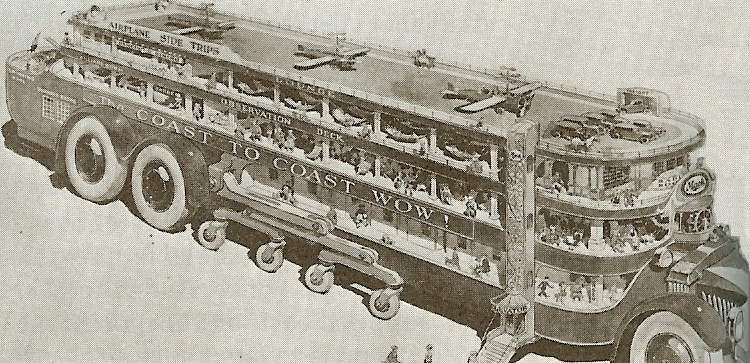 | |||||||||||||||||||||||||||||||||||||||||||||||||||||||||||||||||||||||||||||||||||||||||||||||||||||||||||||||||||||||||||||||||||||||||||||||||||||||||||||||||||||||||||||||||||||||||||||||||||||||||||||||||||||||||||||||||||||||||||||||||||||||||||||||||||||||||||||||||||||||||||||||||||||||||||||||||||||||||||||||||||||||||||||||||||||||||||||||||||||||||||||||||||||||||||||||||||||||||||||||||||||||||||||||||||||||||||||||||||||||||||||||||||||||||||||||||||||||||||||||||||||||||||||||||||||||||||||||||||||
| Curb Your Enthusiasm (16 April 2020) [T] | |||||||||||||||||||||||||||||||||||||||||||||||||||||||||||||||||||||||||||||||||||||||||||||||||||||||||||||||||||||||||||||||||||||||||||||||||||||||||||||||||||||||||||||||||||||||||||||||||||||||||||||||||||||||||||||||||||||||||||||||||||||||||||||||||||||||||||||||||||||||||||||||||||||||||||||||||||||||||||||||||||||||||||||||||||||||||||||||||||||||||||||||||||||||||||||||||||||||||||||||||||||||||||||||||||||||||||||||||||||||||||||||||||||||||||||||||||||||||||||||||||||||||||||||||||||||||||||||||||||
The Eno Center for Transportation is offering a webinar (29 April 2020) "There's No Tool Like Curbs: The Powerful Mobility Tool Every City Already Has." City goals are assumed to include transportation systems that promote mobility, safety, equity, climate and accessibility goals. Achieving these goals has become more complex but Eno identified curb space management policy as a powerful tool to reach mobility goals. Maybe some solutions have been right in front of your eyes all along, or at least right in front of each downtown business's front door. But not so fast -- as with any need, or any opportunity, real planning is required. What are the exact problems to be addressed, what are the resources that will be consumed, reallocated, or wasted by any proposed "solution" to the identified problems? On the demand side, changes are evident in many urban areas, including decreases in bus ridership (and possibly in bus vehicle-volumes), increases in shared modes (ride hailing), and increases in non-motorized transport (including walk, bike, and micro-transit). Car ownership has perhaps peaked and autonomous vehicles keep threatening to make their promised landscape-changing appearance. On the other hand, our current pandemic, evolving transportation and communication technologies, and fundamental socio-demographic changes are bound to influence current travel demands. On the supply side, with a small number of exceptions, cities own and control sidewalks and streets, and thus the curb space that delineates their separation. How is this curb space currently used? Let me count the ways: as travel lanes (including some that are mode-restricted such as bus or bike lanes and some that are movement-restricted such as right turn only lanes); for loading and unloading of both passengers and freight (including bus stops); and parking (which is often metered and thus municipal potential revenue source). Sidewalks can get crowded (and not just due to social distancing) and walking seems to be increasing, especially in cities. Bikes and micro-transit fall between walking and driving: in most case, these modes are not allowed on sidewalks and must follow motor vehicle regulations. The expression "fall between" has not only a functional interpretation but also a spatial meaning. Curb lanes filled with parked cars often act like a wall, with some safety benefits for pedestrians but real safety costs for in-between modes, not to mention interruptions in access-egress imposed by vehicles at the curb (including buses, ride hailing, freight, and personal vehicles). Curbside parking has been a subsidy for local businesses so eliminating convenient parking can have economic impacts on local communities where off-street parking is not always available and where a dense local population is often not in place. Many denser, growing cities have provided off-street parking in zoning requirements, but retrofitting is usually not a cost-effective option. Removal of parking could shift parking demand to neighboring streets and shift economic activity to other areas (traffic calming strategies often have a similar impact). I was once approached by a parking guru who said that his students claimed that I said parking should be free. I could not tell whether this was a "surely they must be wrong" moment or an honest question, but I gave an honest answer. Charging for parking is like enrolling students in public schools and telling them when they arrive that they have to pay to sit at a desk. If driving a personal vehicle is allowed, then parking it is a necessary part of the trip. You would not allow cars to drive on any street but charge them each time they wanted to make a right turn in a dense area (but perhaps not as much as a left turn fee). I fully recognize that there is a real cost to parking, but the economics can be quite complex. My design standard is that all elements of cost should be reflected at the origin of the trip, not at the destination, but I wouldn't get to excited about seeing such a strategy come to pass. | |||||||||||||||||||||||||||||||||||||||||||||||||||||||||||||||||||||||||||||||||||||||||||||||||||||||||||||||||||||||||||||||||||||||||||||||||||||||||||||||||||||||||||||||||||||||||||||||||||||||||||||||||||||||||||||||||||||||||||||||||||||||||||||||||||||||||||||||||||||||||||||||||||||||||||||||||||||||||||||||||||||||||||||||||||||||||||||||||||||||||||||||||||||||||||||||||||||||||||||||||||||||||||||||||||||||||||||||||||||||||||||||||||||||||||||||||||||||||||||||||||||||||||||||||||||||||||||||||||||
| A Hush in the Passion Play (13 April 2020) [T] | |||||||||||||||||||||||||||||||||||||||||||||||||||||||||||||||||||||||||||||||||||||||||||||||||||||||||||||||||||||||||||||||||||||||||||||||||||||||||||||||||||||||||||||||||||||||||||||||||||||||||||||||||||||||||||||||||||||||||||||||||||||||||||||||||||||||||||||||||||||||||||||||||||||||||||||||||||||||||||||||||||||||||||||||||||||||||||||||||||||||||||||||||||||||||||||||||||||||||||||||||||||||||||||||||||||||||||||||||||||||||||||||||||||||||||||||||||||||||||||||||||||||||||||||||||||||||||||||||||||
My take (with apologies to Ian Anderson) on Ryan Fonseca's reflections on LA traffic in the beginning of the COVID-19 pandemic: "Where there was a rush along the 405. There's now a hush in the passion play." | |||||||||||||||||||||||||||||||||||||||||||||||||||||||||||||||||||||||||||||||||||||||||||||||||||||||||||||||||||||||||||||||||||||||||||||||||||||||||||||||||||||||||||||||||||||||||||||||||||||||||||||||||||||||||||||||||||||||||||||||||||||||||||||||||||||||||||||||||||||||||||||||||||||||||||||||||||||||||||||||||||||||||||||||||||||||||||||||||||||||||||||||||||||||||||||||||||||||||||||||||||||||||||||||||||||||||||||||||||||||||||||||||||||||||||||||||||||||||||||||||||||||||||||||||||||||||||||||||||||
| Buses and Cars (Take 2) (10 April 2020) [T] | |||||||||||||||||||||||||||||||||||||||||||||||||||||||||||||||||||||||||||||||||||||||||||||||||||||||||||||||||||||||||||||||||||||||||||||||||||||||||||||||||||||||||||||||||||||||||||||||||||||||||||||||||||||||||||||||||||||||||||||||||||||||||||||||||||||||||||||||||||||||||||||||||||||||||||||||||||||||||||||||||||||||||||||||||||||||||||||||||||||||||||||||||||||||||||||||||||||||||||||||||||||||||||||||||||||||||||||||||||||||||||||||||||||||||||||||||||||||||||||||||||||||||||||||||||||||||||||||||||||
So transit ridership is down, but what about traffic volumes? The New York Times' Winnie Hu writes about "N.Y.'s Changed Streets" (9 April 2020) sounding much like Judge Doom envisioning a future with "Faster buses. Plentiful parking. Cleaner air. A shift in habits offers a glimpse of what the city could be like without so much congestion." (Full disclosure: the Judge had an alternative future in mind). Hu quotes meaningful statistics: daily VMT plunging 64 percent, exceeding 60 percent in San Francisco and 53 percent in Los Angeles, the land of blue skies (when our equally atypical rain stops). "You just don't see traffic like this ever," said Samuel Schwartz, aka "Gridlock Sam" (I've always wondered about that moniker: Fantastic Sam supposedly gives fantastic haircuts so what does Gridlock Sam do?). And NYU's Sarah Kaufman adds "It falls along the lines of 'never let a crisis go to waste.'" Really? Hasn't Trump been attacked (IMHO rightfully so) for pressing his anti-immigration, anti-regulation, anti-environment platform while we're mired in the same crisis? Does Kaufman really think that most people will appreciate what the goose wants to do while the gander is being plucked? Yes, I realize that Kaufman likely wants "good things" like fewer cars, less pollution, and pedestrian and bike safety while Trump wants, well, basically the opposite, but I rarely if ever accept that the ends justify the means. Kaufman says that the pandemic induced congestion relief "is a way to assess what's truly essential in the city and reprioritize our spaces and mobility options for what makes the most sense." Really? Having virtually the entire population stay home, shutting down the city's 24/7 culture, and stopping the economy yields what's "truly essential"? Egads! To avoid falling down a rabbit hole of disbelief I will only offer an equally misconceived quip about educational institutions: they would be nice places to work if it weren't for all the students. | |||||||||||||||||||||||||||||||||||||||||||||||||||||||||||||||||||||||||||||||||||||||||||||||||||||||||||||||||||||||||||||||||||||||||||||||||||||||||||||||||||||||||||||||||||||||||||||||||||||||||||||||||||||||||||||||||||||||||||||||||||||||||||||||||||||||||||||||||||||||||||||||||||||||||||||||||||||||||||||||||||||||||||||||||||||||||||||||||||||||||||||||||||||||||||||||||||||||||||||||||||||||||||||||||||||||||||||||||||||||||||||||||||||||||||||||||||||||||||||||||||||||||||||||||||||||||||||||||||||
| Buses and Cars (Take 1) (10 April 2020) [T] | |||||||||||||||||||||||||||||||||||||||||||||||||||||||||||||||||||||||||||||||||||||||||||||||||||||||||||||||||||||||||||||||||||||||||||||||||||||||||||||||||||||||||||||||||||||||||||||||||||||||||||||||||||||||||||||||||||||||||||||||||||||||||||||||||||||||||||||||||||||||||||||||||||||||||||||||||||||||||||||||||||||||||||||||||||||||||||||||||||||||||||||||||||||||||||||||||||||||||||||||||||||||||||||||||||||||||||||||||||||||||||||||||||||||||||||||||||||||||||||||||||||||||||||||||||||||||||||||||||||
Transit use is down, but as Jarrett Walker writes in Citylab (7 April 2020) "it's (about) more than just ridership." I agree, but not when he adds "in a pandemic, we're all 'transit dependent.'" He reports NYC transit ridership has collapsed ("stabilized around 70% below pre-crisis levels") but that many agencies report bigger declines, not surprising given the work commute focus on many services (BART has lost 93% of its riders). A financial disaster may well occur and while I strongly agree with Walker regarding transit being about much more than ridership (and the cost subsidies) I'm not so sure I agree with his end game that "buses, trains, and subways make urban civilization possible." It may well be the case today (or yesterday) that public services enable urban civilization but just how should we be responding? Support transit to support current urban civilization, or evolve our cities and evolve civilizations? My position is decidedly not driven by current or future pandemic concerns but I cannot deny the opportunity to re-think how cities have developed over time in what has been more of a laissez-faire approach rather than due to the human plans that are so widely touted. Do we know whether people who live in cities have made an active choices to do so or do they simply not have alternatives? Educated people who embrace cities tend to promote what they consider to be the humanity of a 24/7 culture that is free from most things they don't value. I'm not anti-city (or in large measure anti-anything), I'm just pro-choice. I don't want to live in a big city and I'm more than willing to forego any associated benefits because for me they are outweighed by the costs. In my future eye I spy: cities, smaller on most relevant dimensions, with cores that are walkable, car and pollution free, but strongly connected to other options that are relatively close by. I could go on, and I have, to the considerable annoyance of my colleagues (who rarely if ever propose alternatives to my decidedly non-urban utopian visions). But I won't, except that I do have to mention the two key ingredients of my vision: we must reduce resource consumption and population, and we must accept that not everyone loves a bus. Keep transit fully functional while we're in this crisis, not because it will help "prevent the collapse of civilization" but because for now we need to keep things as normal as possible. While we're waiting, let's think about what role cities might play in our "more uncertain than usual" future, especially one where virtual travel could become the new norm. | |||||||||||||||||||||||||||||||||||||||||||||||||||||||||||||||||||||||||||||||||||||||||||||||||||||||||||||||||||||||||||||||||||||||||||||||||||||||||||||||||||||||||||||||||||||||||||||||||||||||||||||||||||||||||||||||||||||||||||||||||||||||||||||||||||||||||||||||||||||||||||||||||||||||||||||||||||||||||||||||||||||||||||||||||||||||||||||||||||||||||||||||||||||||||||||||||||||||||||||||||||||||||||||||||||||||||||||||||||||||||||||||||||||||||||||||||||||||||||||||||||||||||||||||||||||||||||||||||||||
| This Date in History (9 April 2020) [I] | |||||||||||||||||||||||||||||||||||||||||||||||||||||||||||||||||||||||||||||||||||||||||||||||||||||||||||||||||||||||||||||||||||||||||||||||||||||||||||||||||||||||||||||||||||||||||||||||||||||||||||||||||||||||||||||||||||||||||||||||||||||||||||||||||||||||||||||||||||||||||||||||||||||||||||||||||||||||||||||||||||||||||||||||||||||||||||||||||||||||||||||||||||||||||||||||||||||||||||||||||||||||||||||||||||||||||||||||||||||||||||||||||||||||||||||||||||||||||||||||||||||||||||||||||||||||||||||||||||||
In 1865, Lee surrendered to Grant, effectively ending the Civil War. Moments in time. Time to move on. | |||||||||||||||||||||||||||||||||||||||||||||||||||||||||||||||||||||||||||||||||||||||||||||||||||||||||||||||||||||||||||||||||||||||||||||||||||||||||||||||||||||||||||||||||||||||||||||||||||||||||||||||||||||||||||||||||||||||||||||||||||||||||||||||||||||||||||||||||||||||||||||||||||||||||||||||||||||||||||||||||||||||||||||||||||||||||||||||||||||||||||||||||||||||||||||||||||||||||||||||||||||||||||||||||||||||||||||||||||||||||||||||||||||||||||||||||||||||||||||||||||||||||||||||||||||||||||||||||||||
| The Rain, The Park, and Other Things (7 April 2020) [E] | |||||||||||||||||||||||||||||||||||||||||||||||||||||||||||||||||||||||||||||||||||||||||||||||||||||||||||||||||||||||||||||||||||||||||||||||||||||||||||||||||||||||||||||||||||||||||||||||||||||||||||||||||||||||||||||||||||||||||||||||||||||||||||||||||||||||||||||||||||||||||||||||||||||||||||||||||||||||||||||||||||||||||||||||||||||||||||||||||||||||||||||||||||||||||||||||||||||||||||||||||||||||||||||||||||||||||||||||||||||||||||||||||||||||||||||||||||||||||||||||||||||||||||||||||||||||||||||||||||||
Historical data (EPA) suggests that the Los Angeles area has just enjoyed the longest stretch of clean air since 1980 (when EPA started collecting this data), as reported in Curbed LA. Social distancing due to COVID-19 and a very rainy month due to Mother Nature are the causes. The article states that a pandemic is not the way we'd want to achieve better air quality but one wonders to what degree, if even a portion of LA residents were to telecommute or use any form of transportation that doesn't consume fossil fuels, would an improvement in air quality be realized? Oddly, my limited observations of pedestrian activity in parks and on walkways over the past few weeks (at least when it wasn't raining) suggests that pedestrian infrastructure may well be insufficient to accommodate a measurable increase in walking (similar to transit being incapable of serving any significant ridership increase without major system expansion). We have a lot to think about. | |||||||||||||||||||||||||||||||||||||||||||||||||||||||||||||||||||||||||||||||||||||||||||||||||||||||||||||||||||||||||||||||||||||||||||||||||||||||||||||||||||||||||||||||||||||||||||||||||||||||||||||||||||||||||||||||||||||||||||||||||||||||||||||||||||||||||||||||||||||||||||||||||||||||||||||||||||||||||||||||||||||||||||||||||||||||||||||||||||||||||||||||||||||||||||||||||||||||||||||||||||||||||||||||||||||||||||||||||||||||||||||||||||||||||||||||||||||||||||||||||||||||||||||||||||||||||||||||||||||
| Sad CAFE (6 April 2020) [E] | |||||||||||||||||||||||||||||||||||||||||||||||||||||||||||||||||||||||||||||||||||||||||||||||||||||||||||||||||||||||||||||||||||||||||||||||||||||||||||||||||||||||||||||||||||||||||||||||||||||||||||||||||||||||||||||||||||||||||||||||||||||||||||||||||||||||||||||||||||||||||||||||||||||||||||||||||||||||||||||||||||||||||||||||||||||||||||||||||||||||||||||||||||||||||||||||||||||||||||||||||||||||||||||||||||||||||||||||||||||||||||||||||||||||||||||||||||||||||||||||||||||||||||||||||||||||||||||||||||||
An EDF analysis (using EPA models) examined the serious and lasting pollution, energy, economic, and security implications of the Trump administration's profoundly damaging plan to rollback domestic Clean Car Standards. EDF's results suggest:
| |||||||||||||||||||||||||||||||||||||||||||||||||||||||||||||||||||||||||||||||||||||||||||||||||||||||||||||||||||||||||||||||||||||||||||||||||||||||||||||||||||||||||||||||||||||||||||||||||||||||||||||||||||||||||||||||||||||||||||||||||||||||||||||||||||||||||||||||||||||||||||||||||||||||||||||||||||||||||||||||||||||||||||||||||||||||||||||||||||||||||||||||||||||||||||||||||||||||||||||||||||||||||||||||||||||||||||||||||||||||||||||||||||||||||||||||||||||||||||||||||||||||||||||||||||||||||||||||||||||
| Voices (Carry) (4 April 2020) [R] | |||||||||||||||||||||||||||||||||||||||||||||||||||||||||||||||||||||||||||||||||||||||||||||||||||||||||||||||||||||||||||||||||||||||||||||||||||||||||||||||||||||||||||||||||||||||||||||||||||||||||||||||||||||||||||||||||||||||||||||||||||||||||||||||||||||||||||||||||||||||||||||||||||||||||||||||||||||||||||||||||||||||||||||||||||||||||||||||||||||||||||||||||||||||||||||||||||||||||||||||||||||||||||||||||||||||||||||||||||||||||||||||||||||||||||||||||||||||||||||||||||||||||||||||||||||||||||||||||||||
The Week reports that the Hobby Lobby chain (you may recall Burwell v. Hobby Lobby, 573 US 682 in 2014) will remain open during the pandemic, but don't worry. The CEO's wife received a message from God that He will specifically protect Hobby Lobby and its employees. No mention about similar perqs for customers. I'm not saying that there isn't a God and I'm not saying that He doesn't directly speak to people. But isn't someone hearing voices typically a indicator that there might be something else worth examining? I mean, if it's a good thing you're hearing, then it probably is God, and if it's a bad thing you're hearing, then it probably isn't (at least that's what most individuals on the receiving end tend to think). But running it by an otolaryngologist first might save you some embarrassment, and now-a-days maybe save some lives. | |||||||||||||||||||||||||||||||||||||||||||||||||||||||||||||||||||||||||||||||||||||||||||||||||||||||||||||||||||||||||||||||||||||||||||||||||||||||||||||||||||||||||||||||||||||||||||||||||||||||||||||||||||||||||||||||||||||||||||||||||||||||||||||||||||||||||||||||||||||||||||||||||||||||||||||||||||||||||||||||||||||||||||||||||||||||||||||||||||||||||||||||||||||||||||||||||||||||||||||||||||||||||||||||||||||||||||||||||||||||||||||||||||||||||||||||||||||||||||||||||||||||||||||||||||||||||||||||||||||
| TMI (2 April 2020) [B] | |||||||||||||||||||||||||||||||||||||||||||||||||||||||||||||||||||||||||||||||||||||||||||||||||||||||||||||||||||||||||||||||||||||||||||||||||||||||||||||||||||||||||||||||||||||||||||||||||||||||||||||||||||||||||||||||||||||||||||||||||||||||||||||||||||||||||||||||||||||||||||||||||||||||||||||||||||||||||||||||||||||||||||||||||||||||||||||||||||||||||||||||||||||||||||||||||||||||||||||||||||||||||||||||||||||||||||||||||||||||||||||||||||||||||||||||||||||||||||||||||||||||||||||||||||||||||||||||||||||
An article in Psychology Today (1 April 2020, no joke assumed) asks about media exposure to COVID-19: "How Much Is Too Much?" Colleagues at UC Irvine have concluded that "repeated media exposure to community crisis can lead to increased anxiety, heightened stress responses that can lead to downstream effects on health, and misplaced health-protective and help-seeking behaviors that can overburden health care facilities and tax available resources." Ya think? Nothing had annoyed me more than the general flow of "fake news" from Pennsylvania Avenue, but I still needed to tune in daily to various media outlets, hoping for the best. With COVID-19, something that could directly affect me, I've simply stopped watching the news and quickly delete any related emails or list serve postings. It's like an LA car chase 24/7. | |||||||||||||||||||||||||||||||||||||||||||||||||||||||||||||||||||||||||||||||||||||||||||||||||||||||||||||||||||||||||||||||||||||||||||||||||||||||||||||||||||||||||||||||||||||||||||||||||||||||||||||||||||||||||||||||||||||||||||||||||||||||||||||||||||||||||||||||||||||||||||||||||||||||||||||||||||||||||||||||||||||||||||||||||||||||||||||||||||||||||||||||||||||||||||||||||||||||||||||||||||||||||||||||||||||||||||||||||||||||||||||||||||||||||||||||||||||||||||||||||||||||||||||||||||||||||||||||||||||
| Flattening Curves (26 March 2020) [S] | |||||||||||||||||||||||||||||||||||||||||||||||||||||||||||||||||||||||||||||||||||||||||||||||||||||||||||||||||||||||||||||||||||||||||||||||||||||||||||||||||||||||||||||||||||||||||||||||||||||||||||||||||||||||||||||||||||||||||||||||||||||||||||||||||||||||||||||||||||||||||||||||||||||||||||||||||||||||||||||||||||||||||||||||||||||||||||||||||||||||||||||||||||||||||||||||||||||||||||||||||||||||||||||||||||||||||||||||||||||||||||||||||||||||||||||||||||||||||||||||||||||||||||||||||||||||||||||||||||||
Trevor Noah had an interesting take on why many people are not taking the COVID-19 pandemic seriously. He said you can't see it. If this were a plague of brain-eating zombies (are there other kinds?) then we'd all pay full attention. When the all clear signal is announced, most people would say "Are you sure?" before venturing outside. If the response was "Sorta, but there are still a few preying on the unsuspecting" then you just might decide to wait before resuming you prior schedule. But COVID-19? How bad can it really be? The situation is an order of magnitude more difficult when it comes to climate change: there's nothing immediately threatening to see and no one to personally blame ... until it will be too late. We've had plenty of warnings and actual events that point toward what virtually all scientist conclude: climate change is real and it's impact will be far larger than that for COVID-19. And there won't be a vaccine to protect you from climate change impacts. Whether you agree that we are the cause of climate change or not, you must agree that we alone possess the capability to try to control it. Maybe it's time to start flattening the climate change curve. | |||||||||||||||||||||||||||||||||||||||||||||||||||||||||||||||||||||||||||||||||||||||||||||||||||||||||||||||||||||||||||||||||||||||||||||||||||||||||||||||||||||||||||||||||||||||||||||||||||||||||||||||||||||||||||||||||||||||||||||||||||||||||||||||||||||||||||||||||||||||||||||||||||||||||||||||||||||||||||||||||||||||||||||||||||||||||||||||||||||||||||||||||||||||||||||||||||||||||||||||||||||||||||||||||||||||||||||||||||||||||||||||||||||||||||||||||||||||||||||||||||||||||||||||||||||||||||||||||||||
| The Big Chill (25 March 2020) [B] | |||||||||||||||||||||||||||||||||||||||||||||||||||||||||||||||||||||||||||||||||||||||||||||||||||||||||||||||||||||||||||||||||||||||||||||||||||||||||||||||||||||||||||||||||||||||||||||||||||||||||||||||||||||||||||||||||||||||||||||||||||||||||||||||||||||||||||||||||||||||||||||||||||||||||||||||||||||||||||||||||||||||||||||||||||||||||||||||||||||||||||||||||||||||||||||||||||||||||||||||||||||||||||||||||||||||||||||||||||||||||||||||||||||||||||||||||||||||||||||||||||||||||||||||||||||||||||||||||||||
A letter to the LA Times (25 March 2020) complains "my teenage sons ... are stuck at home. They don't just want to go for a walk. They should be able to go to one of our local parks to exercise." This is followed by a Trumpian proclamation that questions whether "the risks of illness and death from COVID-19 for the general population outweigh the benefits of exercise, nature contact and fresh air?" (I guess Spock and Kirk were just wrong about the needs of the one). But what if you can have both? That walk your sons don't want can be a run, or just a walk in nature with plenty of fresh air. The writer adds that "a singles match of tennis easily meets social-distancing recommendations." Well, yes, if you play without a ball, don't touch the net, and don't sweat on the court. Last, the author declares that "Parks are public health." Well, so are toilets. "I don't know anyone who could get through the day without two or three juicy rationalizations." In a related OpEd across the fold, Roger Lowenstein discusses "How to balance saving humans and rescuing the economy." He echoes Trump's "the cure should not be worse than the disease" with tenuous analogies including: (a) setting the speed limit to 65 and accepting 35,000 annual fatalities; (b) 15,000 non-self-inflicted gunshot deaths; and (c) annual deaths from the common flu on the order of the tens of thousands. Lowenstein recognizes that these are trade-offs that do not necessarily reflect any level of optimality, but Lowenstein also does not reflect the complexities of these analogies. First, consider speed. Studies completed in the 1970s when federal speed limits were reduced to 55 mph strongly suggested that fatalities were related to speed variation and not to average speed. Setting speed limits has always been something that confuses many people but which reflects the science of speed distributions, the design of highway facilities, the human factors of driving, and a range of warrants for adjusting speeds. But it is wrong to suggest that all of these fatalities were speed-related, when drugs and alcohol as well as distracted driving account for a sizable portion, not to mention not adhering to safety requirements such as seat-belt use. The primary cause of traffic accidents is not speed but rather a lack of experience and attention on the part of humans. There are relatively few fatalities during the increasing portion of the day with heavy traffic congestion since the variation in speed is so low. What must be understood is the significant increases in vehicle and roadway safety that have supported a continuous drop in fatality rates per vehicle mile traveled. Roads, despite the human elements, have never been safer. Government explicitly has always been doing something about roads to make them safer while also accommodating human social and economic behavior. Second, government is not doing much about gun fatalities, hiding behind the unfortunately clear right to bear arms that is part of the Constitution. Driving and vaccinations are not directly part of the Constitution, although deference to the public good, and public health in particular, could and should lead to action in these areas. But there are underlying causes here as well. The violence that leads to many if not most of these non-self-inflicted deaths is a product of poverty and broken government systems that fail large portions of our society. Third, COVID-19 appears to be spread much more easily than the common flu. While many people do not get flu shots, many if not most people in high risk cohorts do, especially if they are covered by health insurance (which usually covers this cost). Government needs to step up in this area, but unfortunately appears to be moving in the opposite direction. And please do not compare annual flu deaths with the COVID-19 fatality numbers thus far. These will likely be much higher by virtue of the higher rate of transference and a significantly higher fatality rate. The COVID-19 situation is drastically different than flu, obesity, or similar ills currently prevalent based on these two factors. This does not mean that government should not be doing something about these other problems, but they clearly are not as urgent. I agree with Lowenstein that a long-term economic shut down will have unforeseen consequences (he mentions smuggling, black markets, and lawlessness, all factors that have been experienced in prior periods of economic disruption). I too believe that, in time, and I have no idea how much time this will be, parts of the economy should be allowed and encouraged to re-start, perhaps based on spatial distributions of COVID-19 cases (this would encourage areas to do everything possible to reduce the spread to allow the economy to reset more quickly). It can also be done for various cohorts and not others. Those individuals in cohorts with the greatest risk should be encouraged and supported, even financially, to not go back to work or other activity. But government should not expose all citizens to risks that are clear and present. | |||||||||||||||||||||||||||||||||||||||||||||||||||||||||||||||||||||||||||||||||||||||||||||||||||||||||||||||||||||||||||||||||||||||||||||||||||||||||||||||||||||||||||||||||||||||||||||||||||||||||||||||||||||||||||||||||||||||||||||||||||||||||||||||||||||||||||||||||||||||||||||||||||||||||||||||||||||||||||||||||||||||||||||||||||||||||||||||||||||||||||||||||||||||||||||||||||||||||||||||||||||||||||||||||||||||||||||||||||||||||||||||||||||||||||||||||||||||||||||||||||||||||||||||||||||||||||||||||||||
| Fault? (20 March 2020) [P] | |||||||||||||||||||||||||||||||||||||||||||||||||||||||||||||||||||||||||||||||||||||||||||||||||||||||||||||||||||||||||||||||||||||||||||||||||||||||||||||||||||||||||||||||||||||||||||||||||||||||||||||||||||||||||||||||||||||||||||||||||||||||||||||||||||||||||||||||||||||||||||||||||||||||||||||||||||||||||||||||||||||||||||||||||||||||||||||||||||||||||||||||||||||||||||||||||||||||||||||||||||||||||||||||||||||||||||||||||||||||||||||||||||||||||||||||||||||||||||||||||||||||||||||||||||||||||||||||||||||
"We're going to back the airlines 100% -- it's not their fault," said our clueless leader. Well, actually, it sort of is -- COVID didn't swim over from China. The economics are real due to the debt of extremely expensive airplanes and the need for airline solvency when the demand is back, so I'm troubled more by the expression "not their fault." The public safety net of social security, medicare, and various programs addressing homelessness and poverty has been under constant attack by the current administration so one can only assume that our problems (maybe even COVID) are indeed the fault of the elderly, the poor, and the uninsured. "We're not going to back them 100% -- someone's got to take the blame." It won't be the one percenters. And it certainly won't be our clueless leader. | |||||||||||||||||||||||||||||||||||||||||||||||||||||||||||||||||||||||||||||||||||||||||||||||||||||||||||||||||||||||||||||||||||||||||||||||||||||||||||||||||||||||||||||||||||||||||||||||||||||||||||||||||||||||||||||||||||||||||||||||||||||||||||||||||||||||||||||||||||||||||||||||||||||||||||||||||||||||||||||||||||||||||||||||||||||||||||||||||||||||||||||||||||||||||||||||||||||||||||||||||||||||||||||||||||||||||||||||||||||||||||||||||||||||||||||||||||||||||||||||||||||||||||||||||||||||||||||||||||||
| Gaps (19 March 2020) [T] | |||||||||||||||||||||||||||||||||||||||||||||||||||||||||||||||||||||||||||||||||||||||||||||||||||||||||||||||||||||||||||||||||||||||||||||||||||||||||||||||||||||||||||||||||||||||||||||||||||||||||||||||||||||||||||||||||||||||||||||||||||||||||||||||||||||||||||||||||||||||||||||||||||||||||||||||||||||||||||||||||||||||||||||||||||||||||||||||||||||||||||||||||||||||||||||||||||||||||||||||||||||||||||||||||||||||||||||||||||||||||||||||||||||||||||||||||||||||||||||||||||||||||||||||||||||||||||||||||||||
Inglewood will soon have not only the new SoFi Stadium (for the Rams and the Chargers) but also a performing arts venue, and significant redevelopment of the former Hollywood Park site, as well as the LA Forum across the street and a possible arena for the LA Clippers. If you thought that the Forum and Hollywood Park generated traffic decades ago, you ain't seen nothin' yet! An editorial in the LA Times (19 March 2020) calls for a "People Mover for Inglewood" to provide an "environmentally friendly, efficient public transit" option. There is an utter lack of planning once again resulting in reactionary politics, with major land development proceeding independently from transportation development. This massive development is more than a mile from the closest station on the still under-construction Crenshaw/LAX light rail line, one of a continuing examples of a failure to communicate. The people mover is proposed to close this last mile gap, but a people mover system can only handle about 5,000 people per hour, which is not sufficient to address the 70,000 attendees at the stadium or even smaller crowds at the other venues there was a similar conceptual gap with a proposed aerial tramway from downtown LA to Dodger Stadium). At a cost of over $1 billion, is yet another transportation technology really the best way to close this spatial gap? More importantly, is the conceptual gap between land development and transportation development even addressable? | |||||||||||||||||||||||||||||||||||||||||||||||||||||||||||||||||||||||||||||||||||||||||||||||||||||||||||||||||||||||||||||||||||||||||||||||||||||||||||||||||||||||||||||||||||||||||||||||||||||||||||||||||||||||||||||||||||||||||||||||||||||||||||||||||||||||||||||||||||||||||||||||||||||||||||||||||||||||||||||||||||||||||||||||||||||||||||||||||||||||||||||||||||||||||||||||||||||||||||||||||||||||||||||||||||||||||||||||||||||||||||||||||||||||||||||||||||||||||||||||||||||||||||||||||||||||||||||||||||||
| Belts (18 March 2020) [T] | |||||||||||||||||||||||||||||||||||||||||||||||||||||||||||||||||||||||||||||||||||||||||||||||||||||||||||||||||||||||||||||||||||||||||||||||||||||||||||||||||||||||||||||||||||||||||||||||||||||||||||||||||||||||||||||||||||||||||||||||||||||||||||||||||||||||||||||||||||||||||||||||||||||||||||||||||||||||||||||||||||||||||||||||||||||||||||||||||||||||||||||||||||||||||||||||||||||||||||||||||||||||||||||||||||||||||||||||||||||||||||||||||||||||||||||||||||||||||||||||||||||||||||||||||||||||||||||||||||||
Eat too much? Get a bigger belt. Or maybe a more elastic one. Soon, technology improvements might provide belts that automatically respond to how much food is input upstream and self-adjust to accommodate throughput further downstream. Did I mention you could also eat less? The more you eat, the greater the negative impacts of over-eating, regardless of belt type. As long as you keep eating more, the best you can do is essentially discomfort management which only can address the symptoms of overeating. What about roads? Too much traffic trying to enter your roadway? Why just get a bigger belt. Or maybe you can use new technologies to adjust how traffic uses the roadway via various forms of corridor management. Any action that improves flow, however, essentially increases capacity. Any increase in capacity will cause flow to reallocate from other routes and time periods, and can also cause changes in mode use and destinations visited. These short-term changes are simply a re-equilibration of demand and the world is, in general, better off since more people are accessing their desired activities, typically with improved overall performance. Is this induced demand? No, since most of these trips are already being made, so current demand (consumption) just has different attributes (tastes). The culprit of course is over-eating, not by current diners but rather by new diners. In a word, growth. This is why we don't speak of reducing congestion anymore; we can only manage it. In both cases, roadway and gastrointestinal traffic, there is but one solution. Control growth. | |||||||||||||||||||||||||||||||||||||||||||||||||||||||||||||||||||||||||||||||||||||||||||||||||||||||||||||||||||||||||||||||||||||||||||||||||||||||||||||||||||||||||||||||||||||||||||||||||||||||||||||||||||||||||||||||||||||||||||||||||||||||||||||||||||||||||||||||||||||||||||||||||||||||||||||||||||||||||||||||||||||||||||||||||||||||||||||||||||||||||||||||||||||||||||||||||||||||||||||||||||||||||||||||||||||||||||||||||||||||||||||||||||||||||||||||||||||||||||||||||||||||||||||||||||||||||||||||||||||
| Six Feet (16 March 2020) [Z] | |||||||||||||||||||||||||||||||||||||||||||||||||||||||||||||||||||||||||||||||||||||||||||||||||||||||||||||||||||||||||||||||||||||||||||||||||||||||||||||||||||||||||||||||||||||||||||||||||||||||||||||||||||||||||||||||||||||||||||||||||||||||||||||||||||||||||||||||||||||||||||||||||||||||||||||||||||||||||||||||||||||||||||||||||||||||||||||||||||||||||||||||||||||||||||||||||||||||||||||||||||||||||||||||||||||||||||||||||||||||||||||||||||||||||||||||||||||||||||||||||||||||||||||||||||||||||||||||||||||
Six feet away today or six feet down tomorrow. | |||||||||||||||||||||||||||||||||||||||||||||||||||||||||||||||||||||||||||||||||||||||||||||||||||||||||||||||||||||||||||||||||||||||||||||||||||||||||||||||||||||||||||||||||||||||||||||||||||||||||||||||||||||||||||||||||||||||||||||||||||||||||||||||||||||||||||||||||||||||||||||||||||||||||||||||||||||||||||||||||||||||||||||||||||||||||||||||||||||||||||||||||||||||||||||||||||||||||||||||||||||||||||||||||||||||||||||||||||||||||||||||||||||||||||||||||||||||||||||||||||||||||||||||||||||||||||||||||||||
| Sparrows and Unicorns (15 March 2020) [L] [S] [I] | |||||||||||||||||||||||||||||||||||||||||||||||||||||||||||||||||||||||||||||||||||||||||||||||||||||||||||||||||||||||||||||||||||||||||||||||||||||||||||||||||||||||||||||||||||||||||||||||||||||||||||||||||||||||||||||||||||||||||||||||||||||||||||||||||||||||||||||||||||||||||||||||||||||||||||||||||||||||||||||||||||||||||||||||||||||||||||||||||||||||||||||||||||||||||||||||||||||||||||||||||||||||||||||||||||||||||||||||||||||||||||||||||||||||||||||||||||||||||||||||||||||||||||||||||||||||||||||||||||||
An ornithologist tells a story of another ornithologist telling a story at an ornithologist conference (stop me if you've heard this one). All golden-crowned sparrows, it seems, have one dialect, but a very special one had two. The ornithologist telling the story, Daizaburo Shizuka, changed countries, cultures, and languages at the age of seven, at the tail end of the critical period for language acquisition, a common constraint for both humans and birds. This dual dialect sparrow was always observed alone, and Shizuka was interested in both the bird's and his own sense of isolation due to language. The LA Times opinion page (15 March 2020) provides Caroline Van Hemert's wonderful essay that relays Shizuka's story about the sparrow's fate: "Despite his unique talents, or perhaps because of them, he never found a mate. Eventually, while all the other birds were busy raising their young, he stopped singing. One day he simply disappeared."Shizuka and the sparrow faced, and Shizuka understood, "the challenges of occupying two worlds at once," feeling "the burden of being different." As I'm writing this I'm constantly checking to see if my pronouns correctly identify the sparrow, Shizuka, or Van Hemert. I think that the humans involved in relating this story understand that subtle traits often make an individual appear different, and that these differences can lead toward harmony or divisiveness. To Van Hemert, a story's narrative should be heard since sharing the human side of science, relating the context of the discovery process, is as important as the science knowledge itself. We need to listen. Closely. | |||||||||||||||||||||||||||||||||||||||||||||||||||||||||||||||||||||||||||||||||||||||||||||||||||||||||||||||||||||||||||||||||||||||||||||||||||||||||||||||||||||||||||||||||||||||||||||||||||||||||||||||||||||||||||||||||||||||||||||||||||||||||||||||||||||||||||||||||||||||||||||||||||||||||||||||||||||||||||||||||||||||||||||||||||||||||||||||||||||||||||||||||||||||||||||||||||||||||||||||||||||||||||||||||||||||||||||||||||||||||||||||||||||||||||||||||||||||||||||||||||||||||||||||||||||||||||||||||||||
| $1.5 Trillion (13 March 2020) [T] | |||||||||||||||||||||||||||||||||||||||||||||||||||||||||||||||||||||||||||||||||||||||||||||||||||||||||||||||||||||||||||||||||||||||||||||||||||||||||||||||||||||||||||||||||||||||||||||||||||||||||||||||||||||||||||||||||||||||||||||||||||||||||||||||||||||||||||||||||||||||||||||||||||||||||||||||||||||||||||||||||||||||||||||||||||||||||||||||||||||||||||||||||||||||||||||||||||||||||||||||||||||||||||||||||||||||||||||||||||||||||||||||||||||||||||||||||||||||||||||||||||||||||||||||||||||||||||||||||||||
Question: In which e-newsletter did this appear? "Wall Street briefly pared its losses on Thursday as investors reacted to the Federal Reserve's announcement that it would dramatically increase liquidity by injecting as much as $1.5 trillion into the economy with an unprecedented series of asset purchases! Former Labor Secretary Robert Reich tweeted, "Total student loan debt: $1.7 trillion. Total cost of the Fed's short-term bank funding: $1.5 trillion. America has socialism for the rich, harsh capitalism for everyone else." Rev. William Barber of the Poor People's Campaign tweeted, "Overnight they found $1.5 trillion for Wall St, but they can't find money to provide healthcare and living wages for 140 million poor and low wealth people in America."Answer: The U.S. High Speed Rail Association (3 March 2020). | |||||||||||||||||||||||||||||||||||||||||||||||||||||||||||||||||||||||||||||||||||||||||||||||||||||||||||||||||||||||||||||||||||||||||||||||||||||||||||||||||||||||||||||||||||||||||||||||||||||||||||||||||||||||||||||||||||||||||||||||||||||||||||||||||||||||||||||||||||||||||||||||||||||||||||||||||||||||||||||||||||||||||||||||||||||||||||||||||||||||||||||||||||||||||||||||||||||||||||||||||||||||||||||||||||||||||||||||||||||||||||||||||||||||||||||||||||||||||||||||||||||||||||||||||||||||||||||||||||||
| Threats to Democracy (12 March 2020) [P] | |||||||||||||||||||||||||||||||||||||||||||||||||||||||||||||||||||||||||||||||||||||||||||||||||||||||||||||||||||||||||||||||||||||||||||||||||||||||||||||||||||||||||||||||||||||||||||||||||||||||||||||||||||||||||||||||||||||||||||||||||||||||||||||||||||||||||||||||||||||||||||||||||||||||||||||||||||||||||||||||||||||||||||||||||||||||||||||||||||||||||||||||||||||||||||||||||||||||||||||||||||||||||||||||||||||||||||||||||||||||||||||||||||||||||||||||||||||||||||||||||||||||||||||||||||||||||||||||||||||
The COVID-19 pandemic has resulted in UCI's Annual Eckstein Lecture being canceled, Suzanne Mettler's "Four Threats: The Recurring Crises of American Democracy." While these threats have reappeared over our history, Mettler calls it alarming that all four -- political polarization, racism and nativism, economic inequality, and excessive executive power -- are present in American politics today. Alarming indeed. | |||||||||||||||||||||||||||||||||||||||||||||||||||||||||||||||||||||||||||||||||||||||||||||||||||||||||||||||||||||||||||||||||||||||||||||||||||||||||||||||||||||||||||||||||||||||||||||||||||||||||||||||||||||||||||||||||||||||||||||||||||||||||||||||||||||||||||||||||||||||||||||||||||||||||||||||||||||||||||||||||||||||||||||||||||||||||||||||||||||||||||||||||||||||||||||||||||||||||||||||||||||||||||||||||||||||||||||||||||||||||||||||||||||||||||||||||||||||||||||||||||||||||||||||||||||||||||||||||||||
| Either/Or (11 March 2020) [S] | |||||||||||||||||||||||||||||||||||||||||||||||||||||||||||||||||||||||||||||||||||||||||||||||||||||||||||||||||||||||||||||||||||||||||||||||||||||||||||||||||||||||||||||||||||||||||||||||||||||||||||||||||||||||||||||||||||||||||||||||||||||||||||||||||||||||||||||||||||||||||||||||||||||||||||||||||||||||||||||||||||||||||||||||||||||||||||||||||||||||||||||||||||||||||||||||||||||||||||||||||||||||||||||||||||||||||||||||||||||||||||||||||||||||||||||||||||||||||||||||||||||||||||||||||||||||||||||||||||||
MIT economics professor David Autor appeared on PBS's Amanpour and Co (with Walter Isaacson) to discuss the evolution of work. Among many interesting comments he suggested that we need to stop thinking in binary regarding employment status. Addressing gig workers such as Uber and Lyft drivers, Autor suggested that the burden of supporting labor has been rejected by many such companies who consider workers to be consultants so the company is not responsible for conventional benefits that most regular employees earn. We need to stop thinking in terms of either/or. | |||||||||||||||||||||||||||||||||||||||||||||||||||||||||||||||||||||||||||||||||||||||||||||||||||||||||||||||||||||||||||||||||||||||||||||||||||||||||||||||||||||||||||||||||||||||||||||||||||||||||||||||||||||||||||||||||||||||||||||||||||||||||||||||||||||||||||||||||||||||||||||||||||||||||||||||||||||||||||||||||||||||||||||||||||||||||||||||||||||||||||||||||||||||||||||||||||||||||||||||||||||||||||||||||||||||||||||||||||||||||||||||||||||||||||||||||||||||||||||||||||||||||||||||||||||||||||||||||||||
| Lost or Never Had? (11 March 2020) [H] | |||||||||||||||||||||||||||||||||||||||||||||||||||||||||||||||||||||||||||||||||||||||||||||||||||||||||||||||||||||||||||||||||||||||||||||||||||||||||||||||||||||||||||||||||||||||||||||||||||||||||||||||||||||||||||||||||||||||||||||||||||||||||||||||||||||||||||||||||||||||||||||||||||||||||||||||||||||||||||||||||||||||||||||||||||||||||||||||||||||||||||||||||||||||||||||||||||||||||||||||||||||||||||||||||||||||||||||||||||||||||||||||||||||||||||||||||||||||||||||||||||||||||||||||||||||||||||||||||||||
Isabel Hagen on the Tonight Show (#1223): "Is love the only thing that after you lose it, you doubt you ever had it? When I lose my keys, it's like, maybe I never had them. I was letting myself into my house with lies ..." | |||||||||||||||||||||||||||||||||||||||||||||||||||||||||||||||||||||||||||||||||||||||||||||||||||||||||||||||||||||||||||||||||||||||||||||||||||||||||||||||||||||||||||||||||||||||||||||||||||||||||||||||||||||||||||||||||||||||||||||||||||||||||||||||||||||||||||||||||||||||||||||||||||||||||||||||||||||||||||||||||||||||||||||||||||||||||||||||||||||||||||||||||||||||||||||||||||||||||||||||||||||||||||||||||||||||||||||||||||||||||||||||||||||||||||||||||||||||||||||||||||||||||||||||||||||||||||||||||||||
| Binary (10 March 2020) [B] [P] | |||||||||||||||||||||||||||||||||||||||||||||||||||||||||||||||||||||||||||||||||||||||||||||||||||||||||||||||||||||||||||||||||||||||||||||||||||||||||||||||||||||||||||||||||||||||||||||||||||||||||||||||||||||||||||||||||||||||||||||||||||||||||||||||||||||||||||||||||||||||||||||||||||||||||||||||||||||||||||||||||||||||||||||||||||||||||||||||||||||||||||||||||||||||||||||||||||||||||||||||||||||||||||||||||||||||||||||||||||||||||||||||||||||||||||||||||||||||||||||||||||||||||||||||||||||||||||||||||||||
Dichotomies: one either loves them or hates them. There seems to be little motivation to move away from this binary perspective; rather, its gone viral, to the point that which is loved the most and that which is hated the most come to dominate one's being at the expense of all else. These bizarro blinders limit what little daily focus one can muster to only the extreme actions on what is on the periphery of one's vision. Step back, take a deep breath, put down your phone, and take a walk. And listen. | |||||||||||||||||||||||||||||||||||||||||||||||||||||||||||||||||||||||||||||||||||||||||||||||||||||||||||||||||||||||||||||||||||||||||||||||||||||||||||||||||||||||||||||||||||||||||||||||||||||||||||||||||||||||||||||||||||||||||||||||||||||||||||||||||||||||||||||||||||||||||||||||||||||||||||||||||||||||||||||||||||||||||||||||||||||||||||||||||||||||||||||||||||||||||||||||||||||||||||||||||||||||||||||||||||||||||||||||||||||||||||||||||||||||||||||||||||||||||||||||||||||||||||||||||||||||||||||||||||||
| Create or Discover? (8 March 2020) [S] [L] | |||||||||||||||||||||||||||||||||||||||||||||||||||||||||||||||||||||||||||||||||||||||||||||||||||||||||||||||||||||||||||||||||||||||||||||||||||||||||||||||||||||||||||||||||||||||||||||||||||||||||||||||||||||||||||||||||||||||||||||||||||||||||||||||||||||||||||||||||||||||||||||||||||||||||||||||||||||||||||||||||||||||||||||||||||||||||||||||||||||||||||||||||||||||||||||||||||||||||||||||||||||||||||||||||||||||||||||||||||||||||||||||||||||||||||||||||||||||||||||||||||||||||||||||||||||||||||||||||||||
No, this is not a new exploration-oriented store at the knowledge mall, but the gist of an essay by K.C. Cole ("Invention and Discovery") where she considers opinions of several scientists regarding a potential sexist orientation of yang-dominated exploration in the "Age of Discovery" as being more, well, discovery-oriented. The yin side of the equation has a greater sense of creation, with one scientist surmising that chemistry is more creative-oriented with many lab substances never occurring in nature and thus not discoverable. Birth perhaps is the ultimate creation (although there's often an element of discovery prior to the creation-reality setting in). I'm not sure about this gender-based interpretation. And what does this suggest regarding engineering and applied science which is typically male dominated yet focused on creation rather than discovery. And what does this imply regarding theories of a god-creator? Maybe we'll discover someday ... | |||||||||||||||||||||||||||||||||||||||||||||||||||||||||||||||||||||||||||||||||||||||||||||||||||||||||||||||||||||||||||||||||||||||||||||||||||||||||||||||||||||||||||||||||||||||||||||||||||||||||||||||||||||||||||||||||||||||||||||||||||||||||||||||||||||||||||||||||||||||||||||||||||||||||||||||||||||||||||||||||||||||||||||||||||||||||||||||||||||||||||||||||||||||||||||||||||||||||||||||||||||||||||||||||||||||||||||||||||||||||||||||||||||||||||||||||||||||||||||||||||||||||||||||||||||||||||||||||||||
| OK Boomer (6 March 2020) [L] [H] | |||||||||||||||||||||||||||||||||||||||||||||||||||||||||||||||||||||||||||||||||||||||||||||||||||||||||||||||||||||||||||||||||||||||||||||||||||||||||||||||||||||||||||||||||||||||||||||||||||||||||||||||||||||||||||||||||||||||||||||||||||||||||||||||||||||||||||||||||||||||||||||||||||||||||||||||||||||||||||||||||||||||||||||||||||||||||||||||||||||||||||||||||||||||||||||||||||||||||||||||||||||||||||||||||||||||||||||||||||||||||||||||||||||||||||||||||||||||||||||||||||||||||||||||||||||||||||||||||||||
Take a nap, junior. | |||||||||||||||||||||||||||||||||||||||||||||||||||||||||||||||||||||||||||||||||||||||||||||||||||||||||||||||||||||||||||||||||||||||||||||||||||||||||||||||||||||||||||||||||||||||||||||||||||||||||||||||||||||||||||||||||||||||||||||||||||||||||||||||||||||||||||||||||||||||||||||||||||||||||||||||||||||||||||||||||||||||||||||||||||||||||||||||||||||||||||||||||||||||||||||||||||||||||||||||||||||||||||||||||||||||||||||||||||||||||||||||||||||||||||||||||||||||||||||||||||||||||||||||||||||||||||||||||||||
| Geezers (3 March 2020) [L] | |||||||||||||||||||||||||||||||||||||||||||||||||||||||||||||||||||||||||||||||||||||||||||||||||||||||||||||||||||||||||||||||||||||||||||||||||||||||||||||||||||||||||||||||||||||||||||||||||||||||||||||||||||||||||||||||||||||||||||||||||||||||||||||||||||||||||||||||||||||||||||||||||||||||||||||||||||||||||||||||||||||||||||||||||||||||||||||||||||||||||||||||||||||||||||||||||||||||||||||||||||||||||||||||||||||||||||||||||||||||||||||||||||||||||||||||||||||||||||||||||||||||||||||||||||||||||||||||||||||
A letter to the LA Times (3 March 2020) responds to yet other letters ("'Geezers'? Really?" 29 Feb 2020) responding to a Virginia Heffernan column (27 Feb 2020) addressing "The Democrats' crotchety geezer shtick ..." Heffernan's OpEd piece also utilized kitsch, bickering, tussling, tetchiness, and many other geriatric terms to make her point which is, well, I'm not really sure (and, no, this is not a senior moment on my part). It may be easy to categorize boomers by their physical appearance and mental quickness, but then it is even easier to do the same with Gen Xers (such as Heffernan) and Millennials. But what really is the difference between not sharply recalling a particular term, name, or date and not even being aware of it, or its impertinence, in the first place? The first batch of response letters held similar reactions including the observation that using comparably dismissive terms for other demographic groups would likely not be acceptable. But I especially liked the last letter, entitled by the Times "Grow up, geezers" (perpetuating this potential political incorrectness). The writer thinks not only are geezers old but are "too" old, concluding that "We need an upper age limit for the presidency." Maybe age limits, upper and lower, for voters, or even for letter writers? | |||||||||||||||||||||||||||||||||||||||||||||||||||||||||||||||||||||||||||||||||||||||||||||||||||||||||||||||||||||||||||||||||||||||||||||||||||||||||||||||||||||||||||||||||||||||||||||||||||||||||||||||||||||||||||||||||||||||||||||||||||||||||||||||||||||||||||||||||||||||||||||||||||||||||||||||||||||||||||||||||||||||||||||||||||||||||||||||||||||||||||||||||||||||||||||||||||||||||||||||||||||||||||||||||||||||||||||||||||||||||||||||||||||||||||||||||||||||||||||||||||||||||||||||||||||||||||||||||||||
| I Hug LA (27 February 2020) [B] | |||||||||||||||||||||||||||||||||||||||||||||||||||||||||||||||||||||||||||||||||||||||||||||||||||||||||||||||||||||||||||||||||||||||||||||||||||||||||||||||||||||||||||||||||||||||||||||||||||||||||||||||||||||||||||||||||||||||||||||||||||||||||||||||||||||||||||||||||||||||||||||||||||||||||||||||||||||||||||||||||||||||||||||||||||||||||||||||||||||||||||||||||||||||||||||||||||||||||||||||||||||||||||||||||||||||||||||||||||||||||||||||||||||||||||||||||||||||||||||||||||||||||||||||||||||||||||||||||||||
In "Not embracing this N.Y. theory about L.A." Steve Lopez (LA Times 26 Feb 2020) takes a New York Times article to task that claims that "we are prone to over-hugging here in La La Land." (Full disclosure: I'm from "back east" and I'm more inclined to the position that people back there don't hug very much at all, this from someone who is decidedly not a hugger). Lopez got a real kick (and a column) by mocking an article that references a hugging culture incorporating shamans, goddess circles, psychedelic mushrooms, excessively long hugs (and commutes), and an utter paucity of representative samples. What I find interesting is not the various perspectives that may exist regarding cultural differences between New York and Los Angeles (not to mention between LA and San Francisco) but the fact that observers of any such differences seem to be oriented more toward shtick than substance, regardless of their current locational preference. | |||||||||||||||||||||||||||||||||||||||||||||||||||||||||||||||||||||||||||||||||||||||||||||||||||||||||||||||||||||||||||||||||||||||||||||||||||||||||||||||||||||||||||||||||||||||||||||||||||||||||||||||||||||||||||||||||||||||||||||||||||||||||||||||||||||||||||||||||||||||||||||||||||||||||||||||||||||||||||||||||||||||||||||||||||||||||||||||||||||||||||||||||||||||||||||||||||||||||||||||||||||||||||||||||||||||||||||||||||||||||||||||||||||||||||||||||||||||||||||||||||||||||||||||||||||||||||||||||||||
| LAX Transit Perk? (25 February 2020) [T] | |||||||||||||||||||||||||||||||||||||||||||||||||||||||||||||||||||||||||||||||||||||||||||||||||||||||||||||||||||||||||||||||||||||||||||||||||||||||||||||||||||||||||||||||||||||||||||||||||||||||||||||||||||||||||||||||||||||||||||||||||||||||||||||||||||||||||||||||||||||||||||||||||||||||||||||||||||||||||||||||||||||||||||||||||||||||||||||||||||||||||||||||||||||||||||||||||||||||||||||||||||||||||||||||||||||||||||||||||||||||||||||||||||||||||||||||||||||||||||||||||||||||||||||||||||||||||||||||||||||
"An LAX perk for transit riders" is an LA Times Editorial (25 Feb 2020) that proposes that people who take public transit to LAX be allowed to cut to the front of airport security lines. My first thought, and likely the editors only thought, was "sure, why the hell not?" But just what impact would this have? First, there really are no convenient public transit options, rail or bus, to LAX so this might be a perk but not likely an incentive to use transit. And just how, when, and where would someone identify transit users? The devil is in the details, and those details would require first establishing viable transit alternatives to LAX. What constitutes viable? No idea. | |||||||||||||||||||||||||||||||||||||||||||||||||||||||||||||||||||||||||||||||||||||||||||||||||||||||||||||||||||||||||||||||||||||||||||||||||||||||||||||||||||||||||||||||||||||||||||||||||||||||||||||||||||||||||||||||||||||||||||||||||||||||||||||||||||||||||||||||||||||||||||||||||||||||||||||||||||||||||||||||||||||||||||||||||||||||||||||||||||||||||||||||||||||||||||||||||||||||||||||||||||||||||||||||||||||||||||||||||||||||||||||||||||||||||||||||||||||||||||||||||||||||||||||||||||||||||||||||||||||
| Standards and Biases (21 February 2020) [U] | |||||||||||||||||||||||||||||||||||||||||||||||||||||||||||||||||||||||||||||||||||||||||||||||||||||||||||||||||||||||||||||||||||||||||||||||||||||||||||||||||||||||||||||||||||||||||||||||||||||||||||||||||||||||||||||||||||||||||||||||||||||||||||||||||||||||||||||||||||||||||||||||||||||||||||||||||||||||||||||||||||||||||||||||||||||||||||||||||||||||||||||||||||||||||||||||||||||||||||||||||||||||||||||||||||||||||||||||||||||||||||||||||||||||||||||||||||||||||||||||||||||||||||||||||||||||||||||||||||||
I have repeatedly made two points regarding the continued use of standardized tests such as the SAT. The first is that these tests are easily gamed, if you have the money. Companies that guarantee an improved test score if you pay for their courses are successful because their services work, if you have the money. The results are biased, with inflated scores for those privileged with family wealth and knowledge of gaming effectiveness. Second, this bias is ultimately self-defeating since inflated scores should not map to college success (unless, of course, the underlying privilege continues to be effective). If the tests are theoretically effective at placing students with an institution appropriate with the student's real abilities, then misrepresentation by inflated scores will admit students that are not actually qualified at the perceived level. Second, by now there should be a track record comparing high school grade point averages (GPA) from most schools with eventual performance in most colleges. If there is grade inflation at a given school, then the performance of students from that school should be lower on average than the performance of similarly qualified students from schools without grade inflation. The same way that standardized test can be normalized over socio-economic and other control variables, high school GPSs can be normalized. The difference, however, is that it is not easy or even possible to game GPA performance over a four year period compared to a 3-4 hour exam (and one that can be repeated with some control over what gets reported). An LA Times OpED (21 February 2020) repeats some of the fallacies often used in support of keeping standardized tests. First, understand that I am not opposed to standardized test, as long as they are properly normed to account for preparation. First, they state that test scores are only part of the evaluation process, and are not counted as heavily as grades. This does not change the fact that these test scores are biased and any accounting in evaluation is thus biased, regardless of assigned weights. They claim that test scores, however, are better predictors of college success. I can speak only to results for engineering students at UC Irvine which have shown that household income, and not college success, is the only thing that correlates with SAT scores. For engineering students, performance in high school math and science courses are the best indicators of college success. The LA Times also challenges the bias in high school GPAs given known grade inflation typically associated with the same privilege that creates bias in standardized test scores. As discussed above, the GPA bias is much more easily controlled than the standardized test bias. While I have called for the replacement of one-shot standardized test with four years of (ideally standardized) evaluations in many different high school courses, I should point out that my comments themselves are biased in that my experience is with students in STEM areas, in general, and with engineering in particular. Perhaps I should call for differential admission requirements and evaluations based on the degree program sought (the School of Engineering at UC Irvine is already calling for changes in the admission process for engineering students). Last, the LA Times does mention that alternative testing is being considered but makes no comment on the easier task of controlling GPA biases. I am not a fan of any form of "repeal and replace" -- what we need is to redirect our focus toward assessing performance, which is measured continuously, over four years of high school, and not for a 3 hour exam. Only then should the current standardized test process be dumped. | |||||||||||||||||||||||||||||||||||||||||||||||||||||||||||||||||||||||||||||||||||||||||||||||||||||||||||||||||||||||||||||||||||||||||||||||||||||||||||||||||||||||||||||||||||||||||||||||||||||||||||||||||||||||||||||||||||||||||||||||||||||||||||||||||||||||||||||||||||||||||||||||||||||||||||||||||||||||||||||||||||||||||||||||||||||||||||||||||||||||||||||||||||||||||||||||||||||||||||||||||||||||||||||||||||||||||||||||||||||||||||||||||||||||||||||||||||||||||||||||||||||||||||||||||||||||||||||||||||||
| 42 (18 February 2020) [A] [I] | |||||||||||||||||||||||||||||||||||||||||||||||||||||||||||||||||||||||||||||||||||||||||||||||||||||||||||||||||||||||||||||||||||||||||||||||||||||||||||||||||||||||||||||||||||||||||||||||||||||||||||||||||||||||||||||||||||||||||||||||||||||||||||||||||||||||||||||||||||||||||||||||||||||||||||||||||||||||||||||||||||||||||||||||||||||||||||||||||||||||||||||||||||||||||||||||||||||||||||||||||||||||||||||||||||||||||||||||||||||||||||||||||||||||||||||||||||||||||||||||||||||||||||||||||||||||||||||||||||||
42. The ultimate answer in search of the proverbial question? I'm now listening to "42" from "Don't Panic" by Izz (clocking in at an appropriate 18 minutes and 42 seconds). I've always been a hitchhiker thumbing for questions and usually find potential answers, but not so much anymore. I seem to be cycling around the event horizon of a black hole, pouring questions in with nothing coming back. Maybe it's a case of "turnabout is fair play," maybe it's just the infinite improbability of meaning, or maybe it's just age. But I guess I shouldn't panic and throw in the towel in my perpetual search for a heart of gold. | |||||||||||||||||||||||||||||||||||||||||||||||||||||||||||||||||||||||||||||||||||||||||||||||||||||||||||||||||||||||||||||||||||||||||||||||||||||||||||||||||||||||||||||||||||||||||||||||||||||||||||||||||||||||||||||||||||||||||||||||||||||||||||||||||||||||||||||||||||||||||||||||||||||||||||||||||||||||||||||||||||||||||||||||||||||||||||||||||||||||||||||||||||||||||||||||||||||||||||||||||||||||||||||||||||||||||||||||||||||||||||||||||||||||||||||||||||||||||||||||||||||||||||||||||||||||||||||||||||||
| Education (15 February 2020) [U] | |||||||||||||||||||||||||||||||||||||||||||||||||||||||||||||||||||||||||||||||||||||||||||||||||||||||||||||||||||||||||||||||||||||||||||||||||||||||||||||||||||||||||||||||||||||||||||||||||||||||||||||||||||||||||||||||||||||||||||||||||||||||||||||||||||||||||||||||||||||||||||||||||||||||||||||||||||||||||||||||||||||||||||||||||||||||||||||||||||||||||||||||||||||||||||||||||||||||||||||||||||||||||||||||||||||||||||||||||||||||||||||||||||||||||||||||||||||||||||||||||||||||||||||||||||||||||||||||||||||
The following quote provides an excellent summary regarding current discussions on the relative merit of skills training in place of higher education. I do not think that a college education is for everyone, but skills training is not an alternate preparation for many of the future leaders that society needs to flourish. "There are no short cuts to cultivating the habits of the mind and heart that, over time, enable people to deepen their learning, develop resilience, transfer information into action, and creatively juggle and evaluate competing ideas and approaches. These are the kinds of proficiencies and dispositions needed to discover alternative responses to challenges presented by the changing nature of today's jobs or for work not yet invented. Workplaces, societal institutions, and the world order are only going to get more complicated and challenging to navigate and manage, increasing the need for people with accumulated wisdom, interpersonal and practical competence, and more than a splash of critical thinking, analytical reasoning, and altruism." George D. Kuh [hbr.org] | |||||||||||||||||||||||||||||||||||||||||||||||||||||||||||||||||||||||||||||||||||||||||||||||||||||||||||||||||||||||||||||||||||||||||||||||||||||||||||||||||||||||||||||||||||||||||||||||||||||||||||||||||||||||||||||||||||||||||||||||||||||||||||||||||||||||||||||||||||||||||||||||||||||||||||||||||||||||||||||||||||||||||||||||||||||||||||||||||||||||||||||||||||||||||||||||||||||||||||||||||||||||||||||||||||||||||||||||||||||||||||||||||||||||||||||||||||||||||||||||||||||||||||||||||||||||||||||||||||||
| Voting: Right or Responsibility? (8 February 2020) [P] [C] | |||||||||||||||||||||||||||||||||||||||||||||||||||||||||||||||||||||||||||||||||||||||||||||||||||||||||||||||||||||||||||||||||||||||||||||||||||||||||||||||||||||||||||||||||||||||||||||||||||||||||||||||||||||||||||||||||||||||||||||||||||||||||||||||||||||||||||||||||||||||||||||||||||||||||||||||||||||||||||||||||||||||||||||||||||||||||||||||||||||||||||||||||||||||||||||||||||||||||||||||||||||||||||||||||||||||||||||||||||||||||||||||||||||||||||||||||||||||||||||||||||||||||||||||||||||||||||||||||||||
I'm missing something. The liberal LA Times appears to support "draining the housing swamp" by up-ending nearly 100 years of local control over zoning and land use in their support of SB 50, but states opposition to Marc Levine's (D-San Rafael) AB 2070 which would mandate ballot submission by all registered voters (i.e., resorting to "threats and intimidation to get people to the polls"). Please read the LA Times editorial (7 Feb 2020) which clearly spells out why this bill is "a really bad idea." It is: you can lead a horse to water but you can't make him drink." The LA Times seems to think otherwise when it comes to removing local control over housing and imposing new requirements from the state-level, upending local zoning and providing a threat to homeowners committed to local communities. | |||||||||||||||||||||||||||||||||||||||||||||||||||||||||||||||||||||||||||||||||||||||||||||||||||||||||||||||||||||||||||||||||||||||||||||||||||||||||||||||||||||||||||||||||||||||||||||||||||||||||||||||||||||||||||||||||||||||||||||||||||||||||||||||||||||||||||||||||||||||||||||||||||||||||||||||||||||||||||||||||||||||||||||||||||||||||||||||||||||||||||||||||||||||||||||||||||||||||||||||||||||||||||||||||||||||||||||||||||||||||||||||||||||||||||||||||||||||||||||||||||||||||||||||||||||||||||||||||||||
| Did Bad Traffic Kill Kobe Bryant? (7 February 2020) [T] | |||||||||||||||||||||||||||||||||||||||||||||||||||||||||||||||||||||||||||||||||||||||||||||||||||||||||||||||||||||||||||||||||||||||||||||||||||||||||||||||||||||||||||||||||||||||||||||||||||||||||||||||||||||||||||||||||||||||||||||||||||||||||||||||||||||||||||||||||||||||||||||||||||||||||||||||||||||||||||||||||||||||||||||||||||||||||||||||||||||||||||||||||||||||||||||||||||||||||||||||||||||||||||||||||||||||||||||||||||||||||||||||||||||||||||||||||||||||||||||||||||||||||||||||||||||||||||||||||||||
Really? I'm trying to find a tongue planted firmly in the cheek of this letter to the LA Times today but I was unable to do so. So the state of California is at fault for this tragedy since it allowed congestion to exist and thus caused Bryant to adopt a "personal solution" which in the end cost him his life. The author gives up his motive by adding "we need to get people out of their cars." But apparently not out of their helicopters. | |||||||||||||||||||||||||||||||||||||||||||||||||||||||||||||||||||||||||||||||||||||||||||||||||||||||||||||||||||||||||||||||||||||||||||||||||||||||||||||||||||||||||||||||||||||||||||||||||||||||||||||||||||||||||||||||||||||||||||||||||||||||||||||||||||||||||||||||||||||||||||||||||||||||||||||||||||||||||||||||||||||||||||||||||||||||||||||||||||||||||||||||||||||||||||||||||||||||||||||||||||||||||||||||||||||||||||||||||||||||||||||||||||||||||||||||||||||||||||||||||||||||||||||||||||||||||||||||||||||
| No Quarter (4 February 2020) [I] | |||||||||||||||||||||||||||||||||||||||||||||||||||||||||||||||||||||||||||||||||||||||||||||||||||||||||||||||||||||||||||||||||||||||||||||||||||||||||||||||||||||||||||||||||||||||||||||||||||||||||||||||||||||||||||||||||||||||||||||||||||||||||||||||||||||||||||||||||||||||||||||||||||||||||||||||||||||||||||||||||||||||||||||||||||||||||||||||||||||||||||||||||||||||||||||||||||||||||||||||||||||||||||||||||||||||||||||||||||||||||||||||||||||||||||||||||||||||||||||||||||||||||||||||||||||||||||||||||||||
"Love seems the swiftest, but it is the slowest of all growths. No man or woman really knows | |||||||||||||||||||||||||||||||||||||||||||||||||||||||||||||||||||||||||||||||||||||||||||||||||||||||||||||||||||||||||||||||||||||||||||||||||||||||||||||||||||||||||||||||||||||||||||||||||||||||||||||||||||||||||||||||||||||||||||||||||||||||||||||||||||||||||||||||||||||||||||||||||||||||||||||||||||||||||||||||||||||||||||||||||||||||||||||||||||||||||||||||||||||||||||||||||||||||||||||||||||||||||||||||||||||||||||||||||||||||||||||||||||||||||||||||||||||||||||||||||||||||||||||||||||||||||||||||||||||
| 99 Luftballons (3 February 2020) [S] [T] [A] | |||||||||||||||||||||||||||||||||||||||||||||||||||||||||||||||||||||||||||||||||||||||||||||||||||||||||||||||||||||||||||||||||||||||||||||||||||||||||||||||||||||||||||||||||||||||||||||||||||||||||||||||||||||||||||||||||||||||||||||||||||||||||||||||||||||||||||||||||||||||||||||||||||||||||||||||||||||||||||||||||||||||||||||||||||||||||||||||||||||||||||||||||||||||||||||||||||||||||||||||||||||||||||||||||||||||||||||||||||||||||||||||||||||||||||||||||||||||||||||||||||||||||||||||||||||||||||||||||||||
A Berlin artist used 99 cell phones to spoof Google into indicating a traffic jam. I've always wondered how traffic estimation would deal with multiple cell phones in a car (or on a bus) but not about an intentional spoof such as Simon Weckert pulling 99 cell phones in a red wagon along Berlin streets. Google Map software showed heavy, slow-moving traffic while the actual streets had virtually none. Weckert showed that it was possible to impact the real network by spoofing cell phone tracking and he further turned up the dial by considering how mapping apps such as Google's are changing what a map is (I've blogged about brain impacts of IT-based wayfinding). "Back at base, bugs in the software, flash the message, something's out there."The philosophical implications on mapping are manifold (not to mention references to 99 (Red) Luftballons). | |||||||||||||||||||||||||||||||||||||||||||||||||||||||||||||||||||||||||||||||||||||||||||||||||||||||||||||||||||||||||||||||||||||||||||||||||||||||||||||||||||||||||||||||||||||||||||||||||||||||||||||||||||||||||||||||||||||||||||||||||||||||||||||||||||||||||||||||||||||||||||||||||||||||||||||||||||||||||||||||||||||||||||||||||||||||||||||||||||||||||||||||||||||||||||||||||||||||||||||||||||||||||||||||||||||||||||||||||||||||||||||||||||||||||||||||||||||||||||||||||||||||||||||||||||||||||||||||||||||
| Le Roi Est Mort (2 February 2020) [P] [G] | |||||||||||||||||||||||||||||||||||||||||||||||||||||||||||||||||||||||||||||||||||||||||||||||||||||||||||||||||||||||||||||||||||||||||||||||||||||||||||||||||||||||||||||||||||||||||||||||||||||||||||||||||||||||||||||||||||||||||||||||||||||||||||||||||||||||||||||||||||||||||||||||||||||||||||||||||||||||||||||||||||||||||||||||||||||||||||||||||||||||||||||||||||||||||||||||||||||||||||||||||||||||||||||||||||||||||||||||||||||||||||||||||||||||||||||||||||||||||||||||||||||||||||||||||||||||||||||||||||||
SB50 failed for the third time (so, I guess it was neither charm nor harm), falling short in the California Senate, with many SoCal senators concerned about far-reaching impacts of the proposed bill that would overhaul zoning at the state level. In an editorial, the Los Angeles Times (31 January 2020) asks "With SB 50 dead, what next?" Umm, maybe a bit more common sense? Maybe not beating a dead horse? Maybe focusing on bringing those in need up rather than essentially bringing everyone else down? Whatever the purported objectives of SB50, the bill would have given the State say over local zoning, with a target painted on single family housing. SB 50 would have allowed multi-family developments to replace homes in single-family developments that are near public transit service (including bus lines which are not fixed in place). Say what you will about the equity impacts of policies that supported home ownership (and not just ownership of single-family homes), home value is the biggest investment made by domestic households, and this investment is safe-guarded by local zoning laws. Laws that change this are equivalent to Proposition 13: California households have invested under these policies thus these policies should not be changed if they negatively impact homeowners. I've written previously that California is growing most slowly, under one half of one percent per year. This is due to births, with a net out-migration and declining birth rates signaling even slower growth in the future. Even if there is a housing shortage, this is not the time to change the economic and literal foundation of state households. Some of these progressive ideas are enough to turn a life-long liberal into a conservative. Addendum: George Skelton's column in today's LA Times (3 Feb 2020) is headlined "sprawl prevails ..." Really? A San Fernando Valley senator is deemed by Skelton to be "a leader of the L.A. death squad" ... "who helped whack a bill pushed by a lawmaker from San Francisco, arguably the state's most densely populated city." For those who have been paying attention, no further reading is necessary, and I quote myself: The biggest difference between those who love living in big cities and those who don'tAnd this is the reason why SB 50 was defeated (three times). These sorts of decisions that primarily affect local areas should be made by local decision-makers, to reflect local values and, most importantly, local investments in homes and life styles. Skelton then wakes up and admits that SB 50 was "perhaps ... a bit heavy-handed, utopian and unrealistic." That is precisely the point. Addendum 2: In an LA Times letter (4 February 2020), an LA Housing Authority commissioner reacts to the defeat of SB 50 and suggests that the City could achieve the housing goals by adding multiple family units in areas already so zoned. It is unclear why he calls it ironic that LA could have successfully implemented SB 50 housing requirements in the two year period before SB 50 would assume local control, since the City can still achieve this while maintaining full local land use control. | |||||||||||||||||||||||||||||||||||||||||||||||||||||||||||||||||||||||||||||||||||||||||||||||||||||||||||||||||||||||||||||||||||||||||||||||||||||||||||||||||||||||||||||||||||||||||||||||||||||||||||||||||||||||||||||||||||||||||||||||||||||||||||||||||||||||||||||||||||||||||||||||||||||||||||||||||||||||||||||||||||||||||||||||||||||||||||||||||||||||||||||||||||||||||||||||||||||||||||||||||||||||||||||||||||||||||||||||||||||||||||||||||||||||||||||||||||||||||||||||||||||||||||||||||||||||||||||||||||||
| A Car-free Stretch of DTLA? (31 January 2020) [T] | |||||||||||||||||||||||||||||||||||||||||||||||||||||||||||||||||||||||||||||||||||||||||||||||||||||||||||||||||||||||||||||||||||||||||||||||||||||||||||||||||||||||||||||||||||||||||||||||||||||||||||||||||||||||||||||||||||||||||||||||||||||||||||||||||||||||||||||||||||||||||||||||||||||||||||||||||||||||||||||||||||||||||||||||||||||||||||||||||||||||||||||||||||||||||||||||||||||||||||||||||||||||||||||||||||||||||||||||||||||||||||||||||||||||||||||||||||||||||||||||||||||||||||||||||||||||||||||||||||||
Removing vehicle traffic from dense urban, pedestrian-oriented environments makes sense. An LA Times editorial reports the success of a conversion on Market Street in downtown San Francisco (LA emulating the City by the Bay?) and calls for similar stretches in downtown LA to "reclaim public space from vehicles" (space that has been designed for vehicles over the past 100 years). LA Mayor Garcetti's Green New Deal calls for fifty percent of all trips in the city to be made by walking, biking, and public transit by 2035. However, don't bet on car free zones and similar measures that require significant infrastructure change to be able to attain this goal. That would be a real "stretch" since there just isn't enough transit, nor willing people, to make these changes, although those who currently walk, bike, or use transit will be happier. | |||||||||||||||||||||||||||||||||||||||||||||||||||||||||||||||||||||||||||||||||||||||||||||||||||||||||||||||||||||||||||||||||||||||||||||||||||||||||||||||||||||||||||||||||||||||||||||||||||||||||||||||||||||||||||||||||||||||||||||||||||||||||||||||||||||||||||||||||||||||||||||||||||||||||||||||||||||||||||||||||||||||||||||||||||||||||||||||||||||||||||||||||||||||||||||||||||||||||||||||||||||||||||||||||||||||||||||||||||||||||||||||||||||||||||||||||||||||||||||||||||||||||||||||||||||||||||||||||||||
| Vicarious Viewing (30 January 2020) [A] | |||||||||||||||||||||||||||||||||||||||||||||||||||||||||||||||||||||||||||||||||||||||||||||||||||||||||||||||||||||||||||||||||||||||||||||||||||||||||||||||||||||||||||||||||||||||||||||||||||||||||||||||||||||||||||||||||||||||||||||||||||||||||||||||||||||||||||||||||||||||||||||||||||||||||||||||||||||||||||||||||||||||||||||||||||||||||||||||||||||||||||||||||||||||||||||||||||||||||||||||||||||||||||||||||||||||||||||||||||||||||||||||||||||||||||||||||||||||||||||||||||||||||||||||||||||||||||||||||||||
Local LA TV news loves a car chase. All other news coverage is dropped and the entire focus is on aerial coverage of the chase. Why do viewers stay engrossed? You rarely find out who the culprit is, and the culprit is caught virtually all of the time. Fortunately, but surprisingly, injuries to other parties are rare. A chase that safely ends with a pit manoeuver always seems satisfying, although one wonders if maybe viewers are hoping for something different. Local TV News, in general, and car chases in particular, have become the ultimate reality TV. Car chases may not reflect a known cast of characters behaving badly following an "un-scripted script" but they do reflect truly real but unknown characters behaving dangerously. Must See TV indeed. | |||||||||||||||||||||||||||||||||||||||||||||||||||||||||||||||||||||||||||||||||||||||||||||||||||||||||||||||||||||||||||||||||||||||||||||||||||||||||||||||||||||||||||||||||||||||||||||||||||||||||||||||||||||||||||||||||||||||||||||||||||||||||||||||||||||||||||||||||||||||||||||||||||||||||||||||||||||||||||||||||||||||||||||||||||||||||||||||||||||||||||||||||||||||||||||||||||||||||||||||||||||||||||||||||||||||||||||||||||||||||||||||||||||||||||||||||||||||||||||||||||||||||||||||||||||||||||||||||||||
| Winning (23 January 2020) [Z] | |||||||||||||||||||||||||||||||||||||||||||||||||||||||||||||||||||||||||||||||||||||||||||||||||||||||||||||||||||||||||||||||||||||||||||||||||||||||||||||||||||||||||||||||||||||||||||||||||||||||||||||||||||||||||||||||||||||||||||||||||||||||||||||||||||||||||||||||||||||||||||||||||||||||||||||||||||||||||||||||||||||||||||||||||||||||||||||||||||||||||||||||||||||||||||||||||||||||||||||||||||||||||||||||||||||||||||||||||||||||||||||||||||||||||||||||||||||||||||||||||||||||||||||||||||||||||||||||||||||
Cheating has always been a part of sports, and life in general, due to the unfortunate premium placed on winning (I can't say that word anymore without blanching at a vision of Charlie Sheen or Donald Trump with shit-eating grins, examples of "winning" promoters par excellence). As long as the spoils go to the winner, all this will continue. Society should instead reward a combination of performance and integrity, and society must severely punish those who cheat. We have a sign-stealing cheating scandal in Major League Baseball (MLB). Although the system of hand signals seems archaic to many, whatever might be devised to replace it will also be subject to fraudulent attempts at "winning" (I wonder, for a system where cheating was the primary goal, if attempting to win by not cheating would be looked upon askance ... or would this just be another form of cheating?). The standard responses by league officials have included a range of actions, many of which ultimately result with an asterisk being added to the record. Should the "winners" of the 2017 and 2018 World Series be subject to harsh penalties for cheating? Absolutely. Should the next team in line be declared the "new winner?" Absolutely not, since this action would also result in an asterisk being added. It is impossible to determine what the outcomes would have been along the way to the final series. The alleged 2018 cheaters, the Boston Red Sox, beat the 2017 cheaters, the Houston Astros: did both teams cheat? Would Houston need to vacate the 2017 title but be awarded the 2018 title? and what about the teams that lost to these cheating teams in the divisional series, or anywhere in the playoffs or regular season? What do they get? I can commiserate with the LA Dodgers, which is a difficult thing to do for a lifelong San Francisco Giant fan, since LA "lost" both the 2017 and 2018 World Series. But the record books will show, barring any other evidence of cheating uncovered, no asterisk next to their season and, I would hope, no listing of the two cheating teams other than a foot note of shame. It is also not enough to punish just the teams, since it was the players who ultimately cheated. At a minimum, the 2017 and 2018 playoffs records of all team members should be expunged, as if they never played those games, and an asterisk should be placed by their names. I see the shunning of Barry Bonds as necessary and his performance needs to be assessed and appropriately labeled by seasons with and without steroids. His story should be part of baseball history, as should stories for all those who cheated, but titles and awards must be expunged or at least have that asterisk added. For individual records there would still be a problem of awarding the top position to the next in line, but this problem is far less questionable than taking a similar action for a team's performance over a full season. So, I'm sorry LA, but you should not have the World Series championship titles for those two years, but you still can claim that you were the best team in baseball for those two years, and that should be more important than "winning." | |||||||||||||||||||||||||||||||||||||||||||||||||||||||||||||||||||||||||||||||||||||||||||||||||||||||||||||||||||||||||||||||||||||||||||||||||||||||||||||||||||||||||||||||||||||||||||||||||||||||||||||||||||||||||||||||||||||||||||||||||||||||||||||||||||||||||||||||||||||||||||||||||||||||||||||||||||||||||||||||||||||||||||||||||||||||||||||||||||||||||||||||||||||||||||||||||||||||||||||||||||||||||||||||||||||||||||||||||||||||||||||||||||||||||||||||||||||||||||||||||||||||||||||||||||||||||||||||||||||
| No Brainer? (20 January 2020) [P] [E] | |||||||||||||||||||||||||||||||||||||||||||||||||||||||||||||||||||||||||||||||||||||||||||||||||||||||||||||||||||||||||||||||||||||||||||||||||||||||||||||||||||||||||||||||||||||||||||||||||||||||||||||||||||||||||||||||||||||||||||||||||||||||||||||||||||||||||||||||||||||||||||||||||||||||||||||||||||||||||||||||||||||||||||||||||||||||||||||||||||||||||||||||||||||||||||||||||||||||||||||||||||||||||||||||||||||||||||||||||||||||||||||||||||||||||||||||||||||||||||||||||||||||||||||||||||||||||||||||||||||
"It's a no brainer to expand CEQA exceptions for ..." says an LA Times editorial today (19 Jan 2020). I'm not sure if this expression means 'no brain is needed' or 'no brain was used' in the decision. In this case, the LA Times is referring to expediting homeless housing projects statewide (I guess we've run out of professional sports arenas as reasons to justify changing CEQA). But AB 1907 goes beyond housing for the homeless and would apply to any housing for low-income renters, something that did not fly with AB 50 last year. I do not support the overly obstructionist elements of CEQA, but I also do not support policy via exemptions, even with a sunset date, rather than a restructuring of the basic objectives of CEQA. It is also important to address social issues such as homelessness by focusing on the causes and not just the results. This applies even more with low-income housing. I think that such an approach would be a no brainer. | |||||||||||||||||||||||||||||||||||||||||||||||||||||||||||||||||||||||||||||||||||||||||||||||||||||||||||||||||||||||||||||||||||||||||||||||||||||||||||||||||||||||||||||||||||||||||||||||||||||||||||||||||||||||||||||||||||||||||||||||||||||||||||||||||||||||||||||||||||||||||||||||||||||||||||||||||||||||||||||||||||||||||||||||||||||||||||||||||||||||||||||||||||||||||||||||||||||||||||||||||||||||||||||||||||||||||||||||||||||||||||||||||||||||||||||||||||||||||||||||||||||||||||||||||||||||||||||||||||||
| EV Subsidies (19 January 2020) [E] [S] | |||||||||||||||||||||||||||||||||||||||||||||||||||||||||||||||||||||||||||||||||||||||||||||||||||||||||||||||||||||||||||||||||||||||||||||||||||||||||||||||||||||||||||||||||||||||||||||||||||||||||||||||||||||||||||||||||||||||||||||||||||||||||||||||||||||||||||||||||||||||||||||||||||||||||||||||||||||||||||||||||||||||||||||||||||||||||||||||||||||||||||||||||||||||||||||||||||||||||||||||||||||||||||||||||||||||||||||||||||||||||||||||||||||||||||||||||||||||||||||||||||||||||||||||||||||||||||||||||||||
Government has often subsidized options that have other than direct and equitable benefits to the general public. Public transit comes to mind, justified for the greater good, the same justification that should apply for EVs. Reducing carbon emissions will benefit the planet, and this means reducing the burning of fossil fuels (burned by both surface and air transport). Assistance is needed to jump start the wide-spread adoption of EVs as a major part of the vehicle fleet, whether it be purchase subsidies, tax advantages, or not applying penalties for not paying fuel taxes. SB1 imposes a fee on EV and FCV vehicles effective in July 2020. exempting vehicles with model years before 2020, which apparently totals $32 million per year. The Howard Jarvis Taxpayers Association opposes SB1 for equity reasons (apparently they're good with the inequitable distribution of emissions along freeways which have a disproportionate effect on working-class Californians). Many people cannot afford EVs because production and deployment have not achieved economies of scale that would decrease price, economies that can be realized only if government continues to support EV deployment, however possible. I do not agree with the grandfather clause, in fact, I'd rather see a grandchild clause that applies to new EVs joining the fleet. | |||||||||||||||||||||||||||||||||||||||||||||||||||||||||||||||||||||||||||||||||||||||||||||||||||||||||||||||||||||||||||||||||||||||||||||||||||||||||||||||||||||||||||||||||||||||||||||||||||||||||||||||||||||||||||||||||||||||||||||||||||||||||||||||||||||||||||||||||||||||||||||||||||||||||||||||||||||||||||||||||||||||||||||||||||||||||||||||||||||||||||||||||||||||||||||||||||||||||||||||||||||||||||||||||||||||||||||||||||||||||||||||||||||||||||||||||||||||||||||||||||||||||||||||||||||||||||||||||||||
| Open (17 January 2020) [P] | |||||||||||||||||||||||||||||||||||||||||||||||||||||||||||||||||||||||||||||||||||||||||||||||||||||||||||||||||||||||||||||||||||||||||||||||||||||||||||||||||||||||||||||||||||||||||||||||||||||||||||||||||||||||||||||||||||||||||||||||||||||||||||||||||||||||||||||||||||||||||||||||||||||||||||||||||||||||||||||||||||||||||||||||||||||||||||||||||||||||||||||||||||||||||||||||||||||||||||||||||||||||||||||||||||||||||||||||||||||||||||||||||||||||||||||||||||||||||||||||||||||||||||||||||||||||||||||||||||||
The definition of liberal thinking is being open to new ideas while a conservative perspective exhibits caution regarding new ideas. Neither of these terms should be limited to a political party perspective. In fact, a political conservative may be open to new ideas but tend toward the status quo until a new idea can be shown to stand the test of time and effectiveness. In a similar manner, a political liberal may be open to and even embrace a new idea prior to fully thinking through manifold implications. Both perspectives involve forming and holding opinions, with the unstated and often incorrect belief that these opinions are well-founded and not just party preferences, gut reactions, or misinterpretations, or worse yet, based on ulterior, often self-serving motives. The degree to which one has formally developed opinions based on evidence and thought can be established through the depth of knowledge of an opinion's ramifications. There is much between a well-reasoned opinion and an off-the-cuff comment but in the age of sound bites (bytes) any retort can be repeated ad infinitum to falsely provide an air of correctness. Such behavior is unfortunately common, which is precisely why a questioning press is critically important to democracy, and also why anyone that criticizes the press without providing factual counter evidence is either ignorant or intentionally deceptive, which in either case should disqualify them from public service. But are voters open? | |||||||||||||||||||||||||||||||||||||||||||||||||||||||||||||||||||||||||||||||||||||||||||||||||||||||||||||||||||||||||||||||||||||||||||||||||||||||||||||||||||||||||||||||||||||||||||||||||||||||||||||||||||||||||||||||||||||||||||||||||||||||||||||||||||||||||||||||||||||||||||||||||||||||||||||||||||||||||||||||||||||||||||||||||||||||||||||||||||||||||||||||||||||||||||||||||||||||||||||||||||||||||||||||||||||||||||||||||||||||||||||||||||||||||||||||||||||||||||||||||||||||||||||||||||||||||||||||||||||
| Slow Motion Riders (16 January 2020) [T] | |||||||||||||||||||||||||||||||||||||||||||||||||||||||||||||||||||||||||||||||||||||||||||||||||||||||||||||||||||||||||||||||||||||||||||||||||||||||||||||||||||||||||||||||||||||||||||||||||||||||||||||||||||||||||||||||||||||||||||||||||||||||||||||||||||||||||||||||||||||||||||||||||||||||||||||||||||||||||||||||||||||||||||||||||||||||||||||||||||||||||||||||||||||||||||||||||||||||||||||||||||||||||||||||||||||||||||||||||||||||||||||||||||||||||||||||||||||||||||||||||||||||||||||||||||||||||||||||||||||
An LA Times editorial (15 January 2020) addresses "Metro's bus ridership problem." They offer that "slow, unreliable, uncomfortable buses" are a big reason why transit ridership is down 25 percent over the last decade despite LA County voters having approved several sales tax initiatives to "help get people out of polluting cars and into a sustainable, modern urban transportation system." No system is sustainable unless it can balance supply and demand with resource constraints. The culprit in transportation is neither "slow buses" nor "polluting cars" but unconstrained growth. LA sprawl is product of transit development in an era before automobiles. But for the last century, transit declined and was replaced by a dense highway network and privately owned vehicles. For decades, this was a "world-class transportation system." Uncontrolled land development fed by rising incomes slowly eroded this system, even as transit ridership increased with significant increases in public support. Until the Great Recession. It seems that recession impacts were more significant for transit users, since ridership fell by as much as 40 percent in domestic cities. While automobile sales quickly recovered, transit ridership never did. There are real problems with bus transit in LA, including disproportionate funding of rail lines and buses operating in mixed flow traffic and thus subject to increasing automobile congestion. The editorial does identify improvements that could help, such as more reliable service, bus-only lanes, and more comfortable bus stops, but it doesn't identify viable ways to achieve these changes. "World-class" public transit may be a regional vision but it is not a field of dreams: if you build it, don't expect them to come. No matter how much you improve transit systems, unless you degrade the preferred mode, cars, you will not achieve your objectives. An example is bus-only lanes where a lane is taken away from cars to get better bus performance, at least along the corridor in question. However, there is still the first and last mile access problem, spillover of vehicle traffic displaced by the bus lanes onto parallel arterials, and likely degradation of intersection performance due to changes in lane volumes and turning movements. It is ironic that favoring bus systems over highway modes may well reflect the primary concern: declining automobile accessibility may become the real deterrent to increased congestion as jobs and people move elsewhere. | |||||||||||||||||||||||||||||||||||||||||||||||||||||||||||||||||||||||||||||||||||||||||||||||||||||||||||||||||||||||||||||||||||||||||||||||||||||||||||||||||||||||||||||||||||||||||||||||||||||||||||||||||||||||||||||||||||||||||||||||||||||||||||||||||||||||||||||||||||||||||||||||||||||||||||||||||||||||||||||||||||||||||||||||||||||||||||||||||||||||||||||||||||||||||||||||||||||||||||||||||||||||||||||||||||||||||||||||||||||||||||||||||||||||||||||||||||||||||||||||||||||||||||||||||||||||||||||||||||||
| Balance in All Things (15 January 2020) [P] | |||||||||||||||||||||||||||||||||||||||||||||||||||||||||||||||||||||||||||||||||||||||||||||||||||||||||||||||||||||||||||||||||||||||||||||||||||||||||||||||||||||||||||||||||||||||||||||||||||||||||||||||||||||||||||||||||||||||||||||||||||||||||||||||||||||||||||||||||||||||||||||||||||||||||||||||||||||||||||||||||||||||||||||||||||||||||||||||||||||||||||||||||||||||||||||||||||||||||||||||||||||||||||||||||||||||||||||||||||||||||||||||||||||||||||||||||||||||||||||||||||||||||||||||||||||||||||||||||||||
The hukou system has provided Chinese policymakers with a means to regulate the movement of people to achieve national objectives and the twin goals of farm collectivization and rapid industrialization. The yin-yang of the Chinese socialist economy may not be that different from the American public-private sector system. In both cases, too great a reliance on the invisible hand of free markets can distort individual liberties, equity, public health, and the environment, but too much oversite and regulation on government's part can thwart innovation and, thus, produce the same downsides as for too little government innovation. Balance in all things. | |||||||||||||||||||||||||||||||||||||||||||||||||||||||||||||||||||||||||||||||||||||||||||||||||||||||||||||||||||||||||||||||||||||||||||||||||||||||||||||||||||||||||||||||||||||||||||||||||||||||||||||||||||||||||||||||||||||||||||||||||||||||||||||||||||||||||||||||||||||||||||||||||||||||||||||||||||||||||||||||||||||||||||||||||||||||||||||||||||||||||||||||||||||||||||||||||||||||||||||||||||||||||||||||||||||||||||||||||||||||||||||||||||||||||||||||||||||||||||||||||||||||||||||||||||||||||||||||||||||
| Betelgeuse (13 January 2020) [S] | |||||||||||||||||||||||||||||||||||||||||||||||||||||||||||||||||||||||||||||||||||||||||||||||||||||||||||||||||||||||||||||||||||||||||||||||||||||||||||||||||||||||||||||||||||||||||||||||||||||||||||||||||||||||||||||||||||||||||||||||||||||||||||||||||||||||||||||||||||||||||||||||||||||||||||||||||||||||||||||||||||||||||||||||||||||||||||||||||||||||||||||||||||||||||||||||||||||||||||||||||||||||||||||||||||||||||||||||||||||||||||||||||||||||||||||||||||||||||||||||||||||||||||||||||||||||||||||||||||||
"Is Betelgeuse about to go supernova?" is the headline in The Week (17 Jan 2020). Most people are more familiar with Beetlejuice than with this red supergiant. Even this article refers to the star as the right shoulder of the constellation Orion but it's the left from our viewpoint. The star has been dimming significantly since last October suggesting it might go supernova, sometime between now and about 100,000 years. Why my interest? In my 9th grade Earth Science class, Gary McGohan and I froze our butts in snowy fields night after night measuring azimuth and altitude for as many stars as we could. Betelgeuse and Rigel are extremely bright but more importantly they are part of perhaps the most recognizable of constellations, Orion, which happens to be mentioned in Roy Batty's death soliloquy from Blade Runner: "Attack ships on fire off the shoulder of Orion." For Betelgeuse, soon in astronomical terms, and for us probably even sooner, from Batty's last words, "All those moments will be lost in time, like tears in rain. Time to die." Update: The BBC (16 June 2021) reports that the cause of the dimming was likely a giant dust cloud ejected from the star. | |||||||||||||||||||||||||||||||||||||||||||||||||||||||||||||||||||||||||||||||||||||||||||||||||||||||||||||||||||||||||||||||||||||||||||||||||||||||||||||||||||||||||||||||||||||||||||||||||||||||||||||||||||||||||||||||||||||||||||||||||||||||||||||||||||||||||||||||||||||||||||||||||||||||||||||||||||||||||||||||||||||||||||||||||||||||||||||||||||||||||||||||||||||||||||||||||||||||||||||||||||||||||||||||||||||||||||||||||||||||||||||||||||||||||||||||||||||||||||||||||||||||||||||||||||||||||||||||||||||
| A Ghost of a Chance (12 January 2020) [A] | |||||||||||||||||||||||||||||||||||||||||||||||||||||||||||||||||||||||||||||||||||||||||||||||||||||||||||||||||||||||||||||||||||||||||||||||||||||||||||||||||||||||||||||||||||||||||||||||||||||||||||||||||||||||||||||||||||||||||||||||||||||||||||||||||||||||||||||||||||||||||||||||||||||||||||||||||||||||||||||||||||||||||||||||||||||||||||||||||||||||||||||||||||||||||||||||||||||||||||||||||||||||||||||||||||||||||||||||||||||||||||||||||||||||||||||||||||||||||||||||||||||||||||||||||||||||||||||||||||||
My favorite Neil Peart lyrics (chorus of Ghost of a Chance from Roll the Bones (1991): I don't believe in destiny, Or the guiding hand of fate | |||||||||||||||||||||||||||||||||||||||||||||||||||||||||||||||||||||||||||||||||||||||||||||||||||||||||||||||||||||||||||||||||||||||||||||||||||||||||||||||||||||||||||||||||||||||||||||||||||||||||||||||||||||||||||||||||||||||||||||||||||||||||||||||||||||||||||||||||||||||||||||||||||||||||||||||||||||||||||||||||||||||||||||||||||||||||||||||||||||||||||||||||||||||||||||||||||||||||||||||||||||||||||||||||||||||||||||||||||||||||||||||||||||||||||||||||||||||||||||||||||||||||||||||||||||||||||||||||||||
| Incidents and Accidents, Hints and Allegations (11 January 2020) [P] | |||||||||||||||||||||||||||||||||||||||||||||||||||||||||||||||||||||||||||||||||||||||||||||||||||||||||||||||||||||||||||||||||||||||||||||||||||||||||||||||||||||||||||||||||||||||||||||||||||||||||||||||||||||||||||||||||||||||||||||||||||||||||||||||||||||||||||||||||||||||||||||||||||||||||||||||||||||||||||||||||||||||||||||||||||||||||||||||||||||||||||||||||||||||||||||||||||||||||||||||||||||||||||||||||||||||||||||||||||||||||||||||||||||||||||||||||||||||||||||||||||||||||||||||||||||||||||||||||||||
An escalating litany of tit for tat actions has led to the death of 176 innocent people. I can't trace the first few steps, but the last few are clear. The U.S. responds to the death of an American contractor by Irani-supported militia in Iraq with a counter-attack on these militias, which incites Iraqi citizen demonstrations and violence at the U.S. Embassy in Baghdad. This pisses off Trump who over-reacts and selects what, in at least hindsight, was not the best option: taking out Iranian General Soliemani with a drone strike. Iran must respond, to save political and military face, and launches a missile attack on U.S. bases in Iraq. There were no casualties, at first. My immediate personal thought was: fortunately there was an adult in the room; unfortunately, that room was in Iran. Did Iran launch an attack and intentionally miss causing any real damage? Were their response capabilities that good? Perhaps. However, in the heightened state of fear on both sides of a high-stakes pissing contest, a passenger plane taking off from Tehran Airport was unintentionally shot down by Irani missiles just hours after their missile attack. Facing overwhelming evidence, Iran admitted so, claiming human error but associating blame on "U.S. adventurism in the region." Say what you want about what should have been done at any step. But none of the steps that were taken needed to be taken, and particularly the drone strike on Soliemani. Information also suggest that the U.S. planned two separate drone strikes to terminate Irani figures, suggesting that the claimed imminent threat was nothing more than cover for a brash, gut over-reaction by our President. | |||||||||||||||||||||||||||||||||||||||||||||||||||||||||||||||||||||||||||||||||||||||||||||||||||||||||||||||||||||||||||||||||||||||||||||||||||||||||||||||||||||||||||||||||||||||||||||||||||||||||||||||||||||||||||||||||||||||||||||||||||||||||||||||||||||||||||||||||||||||||||||||||||||||||||||||||||||||||||||||||||||||||||||||||||||||||||||||||||||||||||||||||||||||||||||||||||||||||||||||||||||||||||||||||||||||||||||||||||||||||||||||||||||||||||||||||||||||||||||||||||||||||||||||||||||||||||||||||||||
| Sometimes the Cart Can Come First (10 January 2020) [T] [P] | |||||||||||||||||||||||||||||||||||||||||||||||||||||||||||||||||||||||||||||||||||||||||||||||||||||||||||||||||||||||||||||||||||||||||||||||||||||||||||||||||||||||||||||||||||||||||||||||||||||||||||||||||||||||||||||||||||||||||||||||||||||||||||||||||||||||||||||||||||||||||||||||||||||||||||||||||||||||||||||||||||||||||||||||||||||||||||||||||||||||||||||||||||||||||||||||||||||||||||||||||||||||||||||||||||||||||||||||||||||||||||||||||||||||||||||||||||||||||||||||||||||||||||||||||||||||||||||||||||||
The LA Times (10 Jan 2020) reported two actions resulting from AB 5, the so-called gig economy law that took effect this month and imposes regulations on what constitutes an employee versus a consultant (or gig worker). A California judge has ruled that, due to a 1994 Federal regulation on interstate commerce, AB5 does not apply to independent truck drivers. Also prompted by AB5, Uber has changed its app to provide a pricing range for users, as well as a few other changes that affect both users and drivers. Many of those impacted by AB5 seem to comprise a new category of employment: workers who are neither conventional employees nor conventional independent consultants. As such, AB5 is not a well-defined piece of legislation. Like 2008's SB375, the impacts of AB5 may not be known for some time. Both bills, as formal policy, were poorly envisioned, but both will have much needed ramifications if we let them evolve over time. | |||||||||||||||||||||||||||||||||||||||||||||||||||||||||||||||||||||||||||||||||||||||||||||||||||||||||||||||||||||||||||||||||||||||||||||||||||||||||||||||||||||||||||||||||||||||||||||||||||||||||||||||||||||||||||||||||||||||||||||||||||||||||||||||||||||||||||||||||||||||||||||||||||||||||||||||||||||||||||||||||||||||||||||||||||||||||||||||||||||||||||||||||||||||||||||||||||||||||||||||||||||||||||||||||||||||||||||||||||||||||||||||||||||||||||||||||||||||||||||||||||||||||||||||||||||||||||||||||||||
| Peart of Gold (9 January 2020) [A] | |||||||||||||||||||||||||||||||||||||||||||||||||||||||||||||||||||||||||||||||||||||||||||||||||||||||||||||||||||||||||||||||||||||||||||||||||||||||||||||||||||||||||||||||||||||||||||||||||||||||||||||||||||||||||||||||||||||||||||||||||||||||||||||||||||||||||||||||||||||||||||||||||||||||||||||||||||||||||||||||||||||||||||||||||||||||||||||||||||||||||||||||||||||||||||||||||||||||||||||||||||||||||||||||||||||||||||||||||||||||||||||||||||||||||||||||||||||||||||||||||||||||||||||||||||||||||||||||||||||
Neil Peart, Rush drummer and lyricist, passed away on January 7th. While not particularly a Rush fan, nor a drummer, I thought that Peart's lyrics were often excellent. From 1982's Subdivisions, a rare rock paean to unfortunate land use and location decisions: "Any escape might help to smooth, The unattractive truth, But the suburbs have no charms to soothe, The restless dreams of youth." This alienation appears often such as in 1984's Distant Early Warning "An ill wind comes arising, Across the cities of the plain, There's no swimming in the heavy water, No singing in the acid rain." Many have written about cars, roads, trains, and other forms of leaving but some of Peart's best lyrics reflected yearnings of people stuck in space, and now frozen in time. | |||||||||||||||||||||||||||||||||||||||||||||||||||||||||||||||||||||||||||||||||||||||||||||||||||||||||||||||||||||||||||||||||||||||||||||||||||||||||||||||||||||||||||||||||||||||||||||||||||||||||||||||||||||||||||||||||||||||||||||||||||||||||||||||||||||||||||||||||||||||||||||||||||||||||||||||||||||||||||||||||||||||||||||||||||||||||||||||||||||||||||||||||||||||||||||||||||||||||||||||||||||||||||||||||||||||||||||||||||||||||||||||||||||||||||||||||||||||||||||||||||||||||||||||||||||||||||||||||||||
| The Once and Future King (8 January 2020) [T] | |||||||||||||||||||||||||||||||||||||||||||||||||||||||||||||||||||||||||||||||||||||||||||||||||||||||||||||||||||||||||||||||||||||||||||||||||||||||||||||||||||||||||||||||||||||||||||||||||||||||||||||||||||||||||||||||||||||||||||||||||||||||||||||||||||||||||||||||||||||||||||||||||||||||||||||||||||||||||||||||||||||||||||||||||||||||||||||||||||||||||||||||||||||||||||||||||||||||||||||||||||||||||||||||||||||||||||||||||||||||||||||||||||||||||||||||||||||||||||||||||||||||||||||||||||||||||||||||||||||
"It has been said that monorail technology will always be the future of transportation." A monorail system between Frederick and Montgomery counties in Maryland has been proposed as an alternative to adding road capacity to relieve congestion on a 28-mile stretch of Interstate 270 (with a preliminary cost estimate of $3.4 billion). The alternative of adding toll lanes is estimated to cost about $11 billion. Despite the existence of 20 or so monorail systems in the United States, only three are operating in urban environments (each less than 4 miles in length) with the other systems in airports or amusement parks. Monorails are often confused with other grade-separated systems. A monorail system, as the name implies, has one rail that serves for guidance, traction, and physical support (from above or below). The nature of monorail technology is such that these systems are always grade-separated; however, any transit system, or any roadway system, can be grade separated. There have recent monorail systems built in other countries, including several in China. However, there are problems with adding grade-separated systems in existing freeway right-of-way, including negotiating frequent roadway overcrossings and numerous access problems for stations located in freeway medians. Although I support alternatives to adding more lanes (especially tolled lanes), monorail systems simply do not have a proven track record and deserve to be only a starting point for planning, or only a permanent future vision. | |||||||||||||||||||||||||||||||||||||||||||||||||||||||||||||||||||||||||||||||||||||||||||||||||||||||||||||||||||||||||||||||||||||||||||||||||||||||||||||||||||||||||||||||||||||||||||||||||||||||||||||||||||||||||||||||||||||||||||||||||||||||||||||||||||||||||||||||||||||||||||||||||||||||||||||||||||||||||||||||||||||||||||||||||||||||||||||||||||||||||||||||||||||||||||||||||||||||||||||||||||||||||||||||||||||||||||||||||||||||||||||||||||||||||||||||||||||||||||||||||||||||||||||||||||||||||||||||||||||
| Me/Now (7 January 2020) [P] | |||||||||||||||||||||||||||||||||||||||||||||||||||||||||||||||||||||||||||||||||||||||||||||||||||||||||||||||||||||||||||||||||||||||||||||||||||||||||||||||||||||||||||||||||||||||||||||||||||||||||||||||||||||||||||||||||||||||||||||||||||||||||||||||||||||||||||||||||||||||||||||||||||||||||||||||||||||||||||||||||||||||||||||||||||||||||||||||||||||||||||||||||||||||||||||||||||||||||||||||||||||||||||||||||||||||||||||||||||||||||||||||||||||||||||||||||||||||||||||||||||||||||||||||||||||||||||||||||||||
Can it be the case that Trump is a man who appears to be "so complicated that only a profound man would know him to be simple?" Jonah Goldberg, a true conservative but very much not a Trump supporter, has slowly but surely come to conclusions quite similar to mine. Goldberg focuses on the key word "moment." Trump lives in the moment (read Goldberg's LA Times (7 Jan 2020) column for an excellent and comprehensive OpEd). This is precisely what I meant by referring to Trump's mantra as being Me, Now. This "Me/Now" presidency is brought to us/US by the letter "I" since "Me/Now" is being Impeached due to an utter lack of Integrity as he moves the country toward armed conflict with Iran due to a lack of Intelligence (his lack of personal intelligence, not a lack in U.S. intelligent services), justified by Imminent threats to American security when it's actually Imminent threats to his Presidency that motivates him. | |||||||||||||||||||||||||||||||||||||||||||||||||||||||||||||||||||||||||||||||||||||||||||||||||||||||||||||||||||||||||||||||||||||||||||||||||||||||||||||||||||||||||||||||||||||||||||||||||||||||||||||||||||||||||||||||||||||||||||||||||||||||||||||||||||||||||||||||||||||||||||||||||||||||||||||||||||||||||||||||||||||||||||||||||||||||||||||||||||||||||||||||||||||||||||||||||||||||||||||||||||||||||||||||||||||||||||||||||||||||||||||||||||||||||||||||||||||||||||||||||||||||||||||||||||||||||||||||||||||
| Job Description? (6 January 2020) [P] | |||||||||||||||||||||||||||||||||||||||||||||||||||||||||||||||||||||||||||||||||||||||||||||||||||||||||||||||||||||||||||||||||||||||||||||||||||||||||||||||||||||||||||||||||||||||||||||||||||||||||||||||||||||||||||||||||||||||||||||||||||||||||||||||||||||||||||||||||||||||||||||||||||||||||||||||||||||||||||||||||||||||||||||||||||||||||||||||||||||||||||||||||||||||||||||||||||||||||||||||||||||||||||||||||||||||||||||||||||||||||||||||||||||||||||||||||||||||||||||||||||||||||||||||||||||||||||||||||||||
In response to questions regarding the recent "termination" of Irani General Suleimani, a state department spoke person said "Jesus, do we have to explain why we do these things?" The answer is, of course, yes, according to congressional Democrats, human rights groups, European allies, and me, as well as to anyone with at least a modicum of care about the world. And, as a spokesperson, isn't that your job? | |||||||||||||||||||||||||||||||||||||||||||||||||||||||||||||||||||||||||||||||||||||||||||||||||||||||||||||||||||||||||||||||||||||||||||||||||||||||||||||||||||||||||||||||||||||||||||||||||||||||||||||||||||||||||||||||||||||||||||||||||||||||||||||||||||||||||||||||||||||||||||||||||||||||||||||||||||||||||||||||||||||||||||||||||||||||||||||||||||||||||||||||||||||||||||||||||||||||||||||||||||||||||||||||||||||||||||||||||||||||||||||||||||||||||||||||||||||||||||||||||||||||||||||||||||||||||||||||||||||
| Two Trains (5 January 2020) [P] | |||||||||||||||||||||||||||||||||||||||||||||||||||||||||||||||||||||||||||||||||||||||||||||||||||||||||||||||||||||||||||||||||||||||||||||||||||||||||||||||||||||||||||||||||||||||||||||||||||||||||||||||||||||||||||||||||||||||||||||||||||||||||||||||||||||||||||||||||||||||||||||||||||||||||||||||||||||||||||||||||||||||||||||||||||||||||||||||||||||||||||||||||||||||||||||||||||||||||||||||||||||||||||||||||||||||||||||||||||||||||||||||||||||||||||||||||||||||||||||||||||||||||||||||||||||||||||||||||||||
Schools used to teach you how to read a newspaper (I assume, like cursive writing, such skills are no longer relevant). One basic fact was that the deeper you read into an article, the more detailed the information became, but the details were generally less important. It was with a bit of surprise when I eventually made it to the end of the annoying OpEd by Scott Jennings in today's LA Times (5 January 2020) that I found the most important information as the last line. Jennings, a frequent, rational, conservative contributor on CNN, asks how have the Democrats become "so radicalized as to present no viable alternative to huge swaths of nonurban America?" The same question could be asked of Jennings relative to Republicans in 2016, since Trump much more than any other GOP candidate was unacceptable to huge swaths of metropolitan America (I use metropolitan to emphasize the urban and suburban nature of blue America). Trump may have been the one candidate that neither the Republican Party nor blue America wanted, perhaps even more than not wanting Hilary Clinton. The eroding status quo of what is normal will continue whether Trump or one of the currently leading Democrats wins in 2020. Only here at the end can I agree with Jennings, for I can agree with almost no other part of his OpEd. He starts with two trains (not the Lowell George song), neither heading to the desired destination but one getting you closer. Jennings refers to the other as going in precisely the wrong direction (I'll leave it up to others to infer any meaning from his choice of cities) clouding the important point that there are actually many important issues representing many choices. I think that it was lost on Jennings that the two trains metaphor may be appropriate for the current state of affairs with our broken political party system by oddly juxtaposing outdated myopic and binary politics with an aging mobility technology. Make America Great Again, indeed. Jennings also succumbs to GOP talking points in excusing the train conductor as saying "crude and dumb stuff" (this could be endearing if it was not actually biased, ignorant, and amoral "stuff") and implying that everyone on the other side prefers full-term abortions and no national borders. Jennings was above such wrong and stupid comments a year ago but appears to be embracing this approach of late. What we need even more than truth and perspective from our political parties is a level of truth and perspective from our political commentators. C'mon, Scott ... really? | |||||||||||||||||||||||||||||||||||||||||||||||||||||||||||||||||||||||||||||||||||||||||||||||||||||||||||||||||||||||||||||||||||||||||||||||||||||||||||||||||||||||||||||||||||||||||||||||||||||||||||||||||||||||||||||||||||||||||||||||||||||||||||||||||||||||||||||||||||||||||||||||||||||||||||||||||||||||||||||||||||||||||||||||||||||||||||||||||||||||||||||||||||||||||||||||||||||||||||||||||||||||||||||||||||||||||||||||||||||||||||||||||||||||||||||||||||||||||||||||||||||||||||||||||||||||||||||||||||||
| Moving Beyond Denial (5 January 2020) [L] [P] | |||||||||||||||||||||||||||||||||||||||||||||||||||||||||||||||||||||||||||||||||||||||||||||||||||||||||||||||||||||||||||||||||||||||||||||||||||||||||||||||||||||||||||||||||||||||||||||||||||||||||||||||||||||||||||||||||||||||||||||||||||||||||||||||||||||||||||||||||||||||||||||||||||||||||||||||||||||||||||||||||||||||||||||||||||||||||||||||||||||||||||||||||||||||||||||||||||||||||||||||||||||||||||||||||||||||||||||||||||||||||||||||||||||||||||||||||||||||||||||||||||||||||||||||||||||||||||||||||||||
Fake news. Alternative facts. What you are seeing and what you are reading is not what's happening. The Orwellian doublespeak that best characterizes the President and his sycophants is having a real effect on society in general. While there's always been many people indoctrinated into a rigid belief system, whether it be family, religion, or social groups, this has been exacerbated, first by the growing ubiquity of social media and second by the Tweeter-in-chief himself. The root problem is that relying on a belief system is easier than listening and critical thinking, especially as our worlds grow in complexity. It is in such times that the need for leaders who exercise critical thinking and appeal to the greater good becomes clear to move people beyond the first two stages of grief, denial and anger, and move on to bargaining. Eliminating political parties as we know them today would be a positive but unrealistic step. Implementing term limits might be the best step toward accountability and rejections of doublespeak and personal gain in politics. | |||||||||||||||||||||||||||||||||||||||||||||||||||||||||||||||||||||||||||||||||||||||||||||||||||||||||||||||||||||||||||||||||||||||||||||||||||||||||||||||||||||||||||||||||||||||||||||||||||||||||||||||||||||||||||||||||||||||||||||||||||||||||||||||||||||||||||||||||||||||||||||||||||||||||||||||||||||||||||||||||||||||||||||||||||||||||||||||||||||||||||||||||||||||||||||||||||||||||||||||||||||||||||||||||||||||||||||||||||||||||||||||||||||||||||||||||||||||||||||||||||||||||||||||||||||||||||||||||||||
| Mittyesque (4 January 2020) [T] | |||||||||||||||||||||||||||||||||||||||||||||||||||||||||||||||||||||||||||||||||||||||||||||||||||||||||||||||||||||||||||||||||||||||||||||||||||||||||||||||||||||||||||||||||||||||||||||||||||||||||||||||||||||||||||||||||||||||||||||||||||||||||||||||||||||||||||||||||||||||||||||||||||||||||||||||||||||||||||||||||||||||||||||||||||||||||||||||||||||||||||||||||||||||||||||||||||||||||||||||||||||||||||||||||||||||||||||||||||||||||||||||||||||||||||||||||||||||||||||||||||||||||||||||||||||||||||||||||||||
In a letter in the LA Times (3 January 2020) worthy of James Thurber, another Thurber addresses the recent closing of the I-5 Grapevine due to snow. As someone who spent the first part of his life in upstate New York, the idea of closing a road due to a little snow is strange; as someone who spent the second portion of his life among SoCal drivers, I'm not at all surprised. I am a bit surprised with this Thurber's Mittyesque suggestion to tunnel. "Why not call the Swiss?" Thurber asks, stating that we could "have a tunnel completed in no time. Think of the possibilities -- 12 lanes, six in each direction, running from the central valley ... and into the Southland." Sounds a bit like Judge Doom in Roger Rabbit: "Eight lanes of shimmering cement running from here to Pasadena. Smooth, safe, fast. Traffic jams will be a thing of the past." But I digress. The most recent Swiss tunnel, which took 17 years to build and cost more than $12 billion, is 10 meters in diameter, a circular bore as with all tunnels excavated with modern tunnel boring machines. Such a tunnel could accommodate at best three lanes, so Thurber's solution of six lanes in each direction would require four such tunnels. Seattle's Alaskan Way Viaduct tunnel was recently excavated as a 50 foot diameter tunnel able to accommodate four lanes, stacked two and two, so three of these tunnels would be needed for the Grapevine. The 35 mile Swiss rail tunnel cost $12 billion and the Seattle tunnel cost over $3 billion for only two miles. I'll let you do the math but I think that Thurber's idea is in the running for a sixth Walter Mitty daydream. | |||||||||||||||||||||||||||||||||||||||||||||||||||||||||||||||||||||||||||||||||||||||||||||||||||||||||||||||||||||||||||||||||||||||||||||||||||||||||||||||||||||||||||||||||||||||||||||||||||||||||||||||||||||||||||||||||||||||||||||||||||||||||||||||||||||||||||||||||||||||||||||||||||||||||||||||||||||||||||||||||||||||||||||||||||||||||||||||||||||||||||||||||||||||||||||||||||||||||||||||||||||||||||||||||||||||||||||||||||||||||||||||||||||||||||||||||||||||||||||||||||||||||||||||||||||||||||||||||||||
| Sharing Quotes? Yes ... Other Things? Not So Much (2 January 2020) [T] | |||||||||||||||||||||||||||||||||||||||||||||||||||||||||||||||||||||||||||||||||||||||||||||||||||||||||||||||||||||||||||||||||||||||||||||||||||||||||||||||||||||||||||||||||||||||||||||||||||||||||||||||||||||||||||||||||||||||||||||||||||||||||||||||||||||||||||||||||||||||||||||||||||||||||||||||||||||||||||||||||||||||||||||||||||||||||||||||||||||||||||||||||||||||||||||||||||||||||||||||||||||||||||||||||||||||||||||||||||||||||||||||||||||||||||||||||||||||||||||||||||||||||||||||||||||||||||||||||||||
The tag line for the National Shared Mobility Summit (March 17-19, 2020 in Chicago): "What if we could reverse transportation inequity; cut carbon emissions to reduce the impact of climate change; rethink land use and integrate technology, policy, and action to change modes and minds? What if we could create mobility for all? We can."Well, I guess most of us can now retire. A thought on this that I would like to share: I consume and drive less than the average bear, but I've found that people of average or greater consumption in general do not want to share things of personal value such as cars, homes, clothes, or technology. I think it was Churchill who said that socialism's inherent value was the equal sharing of misery. That is the sort of perspective up with which I will definitely put. | |||||||||||||||||||||||||||||||||||||||||||||||||||||||||||||||||||||||||||||||||||||||||||||||||||||||||||||||||||||||||||||||||||||||||||||||||||||||||||||||||||||||||||||||||||||||||||||||||||||||||||||||||||||||||||||||||||||||||||||||||||||||||||||||||||||||||||||||||||||||||||||||||||||||||||||||||||||||||||||||||||||||||||||||||||||||||||||||||||||||||||||||||||||||||||||||||||||||||||||||||||||||||||||||||||||||||||||||||||||||||||||||||||||||||||||||||||||||||||||||||||||||||||||||||||||||||||||||||||||
| Means and Ends (1 January 2020) [B] | |||||||||||||||||||||||||||||||||||||||||||||||||||||||||||||||||||||||||||||||||||||||||||||||||||||||||||||||||||||||||||||||||||||||||||||||||||||||||||||||||||||||||||||||||||||||||||||||||||||||||||||||||||||||||||||||||||||||||||||||||||||||||||||||||||||||||||||||||||||||||||||||||||||||||||||||||||||||||||||||||||||||||||||||||||||||||||||||||||||||||||||||||||||||||||||||||||||||||||||||||||||||||||||||||||||||||||||||||||||||||||||||||||||||||||||||||||||||||||||||||||||||||||||||||||||||||||||||||||||
In today's LA Times, Emily Baumgaertner gives us "In 2019, I resolved to be more organized." I read it solely because it wasn't entitled "In 2020, I resolve to ..." and thus expecting that this would not be a paean to more efficient over-achievement and obsessive-compulsive behaviors, in general, and to New Year's resolutions in particular. I do suspect that more people than just Baumgaertner will be reviewing and/or revising resolutions that would deal with time management in the new year. But I was a bit surprised. First, I found it interesting that many borderline (?) obsessive efficiency junkies appear to have migrated away from online planner/schedulers to pen-and-paper alternatives. I do not find it surprising that the people who are most active seeking better time management systems are those who are already more active successfully juggling multiple tasks. I'd also never expect any such system to turn a couch potato into a go-getter, but I think that there's also a difference between people who are active goal setters on micro- versus macro-scales. My somewhat limited experience is that many active people with big "bucket list" objectives don't sweat the small stuff (and thus don't burn out doing so) and appear generally more happy. Most of the time. And studies have suggested that GPS-based way-finding apps result in spatial skills either never being developed or being lost (including atrophy of the brain-area dedicated to spatial perception). Would over reliance on scheduling systems have a similar result? Full disclosure: I use a pen-and-paper planner that places a full month on a two page spread but most certainly does not provide hour by hour time management options. This works for me for two reasons: first, I do not use a cell phone so I do not have the option of an online version and, second, the act of writing down an event on paper also inscribes it in my memory. I don't usually look at my schedule to see what I have to do, only to schedule something of importance or something occurring more than a week later. These pen-and-paper scheduling systems, such as adopted in 2019 by the author, can be expensive since one is really buying an analog time management system plus digital online support, so it's not really a pure pen-and-paper option. That didn't surprise me, so what did? About halfway thru the year, Baumgaertner seemed to be concluding that the method to control her time management obsession was itself becoming an obsession. I visualized a parallel to a "get in shape" objective that turns into a lifestyle obsession (unlike most people whose similar objective turns into a wasted gym membership). She contacted other "members of the tribe" such as a yoga instructor who used the system, together with essential oils of course, to manage the things she didn't like so as to focus more on the things that she did like. There are different ways to self-motivate, and for some these include essential oils, a planner, exercise, or whatever gets you moving toward goals in a manner more effective and/or more efficient than not using these tools. And this gets me to my point. The much more important issue is how we form our goals and objectives, not how we achieve them. A "Pearls before Swine" meme has Pig aiming low to make his goal achievable, which is not really any different than the author dedicating money and time to do the same, since no one is really judging you ... unless, of course, your goal is to be favorably judged by others. In any case, the means should never justify the ends. | |||||||||||||||||||||||||||||||||||||||||||||||||||||||||||||||||||||||||||||||||||||||||||||||||||||||||||||||||||||||||||||||||||||||||||||||||||||||||||||||||||||||||||||||||||||||||||||||||||||||||||||||||||||||||||||||||||||||||||||||||||||||||||||||||||||||||||||||||||||||||||||||||||||||||||||||||||||||||||||||||||||||||||||||||||||||||||||||||||||||||||||||||||||||||||||||||||||||||||||||||||||||||||||||||||||||||||||||||||||||||||||||||||||||||||||||||||||||||||||||||||||||||||||||||||||||||||||||||||||
| Train in Vain (31 December 2019) [T] | |||||||||||||||||||||||||||||||||||||||||||||||||||||||||||||||||||||||||||||||||||||||||||||||||||||||||||||||||||||||||||||||||||||||||||||||||||||||||||||||||||||||||||||||||||||||||||||||||||||||||||||||||||||||||||||||||||||||||||||||||||||||||||||||||||||||||||||||||||||||||||||||||||||||||||||||||||||||||||||||||||||||||||||||||||||||||||||||||||||||||||||||||||||||||||||||||||||||||||||||||||||||||||||||||||||||||||||||||||||||||||||||||||||||||||||||||||||||||||||||||||||||||||||||||||||||||||||||||||||
The expression "backbone" is used as a symbol of strength in providing structural support to more important system elements. But what good is a backbone if that is all you have? No legs to provide mobility, no arms with which to reach, and no head to plan, manage, and control? This is the fundamental error made by Lee Ann Eager, president and chief executive of the Fresno County Economic Development Corporation. In a letter to the LA Times (31 December 2019) Eager is unjustifiably eager to assign backbone status to the current development of high speed rail in California's central valley. Of course Eager, her organization, and Fresno County wants this economic investment, but does this make sense for the State of California, or for the federal government, who may be on the hook for this increasingly expensive project? No, it does not. It is becoming increasing likely that the legs, arms, and head of the planned system will never be developed, meaning the vast majority of California's population and jobs, in both southern California and in the bay area, will not be connected to the backbone (a dark version of a child's nursery rhyme comes to mind). Eager eagerly contributes arguments that make no more sense than starting in the middle:
The economic impacts to the central valley are irrelevant if the project's "backbone" is all that is ever built. And the economic demands of this project are such that this initial investment will never generate transportation benefits to justify its already excessive costs. | |||||||||||||||||||||||||||||||||||||||||||||||||||||||||||||||||||||||||||||||||||||||||||||||||||||||||||||||||||||||||||||||||||||||||||||||||||||||||||||||||||||||||||||||||||||||||||||||||||||||||||||||||||||||||||||||||||||||||||||||||||||||||||||||||||||||||||||||||||||||||||||||||||||||||||||||||||||||||||||||||||||||||||||||||||||||||||||||||||||||||||||||||||||||||||||||||||||||||||||||||||||||||||||||||||||||||||||||||||||||||||||||||||||||||||||||||||||||||||||||||||||||||||||||||||||||||||||||||||||
| Fido (26 December 2019) [T] [C] | |||||||||||||||||||||||||||||||||||||||||||||||||||||||||||||||||||||||||||||||||||||||||||||||||||||||||||||||||||||||||||||||||||||||||||||||||||||||||||||||||||||||||||||||||||||||||||||||||||||||||||||||||||||||||||||||||||||||||||||||||||||||||||||||||||||||||||||||||||||||||||||||||||||||||||||||||||||||||||||||||||||||||||||||||||||||||||||||||||||||||||||||||||||||||||||||||||||||||||||||||||||||||||||||||||||||||||||||||||||||||||||||||||||||||||||||||||||||||||||||||||||||||||||||||||||||||||||||||||||
Talk about the tail wagging the dog. ASCE SmartBrief (26 December 2019) reports that Los Angeles Metro (unsurprisingly) reports that they are "considering new funding models for light-rail projects that could bring in the private sector." Now P3 proposals for roads are bad enough in giving up control over public right of way for private sector profit, but what sort of profit can come from heavily subsidized public transit? Why is this even being considered? To quote from a prior post: The impetus for the current Metro interest in pricing is "Twenty Eight for '28." Revenues are needed to complete 28 transit projects before the 2028 Olympics. None of us voted for an LA Olympics, few of us will benefit from an LA Olympics, and none of us should have to pay for an LA Olympics. Metro is considering unrealistic funding for an ill-conceived, overpriced, outdated, fixed route, domestic steel rail transit system (see Odd Behavior ). | |||||||||||||||||||||||||||||||||||||||||||||||||||||||||||||||||||||||||||||||||||||||||||||||||||||||||||||||||||||||||||||||||||||||||||||||||||||||||||||||||||||||||||||||||||||||||||||||||||||||||||||||||||||||||||||||||||||||||||||||||||||||||||||||||||||||||||||||||||||||||||||||||||||||||||||||||||||||||||||||||||||||||||||||||||||||||||||||||||||||||||||||||||||||||||||||||||||||||||||||||||||||||||||||||||||||||||||||||||||||||||||||||||||||||||||||||||||||||||||||||||||||||||||||||||||||||||||||||||||
| UCA? (21 December 2019) [P] | |||||||||||||||||||||||||||||||||||||||||||||||||||||||||||||||||||||||||||||||||||||||||||||||||||||||||||||||||||||||||||||||||||||||||||||||||||||||||||||||||||||||||||||||||||||||||||||||||||||||||||||||||||||||||||||||||||||||||||||||||||||||||||||||||||||||||||||||||||||||||||||||||||||||||||||||||||||||||||||||||||||||||||||||||||||||||||||||||||||||||||||||||||||||||||||||||||||||||||||||||||||||||||||||||||||||||||||||||||||||||||||||||||||||||||||||||||||||||||||||||||||||||||||||||||||||||||||||||||||
The Bureau of Economic Affairs reports that corporate taxes are declining as a share of total federal tax revenue, from 22 percent in 1960, to 9 percent in 2010, to just 3.5 percent (through the end of the third quarter of 2019). Since Citizens United v. Federal Election Commission, U.S. corporations have become key players in federal campaigns, with their influence in governance increasing as their contribution to the federal budget steadily declines. Will we soon see the logos of the top 50 corporations replacing the stars on the flag of the United Corporations of America? | |||||||||||||||||||||||||||||||||||||||||||||||||||||||||||||||||||||||||||||||||||||||||||||||||||||||||||||||||||||||||||||||||||||||||||||||||||||||||||||||||||||||||||||||||||||||||||||||||||||||||||||||||||||||||||||||||||||||||||||||||||||||||||||||||||||||||||||||||||||||||||||||||||||||||||||||||||||||||||||||||||||||||||||||||||||||||||||||||||||||||||||||||||||||||||||||||||||||||||||||||||||||||||||||||||||||||||||||||||||||||||||||||||||||||||||||||||||||||||||||||||||||||||||||||||||||||||||||||||||
| Windex (16 December 2019) [H] | |||||||||||||||||||||||||||||||||||||||||||||||||||||||||||||||||||||||||||||||||||||||||||||||||||||||||||||||||||||||||||||||||||||||||||||||||||||||||||||||||||||||||||||||||||||||||||||||||||||||||||||||||||||||||||||||||||||||||||||||||||||||||||||||||||||||||||||||||||||||||||||||||||||||||||||||||||||||||||||||||||||||||||||||||||||||||||||||||||||||||||||||||||||||||||||||||||||||||||||||||||||||||||||||||||||||||||||||||||||||||||||||||||||||||||||||||||||||||||||||||||||||||||||||||||||||||||||||||||||
In My Big Fat Greek Wedding, Gus Portokalos used Windex as a cure all. We could all use a product designed (appropriately) to increase transparency in today's "don't believe what you see or hear world." When a politician says something, just spray a little Windex to clarify things. | |||||||||||||||||||||||||||||||||||||||||||||||||||||||||||||||||||||||||||||||||||||||||||||||||||||||||||||||||||||||||||||||||||||||||||||||||||||||||||||||||||||||||||||||||||||||||||||||||||||||||||||||||||||||||||||||||||||||||||||||||||||||||||||||||||||||||||||||||||||||||||||||||||||||||||||||||||||||||||||||||||||||||||||||||||||||||||||||||||||||||||||||||||||||||||||||||||||||||||||||||||||||||||||||||||||||||||||||||||||||||||||||||||||||||||||||||||||||||||||||||||||||||||||||||||||||||||||||||||||
| The More Things Change ... (13 December 2019) [T] | |||||||||||||||||||||||||||||||||||||||||||||||||||||||||||||||||||||||||||||||||||||||||||||||||||||||||||||||||||||||||||||||||||||||||||||||||||||||||||||||||||||||||||||||||||||||||||||||||||||||||||||||||||||||||||||||||||||||||||||||||||||||||||||||||||||||||||||||||||||||||||||||||||||||||||||||||||||||||||||||||||||||||||||||||||||||||||||||||||||||||||||||||||||||||||||||||||||||||||||||||||||||||||||||||||||||||||||||||||||||||||||||||||||||||||||||||||||||||||||||||||||||||||||||||||||||||||||||||||||
The capture of taxi market share by ride hailing service has accelerated over the decade since Uber launched operations. Ideally, we would have data that allows for meaningful comparisons but this disruptive innovation has occurred so rapidly that little data exists. For example, no ride hailing existed in the 2009 National Household Travel Survey (NHTS) and in the 2017 NHTS ride hailing was combined with conventional taxi. These modes are very similar in that each provides on-demand, single party, door-to-door service. The major differences are the app-based access provided by ride hailing services (it's hard to believe that taxi operations have not successfully emulated this), an advantage which strongly influences service choice in the cell phone era, and the fact that arguably albeit marginally superior ride hailing is significantly subsidized while taxi is not. The result is the slow replacement of taxi by ride hailing, an evolution of sorts that can be seen as common in public transit technologies for (at least) two centuries. | |||||||||||||||||||||||||||||||||||||||||||||||||||||||||||||||||||||||||||||||||||||||||||||||||||||||||||||||||||||||||||||||||||||||||||||||||||||||||||||||||||||||||||||||||||||||||||||||||||||||||||||||||||||||||||||||||||||||||||||||||||||||||||||||||||||||||||||||||||||||||||||||||||||||||||||||||||||||||||||||||||||||||||||||||||||||||||||||||||||||||||||||||||||||||||||||||||||||||||||||||||||||||||||||||||||||||||||||||||||||||||||||||||||||||||||||||||||||||||||||||||||||||||||||||||||||||||||||||||||
| Poetic Justice? (11 December 2019) [P] | |||||||||||||||||||||||||||||||||||||||||||||||||||||||||||||||||||||||||||||||||||||||||||||||||||||||||||||||||||||||||||||||||||||||||||||||||||||||||||||||||||||||||||||||||||||||||||||||||||||||||||||||||||||||||||||||||||||||||||||||||||||||||||||||||||||||||||||||||||||||||||||||||||||||||||||||||||||||||||||||||||||||||||||||||||||||||||||||||||||||||||||||||||||||||||||||||||||||||||||||||||||||||||||||||||||||||||||||||||||||||||||||||||||||||||||||||||||||||||||||||||||||||||||||||||||||||||||||||||||
The GOP argues that impeachment is an attempt to overturn the voting preferences of 74 million Americans. What about the 81 million Americans that did not vote for Donald Trump? These items are closely related in that each is fully explained by our Constitution. While Trump didn't win the popular vote, the Republican talking point (it is not an argument) suggests that, given the vote, an impeachment would be unconstitutional. Trump won the 2016 election precisely because the Constitution states that it is the electoral college that determines the winner, and that was Donald Trump. This, however, was explicitly NOT the wish of the American people, most of whom voted against Trump. And just as the electoral college is explicitly constitutional, so is impeachment. Both items were included by the founders for well understood reasons. The rationale for the electoral college, difficult for many to accept since it runs contrary to a fundamental concept of democracy -- "one person, one vote" -- was necessary for the constitution to be ratified in 1789. The rationale for impeachment was part of the separation of powers to help ensure balance between the three branches of government and in response to real fears of the founders of foreign influence in domestic affairs, including interference in our elections. Which ever side you're on, Trump won the 2016 election legitimately, despite receiving a minority of the popular vote, and the House is in the process of legitimately impeaching Trump for violating his oath of office, oddly, in respect to inviting foreign influence in presidential elections. Not really a quid pro quo, but minimally some poetic justice? | |||||||||||||||||||||||||||||||||||||||||||||||||||||||||||||||||||||||||||||||||||||||||||||||||||||||||||||||||||||||||||||||||||||||||||||||||||||||||||||||||||||||||||||||||||||||||||||||||||||||||||||||||||||||||||||||||||||||||||||||||||||||||||||||||||||||||||||||||||||||||||||||||||||||||||||||||||||||||||||||||||||||||||||||||||||||||||||||||||||||||||||||||||||||||||||||||||||||||||||||||||||||||||||||||||||||||||||||||||||||||||||||||||||||||||||||||||||||||||||||||||||||||||||||||||||||||||||||||||||
| Saudade (9 December 2019) [L] | |||||||||||||||||||||||||||||||||||||||||||||||||||||||||||||||||||||||||||||||||||||||||||||||||||||||||||||||||||||||||||||||||||||||||||||||||||||||||||||||||||||||||||||||||||||||||||||||||||||||||||||||||||||||||||||||||||||||||||||||||||||||||||||||||||||||||||||||||||||||||||||||||||||||||||||||||||||||||||||||||||||||||||||||||||||||||||||||||||||||||||||||||||||||||||||||||||||||||||||||||||||||||||||||||||||||||||||||||||||||||||||||||||||||||||||||||||||||||||||||||||||||||||||||||||||||||||||||||||||
American blues has broad origins as well as broad interpretations, representing music that for me partially resonates as resignation that "it is what it is ..." -- in Portuguese, saudade is a longing that remains for something that may never return" -- ... 'til it ain't." | |||||||||||||||||||||||||||||||||||||||||||||||||||||||||||||||||||||||||||||||||||||||||||||||||||||||||||||||||||||||||||||||||||||||||||||||||||||||||||||||||||||||||||||||||||||||||||||||||||||||||||||||||||||||||||||||||||||||||||||||||||||||||||||||||||||||||||||||||||||||||||||||||||||||||||||||||||||||||||||||||||||||||||||||||||||||||||||||||||||||||||||||||||||||||||||||||||||||||||||||||||||||||||||||||||||||||||||||||||||||||||||||||||||||||||||||||||||||||||||||||||||||||||||||||||||||||||||||||||||
| Put Your Money ... (5 December 2019) [P] | |||||||||||||||||||||||||||||||||||||||||||||||||||||||||||||||||||||||||||||||||||||||||||||||||||||||||||||||||||||||||||||||||||||||||||||||||||||||||||||||||||||||||||||||||||||||||||||||||||||||||||||||||||||||||||||||||||||||||||||||||||||||||||||||||||||||||||||||||||||||||||||||||||||||||||||||||||||||||||||||||||||||||||||||||||||||||||||||||||||||||||||||||||||||||||||||||||||||||||||||||||||||||||||||||||||||||||||||||||||||||||||||||||||||||||||||||||||||||||||||||||||||||||||||||||||||||||||||||||||
... where your mouth is. I've drawn two conclusions from events of the last few years. The consummate conman, as expected, will maintain the con at all costs. The con's sycophants must be in on the con otherwise they would not risk sacrificing everything else. To all of these parties, exposure of the con is the worst case scenario, so all other behaviors are better for the end game. The opening adage, ironically, still applies. | |||||||||||||||||||||||||||||||||||||||||||||||||||||||||||||||||||||||||||||||||||||||||||||||||||||||||||||||||||||||||||||||||||||||||||||||||||||||||||||||||||||||||||||||||||||||||||||||||||||||||||||||||||||||||||||||||||||||||||||||||||||||||||||||||||||||||||||||||||||||||||||||||||||||||||||||||||||||||||||||||||||||||||||||||||||||||||||||||||||||||||||||||||||||||||||||||||||||||||||||||||||||||||||||||||||||||||||||||||||||||||||||||||||||||||||||||||||||||||||||||||||||||||||||||||||||||||||||||||||
| Turing Tests (3 December 2019) [T] | |||||||||||||||||||||||||||||||||||||||||||||||||||||||||||||||||||||||||||||||||||||||||||||||||||||||||||||||||||||||||||||||||||||||||||||||||||||||||||||||||||||||||||||||||||||||||||||||||||||||||||||||||||||||||||||||||||||||||||||||||||||||||||||||||||||||||||||||||||||||||||||||||||||||||||||||||||||||||||||||||||||||||||||||||||||||||||||||||||||||||||||||||||||||||||||||||||||||||||||||||||||||||||||||||||||||||||||||||||||||||||||||||||||||||||||||||||||||||||||||||||||||||||||||||||||||||||||||||||||
The last decade has focused on the technology challenge of making a driverless car perform in a manner indistinguishable from an experienced human driver. While it does not appear that any formal Turing Test has been performed, and certainly not a rigorous one that has been passed, Patrick McGee argues in the LA Times ("Driverless cars' bigger challenge", 1 Dec 2019) that a new and more important challenge is at hand: commercialization. Commercialization will require "government approval, public trust, brand marketing, the ability to manufacture at scale, and the technological know-how to manage a fleet:" all the aspects of a consumer service business. A Turing Test would be appropriate for the first level engineering challenge, but a second level and more important test is that for a viable consumer service business. After all, ride hailing firms such as Uber and Lyft, using conventional vehicles and drivers, would obviously meet the standard for the engineering Turing Test but they remain in operations due to venture capital and not as a viable business model, despite meeting most of the commercialization challenges expressed above. In 2016 Uber's Travis Kalanick existential premise was (and remains) eliminating "two thirds of the cost equation -- the driver." While Autonomous vehicles may be the missing link, no one seems ready to cost out a replacement fleet for ride hailing drivers and their vehicles in terms of capital and operational costs. At an even higher third level, ride hailing is replacing taxi service with an arguably more convenient and arguably less expensive service. Unlike autonomous vehicles, a service with human drivers may be one that can respond to daily demand fluctuations. Real transportation problems, however, such as emissions, congestion, and safety, are still not being addressed. | |||||||||||||||||||||||||||||||||||||||||||||||||||||||||||||||||||||||||||||||||||||||||||||||||||||||||||||||||||||||||||||||||||||||||||||||||||||||||||||||||||||||||||||||||||||||||||||||||||||||||||||||||||||||||||||||||||||||||||||||||||||||||||||||||||||||||||||||||||||||||||||||||||||||||||||||||||||||||||||||||||||||||||||||||||||||||||||||||||||||||||||||||||||||||||||||||||||||||||||||||||||||||||||||||||||||||||||||||||||||||||||||||||||||||||||||||||||||||||||||||||||||||||||||||||||||||||||||||||||
| Golden State ZEVs (1 December 2019) [T] | |||||||||||||||||||||||||||||||||||||||||||||||||||||||||||||||||||||||||||||||||||||||||||||||||||||||||||||||||||||||||||||||||||||||||||||||||||||||||||||||||||||||||||||||||||||||||||||||||||||||||||||||||||||||||||||||||||||||||||||||||||||||||||||||||||||||||||||||||||||||||||||||||||||||||||||||||||||||||||||||||||||||||||||||||||||||||||||||||||||||||||||||||||||||||||||||||||||||||||||||||||||||||||||||||||||||||||||||||||||||||||||||||||||||||||||||||||||||||||||||||||||||||||||||||||||||||||||||||||||
Rob Nikolewski reports in the LA Times (1 Dec 2019) that California is inching toward its ZEV goals. Overall registrations for Light Duty Vehicles (cars, pick-ups, and SUVs) dropped 5.1 percent in the first 9 months of 2019, but electric vehicle and plug-in hybrid sales increased to 7.9 percent in combined market share. Adding in non-plug-in hybrids yields a combined 13.4 percent market share for the third quarter of 2019. The article provides some interesting data:
| |||||||||||||||||||||||||||||||||||||||||||||||||||||||||||||||||||||||||||||||||||||||||||||||||||||||||||||||||||||||||||||||||||||||||||||||||||||||||||||||||||||||||||||||||||||||||||||||||||||||||||||||||||||||||||||||||||||||||||||||||||||||||||||||||||||||||||||||||||||||||||||||||||||||||||||||||||||||||||||||||||||||||||||||||||||||||||||||||||||||||||||||||||||||||||||||||||||||||||||||||||||||||||||||||||||||||||||||||||||||||||||||||||||||||||||||||||||||||||||||||||||||||||||||||||||||||||||||||||||
| Housing Vision and Reach (1 December 2019) [G] [C] | |||||||||||||||||||||||||||||||||||||||||||||||||||||||||||||||||||||||||||||||||||||||||||||||||||||||||||||||||||||||||||||||||||||||||||||||||||||||||||||||||||||||||||||||||||||||||||||||||||||||||||||||||||||||||||||||||||||||||||||||||||||||||||||||||||||||||||||||||||||||||||||||||||||||||||||||||||||||||||||||||||||||||||||||||||||||||||||||||||||||||||||||||||||||||||||||||||||||||||||||||||||||||||||||||||||||||||||||||||||||||||||||||||||||||||||||||||||||||||||||||||||||||||||||||||||||||||||||||||||
Southern California is facing a choice with a housing plan that is pushing the coast over inland. For the housing location dichotomy proposed, a research question involves the relative impact of building less dense housing in outlying areas (the inland option) on cheaper land but likely producing longer commutes, or building dense housing in developed areas (the so-called coast, although none will be on the actual coast) where congestion is already extensive in both spatial and temporal dimensions. The argument against building in cheaper outlying areas is not just the induced commuting but the reinforcement of a low density, auto-dependent suburban life style. But what if jobs are forced to locate where housing is to be built, rather than forcing housing construction where jobs already are? Hmmm. There's an evolution being forced in the coastal option, one that will transform land development from a density level that just barely accommodates preferred travel options (predominantly car) to a much higher density that is unfortunately not dense enough to realistically accommodate public transit services. The result will be continued traffic growth in developed areas (which would also be the case under the inland option if commuting to the coast was the primary job location). And you thought today's congestion was bad. But, and this is a very big but, has any level of congestion ever got that bad? Has Armageddon ever actually been realized? Anywhere? In a word, no, because people and jobs are mobile and these key drivers of development will re-locate to avoid bad planning decisions relative to housing, traffic, and other land use, public policy, and resource concerns. The most flexible of these relocations would involve higher income people and better paying jobs, that would seek out regions that do a better job controlling growth and providing public services. Housing is not a single issue. It is inherently part of the entire urban fabric, a fabric that appears is being sewn by planners and policy makers whose vision exceeds their reach. | |||||||||||||||||||||||||||||||||||||||||||||||||||||||||||||||||||||||||||||||||||||||||||||||||||||||||||||||||||||||||||||||||||||||||||||||||||||||||||||||||||||||||||||||||||||||||||||||||||||||||||||||||||||||||||||||||||||||||||||||||||||||||||||||||||||||||||||||||||||||||||||||||||||||||||||||||||||||||||||||||||||||||||||||||||||||||||||||||||||||||||||||||||||||||||||||||||||||||||||||||||||||||||||||||||||||||||||||||||||||||||||||||||||||||||||||||||||||||||||||||||||||||||||||||||||||||||||||||||||
| Habits (30 November 2019) [T] | |||||||||||||||||||||||||||||||||||||||||||||||||||||||||||||||||||||||||||||||||||||||||||||||||||||||||||||||||||||||||||||||||||||||||||||||||||||||||||||||||||||||||||||||||||||||||||||||||||||||||||||||||||||||||||||||||||||||||||||||||||||||||||||||||||||||||||||||||||||||||||||||||||||||||||||||||||||||||||||||||||||||||||||||||||||||||||||||||||||||||||||||||||||||||||||||||||||||||||||||||||||||||||||||||||||||||||||||||||||||||||||||||||||||||||||||||||||||||||||||||||||||||||||||||||||||||||||||||||||
"Metro needs to make transit habit-forming" writes Wendy Wood (LAT 29 Nov 2019). LA Metro is spending $7 billion per year and still transit ridership is declining. "Los Angeles is generally progressive in approaching politics and life, and outsiders puzzle why we persist in driving." If by outsiders Wood means those few, and fewer each day, travelers who have a travel choice and choose transit then, yes, I'm sure they are quite puzzled. These travelers, like Wood, who states her "hatred of local traffic" but only her concern about "air quality and climate change," simply cannot tolerate automobiles, or at least driving one in demanding traffic environments. But most people, comprising over 95 percent of all travel outside of a few major domestic cities, drive or ride in cars, or walk or bike where possible, yet usually support transit for "everyone else." They are not "puzzled." The bottom line is that the excessive and stressful conditions that reach a level that drives (no pun intended) a few people from cars to transit are not fundamentally different from the excessive delay and loss of personal autonomy that keeps most people in cars and away from transit. Wood's point is that "too few Angelenos have formed the transit habit despite traffic being a nightmare." And my point is that traffic clearly is either not nightmarish enough, or the transit alternative is believed to be a nightmare in and of itself. As Wood states, habits form from repetition and reward. While she clearly knows more about habit (but likely less about travel behavior) than I do, I bet the term 'reward' should be placed first before 'repetition.' These last three statements nicely summarize her professed problem: transit does not provide suitable reward to repeat, while driving does, either directly or indirectly. Driving provides most people with a reward that more than compensates for the negative aspects of driving. Once you're in your car, you're essentially already home in an internal environment that you control but you still need to negotiate the external environment (the thing that some people, such as the author, won't or can't do). With transit, it's reversed: you don't need to worry much about the external environment (other than where to board, transfer, and exit vehicles, something that habit will quickly accommodate) but you have little control over the internal environment (more so on buses, while rail, especially commuter rail, provides a higher level of comfort and utility, albeit at a cost). Wood concludes that drivers "overestimate their safety and overlook the dangers of driving." I'm sure some (perhaps even many) drivers do, but not most, and especially not those who grew into a driving habit (and I'm sure a similar conclusion applies to transit users who grew up in areas well-served by transit). I think that the author sees the situation, too some degree, as I do, but then that slippery slope takes over. "One way to control driving habits is by adding 'friction'." It may be hard to believe that I was the one who received a masters from a socio-engineering program, but when authorities reach a point where sticks and not carrots appear to be the only strategy, then we probably have much larger problems than the one that they're shaking the stick at. Such strategies have been applied to public health issues such as smoking, drugs, and obesity (in declining levels of effort and success) but, unlike driving, most people have not been engaged in these activities. Wood rightly addresses a range of Metro service problems: these should be addressed but by themselves such action will do little to encourage others to break the driving habit and take transit. The basic problem is that one must bear with likely decades of poor service while the transit system grows. And scarce resources for public transit will only flow from continued growth, which will make road traffic worse immediately while leaving transit users, and drivers, with little to do but complain. | |||||||||||||||||||||||||||||||||||||||||||||||||||||||||||||||||||||||||||||||||||||||||||||||||||||||||||||||||||||||||||||||||||||||||||||||||||||||||||||||||||||||||||||||||||||||||||||||||||||||||||||||||||||||||||||||||||||||||||||||||||||||||||||||||||||||||||||||||||||||||||||||||||||||||||||||||||||||||||||||||||||||||||||||||||||||||||||||||||||||||||||||||||||||||||||||||||||||||||||||||||||||||||||||||||||||||||||||||||||||||||||||||||||||||||||||||||||||||||||||||||||||||||||||||||||||||||||||||||||
| Clean Trucks (28 November 2019) [T] [E] | |||||||||||||||||||||||||||||||||||||||||||||||||||||||||||||||||||||||||||||||||||||||||||||||||||||||||||||||||||||||||||||||||||||||||||||||||||||||||||||||||||||||||||||||||||||||||||||||||||||||||||||||||||||||||||||||||||||||||||||||||||||||||||||||||||||||||||||||||||||||||||||||||||||||||||||||||||||||||||||||||||||||||||||||||||||||||||||||||||||||||||||||||||||||||||||||||||||||||||||||||||||||||||||||||||||||||||||||||||||||||||||||||||||||||||||||||||||||||||||||||||||||||||||||||||||||||||||||||||||
Bad news and good news: California's transport-related emissions have increased in recent years, but the state now appears aware that trucks and buses, while only 7 percent of vehicle fleet, contribute 20 percent of greenhouse gas and 40 percent of smog-forming emissions. Legislation has been proposed to require that 20 perecent of new large trucks be zero emission vehicles (ZEV) by 2030, a very good thing, but the state still fails to accept that growth in freight and population is the real culprit (LA Times (28 Nov 2019) "California needs clean trucks"). | |||||||||||||||||||||||||||||||||||||||||||||||||||||||||||||||||||||||||||||||||||||||||||||||||||||||||||||||||||||||||||||||||||||||||||||||||||||||||||||||||||||||||||||||||||||||||||||||||||||||||||||||||||||||||||||||||||||||||||||||||||||||||||||||||||||||||||||||||||||||||||||||||||||||||||||||||||||||||||||||||||||||||||||||||||||||||||||||||||||||||||||||||||||||||||||||||||||||||||||||||||||||||||||||||||||||||||||||||||||||||||||||||||||||||||||||||||||||||||||||||||||||||||||||||||||||||||||||||||||
| #TalkToRudy (27 November 2019) [P] | |||||||||||||||||||||||||||||||||||||||||||||||||||||||||||||||||||||||||||||||||||||||||||||||||||||||||||||||||||||||||||||||||||||||||||||||||||||||||||||||||||||||||||||||||||||||||||||||||||||||||||||||||||||||||||||||||||||||||||||||||||||||||||||||||||||||||||||||||||||||||||||||||||||||||||||||||||||||||||||||||||||||||||||||||||||||||||||||||||||||||||||||||||||||||||||||||||||||||||||||||||||||||||||||||||||||||||||||||||||||||||||||||||||||||||||||||||||||||||||||||||||||||||||||||||||||||||||||||||||
So, Trump is implicating Giuliani to protect himself? Of course, this would be no surprise to anyone. Trump convinces Rudy to take the fall, then pardons him, and they all live happily ever after. But this Great Charade (#GreatCharade) will likely collapse under its own weight. Trump's hoaxes, witch hunts, and fake news may all be self-references but his continuous verbal diarrhea is having it's intended effect: it's a placebo for the masses, who are facing behaviors and norm revisions that are so unfamiliar that many people will accept virtually any explanation that resolves their cognitive dissonance. Any attempt at rational explanation will, as any rational person understands, fail miserably. Nevertheless ... If the Ukrainians are so adept at hacking our elections and enjoying the fruits of corruption at an international level, then they are likely equally adept at convincing a new round of marks of the validity of complex conspiracy theories. Alternatively, if one follows Occam's Razor, the Ukrainians are not capable of hacking our elections or spinning conspiracy theories well enough to con most of the GOP and 40 percent of all Americans. So who would be capable of these feats? Look no further than the puppet masters playing the Ukrainian stage: the bear, the eagle, and the master con himself. Even if Rudy did unilaterally try to dig up dirt on the Bidens, if Trump didn't know then he has no business being President. And Rudy certainly didn't freeze the Ukraine aid or talk to Ukraine's President on that notorious perfect call where Trump instructed the Ukrainians to #TalkToRudy. | |||||||||||||||||||||||||||||||||||||||||||||||||||||||||||||||||||||||||||||||||||||||||||||||||||||||||||||||||||||||||||||||||||||||||||||||||||||||||||||||||||||||||||||||||||||||||||||||||||||||||||||||||||||||||||||||||||||||||||||||||||||||||||||||||||||||||||||||||||||||||||||||||||||||||||||||||||||||||||||||||||||||||||||||||||||||||||||||||||||||||||||||||||||||||||||||||||||||||||||||||||||||||||||||||||||||||||||||||||||||||||||||||||||||||||||||||||||||||||||||||||||||||||||||||||||||||||||||||||||
| Pots and Kettles 3 (27 November 2019) [P] | |||||||||||||||||||||||||||||||||||||||||||||||||||||||||||||||||||||||||||||||||||||||||||||||||||||||||||||||||||||||||||||||||||||||||||||||||||||||||||||||||||||||||||||||||||||||||||||||||||||||||||||||||||||||||||||||||||||||||||||||||||||||||||||||||||||||||||||||||||||||||||||||||||||||||||||||||||||||||||||||||||||||||||||||||||||||||||||||||||||||||||||||||||||||||||||||||||||||||||||||||||||||||||||||||||||||||||||||||||||||||||||||||||||||||||||||||||||||||||||||||||||||||||||||||||||||||||||||||||||
Apparently, our amoral President, who has no respect for the law or human dignity, plans to declare drug cartels terrorist groups. On one hand, while the pot may be calling the kettle black, this doesn't mean that the kettle isn't indeed black. On the other hand, what if our southern neighbors declare that the pot is also black? | |||||||||||||||||||||||||||||||||||||||||||||||||||||||||||||||||||||||||||||||||||||||||||||||||||||||||||||||||||||||||||||||||||||||||||||||||||||||||||||||||||||||||||||||||||||||||||||||||||||||||||||||||||||||||||||||||||||||||||||||||||||||||||||||||||||||||||||||||||||||||||||||||||||||||||||||||||||||||||||||||||||||||||||||||||||||||||||||||||||||||||||||||||||||||||||||||||||||||||||||||||||||||||||||||||||||||||||||||||||||||||||||||||||||||||||||||||||||||||||||||||||||||||||||||||||||||||||||||||||
| Influencers ... (27 November 2019) [Z] | |||||||||||||||||||||||||||||||||||||||||||||||||||||||||||||||||||||||||||||||||||||||||||||||||||||||||||||||||||||||||||||||||||||||||||||||||||||||||||||||||||||||||||||||||||||||||||||||||||||||||||||||||||||||||||||||||||||||||||||||||||||||||||||||||||||||||||||||||||||||||||||||||||||||||||||||||||||||||||||||||||||||||||||||||||||||||||||||||||||||||||||||||||||||||||||||||||||||||||||||||||||||||||||||||||||||||||||||||||||||||||||||||||||||||||||||||||||||||||||||||||||||||||||||||||||||||||||||||||||
... have been around for a long time. Peak celebrities show up, pre-announced at a club where they pretend to be a "regular" while in reality they are a paid consultant working the floor the same way, albeit more highly compensated, as other club employees. The club gets the PR and enjoys the financial upswing that follows. Why does this work? You could ask the same of many innovative strategies to get new products and service in to the market place. Uber works because consumers are getting a hell of a deal -- door-to-door on-demand service for a regular price that puts Black Friday sales to shame -- since venture capitalists are funding today's losses for tomorrow's payoffs. When it comes to influencers, we have the entertainment industry selling celebrity news that consumers are all too willing to suck up, with news being funded by advertisers who are also looking for a future payoff. Yes, this sort of dealing has always been around, but not with the disproportionate levels of wealth that inflate this bubble. One may ask if and when this bubble may break. | |||||||||||||||||||||||||||||||||||||||||||||||||||||||||||||||||||||||||||||||||||||||||||||||||||||||||||||||||||||||||||||||||||||||||||||||||||||||||||||||||||||||||||||||||||||||||||||||||||||||||||||||||||||||||||||||||||||||||||||||||||||||||||||||||||||||||||||||||||||||||||||||||||||||||||||||||||||||||||||||||||||||||||||||||||||||||||||||||||||||||||||||||||||||||||||||||||||||||||||||||||||||||||||||||||||||||||||||||||||||||||||||||||||||||||||||||||||||||||||||||||||||||||||||||||||||||||||||||||||
| E. coli (27 November 2019) [S] | |||||||||||||||||||||||||||||||||||||||||||||||||||||||||||||||||||||||||||||||||||||||||||||||||||||||||||||||||||||||||||||||||||||||||||||||||||||||||||||||||||||||||||||||||||||||||||||||||||||||||||||||||||||||||||||||||||||||||||||||||||||||||||||||||||||||||||||||||||||||||||||||||||||||||||||||||||||||||||||||||||||||||||||||||||||||||||||||||||||||||||||||||||||||||||||||||||||||||||||||||||||||||||||||||||||||||||||||||||||||||||||||||||||||||||||||||||||||||||||||||||||||||||||||||||||||||||||||||||||
Years ago I submitted a query to a UC health site regarding how E. coli bacteria populate an infant's gut. It clearly does not come through the placenta so it must come through ingestion, during childbirth or soon after. I was always thought that E. coli stayed in the gut and doesn't migrate north due to acidity or related issues, but somehow, coming from even further north up the alimentary canal via the mouth, they make it through. I clearly have no idea and I haven't been able to find an answer (the UC ask-us-a-question site didn't respond so maybe I'm the only one in the dark). A second e-coli related question involves the recurring tainting of lettuce and subsequent consumer infections, of particular interest since I need romaine lettuce for Caesar salads (otherwise I'd eat little salad at all). As for my infant question, how can e-coli on our lettuce be such a big problem? Don't people wash their produce before consuming? Well, the LA Times today (27 Nov 2019) reports research results that suggest it's irrigation water that is the contamination source, not necessarily human handling during harvesting and processing. Apparently, E. coli in irrigation water is taken up by plants internally, so washing won't help. An explanation of sorts, but as for infants, not an answer and one would be appreciated, at least by me. | |||||||||||||||||||||||||||||||||||||||||||||||||||||||||||||||||||||||||||||||||||||||||||||||||||||||||||||||||||||||||||||||||||||||||||||||||||||||||||||||||||||||||||||||||||||||||||||||||||||||||||||||||||||||||||||||||||||||||||||||||||||||||||||||||||||||||||||||||||||||||||||||||||||||||||||||||||||||||||||||||||||||||||||||||||||||||||||||||||||||||||||||||||||||||||||||||||||||||||||||||||||||||||||||||||||||||||||||||||||||||||||||||||||||||||||||||||||||||||||||||||||||||||||||||||||||||||||||||||||
| AeroSlider (27 November 2019) [T] [S] | |||||||||||||||||||||||||||||||||||||||||||||||||||||||||||||||||||||||||||||||||||||||||||||||||||||||||||||||||||||||||||||||||||||||||||||||||||||||||||||||||||||||||||||||||||||||||||||||||||||||||||||||||||||||||||||||||||||||||||||||||||||||||||||||||||||||||||||||||||||||||||||||||||||||||||||||||||||||||||||||||||||||||||||||||||||||||||||||||||||||||||||||||||||||||||||||||||||||||||||||||||||||||||||||||||||||||||||||||||||||||||||||||||||||||||||||||||||||||||||||||||||||||||||||||||||||||||||||||||||
Fast Company provides an interesting factoid about long distance travel: "Airlines aren't the worst polluters in the world, but planes do account for an incredible 2.5% of the world's carbon emissions. So by any measure, flying is a privilege -- the exact sort of 21st-century excess that we need to reassess."The article presents a future competitor to high speed rail and Hyperloop technologies: the AeroSlider. Apparently, this is "an elevated train line that passes through a series of unobtrusive magnetic loops instead of running on a track." Fast Company concludes that the "core design is, admittedly, something of an engineering fantasy." AeroSlider would quite literally "float in the air." The 'train' might float but the idea does not. | |||||||||||||||||||||||||||||||||||||||||||||||||||||||||||||||||||||||||||||||||||||||||||||||||||||||||||||||||||||||||||||||||||||||||||||||||||||||||||||||||||||||||||||||||||||||||||||||||||||||||||||||||||||||||||||||||||||||||||||||||||||||||||||||||||||||||||||||||||||||||||||||||||||||||||||||||||||||||||||||||||||||||||||||||||||||||||||||||||||||||||||||||||||||||||||||||||||||||||||||||||||||||||||||||||||||||||||||||||||||||||||||||||||||||||||||||||||||||||||||||||||||||||||||||||||||||||||||||||||
| Rotten Peaches (27 November 2019) [P] | |||||||||||||||||||||||||||||||||||||||||||||||||||||||||||||||||||||||||||||||||||||||||||||||||||||||||||||||||||||||||||||||||||||||||||||||||||||||||||||||||||||||||||||||||||||||||||||||||||||||||||||||||||||||||||||||||||||||||||||||||||||||||||||||||||||||||||||||||||||||||||||||||||||||||||||||||||||||||||||||||||||||||||||||||||||||||||||||||||||||||||||||||||||||||||||||||||||||||||||||||||||||||||||||||||||||||||||||||||||||||||||||||||||||||||||||||||||||||||||||||||||||||||||||||||||||||||||||||||||
The U.S. Constitution provides the ground rules for presidential elections (rules that have been amended in the Constitution). The U.S. Constitution also provides the ground rules for presidential impeachment (there has been no amendment of this process since in the three times the process has been initiated it has not yet resulted in a President being removed from office). Complaints that impeachment is an attempt to override the will of the people and the expressed content of our Constitution are simply ridiculous. No impeachment will occur outside the rules established in the Constitution and it is quite unlikely that the will of the people will not be reflected (but then, the will of the people did not result in Clinton winning the 2016 elections). Concerns that this process may result in future presidents being impeached and removed from office should be countered with "of course it might, and should, if future Presidents violate the Constitution." The clear and present danger here is that not impeaching a President who has continually violated laws (and has claimed absolute immunity to all laws) is a direct assault on the our Constitution and on its design on checks and balanced in the division of powers that are central to our system of government. | |||||||||||||||||||||||||||||||||||||||||||||||||||||||||||||||||||||||||||||||||||||||||||||||||||||||||||||||||||||||||||||||||||||||||||||||||||||||||||||||||||||||||||||||||||||||||||||||||||||||||||||||||||||||||||||||||||||||||||||||||||||||||||||||||||||||||||||||||||||||||||||||||||||||||||||||||||||||||||||||||||||||||||||||||||||||||||||||||||||||||||||||||||||||||||||||||||||||||||||||||||||||||||||||||||||||||||||||||||||||||||||||||||||||||||||||||||||||||||||||||||||||||||||||||||||||||||||||||||||
| Smart Cars, Dumb Roads, Uninformed Policymakers (27 November 2019) [T] | |||||||||||||||||||||||||||||||||||||||||||||||||||||||||||||||||||||||||||||||||||||||||||||||||||||||||||||||||||||||||||||||||||||||||||||||||||||||||||||||||||||||||||||||||||||||||||||||||||||||||||||||||||||||||||||||||||||||||||||||||||||||||||||||||||||||||||||||||||||||||||||||||||||||||||||||||||||||||||||||||||||||||||||||||||||||||||||||||||||||||||||||||||||||||||||||||||||||||||||||||||||||||||||||||||||||||||||||||||||||||||||||||||||||||||||||||||||||||||||||||||||||||||||||||||||||||||||||||||||
"How Can Our Dumb Infrastructure Accommodate Smart Cars?" asks Andrea Sullivan at reason.com. The problem is that communication systems do not yet exist between smart cars and the physical environment (well, they do exist when human drivers are in the loop, so by 'smart" they mean 'driverless'). Until communications system policies are established, roadway infrastructure can begin to address the gap. Sullivan refers to the necessary infrastructure as "street furniture" and says this is what "policymakers are slowly but surely coming around to the understanding that emerging technologies will need." When Sullivan rhetorically asks how we can ensure that "our dumb infrastructure gets smart enough in time," one can easily anticipate her response. "Why not let private businesses take the lead? State and local governments already routinely contract the installation and maintenance of old-school telecommunications infrastructure to private companies" writes Sullivan. And there's the rub. I commend Sullivan for quickly addressing the implied concern of giving public rights to private companies by stating that "granting a little networking fiefdom to a single private company could deprive a community of the benefits of open access, which means our environments would be much dumber than they needed to be." Well, it's a bit more than just interoperability, the absence of which would be a real cost to the private sector. It's the statement that "under policy-induced competition, governments would solicit bids for companies to install, maintain, and profit from certain kinds of smart infrastructure." The objectionable word is profit. Under most current public and private interactions, ownership of the resulting infrastructure remains public and any profits that accrue roll back into the system and not to corporate shareholders. Simply stated, operating costs will be less if there is not profit taken out of the system. This, of course, is a basic tenet of public-private partnerships: the public sector takes the risk while the private sector gets a perpetual cash flow (sort of like an unused gym membership). It becomes clear that the developers of smart cars are counting on the providers of dumb roads to be equally dumb to follow this path. | |||||||||||||||||||||||||||||||||||||||||||||||||||||||||||||||||||||||||||||||||||||||||||||||||||||||||||||||||||||||||||||||||||||||||||||||||||||||||||||||||||||||||||||||||||||||||||||||||||||||||||||||||||||||||||||||||||||||||||||||||||||||||||||||||||||||||||||||||||||||||||||||||||||||||||||||||||||||||||||||||||||||||||||||||||||||||||||||||||||||||||||||||||||||||||||||||||||||||||||||||||||||||||||||||||||||||||||||||||||||||||||||||||||||||||||||||||||||||||||||||||||||||||||||||||||||||||||||||||||
| Odd Behavior (27 November 2019) [L] | |||||||||||||||||||||||||||||||||||||||||||||||||||||||||||||||||||||||||||||||||||||||||||||||||||||||||||||||||||||||||||||||||||||||||||||||||||||||||||||||||||||||||||||||||||||||||||||||||||||||||||||||||||||||||||||||||||||||||||||||||||||||||||||||||||||||||||||||||||||||||||||||||||||||||||||||||||||||||||||||||||||||||||||||||||||||||||||||||||||||||||||||||||||||||||||||||||||||||||||||||||||||||||||||||||||||||||||||||||||||||||||||||||||||||||||||||||||||||||||||||||||||||||||||||||||||||||||||||||||
In The Elements of Eloquence, Mark Forsyth wrote: "Adjectives in English absolutely have to be in this order: opinion-size-age-shape-colour-origin-material-purpose Noun. So you can have a lovely little old rectangular green French silver whittling knife. But if you mess with that word order in the slightest you'll sound like a maniac. It's an odd thing that every English speaker uses that list, but almost none of us could write it out." | |||||||||||||||||||||||||||||||||||||||||||||||||||||||||||||||||||||||||||||||||||||||||||||||||||||||||||||||||||||||||||||||||||||||||||||||||||||||||||||||||||||||||||||||||||||||||||||||||||||||||||||||||||||||||||||||||||||||||||||||||||||||||||||||||||||||||||||||||||||||||||||||||||||||||||||||||||||||||||||||||||||||||||||||||||||||||||||||||||||||||||||||||||||||||||||||||||||||||||||||||||||||||||||||||||||||||||||||||||||||||||||||||||||||||||||||||||||||||||||||||||||||||||||||||||||||||||||||||||||
| Not Another Manic Monday
(25 November 2019) | |||||||||||||||||||||||||||||||||||||||||||||||||||||||||||||||||||||||||||||||||||||||||||||||||||||||||||||||||||||||||||||||||||||||||||||||||||||||||||||||||||||||||||||||||||||||||||||||||||||||||||||||||||||||||||||||||||||||||||||||||||||||||||||||||||||||||||||||||||||||||||||||||||||||||||||||||||||||||||||||||||||||||||||||||||||||||||||||||||||||||||||||||||||||||||||||||||||||||||||||||||||||||||||||||||||||||||||||||||||||||||||||||||||||||||||||||||||||||||||||||||||||||||||||||||||||||||||||||||||
Some things are black and white. Most things are not. The binary vision of many people, including many in planning and policy arenas, is troubling. The LA Times has also fallen into this binary code, but not on this particular Monday. First, in an Editorial, the LA Times calls for "second best" and alternative quick response approaches to addressing homelessness. Yes, long term solutions are needed but that should not get in the way of immediately helping people in need. Whether it be parking lots for the homeless with cars, tiny houses, or emergency-response type dwellings (this is most certainly an emergency), these are strategies that need to be tried, while keeping our vision firmly on addressing housing, healthcare, and jobs for the homeless. Second, an OpEd by John Tirman entitled "A third way for Uber drivers" explicitly addresses the question of whether gig workers are employees or contractors. The answer is both and neither. The details are in the OpEd but the point is here: it's not a binary choice, nor is the resolution for homeless to either force the construction of expensive housing or simply ignore the problem. Nice to see some sanity this Monday. | |||||||||||||||||||||||||||||||||||||||||||||||||||||||||||||||||||||||||||||||||||||||||||||||||||||||||||||||||||||||||||||||||||||||||||||||||||||||||||||||||||||||||||||||||||||||||||||||||||||||||||||||||||||||||||||||||||||||||||||||||||||||||||||||||||||||||||||||||||||||||||||||||||||||||||||||||||||||||||||||||||||||||||||||||||||||||||||||||||||||||||||||||||||||||||||||||||||||||||||||||||||||||||||||||||||||||||||||||||||||||||||||||||||||||||||||||||||||||||||||||||||||||||||||||||||||||||||||||||||
| Cynic (20 November 2019) [R] | |||||||||||||||||||||||||||||||||||||||||||||||||||||||||||||||||||||||||||||||||||||||||||||||||||||||||||||||||||||||||||||||||||||||||||||||||||||||||||||||||||||||||||||||||||||||||||||||||||||||||||||||||||||||||||||||||||||||||||||||||||||||||||||||||||||||||||||||||||||||||||||||||||||||||||||||||||||||||||||||||||||||||||||||||||||||||||||||||||||||||||||||||||||||||||||||||||||||||||||||||||||||||||||||||||||||||||||||||||||||||||||||||||||||||||||||||||||||||||||||||||||||||||||||||||||||||||||||||||||
A cynical letter writer to the LA Times writes that presidents will come and go but only the stock market really matters, adding that, if the market is doing well, he'd be perfectly happy with even Bugs Bunny running the country. Perhaps your favorite rodent hopes the stock market closes at a record high the day you die, but I wonder if even your broker will miss you? | |||||||||||||||||||||||||||||||||||||||||||||||||||||||||||||||||||||||||||||||||||||||||||||||||||||||||||||||||||||||||||||||||||||||||||||||||||||||||||||||||||||||||||||||||||||||||||||||||||||||||||||||||||||||||||||||||||||||||||||||||||||||||||||||||||||||||||||||||||||||||||||||||||||||||||||||||||||||||||||||||||||||||||||||||||||||||||||||||||||||||||||||||||||||||||||||||||||||||||||||||||||||||||||||||||||||||||||||||||||||||||||||||||||||||||||||||||||||||||||||||||||||||||||||||||||||||||||||||||||
| Quality (18 November 2019) [U] | |||||||||||||||||||||||||||||||||||||||||||||||||||||||||||||||||||||||||||||||||||||||||||||||||||||||||||||||||||||||||||||||||||||||||||||||||||||||||||||||||||||||||||||||||||||||||||||||||||||||||||||||||||||||||||||||||||||||||||||||||||||||||||||||||||||||||||||||||||||||||||||||||||||||||||||||||||||||||||||||||||||||||||||||||||||||||||||||||||||||||||||||||||||||||||||||||||||||||||||||||||||||||||||||||||||||||||||||||||||||||||||||||||||||||||||||||||||||||||||||||||||||||||||||||||||||||||||||||||||
The alumni association of my alma mater and employer, the University of California Irvine, has been proudly announcing the emerging prominence of this relatively new (1964) institution, considered as a "Public Ivy" and the youngest university to be granted membership in the Association of American Universities. UCI was ranked as one of the top ten public universities by US News, and Money magazine proclaimed UCI the No. 1 college in the country for 2019-20. UCI was also named No. 1 in the nation and second overall in Sierra magazine's 2019 "Cool Schools" and Forbes named UCI No. 1 among America's public universities for best value. What does all this mean? Well, I'm not a fan of rankings, awards, and other symbols of achievement, but in a world where every other institution is flaunting successes, it's difficult to not do the same. There is an inherent flaw, however, in participating in such ranking systems since, like SAT and ACT scores, they become "sticks" for measuring success but also for setting policy for future growth. These are not measures of "good," but only measures of relative success. One would think that a prominent campus with an esteemed faculty could create some better way to judge how well the campus is really doing relative to the future happiness and success of faculty, students, and society as a whole. Maybe I should take a motorcycle road trip and think about how to define and measure quality ... | |||||||||||||||||||||||||||||||||||||||||||||||||||||||||||||||||||||||||||||||||||||||||||||||||||||||||||||||||||||||||||||||||||||||||||||||||||||||||||||||||||||||||||||||||||||||||||||||||||||||||||||||||||||||||||||||||||||||||||||||||||||||||||||||||||||||||||||||||||||||||||||||||||||||||||||||||||||||||||||||||||||||||||||||||||||||||||||||||||||||||||||||||||||||||||||||||||||||||||||||||||||||||||||||||||||||||||||||||||||||||||||||||||||||||||||||||||||||||||||||||||||||||||||||||||||||||||||||||||||
| Microwaved Lives (15 November 2019) [R] | |||||||||||||||||||||||||||||||||||||||||||||||||||||||||||||||||||||||||||||||||||||||||||||||||||||||||||||||||||||||||||||||||||||||||||||||||||||||||||||||||||||||||||||||||||||||||||||||||||||||||||||||||||||||||||||||||||||||||||||||||||||||||||||||||||||||||||||||||||||||||||||||||||||||||||||||||||||||||||||||||||||||||||||||||||||||||||||||||||||||||||||||||||||||||||||||||||||||||||||||||||||||||||||||||||||||||||||||||||||||||||||||||||||||||||||||||||||||||||||||||||||||||||||||||||||||||||||||||||||
What can be more frustrating that heating some leftovers in a microwave and after standing there for thirty seconds discovering that your meal to be is not yet warm? This is just another sign of the increasing rapidity of daily life and the growing impatience with ephemeral tasks, many of which used to give life some meaning. Let's hope that metal and microwaves is not analogous with mettle and life. | |||||||||||||||||||||||||||||||||||||||||||||||||||||||||||||||||||||||||||||||||||||||||||||||||||||||||||||||||||||||||||||||||||||||||||||||||||||||||||||||||||||||||||||||||||||||||||||||||||||||||||||||||||||||||||||||||||||||||||||||||||||||||||||||||||||||||||||||||||||||||||||||||||||||||||||||||||||||||||||||||||||||||||||||||||||||||||||||||||||||||||||||||||||||||||||||||||||||||||||||||||||||||||||||||||||||||||||||||||||||||||||||||||||||||||||||||||||||||||||||||||||||||||||||||||||||||||||||||||||
| American Pie (12 November 2019) [C] | |||||||||||||||||||||||||||||||||||||||||||||||||||||||||||||||||||||||||||||||||||||||||||||||||||||||||||||||||||||||||||||||||||||||||||||||||||||||||||||||||||||||||||||||||||||||||||||||||||||||||||||||||||||||||||||||||||||||||||||||||||||||||||||||||||||||||||||||||||||||||||||||||||||||||||||||||||||||||||||||||||||||||||||||||||||||||||||||||||||||||||||||||||||||||||||||||||||||||||||||||||||||||||||||||||||||||||||||||||||||||||||||||||||||||||||||||||||||||||||||||||||||||||||||||||||||||||||||||||||
Californians fleeing the state to greener pastures are apparently seeing few welcome mats, despite the fact that California has been the historical destination of domestic migrants since long before the Mother Road provided a path to the Golden State for desperate depression migrants. But even here in liberal diverse communities facing growth, one hears "my view's disappearing," ignorant of the fact that their house with a view took away someone else's view just a short time before. What stokes my interests, however, is a common theme of Californians "moving in" but not "melting in." This is a phenomena that has been present throughout domestic history (and I'm sure everywhere else) but has become pronounced in the current administration's attack on "murders and rapists" from "shithole" countries. There has always been an expectation that migrants are coming to a new home because they have already anticipated and embraced a new way of life, but naysayers without justification claim that this is no longer the case. The origin of our great melting pot meme has always been "pour in the most diverse of ingredients and out comes American Pie." Whichever way this ends up, will one side soon be singing "This will be the day that we die?" | |||||||||||||||||||||||||||||||||||||||||||||||||||||||||||||||||||||||||||||||||||||||||||||||||||||||||||||||||||||||||||||||||||||||||||||||||||||||||||||||||||||||||||||||||||||||||||||||||||||||||||||||||||||||||||||||||||||||||||||||||||||||||||||||||||||||||||||||||||||||||||||||||||||||||||||||||||||||||||||||||||||||||||||||||||||||||||||||||||||||||||||||||||||||||||||||||||||||||||||||||||||||||||||||||||||||||||||||||||||||||||||||||||||||||||||||||||||||||||||||||||||||||||||||||||||||||||||||||||||
| Soft and Hard (11 November 2019) [T] [S] | |||||||||||||||||||||||||||||||||||||||||||||||||||||||||||||||||||||||||||||||||||||||||||||||||||||||||||||||||||||||||||||||||||||||||||||||||||||||||||||||||||||||||||||||||||||||||||||||||||||||||||||||||||||||||||||||||||||||||||||||||||||||||||||||||||||||||||||||||||||||||||||||||||||||||||||||||||||||||||||||||||||||||||||||||||||||||||||||||||||||||||||||||||||||||||||||||||||||||||||||||||||||||||||||||||||||||||||||||||||||||||||||||||||||||||||||||||||||||||||||||||||||||||||||||||||||||||||||||||||
Software-based tech companies such as Google and Facebook provide search and social media services for free, sort of. Users provide their personal data in return for these services, and this data becomes a corporate Rosetta Stone that leads to huge advertising revenues. But what about those tech companies that depend on hard technologies, such as ride hailing, micro-mobility, and delivery services that are app-based but require hardware -- actual vehicles -- to function? Is there a business model comparable to the soft approach? Can personal data lead to profits? Are there opportunities to leverage advertising? Can they provide these services for free, or at least at a loss, and rely on auxiliary revenue for profit? My guess to these questions is no. The marginal cost of additional Google or Facebook users is effectively zero, yielding only profit, while the marginal hard costs of additional transportation services are real and virtually impossible to reduce significantly. Eliminating labor costs through automation can address some of these costs, but the initial capital investment and ongoing costs to maintain vehicle fleets will at best severely constrain the potential for profit. | |||||||||||||||||||||||||||||||||||||||||||||||||||||||||||||||||||||||||||||||||||||||||||||||||||||||||||||||||||||||||||||||||||||||||||||||||||||||||||||||||||||||||||||||||||||||||||||||||||||||||||||||||||||||||||||||||||||||||||||||||||||||||||||||||||||||||||||||||||||||||||||||||||||||||||||||||||||||||||||||||||||||||||||||||||||||||||||||||||||||||||||||||||||||||||||||||||||||||||||||||||||||||||||||||||||||||||||||||||||||||||||||||||||||||||||||||||||||||||||||||||||||||||||||||||||||||||||||||||||
| Lightbulbs (10 November 2019) [S] [T] | |||||||||||||||||||||||||||||||||||||||||||||||||||||||||||||||||||||||||||||||||||||||||||||||||||||||||||||||||||||||||||||||||||||||||||||||||||||||||||||||||||||||||||||||||||||||||||||||||||||||||||||||||||||||||||||||||||||||||||||||||||||||||||||||||||||||||||||||||||||||||||||||||||||||||||||||||||||||||||||||||||||||||||||||||||||||||||||||||||||||||||||||||||||||||||||||||||||||||||||||||||||||||||||||||||||||||||||||||||||||||||||||||||||||||||||||||||||||||||||||||||||||||||||||||||||||||||||||||||||
Michael Hilt writes in the LA Times (10 November 2019) about the "inane attack on lightbulb rules" by the current administration. In all the other inanity, you may not have noticed the phasing out of the incandescent bulb with, first, compact fluorescent bulbs (in my humble opinion, a very bad transition) and, then, with LED bulbs. In parallel to Trump's other energy strategies involving fossil fuels, which have ignored all common sense, Trump has railed that CFC bulbs make him look orange (hey, at least he noticed) and Trumpers claim that, despite recognized benefits in economics, public welfare, and health outweighing initial costs, allowing government (starting with Bush, not Obama) to impose lightbulb constraints somehow limits individual freedom of choice. An analysis by the Department of Energy showed that new lightbulb rules will save consumers "more than $2 trillion in utility bills through 2030 and reduce carbon dioxide and greenhouse gas that promotes climate change by 700 million metric tons" (maybe that's why Trump and his fossil fuel friends are against this). What does this mean for transportation? Well, the reduction in emissions is equivalent to taking nearly 150 million cars off the road for a year (and an amount equivalent to the electricity needs of every American household for one year). We are bombarded by the claim that the burning of fossil fuels is the primary contributor to climate change. Primary, yes, but still only about a third of the total emissions. But throwing out the baby with the bath water is not good policy, especially when there are many alternatives with similar benefits and much lower costs. Simply replacing our lightbulbs, or reducing food waste (eliminating the 40 percent of food produced has a reduction in greenhouse gas emissions that is equivalent to 37 million cars), appear to be better places to start changing behavior. | |||||||||||||||||||||||||||||||||||||||||||||||||||||||||||||||||||||||||||||||||||||||||||||||||||||||||||||||||||||||||||||||||||||||||||||||||||||||||||||||||||||||||||||||||||||||||||||||||||||||||||||||||||||||||||||||||||||||||||||||||||||||||||||||||||||||||||||||||||||||||||||||||||||||||||||||||||||||||||||||||||||||||||||||||||||||||||||||||||||||||||||||||||||||||||||||||||||||||||||||||||||||||||||||||||||||||||||||||||||||||||||||||||||||||||||||||||||||||||||||||||||||||||||||||||||||||||||||||||||
| Heart of the Deal? (9 November 2019) [P] | |||||||||||||||||||||||||||||||||||||||||||||||||||||||||||||||||||||||||||||||||||||||||||||||||||||||||||||||||||||||||||||||||||||||||||||||||||||||||||||||||||||||||||||||||||||||||||||||||||||||||||||||||||||||||||||||||||||||||||||||||||||||||||||||||||||||||||||||||||||||||||||||||||||||||||||||||||||||||||||||||||||||||||||||||||||||||||||||||||||||||||||||||||||||||||||||||||||||||||||||||||||||||||||||||||||||||||||||||||||||||||||||||||||||||||||||||||||||||||||||||||||||||||||||||||||||||||||||||||||
Quid pro quo? Although he may have difficulty saying it, has our President ever done anything, in personal, professional, or public life, that was not quid pro quo? | |||||||||||||||||||||||||||||||||||||||||||||||||||||||||||||||||||||||||||||||||||||||||||||||||||||||||||||||||||||||||||||||||||||||||||||||||||||||||||||||||||||||||||||||||||||||||||||||||||||||||||||||||||||||||||||||||||||||||||||||||||||||||||||||||||||||||||||||||||||||||||||||||||||||||||||||||||||||||||||||||||||||||||||||||||||||||||||||||||||||||||||||||||||||||||||||||||||||||||||||||||||||||||||||||||||||||||||||||||||||||||||||||||||||||||||||||||||||||||||||||||||||||||||||||||||||||||||||||||||
| Paradigms Lost (8 November 2019) [B] | |||||||||||||||||||||||||||||||||||||||||||||||||||||||||||||||||||||||||||||||||||||||||||||||||||||||||||||||||||||||||||||||||||||||||||||||||||||||||||||||||||||||||||||||||||||||||||||||||||||||||||||||||||||||||||||||||||||||||||||||||||||||||||||||||||||||||||||||||||||||||||||||||||||||||||||||||||||||||||||||||||||||||||||||||||||||||||||||||||||||||||||||||||||||||||||||||||||||||||||||||||||||||||||||||||||||||||||||||||||||||||||||||||||||||||||||||||||||||||||||||||||||||||||||||||||||||||||||||||||
The dominance of pure physical strength was long ago replaced with control of physical power through wealth and knowledge (real or perceived). It should be no surprise that the weapons of that physical dominance, from maces to missiles, would at some point be replaced by weapons of influence and money. Although, as no less than Fonzi once said, in response to how does one develop the reputation of fear through strength, "at some point you actually have to hit someone." | |||||||||||||||||||||||||||||||||||||||||||||||||||||||||||||||||||||||||||||||||||||||||||||||||||||||||||||||||||||||||||||||||||||||||||||||||||||||||||||||||||||||||||||||||||||||||||||||||||||||||||||||||||||||||||||||||||||||||||||||||||||||||||||||||||||||||||||||||||||||||||||||||||||||||||||||||||||||||||||||||||||||||||||||||||||||||||||||||||||||||||||||||||||||||||||||||||||||||||||||||||||||||||||||||||||||||||||||||||||||||||||||||||||||||||||||||||||||||||||||||||||||||||||||||||||||||||||||||||||
| Hyper-Selectivity (7 November 2019) [U] | |||||||||||||||||||||||||||||||||||||||||||||||||||||||||||||||||||||||||||||||||||||||||||||||||||||||||||||||||||||||||||||||||||||||||||||||||||||||||||||||||||||||||||||||||||||||||||||||||||||||||||||||||||||||||||||||||||||||||||||||||||||||||||||||||||||||||||||||||||||||||||||||||||||||||||||||||||||||||||||||||||||||||||||||||||||||||||||||||||||||||||||||||||||||||||||||||||||||||||||||||||||||||||||||||||||||||||||||||||||||||||||||||||||||||||||||||||||||||||||||||||||||||||||||||||||||||||||||||||||
In an LA Times opinion column today (7 November 2019), Janelle Wong makes an interesting point. Referring to the all too frequently held belief that Asian American students are naturally better at taking tests or work harder than everyone else, she offers the better explanation of hyper-selectivity for Chinese and Indian students who arguably have shown the highest academic achievement. Immigration policies have favored those immigrants with higher education levels than non-immigrants and, in fact, average domestic students. While "less than 10 percent of those in China have a college degree, ... more than 50 percent of Chinese immigrants have a college degree." It has been frequently shown that the strongest correlation of SAT and ACT scores are with parental education and family income. What is not commonly discussed is how easily these standardized tests can be gamed via extensive and expensive tutoring, something that wealthier, educated families have the resources to afford. These tests should be eliminated from the college admission process. | |||||||||||||||||||||||||||||||||||||||||||||||||||||||||||||||||||||||||||||||||||||||||||||||||||||||||||||||||||||||||||||||||||||||||||||||||||||||||||||||||||||||||||||||||||||||||||||||||||||||||||||||||||||||||||||||||||||||||||||||||||||||||||||||||||||||||||||||||||||||||||||||||||||||||||||||||||||||||||||||||||||||||||||||||||||||||||||||||||||||||||||||||||||||||||||||||||||||||||||||||||||||||||||||||||||||||||||||||||||||||||||||||||||||||||||||||||||||||||||||||||||||||||||||||||||||||||||||||||||
| Voodoo Socialism Take 3 (6 November 2019) [P] [G] | |||||||||||||||||||||||||||||||||||||||||||||||||||||||||||||||||||||||||||||||||||||||||||||||||||||||||||||||||||||||||||||||||||||||||||||||||||||||||||||||||||||||||||||||||||||||||||||||||||||||||||||||||||||||||||||||||||||||||||||||||||||||||||||||||||||||||||||||||||||||||||||||||||||||||||||||||||||||||||||||||||||||||||||||||||||||||||||||||||||||||||||||||||||||||||||||||||||||||||||||||||||||||||||||||||||||||||||||||||||||||||||||||||||||||||||||||||||||||||||||||||||||||||||||||||||||||||||||||||||
The Week (8 Nov 2019) reports the U.S. housing market is apparently humming along with, on one hand, single family starts on the rise, low mortgage rates, and investor interest. However, on the other hand, remodeling activity is slowing. The bottom line is that "years of price increases (25 percent over the past five years) have created a shortage of affordable housing as builders have not stepped up with new housing. In California, state policy makers are proposing legislation to usurp local zoning and land use controls, but appear to have not thought things through (see my prior random musing ). Oregon, in front of emerging California policy initiatives, has imposed a statewide cap on rent hikes and passed a zoning law "requiring cities of 25,000 people or more to allow two, thee, and four unit residential buildings in neighborhoods of single-family homes, in response to a rise in home prices triple the pace of wage growth. Minneapolis is the first major U.S. city to eliminate single family zoning. The Week says that this "can't go on forever." Of course not. Just like traffic will never get as bad as the worst case "No Build" alternative, sooner or later, people will change their behavior and both live and travel elsewhere. | |||||||||||||||||||||||||||||||||||||||||||||||||||||||||||||||||||||||||||||||||||||||||||||||||||||||||||||||||||||||||||||||||||||||||||||||||||||||||||||||||||||||||||||||||||||||||||||||||||||||||||||||||||||||||||||||||||||||||||||||||||||||||||||||||||||||||||||||||||||||||||||||||||||||||||||||||||||||||||||||||||||||||||||||||||||||||||||||||||||||||||||||||||||||||||||||||||||||||||||||||||||||||||||||||||||||||||||||||||||||||||||||||||||||||||||||||||||||||||||||||||||||||||||||||||||||||||||||||||||
| Euphemistics (5 November 2019) [U] | |||||||||||||||||||||||||||||||||||||||||||||||||||||||||||||||||||||||||||||||||||||||||||||||||||||||||||||||||||||||||||||||||||||||||||||||||||||||||||||||||||||||||||||||||||||||||||||||||||||||||||||||||||||||||||||||||||||||||||||||||||||||||||||||||||||||||||||||||||||||||||||||||||||||||||||||||||||||||||||||||||||||||||||||||||||||||||||||||||||||||||||||||||||||||||||||||||||||||||||||||||||||||||||||||||||||||||||||||||||||||||||||||||||||||||||||||||||||||||||||||||||||||||||||||||||||||||||||||||||
SmartBrief for the Higher Ed Leader (5 Nov 2019) reports that a new California law has changed the term used to describe academically struggling students to "at-promise" instead of "at-risk" in the hope of helping them improve their educational future. Assemblymember Reginald Byron Jones-Sawyer Sr says the term "at-risk" creates "expectations of failure for our most vulnerable students." Are such students aware they are referenced via these terms? Who holds the expectation? Wouldn't either term misrepresent the expectations? Would students embrace this as a participation trophy or feel patronized by the euphemism? The definition of "at-risk" does not change: it's merely replaced with "at promise." A student labeled as "at-promise" might still be treated as, and may perceive themselves to be, a risk. It is assumed that institutions have programs that offer appropriate benefits to struggling students and that they must be aware of their academic status. It would seem that no categorical term should be used and that the programs be offered to all struggling students, whether they be "at-risk," "at-promise," or not labeled at all. | |||||||||||||||||||||||||||||||||||||||||||||||||||||||||||||||||||||||||||||||||||||||||||||||||||||||||||||||||||||||||||||||||||||||||||||||||||||||||||||||||||||||||||||||||||||||||||||||||||||||||||||||||||||||||||||||||||||||||||||||||||||||||||||||||||||||||||||||||||||||||||||||||||||||||||||||||||||||||||||||||||||||||||||||||||||||||||||||||||||||||||||||||||||||||||||||||||||||||||||||||||||||||||||||||||||||||||||||||||||||||||||||||||||||||||||||||||||||||||||||||||||||||||||||||||||||||||||||||||||
| Technical Debt (3 November 2019) [E] [S] | |||||||||||||||||||||||||||||||||||||||||||||||||||||||||||||||||||||||||||||||||||||||||||||||||||||||||||||||||||||||||||||||||||||||||||||||||||||||||||||||||||||||||||||||||||||||||||||||||||||||||||||||||||||||||||||||||||||||||||||||||||||||||||||||||||||||||||||||||||||||||||||||||||||||||||||||||||||||||||||||||||||||||||||||||||||||||||||||||||||||||||||||||||||||||||||||||||||||||||||||||||||||||||||||||||||||||||||||||||||||||||||||||||||||||||||||||||||||||||||||||||||||||||||||||||||||||||||||||||||
There of course had to be a better term for it than deferred maintenance. I mean, it is deferred maintenance but the impact is measured in economic terms, which should not be surprising since these problems are created by capitalist economics. The most flagrant examples are the results of resource extraction, whether it be from the mining, oil, or timber industries, which take what's of value and leave the detritus for future generations to address. The excuse used by the fossil fuel energy industry is that addressing environmental impacts now would raise the price of heating homes, so instead we pass this cost, this "technical debt," on to our children. Virtually every consumer product and service offered in our lifetimes has been directed toward maximizing profits and the immediate gratification of consumption. "Every difficulty slurred over will be a ghost to disturb your repose later on." Frederic ChopinAlexis Madrigal writes in The Atlantic of the technical debt being borne in California as electrical providers are cutting off power during high wind events to prevent fires from downed power lines. Decades of deferred maintenance have resulted in this problem facing Californians today as well as many similar problems that will rear their hideous heads in years to come. The examples of infrastructure failures are many but unfortunately relatively few compared to what is to come. This technical debt will be realized, if we are lucky, as economic burdens, but more likely public health and safety will be threatened and our environment taken to the point of no return, if we don't start to pay the piper now. | |||||||||||||||||||||||||||||||||||||||||||||||||||||||||||||||||||||||||||||||||||||||||||||||||||||||||||||||||||||||||||||||||||||||||||||||||||||||||||||||||||||||||||||||||||||||||||||||||||||||||||||||||||||||||||||||||||||||||||||||||||||||||||||||||||||||||||||||||||||||||||||||||||||||||||||||||||||||||||||||||||||||||||||||||||||||||||||||||||||||||||||||||||||||||||||||||||||||||||||||||||||||||||||||||||||||||||||||||||||||||||||||||||||||||||||||||||||||||||||||||||||||||||||||||||||||||||||||||||||
| Relativity (1 November 2019) [E] | |||||||||||||||||||||||||||||||||||||||||||||||||||||||||||||||||||||||||||||||||||||||||||||||||||||||||||||||||||||||||||||||||||||||||||||||||||||||||||||||||||||||||||||||||||||||||||||||||||||||||||||||||||||||||||||||||||||||||||||||||||||||||||||||||||||||||||||||||||||||||||||||||||||||||||||||||||||||||||||||||||||||||||||||||||||||||||||||||||||||||||||||||||||||||||||||||||||||||||||||||||||||||||||||||||||||||||||||||||||||||||||||||||||||||||||||||||||||||||||||||||||||||||||||||||||||||||||||||||||
On top of the fear and loss that comes with wildfires, they are also significant contributors to climate change. Bloomberg (31 October 2019) report that northern California' Kincade fire, one of dozens burning this past month, has polluted the air on a level commensurate with the annual emissions from 320,000 cars. This does not mean that we should not be taking actions and implementing policies to reduce the combustion of fossil fuels, but the whole of California's sustainability measures in 2017 only reduced carbon dioxide emissions by 5 million metric tons (a one percent reduction) while wildfires produced 36.7 metric tons. Only an order of magnitude reduction in carbon emissions would cancel the negative carbon impact of wildfires. | |||||||||||||||||||||||||||||||||||||||||||||||||||||||||||||||||||||||||||||||||||||||||||||||||||||||||||||||||||||||||||||||||||||||||||||||||||||||||||||||||||||||||||||||||||||||||||||||||||||||||||||||||||||||||||||||||||||||||||||||||||||||||||||||||||||||||||||||||||||||||||||||||||||||||||||||||||||||||||||||||||||||||||||||||||||||||||||||||||||||||||||||||||||||||||||||||||||||||||||||||||||||||||||||||||||||||||||||||||||||||||||||||||||||||||||||||||||||||||||||||||||||||||||||||||||||||||||||||||||
| One Man's Fence Is Another Man's Gate (30 October 2019) [T] | |||||||||||||||||||||||||||||||||||||||||||||||||||||||||||||||||||||||||||||||||||||||||||||||||||||||||||||||||||||||||||||||||||||||||||||||||||||||||||||||||||||||||||||||||||||||||||||||||||||||||||||||||||||||||||||||||||||||||||||||||||||||||||||||||||||||||||||||||||||||||||||||||||||||||||||||||||||||||||||||||||||||||||||||||||||||||||||||||||||||||||||||||||||||||||||||||||||||||||||||||||||||||||||||||||||||||||||||||||||||||||||||||||||||||||||||||||||||||||||||||||||||||||||||||||||||||||||||||||||
A UCI colleague blogged about the removal of a signalized pedestrian crossing, replaced by a crosswalk at a newly signalized intersection about 150 feet away. At first glance, this might seem to be a relatively minor change, but the old crossing did provide a direct link between the UCI main campus and University Hills, the UCI faculty housing development, via the arch of the Engineering Gateway building which served as both a figurative and literal gateway to campus. The rationale behind the move was driven by traffic conflicts between two adjacent signalized intersections and both the unsignalized intersection and the former pedestrian crossing in between. There are at least several members of the University Hills community who are not happy. The blog in question provided a photo from the UCI side and wrote: "It looks inviting, but you wouldn't know from this view that it's now a dead end." No, it is not a dead end. Instead of walking directly across to U-Hills, one would now walk about 150 feet north and cross at the new intersection. This path also provides direct access to the Anteater Shuttle stop (a free, electric bus service on the UCI campus). A photo is also provided from the opposite side with the comment that the "crosswalk has been ripped out, replaced by a fence, and planted with ivy to discourage anyone from crossing that way." The crossing was not "ripped out" but rather was moved. The wire median fence, similar to that in place at other locations along Peltason Drive as well as on Campus Drive, was cut by an unhappy party not once but three times and was thus replaced, at significant cost, by a metal rail fence. And, yes, this was "to discourage anyone from crossing that way" for obvious safety reasons, albeit greater inconvenience. The blogger disses the new intersection with the "creatively named Engineering Service Road" but indicates that he doesn't even take this route to campus, instead taking "a different path down a different service road" (an uncreatively unnamed service road at that). The picture provided does show a non-inviting access point but does not show the other half which features a wide, paved, and marked pedestrian path (easy to see if the blogger just looked a few feet to the left). But none of these comments would make for a good rant. But there's almost always at least a kernal of truth behind every rant. The plans for these UCI transportation improvements were never shared with the University Hills community, at least not directly. They were shared the Homeowners Review Board (HRB) as well as presented at the campus review committee on which the HRB has a (then unoccupied) seat. But nothing was conveyed to the UHills community in general, by any parties. I found out indirectly through a conversation on a separate matter with the UCI director of transportation services, and then only after a contract was already signed. What we have is more of an information flow problem than a pedestrian flow problem. But there's also the issue of what priorities the campus may have regarding pedestrian and vehicular traffic. The problem with infrastructure is that poor early decisions can become much worse later on. Here, the poor access and egress design for an adjacent parking structure is the root cause of most of these issues. This is why planning, and information flow, is so important. Minimally, the associated timing will determine whether rants are written before or after the concrete is poured. | |||||||||||||||||||||||||||||||||||||||||||||||||||||||||||||||||||||||||||||||||||||||||||||||||||||||||||||||||||||||||||||||||||||||||||||||||||||||||||||||||||||||||||||||||||||||||||||||||||||||||||||||||||||||||||||||||||||||||||||||||||||||||||||||||||||||||||||||||||||||||||||||||||||||||||||||||||||||||||||||||||||||||||||||||||||||||||||||||||||||||||||||||||||||||||||||||||||||||||||||||||||||||||||||||||||||||||||||||||||||||||||||||||||||||||||||||||||||||||||||||||||||||||||||||||||||||||||||||||||
| Been There, Done That (25 October 2019) [P] [T] | |||||||||||||||||||||||||||||||||||||||||||||||||||||||||||||||||||||||||||||||||||||||||||||||||||||||||||||||||||||||||||||||||||||||||||||||||||||||||||||||||||||||||||||||||||||||||||||||||||||||||||||||||||||||||||||||||||||||||||||||||||||||||||||||||||||||||||||||||||||||||||||||||||||||||||||||||||||||||||||||||||||||||||||||||||||||||||||||||||||||||||||||||||||||||||||||||||||||||||||||||||||||||||||||||||||||||||||||||||||||||||||||||||||||||||||||||||||||||||||||||||||||||||||||||||||||||||||||||||||
Congestion relief and transit accessibility are among the policies of the Future of Transportation Caucus, newly formed in Congress to influence the comprehensive highway bill in development. While endorsing the caucus, the advocacy group Transportation for America speaks more directly, stating that vehicle speed has been "a poor proxy for access to jobs and important services like health care, education, public services and grocery stores." Ignoring the fact that both congestion relief and transit accessibility refer directly to the speed of travel, and that speed is relevant only when applied in reaching a desired destination, this advocacy group is somewhat blinded by their own light. Yes, there are equity issues in automotive transportation, but the outstanding majority of travelers benefit from the mobility provided. This is not to say that there are not real costs associated with these benefits, including climate change and fatalities, but the "way we build roads and design communities" should not necessarily be determined by the lowest common denominator. Vehicle technology is evolving so rapidly that it will lead and roadway design will need to follow. Community design is threatening to become a top-down political process, one that contradicts the very local concept of "community" and also exhibits characteristics of the very same process that began a half a century ago with centralized highway development. Simple answers sometimes mean that you're addressing too simple of a question. | |||||||||||||||||||||||||||||||||||||||||||||||||||||||||||||||||||||||||||||||||||||||||||||||||||||||||||||||||||||||||||||||||||||||||||||||||||||||||||||||||||||||||||||||||||||||||||||||||||||||||||||||||||||||||||||||||||||||||||||||||||||||||||||||||||||||||||||||||||||||||||||||||||||||||||||||||||||||||||||||||||||||||||||||||||||||||||||||||||||||||||||||||||||||||||||||||||||||||||||||||||||||||||||||||||||||||||||||||||||||||||||||||||||||||||||||||||||||||||||||||||||||||||||||||||||||||||||||||||||
| Low Tech? (21 October 2019) [S] | |||||||||||||||||||||||||||||||||||||||||||||||||||||||||||||||||||||||||||||||||||||||||||||||||||||||||||||||||||||||||||||||||||||||||||||||||||||||||||||||||||||||||||||||||||||||||||||||||||||||||||||||||||||||||||||||||||||||||||||||||||||||||||||||||||||||||||||||||||||||||||||||||||||||||||||||||||||||||||||||||||||||||||||||||||||||||||||||||||||||||||||||||||||||||||||||||||||||||||||||||||||||||||||||||||||||||||||||||||||||||||||||||||||||||||||||||||||||||||||||||||||||||||||||||||||||||||||||||||||
My home WiFi wasn't working so I called the ISP. The automated system that all callers for service are forced to endure, after several menu selections, provided the option for a remote modem reset. This had worked before so I made the choice, waited, but had no success. I hung on for a tech rep who, in the standard second option, provided the following advice: unplug the power cable from the modem and unscrew the coaxial cable. In an age where you can remotely track people in real time, control your home's lights, door locks, and other devices remotely, and even see someone at your front door from halfway around the world, why does one have to unplug the power and unscrew a coaxial cable to reset a supposedly high tech device? Yes, of course, this worked, but surely there's some technology that could remotely achieve this desired end (said the Luddite)? | |||||||||||||||||||||||||||||||||||||||||||||||||||||||||||||||||||||||||||||||||||||||||||||||||||||||||||||||||||||||||||||||||||||||||||||||||||||||||||||||||||||||||||||||||||||||||||||||||||||||||||||||||||||||||||||||||||||||||||||||||||||||||||||||||||||||||||||||||||||||||||||||||||||||||||||||||||||||||||||||||||||||||||||||||||||||||||||||||||||||||||||||||||||||||||||||||||||||||||||||||||||||||||||||||||||||||||||||||||||||||||||||||||||||||||||||||||||||||||||||||||||||||||||||||||||||||||||||||||||
| Bait and Switch? (15 October 2019) [P] [T] | |||||||||||||||||||||||||||||||||||||||||||||||||||||||||||||||||||||||||||||||||||||||||||||||||||||||||||||||||||||||||||||||||||||||||||||||||||||||||||||||||||||||||||||||||||||||||||||||||||||||||||||||||||||||||||||||||||||||||||||||||||||||||||||||||||||||||||||||||||||||||||||||||||||||||||||||||||||||||||||||||||||||||||||||||||||||||||||||||||||||||||||||||||||||||||||||||||||||||||||||||||||||||||||||||||||||||||||||||||||||||||||||||||||||||||||||||||||||||||||||||||||||||||||||||||||||||||||||||||||
In Capitol Journal George Skelton (LA Times 14 October 2019) performs a bit of his titular "bait and switch" in discussing the SB1 gas tax increase. He claims it was "pitched as a fix for roads, but some of it is going to rail" but only later fesses up that 20 percent of the revenue was allocated for rail and transit. His complaint does have merit in that it appears that there might be some, let's say, re-prioritization of revenues from highway projects to non-highway projects (in an effort to reduce greenhouse gas emissions). More than once our Governor has changed direction from campaign promises, so this this does beg for some attention. Claiming that Sacramento Republicans are shouting "I told you so" regarding any tax measure (and this one supported by a general election) adds nothing until a full accounting of total revenue and expenditures is made available. Skelton argues that the campaign pitch for saving SB1 when challenged in 2018 was focused on "regional highway improvements almost exclusively." Probably true in the same way that the political ads for Los Angeles Measure M in 2016 features LA Mayor Garcetti driving down a freeway suggesting that LA really needed the sales tax revenues for roads when the Measure is overwhelmingly dedicated for non-highway projects. In Orange County, the two sales tax measures (M and M2) in the past 30 years received public support by promising specified revenue allocation and specific highway projects. They fulfilled their Measure M promise, in part with an active Citizen Oversight Committee, which led to repeated support to continue the half cent sales tax with Measure M2. There is a right way to do this. And it does help to have journalists reporting on this. In fact, it might help to catch the attention of readers by featuring "bait and switch" in the column's title. Slight of hand to make one's point? | |||||||||||||||||||||||||||||||||||||||||||||||||||||||||||||||||||||||||||||||||||||||||||||||||||||||||||||||||||||||||||||||||||||||||||||||||||||||||||||||||||||||||||||||||||||||||||||||||||||||||||||||||||||||||||||||||||||||||||||||||||||||||||||||||||||||||||||||||||||||||||||||||||||||||||||||||||||||||||||||||||||||||||||||||||||||||||||||||||||||||||||||||||||||||||||||||||||||||||||||||||||||||||||||||||||||||||||||||||||||||||||||||||||||||||||||||||||||||||||||||||||||||||||||||||||||||||||||||||||
| Hear, Hear (14 October 2019) [P] | |||||||||||||||||||||||||||||||||||||||||||||||||||||||||||||||||||||||||||||||||||||||||||||||||||||||||||||||||||||||||||||||||||||||||||||||||||||||||||||||||||||||||||||||||||||||||||||||||||||||||||||||||||||||||||||||||||||||||||||||||||||||||||||||||||||||||||||||||||||||||||||||||||||||||||||||||||||||||||||||||||||||||||||||||||||||||||||||||||||||||||||||||||||||||||||||||||||||||||||||||||||||||||||||||||||||||||||||||||||||||||||||||||||||||||||||||||||||||||||||||||||||||||||||||||||||||||||||||||||
A letter to the LA Times (13 October 2019) in response to an article "Justices disagree on LGBTQ rights" made an interesting point. Title VII of the 1964 Civil Rights Act bars discrimination on the basis of "sex" so an interpretation that considers what the term "sex" meant in 1964 would be similar to an interpretation of what the term (fire) "arms" meant when the 2nd Amendment was approved in 1789. The author also states that the 14th Amendment requires "equal protection of the laws," with no categorical exclusions, and in summary states that any form of discrimination is simply immoral. Hear, hear. | |||||||||||||||||||||||||||||||||||||||||||||||||||||||||||||||||||||||||||||||||||||||||||||||||||||||||||||||||||||||||||||||||||||||||||||||||||||||||||||||||||||||||||||||||||||||||||||||||||||||||||||||||||||||||||||||||||||||||||||||||||||||||||||||||||||||||||||||||||||||||||||||||||||||||||||||||||||||||||||||||||||||||||||||||||||||||||||||||||||||||||||||||||||||||||||||||||||||||||||||||||||||||||||||||||||||||||||||||||||||||||||||||||||||||||||||||||||||||||||||||||||||||||||||||||||||||||||||||||||
| Hypothetically ... (13 October 2019) [P] | |||||||||||||||||||||||||||||||||||||||||||||||||||||||||||||||||||||||||||||||||||||||||||||||||||||||||||||||||||||||||||||||||||||||||||||||||||||||||||||||||||||||||||||||||||||||||||||||||||||||||||||||||||||||||||||||||||||||||||||||||||||||||||||||||||||||||||||||||||||||||||||||||||||||||||||||||||||||||||||||||||||||||||||||||||||||||||||||||||||||||||||||||||||||||||||||||||||||||||||||||||||||||||||||||||||||||||||||||||||||||||||||||||||||||||||||||||||||||||||||||||||||||||||||||||||||||||||||||||||
Is there anything more annoying and inappropriate than politicians refusing to answer a question they consider hypothetical? Many questions of value can only be hypothetical, such as "What would you do about issue X if elected?" A refusal may simply be an admission that they are ill-prepared, inadequately informed, or thinking only in their self-interest. A case in point is recent questions asked of many politicians regarding Trump's Ukrainian quid pro quo. A simple yes or no response is requested as to whether they think that it is inappropriate for a President to ask a foreign nation to interfere in a U.S. elections. Politicians respond with such inanity as "there's an investigation underway to determine that" which of course is not an answer to the question, the question being what is your perspective on a question of ethics. Refusal to answer, as is often the case, is a complete answer stating that "I myself am not ethical and therefore I will misdirect you." Hypothetically, have they no shame? | |||||||||||||||||||||||||||||||||||||||||||||||||||||||||||||||||||||||||||||||||||||||||||||||||||||||||||||||||||||||||||||||||||||||||||||||||||||||||||||||||||||||||||||||||||||||||||||||||||||||||||||||||||||||||||||||||||||||||||||||||||||||||||||||||||||||||||||||||||||||||||||||||||||||||||||||||||||||||||||||||||||||||||||||||||||||||||||||||||||||||||||||||||||||||||||||||||||||||||||||||||||||||||||||||||||||||||||||||||||||||||||||||||||||||||||||||||||||||||||||||||||||||||||||||||||||||||||||||||||
| Renting (11 October 2019) [C] | |||||||||||||||||||||||||||||||||||||||||||||||||||||||||||||||||||||||||||||||||||||||||||||||||||||||||||||||||||||||||||||||||||||||||||||||||||||||||||||||||||||||||||||||||||||||||||||||||||||||||||||||||||||||||||||||||||||||||||||||||||||||||||||||||||||||||||||||||||||||||||||||||||||||||||||||||||||||||||||||||||||||||||||||||||||||||||||||||||||||||||||||||||||||||||||||||||||||||||||||||||||||||||||||||||||||||||||||||||||||||||||||||||||||||||||||||||||||||||||||||||||||||||||||||||||||||||||||||||||
The two most expensive places in California to rent an apartment are in Westwood ($4,944 monthly average in the 90024 Zip code) and West Hollywood ($4,896 monthly average in 90048 Zip code). Gotta talk to my kids ... | |||||||||||||||||||||||||||||||||||||||||||||||||||||||||||||||||||||||||||||||||||||||||||||||||||||||||||||||||||||||||||||||||||||||||||||||||||||||||||||||||||||||||||||||||||||||||||||||||||||||||||||||||||||||||||||||||||||||||||||||||||||||||||||||||||||||||||||||||||||||||||||||||||||||||||||||||||||||||||||||||||||||||||||||||||||||||||||||||||||||||||||||||||||||||||||||||||||||||||||||||||||||||||||||||||||||||||||||||||||||||||||||||||||||||||||||||||||||||||||||||||||||||||||||||||||||||||||||||||||
| Unanimity (10 October 2019) [P] | |||||||||||||||||||||||||||||||||||||||||||||||||||||||||||||||||||||||||||||||||||||||||||||||||||||||||||||||||||||||||||||||||||||||||||||||||||||||||||||||||||||||||||||||||||||||||||||||||||||||||||||||||||||||||||||||||||||||||||||||||||||||||||||||||||||||||||||||||||||||||||||||||||||||||||||||||||||||||||||||||||||||||||||||||||||||||||||||||||||||||||||||||||||||||||||||||||||||||||||||||||||||||||||||||||||||||||||||||||||||||||||||||||||||||||||||||||||||||||||||||||||||||||||||||||||||||||||||||||||
Does the call for all court decisions to be unanimous apply to the Supreme Court? Or even to the appointment of SCOTUS justices? | |||||||||||||||||||||||||||||||||||||||||||||||||||||||||||||||||||||||||||||||||||||||||||||||||||||||||||||||||||||||||||||||||||||||||||||||||||||||||||||||||||||||||||||||||||||||||||||||||||||||||||||||||||||||||||||||||||||||||||||||||||||||||||||||||||||||||||||||||||||||||||||||||||||||||||||||||||||||||||||||||||||||||||||||||||||||||||||||||||||||||||||||||||||||||||||||||||||||||||||||||||||||||||||||||||||||||||||||||||||||||||||||||||||||||||||||||||||||||||||||||||||||||||||||||||||||||||||||||||||
| Remedial College (9 October 2019) [P] | |||||||||||||||||||||||||||||||||||||||||||||||||||||||||||||||||||||||||||||||||||||||||||||||||||||||||||||||||||||||||||||||||||||||||||||||||||||||||||||||||||||||||||||||||||||||||||||||||||||||||||||||||||||||||||||||||||||||||||||||||||||||||||||||||||||||||||||||||||||||||||||||||||||||||||||||||||||||||||||||||||||||||||||||||||||||||||||||||||||||||||||||||||||||||||||||||||||||||||||||||||||||||||||||||||||||||||||||||||||||||||||||||||||||||||||||||||||||||||||||||||||||||||||||||||||||||||||||||||||
In an LA Times OpEd (9 October 2019), one John W. York of the Heritage Foundation's Simon Center for Principles and Politics (talk about a contradiction in terms) tries to justify the electoral college without ever mentioning the reason that we have an electoral college rather than direct election of the president. That reason, of course, was to get rural agricultural states in the south to agree to approve the Constitution and join the United States. Regardless of population, each state would get an electoral vote for each congressional representative, and every state has two senators. Unless one is a strong proponent of state's rights, there is little justification for maintaining the electoral college. But this is not what York discussed. He instead tries to provide a justification that without the electoral college, cities with large populations would dominate elections, diluting the impact of low population rural areas. Even York appears to see that such a position makes no sense whatsoever since people vote and farm fields don't and instead focuses on how small this bias actually is (so, yeah, it's biased but, hey, not that much). York is somewhat correct about one thing: the process by which states allocate electoral votes is the real problem and, currently, all but two states award all electoral votes to winning candidate. This problem, however, is clearly a problem with the electoral college. With one person, one vote, the number of people in a state is irrelevant. We simply add the total votes for each choice and the candidate with the largest number of votes wins, like every other election in a democracy. York concludes by warning about the consequences of having "large swaths of a vast country feel they have been forgotten." York needs remedial grammar not to mention remedial geography. A swath refers to space, not people, so it should be "... feel it has been forgotten" and therein lies the problem. | |||||||||||||||||||||||||||||||||||||||||||||||||||||||||||||||||||||||||||||||||||||||||||||||||||||||||||||||||||||||||||||||||||||||||||||||||||||||||||||||||||||||||||||||||||||||||||||||||||||||||||||||||||||||||||||||||||||||||||||||||||||||||||||||||||||||||||||||||||||||||||||||||||||||||||||||||||||||||||||||||||||||||||||||||||||||||||||||||||||||||||||||||||||||||||||||||||||||||||||||||||||||||||||||||||||||||||||||||||||||||||||||||||||||||||||||||||||||||||||||||||||||||||||||||||||||||||||||||||||
| Pots and Kettles 2 (8 October 2019) [T] | |||||||||||||||||||||||||||||||||||||||||||||||||||||||||||||||||||||||||||||||||||||||||||||||||||||||||||||||||||||||||||||||||||||||||||||||||||||||||||||||||||||||||||||||||||||||||||||||||||||||||||||||||||||||||||||||||||||||||||||||||||||||||||||||||||||||||||||||||||||||||||||||||||||||||||||||||||||||||||||||||||||||||||||||||||||||||||||||||||||||||||||||||||||||||||||||||||||||||||||||||||||||||||||||||||||||||||||||||||||||||||||||||||||||||||||||||||||||||||||||||||||||||||||||||||||||||||||||||||||
"What an idiot!" is the typical reaction I've witnessed after someone views a video showing a Tesla driver literally asleep at the wheel while the vehicle speeds along in Autopilot. So why is it when videos are shown of Tesla vehicles in "Smart Summons" mode remotely activated by a driver, that the typical reaction, not to mention an editorial in the LA Times (8 October 2019), is "Why is Tesla allowed to get away with this?" The LA Times states that "Tesla is playing fast and loose with public safety." I do not disagree that big tech companies have excess leeway and that greater caution should be exercised in permitting such innovative transportation technologies to operate in public rights-of-way. It's the comparative reaction and corresponding assignment of blame that I find most interesting. The location of most of these tests have been in parking lots, most of which are private property, which has ramifications regarding policing, risk, and responsibility which likely have not been considered. Maybe it's more difficult for an observer to assess risk when a vehicle is traveling in a straight line but at high speed, than when a vehicle is maneuvering awkwardly but at lower speeds. In any case, once again it appears to be pots and kettles. | |||||||||||||||||||||||||||||||||||||||||||||||||||||||||||||||||||||||||||||||||||||||||||||||||||||||||||||||||||||||||||||||||||||||||||||||||||||||||||||||||||||||||||||||||||||||||||||||||||||||||||||||||||||||||||||||||||||||||||||||||||||||||||||||||||||||||||||||||||||||||||||||||||||||||||||||||||||||||||||||||||||||||||||||||||||||||||||||||||||||||||||||||||||||||||||||||||||||||||||||||||||||||||||||||||||||||||||||||||||||||||||||||||||||||||||||||||||||||||||||||||||||||||||||||||||||||||||||||||||
| Freeway of the Past? (7 October 2019) [T] | |||||||||||||||||||||||||||||||||||||||||||||||||||||||||||||||||||||||||||||||||||||||||||||||||||||||||||||||||||||||||||||||||||||||||||||||||||||||||||||||||||||||||||||||||||||||||||||||||||||||||||||||||||||||||||||||||||||||||||||||||||||||||||||||||||||||||||||||||||||||||||||||||||||||||||||||||||||||||||||||||||||||||||||||||||||||||||||||||||||||||||||||||||||||||||||||||||||||||||||||||||||||||||||||||||||||||||||||||||||||||||||||||||||||||||||||||||||||||||||||||||||||||||||||||||||||||||||||||||||
A couple of years ago I commented on a "rash" of freeway projects and proposals, including widening of the 405 in Orange County (itself the subject of numerous posts herein) and proposals for freeway projects throughout southern California. I was a bit surprised at the level of support for these freeway infrastructure projects but not so surprised when an editorial in the LA Times (6 October 2019) spoke to "averting an eight-lane disaster." The High Desert Corridor, the eponymous "freeway of the future" in a prior post, has been shelved but neither permanently nor completely. After a successful lawsuit by the nonprofit Climate Resolve, further planning for the 63-mile freeway would require a supplemental EIR. However, Caltrans already had put a stop to this project for, get this, insufficient demand to justify building it (nor were there funds to pay for it). I'm not sure exactly who would have been making the estimated 4 million additional vehicle miles per day mentioned in the lawsuit. The LA Times posed several questions as to why such a freeway would ever have been considered, including climate change (a great point) and that all too familiar complaint about sprawl-inducing, car-centric transportation systems (need I say more?). But they praised continued planning for the high speed rail part of the corridor thinking that this somehow would not encourage growth just as a freeway would (recall that rail lines were the original impetus of sprawl in southern California). And don't even start with why a bike route would be considered for 63-mile desert corridor. | |||||||||||||||||||||||||||||||||||||||||||||||||||||||||||||||||||||||||||||||||||||||||||||||||||||||||||||||||||||||||||||||||||||||||||||||||||||||||||||||||||||||||||||||||||||||||||||||||||||||||||||||||||||||||||||||||||||||||||||||||||||||||||||||||||||||||||||||||||||||||||||||||||||||||||||||||||||||||||||||||||||||||||||||||||||||||||||||||||||||||||||||||||||||||||||||||||||||||||||||||||||||||||||||||||||||||||||||||||||||||||||||||||||||||||||||||||||||||||||||||||||||||||||||||||||||||||||||||||||
| (G)Olden Days (5 October 2019) [T] [G] | |||||||||||||||||||||||||||||||||||||||||||||||||||||||||||||||||||||||||||||||||||||||||||||||||||||||||||||||||||||||||||||||||||||||||||||||||||||||||||||||||||||||||||||||||||||||||||||||||||||||||||||||||||||||||||||||||||||||||||||||||||||||||||||||||||||||||||||||||||||||||||||||||||||||||||||||||||||||||||||||||||||||||||||||||||||||||||||||||||||||||||||||||||||||||||||||||||||||||||||||||||||||||||||||||||||||||||||||||||||||||||||||||||||||||||||||||||||||||||||||||||||||||||||||||||||||||||||||||||||
Micheline Maynard (WPO) writes that Detroit is now more focused on Americans questioning whether they even need a car, rather than which car they need. The point is made that "the average age of car buyers continues to rise." The population, however, is aging from effects at both ends of the distribution. On the upper end, longevity has increased with better health care and, unlike several decades ago, older generations today were raised on cars and many still have licenses. On the lower end, birth rates continue to decrease and families are having children later. These facts in themselves may explain why the average age of car buyers is increasing, which seems a more reasonable explanation than stories about millennials being a mutant species sold on small apartments and public transit. The choice of car ownership has always been tightly linked to residential and work location choices as well as to income. While the specific household choices for vehicle ownership are clearly evolving, I wouldn't recommend investing in bus manufacturers quite yet. | |||||||||||||||||||||||||||||||||||||||||||||||||||||||||||||||||||||||||||||||||||||||||||||||||||||||||||||||||||||||||||||||||||||||||||||||||||||||||||||||||||||||||||||||||||||||||||||||||||||||||||||||||||||||||||||||||||||||||||||||||||||||||||||||||||||||||||||||||||||||||||||||||||||||||||||||||||||||||||||||||||||||||||||||||||||||||||||||||||||||||||||||||||||||||||||||||||||||||||||||||||||||||||||||||||||||||||||||||||||||||||||||||||||||||||||||||||||||||||||||||||||||||||||||||||||||||||||||||||||
| Wise Man or Wise Guy? (28 September 2019) [L] [C] [T] | |||||||||||||||||||||||||||||||||||||||||||||||||||||||||||||||||||||||||||||||||||||||||||||||||||||||||||||||||||||||||||||||||||||||||||||||||||||||||||||||||||||||||||||||||||||||||||||||||||||||||||||||||||||||||||||||||||||||||||||||||||||||||||||||||||||||||||||||||||||||||||||||||||||||||||||||||||||||||||||||||||||||||||||||||||||||||||||||||||||||||||||||||||||||||||||||||||||||||||||||||||||||||||||||||||||||||||||||||||||||||||||||||||||||||||||||||||||||||||||||||||||||||||||||||||||||||||||||||||||
I've never liked terms like "smart" or "intelligent" being applied to next generation transportation systems. Unlike the use of expressions such as "new and improved" for conventional consumer products, these technology-related terms seem to suggest that prior systems were neither smart nor intelligent and also leave one wondering what subsequent technologies might be deemed. Redshift (26 Sept 2019) asks "What Is a Smart City?" and concludes that "data is the common denominator among the factors that define smart cities." Since data has always been the critical factor, Redshift suggests that real time processing is key, but they also ask just how smart we want these systems to be. Smartness, as in making effective use of available data in planning, design, and operations, has always been a feature of cities. Any added "smartness" might better be attributed to the motivation of the private sector to profit from public infrastructure. | |||||||||||||||||||||||||||||||||||||||||||||||||||||||||||||||||||||||||||||||||||||||||||||||||||||||||||||||||||||||||||||||||||||||||||||||||||||||||||||||||||||||||||||||||||||||||||||||||||||||||||||||||||||||||||||||||||||||||||||||||||||||||||||||||||||||||||||||||||||||||||||||||||||||||||||||||||||||||||||||||||||||||||||||||||||||||||||||||||||||||||||||||||||||||||||||||||||||||||||||||||||||||||||||||||||||||||||||||||||||||||||||||||||||||||||||||||||||||||||||||||||||||||||||||||||||||||||||||||||
| Burning Man 2 (27 September 2019) [T] [C] | |||||||||||||||||||||||||||||||||||||||||||||||||||||||||||||||||||||||||||||||||||||||||||||||||||||||||||||||||||||||||||||||||||||||||||||||||||||||||||||||||||||||||||||||||||||||||||||||||||||||||||||||||||||||||||||||||||||||||||||||||||||||||||||||||||||||||||||||||||||||||||||||||||||||||||||||||||||||||||||||||||||||||||||||||||||||||||||||||||||||||||||||||||||||||||||||||||||||||||||||||||||||||||||||||||||||||||||||||||||||||||||||||||||||||||||||||||||||||||||||||||||||||||||||||||||||||||||||||||||
Transportation networks have an inordinate permanence. The historical importance and continued existence of ancient human pathways such as the Inca and Roman road systems, however, are not the sort of permanence to which I refer, nor is the evolution of game trails to walking paths to, sometimes, major highways. I refer not to topographical and structural aspects of such basic pathways but to the pattern of permanence that one finds in most cities. Here, it is not the physical infrastructure of the roadway but rather the space consumed that defines the space of all other urban infrastructure. The buildings occupying the blocks formed by an urban network, while long-lived, nevertheless come and go over time, but the urban portrait of ground and background remains. It's not only the background space defined by the network links but also the space beneath them, comprising networks of transit systems, water and wastewater systems, and a multitude of other public and technology services. The arbitrary nature of the initial whims, plans, and designs of urban transportation networks belies their long term role in defining a city. So what sort of networks might improve cities? Networks fully integrated with the space they define, suggesting hierarchical schemes, often present in recent city designs, and an end to the dichotomy of public roadways and private blocks of land use. This is where a real public private partnership might have some real value to cities. | |||||||||||||||||||||||||||||||||||||||||||||||||||||||||||||||||||||||||||||||||||||||||||||||||||||||||||||||||||||||||||||||||||||||||||||||||||||||||||||||||||||||||||||||||||||||||||||||||||||||||||||||||||||||||||||||||||||||||||||||||||||||||||||||||||||||||||||||||||||||||||||||||||||||||||||||||||||||||||||||||||||||||||||||||||||||||||||||||||||||||||||||||||||||||||||||||||||||||||||||||||||||||||||||||||||||||||||||||||||||||||||||||||||||||||||||||||||||||||||||||||||||||||||||||||||||||||||||||||||
| Burning Man 1 (25 September 2019) [A] [C] | |||||||||||||||||||||||||||||||||||||||||||||||||||||||||||||||||||||||||||||||||||||||||||||||||||||||||||||||||||||||||||||||||||||||||||||||||||||||||||||||||||||||||||||||||||||||||||||||||||||||||||||||||||||||||||||||||||||||||||||||||||||||||||||||||||||||||||||||||||||||||||||||||||||||||||||||||||||||||||||||||||||||||||||||||||||||||||||||||||||||||||||||||||||||||||||||||||||||||||||||||||||||||||||||||||||||||||||||||||||||||||||||||||||||||||||||||||||||||||||||||||||||||||||||||||||||||||||||||||||
"What a Nobel Laureate Discovers at Burning Man" Emily Badger, New York Times (8 September 2019) Is Burning Man really be a model for urban planning? Some very good points are raised in Badger's interviews with Burning Man founders and Nobel Laureate Paul Romer, but, and it's a big but, the devil is in the details. Never-the-less, the more interesting points bear repeating. Romer is the current laureate of The Sveriges Riksbank Prize in Economic Sciences in Memory of Alfred Nobel, also known as The Nobel Memorial Prize in Economic Sciences. In the spirit of disclosure, I do not typically side with economists but, as the article reveals, Professor Romer has become (or perhaps he has always been) a bit of an iconoclast. Starting with Romer's paradoxical comment, the Burning Man site is "just like every other city ... except in this other way, it's like no city ever," Badger tells an interesting story, but a story more about Romer and the Burning Man ethos than about urban planning (and here, urban planning refers to physical planning, in the broadest sense). Romer does pose some interesting questions and has some interesting suggestions. Romer believes that "this is a really unique moment in human history" where "we're likely to decide in this time frame what people are going to live with forever." Perhaps, but it's odd that an observation is made that, after 35 years, Burning Man participants are now "more Silicon Valley types and fewer anarchists" without any thought that future technology may well have more to say about future cities than conventional planning design. Romer concluded that urbanization in the developed world has largely come to an end, and that urban evolution will now "run its course across the rest of the world." I think it is more likely that evolution, particularly technology related, will continue to accelerate in developed counties well before the associated impacts are felt in developing countries, but the potential benefits of foresight are significant in both cases. Population is still urbanizing in developed countries, but it is not as many believe a migration into core cities but rather a continuation of migration from rural to suburban areas. Unlike developed urban areas with extensive fixed building and utility infrastructure, it is suburban areas that hold the greatest potential for fundamental design changes. There's still the economist in Romer when he refers to cities as labor markets, and labor markets require the presence and maintenance of urban support infrastructure, including roads and public spaces. It's reassuring to see that once one steps away from the mantra or one's chosen field, they become open to new perspectives. Unfortunately, most people need to achieve prominence by chanting the mantra before one is presented with opportunities to reject it. The Sveriges Riksbank Prize provided Romer this opportunity. So here's one of Romer's suggestions: "stake out the street grid; separate public from private space; and leave room for what's to come. Then let the free market takeover." I agree with Romer's argument that government is the only entity that can provide the necessary structure on which to grow: a transportation network, or as Romer says, a grid. Romer, however, appears to skirt around the issue that laying out a temporary grid on a flat, uniform undeveloped landscape under a singular decision-maker has virtually nothing in common with real urban development. Some of the underlying ideas are valid, but many if not most of these ideas have been part of urban design for centuries. One of Romer's points is the role of ideas. Creativity is often neglected in the macro-economics of capital, labor, and resources. However, I do not subscribe to his quite common claim that there is some intrinsic value in cities that make them hotbeds for creating ideas. Rather, problems and the (economic) opportunities presented by innovative problem resolution is why cities appear at the forefront: cities have more people and thus more problems so creative ideas are statistically more likely. But, either way, how can engineers and planners design cities to foster creative ideas? Romer has another suggestion: "charter cities that would be built in the developing world but governed by nations with more advanced economies and more rules protecting ... property rights." Neocolonialism is raised as a criticism but authoritarian control is much more likely. It does seem that everything in Romer's economic past suggests that this idea is a pipe dream. Despite statements that "planners design too much, while economists cede too much to the market," realizing that the answer lies somewhere in between does not reflect the increasing centrifugal dichotomies in government and business. Is compromise even possible anymore? Some of Burning Man's founders refer to a "sense of superordinate civic order" suggesting that "rules, structures, ..., streets, oriented spaces" can lead to a common purpose. Sounds great but turning such a utopian vision into reality, clearly possible on the fresh blank canvas of the Nevadan desert and a sole civic purpose of an adult spring break does not necessarily translate into a city with a common purpose population, regardless of scale. Reflecting on the early years of Burning Man, Romer concludes that "Anarchy doesn't scale!" but neither does "adult summer break." I agree with Romer and the Burning Man founders that "freedom requires some structure, creativity some constraints." But how does one map having 25 years of experience with an annual blank slate for a one week bacchanal of spring breakers to centuries of history building upon layers of past city building successes and failures for a lifetime of family and civic life? I tend to side more with Burning Man founder Will Roger. Romer thinks that cities with dense interactions between people, rather than with the land, leads to "terrible ideas" but eventually "good ones." Roger thinks that cities lead to greed and consumption, killing our Earth Mother. But Romer comes clean and states that he now believes that "it's the market that is the real danger, not the city" and that economists are part of the problem. The capitalist mantra that government is bad has simply "provided cover for rich people and rich firms ... for selfish benefit" (think Orange Man rather than Burning Man). At Burning Man, we have seen an era of Mad Max replaced by the current era of Spring Break. What sort of interaction will the future hold for Burning Man? What sort of future for cities can arise from Burning Man interactions? Look for my next post to consider how these ideas would work when applied to permanent cities. | |||||||||||||||||||||||||||||||||||||||||||||||||||||||||||||||||||||||||||||||||||||||||||||||||||||||||||||||||||||||||||||||||||||||||||||||||||||||||||||||||||||||||||||||||||||||||||||||||||||||||||||||||||||||||||||||||||||||||||||||||||||||||||||||||||||||||||||||||||||||||||||||||||||||||||||||||||||||||||||||||||||||||||||||||||||||||||||||||||||||||||||||||||||||||||||||||||||||||||||||||||||||||||||||||||||||||||||||||||||||||||||||||||||||||||||||||||||||||||||||||||||||||||||||||||||||||||||||||||||
| Irony (24 September 2019) [L] | |||||||||||||||||||||||||||||||||||||||||||||||||||||||||||||||||||||||||||||||||||||||||||||||||||||||||||||||||||||||||||||||||||||||||||||||||||||||||||||||||||||||||||||||||||||||||||||||||||||||||||||||||||||||||||||||||||||||||||||||||||||||||||||||||||||||||||||||||||||||||||||||||||||||||||||||||||||||||||||||||||||||||||||||||||||||||||||||||||||||||||||||||||||||||||||||||||||||||||||||||||||||||||||||||||||||||||||||||||||||||||||||||||||||||||||||||||||||||||||||||||||||||||||||||||||||||||||||||||||
Irony 1. A Writer Grouses
Irony 2. Mea Culpa?
Irony 3. Another Writer Grouses ... Mea Culpa. | |||||||||||||||||||||||||||||||||||||||||||||||||||||||||||||||||||||||||||||||||||||||||||||||||||||||||||||||||||||||||||||||||||||||||||||||||||||||||||||||||||||||||||||||||||||||||||||||||||||||||||||||||||||||||||||||||||||||||||||||||||||||||||||||||||||||||||||||||||||||||||||||||||||||||||||||||||||||||||||||||||||||||||||||||||||||||||||||||||||||||||||||||||||||||||||||||||||||||||||||||||||||||||||||||||||||||||||||||||||||||||||||||||||||||||||||||||||||||||||||||||||||||||||||||||||||||||||||||||||
| Five Things (21 September 2019) [P] | |||||||||||||||||||||||||||||||||||||||||||||||||||||||||||||||||||||||||||||||||||||||||||||||||||||||||||||||||||||||||||||||||||||||||||||||||||||||||||||||||||||||||||||||||||||||||||||||||||||||||||||||||||||||||||||||||||||||||||||||||||||||||||||||||||||||||||||||||||||||||||||||||||||||||||||||||||||||||||||||||||||||||||||||||||||||||||||||||||||||||||||||||||||||||||||||||||||||||||||||||||||||||||||||||||||||||||||||||||||||||||||||||||||||||||||||||||||||||||||||||||||||||||||||||||||||||||||||||||||
The Only Five Things You Need to Know About DJT:
| |||||||||||||||||||||||||||||||||||||||||||||||||||||||||||||||||||||||||||||||||||||||||||||||||||||||||||||||||||||||||||||||||||||||||||||||||||||||||||||||||||||||||||||||||||||||||||||||||||||||||||||||||||||||||||||||||||||||||||||||||||||||||||||||||||||||||||||||||||||||||||||||||||||||||||||||||||||||||||||||||||||||||||||||||||||||||||||||||||||||||||||||||||||||||||||||||||||||||||||||||||||||||||||||||||||||||||||||||||||||||||||||||||||||||||||||||||||||||||||||||||||||||||||||||||||||||||||||||||||
| There's No Such Thing as a Free Lunch (16 September 2019) [U] | |||||||||||||||||||||||||||||||||||||||||||||||||||||||||||||||||||||||||||||||||||||||||||||||||||||||||||||||||||||||||||||||||||||||||||||||||||||||||||||||||||||||||||||||||||||||||||||||||||||||||||||||||||||||||||||||||||||||||||||||||||||||||||||||||||||||||||||||||||||||||||||||||||||||||||||||||||||||||||||||||||||||||||||||||||||||||||||||||||||||||||||||||||||||||||||||||||||||||||||||||||||||||||||||||||||||||||||||||||||||||||||||||||||||||||||||||||||||||||||||||||||||||||||||||||||||||||||||||||||
A Brookings Institution study found that college completion rates increased by 3 percent when tuition was waived at four-year public institutions for students from families making less than $60,000 per year. One potential explanation is that such students no longer needed to work to be able to afford college. The benefits of this 3 percent increase do need to be compared to the costs of the free tuition. More importantly, we need to stop thinking in binary. A college degree is a benefit but also requires a commitment. Eliminating a significant portion of total cost will not increase commitment and would likely decrease the incentive to finish on time. What is needed is not free college but affordable college. Some public services have been designed with a minimum cost to discourage incidental usage. Some level of willingness to pay would reflect a measure of commitment to a degree program. What also seems clear is that college administrative costs are increasing and are likely to continue to do so, especially under fundamental policy changes such as a free tuition program. The study also suggested that tuition-free community colleges did not have higher graduation rates. This may be due to the already low costs of community colleges as well as the variety of students, not all of whom are on a degree path. Similar to reducing fares for public transit, reducing costs for community college programs, while not excessively expensive, may only elevate the satisfaction level of current users without actually improving completion rates and other performance metrics. | |||||||||||||||||||||||||||||||||||||||||||||||||||||||||||||||||||||||||||||||||||||||||||||||||||||||||||||||||||||||||||||||||||||||||||||||||||||||||||||||||||||||||||||||||||||||||||||||||||||||||||||||||||||||||||||||||||||||||||||||||||||||||||||||||||||||||||||||||||||||||||||||||||||||||||||||||||||||||||||||||||||||||||||||||||||||||||||||||||||||||||||||||||||||||||||||||||||||||||||||||||||||||||||||||||||||||||||||||||||||||||||||||||||||||||||||||||||||||||||||||||||||||||||||||||||||||||||||||||||
| The Lower Cost of Higher Greening (13 September 2019) [E] | |||||||||||||||||||||||||||||||||||||||||||||||||||||||||||||||||||||||||||||||||||||||||||||||||||||||||||||||||||||||||||||||||||||||||||||||||||||||||||||||||||||||||||||||||||||||||||||||||||||||||||||||||||||||||||||||||||||||||||||||||||||||||||||||||||||||||||||||||||||||||||||||||||||||||||||||||||||||||||||||||||||||||||||||||||||||||||||||||||||||||||||||||||||||||||||||||||||||||||||||||||||||||||||||||||||||||||||||||||||||||||||||||||||||||||||||||||||||||||||||||||||||||||||||||||||||||||||||||||||
A report from the non-profit Rocky Mountain Institute has found that's is now cheaper to expand clean energy technologies such as solar and wind than to build new natural gas plants and pipelines. [see Fast Company] | |||||||||||||||||||||||||||||||||||||||||||||||||||||||||||||||||||||||||||||||||||||||||||||||||||||||||||||||||||||||||||||||||||||||||||||||||||||||||||||||||||||||||||||||||||||||||||||||||||||||||||||||||||||||||||||||||||||||||||||||||||||||||||||||||||||||||||||||||||||||||||||||||||||||||||||||||||||||||||||||||||||||||||||||||||||||||||||||||||||||||||||||||||||||||||||||||||||||||||||||||||||||||||||||||||||||||||||||||||||||||||||||||||||||||||||||||||||||||||||||||||||||||||||||||||||||||||||||||||||
| Dream (11 September 2019) [I] | |||||||||||||||||||||||||||||||||||||||||||||||||||||||||||||||||||||||||||||||||||||||||||||||||||||||||||||||||||||||||||||||||||||||||||||||||||||||||||||||||||||||||||||||||||||||||||||||||||||||||||||||||||||||||||||||||||||||||||||||||||||||||||||||||||||||||||||||||||||||||||||||||||||||||||||||||||||||||||||||||||||||||||||||||||||||||||||||||||||||||||||||||||||||||||||||||||||||||||||||||||||||||||||||||||||||||||||||||||||||||||||||||||||||||||||||||||||||||||||||||||||||||||||||||||||||||||||||||||||
I awoke from a very convoluted and complex dream at 2 AM on 11 September 1991. Nearly 30 years later I found the transcript that I made that night. While I never made heads or tails of most of the people and events in the dream, it has become much more clear in the last week that some things at the sub-conscious level percolate over one's life until, often slowly but sometimes like a rush of blood to the head, they once again appear in front of you, as clear as you wish they had been 30 years before. | |||||||||||||||||||||||||||||||||||||||||||||||||||||||||||||||||||||||||||||||||||||||||||||||||||||||||||||||||||||||||||||||||||||||||||||||||||||||||||||||||||||||||||||||||||||||||||||||||||||||||||||||||||||||||||||||||||||||||||||||||||||||||||||||||||||||||||||||||||||||||||||||||||||||||||||||||||||||||||||||||||||||||||||||||||||||||||||||||||||||||||||||||||||||||||||||||||||||||||||||||||||||||||||||||||||||||||||||||||||||||||||||||||||||||||||||||||||||||||||||||||||||||||||||||||||||||||||||||||||
| Originalism 2 (10 September 2019) [P] | |||||||||||||||||||||||||||||||||||||||||||||||||||||||||||||||||||||||||||||||||||||||||||||||||||||||||||||||||||||||||||||||||||||||||||||||||||||||||||||||||||||||||||||||||||||||||||||||||||||||||||||||||||||||||||||||||||||||||||||||||||||||||||||||||||||||||||||||||||||||||||||||||||||||||||||||||||||||||||||||||||||||||||||||||||||||||||||||||||||||||||||||||||||||||||||||||||||||||||||||||||||||||||||||||||||||||||||||||||||||||||||||||||||||||||||||||||||||||||||||||||||||||||||||||||||||||||||||||||||
On one hand, the Supreme Court should not legislate, therefore it should only rule based on direct interpretation of the Constitution, its amendments, and existing law. On the other hand, the constitution is over 230 years old and hasn't been amended since 1992 but more importantly it has changed due to the amendment process in many significant ways (for example, slavery, direct election of senators, suffrage, and voting age). Under Originalism, the Supreme Court must adhere to the original meaning of the law, when and as written, and not interpret laws relative to changing times; rather, Congress should be changing the laws, and the Constitution as necessary, to reflect the fact that today's world is so much different than 230 years ago. What's most interesting about Originalism is that the concept of judicial review over laws, statutes, and actions that violate the Constitution was not originally granted to the Supreme Court but was established by the Court itself in Marbury v Madison in 1803. This Godelian twist of fate had an activist court seize a power it was not granted that effectively says that the Court cannot seize such powers. The Supreme Court is subject to fundamental flaws that are unlikely to be addressed by any Congress. Life time appointments recently comprise younger judges whose biases will match the political party that controls the Senate and confirms their appointment, guaranteeing a long-term tilt in the Court. Only a revised appointment process and term limits can address this flaw, and no party in power is about to give this power away. | |||||||||||||||||||||||||||||||||||||||||||||||||||||||||||||||||||||||||||||||||||||||||||||||||||||||||||||||||||||||||||||||||||||||||||||||||||||||||||||||||||||||||||||||||||||||||||||||||||||||||||||||||||||||||||||||||||||||||||||||||||||||||||||||||||||||||||||||||||||||||||||||||||||||||||||||||||||||||||||||||||||||||||||||||||||||||||||||||||||||||||||||||||||||||||||||||||||||||||||||||||||||||||||||||||||||||||||||||||||||||||||||||||||||||||||||||||||||||||||||||||||||||||||||||||||||||||||||||||||
| Voodoo Socialism Take 2 (9 September 2019) [C] | |||||||||||||||||||||||||||||||||||||||||||||||||||||||||||||||||||||||||||||||||||||||||||||||||||||||||||||||||||||||||||||||||||||||||||||||||||||||||||||||||||||||||||||||||||||||||||||||||||||||||||||||||||||||||||||||||||||||||||||||||||||||||||||||||||||||||||||||||||||||||||||||||||||||||||||||||||||||||||||||||||||||||||||||||||||||||||||||||||||||||||||||||||||||||||||||||||||||||||||||||||||||||||||||||||||||||||||||||||||||||||||||||||||||||||||||||||||||||||||||||||||||||||||||||||||||||||||||||||||
Today, the LA Times follows last week's editorial with "Build homes in L.A., draw a lawsuit." When your views and opinions are cast in concrete, you tend to over react when one with different views and opinions makes them known. It seems that not only our politicians but also most people are beginning to exercise this selfish behavior. Even newspapers. The LA Times editors start with "California desperately needs to build more freeways to ease its traffic congestion." Well, not exactly. What they actually wrote about was a need that's similar in some ways and entirely different in others. They wrote "California desperately needs to build more homes to ease its housing shortage." The LA Times would certainly not write the first sentence, but why would they write the second? As always, my comments on these matters come down to growth, whether it be in housing or travel demand (and clearly the first begets the second). But is housing demand really increasing? A prior post suggested that population growth is at its lowest in years and the state may be losing one of its congressional representatives due to this population decline. While I do not necessarily agree with the lawsuit by Fix the City, I do disagree with the LA Times denigrating this group for supporting its own views and opinions on maintaining what the Times calls "car-centric suburbs" (are there any other kinds?) rather than "denser, more multi-modal neighborhoods near transit." Isn't it obvious that everyone should feel the same way? In a word, no. | |||||||||||||||||||||||||||||||||||||||||||||||||||||||||||||||||||||||||||||||||||||||||||||||||||||||||||||||||||||||||||||||||||||||||||||||||||||||||||||||||||||||||||||||||||||||||||||||||||||||||||||||||||||||||||||||||||||||||||||||||||||||||||||||||||||||||||||||||||||||||||||||||||||||||||||||||||||||||||||||||||||||||||||||||||||||||||||||||||||||||||||||||||||||||||||||||||||||||||||||||||||||||||||||||||||||||||||||||||||||||||||||||||||||||||||||||||||||||||||||||||||||||||||||||||||||||||||||||||||
| Voodoo Socialism (3 September 2019) [C] | |||||||||||||||||||||||||||||||||||||||||||||||||||||||||||||||||||||||||||||||||||||||||||||||||||||||||||||||||||||||||||||||||||||||||||||||||||||||||||||||||||||||||||||||||||||||||||||||||||||||||||||||||||||||||||||||||||||||||||||||||||||||||||||||||||||||||||||||||||||||||||||||||||||||||||||||||||||||||||||||||||||||||||||||||||||||||||||||||||||||||||||||||||||||||||||||||||||||||||||||||||||||||||||||||||||||||||||||||||||||||||||||||||||||||||||||||||||||||||||||||||||||||||||||||||||||||||||||||||||
An LA Times editorial (2Sept2019) blames NIMBYs who don't want more growth "to hold down traffic ... and preserve the region's low-slung suburban character." The implication is that growth will increase traffic and eliminate the desired suburban character. Which it will, as the Times agrees. Why is this an issue? The state wants 182,000 new housing units per year in Southern California alone but the entire state has averaged only 80,000 per year for a decade. So, where are all these people now? Are you suggesting that we build in anticipation of growth that is not occurring? California has just reported is lowest population growth rate in recorded history (0.47 percent). Birth rates are stable but for several years the number of residents moving out of California has been larger than the number of international migrants moving in. So the State wants residents to change to accommodate non-residents? And don't hope that growth plans are fully coordinated with plans to expand transportation capacity, or that new immigrants are coming here for the public transit. And we thought that the former governor never exhaled. The LA Times concludes "for too long, Southern California leaders have tried to preserve a landscape of cars and freeways and single-family homes, no matter the consequences for the next generation." First, these leaders were giving people what they wanted and the markets responded. Apparently, the LA Times does not believe that the next generation should have this choice. It's hard to imagine in a democratic, capitalist society that local communities will no longer be able to make their own choices, and that those who bought in to these choices in the past may now have their nest eggs threatened. | |||||||||||||||||||||||||||||||||||||||||||||||||||||||||||||||||||||||||||||||||||||||||||||||||||||||||||||||||||||||||||||||||||||||||||||||||||||||||||||||||||||||||||||||||||||||||||||||||||||||||||||||||||||||||||||||||||||||||||||||||||||||||||||||||||||||||||||||||||||||||||||||||||||||||||||||||||||||||||||||||||||||||||||||||||||||||||||||||||||||||||||||||||||||||||||||||||||||||||||||||||||||||||||||||||||||||||||||||||||||||||||||||||||||||||||||||||||||||||||||||||||||||||||||||||||||||||||||||||||
| 28 for '28 (2 September 2019) [T] | |||||||||||||||||||||||||||||||||||||||||||||||||||||||||||||||||||||||||||||||||||||||||||||||||||||||||||||||||||||||||||||||||||||||||||||||||||||||||||||||||||||||||||||||||||||||||||||||||||||||||||||||||||||||||||||||||||||||||||||||||||||||||||||||||||||||||||||||||||||||||||||||||||||||||||||||||||||||||||||||||||||||||||||||||||||||||||||||||||||||||||||||||||||||||||||||||||||||||||||||||||||||||||||||||||||||||||||||||||||||||||||||||||||||||||||||||||||||||||||||||||||||||||||||||||||||||||||||||||||
Theoretical efficiency on selected highway lanes (HOT lanes, cordon tolling) does not map to system level efficiency, nor is efficiency the prime directive in providing public services. Having tolled lanes for the wealthy (and for those whose costs are reimbursed by others) is a modern day version of drinking fountains for white people only. Each of us has 24 hours a day. Tolling selected facilities will increase externalities elsewhere in the network and on other users. Lands underlying these roads are public lands and should not be auctioned off to the highest bidder. The impetus for the current Metro interest in pricing is "Twenty Eight for '28." Revenues are needed to complete 28 transit projects before the 2028 Olympics. None of us voted for an LA Olympics, few of us will benefit from an LA Olympics, and none of us should have to pay for an LA Olympics. | |||||||||||||||||||||||||||||||||||||||||||||||||||||||||||||||||||||||||||||||||||||||||||||||||||||||||||||||||||||||||||||||||||||||||||||||||||||||||||||||||||||||||||||||||||||||||||||||||||||||||||||||||||||||||||||||||||||||||||||||||||||||||||||||||||||||||||||||||||||||||||||||||||||||||||||||||||||||||||||||||||||||||||||||||||||||||||||||||||||||||||||||||||||||||||||||||||||||||||||||||||||||||||||||||||||||||||||||||||||||||||||||||||||||||||||||||||||||||||||||||||||||||||||||||||||||||||||||||||||
| Being There (1 September 2019) [A] | |||||||||||||||||||||||||||||||||||||||||||||||||||||||||||||||||||||||||||||||||||||||||||||||||||||||||||||||||||||||||||||||||||||||||||||||||||||||||||||||||||||||||||||||||||||||||||||||||||||||||||||||||||||||||||||||||||||||||||||||||||||||||||||||||||||||||||||||||||||||||||||||||||||||||||||||||||||||||||||||||||||||||||||||||||||||||||||||||||||||||||||||||||||||||||||||||||||||||||||||||||||||||||||||||||||||||||||||||||||||||||||||||||||||||||||||||||||||||||||||||||||||||||||||||||||||||||||||||||||
Has life now imitated art? | |||||||||||||||||||||||||||||||||||||||||||||||||||||||||||||||||||||||||||||||||||||||||||||||||||||||||||||||||||||||||||||||||||||||||||||||||||||||||||||||||||||||||||||||||||||||||||||||||||||||||||||||||||||||||||||||||||||||||||||||||||||||||||||||||||||||||||||||||||||||||||||||||||||||||||||||||||||||||||||||||||||||||||||||||||||||||||||||||||||||||||||||||||||||||||||||||||||||||||||||||||||||||||||||||||||||||||||||||||||||||||||||||||||||||||||||||||||||||||||||||||||||||||||||||||||||||||||||||||||
"Life is a state of mind." Jerzy Kosinski (from Being There) | |||||||||||||||||||||||||||||||||||||||||||||||||||||||||||||||||||||||||||||||||||||||||||||||||||||||||||||||||||||||||||||||||||||||||||||||||||||||||||||||||||||||||||||||||||||||||||||||||||||||||||||||||||||||||||||||||||||||||||||||||||||||||||||||||||||||||||||||||||||||||||||||||||||||||||||||||||||||||||||||||||||||||||||||||||||||||||||||||||||||||||||||||||||||||||||||||||||||||||||||||||||||||||||||||||||||||||||||||||||||||||||||||||||||||||||||||||||||||||||||||||||||||||||||||||||||||||||||||||||
| Economical Numbers (28 August 2019) [S] | |||||||||||||||||||||||||||||||||||||||||||||||||||||||||||||||||||||||||||||||||||||||||||||||||||||||||||||||||||||||||||||||||||||||||||||||||||||||||||||||||||||||||||||||||||||||||||||||||||||||||||||||||||||||||||||||||||||||||||||||||||||||||||||||||||||||||||||||||||||||||||||||||||||||||||||||||||||||||||||||||||||||||||||||||||||||||||||||||||||||||||||||||||||||||||||||||||||||||||||||||||||||||||||||||||||||||||||||||||||||||||||||||||||||||||||||||||||||||||||||||||||||||||||||||||||||||||||||||||||
Richard Feynman said "There are 10^11 stars in the galaxy. That used to be a huge number. But it's only a hundred billion. ... We used to call them astronomical numbers. Now we should call them economical numbers." Let's say there are 100 million households in the US (there's actually about 25 percent more). What would each of these households do if they were given $10,000? Take a nice vacation? Pay off a car? What if the opposite happened and these 100 million households suddenly owed that $10,000 to creditors? Guess what? They do, and that's just for the current year, with the US government projecting a $1 trillion deficit (and this is projected to continue for each of the next several years). The total national deficit is over $20 trillion, meaning that right now each of those 100 million households actually owes $200,000 to pay off their share of that debt. This is a problem of astronomical, umm, economical proportions. | |||||||||||||||||||||||||||||||||||||||||||||||||||||||||||||||||||||||||||||||||||||||||||||||||||||||||||||||||||||||||||||||||||||||||||||||||||||||||||||||||||||||||||||||||||||||||||||||||||||||||||||||||||||||||||||||||||||||||||||||||||||||||||||||||||||||||||||||||||||||||||||||||||||||||||||||||||||||||||||||||||||||||||||||||||||||||||||||||||||||||||||||||||||||||||||||||||||||||||||||||||||||||||||||||||||||||||||||||||||||||||||||||||||||||||||||||||||||||||||||||||||||||||||||||||||||||||||||||||||
| Socialism (25 August 2019) [P] | |||||||||||||||||||||||||||||||||||||||||||||||||||||||||||||||||||||||||||||||||||||||||||||||||||||||||||||||||||||||||||||||||||||||||||||||||||||||||||||||||||||||||||||||||||||||||||||||||||||||||||||||||||||||||||||||||||||||||||||||||||||||||||||||||||||||||||||||||||||||||||||||||||||||||||||||||||||||||||||||||||||||||||||||||||||||||||||||||||||||||||||||||||||||||||||||||||||||||||||||||||||||||||||||||||||||||||||||||||||||||||||||||||||||||||||||||||||||||||||||||||||||||||||||||||||||||||||||||||||
An AP News headline (25 Aug 2019) says "Some young Americans warm to socialism ..." This is a signal that our current political, economic, and social systems are not providing a pathway to advance for all Americans. When an individual lacks health care, a good job, has trouble meeting rent and other bills, and sees no chance for things to get better, they will warm to options that otherwise would not be attractive. When one has little or nothing, one will embrace an option where everyone has something. Our disproportional wealth distribution does not send a message that anyone can gain success in our system; rather, it's at best a feudal system that hold little hope for advancement. This is when people turn toward leaders who promote socialism. No one really wants this but lacking hope and a chance to move up, socialism becomes an option. | |||||||||||||||||||||||||||||||||||||||||||||||||||||||||||||||||||||||||||||||||||||||||||||||||||||||||||||||||||||||||||||||||||||||||||||||||||||||||||||||||||||||||||||||||||||||||||||||||||||||||||||||||||||||||||||||||||||||||||||||||||||||||||||||||||||||||||||||||||||||||||||||||||||||||||||||||||||||||||||||||||||||||||||||||||||||||||||||||||||||||||||||||||||||||||||||||||||||||||||||||||||||||||||||||||||||||||||||||||||||||||||||||||||||||||||||||||||||||||||||||||||||||||||||||||||||||||||||||||||
| Black and White (24 August 2019) [G] [P] | |||||||||||||||||||||||||||||||||||||||||||||||||||||||||||||||||||||||||||||||||||||||||||||||||||||||||||||||||||||||||||||||||||||||||||||||||||||||||||||||||||||||||||||||||||||||||||||||||||||||||||||||||||||||||||||||||||||||||||||||||||||||||||||||||||||||||||||||||||||||||||||||||||||||||||||||||||||||||||||||||||||||||||||||||||||||||||||||||||||||||||||||||||||||||||||||||||||||||||||||||||||||||||||||||||||||||||||||||||||||||||||||||||||||||||||||||||||||||||||||||||||||||||||||||||||||||||||||||||||
Something has to be done about race relations in America. The Great Melting Pot has always claimed to welcome those who embrace American culture, politics, and business, and groups that are slow or resistant to uptake tend to be shunned, whether due to language, religion, or other barriers. However, this does not explain the status of black and white relationships in America. It is difficult to believe that this has anything to do with resistance to broad assimilation. The difference is much deeper but is also spelled out in black and white. There is much that can be done but reparations are not the place to start. First, reparations are primarily associated with direct payments to descendants of slavery, ideally from those who are descendant from slave owners. Identifying these parties is difficult if not impossible and ignores the fact that slavery was a three-way trade involving African tribes who sold their enemies to British slavers who in turn sold them to American plantation owners who then sent their products to British factories. Would all three slave-trading partners be parties to such reparations? Unlikely, so the onus would presumably fall on the U.S. government. And then there is the issues of other aggrieved parties, starting with Native Americans and extending to most ethnic groups that emigrated to America in various waves, including Europeans (the Irish come to mind). Would government reparations be a problem? If the intent was to somehow atone for slavery, and if such reparations would not actually worsen the current black-white rift, then perhaps this could be an option. Unfortunately, this would have little if any positive effect on black and white relationships. However, having the U.S. government dedicate resources to programs that address the multitude of problems facing Black Americans, programs that address disparities in education, business and leadership opportunities, and health and social programs, then this may be a step in the right direction. | |||||||||||||||||||||||||||||||||||||||||||||||||||||||||||||||||||||||||||||||||||||||||||||||||||||||||||||||||||||||||||||||||||||||||||||||||||||||||||||||||||||||||||||||||||||||||||||||||||||||||||||||||||||||||||||||||||||||||||||||||||||||||||||||||||||||||||||||||||||||||||||||||||||||||||||||||||||||||||||||||||||||||||||||||||||||||||||||||||||||||||||||||||||||||||||||||||||||||||||||||||||||||||||||||||||||||||||||||||||||||||||||||||||||||||||||||||||||||||||||||||||||||||||||||||||||||||||||||||||
| Ethnic Studies (6 August 2019) [U] | |||||||||||||||||||||||||||||||||||||||||||||||||||||||||||||||||||||||||||||||||||||||||||||||||||||||||||||||||||||||||||||||||||||||||||||||||||||||||||||||||||||||||||||||||||||||||||||||||||||||||||||||||||||||||||||||||||||||||||||||||||||||||||||||||||||||||||||||||||||||||||||||||||||||||||||||||||||||||||||||||||||||||||||||||||||||||||||||||||||||||||||||||||||||||||||||||||||||||||||||||||||||||||||||||||||||||||||||||||||||||||||||||||||||||||||||||||||||||||||||||||||||||||||||||||||||||||||||||||||
An LA Times OpEd (4 Aug 2019) agrees with the concept of adding an ethnic studies requirement for public high schools but excoriates the current legislative proposal as "an impenetrable melange of academic jargon and politically correct pronouncements" (mind you, the LAT is a liberal paper). Read the editorial and write your legislators. | |||||||||||||||||||||||||||||||||||||||||||||||||||||||||||||||||||||||||||||||||||||||||||||||||||||||||||||||||||||||||||||||||||||||||||||||||||||||||||||||||||||||||||||||||||||||||||||||||||||||||||||||||||||||||||||||||||||||||||||||||||||||||||||||||||||||||||||||||||||||||||||||||||||||||||||||||||||||||||||||||||||||||||||||||||||||||||||||||||||||||||||||||||||||||||||||||||||||||||||||||||||||||||||||||||||||||||||||||||||||||||||||||||||||||||||||||||||||||||||||||||||||||||||||||||||||||||||||||||||
| Some Questions (4 August 2019) [T] [S] | |||||||||||||||||||||||||||||||||||||||||||||||||||||||||||||||||||||||||||||||||||||||||||||||||||||||||||||||||||||||||||||||||||||||||||||||||||||||||||||||||||||||||||||||||||||||||||||||||||||||||||||||||||||||||||||||||||||||||||||||||||||||||||||||||||||||||||||||||||||||||||||||||||||||||||||||||||||||||||||||||||||||||||||||||||||||||||||||||||||||||||||||||||||||||||||||||||||||||||||||||||||||||||||||||||||||||||||||||||||||||||||||||||||||||||||||||||||||||||||||||||||||||||||||||||||||||||||||||||||
In "Death & Life ..." (1961) Jane Jacobs wrote "The ballet of the good city sidewalk never repeats itself from place to place, and in any one place is always replete with new improvisations." Might it be that current traffic flow models, in general, aren't transferable? Given the human element, might such models apply more to Connected/Autonomous Vehicles than for current so-called "self-driving" cars? Why are we concerned with safety issues associated with CAVs when we seem so unconcerned with the 35,000 vehicle fatalities each year, most of which are due to errors made by human drivers? It is the complexity of the decisions being made, and not necessarily the inability of models per se, that makes it so difficulty to even partially capture real behavior. A disruptive innovation is underway in modeling, and this will change the way that we forecast and thus plan. As emergent computation becomes more common, might it be that there will be no direct way for humans to even understand from where the resulting answers come? Could it be that we have already reached this point? | |||||||||||||||||||||||||||||||||||||||||||||||||||||||||||||||||||||||||||||||||||||||||||||||||||||||||||||||||||||||||||||||||||||||||||||||||||||||||||||||||||||||||||||||||||||||||||||||||||||||||||||||||||||||||||||||||||||||||||||||||||||||||||||||||||||||||||||||||||||||||||||||||||||||||||||||||||||||||||||||||||||||||||||||||||||||||||||||||||||||||||||||||||||||||||||||||||||||||||||||||||||||||||||||||||||||||||||||||||||||||||||||||||||||||||||||||||||||||||||||||||||||||||||||||||||||||||||||||||||
| Do No Harm (2 August 2019) [S] [B] | |||||||||||||||||||||||||||||||||||||||||||||||||||||||||||||||||||||||||||||||||||||||||||||||||||||||||||||||||||||||||||||||||||||||||||||||||||||||||||||||||||||||||||||||||||||||||||||||||||||||||||||||||||||||||||||||||||||||||||||||||||||||||||||||||||||||||||||||||||||||||||||||||||||||||||||||||||||||||||||||||||||||||||||||||||||||||||||||||||||||||||||||||||||||||||||||||||||||||||||||||||||||||||||||||||||||||||||||||||||||||||||||||||||||||||||||||||||||||||||||||||||||||||||||||||||||||||||||||||||
So-called "sympathetic doctors" appear to be the common link behind a broad range of problems including: (1) excess prescriptions leading toward opioid abuse; (2) excess vaccination waivers leading to loss of herd immunity; (3) excess diagnoses of ADHD and related illnesses providing unfair advantages to students negotiating the road to college; and (4) excess approval of disadvantaged driving placards leading to abuse of facilities and services created to assist those who are truly disadvantaged. These are not "sympathetic doctors." These are selfish individuals motivated by personal profit and bastardizing their oaths to "do no harm." | |||||||||||||||||||||||||||||||||||||||||||||||||||||||||||||||||||||||||||||||||||||||||||||||||||||||||||||||||||||||||||||||||||||||||||||||||||||||||||||||||||||||||||||||||||||||||||||||||||||||||||||||||||||||||||||||||||||||||||||||||||||||||||||||||||||||||||||||||||||||||||||||||||||||||||||||||||||||||||||||||||||||||||||||||||||||||||||||||||||||||||||||||||||||||||||||||||||||||||||||||||||||||||||||||||||||||||||||||||||||||||||||||||||||||||||||||||||||||||||||||||||||||||||||||||||||||||||||||||||
| Ars Longa, Vita Brevis (30 July 2019) [A] | |||||||||||||||||||||||||||||||||||||||||||||||||||||||||||||||||||||||||||||||||||||||||||||||||||||||||||||||||||||||||||||||||||||||||||||||||||||||||||||||||||||||||||||||||||||||||||||||||||||||||||||||||||||||||||||||||||||||||||||||||||||||||||||||||||||||||||||||||||||||||||||||||||||||||||||||||||||||||||||||||||||||||||||||||||||||||||||||||||||||||||||||||||||||||||||||||||||||||||||||||||||||||||||||||||||||||||||||||||||||||||||||||||||||||||||||||||||||||||||||||||||||||||||||||||||||||||||||||||||
While I listen to a wide variety of music, I'm most engaged by what may appear to be diametrically opposed genres: the blues and what is called progressive rock. Most people know what the blues is when they hear it, although there's a range of styles imbedded in the genre. The blues artist to whom I'm most engaged is the inimitable Allman Brothers Band, which managed to record and perform live in six decades despite the loss of key members. There's a joy to the blues, a joy that reflects the transition from depression to acceptance, and all the emotions that follow. On the other hand, progressive music is a bit like pornography in that most people can't define what it is but recognize it when they hear it. I don't embrace the radical definition focused on the more technical side of "progressive" as in any music that reaches for something new and different. There are qualities and complexity that are necessary conditions, so new and different, more often than not, is different but not interesting in terms of the qualities (and complexity) that I seek (I guess like art in general). Concurrent with the Allman Brothers, there have been a range of progressive artists to whom I have been sporadically engaged. The so called classic period (1969-75) featured groups such as Yes, Pink Floyd, Jethro Tull, King Crimson, and Genesis, and each but the last continued to perform into the current decade. There has been several waves of progressive artists, often featuring, as in has been since the beginning, groups from Europe (many from the UK and Scandinavia but, of late, I've enjoyed eastern European artists). Changes in the music industry seem to have affected the breadth and quality of progressive music less than for other genres (perhaps because it was never that popular). It's difficult to keep up with new releases from British and Polish progressive bands (see: www.progarchives.com) but much easier to stream or buy their music than in the initial years. The common ground for the blues and progressive music is in the qualities and complexity. Whether it be a 20 minute extended improvisation (not a jam, per se) by the Allman Brothers or a faithful reproduction of a 20 minute studio composition by many progressive artists, I'm equally engaged. But I'm also disinterested in many similar artists whose music fits the genre but doesn't satisfy my thirst for those certain qualities and complexities that produce what often becomes a cathartic experience. These experiences are not unique -- often, the same few dozen compositions form a personal musical canon that virtually always is worth the time investment. Ars longa, vita brevis. | |||||||||||||||||||||||||||||||||||||||||||||||||||||||||||||||||||||||||||||||||||||||||||||||||||||||||||||||||||||||||||||||||||||||||||||||||||||||||||||||||||||||||||||||||||||||||||||||||||||||||||||||||||||||||||||||||||||||||||||||||||||||||||||||||||||||||||||||||||||||||||||||||||||||||||||||||||||||||||||||||||||||||||||||||||||||||||||||||||||||||||||||||||||||||||||||||||||||||||||||||||||||||||||||||||||||||||||||||||||||||||||||||||||||||||||||||||||||||||||||||||||||||||||||||||||||||||||||||||||
| Stu-dense* (28 July 2019) [U] | |||||||||||||||||||||||||||||||||||||||||||||||||||||||||||||||||||||||||||||||||||||||||||||||||||||||||||||||||||||||||||||||||||||||||||||||||||||||||||||||||||||||||||||||||||||||||||||||||||||||||||||||||||||||||||||||||||||||||||||||||||||||||||||||||||||||||||||||||||||||||||||||||||||||||||||||||||||||||||||||||||||||||||||||||||||||||||||||||||||||||||||||||||||||||||||||||||||||||||||||||||||||||||||||||||||||||||||||||||||||||||||||||||||||||||||||||||||||||||||||||||||||||||||||||||||||||||||||||||||
Has college gotten too easy? This question was posed by Joe Pinsker in The Atlantic based on research by Jeff Denning at BYU that attempted to explain why college completion rates were improving. Freshman GPAs are increasing but with no apparent explanatory factors leading to a potential conclusion that colleges are perhaps changing standards for degrees. My take is as follows. First, there's high school grade inflation, both direct and via Advanced Placement GPA inflation, which increases the assessment of student quality on paper. Second, there is a second order grade inflation: with the better students taking AP courses, second tier students have replaced them in regular classes, and in turn earn the A on a lower level performance. Third, the desire for better grades, rather than better understanding, can lead toward teachers assigning better grades. Both parental and peer pressure toward college admission has increased pressure for better grades such as on standardized tests, which leads toward greater reliance on tutors and test advising services that promise better grades through preparing for the test rather than simply learning the material. These factors mask a deteriorating level of student abilities in problem solving, creativity, and connectivity. Students appear equally or even more qualified when they apply for college, but the grades are inflated: while the best are still very good, second tier applicants are ranked much higher but are still second tier. This grade inflation continues in many academic programs When A+ grades were first authorized in our programs at UCI, some colleagues claimed that they would use them only for those exceptional students, but soon any student that would have earned an A was getting an A+, which means those who would have learned a lower grade received instead an inflated grade as everyone moves up. It may simply be a case where tough love is needed. We are not doing anyone a favor by inflating their worth and not challenging them to increase their skills, general knowledge, and creativity. * This term was borrowed from one Michael Steven Levinson who I knew in Buffalo in the mid-70s. I just did a Google search and found www.michaelslevinson.com which has got to be the same Lev. Viva Adman and Even. | |||||||||||||||||||||||||||||||||||||||||||||||||||||||||||||||||||||||||||||||||||||||||||||||||||||||||||||||||||||||||||||||||||||||||||||||||||||||||||||||||||||||||||||||||||||||||||||||||||||||||||||||||||||||||||||||||||||||||||||||||||||||||||||||||||||||||||||||||||||||||||||||||||||||||||||||||||||||||||||||||||||||||||||||||||||||||||||||||||||||||||||||||||||||||||||||||||||||||||||||||||||||||||||||||||||||||||||||||||||||||||||||||||||||||||||||||||||||||||||||||||||||||||||||||||||||||||||||||||||
| P-Cilly (23 July 2019) [L] | |||||||||||||||||||||||||||||||||||||||||||||||||||||||||||||||||||||||||||||||||||||||||||||||||||||||||||||||||||||||||||||||||||||||||||||||||||||||||||||||||||||||||||||||||||||||||||||||||||||||||||||||||||||||||||||||||||||||||||||||||||||||||||||||||||||||||||||||||||||||||||||||||||||||||||||||||||||||||||||||||||||||||||||||||||||||||||||||||||||||||||||||||||||||||||||||||||||||||||||||||||||||||||||||||||||||||||||||||||||||||||||||||||||||||||||||||||||||||||||||||||||||||||||||||||||||||||||||||||||
A letter in the LA Times today (23 July 2019) in reference to Berkeley re-defining a manhole as a maintenance hole and a craftsman as an artisan concluded "I guess that management has manipulated its mandate" (my emphasis). | |||||||||||||||||||||||||||||||||||||||||||||||||||||||||||||||||||||||||||||||||||||||||||||||||||||||||||||||||||||||||||||||||||||||||||||||||||||||||||||||||||||||||||||||||||||||||||||||||||||||||||||||||||||||||||||||||||||||||||||||||||||||||||||||||||||||||||||||||||||||||||||||||||||||||||||||||||||||||||||||||||||||||||||||||||||||||||||||||||||||||||||||||||||||||||||||||||||||||||||||||||||||||||||||||||||||||||||||||||||||||||||||||||||||||||||||||||||||||||||||||||||||||||||||||||||||||||||||||||||
| Cake or Broccoli? (18 July 2019) [L] | |||||||||||||||||||||||||||||||||||||||||||||||||||||||||||||||||||||||||||||||||||||||||||||||||||||||||||||||||||||||||||||||||||||||||||||||||||||||||||||||||||||||||||||||||||||||||||||||||||||||||||||||||||||||||||||||||||||||||||||||||||||||||||||||||||||||||||||||||||||||||||||||||||||||||||||||||||||||||||||||||||||||||||||||||||||||||||||||||||||||||||||||||||||||||||||||||||||||||||||||||||||||||||||||||||||||||||||||||||||||||||||||||||||||||||||||||||||||||||||||||||||||||||||||||||||||||||||||||||||
UCI researchers have concluded that toddlers 21 to 27 months old experience something called the "recency bias" which means when they're asked if they would rather have cake or broccoli, 85.2 percent of the time, when answering verbally (as oppose to throwing the broccoli on the floor), they'll choose broccoli over cake because it was the last option they heard. If I wanted my children to make healthier choices, I could either employ the "recency bias" and ask if they would rather have cake or broccoli, where according to the UCI researchers the latter (and healthier) choice would be made 85.2 percent of the time, or I could just give them broccoli and have the healthier choice 100 percent of the time. If parents also were subject to a recency bias, would they respond to my second choice of offering only broccoli 85.2 percent of the time? And what parents are giving toddlers a choice of cake or broccoli? | |||||||||||||||||||||||||||||||||||||||||||||||||||||||||||||||||||||||||||||||||||||||||||||||||||||||||||||||||||||||||||||||||||||||||||||||||||||||||||||||||||||||||||||||||||||||||||||||||||||||||||||||||||||||||||||||||||||||||||||||||||||||||||||||||||||||||||||||||||||||||||||||||||||||||||||||||||||||||||||||||||||||||||||||||||||||||||||||||||||||||||||||||||||||||||||||||||||||||||||||||||||||||||||||||||||||||||||||||||||||||||||||||||||||||||||||||||||||||||||||||||||||||||||||||||||||||||||||||||||
| Just Say No (14 July 2019) [T] [E] | |||||||||||||||||||||||||||||||||||||||||||||||||||||||||||||||||||||||||||||||||||||||||||||||||||||||||||||||||||||||||||||||||||||||||||||||||||||||||||||||||||||||||||||||||||||||||||||||||||||||||||||||||||||||||||||||||||||||||||||||||||||||||||||||||||||||||||||||||||||||||||||||||||||||||||||||||||||||||||||||||||||||||||||||||||||||||||||||||||||||||||||||||||||||||||||||||||||||||||||||||||||||||||||||||||||||||||||||||||||||||||||||||||||||||||||||||||||||||||||||||||||||||||||||||||||||||||||||||||||
An LA Times OpEd (14 July 2019) entitled "Clear the Way for faster buses" asks whether "LA should dedicate more lanes to buses to make mass transit more appealing and convenient." Of course. Climate change is real, full buses are much more efficient in terms of energy use and emissions. And who can argue against a "transit-friendly, environmentally sustainable city?" But remember Nancy Reagan's "Just say no!" about smoking? Or was it drugs? Premarital sex, right? Whatever. It was a good idea, but as they say, the devil is in the details. So let's take a closer look. First, transportation is the single largest source of greenhouse gases (GHG) in the state. This does not mean that efforts to reduce GHG emissions should focus exclusively on transportation or for that matter on personal automobiles rather than diesel trucks (which together account for only about 30 percent of total GHG emissions). For example, the Natural Resources Defense Council reports that when considering the entire production process uneaten food generates GHG emissions equivalent to the output of 37 million cars each year. While this is a national statistic, there are only 15 million or so motor vehicles in California. Not wasting food is a win-win, while eliminating car travel has significant economic consequences. Second, bus ridership in LA is down 25 percent over the past decade, with contributing factors including a booming economy, a glut of used cars, driver's licenses for undocumented immigrants, and higher housing costs in developed areas. The LA Times offers another reason: buses have gotten slower (a 12% speed reduction over 25 years) because they're stuck in the same worsening traffic as cars. This may contribute to the status quo -- why change from a car to a bus going the same speed -- but does not at all explain the 25 percent decrease in bus ridership. The time penalty in using bus transit is not travel speeds, rather, it's access and egress times. Faster buses can reduce waiting times but will not address the first mile / last mile problem of access and egress (and in fact might make is worse). Further, even a faster bus with reasonable access and egress times is still a bus, and that's why all those people who used to ride the bus changed to cars as soon as it became possible. Third, is it surprising to anyone that plans to remove travel lanes are opposed by drivers and plans to remove parking lanes are opposed by businesses? The impact of reduced capacity is a real cost to both drivers and businesses, a cost that in most cases will exceed the savings in cost of switching to bus. This does not mean that in an ideal world, most people would take public transit. It does mean in our current society, despite the threat of climate change, most people have sunk costs in cars, jobs, and houses that cannot be obviated by switching to bus for a work commute. The LA Times mentions the potential reduction of landscaped medians, apparently forgetting the importance of more greenery and trees to absorb carbon, perhaps the best means of addressing climate change. Fourth, California's problems with affordable housing and legislative attempts to address housing shortages are explicitly tied to public transit. The LA Times states that "proximity to high quality transit tends to increase home values," a correct assessment but not one that puts the lower income population that would use transit most, and not just for commuting, near transit stations and lines. Fifth, reduction of capacity along major transit corridors will move some vehicle traffic from current routes to parallel routes which will shift the impacts of noise, emissions, and safety into neighborhoods not directly benefiting from improved transit. The LA Times agreed that this would be so "at least some of the time." Sixth, political leaders may not be willing to make the tradeoffs necessary to "vastly improve the bus system" but the real question is whether any of these tradeoffs would actually change traveler behavior. It's also whether other options might be more effective, especially when packaged with smaller changes to the transportation system, to move us toward a sustainable transportation future (for example, stop wasting food). Last, uncontrolled growth is the real problem. And the hardest decision, as once voiced by Nancy Reagan, is to know precisely to what or to whom you are saying no. | |||||||||||||||||||||||||||||||||||||||||||||||||||||||||||||||||||||||||||||||||||||||||||||||||||||||||||||||||||||||||||||||||||||||||||||||||||||||||||||||||||||||||||||||||||||||||||||||||||||||||||||||||||||||||||||||||||||||||||||||||||||||||||||||||||||||||||||||||||||||||||||||||||||||||||||||||||||||||||||||||||||||||||||||||||||||||||||||||||||||||||||||||||||||||||||||||||||||||||||||||||||||||||||||||||||||||||||||||||||||||||||||||||||||||||||||||||||||||||||||||||||||||||||||||||||||||||||||||||||
| What Are We Becoming? (13 July 2019) [L] [P]] | |||||||||||||||||||||||||||||||||||||||||||||||||||||||||||||||||||||||||||||||||||||||||||||||||||||||||||||||||||||||||||||||||||||||||||||||||||||||||||||||||||||||||||||||||||||||||||||||||||||||||||||||||||||||||||||||||||||||||||||||||||||||||||||||||||||||||||||||||||||||||||||||||||||||||||||||||||||||||||||||||||||||||||||||||||||||||||||||||||||||||||||||||||||||||||||||||||||||||||||||||||||||||||||||||||||||||||||||||||||||||||||||||||||||||||||||||||||||||||||||||||||||||||||||||||||||||||||||||||||
A "Letter on Letters" in the LA Times today (13 July 2019) describes Trump as "mean-spirited, narcissistic, bigoted, dictator-loving, lying, vulgar, money-grubbing, (and) un-American." While it would be difficult if not impossible to argue with the first seven characteristics, it is with considerable regret that I am beginning to believe that the eighth attribute is simply not valid: those seven deadly vices are increasingly associated with being an American. | |||||||||||||||||||||||||||||||||||||||||||||||||||||||||||||||||||||||||||||||||||||||||||||||||||||||||||||||||||||||||||||||||||||||||||||||||||||||||||||||||||||||||||||||||||||||||||||||||||||||||||||||||||||||||||||||||||||||||||||||||||||||||||||||||||||||||||||||||||||||||||||||||||||||||||||||||||||||||||||||||||||||||||||||||||||||||||||||||||||||||||||||||||||||||||||||||||||||||||||||||||||||||||||||||||||||||||||||||||||||||||||||||||||||||||||||||||||||||||||||||||||||||||||||||||||||||||||||||||||
| Reason-able? Not! (12 July 2019) [T] [S] [P] | |||||||||||||||||||||||||||||||||||||||||||||||||||||||||||||||||||||||||||||||||||||||||||||||||||||||||||||||||||||||||||||||||||||||||||||||||||||||||||||||||||||||||||||||||||||||||||||||||||||||||||||||||||||||||||||||||||||||||||||||||||||||||||||||||||||||||||||||||||||||||||||||||||||||||||||||||||||||||||||||||||||||||||||||||||||||||||||||||||||||||||||||||||||||||||||||||||||||||||||||||||||||||||||||||||||||||||||||||||||||||||||||||||||||||||||||||||||||||||||||||||||||||||||||||||||||||||||||||||||
The Reason Foundation wears their libertarian heart on its sleeve and yet once again calls for HOV lanes to be replaced with toll lanes. While "variable-priced tolling provides needed transportation revenue to build, maintain and operate the lanes" nothing will replace the loss of this public right-of-way dedicated forever to those who can afford to pay (or for someone who works for an entity that can afford to pay for them). It seems that there are but two possibilities for HOV lanes: either they are underutilized, so its Reason-able to turn them into to toll lanes, or they are degraded, a technical term that means they are over-utilized, so it's Reason-able to turn them into toll lanes. Reason has the same answer for everything: toll things that we personally are willing to pay for, just don't tax us. Reason-able? No. With the likelihood that fundamental changes are on the horizon for the future of roadways, private vehicles, and how we pay for transportation, the last thing any reasonable person should want to do is to commit to a system that will prevent us from making changes when they are needed. | |||||||||||||||||||||||||||||||||||||||||||||||||||||||||||||||||||||||||||||||||||||||||||||||||||||||||||||||||||||||||||||||||||||||||||||||||||||||||||||||||||||||||||||||||||||||||||||||||||||||||||||||||||||||||||||||||||||||||||||||||||||||||||||||||||||||||||||||||||||||||||||||||||||||||||||||||||||||||||||||||||||||||||||||||||||||||||||||||||||||||||||||||||||||||||||||||||||||||||||||||||||||||||||||||||||||||||||||||||||||||||||||||||||||||||||||||||||||||||||||||||||||||||||||||||||||||||||||||||||
| It's a Good Life (11 July 2019) [P] | |||||||||||||||||||||||||||||||||||||||||||||||||||||||||||||||||||||||||||||||||||||||||||||||||||||||||||||||||||||||||||||||||||||||||||||||||||||||||||||||||||||||||||||||||||||||||||||||||||||||||||||||||||||||||||||||||||||||||||||||||||||||||||||||||||||||||||||||||||||||||||||||||||||||||||||||||||||||||||||||||||||||||||||||||||||||||||||||||||||||||||||||||||||||||||||||||||||||||||||||||||||||||||||||||||||||||||||||||||||||||||||||||||||||||||||||||||||||||||||||||||||||||||||||||||||||||||||||||||||
Submitted for your approval: the UK ambassador does his job and reports to his government his professional positions on Trump and his policies, positions voiced by many former members of the Trump administration, followed by Trump tweeting his personal opinions on the UK ambassador for being mean to the President on the playground of his mind. Trump then wishes the ambassador, as with all those who disagree with him, into the cornfield. Yet another lesson to be learned, in The Twilight Zone. | |||||||||||||||||||||||||||||||||||||||||||||||||||||||||||||||||||||||||||||||||||||||||||||||||||||||||||||||||||||||||||||||||||||||||||||||||||||||||||||||||||||||||||||||||||||||||||||||||||||||||||||||||||||||||||||||||||||||||||||||||||||||||||||||||||||||||||||||||||||||||||||||||||||||||||||||||||||||||||||||||||||||||||||||||||||||||||||||||||||||||||||||||||||||||||||||||||||||||||||||||||||||||||||||||||||||||||||||||||||||||||||||||||||||||||||||||||||||||||||||||||||||||||||||||||||||||||||||||||||
| McNomaly? (10 July 2019) [L] | |||||||||||||||||||||||||||||||||||||||||||||||||||||||||||||||||||||||||||||||||||||||||||||||||||||||||||||||||||||||||||||||||||||||||||||||||||||||||||||||||||||||||||||||||||||||||||||||||||||||||||||||||||||||||||||||||||||||||||||||||||||||||||||||||||||||||||||||||||||||||||||||||||||||||||||||||||||||||||||||||||||||||||||||||||||||||||||||||||||||||||||||||||||||||||||||||||||||||||||||||||||||||||||||||||||||||||||||||||||||||||||||||||||||||||||||||||||||||||||||||||||||||||||||||||||||||||||||||||||
Epwo m-baa pokin in-gitin'got? | |||||||||||||||||||||||||||||||||||||||||||||||||||||||||||||||||||||||||||||||||||||||||||||||||||||||||||||||||||||||||||||||||||||||||||||||||||||||||||||||||||||||||||||||||||||||||||||||||||||||||||||||||||||||||||||||||||||||||||||||||||||||||||||||||||||||||||||||||||||||||||||||||||||||||||||||||||||||||||||||||||||||||||||||||||||||||||||||||||||||||||||||||||||||||||||||||||||||||||||||||||||||||||||||||||||||||||||||||||||||||||||||||||||||||||||||||||||||||||||||||||||||||||||||||||||||||||||||||||||
| Central Tendency (9 July 2019) [P] | |||||||||||||||||||||||||||||||||||||||||||||||||||||||||||||||||||||||||||||||||||||||||||||||||||||||||||||||||||||||||||||||||||||||||||||||||||||||||||||||||||||||||||||||||||||||||||||||||||||||||||||||||||||||||||||||||||||||||||||||||||||||||||||||||||||||||||||||||||||||||||||||||||||||||||||||||||||||||||||||||||||||||||||||||||||||||||||||||||||||||||||||||||||||||||||||||||||||||||||||||||||||||||||||||||||||||||||||||||||||||||||||||||||||||||||||||||||||||||||||||||||||||||||||||||||||||||||||||||||
Jonah Goldberg's OpEd in the LAT (9 July 2019) addresses claims by Sebastian Junger that there is a genetic predisposition toward our political orientations. Recommended reading. Goldberg warns against turning philosophical arguments into some new form of identity politics. "There's a vast amount of small c or 'genetic' conservatism in contemporary progressivism and a great deal of radicalism in conservatism. That's because ... the right supports the market and the 'creative destruction' it brings, while the left defends the regulatory state and the protections it provides." Maybe a middle ground is more than just a statistical measure of central tendency. | |||||||||||||||||||||||||||||||||||||||||||||||||||||||||||||||||||||||||||||||||||||||||||||||||||||||||||||||||||||||||||||||||||||||||||||||||||||||||||||||||||||||||||||||||||||||||||||||||||||||||||||||||||||||||||||||||||||||||||||||||||||||||||||||||||||||||||||||||||||||||||||||||||||||||||||||||||||||||||||||||||||||||||||||||||||||||||||||||||||||||||||||||||||||||||||||||||||||||||||||||||||||||||||||||||||||||||||||||||||||||||||||||||||||||||||||||||||||||||||||||||||||||||||||||||||||||||||||||||||
| Binary Bias (8 July 2019) [T] | |||||||||||||||||||||||||||||||||||||||||||||||||||||||||||||||||||||||||||||||||||||||||||||||||||||||||||||||||||||||||||||||||||||||||||||||||||||||||||||||||||||||||||||||||||||||||||||||||||||||||||||||||||||||||||||||||||||||||||||||||||||||||||||||||||||||||||||||||||||||||||||||||||||||||||||||||||||||||||||||||||||||||||||||||||||||||||||||||||||||||||||||||||||||||||||||||||||||||||||||||||||||||||||||||||||||||||||||||||||||||||||||||||||||||||||||||||||||||||||||||||||||||||||||||||||||||||||||||||||
Recent news forums have discussed whether Uber and Lyft drivers are employees or contractors. As in that SNL bit from many years ago where "Shimmer" is both a dessert topping and a floor wax, those active in the gig economy are neither employees nor contractors yet both at the same time. Does flexibility in working for multiple companies (both Uber and Lyft) imply that no conventional employee benefits should be accrued (even conventional corporation have full and part time designations)? This binary bias is increasingly pervasive. Either you're for us or against use, whether it be Democrat or Republican, pro-life or pro-choice, jobs or environment, and so on. I find it quite odd that even longstanding arguments regarding belief in a God have always had at least three categories (yes, no, and not sure), although few ask whether the concept is even on someone's radar (Do you believe I have an Uncle Larry?). The binary extremes typically only bracket the possibilities. It's up to each of us to search the space in between. Are you control or are you chaos? Are you alone or apart? An Editorial in the LA Times (7 July 2019) "The future of the gig economy" provides a nice overview of the issues and potential resolutions. "There are 10 different kinds of people. Those who understand binary, and those who don't." | |||||||||||||||||||||||||||||||||||||||||||||||||||||||||||||||||||||||||||||||||||||||||||||||||||||||||||||||||||||||||||||||||||||||||||||||||||||||||||||||||||||||||||||||||||||||||||||||||||||||||||||||||||||||||||||||||||||||||||||||||||||||||||||||||||||||||||||||||||||||||||||||||||||||||||||||||||||||||||||||||||||||||||||||||||||||||||||||||||||||||||||||||||||||||||||||||||||||||||||||||||||||||||||||||||||||||||||||||||||||||||||||||||||||||||||||||||||||||||||||||||||||||||||||||||||||||||||||||||||
| Protection (7 July 2019) [L] [E] | |||||||||||||||||||||||||||||||||||||||||||||||||||||||||||||||||||||||||||||||||||||||||||||||||||||||||||||||||||||||||||||||||||||||||||||||||||||||||||||||||||||||||||||||||||||||||||||||||||||||||||||||||||||||||||||||||||||||||||||||||||||||||||||||||||||||||||||||||||||||||||||||||||||||||||||||||||||||||||||||||||||||||||||||||||||||||||||||||||||||||||||||||||||||||||||||||||||||||||||||||||||||||||||||||||||||||||||||||||||||||||||||||||||||||||||||||||||||||||||||||||||||||||||||||||||||||||||||||||||
Words matter. The Environmental Protection Agency was created to protect our environment. Period. Not to bolster the bottom line for fossil fuel corporations (who are represented by the Departments of Commerce and Energy). The current administration's myopic view is clear from the bias and incompetence of high level EPA administrators such as Bill Wehrum who did more to bolster coal industry profits than to help protect the environment and public health. Wehrum is yet another EPA official who has resigned amid possible ethics violations. Like a proverbial ostrich who buries its head in the sand to believe it is safeIt is time to restore the EPA's effectiveness, independence, and public standing by: appointing leaders who will defend our fundamental pollution regulations; recommit the EPA to its core mission to protect the environment and the health of the American people; restore transparency and scientific integrity to the EPA; reverse attempts to weaken environmental and health protections; adhere to a strict ethical code of conduct; and implement a real plan to cut carbon pollution and minimize the impacts of climate change. | |||||||||||||||||||||||||||||||||||||||||||||||||||||||||||||||||||||||||||||||||||||||||||||||||||||||||||||||||||||||||||||||||||||||||||||||||||||||||||||||||||||||||||||||||||||||||||||||||||||||||||||||||||||||||||||||||||||||||||||||||||||||||||||||||||||||||||||||||||||||||||||||||||||||||||||||||||||||||||||||||||||||||||||||||||||||||||||||||||||||||||||||||||||||||||||||||||||||||||||||||||||||||||||||||||||||||||||||||||||||||||||||||||||||||||||||||||||||||||||||||||||||||||||||||||||||||||||||||||||
| Cancer (1 July 2019) [T] [P] | |||||||||||||||||||||||||||||||||||||||||||||||||||||||||||||||||||||||||||||||||||||||||||||||||||||||||||||||||||||||||||||||||||||||||||||||||||||||||||||||||||||||||||||||||||||||||||||||||||||||||||||||||||||||||||||||||||||||||||||||||||||||||||||||||||||||||||||||||||||||||||||||||||||||||||||||||||||||||||||||||||||||||||||||||||||||||||||||||||||||||||||||||||||||||||||||||||||||||||||||||||||||||||||||||||||||||||||||||||||||||||||||||||||||||||||||||||||||||||||||||||||||||||||||||||||||||||||||||||||
Recent years have been marked by the consistent, self-serving promotion by the private sector of public-private partnerships (P3) for transportation infrastructure, a slow creep from stare decisis that now may be matched with a mirror image for housing infrastructure in California with a progressive public sector push toward overriding local land use controls by imposition of statewide housing policies. These are intrinsically linked but inherently at odds with California public sector sustainability legislation and policy, at local, regional, and state levels. One of big brother's hands says eliminate local zoning and land use controls to allow developers to build more housing, preferably near existing transit services, while the other hand says let the private sector build and operate transportation facilities and services. The problem is quite simple: the profit in real estate and in transportation operations will not be in affordable housing or public transit. The lack of affordable housing is in part due to lingering effects of the great Recession as is the decline in public transit. Strong post-recession auto sales and leases have increased the number of used vehicles which together with extending state driver's licenses to undocumented immigrants have sharply reduced public transit ridership. The conceptual desires implicit in state legislation such as AB32 and SB375 to establish sustainable development are not matched in function to what is happening. Although California's population growth is slowing, vehicle miles traveled has continues to rise and smog has once again become a real problem. Yet the state does not seems to see that the key element of any form of sustainability is controlling growth. The Southern California Association of Governments is resisting state housing demands (as expressed in SB50, recently tabled but sure to resurface), preferring to rein in development perhaps to better address sustainability concerns such as traffic congestion, smog, and resource limitations and costs of water and other public utilities. Southern California has reported a 10 percent increase in deaths attributed to ozone pollution from 2010 to 2017 (LAT, 2 July 2019). The Clean Air Act requires smog reductions but there are no identified funds available and the federal government is trying to roll back emission standards. Somehow the state cannot see the disconnect that on one hand encourages growth of housing and transportation infrastructure yet on the other knows not how to address the impacts of that growth. | |||||||||||||||||||||||||||||||||||||||||||||||||||||||||||||||||||||||||||||||||||||||||||||||||||||||||||||||||||||||||||||||||||||||||||||||||||||||||||||||||||||||||||||||||||||||||||||||||||||||||||||||||||||||||||||||||||||||||||||||||||||||||||||||||||||||||||||||||||||||||||||||||||||||||||||||||||||||||||||||||||||||||||||||||||||||||||||||||||||||||||||||||||||||||||||||||||||||||||||||||||||||||||||||||||||||||||||||||||||||||||||||||||||||||||||||||||||||||||||||||||||||||||||||||||||||||||||||||||||
| DPR, T(F)IC (24 June 2019) [H] | |||||||||||||||||||||||||||||||||||||||||||||||||||||||||||||||||||||||||||||||||||||||||||||||||||||||||||||||||||||||||||||||||||||||||||||||||||||||||||||||||||||||||||||||||||||||||||||||||||||||||||||||||||||||||||||||||||||||||||||||||||||||||||||||||||||||||||||||||||||||||||||||||||||||||||||||||||||||||||||||||||||||||||||||||||||||||||||||||||||||||||||||||||||||||||||||||||||||||||||||||||||||||||||||||||||||||||||||||||||||||||||||||||||||||||||||||||||||||||||||||||||||||||||||||||||||||||||||||||||
Dynamic Problem Repair, the tongue-in-cheek OpEd in today's LA Times by Barry Goldman, would be very funny if it wasn't very true. When a problem is presented to you, be it anything from "Check Engine Light" to climate change (which are oddly connected), toss out the experts, throw away the data, and don't believe what you hear or see. Wait ... how did this get printed? | |||||||||||||||||||||||||||||||||||||||||||||||||||||||||||||||||||||||||||||||||||||||||||||||||||||||||||||||||||||||||||||||||||||||||||||||||||||||||||||||||||||||||||||||||||||||||||||||||||||||||||||||||||||||||||||||||||||||||||||||||||||||||||||||||||||||||||||||||||||||||||||||||||||||||||||||||||||||||||||||||||||||||||||||||||||||||||||||||||||||||||||||||||||||||||||||||||||||||||||||||||||||||||||||||||||||||||||||||||||||||||||||||||||||||||||||||||||||||||||||||||||||||||||||||||||||||||||||||||||
| Thinking about Rethinking (9 June 2019) [T] [S] | |||||||||||||||||||||||||||||||||||||||||||||||||||||||||||||||||||||||||||||||||||||||||||||||||||||||||||||||||||||||||||||||||||||||||||||||||||||||||||||||||||||||||||||||||||||||||||||||||||||||||||||||||||||||||||||||||||||||||||||||||||||||||||||||||||||||||||||||||||||||||||||||||||||||||||||||||||||||||||||||||||||||||||||||||||||||||||||||||||||||||||||||||||||||||||||||||||||||||||||||||||||||||||||||||||||||||||||||||||||||||||||||||||||||||||||||||||||||||||||||||||||||||||||||||||||||||||||||||||||
In "Rethinking America's Highways," Robert Poole furthers his vision of privatizing the highway system, a vision that I do not share. The highway transportation system has a predominant feature that makes it fundamentally different from the various utilities for which Poole attempts an analogy. That difference is public right-of-way. While multiple utility providers can compete in the same physical space (and often on the same physical networks), this is not the case for roadways. This does not mean that pricing models cannot be part of the rethinking but it does mean that the private sector cannot be. I've already argued that the private sector rightfully profits from the planning, design, and construction of the highway transportation system but that any siphoning of pricing revenues toward private sector profits and long term commitment of public right-of-way is not in the best interests of the general public. Proponents of privatization gain the reader's interest by pronouncing infrastructure degradation as resulting from a broken funding system, conveniently ignoring that a simple indexing of fuel taxes (a hard to pass proposition but Poole's option would be even more difficult to implement, not to mention one that places the country on a path of no return) provides the short term solution, regardless of potential changes in fuel consumption and average fuel economy. In the long run, change is expected, but the last thing we should do when facing uncertainty is to lock up public right-of-way for a lifetime and have me saying "told you so!" | |||||||||||||||||||||||||||||||||||||||||||||||||||||||||||||||||||||||||||||||||||||||||||||||||||||||||||||||||||||||||||||||||||||||||||||||||||||||||||||||||||||||||||||||||||||||||||||||||||||||||||||||||||||||||||||||||||||||||||||||||||||||||||||||||||||||||||||||||||||||||||||||||||||||||||||||||||||||||||||||||||||||||||||||||||||||||||||||||||||||||||||||||||||||||||||||||||||||||||||||||||||||||||||||||||||||||||||||||||||||||||||||||||||||||||||||||||||||||||||||||||||||||||||||||||||||||||||||||||||
| Paine-less Common Sense (8 June 2019) [P] [B] | |||||||||||||||||||||||||||||||||||||||||||||||||||||||||||||||||||||||||||||||||||||||||||||||||||||||||||||||||||||||||||||||||||||||||||||||||||||||||||||||||||||||||||||||||||||||||||||||||||||||||||||||||||||||||||||||||||||||||||||||||||||||||||||||||||||||||||||||||||||||||||||||||||||||||||||||||||||||||||||||||||||||||||||||||||||||||||||||||||||||||||||||||||||||||||||||||||||||||||||||||||||||||||||||||||||||||||||||||||||||||||||||||||||||||||||||||||||||||||||||||||||||||||||||||||||||||||||||||||||
How does a NIMBY philosophy work? In a word, it doesn't. Unless, that is, an awful lot of people share that philosophy. Starting as a colloquial expression, NIMBY has become a pejorative term for typically conservative people who, by definition, like things the way they are. In psychology, this is called human behavior; in everyday life, this is called common sense. A home is the largest investment most people make in their lifetimes, an investment that has taken on a proportionally greater value in today's economy but also greater criticism with decreasing housing affordability preventing many people from participating, at least in selected areas. The average person will care more about their house, and its value, than about houses not in the area, in the same manner than family and friends are valued and protected more than strangers. Altruistic behavior can only occur when a person feels secure in their personal well-being, whether it be their family, home, neighborhood, or broader community. Behavior is thus objectively selfish. Most of your ancestors were selfish: that's why you're here. That's why most people are here today and that's why most people are NIMBYs. This does not mean that people cannot be part of a broader community that embraces problems of those less fortunate, such as the many housing problems now facing California including homelessness, gentrification, decreasing affordability for both owned and rental housing, and a general lack of available housing stock in many areas. To address these problems will require buy-in from those who already have secure housing and not proposing that their lifetime investments in such housing would now be compromised by progressive ideals that local entities (communities, neighborhoods, or families) will no longer be able to control local investments. There are many alternatives to address these problems, ranging from accepting the problem as growth management to building local government housing. Why would any objective person start with an extreme position (now all too common in extreme progressive and conservative camps) and expect to not face resistance (very broad resistance, since most of us are NIMBYs)? Most people, including NIMBYs, agree that the state should formulate objectives that encourage more home building, preserve existing housing, and protect renters. As always, the devil is in the details. And one detail that must be part of any successful policy is a combination of the second and third objectives, that is, preserving single family neighborhoods, where most of the residents are effectively renters paying off a mortgage. These people, after all, will be the ones paying taxes to support these policy objectives. | |||||||||||||||||||||||||||||||||||||||||||||||||||||||||||||||||||||||||||||||||||||||||||||||||||||||||||||||||||||||||||||||||||||||||||||||||||||||||||||||||||||||||||||||||||||||||||||||||||||||||||||||||||||||||||||||||||||||||||||||||||||||||||||||||||||||||||||||||||||||||||||||||||||||||||||||||||||||||||||||||||||||||||||||||||||||||||||||||||||||||||||||||||||||||||||||||||||||||||||||||||||||||||||||||||||||||||||||||||||||||||||||||||||||||||||||||||||||||||||||||||||||||||||||||||||||||||||||||||||
| Bigger, Better, Faster, More! (5 June 2019) [T] | |||||||||||||||||||||||||||||||||||||||||||||||||||||||||||||||||||||||||||||||||||||||||||||||||||||||||||||||||||||||||||||||||||||||||||||||||||||||||||||||||||||||||||||||||||||||||||||||||||||||||||||||||||||||||||||||||||||||||||||||||||||||||||||||||||||||||||||||||||||||||||||||||||||||||||||||||||||||||||||||||||||||||||||||||||||||||||||||||||||||||||||||||||||||||||||||||||||||||||||||||||||||||||||||||||||||||||||||||||||||||||||||||||||||||||||||||||||||||||||||||||||||||||||||||||||||||||||||||||||
"Finding Common Ground with First Responders" in an upcoming OCTA webinar (19 June 2019) that considers means to ensure that "every second counts" in emergency response but also changes road design to effectively lower network speeds. Traffic calming techniques are not supported by first responders since response times are slowed and many road users, particularly motorized vehicle users (an unknown proportion, to the best of my knowledge), passively resist in appreciation of the status quo (sort of a transportation silent majority, with no intended nod to Nixonian or other moral claims to majority status). Oddly, bicycle speeds are quite higher than pedestrian speeds, but it is bike proponents who appear to be driving this, not pedestrians. The questions are many. What sort of multi-modal networks should we be planning, modeling, designing, and building? Planning models typically ignore the slow modes (due to low volumes in highly aggregate models). Rarely do operational models fully reflect mixed mode flows. Should we be developing models where speeds and capacity, and thus performance, are a function of the user mix and not conventional roadway design? Will AVs (someday) address safety, environmental, and capacity issues obviating the concerns of other road users? or will AVs be forced to adapt to the behavior of other "road" users? Can a society premised on the mantra of "bigger, better, faster, more!" (apologies to 4 Non Blondes) evolve into one where diversity and equality take center stage? | |||||||||||||||||||||||||||||||||||||||||||||||||||||||||||||||||||||||||||||||||||||||||||||||||||||||||||||||||||||||||||||||||||||||||||||||||||||||||||||||||||||||||||||||||||||||||||||||||||||||||||||||||||||||||||||||||||||||||||||||||||||||||||||||||||||||||||||||||||||||||||||||||||||||||||||||||||||||||||||||||||||||||||||||||||||||||||||||||||||||||||||||||||||||||||||||||||||||||||||||||||||||||||||||||||||||||||||||||||||||||||||||||||||||||||||||||||||||||||||||||||||||||||||||||||||||||||||||||||||
| An Ethic of Public Service (4 June 2019) [U] [S] | |||||||||||||||||||||||||||||||||||||||||||||||||||||||||||||||||||||||||||||||||||||||||||||||||||||||||||||||||||||||||||||||||||||||||||||||||||||||||||||||||||||||||||||||||||||||||||||||||||||||||||||||||||||||||||||||||||||||||||||||||||||||||||||||||||||||||||||||||||||||||||||||||||||||||||||||||||||||||||||||||||||||||||||||||||||||||||||||||||||||||||||||||||||||||||||||||||||||||||||||||||||||||||||||||||||||||||||||||||||||||||||||||||||||||||||||||||||||||||||||||||||||||||||||||||||||||||||||||||||
An interesting OpEd in today's LA Times (4 June 2019) addresses engineers and public service. Joseph Menn comments that Harvard Law was "upset to learn that only 20% of its graduating class was heading for public service." Menn adds that at most top engineering schools that percentage is close to zero. Menn is concerned that engineers have "left behind the concept that engineers have a responsibility to the broader social good." I have no idea to what degree this concern also applies to other professionals such as in medicine or business. Menn suggests that what is needed is "public service technology," engineering done for the government or non-government organizations (NGOs), or even corporations "donating some of their (engineering) time for the greater good." A great idea, but Menn does not appear to understand that in Civil Engineering, this is already the case. In fact, the problem more likely is due not to failures in engineering education but in the overwhelming narrative that a killing in the technology industry is a business win -- rampant profits -- and not a contribution to the greater good. Maybe it's our business schools rather than our engineering schools that need to recalibrate. | |||||||||||||||||||||||||||||||||||||||||||||||||||||||||||||||||||||||||||||||||||||||||||||||||||||||||||||||||||||||||||||||||||||||||||||||||||||||||||||||||||||||||||||||||||||||||||||||||||||||||||||||||||||||||||||||||||||||||||||||||||||||||||||||||||||||||||||||||||||||||||||||||||||||||||||||||||||||||||||||||||||||||||||||||||||||||||||||||||||||||||||||||||||||||||||||||||||||||||||||||||||||||||||||||||||||||||||||||||||||||||||||||||||||||||||||||||||||||||||||||||||||||||||||||||||||||||||||||||||
| Consciousness (3 June 2019) [B] | |||||||||||||||||||||||||||||||||||||||||||||||||||||||||||||||||||||||||||||||||||||||||||||||||||||||||||||||||||||||||||||||||||||||||||||||||||||||||||||||||||||||||||||||||||||||||||||||||||||||||||||||||||||||||||||||||||||||||||||||||||||||||||||||||||||||||||||||||||||||||||||||||||||||||||||||||||||||||||||||||||||||||||||||||||||||||||||||||||||||||||||||||||||||||||||||||||||||||||||||||||||||||||||||||||||||||||||||||||||||||||||||||||||||||||||||||||||||||||||||||||||||||||||||||||||||||||||||||||||
Can any system successfully instill a population to embrace innovation and creativity in science, technology, and business while simultaneously suppressing the same in individual rights, social affairs, and quality of life? Can consciousness be categorically constrained? | |||||||||||||||||||||||||||||||||||||||||||||||||||||||||||||||||||||||||||||||||||||||||||||||||||||||||||||||||||||||||||||||||||||||||||||||||||||||||||||||||||||||||||||||||||||||||||||||||||||||||||||||||||||||||||||||||||||||||||||||||||||||||||||||||||||||||||||||||||||||||||||||||||||||||||||||||||||||||||||||||||||||||||||||||||||||||||||||||||||||||||||||||||||||||||||||||||||||||||||||||||||||||||||||||||||||||||||||||||||||||||||||||||||||||||||||||||||||||||||||||||||||||||||||||||||||||||||||||||||
| An Inordinate Permanence (2 June 2019) [C] | |||||||||||||||||||||||||||||||||||||||||||||||||||||||||||||||||||||||||||||||||||||||||||||||||||||||||||||||||||||||||||||||||||||||||||||||||||||||||||||||||||||||||||||||||||||||||||||||||||||||||||||||||||||||||||||||||||||||||||||||||||||||||||||||||||||||||||||||||||||||||||||||||||||||||||||||||||||||||||||||||||||||||||||||||||||||||||||||||||||||||||||||||||||||||||||||||||||||||||||||||||||||||||||||||||||||||||||||||||||||||||||||||||||||||||||||||||||||||||||||||||||||||||||||||||||||||||||||||||||
If you think public infrastructure, in particular transportation infrastructure, is "set in concrete" and thus impossible to efficiently change, how about private infrastructure, especially the high rise building stock in mature metropolises? Once an urban development pattern is defined vertically in the extreme, forget about changing it horizontally. Careful consideration of the future should be the cornerstone of any infrastructure plan since, while buildings will last a lifetime, the city's footprint may be eternal. | |||||||||||||||||||||||||||||||||||||||||||||||||||||||||||||||||||||||||||||||||||||||||||||||||||||||||||||||||||||||||||||||||||||||||||||||||||||||||||||||||||||||||||||||||||||||||||||||||||||||||||||||||||||||||||||||||||||||||||||||||||||||||||||||||||||||||||||||||||||||||||||||||||||||||||||||||||||||||||||||||||||||||||||||||||||||||||||||||||||||||||||||||||||||||||||||||||||||||||||||||||||||||||||||||||||||||||||||||||||||||||||||||||||||||||||||||||||||||||||||||||||||||||||||||||||||||||||||||||||
| Rights (1 June 2019) [P] | |||||||||||||||||||||||||||||||||||||||||||||||||||||||||||||||||||||||||||||||||||||||||||||||||||||||||||||||||||||||||||||||||||||||||||||||||||||||||||||||||||||||||||||||||||||||||||||||||||||||||||||||||||||||||||||||||||||||||||||||||||||||||||||||||||||||||||||||||||||||||||||||||||||||||||||||||||||||||||||||||||||||||||||||||||||||||||||||||||||||||||||||||||||||||||||||||||||||||||||||||||||||||||||||||||||||||||||||||||||||||||||||||||||||||||||||||||||||||||||||||||||||||||||||||||||||||||||||||||||
Voting is a constitutional right, but one needs to register to exercise it, and the right can be forfeited in certain circumstances. (Should gun ownership be any different?) Records are kept of everyone's voting history -- not the specific votes cast but the fact that one participated in an election. (Should gun ownership be any different?) Both are effectively "opt-in" enterprises, and both have supporters encouraging active participation (whether it be a "get out the vote" program or proposals to arm teachers, students, shoppers, etc.). Recent proposals include automatic voter registration when applying for driver's licenses, but this is simply leading the horse to water. Likewise, proposals to drop the voting age to 16 suffer from a similar inability to see the big picture. People don't vote, not because they're not registered, or they're too young, or they didn't have time. They don't vote only because they don't care and they've been disenfranchised and think that their vote won't make a difference anyways. They also don't vote because it just ain't easy. Political parties will register you and give you all the information to vote for the candidates of their choice, but the right to vote has a responsibility to be informed on what your vote means. Life, and more so politics, has become so incredibly complex and divisive that people check out (except party die-hards, which is likely what the political parties want). This is a vicious cycle. Some new thinking is in order. Maybe we should vote for issues, not candidates. Maybe people should qualify for voting by showing some knowledge of the issues (a two part vote: the first is a multiple choice question on an issue -- if you get it right, you're then allowed to vote on the issue). Or at least a similar test such as the DMV requires every so many years (Are you still alive? Do you know a few important rules about driving?). Maybe voting should be a temporary opt-in that needs to be renewed every 5 or 10 years? | |||||||||||||||||||||||||||||||||||||||||||||||||||||||||||||||||||||||||||||||||||||||||||||||||||||||||||||||||||||||||||||||||||||||||||||||||||||||||||||||||||||||||||||||||||||||||||||||||||||||||||||||||||||||||||||||||||||||||||||||||||||||||||||||||||||||||||||||||||||||||||||||||||||||||||||||||||||||||||||||||||||||||||||||||||||||||||||||||||||||||||||||||||||||||||||||||||||||||||||||||||||||||||||||||||||||||||||||||||||||||||||||||||||||||||||||||||||||||||||||||||||||||||||||||||||||||||||||||||||
| Twice Upon a Time (29 May 2019) [T] [P] | |||||||||||||||||||||||||||||||||||||||||||||||||||||||||||||||||||||||||||||||||||||||||||||||||||||||||||||||||||||||||||||||||||||||||||||||||||||||||||||||||||||||||||||||||||||||||||||||||||||||||||||||||||||||||||||||||||||||||||||||||||||||||||||||||||||||||||||||||||||||||||||||||||||||||||||||||||||||||||||||||||||||||||||||||||||||||||||||||||||||||||||||||||||||||||||||||||||||||||||||||||||||||||||||||||||||||||||||||||||||||||||||||||||||||||||||||||||||||||||||||||||||||||||||||||||||||||||||||||||
"The art of the infrastructure deal" is the title of Aaron Klein's OpEd in today's LA Time (29 May 2019). Klein starts and ends with five paragraphs nicely setting the table with the infrastructure package that was formulated with bipartisan support 20 years ago, presenting a little more politics than policy. The middle five paragraphs, however, summarize what I've been writing about for the last few years regarding transportation infrastructure policy, so I thought that a summary of "our" points was in order. 1. The Gas Tax, although unchanged at the federal level since 1992, would have covered most of our infrastructure needs had it only been indexed to inflation (or at least to fuel costs). 2. False Arguments, regarding diminishing effectiveness of the gas excise tax, such as electric vehicles not paying fuel taxes, increased fuel economy, and the average age of cars on the road, should be discarded (with Klein providing appropriate real (not fake) data. 3. The End of VMT, the first of two solid arguments suggesting that some prognosticators of transportation trends need to find another source of income, is truly "fake news" since VMT has been increasing, rapidly, since 2014 (a 23% increase per capita over 20 years ago). 4. Millennials are Different is the second fake trend since, controlling for their bad timing regarding starting careers just as the Great Recession hit, Millennials are just like the rest of us. Unemployment was cut in half and these not-so-different youngsters got jobs and driver's licenses and moved to the suburbs with their new cars. 5. The More Things (Don't) Change, the more they stay the same. The gas excise tax, adjusted to match economic growth, will provide the funding needed for most of our infrastructure needs, at least for the next decade. Maybe then electric vehicles will exceed more than one percent of the domestic vehicle fleet, millennials will realize the error of their ways, or another recession will roll in and the false prophets will crawl back out, admire all the newly improved transportation infrastructure, and try to tell us that the fuel tax is broken. | |||||||||||||||||||||||||||||||||||||||||||||||||||||||||||||||||||||||||||||||||||||||||||||||||||||||||||||||||||||||||||||||||||||||||||||||||||||||||||||||||||||||||||||||||||||||||||||||||||||||||||||||||||||||||||||||||||||||||||||||||||||||||||||||||||||||||||||||||||||||||||||||||||||||||||||||||||||||||||||||||||||||||||||||||||||||||||||||||||||||||||||||||||||||||||||||||||||||||||||||||||||||||||||||||||||||||||||||||||||||||||||||||||||||||||||||||||||||||||||||||||||||||||||||||||||||||||||||||||||
| Only 6-8 Cents? (26 May 2019) [T] | |||||||||||||||||||||||||||||||||||||||||||||||||||||||||||||||||||||||||||||||||||||||||||||||||||||||||||||||||||||||||||||||||||||||||||||||||||||||||||||||||||||||||||||||||||||||||||||||||||||||||||||||||||||||||||||||||||||||||||||||||||||||||||||||||||||||||||||||||||||||||||||||||||||||||||||||||||||||||||||||||||||||||||||||||||||||||||||||||||||||||||||||||||||||||||||||||||||||||||||||||||||||||||||||||||||||||||||||||||||||||||||||||||||||||||||||||||||||||||||||||||||||||||||||||||||||||||||||||||||
An LA Times article (26 May 2019) discussed a problem that Lyft drivers have when they lease a car from Lyft. The article quotes per-mile pay for Lyft drivers as only 38 to 46 cents per mile when they lease from Lyft but still only 60 to 68 cents per mile when they drive their own vehicle. Using a ballpark figure of 60 cents per mile to cover total costs of car ownership, it would appear that the profit margin is only 6 to 8 cents per mile for ride hailing owner/operators. Is this sustainable? Those whom lease from Lyft apparently lose 14 to 22 cents per mile driven (while they lose money on every sale, maybe they make it up in volume;). | |||||||||||||||||||||||||||||||||||||||||||||||||||||||||||||||||||||||||||||||||||||||||||||||||||||||||||||||||||||||||||||||||||||||||||||||||||||||||||||||||||||||||||||||||||||||||||||||||||||||||||||||||||||||||||||||||||||||||||||||||||||||||||||||||||||||||||||||||||||||||||||||||||||||||||||||||||||||||||||||||||||||||||||||||||||||||||||||||||||||||||||||||||||||||||||||||||||||||||||||||||||||||||||||||||||||||||||||||||||||||||||||||||||||||||||||||||||||||||||||||||||||||||||||||||||||||||||||||||||
| Medium And Message (26 May 2019) [P] | |||||||||||||||||||||||||||||||||||||||||||||||||||||||||||||||||||||||||||||||||||||||||||||||||||||||||||||||||||||||||||||||||||||||||||||||||||||||||||||||||||||||||||||||||||||||||||||||||||||||||||||||||||||||||||||||||||||||||||||||||||||||||||||||||||||||||||||||||||||||||||||||||||||||||||||||||||||||||||||||||||||||||||||||||||||||||||||||||||||||||||||||||||||||||||||||||||||||||||||||||||||||||||||||||||||||||||||||||||||||||||||||||||||||||||||||||||||||||||||||||||||||||||||||||||||||||||||||||||||
In an LA Times OpEd (25May2019) Virginia Heffernan write about a series of 13 tweets by Rep. Justin Amash (R-Mich) from 18 May 2019. Heffernan praises not only the clarity of his message but also the skill expressed in the medium. I repeat the tweets here verbatim:
Amash was attacked by his colleagues for a position counter to what they felt was the GOP party-line, but not criticized for the validity of his argument. | |||||||||||||||||||||||||||||||||||||||||||||||||||||||||||||||||||||||||||||||||||||||||||||||||||||||||||||||||||||||||||||||||||||||||||||||||||||||||||||||||||||||||||||||||||||||||||||||||||||||||||||||||||||||||||||||||||||||||||||||||||||||||||||||||||||||||||||||||||||||||||||||||||||||||||||||||||||||||||||||||||||||||||||||||||||||||||||||||||||||||||||||||||||||||||||||||||||||||||||||||||||||||||||||||||||||||||||||||||||||||||||||||||||||||||||||||||||||||||||||||||||||||||||||||||||||||||||||||||||
| Housing and Transport (15 May 2019) [T] [C] | |||||||||||||||||||||||||||||||||||||||||||||||||||||||||||||||||||||||||||||||||||||||||||||||||||||||||||||||||||||||||||||||||||||||||||||||||||||||||||||||||||||||||||||||||||||||||||||||||||||||||||||||||||||||||||||||||||||||||||||||||||||||||||||||||||||||||||||||||||||||||||||||||||||||||||||||||||||||||||||||||||||||||||||||||||||||||||||||||||||||||||||||||||||||||||||||||||||||||||||||||||||||||||||||||||||||||||||||||||||||||||||||||||||||||||||||||||||||||||||||||||||||||||||||||||||||||||||||||||||
The California legislature has been quite pro-active in transportation policy, in particular relative to the environment and sustainability, with AB32, SB375, and SB743, each a case where they were in front of the curve if not in front of what was even possible. They are now trying to do the same in housing, "to boldly go where no (state) has gone before" (apparently, while you can't build your way out of congestion, the driving force behind the above bills, the state thinks that you can build your way out of the housing problem. I'm particularly interested in the transportation impacts of state-imposed housing in local jurisdictions, especially within well-planned cities in terms of transportation planning (such as Irvine). The assumptions being made about parking and transit use need to be studied. | |||||||||||||||||||||||||||||||||||||||||||||||||||||||||||||||||||||||||||||||||||||||||||||||||||||||||||||||||||||||||||||||||||||||||||||||||||||||||||||||||||||||||||||||||||||||||||||||||||||||||||||||||||||||||||||||||||||||||||||||||||||||||||||||||||||||||||||||||||||||||||||||||||||||||||||||||||||||||||||||||||||||||||||||||||||||||||||||||||||||||||||||||||||||||||||||||||||||||||||||||||||||||||||||||||||||||||||||||||||||||||||||||||||||||||||||||||||||||||||||||||||||||||||||||||||||||||||||||||||
| Vampires, Cauliflower, and Woodpeckers (11 May 2019) [I] | |||||||||||||||||||||||||||||||||||||||||||||||||||||||||||||||||||||||||||||||||||||||||||||||||||||||||||||||||||||||||||||||||||||||||||||||||||||||||||||||||||||||||||||||||||||||||||||||||||||||||||||||||||||||||||||||||||||||||||||||||||||||||||||||||||||||||||||||||||||||||||||||||||||||||||||||||||||||||||||||||||||||||||||||||||||||||||||||||||||||||||||||||||||||||||||||||||||||||||||||||||||||||||||||||||||||||||||||||||||||||||||||||||||||||||||||||||||||||||||||||||||||||||||||||||||||||||||||||||||
In the space of two hours I denied the gastronomical pleasures of cauliflower gnocchi, totally mangled the name of Vampire Weekend while totally forgetting where I saw them and what they sang, and refused to accept that the rat-a-tat-tat sound of a woodpecker was actually coming from a real woodpecker on the treehouse in my backyard until I walked outside and saw it with my own eyes, just after mowing through my daughter's cauliflower gnocchi. "This Life:" it hasn't usually been like this, "as natural as the rain." | |||||||||||||||||||||||||||||||||||||||||||||||||||||||||||||||||||||||||||||||||||||||||||||||||||||||||||||||||||||||||||||||||||||||||||||||||||||||||||||||||||||||||||||||||||||||||||||||||||||||||||||||||||||||||||||||||||||||||||||||||||||||||||||||||||||||||||||||||||||||||||||||||||||||||||||||||||||||||||||||||||||||||||||||||||||||||||||||||||||||||||||||||||||||||||||||||||||||||||||||||||||||||||||||||||||||||||||||||||||||||||||||||||||||||||||||||||||||||||||||||||||||||||||||||||||||||||||||||||||
| Vision Zero (29 April 2019) [T] | |||||||||||||||||||||||||||||||||||||||||||||||||||||||||||||||||||||||||||||||||||||||||||||||||||||||||||||||||||||||||||||||||||||||||||||||||||||||||||||||||||||||||||||||||||||||||||||||||||||||||||||||||||||||||||||||||||||||||||||||||||||||||||||||||||||||||||||||||||||||||||||||||||||||||||||||||||||||||||||||||||||||||||||||||||||||||||||||||||||||||||||||||||||||||||||||||||||||||||||||||||||||||||||||||||||||||||||||||||||||||||||||||||||||||||||||||||||||||||||||||||||||||||||||||||||||||||||||||||||
The LA Times reports (29 April 2019) that the local Vision Zero program, launched in 2015 and envisioned to end traffic fatalities by 2025, has thus far not been successful, with fatalities increasing by 32 percent since the program began. Unlike another LA Times article about riding buses on the Sunset line, this one strays into statistics. Granted, it is more difficult to write about fatalities than a regular day in the life, but the devil is in the details. First, although I have criticized Vision Zero for embracing an unachievable goal, sometimes overreach can bring about significant movement toward a goal (maybe 'Toward Zero' is not as catchy as 'Vision Zero' but in most fields vision is never 20/20). Unfortunately, the program was launched just as a rapid increase in Vehicle Miles Traveled began across the country in 2014 after a significant drop during the Great Recession. Traffic fatalities are highly correlated with exposure, which VMT measures. I haven't done the math, but it's possible that, despite the absolute increase, the proportional change could be decreasing. Second, the article also strays into road diets with an unidentified source claiming that "the best way to slow down drivers is to remove a lane." Placing bottlenecks in the traffic stream may slow traffic through the bottleneck but does so by shifting traffic to parallel routes (this was the case in several LA experiments that were eventually reset). While traffic safety is a critical factor in transportation system design, there are many other factors and reporting is often myopic. Unlike in other areas, transportation decision makers seem unwilling to address problems by focusing on the root cause: more often than not, accidents and fatalities are the result of inattentive or even unskilled driving. Vision Zero needs to re-focus: it's not our roads that need to be corrected; rather, it's our drivers. | |||||||||||||||||||||||||||||||||||||||||||||||||||||||||||||||||||||||||||||||||||||||||||||||||||||||||||||||||||||||||||||||||||||||||||||||||||||||||||||||||||||||||||||||||||||||||||||||||||||||||||||||||||||||||||||||||||||||||||||||||||||||||||||||||||||||||||||||||||||||||||||||||||||||||||||||||||||||||||||||||||||||||||||||||||||||||||||||||||||||||||||||||||||||||||||||||||||||||||||||||||||||||||||||||||||||||||||||||||||||||||||||||||||||||||||||||||||||||||||||||||||||||||||||||||||||||||||||||||||
| Tuesday's Gone ... (9 April 2019) [I] | |||||||||||||||||||||||||||||||||||||||||||||||||||||||||||||||||||||||||||||||||||||||||||||||||||||||||||||||||||||||||||||||||||||||||||||||||||||||||||||||||||||||||||||||||||||||||||||||||||||||||||||||||||||||||||||||||||||||||||||||||||||||||||||||||||||||||||||||||||||||||||||||||||||||||||||||||||||||||||||||||||||||||||||||||||||||||||||||||||||||||||||||||||||||||||||||||||||||||||||||||||||||||||||||||||||||||||||||||||||||||||||||||||||||||||||||||||||||||||||||||||||||||||||||||||||||||||||||||||||
... with the wind. | |||||||||||||||||||||||||||||||||||||||||||||||||||||||||||||||||||||||||||||||||||||||||||||||||||||||||||||||||||||||||||||||||||||||||||||||||||||||||||||||||||||||||||||||||||||||||||||||||||||||||||||||||||||||||||||||||||||||||||||||||||||||||||||||||||||||||||||||||||||||||||||||||||||||||||||||||||||||||||||||||||||||||||||||||||||||||||||||||||||||||||||||||||||||||||||||||||||||||||||||||||||||||||||||||||||||||||||||||||||||||||||||||||||||||||||||||||||||||||||||||||||||||||||||||||||||||||||||||||||
| Finn-ished? (7 April 2019) [B] [G] | |||||||||||||||||||||||||||||||||||||||||||||||||||||||||||||||||||||||||||||||||||||||||||||||||||||||||||||||||||||||||||||||||||||||||||||||||||||||||||||||||||||||||||||||||||||||||||||||||||||||||||||||||||||||||||||||||||||||||||||||||||||||||||||||||||||||||||||||||||||||||||||||||||||||||||||||||||||||||||||||||||||||||||||||||||||||||||||||||||||||||||||||||||||||||||||||||||||||||||||||||||||||||||||||||||||||||||||||||||||||||||||||||||||||||||||||||||||||||||||||||||||||||||||||||||||||||||||||||||||
Initially interesting, an OpEd in today's LA Time addressing "why Finland tops lists of the most happy and healthy" but focusing on education, was ultimately not. At least not when the conclusion was that the U.S. "can learn a great deal from how Finland runs its schools." The bottom line is that these two countries are incredibly different, particularly in physical and demographic scale and diversity. Finland, with a fundamental leaning toward socialized society with very high taxes, has fewer people than New York City in an area smaller than California, with a population that is virtually uniform -- ethnic Finns speaking Finnish, living long and reproducing below replacement rate. The education system also appears uniform, and excellent at producing uniform, long-living clones. It seems that the less diverse a place is, the more happy and healthy the population is. But with a 1.5 birth rate, this can't last. But it sounds like a great place to visit. | |||||||||||||||||||||||||||||||||||||||||||||||||||||||||||||||||||||||||||||||||||||||||||||||||||||||||||||||||||||||||||||||||||||||||||||||||||||||||||||||||||||||||||||||||||||||||||||||||||||||||||||||||||||||||||||||||||||||||||||||||||||||||||||||||||||||||||||||||||||||||||||||||||||||||||||||||||||||||||||||||||||||||||||||||||||||||||||||||||||||||||||||||||||||||||||||||||||||||||||||||||||||||||||||||||||||||||||||||||||||||||||||||||||||||||||||||||||||||||||||||||||||||||||||||||||||||||||||||||||
| Fair Play? (31 March 2019) [T] [C] | |||||||||||||||||||||||||||||||||||||||||||||||||||||||||||||||||||||||||||||||||||||||||||||||||||||||||||||||||||||||||||||||||||||||||||||||||||||||||||||||||||||||||||||||||||||||||||||||||||||||||||||||||||||||||||||||||||||||||||||||||||||||||||||||||||||||||||||||||||||||||||||||||||||||||||||||||||||||||||||||||||||||||||||||||||||||||||||||||||||||||||||||||||||||||||||||||||||||||||||||||||||||||||||||||||||||||||||||||||||||||||||||||||||||||||||||||||||||||||||||||||||||||||||||||||||||||||||||||||||
On the subject of traffic congestion, the argument was made (for the umpteenth time) that "congestion is so bad" that "politicians have no choice but to contemplate charging motorists more to drive." On the subject of political congestion, particularly in areas not in the historical purview of a particular level of government (such as state interference in local land use controls), the argument could be made that "interference is so bad" that "the public has no choice but to contemplate charging politicians more to legislate." | |||||||||||||||||||||||||||||||||||||||||||||||||||||||||||||||||||||||||||||||||||||||||||||||||||||||||||||||||||||||||||||||||||||||||||||||||||||||||||||||||||||||||||||||||||||||||||||||||||||||||||||||||||||||||||||||||||||||||||||||||||||||||||||||||||||||||||||||||||||||||||||||||||||||||||||||||||||||||||||||||||||||||||||||||||||||||||||||||||||||||||||||||||||||||||||||||||||||||||||||||||||||||||||||||||||||||||||||||||||||||||||||||||||||||||||||||||||||||||||||||||||||||||||||||||||||||||||||||||||
| The Orange Curtain (30 March 2019) [P] [B] | |||||||||||||||||||||||||||||||||||||||||||||||||||||||||||||||||||||||||||||||||||||||||||||||||||||||||||||||||||||||||||||||||||||||||||||||||||||||||||||||||||||||||||||||||||||||||||||||||||||||||||||||||||||||||||||||||||||||||||||||||||||||||||||||||||||||||||||||||||||||||||||||||||||||||||||||||||||||||||||||||||||||||||||||||||||||||||||||||||||||||||||||||||||||||||||||||||||||||||||||||||||||||||||||||||||||||||||||||||||||||||||||||||||||||||||||||||||||||||||||||||||||||||||||||||||||||||||||||||||
Based on a 2019 Chapman University survey the majority of Orange County residents appear less conservative than often thought, supporting gun control and tougher environmental laws. But one of the three biggest problems mentioned, as is often the case in such surveys, was traffic. And, as is also often the case, people support public transit, but for other people to use. About 95 percent of OC residents have never taken the bus and 70 percent would still drive even if public transit was more efficient. The survey concludes that, theoretically, people want options, but practically, such options are at best a Plan B. The more things change, the more they stay the same. | |||||||||||||||||||||||||||||||||||||||||||||||||||||||||||||||||||||||||||||||||||||||||||||||||||||||||||||||||||||||||||||||||||||||||||||||||||||||||||||||||||||||||||||||||||||||||||||||||||||||||||||||||||||||||||||||||||||||||||||||||||||||||||||||||||||||||||||||||||||||||||||||||||||||||||||||||||||||||||||||||||||||||||||||||||||||||||||||||||||||||||||||||||||||||||||||||||||||||||||||||||||||||||||||||||||||||||||||||||||||||||||||||||||||||||||||||||||||||||||||||||||||||||||||||||||||||||||||||||||
| Sound Field Sound Bites (29 March 2019) [C] | |||||||||||||||||||||||||||||||||||||||||||||||||||||||||||||||||||||||||||||||||||||||||||||||||||||||||||||||||||||||||||||||||||||||||||||||||||||||||||||||||||||||||||||||||||||||||||||||||||||||||||||||||||||||||||||||||||||||||||||||||||||||||||||||||||||||||||||||||||||||||||||||||||||||||||||||||||||||||||||||||||||||||||||||||||||||||||||||||||||||||||||||||||||||||||||||||||||||||||||||||||||||||||||||||||||||||||||||||||||||||||||||||||||||||||||||||||||||||||||||||||||||||||||||||||||||||||||||||||||
Andrea Domanick's LA Times (27 March 2019) lyrical piece on Randy Randall's release event for "Sound Field Volume One" has much to offer, from Domanick's "... memories of childhood are inextricable from the freeways that circumscribed it" and "... mornings spent daydreaming out the car windows, lulled by the rhythm of traffic and his parents' mixtapes, as Interstate 10 carried them past terra-cotta suburbia, through industrial congestion, and, finally, to the beach." On freeways, Randall finds that "... there's this beauty to the mundane, eyesoreness of it" and Domanick refers to a freeway as "... a spiritual thoroughfare that captures the plurality of the Angeleno experience through the dynamism and intimacy of the commute" to which Randall adds "... getting around is how you really experience the city -- not the 'where you're going,' but the 'how you get there.'" The ambient qualities of the LP aren't for me but, here, the sound bites really resonate. | |||||||||||||||||||||||||||||||||||||||||||||||||||||||||||||||||||||||||||||||||||||||||||||||||||||||||||||||||||||||||||||||||||||||||||||||||||||||||||||||||||||||||||||||||||||||||||||||||||||||||||||||||||||||||||||||||||||||||||||||||||||||||||||||||||||||||||||||||||||||||||||||||||||||||||||||||||||||||||||||||||||||||||||||||||||||||||||||||||||||||||||||||||||||||||||||||||||||||||||||||||||||||||||||||||||||||||||||||||||||||||||||||||||||||||||||||||||||||||||||||||||||||||||||||||||||||||||||||||||
| Don't Be Denied (28 March 2019) [E] [P] | |||||||||||||||||||||||||||||||||||||||||||||||||||||||||||||||||||||||||||||||||||||||||||||||||||||||||||||||||||||||||||||||||||||||||||||||||||||||||||||||||||||||||||||||||||||||||||||||||||||||||||||||||||||||||||||||||||||||||||||||||||||||||||||||||||||||||||||||||||||||||||||||||||||||||||||||||||||||||||||||||||||||||||||||||||||||||||||||||||||||||||||||||||||||||||||||||||||||||||||||||||||||||||||||||||||||||||||||||||||||||||||||||||||||||||||||||||||||||||||||||||||||||||||||||||||||||||||||||||||
"So this, then, is the Republican Party response to climate change. In the executive branch, we have an administration that pulled out of the Paris climate accord, put a coal lobbyist in charge of the Environmental Protection Agency, tried to bury government studies showing the threats we face, is rolling back every climate regulation it can find, and of course is led by a man who regularly says climate change is an elaborate hoax. And in the legislative branch, the GOP's leadership is focused on trolling Democrats." Paul Waldman, Washington Post (29 March 2019)Sadly, well said. | |||||||||||||||||||||||||||||||||||||||||||||||||||||||||||||||||||||||||||||||||||||||||||||||||||||||||||||||||||||||||||||||||||||||||||||||||||||||||||||||||||||||||||||||||||||||||||||||||||||||||||||||||||||||||||||||||||||||||||||||||||||||||||||||||||||||||||||||||||||||||||||||||||||||||||||||||||||||||||||||||||||||||||||||||||||||||||||||||||||||||||||||||||||||||||||||||||||||||||||||||||||||||||||||||||||||||||||||||||||||||||||||||||||||||||||||||||||||||||||||||||||||||||||||||||||||||||||||||||||
| Stockholm Syndrome (26 March 2019) [S] | |||||||||||||||||||||||||||||||||||||||||||||||||||||||||||||||||||||||||||||||||||||||||||||||||||||||||||||||||||||||||||||||||||||||||||||||||||||||||||||||||||||||||||||||||||||||||||||||||||||||||||||||||||||||||||||||||||||||||||||||||||||||||||||||||||||||||||||||||||||||||||||||||||||||||||||||||||||||||||||||||||||||||||||||||||||||||||||||||||||||||||||||||||||||||||||||||||||||||||||||||||||||||||||||||||||||||||||||||||||||||||||||||||||||||||||||||||||||||||||||||||||||||||||||||||||||||||||||||||||
Congestion pricing: whatever is your take on the economics, or the success in reducing congestion during the period in question, or your objectives to address environmental or safety issues, the bottom line is the explicit favoring of those who can afford to pay, over those who can't, for use of public right-of-way. LA has completed a study of congestion pricing on the Westside, and Laura Nelson (LAT, 28 March 2019) repeats what we already know: (1) it's 'worked' in the Central Business Districts of a small number of major international metropolises (including Singapore, London, and Stockholm); (2) pricing will reduce the number of vehicles in the target area during the target time by a number depending on the price; (3) those priced out are assumed to either not travel, travel to other destinations, by other modes, or at other times (sort of a reverse induced demand, or 'Impeded Demand'); and (4) people don't like it. Westside study results are presented in a typical obfuscating manner: a $4 fee would produce a 20 percent reduction in vehicle miles traveled and traffic delay (that, is, VMT and delay reductions experienced by those still driving in the area but those who choose to travel otherwise may have increased, decreased, or similar VMT, and for those now foregoing the trip, perhaps an infinite delay). Results also include increases of 9% in transit ridership, 7% in biking, and a 7% in walking, inside the zone, but note that these are percentages of extremely small numbers of existing transit and bike users and pedestrians. Annie Nam, a SCAG project manager, comments that sky-high tolls are not needed "to really effect the kind of behavior changes that we're looking for." I'm not sure if this implies that SCAG has specific behavior changes in mind, particularly for those priced out of their current behavior, or if it really is aimed at just the aggregate (i.e., non-distributional) effects. Standing between the study and actual deployment is state law and public opinion (some would include ethics and environmental justice). The study does show that the primary users would be those who can afford the required payments, mainly residents of wealthy communities. Although people typically oppose pricing before it's implemented, UCLA's Brian Taylor says that "when people see it in practice, they tend to go from majority opposition to majority support." With precious few real world cities implementing pricing, it is unclear where such an overarching conclusion could be drawn. I hope he's confusing reaction in Stockholm with potential reaction in LA as if there's any comparison between what Swedes and Americans do (Sweden's tax rates are about 60 percent of income, so Swedes are likely already suffering from Stockholm Syndrome). System improvements would be needed to counter the lack of access to those priced out. The article suggests that protected bike lanes and express bus service might work, but this ignores basic constraints of alternative modes relative to personal vehicles, not the least of which is overall system connectivity. There's a reason why congested areas are congested, and it's not inadequate transportation options; rather, it's inadequate restrictions on growth relative to the given transportation supply. Potential revenues (of $69 million in the case study) from congestion pricing could pay for the necessary improvements, but this is not the same as saying that everyone will be equally well off when all is said and done. | |||||||||||||||||||||||||||||||||||||||||||||||||||||||||||||||||||||||||||||||||||||||||||||||||||||||||||||||||||||||||||||||||||||||||||||||||||||||||||||||||||||||||||||||||||||||||||||||||||||||||||||||||||||||||||||||||||||||||||||||||||||||||||||||||||||||||||||||||||||||||||||||||||||||||||||||||||||||||||||||||||||||||||||||||||||||||||||||||||||||||||||||||||||||||||||||||||||||||||||||||||||||||||||||||||||||||||||||||||||||||||||||||||||||||||||||||||||||||||||||||||||||||||||||||||||||||||||||||||||
| Semantic Jam (25 March 2019) [L] [P] | |||||||||||||||||||||||||||||||||||||||||||||||||||||||||||||||||||||||||||||||||||||||||||||||||||||||||||||||||||||||||||||||||||||||||||||||||||||||||||||||||||||||||||||||||||||||||||||||||||||||||||||||||||||||||||||||||||||||||||||||||||||||||||||||||||||||||||||||||||||||||||||||||||||||||||||||||||||||||||||||||||||||||||||||||||||||||||||||||||||||||||||||||||||||||||||||||||||||||||||||||||||||||||||||||||||||||||||||||||||||||||||||||||||||||||||||||||||||||||||||||||||||||||||||||||||||||||||||||||||
A former LA mayor referenced "traffic, congestion, and gridlock," perhaps in the "surrounding, ambient environment" (as expressed by a senior, tenured, full professor). Language should not be an impediment to communications, but in practice it often is. Sound bites have to 'bite' but they do not have to make sense. Like Senator Roy Blunt (R-Mo) who in December said that Obamacare offered families "insurance they don't need with deductibles they can't afford." If they don't need insurance, then deductibles are not an issue, right? But, like the former mayor's comments, it's the soundbite that's important. | |||||||||||||||||||||||||||||||||||||||||||||||||||||||||||||||||||||||||||||||||||||||||||||||||||||||||||||||||||||||||||||||||||||||||||||||||||||||||||||||||||||||||||||||||||||||||||||||||||||||||||||||||||||||||||||||||||||||||||||||||||||||||||||||||||||||||||||||||||||||||||||||||||||||||||||||||||||||||||||||||||||||||||||||||||||||||||||||||||||||||||||||||||||||||||||||||||||||||||||||||||||||||||||||||||||||||||||||||||||||||||||||||||||||||||||||||||||||||||||||||||||||||||||||||||||||||||||||||||||
| Area 51 (25 March 2019) [H] | |||||||||||||||||||||||||||||||||||||||||||||||||||||||||||||||||||||||||||||||||||||||||||||||||||||||||||||||||||||||||||||||||||||||||||||||||||||||||||||||||||||||||||||||||||||||||||||||||||||||||||||||||||||||||||||||||||||||||||||||||||||||||||||||||||||||||||||||||||||||||||||||||||||||||||||||||||||||||||||||||||||||||||||||||||||||||||||||||||||||||||||||||||||||||||||||||||||||||||||||||||||||||||||||||||||||||||||||||||||||||||||||||||||||||||||||||||||||||||||||||||||||||||||||||||||||||||||||||||||
The City of Irvine has been engaged in politics and planning regarding the former Marine Corps Air Station (MCAS) El Toro since the base's decommission was announced in 1999. A master planned community, Irvine's development has proceeded by designated planning areas. The MCAS land was, with perhaps some humor intended, designated as Planning Area 51. The difference between the myths associated with the more well known Area 51 and the City's planning area is that the manipulations of the public by the Irvine government and the developer have been real. | |||||||||||||||||||||||||||||||||||||||||||||||||||||||||||||||||||||||||||||||||||||||||||||||||||||||||||||||||||||||||||||||||||||||||||||||||||||||||||||||||||||||||||||||||||||||||||||||||||||||||||||||||||||||||||||||||||||||||||||||||||||||||||||||||||||||||||||||||||||||||||||||||||||||||||||||||||||||||||||||||||||||||||||||||||||||||||||||||||||||||||||||||||||||||||||||||||||||||||||||||||||||||||||||||||||||||||||||||||||||||||||||||||||||||||||||||||||||||||||||||||||||||||||||||||||||||||||||||||||
| Does the Con Have the Conn? (24 March 2019) [P] | |||||||||||||||||||||||||||||||||||||||||||||||||||||||||||||||||||||||||||||||||||||||||||||||||||||||||||||||||||||||||||||||||||||||||||||||||||||||||||||||||||||||||||||||||||||||||||||||||||||||||||||||||||||||||||||||||||||||||||||||||||||||||||||||||||||||||||||||||||||||||||||||||||||||||||||||||||||||||||||||||||||||||||||||||||||||||||||||||||||||||||||||||||||||||||||||||||||||||||||||||||||||||||||||||||||||||||||||||||||||||||||||||||||||||||||||||||||||||||||||||||||||||||||||||||||||||||||||||||||
A con man uses lies, insults, and empty promises, while a magician uses smoke, mirrors, and sleight-of-hand, both for misdirection so those watching don't see what really is happening. You welcome the opportunity to have a magician fool you badly, and you even go home happy. But with a con man? It's hard to admit you've been conned so you're more likely to double down. Many say this can happen to some; some say that it already has happened to many. | |||||||||||||||||||||||||||||||||||||||||||||||||||||||||||||||||||||||||||||||||||||||||||||||||||||||||||||||||||||||||||||||||||||||||||||||||||||||||||||||||||||||||||||||||||||||||||||||||||||||||||||||||||||||||||||||||||||||||||||||||||||||||||||||||||||||||||||||||||||||||||||||||||||||||||||||||||||||||||||||||||||||||||||||||||||||||||||||||||||||||||||||||||||||||||||||||||||||||||||||||||||||||||||||||||||||||||||||||||||||||||||||||||||||||||||||||||||||||||||||||||||||||||||||||||||||||||||||||||||
| WTF? (21 March 2019) [P] | |||||||||||||||||||||||||||||||||||||||||||||||||||||||||||||||||||||||||||||||||||||||||||||||||||||||||||||||||||||||||||||||||||||||||||||||||||||||||||||||||||||||||||||||||||||||||||||||||||||||||||||||||||||||||||||||||||||||||||||||||||||||||||||||||||||||||||||||||||||||||||||||||||||||||||||||||||||||||||||||||||||||||||||||||||||||||||||||||||||||||||||||||||||||||||||||||||||||||||||||||||||||||||||||||||||||||||||||||||||||||||||||||||||||||||||||||||||||||||||||||||||||||||||||||||||||||||||||||||||
California's newly elected Governor is exhibiting certain behaviors of his presidential nemesis. While running, he stated he would support California law with respect to the death penalty, but now has declared a moratorium on capital punishment. In pushing unrealistic housing policies, he threatened to withhold transportation revenues from a gas tax that he supported while running for governor in the same election that saw voters both reject a proposition to stop the tax and approve one that guarantees that all funds will be spent as promised. Perhaps we can chalk this up to inexperience, but we all thought that he was paying attention for the past two years. | |||||||||||||||||||||||||||||||||||||||||||||||||||||||||||||||||||||||||||||||||||||||||||||||||||||||||||||||||||||||||||||||||||||||||||||||||||||||||||||||||||||||||||||||||||||||||||||||||||||||||||||||||||||||||||||||||||||||||||||||||||||||||||||||||||||||||||||||||||||||||||||||||||||||||||||||||||||||||||||||||||||||||||||||||||||||||||||||||||||||||||||||||||||||||||||||||||||||||||||||||||||||||||||||||||||||||||||||||||||||||||||||||||||||||||||||||||||||||||||||||||||||||||||||||||||||||||||||||||||
| Abridged Too Far (20 March 2019) [A] | |||||||||||||||||||||||||||||||||||||||||||||||||||||||||||||||||||||||||||||||||||||||||||||||||||||||||||||||||||||||||||||||||||||||||||||||||||||||||||||||||||||||||||||||||||||||||||||||||||||||||||||||||||||||||||||||||||||||||||||||||||||||||||||||||||||||||||||||||||||||||||||||||||||||||||||||||||||||||||||||||||||||||||||||||||||||||||||||||||||||||||||||||||||||||||||||||||||||||||||||||||||||||||||||||||||||||||||||||||||||||||||||||||||||||||||||||||||||||||||||||||||||||||||||||||||||||||||||||||||
A editorial in The Week (22 March 2019) addresses cultural sensitivity in writing. An author who had vetted young adult manuscripts for sensitivities with respect to gender, race, and privilege saw his own book taken to task on social media for insensitivities after which he apologized and asked for the book to be withdrawn. These are works of fiction. One might think that this editorial was actually a proposal for a fictional tale, but one would be wrong. Any artistic work should be taken on its inherent merit, and not subject to cultural sensitivities. All ideas should enjoy the same consideration. | |||||||||||||||||||||||||||||||||||||||||||||||||||||||||||||||||||||||||||||||||||||||||||||||||||||||||||||||||||||||||||||||||||||||||||||||||||||||||||||||||||||||||||||||||||||||||||||||||||||||||||||||||||||||||||||||||||||||||||||||||||||||||||||||||||||||||||||||||||||||||||||||||||||||||||||||||||||||||||||||||||||||||||||||||||||||||||||||||||||||||||||||||||||||||||||||||||||||||||||||||||||||||||||||||||||||||||||||||||||||||||||||||||||||||||||||||||||||||||||||||||||||||||||||||||||||||||||||||||||
| Deniers (18 March 2019) [S] | |||||||||||||||||||||||||||||||||||||||||||||||||||||||||||||||||||||||||||||||||||||||||||||||||||||||||||||||||||||||||||||||||||||||||||||||||||||||||||||||||||||||||||||||||||||||||||||||||||||||||||||||||||||||||||||||||||||||||||||||||||||||||||||||||||||||||||||||||||||||||||||||||||||||||||||||||||||||||||||||||||||||||||||||||||||||||||||||||||||||||||||||||||||||||||||||||||||||||||||||||||||||||||||||||||||||||||||||||||||||||||||||||||||||||||||||||||||||||||||||||||||||||||||||||||||||||||||||||||||
The scientific facts do not need to be discussed: science deniers are well aware of the years of peer-reviewed studies, all completed by the same cadre of scientists who are also responsible for industrial production methods, technology innovation, and most other inputs to the creation of wealth in our economy. Links between scientific research, economic growth, and quality of life are well understood by science -- both those who practice it and those who shortsightedly deny it. Science also provides an understanding of the links between some portions of economic growth and the resulting negative impacts on long-term economic prosperity and on both short- and long-term quality of life. Fortunately, the record is quite clear: existing policies to reduce pollution actually save consumers money, spurs the development of cleaner technology, and reduces the risks of climate change. These economic impacts are also well-documented. There is simply no option: decision-makers must follow the clear scientific and technical evidence that supports reaffirming public policy established by preceding administrations. Our children's children, as well as those of science deniers, will be included in those who suffer if decision-makers refuse to grasp the obvious. We must shift from fossil fuel or we will surely become part of the supply. | |||||||||||||||||||||||||||||||||||||||||||||||||||||||||||||||||||||||||||||||||||||||||||||||||||||||||||||||||||||||||||||||||||||||||||||||||||||||||||||||||||||||||||||||||||||||||||||||||||||||||||||||||||||||||||||||||||||||||||||||||||||||||||||||||||||||||||||||||||||||||||||||||||||||||||||||||||||||||||||||||||||||||||||||||||||||||||||||||||||||||||||||||||||||||||||||||||||||||||||||||||||||||||||||||||||||||||||||||||||||||||||||||||||||||||||||||||||||||||||||||||||||||||||||||||||||||||||||||||||
| Time Flies ... (16 March 2019) [S] | |||||||||||||||||||||||||||||||||||||||||||||||||||||||||||||||||||||||||||||||||||||||||||||||||||||||||||||||||||||||||||||||||||||||||||||||||||||||||||||||||||||||||||||||||||||||||||||||||||||||||||||||||||||||||||||||||||||||||||||||||||||||||||||||||||||||||||||||||||||||||||||||||||||||||||||||||||||||||||||||||||||||||||||||||||||||||||||||||||||||||||||||||||||||||||||||||||||||||||||||||||||||||||||||||||||||||||||||||||||||||||||||||||||||||||||||||||||||||||||||||||||||||||||||||||||||||||||||||||||
... like an arrow; fruit flies like a banana (once said a Grouch). But time change? No one seems to like that. I myself have never thought much about Daylight Savings Time, other than observing that daylight is not being saved, and I thus never gave much thought to the annual time change (but then I've never given much thought to time at all, at least in terms of keeping it). Needing to change household clocks twice each year does at least provide the opportunity to both set and synchronize them. But that mnemonic device "Spring forward, fall back" makes no more sense to me than "Spring back, fall forward." Fortunately, there are always a few clocks, and soon likely all clocks, that will automatically display the correct time. But it does make me wonder why so many people seem to care so much about this. A letter in the LA Times today suggested that we should have only one time zone, which (somehow) both China and India have (whether that would include Alaska and Hawaii was not clear). Just because I might awake hankering for breakfast at an NYC cafe doesn't mean the 2,500 miles in between are going to disappear, nor will the fact that that NYC cafe is now more likely serving lunch to New Yorkers who have already been working since the sun came up a few hours before. The solution may be re-setting our clocks to the time before there were clocks. Get up when the sun comes up (present company excepted). Schools, businesses, and people in general can start activities at a defined time after local sunrise (or based on an appropriately long period of a nominal sunrise). Cell phones would handle the details. The more likely resolve is to have the federal government establish Daylight Savings Time as permanent. Maps show that only a few areas of the continental US would be negatively affected by such a change. Then we can find something a bit more pressing in which to search for lost time. | |||||||||||||||||||||||||||||||||||||||||||||||||||||||||||||||||||||||||||||||||||||||||||||||||||||||||||||||||||||||||||||||||||||||||||||||||||||||||||||||||||||||||||||||||||||||||||||||||||||||||||||||||||||||||||||||||||||||||||||||||||||||||||||||||||||||||||||||||||||||||||||||||||||||||||||||||||||||||||||||||||||||||||||||||||||||||||||||||||||||||||||||||||||||||||||||||||||||||||||||||||||||||||||||||||||||||||||||||||||||||||||||||||||||||||||||||||||||||||||||||||||||||||||||||||||||||||||||||||||
| IvoryGate (15 March 2019) [U] | |||||||||||||||||||||||||||||||||||||||||||||||||||||||||||||||||||||||||||||||||||||||||||||||||||||||||||||||||||||||||||||||||||||||||||||||||||||||||||||||||||||||||||||||||||||||||||||||||||||||||||||||||||||||||||||||||||||||||||||||||||||||||||||||||||||||||||||||||||||||||||||||||||||||||||||||||||||||||||||||||||||||||||||||||||||||||||||||||||||||||||||||||||||||||||||||||||||||||||||||||||||||||||||||||||||||||||||||||||||||||||||||||||||||||||||||||||||||||||||||||||||||||||||||||||||||||||||||||||||
A letter writer to the LA Times took a broader view of the recent college admissions scam and suggested that even legal donations to colleges bias the admission process. Another writer, however, suggested letting the wealthy buy slots for their children (since that is precisely what they have always done and will continue to do in the future). On the one hand, such a proposal does not address the critical issue of merit, particularly for public institutions. On the other hand, this is precisely what the public sector is starting to do on public roads. If you can pay more, you can go faster and farther -- we'll guarantee it. I would gander that most geese do not have as big of a problem with roads. Perhaps it's just a matter of scale, and not a matter of principle. Regarding principle, let's start by eliminating standardized tests and preferred athletics admissions in academic institutions. And no HOT lanes. | |||||||||||||||||||||||||||||||||||||||||||||||||||||||||||||||||||||||||||||||||||||||||||||||||||||||||||||||||||||||||||||||||||||||||||||||||||||||||||||||||||||||||||||||||||||||||||||||||||||||||||||||||||||||||||||||||||||||||||||||||||||||||||||||||||||||||||||||||||||||||||||||||||||||||||||||||||||||||||||||||||||||||||||||||||||||||||||||||||||||||||||||||||||||||||||||||||||||||||||||||||||||||||||||||||||||||||||||||||||||||||||||||||||||||||||||||||||||||||||||||||||||||||||||||||||||||||||||||||||
| One Trick Ponies (12 March 2019) [P] | |||||||||||||||||||||||||||||||||||||||||||||||||||||||||||||||||||||||||||||||||||||||||||||||||||||||||||||||||||||||||||||||||||||||||||||||||||||||||||||||||||||||||||||||||||||||||||||||||||||||||||||||||||||||||||||||||||||||||||||||||||||||||||||||||||||||||||||||||||||||||||||||||||||||||||||||||||||||||||||||||||||||||||||||||||||||||||||||||||||||||||||||||||||||||||||||||||||||||||||||||||||||||||||||||||||||||||||||||||||||||||||||||||||||||||||||||||||||||||||||||||||||||||||||||||||||||||||||||||||
Why bother protecting your homeland if you are trashing it at the same time. Screw the environment, to hell with infrastructure, and let's not even waste time on poverty, the elderly, and health care. As long as the one percenters can make their billions, with no responsibilities except to maintain the status quo, and as long as government does those few things one percenters need -- defend the homeland (at home and internationally) and replace taxation with user fees -- then they will be happy. Worst case scenario: they'll migrate from their soiled if not unlivable homeland to ... umm ... well, maybe they haven't figured everything out. | |||||||||||||||||||||||||||||||||||||||||||||||||||||||||||||||||||||||||||||||||||||||||||||||||||||||||||||||||||||||||||||||||||||||||||||||||||||||||||||||||||||||||||||||||||||||||||||||||||||||||||||||||||||||||||||||||||||||||||||||||||||||||||||||||||||||||||||||||||||||||||||||||||||||||||||||||||||||||||||||||||||||||||||||||||||||||||||||||||||||||||||||||||||||||||||||||||||||||||||||||||||||||||||||||||||||||||||||||||||||||||||||||||||||||||||||||||||||||||||||||||||||||||||||||||||||||||||||||||||
| Zugunruhe (11 March 2019) [L] | |||||||||||||||||||||||||||||||||||||||||||||||||||||||||||||||||||||||||||||||||||||||||||||||||||||||||||||||||||||||||||||||||||||||||||||||||||||||||||||||||||||||||||||||||||||||||||||||||||||||||||||||||||||||||||||||||||||||||||||||||||||||||||||||||||||||||||||||||||||||||||||||||||||||||||||||||||||||||||||||||||||||||||||||||||||||||||||||||||||||||||||||||||||||||||||||||||||||||||||||||||||||||||||||||||||||||||||||||||||||||||||||||||||||||||||||||||||||||||||||||||||||||||||||||||||||||||||||||||||
A compound German word, Zugunruhe combines zug (move, migration) and unruhe (anxiety, restlessness) to describe the anxious behavior in birds and other migratory animals. I'm not sure if this applies to nomadic behavior in humans, although it is reflected in Kerouac's On the Road with Dean telling Sal "We gotta go and never stop going till we get there," despite no certain destination in mind. | |||||||||||||||||||||||||||||||||||||||||||||||||||||||||||||||||||||||||||||||||||||||||||||||||||||||||||||||||||||||||||||||||||||||||||||||||||||||||||||||||||||||||||||||||||||||||||||||||||||||||||||||||||||||||||||||||||||||||||||||||||||||||||||||||||||||||||||||||||||||||||||||||||||||||||||||||||||||||||||||||||||||||||||||||||||||||||||||||||||||||||||||||||||||||||||||||||||||||||||||||||||||||||||||||||||||||||||||||||||||||||||||||||||||||||||||||||||||||||||||||||||||||||||||||||||||||||||||||||||
| Chutzpah (10 March 2019) [P] | |||||||||||||||||||||||||||||||||||||||||||||||||||||||||||||||||||||||||||||||||||||||||||||||||||||||||||||||||||||||||||||||||||||||||||||||||||||||||||||||||||||||||||||||||||||||||||||||||||||||||||||||||||||||||||||||||||||||||||||||||||||||||||||||||||||||||||||||||||||||||||||||||||||||||||||||||||||||||||||||||||||||||||||||||||||||||||||||||||||||||||||||||||||||||||||||||||||||||||||||||||||||||||||||||||||||||||||||||||||||||||||||||||||||||||||||||||||||||||||||||||||||||||||||||||||||||||||||||||||
If you know any recent history of Gibraltar, then you know that Spain wants it back. What I didn't know, despite a life-long interest in geography (especially odd geography) is that the autonomous Spanish City of Ceuta comprises a similar territory to Gibraltar, sitting just nine miles across the Straits of Gibraltar on mainland Africa. Monte Hacho in Ceuta is a leading candidate for the title of the southern Pillar of Hercules (Gibraltar being the northern pillar). Ceuta, of course, is officially claimed by Morocco. | |||||||||||||||||||||||||||||||||||||||||||||||||||||||||||||||||||||||||||||||||||||||||||||||||||||||||||||||||||||||||||||||||||||||||||||||||||||||||||||||||||||||||||||||||||||||||||||||||||||||||||||||||||||||||||||||||||||||||||||||||||||||||||||||||||||||||||||||||||||||||||||||||||||||||||||||||||||||||||||||||||||||||||||||||||||||||||||||||||||||||||||||||||||||||||||||||||||||||||||||||||||||||||||||||||||||||||||||||||||||||||||||||||||||||||||||||||||||||||||||||||||||||||||||||||||||||||||||||||||
| Perspective: Food Waste (9 March 2019) [E] | |||||||||||||||||||||||||||||||||||||||||||||||||||||||||||||||||||||||||||||||||||||||||||||||||||||||||||||||||||||||||||||||||||||||||||||||||||||||||||||||||||||||||||||||||||||||||||||||||||||||||||||||||||||||||||||||||||||||||||||||||||||||||||||||||||||||||||||||||||||||||||||||||||||||||||||||||||||||||||||||||||||||||||||||||||||||||||||||||||||||||||||||||||||||||||||||||||||||||||||||||||||||||||||||||||||||||||||||||||||||||||||||||||||||||||||||||||||||||||||||||||||||||||||||||||||||||||||||||||||
Some more ballpark figures, this time on food waste. The Natural Resources Defense Council (NRDC) reports: "Throughout its production -- from the fertilizers that grow food, to the refrigeration that keeps it fresh longer, to the fuel that gets food from where it's grown to grocery stores to our homes -- uneaten food generates greenhouse gas emissions equivalent to the output of 37 million passenger vehicles each year."The 40 percent of food that is wasted each year consumes about 20 percent of America's cropland, fertilizers, and agricultural water as well as a huge amount of energy. With a focus on a future with Smart Cities, it must be noted that cities typically have greater regulatory control over solid waste and public health issues than other levels of government. By reducing wasted food, cities can stabilize waste management costs, meet climate and sustainability goals, address food gaps in local communities, and minimize what ends up in landfills. If all cities are this 'smart' then a reduction in greenhouse gas emissions equivalent to 37 million cars could be achieved, all without reducing mobility. This would be a win, win, win, win, ... | |||||||||||||||||||||||||||||||||||||||||||||||||||||||||||||||||||||||||||||||||||||||||||||||||||||||||||||||||||||||||||||||||||||||||||||||||||||||||||||||||||||||||||||||||||||||||||||||||||||||||||||||||||||||||||||||||||||||||||||||||||||||||||||||||||||||||||||||||||||||||||||||||||||||||||||||||||||||||||||||||||||||||||||||||||||||||||||||||||||||||||||||||||||||||||||||||||||||||||||||||||||||||||||||||||||||||||||||||||||||||||||||||||||||||||||||||||||||||||||||||||||||||||||||||||||||||||||||||||||
| Hippies and Millennials (8 March 2019) [B] | |||||||||||||||||||||||||||||||||||||||||||||||||||||||||||||||||||||||||||||||||||||||||||||||||||||||||||||||||||||||||||||||||||||||||||||||||||||||||||||||||||||||||||||||||||||||||||||||||||||||||||||||||||||||||||||||||||||||||||||||||||||||||||||||||||||||||||||||||||||||||||||||||||||||||||||||||||||||||||||||||||||||||||||||||||||||||||||||||||||||||||||||||||||||||||||||||||||||||||||||||||||||||||||||||||||||||||||||||||||||||||||||||||||||||||||||||||||||||||||||||||||||||||||||||||||||||||||||||||||
Schadenfreude? Perhaps, but unlike some researchers I never accepted that millennials were any different than preceding generations, having witnessed the hippies and flower children of the baby boom generation who, on the whole, eventually emerged as similar to generations before and after, with the possible exception that parents of boomers vaccinated their hippies-to-be with few ill effects while many of their own grandchildren, well, that's another story. Maybe acid and weed served as a prophylactic while opioids have not. | |||||||||||||||||||||||||||||||||||||||||||||||||||||||||||||||||||||||||||||||||||||||||||||||||||||||||||||||||||||||||||||||||||||||||||||||||||||||||||||||||||||||||||||||||||||||||||||||||||||||||||||||||||||||||||||||||||||||||||||||||||||||||||||||||||||||||||||||||||||||||||||||||||||||||||||||||||||||||||||||||||||||||||||||||||||||||||||||||||||||||||||||||||||||||||||||||||||||||||||||||||||||||||||||||||||||||||||||||||||||||||||||||||||||||||||||||||||||||||||||||||||||||||||||||||||||||||||||||||||
| Someone Else or Me? (26 February 2019) [L] | |||||||||||||||||||||||||||||||||||||||||||||||||||||||||||||||||||||||||||||||||||||||||||||||||||||||||||||||||||||||||||||||||||||||||||||||||||||||||||||||||||||||||||||||||||||||||||||||||||||||||||||||||||||||||||||||||||||||||||||||||||||||||||||||||||||||||||||||||||||||||||||||||||||||||||||||||||||||||||||||||||||||||||||||||||||||||||||||||||||||||||||||||||||||||||||||||||||||||||||||||||||||||||||||||||||||||||||||||||||||||||||||||||||||||||||||||||||||||||||||||||||||||||||||||||||||||||||||||||||
Profanity used infrequently and judiciously can punctuate otherwise stoic expression, oddly similar to space between the notes in music or the well-timed pause in oratorical discourse that can provide contrapuntal depth. But rights are often strongest when not exercised. | |||||||||||||||||||||||||||||||||||||||||||||||||||||||||||||||||||||||||||||||||||||||||||||||||||||||||||||||||||||||||||||||||||||||||||||||||||||||||||||||||||||||||||||||||||||||||||||||||||||||||||||||||||||||||||||||||||||||||||||||||||||||||||||||||||||||||||||||||||||||||||||||||||||||||||||||||||||||||||||||||||||||||||||||||||||||||||||||||||||||||||||||||||||||||||||||||||||||||||||||||||||||||||||||||||||||||||||||||||||||||||||||||||||||||||||||||||||||||||||||||||||||||||||||||||||||||||||||||||||
| Good and Bad (25 February 2019) [T] | |||||||||||||||||||||||||||||||||||||||||||||||||||||||||||||||||||||||||||||||||||||||||||||||||||||||||||||||||||||||||||||||||||||||||||||||||||||||||||||||||||||||||||||||||||||||||||||||||||||||||||||||||||||||||||||||||||||||||||||||||||||||||||||||||||||||||||||||||||||||||||||||||||||||||||||||||||||||||||||||||||||||||||||||||||||||||||||||||||||||||||||||||||||||||||||||||||||||||||||||||||||||||||||||||||||||||||||||||||||||||||||||||||||||||||||||||||||||||||||||||||||||||||||||||||||||||||||||||||||
Inrix scorecard estimates that Los Angeles drivers spent on average 128 hours stuck in traffic in 2018. This makes LA the fifth most congested city in the U.S. after Boston (ranked 8th worst internationally); Washington, D.C. (19th worst int'l.); Chicago (23rd worst int'l.); and New York City (40th worst int'l.) based on peak highway commuting hours. Inrix ranked a total of 16 U.S. cities in the worst 100 internationally. London was ranked 6th worst with an estimated inner city travel time of 8 minutes, 3rd highest in the top 200, despite having road pricing in central London. LA saw no year over year change. The Inrix rankings are based on peak hour driving times and do not reflect average commuting times which would also include transit and other modes. | |||||||||||||||||||||||||||||||||||||||||||||||||||||||||||||||||||||||||||||||||||||||||||||||||||||||||||||||||||||||||||||||||||||||||||||||||||||||||||||||||||||||||||||||||||||||||||||||||||||||||||||||||||||||||||||||||||||||||||||||||||||||||||||||||||||||||||||||||||||||||||||||||||||||||||||||||||||||||||||||||||||||||||||||||||||||||||||||||||||||||||||||||||||||||||||||||||||||||||||||||||||||||||||||||||||||||||||||||||||||||||||||||||||||||||||||||||||||||||||||||||||||||||||||||||||||||||||||||||||
| R Stands for Really? (24 February 2019) [T] | |||||||||||||||||||||||||||||||||||||||||||||||||||||||||||||||||||||||||||||||||||||||||||||||||||||||||||||||||||||||||||||||||||||||||||||||||||||||||||||||||||||||||||||||||||||||||||||||||||||||||||||||||||||||||||||||||||||||||||||||||||||||||||||||||||||||||||||||||||||||||||||||||||||||||||||||||||||||||||||||||||||||||||||||||||||||||||||||||||||||||||||||||||||||||||||||||||||||||||||||||||||||||||||||||||||||||||||||||||||||||||||||||||||||||||||||||||||||||||||||||||||||||||||||||||||||||||||||||||||
RPlate is a digital license plate. While many people could quickly offer several reasons why this would be something useful, I would think that an initial cost of $700 plus $84 per year in user fees would be a tad rich for saving oneself from the need to place a sticker on your metal plate each year. RPlate incorporates RFID and GPS, which provides location and routing services, undoubtedly duplicating what is already in your vehicle (anyone willing to pay $700 for an RPlate as well as $84 per year will likely have these features in their vehicle's dash already, not to mention on their Smart phone). RPlate can also serve as a LoJack device (assuming that the thief simply does not take off the RPlate and replace it with a stolen metal plate). RPlate also can display messages where metal plates display 'dmv.ca.gov' or "Oklahoma is OK' which will give the guy behind you an excuse when he rear-ends you ("Hey, I was trying to read the RPlate message that said something about not tailgating when ..."). Or RPlate can be used to display ads while the vehicle is parked (so your Bentley can display an ad for hemorrhoid cream earning you some spare change while you're sitting on your ...). And you give up what ever privacy remains in your life since your schedule and location are being recorded by the state, the company, and various hackers around the world. Did I mention $700 up front and $84 dollars per year? A reviewer on the web site arstechnica.com concluded "there's no clear and compelling case to be made as to why most of us non-rich individuals need this fancy plate." A site user, GreenEggsAndCrack, said it better: "What a mind numbingly, ferociously stupid product." | |||||||||||||||||||||||||||||||||||||||||||||||||||||||||||||||||||||||||||||||||||||||||||||||||||||||||||||||||||||||||||||||||||||||||||||||||||||||||||||||||||||||||||||||||||||||||||||||||||||||||||||||||||||||||||||||||||||||||||||||||||||||||||||||||||||||||||||||||||||||||||||||||||||||||||||||||||||||||||||||||||||||||||||||||||||||||||||||||||||||||||||||||||||||||||||||||||||||||||||||||||||||||||||||||||||||||||||||||||||||||||||||||||||||||||||||||||||||||||||||||||||||||||||||||||||||||||||||||||||
| Expressionists? (23 February 2019) [L] | |||||||||||||||||||||||||||||||||||||||||||||||||||||||||||||||||||||||||||||||||||||||||||||||||||||||||||||||||||||||||||||||||||||||||||||||||||||||||||||||||||||||||||||||||||||||||||||||||||||||||||||||||||||||||||||||||||||||||||||||||||||||||||||||||||||||||||||||||||||||||||||||||||||||||||||||||||||||||||||||||||||||||||||||||||||||||||||||||||||||||||||||||||||||||||||||||||||||||||||||||||||||||||||||||||||||||||||||||||||||||||||||||||||||||||||||||||||||||||||||||||||||||||||||||||||||||||||||||||||
One of my favorite lines in a text book was by Roger Creighton in Urban Transportation Planning (1970): "It is almost as if people delight in having an area in which anybody can speculate because nobody knows anything about the subject."I recently came across a similar quote regarding architecture and urbanism that I feel equally applies to Creighton's focus, transportation planning: "Architecture and urbanism, unlike other specialties, such as surgery and biology, are susceptible to being valued, criticized and even vetoed by persons without the most minimal knowledge of their most elemental principles."This quote appears online on several urbanist blogs and is somehow attributed to Mario Lanza with a cryptic "Havana 2003" note. Lanza died in 1959 without a legacy of pithy comments in architecture and urbanism. After some searching, it seems most likely to me that this observation may be due to Mario Coyula Cowley, a Cuban architect (1935-2014). If anyone has further insight, please let me know. In any case, I think that urbanism (I can't speak as certain for architecture) and transportation are ubiquitous and that this common experience lends itself to free expression, despite one's level of expertise. | |||||||||||||||||||||||||||||||||||||||||||||||||||||||||||||||||||||||||||||||||||||||||||||||||||||||||||||||||||||||||||||||||||||||||||||||||||||||||||||||||||||||||||||||||||||||||||||||||||||||||||||||||||||||||||||||||||||||||||||||||||||||||||||||||||||||||||||||||||||||||||||||||||||||||||||||||||||||||||||||||||||||||||||||||||||||||||||||||||||||||||||||||||||||||||||||||||||||||||||||||||||||||||||||||||||||||||||||||||||||||||||||||||||||||||||||||||||||||||||||||||||||||||||||||||||||||||||||||||||
| Slow Train Comin'? (19 February 2019) [H] | |||||||||||||||||||||||||||||||||||||||||||||||||||||||||||||||||||||||||||||||||||||||||||||||||||||||||||||||||||||||||||||||||||||||||||||||||||||||||||||||||||||||||||||||||||||||||||||||||||||||||||||||||||||||||||||||||||||||||||||||||||||||||||||||||||||||||||||||||||||||||||||||||||||||||||||||||||||||||||||||||||||||||||||||||||||||||||||||||||||||||||||||||||||||||||||||||||||||||||||||||||||||||||||||||||||||||||||||||||||||||||||||||||||||||||||||||||||||||||||||||||||||||||||||||||||||||||||||||||||
Nominations for the 30th Annual California Transportation Foundation Transportation Awards are due this month. First and foremost, CTF is a deservedly well respected organization, but my disaffection with any kind of award will not let me pass on this. I would like to nominate, with tongue firmly planted in cheek, the California High Speed Rail Authority for diligence in self-imposed dire straits, the Governor of California for whatever momentous decision he has or hasn't apparently made, the US High Speed Rail Authority for unabated and unabashed euphoria in all related matters, and the media who can't seem to make heads or tails of anything that any of these other parties are doing ... or not doing. With honorable mention to those many related agencies and professional organizations for keeping things interesting. | |||||||||||||||||||||||||||||||||||||||||||||||||||||||||||||||||||||||||||||||||||||||||||||||||||||||||||||||||||||||||||||||||||||||||||||||||||||||||||||||||||||||||||||||||||||||||||||||||||||||||||||||||||||||||||||||||||||||||||||||||||||||||||||||||||||||||||||||||||||||||||||||||||||||||||||||||||||||||||||||||||||||||||||||||||||||||||||||||||||||||||||||||||||||||||||||||||||||||||||||||||||||||||||||||||||||||||||||||||||||||||||||||||||||||||||||||||||||||||||||||||||||||||||||||||||||||||||||||||||
| Reproduction (18 February 2019) [S] | |||||||||||||||||||||||||||||||||||||||||||||||||||||||||||||||||||||||||||||||||||||||||||||||||||||||||||||||||||||||||||||||||||||||||||||||||||||||||||||||||||||||||||||||||||||||||||||||||||||||||||||||||||||||||||||||||||||||||||||||||||||||||||||||||||||||||||||||||||||||||||||||||||||||||||||||||||||||||||||||||||||||||||||||||||||||||||||||||||||||||||||||||||||||||||||||||||||||||||||||||||||||||||||||||||||||||||||||||||||||||||||||||||||||||||||||||||||||||||||||||||||||||||||||||||||||||||||||||||||
Rice's Genevera Allen is concerned that the increased application of machine learning to big data is contributing to a reproducibility crisis in science. This appears to have also become a problem in research on human behavior, including travel behavior. On one hand, these sorts of studies are not at all common in transportation research (and rare is the call for such work). On the other hand, the complexity of human behavior and the resulting multiplicity of decision paradigms in a richness of environments suggests that which is incisive and profound might be only locally valid while attempts to generalize may not be so. | |||||||||||||||||||||||||||||||||||||||||||||||||||||||||||||||||||||||||||||||||||||||||||||||||||||||||||||||||||||||||||||||||||||||||||||||||||||||||||||||||||||||||||||||||||||||||||||||||||||||||||||||||||||||||||||||||||||||||||||||||||||||||||||||||||||||||||||||||||||||||||||||||||||||||||||||||||||||||||||||||||||||||||||||||||||||||||||||||||||||||||||||||||||||||||||||||||||||||||||||||||||||||||||||||||||||||||||||||||||||||||||||||||||||||||||||||||||||||||||||||||||||||||||||||||||||||||||||||||||
| Fire or Ice? (10 February 2019) [P] | |||||||||||||||||||||||||||||||||||||||||||||||||||||||||||||||||||||||||||||||||||||||||||||||||||||||||||||||||||||||||||||||||||||||||||||||||||||||||||||||||||||||||||||||||||||||||||||||||||||||||||||||||||||||||||||||||||||||||||||||||||||||||||||||||||||||||||||||||||||||||||||||||||||||||||||||||||||||||||||||||||||||||||||||||||||||||||||||||||||||||||||||||||||||||||||||||||||||||||||||||||||||||||||||||||||||||||||||||||||||||||||||||||||||||||||||||||||||||||||||||||||||||||||||||||||||||||||||||||||
After seeing the unexpected occur in November 2016, in hindsight perhaps it was not so surprising. It was not one factor that determined the outcome, rather, it was having an opposing candidate that many perhaps equally disliked, a last straw on voters' backs regarding the standard political tripe being paraded as this is what you need, and the shallowly buried hate in all too many circles of immigrants, the lower classes, and any regulations and all taxes. One would think that most voters would see the outcomes of these decisions. One would think that voters should be able to separate their beliefs from candidates that don't actually have any. So I really should not be surprised at what appears to be happening: more extremist positions on the opposite side. I'm not suggesting that hatred of the lower class, immigrants, and regulation that fills the utopian dreams of today's reactionaries is equivalent with free college, free healthcare, and the other utopian dreams of today's progressives. But neither is a path that we should or even can follow, and any who promote such a path is little different from the other side, pulling on the fondest wishes of those whose dreams do not match reality. Death by fire or death by ice? Is The New Green Deal unworkable? A letter to the LA Times [10Feb2019] says that similar claims were made about reaching the moon and building the interstate system. But large scale public infrastructure and technology efforts promised long-term public benefits with costs that were both measurable and funded by dedicated revenue streams. The New Green Deal? Maybe, deep evaluation of costs and benefits will be a minimum requirement of convincing anyone with the resources to support the cost side to agree to fund the needs of those on the benefit side. And climate change? The argument that we will all suffer immensely, if we even survive long enough to suffer, has not been enough to convince virtually anyone to begin the necessary sacrifices. In this era of greater awareness of the haves and have nots, there is one thing that just doesn't sit well with me. While we clearly have issues of affordability and availability of housing, the blame is often placed on older, wealthier whites who benefit from rising home values while poorer, non-whites are in undesirable areas, paying more that they can afford in rent or being forced to move to outlying areas. There are two interrelated factors which are rarely mentioned but that have produced this result: wealth and time. The post-war economic boom that began in the 1950s was in a country that was predominantly white (90 percent) and it should not be surprising that the benefits of the suburban and urban housing boom that followed accrued to whites, but primarily to middle and upper income whites. While there was and remains racism in the housing market, there is also racism in the employment market. This is as much, if not more, an income effect. Witness California's Prop 13 which was created to protect homeowners who face declining income in retirement from being forced out of their homes. Whether you support this or not, and there are alternatives, it is not a racist policy. It is a policy that in the future will see benefits accruing to more non-whites as on-going population shifts continue. Setting a level playing field is important, but changing the rules of the game is not fair to the many who played on that field, planning for the future. This lack of awareness of the time dimension, looking back or looking forward, is a constant element of policies that seek rapid change. A second example related to housing is transportation. In California, progressives have decided that dense development is a needed rules change and those that played by the earlier set of rules, to invest in retirement by investing in housing, be damned. But that is another rant. | |||||||||||||||||||||||||||||||||||||||||||||||||||||||||||||||||||||||||||||||||||||||||||||||||||||||||||||||||||||||||||||||||||||||||||||||||||||||||||||||||||||||||||||||||||||||||||||||||||||||||||||||||||||||||||||||||||||||||||||||||||||||||||||||||||||||||||||||||||||||||||||||||||||||||||||||||||||||||||||||||||||||||||||||||||||||||||||||||||||||||||||||||||||||||||||||||||||||||||||||||||||||||||||||||||||||||||||||||||||||||||||||||||||||||||||||||||||||||||||||||||||||||||||||||||||||||||||||||||||
| Extrasomething (8 February 2019) [H] | |||||||||||||||||||||||||||||||||||||||||||||||||||||||||||||||||||||||||||||||||||||||||||||||||||||||||||||||||||||||||||||||||||||||||||||||||||||||||||||||||||||||||||||||||||||||||||||||||||||||||||||||||||||||||||||||||||||||||||||||||||||||||||||||||||||||||||||||||||||||||||||||||||||||||||||||||||||||||||||||||||||||||||||||||||||||||||||||||||||||||||||||||||||||||||||||||||||||||||||||||||||||||||||||||||||||||||||||||||||||||||||||||||||||||||||||||||||||||||||||||||||||||||||||||||||||||||||||||||||
The league of extraordinary ladies and gentlemen at LA Metro have established the Office of Extraordinary Innovation. I'm not sure how to react. On one hand, there is a certain degree of pomposity in this choice; on the other hand, if their performance is as innovative as their name, then props to them. We should all pay attention. | |||||||||||||||||||||||||||||||||||||||||||||||||||||||||||||||||||||||||||||||||||||||||||||||||||||||||||||||||||||||||||||||||||||||||||||||||||||||||||||||||||||||||||||||||||||||||||||||||||||||||||||||||||||||||||||||||||||||||||||||||||||||||||||||||||||||||||||||||||||||||||||||||||||||||||||||||||||||||||||||||||||||||||||||||||||||||||||||||||||||||||||||||||||||||||||||||||||||||||||||||||||||||||||||||||||||||||||||||||||||||||||||||||||||||||||||||||||||||||||||||||||||||||||||||||||||||||||||||||||
| Two Sides of a Different Coin (7 February 2019) [P] | |||||||||||||||||||||||||||||||||||||||||||||||||||||||||||||||||||||||||||||||||||||||||||||||||||||||||||||||||||||||||||||||||||||||||||||||||||||||||||||||||||||||||||||||||||||||||||||||||||||||||||||||||||||||||||||||||||||||||||||||||||||||||||||||||||||||||||||||||||||||||||||||||||||||||||||||||||||||||||||||||||||||||||||||||||||||||||||||||||||||||||||||||||||||||||||||||||||||||||||||||||||||||||||||||||||||||||||||||||||||||||||||||||||||||||||||||||||||||||||||||||||||||||||||||||||||||||||||||||||
"How can we be so naive?" says a letter writer in the LA Times (6 February 2019) supporting the President's position that Iran is developing nuclear capabilities. The president's intelligence chiefs provided public testimony that there was no evidence that Iran had undertaken necessary steps toward this end. The question is not "Who's right?" since we clearly should be leaning toward the worst case scenario. The question is "Why does the President think that North Korea is not developing nuclear capabilities?" and "Why does the President think that Russia is not interfering with our elections?" when all the evidence shows that, yes, they are? | |||||||||||||||||||||||||||||||||||||||||||||||||||||||||||||||||||||||||||||||||||||||||||||||||||||||||||||||||||||||||||||||||||||||||||||||||||||||||||||||||||||||||||||||||||||||||||||||||||||||||||||||||||||||||||||||||||||||||||||||||||||||||||||||||||||||||||||||||||||||||||||||||||||||||||||||||||||||||||||||||||||||||||||||||||||||||||||||||||||||||||||||||||||||||||||||||||||||||||||||||||||||||||||||||||||||||||||||||||||||||||||||||||||||||||||||||||||||||||||||||||||||||||||||||||||||||||||||||||||
| A Fairy Tale? (6 February 2019) [P] | |||||||||||||||||||||||||||||||||||||||||||||||||||||||||||||||||||||||||||||||||||||||||||||||||||||||||||||||||||||||||||||||||||||||||||||||||||||||||||||||||||||||||||||||||||||||||||||||||||||||||||||||||||||||||||||||||||||||||||||||||||||||||||||||||||||||||||||||||||||||||||||||||||||||||||||||||||||||||||||||||||||||||||||||||||||||||||||||||||||||||||||||||||||||||||||||||||||||||||||||||||||||||||||||||||||||||||||||||||||||||||||||||||||||||||||||||||||||||||||||||||||||||||||||||||||||||||||||||||||
Last week, Sarah Huckabee Sanders stated on the Christian Broadcasting Network that she thinks "God calls all of us to fill different roles at different times, and I think that he wanted Donald Trump to become president." This clarifies my on-going questioning of how anyone could so consistently and blindly defend a person who so consistently and blindly "dismisses" people, ideas, and facts that are not in agreement with his views. In her decidedly Christian mind, she too is carrying out God's wishes. An LA Times OpEd (6 February 2019) by Randall Balmer discusses Sanders' comment and considers whether "God is on team Trump?". Recommended reading. I think our reality is more fantasy than biblical. I'm reminded of "The Emperor's New Clothes" where an emperor is promised a magnificent new suit of clothes invisible to those who are unfit, dumb, or incompetent. We have an Emperor who has insisted that he is always right even when the naked truth is obviously different, an emperor surrounded by sycophants of similar cloth who praise and support him. Maybe fairy tales can come true? | |||||||||||||||||||||||||||||||||||||||||||||||||||||||||||||||||||||||||||||||||||||||||||||||||||||||||||||||||||||||||||||||||||||||||||||||||||||||||||||||||||||||||||||||||||||||||||||||||||||||||||||||||||||||||||||||||||||||||||||||||||||||||||||||||||||||||||||||||||||||||||||||||||||||||||||||||||||||||||||||||||||||||||||||||||||||||||||||||||||||||||||||||||||||||||||||||||||||||||||||||||||||||||||||||||||||||||||||||||||||||||||||||||||||||||||||||||||||||||||||||||||||||||||||||||||||||||||||||||||
| Nothing Gold Can Stay (4 February 2019) [I] | |||||||||||||||||||||||||||||||||||||||||||||||||||||||||||||||||||||||||||||||||||||||||||||||||||||||||||||||||||||||||||||||||||||||||||||||||||||||||||||||||||||||||||||||||||||||||||||||||||||||||||||||||||||||||||||||||||||||||||||||||||||||||||||||||||||||||||||||||||||||||||||||||||||||||||||||||||||||||||||||||||||||||||||||||||||||||||||||||||||||||||||||||||||||||||||||||||||||||||||||||||||||||||||||||||||||||||||||||||||||||||||||||||||||||||||||||||||||||||||||||||||||||||||||||||||||||||||||||||||
One last day that I wasn't there. A life that will never again be. The best and last of all things has slipped from Pandora's Box. | |||||||||||||||||||||||||||||||||||||||||||||||||||||||||||||||||||||||||||||||||||||||||||||||||||||||||||||||||||||||||||||||||||||||||||||||||||||||||||||||||||||||||||||||||||||||||||||||||||||||||||||||||||||||||||||||||||||||||||||||||||||||||||||||||||||||||||||||||||||||||||||||||||||||||||||||||||||||||||||||||||||||||||||||||||||||||||||||||||||||||||||||||||||||||||||||||||||||||||||||||||||||||||||||||||||||||||||||||||||||||||||||||||||||||||||||||||||||||||||||||||||||||||||||||||||||||||||||||||||
| A Coulter Day in Hell (25 January 2019) [P] | |||||||||||||||||||||||||||||||||||||||||||||||||||||||||||||||||||||||||||||||||||||||||||||||||||||||||||||||||||||||||||||||||||||||||||||||||||||||||||||||||||||||||||||||||||||||||||||||||||||||||||||||||||||||||||||||||||||||||||||||||||||||||||||||||||||||||||||||||||||||||||||||||||||||||||||||||||||||||||||||||||||||||||||||||||||||||||||||||||||||||||||||||||||||||||||||||||||||||||||||||||||||||||||||||||||||||||||||||||||||||||||||||||||||||||||||||||||||||||||||||||||||||||||||||||||||||||||||||||||
Ann Coulter supposedly said that Trump will feel the "fear of God" if he doesn't build his wall. Given the lack of ethics and character throughout Trump's career, I don't think that God has anything to do with Trump's choices. Nor do I think that any God would be pissed off if said wall was never built. Coulter apparently added that Trump "could sell Ivanka Trump merchandise from the Oval Office if he would just build the wall." First, Trump already is selling his brand continuously from the Oval Office, even after two years with no progress on his biggest campaign promise. Second, if building a wall is sufficient reason to ignore all unethical and amoral behavior in the Oval Office, what is God's name does this say about Coulter and her ilk? | |||||||||||||||||||||||||||||||||||||||||||||||||||||||||||||||||||||||||||||||||||||||||||||||||||||||||||||||||||||||||||||||||||||||||||||||||||||||||||||||||||||||||||||||||||||||||||||||||||||||||||||||||||||||||||||||||||||||||||||||||||||||||||||||||||||||||||||||||||||||||||||||||||||||||||||||||||||||||||||||||||||||||||||||||||||||||||||||||||||||||||||||||||||||||||||||||||||||||||||||||||||||||||||||||||||||||||||||||||||||||||||||||||||||||||||||||||||||||||||||||||||||||||||||||||||||||||||||||||||
| It Takes a Lot to Laugh ... (22 January 2019) [T] | |||||||||||||||||||||||||||||||||||||||||||||||||||||||||||||||||||||||||||||||||||||||||||||||||||||||||||||||||||||||||||||||||||||||||||||||||||||||||||||||||||||||||||||||||||||||||||||||||||||||||||||||||||||||||||||||||||||||||||||||||||||||||||||||||||||||||||||||||||||||||||||||||||||||||||||||||||||||||||||||||||||||||||||||||||||||||||||||||||||||||||||||||||||||||||||||||||||||||||||||||||||||||||||||||||||||||||||||||||||||||||||||||||||||||||||||||||||||||||||||||||||||||||||||||||||||||||||||||||||
It takes a lot to draw my attention, even momentarily, from the LA Times (22 Jan 2019) front page headline "Metro looks at a drastic way to tame traffic" (I said momentarily, so see below for something momentous). A mere eight pages later, two opinion pieces appear in odd juxtaposition: a call for deregulating an unfair judicial bail and fine system followed by a call to regulate an unfair gun control system. The paper doth protest too much, methinks. I do not support the judicial system the Times calls into question, a whirlpool of fines, court costs, and jail time for those too poor to swim, and I somewhat agree with the initial contention that this system is shaped by wealth and poverty. I also support, as the Times puts it, common sense gun control. But the devil, and our differences, are in the details. First, I strongly object to the Times dismissing the behavior of an indigent who "received" three traffic tickets but couldn't afford the fines and thus continued to drive with a suspended license because "she had to." The choice was made when the traffic laws were violated, not once but three times, and not because the indigent "had to." Is the LA Times about to rationalize any act completed out of individually determined need as justifiable? (How about someone acquiring a black market gun and then using it in a crime because "they had to?") In each case, a string of ill-advised choices led the indigent to jail. One might think that jail is an option to paying fines, but the Times is unclear in suggesting whether this is the case. Any judicial processing is costly, and these charges are typically passed to the responsible party. While, as the Times claims, these fees have no rehabilitation value, they are a way for the state "to pay for some things" (which is why we all pay car registration, driver's license fees, and fines, as well as similar charges for buying guns and hunting). Why do we need all these fees? Ay, there's the rub. Society should share the cost of all public systems, but the wealthy have leveraged position regarding income tax rates or property taxes. So the powers that be press for "user fees" to argue that those who enjoy the benefit should also bear the cost. People of all levels of wealth need things but often lack the means to have even true necessities. Appropriate non-regressive tax schemes will have those who gain the most from society pay the most to enjoy it. Until that time, courts will continue with the whirlpool, draining those that have little until they have nothing. (Rich man can ride and the hobo he can drown.) This is not an issue of race; it is a matter of wealth (which, yes, buys a system that favors the wealthy). But, most importantly, this does not excuse an unlawful act committed out of need. This is especially the case for traffic laws which exist to promote public safety. Traffic fines exist to deter future violations and as such need to be sufficient to achieve this goal. The fact that the courts, and many public institutions, are underfunded is a separate problem, albeit one that very much needs to be addressed. Which brings me to the second editorial in today's LA Times: gun control. First, I support fundamental individual rights, and thus try to support organizations that fight to protect said rights. However, I find it increasingly difficult to do so with gun control, in general, and with the NRA, in particular. This situation is much more complex than many gun control advocates make it out to be, but there is more than enough room for compromise (if that is a concept that even remains in today's culture of winning). Any individual who wants to own a gun should be required to pass background checks and accept responsibility for the gun over its lifetime (including ensuring safety and reselling legally). Such regulations are little different from requiring driver licenses and car registrations, and penalties should exist to manage violations (and "had to" will never be an excuse). There is a difference between the constitutional right to own a gun and the privilege of driving, but the practical importance of driving to most people in today's world is much, much greater than the theoretical importance of gun rights. This, however, does not mean that we should loosen regulations on a privilege while increasing them on a right, but it does mean that some very fundamental changes must be considered in today's fundamentally different world. It also means that if the LA Times won't exercise some restraint on their relatively progressive positions, then at least they should do so regarding the relative position of their opinions on the editorial page. | |||||||||||||||||||||||||||||||||||||||||||||||||||||||||||||||||||||||||||||||||||||||||||||||||||||||||||||||||||||||||||||||||||||||||||||||||||||||||||||||||||||||||||||||||||||||||||||||||||||||||||||||||||||||||||||||||||||||||||||||||||||||||||||||||||||||||||||||||||||||||||||||||||||||||||||||||||||||||||||||||||||||||||||||||||||||||||||||||||||||||||||||||||||||||||||||||||||||||||||||||||||||||||||||||||||||||||||||||||||||||||||||||||||||||||||||||||||||||||||||||||||||||||||||||||||||||||||||||||||
| ... It Takes a Train to Cry (22 January 2019) [T] | |||||||||||||||||||||||||||||||||||||||||||||||||||||||||||||||||||||||||||||||||||||||||||||||||||||||||||||||||||||||||||||||||||||||||||||||||||||||||||||||||||||||||||||||||||||||||||||||||||||||||||||||||||||||||||||||||||||||||||||||||||||||||||||||||||||||||||||||||||||||||||||||||||||||||||||||||||||||||||||||||||||||||||||||||||||||||||||||||||||||||||||||||||||||||||||||||||||||||||||||||||||||||||||||||||||||||||||||||||||||||||||||||||||||||||||||||||||||||||||||||||||||||||||||||||||||||||||||||||||
As promised, after the momentous albeit momentarily distraction, I now turn to the eye candy that initially drew my attention: The LA Times (22 Jan 2019) front page headline "Metro looks at a drastic way to tame traffic." In the same issue that calls for less regulation regarding fines (or was it more regulation regarding guns?), the argument is made (for the umpteenth time) that "congestion is so bad" (together now, "How bad is it?) that "politicians have no choice but to contemplate charging motorists more to drive." No, there are always choices. Here, for example, I could discuss the same equity issues discussed in the above companion piece), or the simple fact that traffic will only get so bad (really, have you ever been stuck in traffic for days?), or that the last argument was that more rail would address this problem (apparently not), or, did I mention that fines and regulations have significant equity impacts? But I will cut to the chase, to the only concept that no one seems to understand. Capacity. When demand increases to the point that available supply (that is, capacity) is fully utilized, queues will grow. This is a point, at least, in which everyone is in agreement. Economists and engineers with tell you that there are but three reactions: decrease demand, increase supply, or simply ignore it. There is, however, more than one way to skin congestion demand, just as there is more than one way to skin congestion supply. And, magically, since no one seems to believe it, there is more to ignoring the problem than at first meets (even the trained) eye. We've been down the supply road (pun intended). The economy grows, there are more trips, so build more capacity. At some point some pundits will say "You can't build your way out of congestion." This urban legend is always eventually discarded: southern California continues to expand rail systems, is contemplating new and expanded freeways, and is facing new and emerging transportation technologies. We've had limited experience with the demand side, including recent fuel tax and vehicle registration fee increases, subsidies for public transit, and HOT lanes on local freeways. "How's that hopey, changey thing working out for ya?" (damn, I swore that I would never quote Sarah Palin, but desperate times call for desperate actions). We got traffic. We got it, and we got it bad. Or, as former LA Mayor Villaraigosa deemed it, we've got traffic, congestion, and gridlock! The holy trinity of roads going bad. So Metro thinks, we're already building like there's no tomorrow, so let's start pricing people out of their cars and, well, who cares what they'll do 'cause we're blinded by the cash flows that will let us build even more things that we can price to get more revenues so that we can build even more things ... You get the point. So will pricing work? Think about it. If it causes people who don't want to pay the new price to travel less, then, initially, there will be more space on the road (this will work, initially, on any congested facility or service, whether it be roads, transit, Uber, or other). More space is exactly what you get when you add more capacity. When you reduce queues, whether through supply mechanisms (capacity expansion) or demand mechanisms (pricing), you gain space. That is, you gain capacity. The reason people say "You can't build your way out of congestion" is that the very reason that there's congestion in the first place is that there are too many people who want to travel. Usually, many of these people will not make as many trips, or will travel at other times, or to other destinations, or by other means. As soon as queues dissipate, bang, these foregone trips will now be made. This is essentially true whether the capacity is gained by supply or by demand. While economics limits the amount of capacity that can be provided, it also limits the amount that people can afford to pay. Raising the price to maintain a desired level on traffic (congested or not) will increase traffic in other places and at other times, but will primarily reduce the ability of the less wealthy to travel. Remember that LA Times editorial about the whirlpool of traffic fines and jail time facing those less wealthy? I am forced to conclude that a corollary of the above urban legend is equally as true: "You can't price your way out of congestion." Bringing me to the third option, which is sort of a blend of demand and supply options, but much cheaper. Don't do anything. Don't lay asphalt or rail to encourage people to travel. Don't price to discourage them. Just let it be. The standard travel forecasting process used by all transportation agencies starts with the so-called No Build alternative. Unfortunately, all trends that led to the current situation that necessitated the planning process in the first place are assumed to continue unabated. This means that the No Build alternative will almost always be the worst choice. But how do we know that trends will continue, especially when the planning argument is made that the decreased efficiency of travel will hurt the economy and encourage people to move to other areas? Since the No Build alternative is virtually never selected, we have little if any evidence that the trends will continue unabated. I think that the result will be something like a slowdown in the economy and growth in general, which is what pricing will eventually also accomplish. Because doing nothing is essentially pricing -- private sector pricing -- where land prices increase and serve as an upper limit on congestion. And on growth. Growth is, at least initially, something that is wanted by some people, most governments, and all businesses. At some point, growth brings externalities, such as congestion, air quality issues, and expensive housing. Supply strategies can address congestion (moving more people for similar costs), air quality (through better traffic flow), and housing (allowing the market to control it). But this too will pass. Growth is like cancer, thus, no long-term growth strategy will work by attempting to control the congestion symptom, whether by supply or demand. We must control the disease: growth. | |||||||||||||||||||||||||||||||||||||||||||||||||||||||||||||||||||||||||||||||||||||||||||||||||||||||||||||||||||||||||||||||||||||||||||||||||||||||||||||||||||||||||||||||||||||||||||||||||||||||||||||||||||||||||||||||||||||||||||||||||||||||||||||||||||||||||||||||||||||||||||||||||||||||||||||||||||||||||||||||||||||||||||||||||||||||||||||||||||||||||||||||||||||||||||||||||||||||||||||||||||||||||||||||||||||||||||||||||||||||||||||||||||||||||||||||||||||||||||||||||||||||||||||||||||||||||||||||||||||
| Baseball and Going Home (17 January 2019) [C] [E] [G] [T] | |||||||||||||||||||||||||||||||||||||||||||||||||||||||||||||||||||||||||||||||||||||||||||||||||||||||||||||||||||||||||||||||||||||||||||||||||||||||||||||||||||||||||||||||||||||||||||||||||||||||||||||||||||||||||||||||||||||||||||||||||||||||||||||||||||||||||||||||||||||||||||||||||||||||||||||||||||||||||||||||||||||||||||||||||||||||||||||||||||||||||||||||||||||||||||||||||||||||||||||||||||||||||||||||||||||||||||||||||||||||||||||||||||||||||||||||||||||||||||||||||||||||||||||||||||||||||||||||||||||
Today's (17Jan2019) LA Times editorial "Newsom goes big on housing" makes some baseball analogies starting with not playing "small ball" and ending with "swinging for the fences." California is frequently out front with innovations in both the private and public sector despite (or because of) having a reach that exceeds its grasp. Some of Governor Newsom's first proposals address housing, directly, and transportation, indirectly. Newsom rightly states that housing (or, more broadly and correctly, land use) and transportation are inextricably linked. Thankfully, his recent words seem to be more carrot than stick, with any potential shift in transportation funding perhaps directed toward the transit side. But no one seems to be considering the two large and related elephants in the room: growth and land use economics. Growth must be controlled, both geographically and in the absolute. Local areas have traditionally, and legally, controlled local growth. Uncontrolled growth is a cancer that will eventually be injurious if not fatal. And growth should be treated where it is trying to get a foothold: by and within the local communities. If we're suffering from excess traffic, then it's because we have too many people who work, reside, and otherwise live their lives in communities throughout the state. Not everybody can live on the beach and on the hilltop, and the market controls this through pricing. In general, the farther one is willing to live from where they want to work, the cheaper the housing. There is much more to housing choice than just economics, just as there is much more in household travel and activity than just the commute to work. But the basic economics apply, and this transportation / land use relationship can be addressed outside the market by government intervention, via regulation or subsidy. Regulation must reflect the status quo (residential choice reflects the largest investment most households will ever make); subsidy must reflect the change in value over time. The former, similar to the situation for Proposition 13, is such that public outcry would limit many actions; the latter would likely require some sort of price control, so a unit could never be re-sold at a market price or the effective subsidy would be lost. It's not just traffic that the Times incompletely questions. It's apparently difficult to attract skilled labor (I'm not sure who all those commuters are) and climate change is not being addressed unless we move everybody into "dense, walkable, bike-able, transit-friendly residential communities that will reduce driving and greenhouse gas emissions." If there was a market for such development, it would exist. I think electric vehicles and other technology innovations will have a bigger impact than trying to social engineer the masses. The Times is correct is suggesting that "housing, transportation, and climate change goals are linked, and funding should be too." And some carrots can be effective, but sticks that pry into established communities will not create more diverse and effective solutions. Only creating new communities in the image envisioned can be successful (and if successful, we'll see other communities slowly evolving). Only in the editorial's last two paragraphs is the basic reality considered: there are many reasons for the current situation, and thus not a single solution, and there is the very fundamental problem of the state encroaching on local communities and attempting to control local land use. Sometimes swinging for the fences just does not make sense; sometimes a walk or a sacrifice does. Sometimes baseball analogies just don't make sense; sometimes they do. | |||||||||||||||||||||||||||||||||||||||||||||||||||||||||||||||||||||||||||||||||||||||||||||||||||||||||||||||||||||||||||||||||||||||||||||||||||||||||||||||||||||||||||||||||||||||||||||||||||||||||||||||||||||||||||||||||||||||||||||||||||||||||||||||||||||||||||||||||||||||||||||||||||||||||||||||||||||||||||||||||||||||||||||||||||||||||||||||||||||||||||||||||||||||||||||||||||||||||||||||||||||||||||||||||||||||||||||||||||||||||||||||||||||||||||||||||||||||||||||||||||||||||||||||||||||||||||||||||||||
| Us and Them (17 January 2019) [P] | |||||||||||||||||||||||||||||||||||||||||||||||||||||||||||||||||||||||||||||||||||||||||||||||||||||||||||||||||||||||||||||||||||||||||||||||||||||||||||||||||||||||||||||||||||||||||||||||||||||||||||||||||||||||||||||||||||||||||||||||||||||||||||||||||||||||||||||||||||||||||||||||||||||||||||||||||||||||||||||||||||||||||||||||||||||||||||||||||||||||||||||||||||||||||||||||||||||||||||||||||||||||||||||||||||||||||||||||||||||||||||||||||||||||||||||||||||||||||||||||||||||||||||||||||||||||||||||||||||||
In an LA Times OpEd (17 January 2019), Garry South, a California Democratic strategist, argues that a third political party is "not going to happen." With a vested interest in one of the two current parties, South attempts three arguments. First, he claims that independent voters are not really independent in that they lean toward one of the two main parties. Polling questions, however, typically are posed precisely this way (do you lean democratic (liberal) or republican (conservative)) and virtually all media is dominated by this same misleading dichotomy (there are not just two alternatives at the ends of some linear scale). Moreover, "leaning one way" is not the same as not being independent and more likely reflects opinions on one or two key issues. November's midterms were not exemplary since those results were almost certainly driven by strong anti-Trump sentiments where many people voted both for the Democrat and against the Republican, regardless of specific political beliefs. South's second point is even less pointed in that he concludes that people "register as No Party Preference because -- hello! -- they clearly don't want to belong to any political party" (since South knows their thinking so well, maybe we should just have him vote for them, too). Maybe it's because -- hello! -- these people just don't like the limited choice set (but that would not likely be considered by an inveterate party man). South's last point is basically the same argument: independent voters are the least engaged and least informed of all voters. I can see least engaged and thus least interested in the two current (and usually moving toward extremes) political platforms available. An analogy is made to religious organizations. A really bad analogy. Millions of humans left the Catholic Church in the Reformation and formed the Protestant division of Christianity -- yes, new denominations! Americans who have continued to leave the Catholic Church fall into two groups: one, evangelicals, who have continued with the Reformation forming new churches (and often carrying significant political weight); the other are those who left traditional forms of religion altogether. This latter group of non-religious people may fall across all political divisions. Although it is oddly difficult in American society to not be associated with some formal religion, it is not the same for political parties. This is not an absence of faith or platform; rather, it a slowly emerging perspective in a complex world that has traditionally insisted upon dichotomies. Us or them. The next time you hear someone "frothing over the" lack of "prospect of a third party" it will be Gary South, them, or their ilk, discarding the opinions and the values of anyone who thinks differently. | |||||||||||||||||||||||||||||||||||||||||||||||||||||||||||||||||||||||||||||||||||||||||||||||||||||||||||||||||||||||||||||||||||||||||||||||||||||||||||||||||||||||||||||||||||||||||||||||||||||||||||||||||||||||||||||||||||||||||||||||||||||||||||||||||||||||||||||||||||||||||||||||||||||||||||||||||||||||||||||||||||||||||||||||||||||||||||||||||||||||||||||||||||||||||||||||||||||||||||||||||||||||||||||||||||||||||||||||||||||||||||||||||||||||||||||||||||||||||||||||||||||||||||||||||||||||||||||||||||||
| The Gig Is Up? (14 January 2019) [T] [S] | |||||||||||||||||||||||||||||||||||||||||||||||||||||||||||||||||||||||||||||||||||||||||||||||||||||||||||||||||||||||||||||||||||||||||||||||||||||||||||||||||||||||||||||||||||||||||||||||||||||||||||||||||||||||||||||||||||||||||||||||||||||||||||||||||||||||||||||||||||||||||||||||||||||||||||||||||||||||||||||||||||||||||||||||||||||||||||||||||||||||||||||||||||||||||||||||||||||||||||||||||||||||||||||||||||||||||||||||||||||||||||||||||||||||||||||||||||||||||||||||||||||||||||||||||||||||||||||||||||||
The Week (18 January 2019) reports on a follow-up study by economists Alan Kreuger and Lawrence Katz who had concluded in a 2015 study that growth in the gig economy "would upend traditional work arrangements." The new work says that the predictions were off base due to, get this, the recession! The economy recovered and things started going back to "more familiar work arrangements." First, millennials were found to not be a different species, and now the economy is, well, same as it ever was ... same as it ever was ... "And you may find yourself, behind the wheel of a large automobile | |||||||||||||||||||||||||||||||||||||||||||||||||||||||||||||||||||||||||||||||||||||||||||||||||||||||||||||||||||||||||||||||||||||||||||||||||||||||||||||||||||||||||||||||||||||||||||||||||||||||||||||||||||||||||||||||||||||||||||||||||||||||||||||||||||||||||||||||||||||||||||||||||||||||||||||||||||||||||||||||||||||||||||||||||||||||||||||||||||||||||||||||||||||||||||||||||||||||||||||||||||||||||||||||||||||||||||||||||||||||||||||||||||||||||||||||||||||||||||||||||||||||||||||||||||||||||||||||||||||
| An Offer of Honor (13 January 2019) [B] [U] | |||||||||||||||||||||||||||||||||||||||||||||||||||||||||||||||||||||||||||||||||||||||||||||||||||||||||||||||||||||||||||||||||||||||||||||||||||||||||||||||||||||||||||||||||||||||||||||||||||||||||||||||||||||||||||||||||||||||||||||||||||||||||||||||||||||||||||||||||||||||||||||||||||||||||||||||||||||||||||||||||||||||||||||||||||||||||||||||||||||||||||||||||||||||||||||||||||||||||||||||||||||||||||||||||||||||||||||||||||||||||||||||||||||||||||||||||||||||||||||||||||||||||||||||||||||||||||||||||||||
Honors are a good thing. Right? No one turns one down. Right? I've had a running discussion with a colleague about awards and honors, so I took notice when I saw a review of a book by Albert-Laszlo Barabasi entitled "The Formula: The Universal Laws of Success" (2018). Proposed are five laws (not guidelines) that govern recognition and rewards, beginning with one that I have always claimed true. In fields where differences in performance cannot be easily measured, networks drive recognition, and thus rewards. Once an individual is recognized by others, many others still are more likely to offer even further recognition. If an individual receives an award (and Barabasi's rule still applies to this initial recognition) and an email notice is sent to colleagues, then many if not most of them will extend congratulations using "reply all" instead of a direct reply. What follows are cascading collegial congratulations clogging your network.Such a system of elicited recognition rewards those who follow with praise by integrating them into the system and training them to continue playing by the same rules, which will increase the odds of their eventual recognition. Awards can be given and success may follow, but honor cannot be offered. | |||||||||||||||||||||||||||||||||||||||||||||||||||||||||||||||||||||||||||||||||||||||||||||||||||||||||||||||||||||||||||||||||||||||||||||||||||||||||||||||||||||||||||||||||||||||||||||||||||||||||||||||||||||||||||||||||||||||||||||||||||||||||||||||||||||||||||||||||||||||||||||||||||||||||||||||||||||||||||||||||||||||||||||||||||||||||||||||||||||||||||||||||||||||||||||||||||||||||||||||||||||||||||||||||||||||||||||||||||||||||||||||||||||||||||||||||||||||||||||||||||||||||||||||||||||||||||||||||||||
| Taking the Reins (12 January 2019) [T] | |||||||||||||||||||||||||||||||||||||||||||||||||||||||||||||||||||||||||||||||||||||||||||||||||||||||||||||||||||||||||||||||||||||||||||||||||||||||||||||||||||||||||||||||||||||||||||||||||||||||||||||||||||||||||||||||||||||||||||||||||||||||||||||||||||||||||||||||||||||||||||||||||||||||||||||||||||||||||||||||||||||||||||||||||||||||||||||||||||||||||||||||||||||||||||||||||||||||||||||||||||||||||||||||||||||||||||||||||||||||||||||||||||||||||||||||||||||||||||||||||||||||||||||||||||||||||||||||||||||
Jamie Court, President of Consumer Watchdog, adds to the voices of concern regarding autonomous vehicles (AVs) in a LA Times OpEd tellingly titled "Rein in the robot cars, or humans will lose the right of way." I too hold concerns about the efficacy and time line for AVs, but let's start by realizing that humans, meaning pedestrians, lost the right-of-way, meaning roadways, about the same time that reins were first being used in cities. I don't know if humans had previously thrown rocks, slashed tires, or run off the road AV predecessors such as horses and cars, but most road rage has been car on car. Court mentioned potential benefits of AVs but countered, criticizing "putting artificial intelligence in the hands of profit-driven corporations who will control life-and-death decisions." Court offers some new rules for AV development, which bear repeating:
These rules are not as simple as they appear but are a much better starting point than supposed ethical quandaries as to how an AV would prioritize safety of all road users (see Nonsense or Mayhem?). | |||||||||||||||||||||||||||||||||||||||||||||||||||||||||||||||||||||||||||||||||||||||||||||||||||||||||||||||||||||||||||||||||||||||||||||||||||||||||||||||||||||||||||||||||||||||||||||||||||||||||||||||||||||||||||||||||||||||||||||||||||||||||||||||||||||||||||||||||||||||||||||||||||||||||||||||||||||||||||||||||||||||||||||||||||||||||||||||||||||||||||||||||||||||||||||||||||||||||||||||||||||||||||||||||||||||||||||||||||||||||||||||||||||||||||||||||||||||||||||||||||||||||||||||||||||||||||||||||||||
| Four More Walls (12 January 2019) [G] | |||||||||||||||||||||||||||||||||||||||||||||||||||||||||||||||||||||||||||||||||||||||||||||||||||||||||||||||||||||||||||||||||||||||||||||||||||||||||||||||||||||||||||||||||||||||||||||||||||||||||||||||||||||||||||||||||||||||||||||||||||||||||||||||||||||||||||||||||||||||||||||||||||||||||||||||||||||||||||||||||||||||||||||||||||||||||||||||||||||||||||||||||||||||||||||||||||||||||||||||||||||||||||||||||||||||||||||||||||||||||||||||||||||||||||||||||||||||||||||||||||||||||||||||||||||||||||||||||||||
The new Gov has pledged to build a big wall -- no, that was someone else -- has pledged to build a house for everyone. Well, not exactly. While campaigning (and let's face it, he was always going to win so such promises are not just campaign hot air) he pledged to build 3.5 million homes over seven year -- that's 500,000 per year -- in a state that has not built anywhere near that number in any year for many years. California already has policies to require home building targets in every region, but there is no enforcement power for areas which do not follow through. So the Gov wants to hold hostage state transportation funds. (This is sounding somewhat familiar -- some level of government is accused of not properly managing public resources so the new boss threatens to withhold unrelated funds?) The Gov is ignoring the feasibility of building that much housing each year, ignoring economic considerations that are the primary factors influencing the housing market, ignoring stare decisis in local level planning and approval for housing and land use, and (geez, there it is again, that vague feeling that someone else is also doing this) trying to change a lot of things he doesn't like by fiat, putting the cart before the horse. | |||||||||||||||||||||||||||||||||||||||||||||||||||||||||||||||||||||||||||||||||||||||||||||||||||||||||||||||||||||||||||||||||||||||||||||||||||||||||||||||||||||||||||||||||||||||||||||||||||||||||||||||||||||||||||||||||||||||||||||||||||||||||||||||||||||||||||||||||||||||||||||||||||||||||||||||||||||||||||||||||||||||||||||||||||||||||||||||||||||||||||||||||||||||||||||||||||||||||||||||||||||||||||||||||||||||||||||||||||||||||||||||||||||||||||||||||||||||||||||||||||||||||||||||||||||||||||||||||||||
| If It Quacks Like A Duck ... (6 January 2019) [C] | |||||||||||||||||||||||||||||||||||||||||||||||||||||||||||||||||||||||||||||||||||||||||||||||||||||||||||||||||||||||||||||||||||||||||||||||||||||||||||||||||||||||||||||||||||||||||||||||||||||||||||||||||||||||||||||||||||||||||||||||||||||||||||||||||||||||||||||||||||||||||||||||||||||||||||||||||||||||||||||||||||||||||||||||||||||||||||||||||||||||||||||||||||||||||||||||||||||||||||||||||||||||||||||||||||||||||||||||||||||||||||||||||||||||||||||||||||||||||||||||||||||||||||||||||||||||||||||||||||||
"Just don't call this a dorm" reads the LA Times (6 January 2019) headline (quack). When the developers slather marketing jargon such as "co-living" (quack), it's no different from a magician's sleight of hand. Comparisons to Uber and AirBnB make for further smoke and mirrors (quack) as if occasional rides and vacation stays are the same thing as one's personal residence. But then many people like magic acts, and many even seem to respond to marketing ploys, and many seem happy giving away valuable data to be able to watch overly cute kittens (never ducks) on their smart phones. The units mentioned go for at least $2 grand per month: no chump change but apparently cheaper than the going rates in the neighborhood: you know, sort of like college dormitories (quack). And for that princely sum one gets a private bedroom and access to shared a living room, kitchen, and other communal spaces, such as a bathroom (quack). What all this portends to the smoke and mirrors of the shared economy (hey, no one ever said equally shared) remains to be seen. Are people so dim, or so desperate, to accept this nouveau standard of living? Perhaps this is voodoo economics 2.0 or maybe it's just society getting its ducks in order. | |||||||||||||||||||||||||||||||||||||||||||||||||||||||||||||||||||||||||||||||||||||||||||||||||||||||||||||||||||||||||||||||||||||||||||||||||||||||||||||||||||||||||||||||||||||||||||||||||||||||||||||||||||||||||||||||||||||||||||||||||||||||||||||||||||||||||||||||||||||||||||||||||||||||||||||||||||||||||||||||||||||||||||||||||||||||||||||||||||||||||||||||||||||||||||||||||||||||||||||||||||||||||||||||||||||||||||||||||||||||||||||||||||||||||||||||||||||||||||||||||||||||||||||||||||||||||||||||||||||
| Leopard-skin Pill-box Hat (4 January 2019) [T] [C] | |||||||||||||||||||||||||||||||||||||||||||||||||||||||||||||||||||||||||||||||||||||||||||||||||||||||||||||||||||||||||||||||||||||||||||||||||||||||||||||||||||||||||||||||||||||||||||||||||||||||||||||||||||||||||||||||||||||||||||||||||||||||||||||||||||||||||||||||||||||||||||||||||||||||||||||||||||||||||||||||||||||||||||||||||||||||||||||||||||||||||||||||||||||||||||||||||||||||||||||||||||||||||||||||||||||||||||||||||||||||||||||||||||||||||||||||||||||||||||||||||||||||||||||||||||||||||||||||||||||
In the Transfers eZine, Brown, Mukhija, and Shoup consider the impacts of converting garages to second housing units. While thoughtfully considering the political opposition of local officials fearing new residents creating parking problems, the authors state that this fear is exaggerated since a "study of single-family homes in Los Angeles found that 75 percent of garages were used to store old furniture or other household goods, not cars." If the status quo is that the garage is not used for parking by the household, then the driveway or on-street parking is. If the garage is converted to a second housing unit, the added residents can only increase the number of cars that need to be parked on or near the property. If the garage was used to park cars, then so much worse would be the resulting parking demand. This is the parking fear shared by many. It is not likely exaggerated. At some point, housing demand, and associated activity and travel demands, may change and parking may no longer be an issue (although other considerations mentioned by the authors will remain). But such a point is not now, not soon, and not likely to have its initial impacts in lower income neighborhoods where second unit garage conversions are most likely. Housing is a problem, but one that with transportation is due to too many people, not too many garages. Besides, where would we put all that stuff stored in the garage? | |||||||||||||||||||||||||||||||||||||||||||||||||||||||||||||||||||||||||||||||||||||||||||||||||||||||||||||||||||||||||||||||||||||||||||||||||||||||||||||||||||||||||||||||||||||||||||||||||||||||||||||||||||||||||||||||||||||||||||||||||||||||||||||||||||||||||||||||||||||||||||||||||||||||||||||||||||||||||||||||||||||||||||||||||||||||||||||||||||||||||||||||||||||||||||||||||||||||||||||||||||||||||||||||||||||||||||||||||||||||||||||||||||||||||||||||||||||||||||||||||||||||||||||||||||||||||||||||||||||
| Cutting the Cake (31 December 2018) [P] | |||||||||||||||||||||||||||||||||||||||||||||||||||||||||||||||||||||||||||||||||||||||||||||||||||||||||||||||||||||||||||||||||||||||||||||||||||||||||||||||||||||||||||||||||||||||||||||||||||||||||||||||||||||||||||||||||||||||||||||||||||||||||||||||||||||||||||||||||||||||||||||||||||||||||||||||||||||||||||||||||||||||||||||||||||||||||||||||||||||||||||||||||||||||||||||||||||||||||||||||||||||||||||||||||||||||||||||||||||||||||||||||||||||||||||||||||||||||||||||||||||||||||||||||||||||||||||||||||||||
In today's extremist version of democracy, the term politically correct is no longer politically correct (referring to words or actions that could offend sensibilities). Politicians, and as Pres T would say "there's good people, on both sides," is defined by the extremists who are using their words and actions as political leverage to gain the upper ideological hand. Maybe PC needs to be renamed Socially Correct, but we see also extremists in the general public, facilitated by social media, being decidedly not PC. Thus, what is considered PC should reflects the norms of political discourse, which is decidedly not yesterday's PC. So what term, if any, makes sense? Paul Krugman (NYT 18 Dec 2018) says "If these people don't regard themselves as servants of the law first, partisans second, if they won't subordinate their political goals to their duty to preserve the system, laws become meaningless and only power matters."Politicians appoint judges as a long term investment. We have activist judges because they've been appointed by party and not by principle. Judicial term limits are one needed change. Another would be a process of nomination by the minority party but approval by the majority party (the "I cut the cake but you choose the first piece" principle). Any re-appointment after term limits could be via a general election. This "cutting the cake" rule should also apply to cabinet posts. Saying that the fox will guard the hen house pales with appointments like Pruitt to the EPA or Mulvaney to the CFPB. Such appointments are little different from appointing Putin as head of National Security. For cabinet posts, we might reverse the appointment process where the administration continues to nominate but only the minority party approves. The intent of these changes is to remove extremists from the process. Jury selection rules might be applied so that there is also a limit to the total number of rejections for both judges and cabinet appointments. | |||||||||||||||||||||||||||||||||||||||||||||||||||||||||||||||||||||||||||||||||||||||||||||||||||||||||||||||||||||||||||||||||||||||||||||||||||||||||||||||||||||||||||||||||||||||||||||||||||||||||||||||||||||||||||||||||||||||||||||||||||||||||||||||||||||||||||||||||||||||||||||||||||||||||||||||||||||||||||||||||||||||||||||||||||||||||||||||||||||||||||||||||||||||||||||||||||||||||||||||||||||||||||||||||||||||||||||||||||||||||||||||||||||||||||||||||||||||||||||||||||||||||||||||||||||||||||||||||||||
| Educational Paradox? (27 December 2018) [B] | |||||||||||||||||||||||||||||||||||||||||||||||||||||||||||||||||||||||||||||||||||||||||||||||||||||||||||||||||||||||||||||||||||||||||||||||||||||||||||||||||||||||||||||||||||||||||||||||||||||||||||||||||||||||||||||||||||||||||||||||||||||||||||||||||||||||||||||||||||||||||||||||||||||||||||||||||||||||||||||||||||||||||||||||||||||||||||||||||||||||||||||||||||||||||||||||||||||||||||||||||||||||||||||||||||||||||||||||||||||||||||||||||||||||||||||||||||||||||||||||||||||||||||||||||||||||||||||||||||||
"Underachieving in school can prepare you to overachieve in life." So says Adam Grant in the New York Times (11 December 2018). I'm a fan of paradox but most conclusions such as Grant's refer to the exceptions rather than the rules. As such, it is good advice only when exceptional people follow it (and exceptional people rarely take such advice). Those who may fare best by following the rules may instead figure "hey, the hell with getting A grades." One can seek to achieve both: following (most of) the rules and breaking those where creativity, leadership, and other unconventional skills present a better lesson. What's needed first is better basics in K-12 education. In addition to the socialization of K-12, there are two critical educational aspects. First and foremost is "learning how to learn." It is the process and not the facts that is most important. Second, it is the interconnections of what you learn more than, again, the specific facts. Looking back over many decades, it is shocking how much time was devoted to simple rote reciting of facts, especially when this was repeated year after year; it is equally shocking how little interactive learning was present. The limited interactive learning was more often than not associated with writing, editing, and re-writing essays, working with both the teacher and fellow students. Virtually never was this done for math and science when papers might be exchanged for grading as only right or wrong. Learning is a process and the process needs to be taught. I think this could address the conformist view on what is a good student. | |||||||||||||||||||||||||||||||||||||||||||||||||||||||||||||||||||||||||||||||||||||||||||||||||||||||||||||||||||||||||||||||||||||||||||||||||||||||||||||||||||||||||||||||||||||||||||||||||||||||||||||||||||||||||||||||||||||||||||||||||||||||||||||||||||||||||||||||||||||||||||||||||||||||||||||||||||||||||||||||||||||||||||||||||||||||||||||||||||||||||||||||||||||||||||||||||||||||||||||||||||||||||||||||||||||||||||||||||||||||||||||||||||||||||||||||||||||||||||||||||||||||||||||||||||||||||||||||||||||
| Astigmatisms (27 December 2018) [T] | |||||||||||||||||||||||||||||||||||||||||||||||||||||||||||||||||||||||||||||||||||||||||||||||||||||||||||||||||||||||||||||||||||||||||||||||||||||||||||||||||||||||||||||||||||||||||||||||||||||||||||||||||||||||||||||||||||||||||||||||||||||||||||||||||||||||||||||||||||||||||||||||||||||||||||||||||||||||||||||||||||||||||||||||||||||||||||||||||||||||||||||||||||||||||||||||||||||||||||||||||||||||||||||||||||||||||||||||||||||||||||||||||||||||||||||||||||||||||||||||||||||||||||||||||||||||||||||||||||||
LA's Vision Zero "seeks to eliminate all traffic deaths in Los Angeles by 2025." This goal, while admirable, is nevertheless near-sighted. A broader vision would include eliminating many other traffic thorns that make life aggravating and occasionally unbearable. How about no more traffic jams; no more sudden red lights due to a single vehicle arriving on a low volume cross-street and getting an immediate green; no more slow drivers in the fast lane; no more lines at the DMV; and no more missed transfers or full buses passing by. We need policies and procedures to reduce lost time (especially the extreme loss of time of a fatality). David Ulin (LA Times, 20Dec2018) reports that most Los Angeles fatalities are pedestrians walking outside crosswalks. Why is it that peds accept jaywalking as something that peds do but they somehow can't tolerate a car not making a full stop or even encroaching on a crosswalk? Besides the relative risk, what really is the difference between two types of people acting in their own self-interest (at least in the short run)? Emilia Crotty, an inveterate New Yorker who heads Los Angeles Walks, apparently wants to improve LA so that we can walk and take public transit as 'easily' as in New York City. What snowball's chance would I have of moving to NYC and trying to get more people to drive, allocate more parking space, and change land use to accommodate me and my ilk? Walkers will say, duh, zero, because everyone prefers a world without cars and parking, and think of all the money we would save (i.e., money that we would need to pay our share of the rent in our walk-up one-room apartment), not to mention lives? Mark Twain said that usage of the royal we should be limited to "kings, presidents, editors, and people with tapeworms" but I think that pedestrians and people with auto-related phobias have self-appointed to that list. Ulin quotes Ray Bradbury (who I believe never had a driver's license and, while I love his fiction, his reality was decidedly more NYC than LA) from Fahrenheit 451 "where drivers actively attempt to strike pedestrians for sport." (C'mon, where's the sport in that?) In 2025, there will still be over 30,000 fatalities on US highways, there will still be peak hour congestion on our roads (and transit systems), and our traffic control system will be about what it is today. Changes are coming, however, with electric, autonomous, and shared use vehicles, imminent facility pricing, evolving land use policies, economic restructuring of employment concepts, and other changes that have many societal and economic forces pushing them. But even these changes will be slow, if for no other reason than there is no big gap being filled such as was the case when cars were first added to a landscape where walking dominated well over a century ago. Most of us look through distorted lens; some say we all do. | |||||||||||||||||||||||||||||||||||||||||||||||||||||||||||||||||||||||||||||||||||||||||||||||||||||||||||||||||||||||||||||||||||||||||||||||||||||||||||||||||||||||||||||||||||||||||||||||||||||||||||||||||||||||||||||||||||||||||||||||||||||||||||||||||||||||||||||||||||||||||||||||||||||||||||||||||||||||||||||||||||||||||||||||||||||||||||||||||||||||||||||||||||||||||||||||||||||||||||||||||||||||||||||||||||||||||||||||||||||||||||||||||||||||||||||||||||||||||||||||||||||||||||||||||||||||||||||||||||||
| Engineering for Art's Sake (27 December 2018) [T] [B]] | |||||||||||||||||||||||||||||||||||||||||||||||||||||||||||||||||||||||||||||||||||||||||||||||||||||||||||||||||||||||||||||||||||||||||||||||||||||||||||||||||||||||||||||||||||||||||||||||||||||||||||||||||||||||||||||||||||||||||||||||||||||||||||||||||||||||||||||||||||||||||||||||||||||||||||||||||||||||||||||||||||||||||||||||||||||||||||||||||||||||||||||||||||||||||||||||||||||||||||||||||||||||||||||||||||||||||||||||||||||||||||||||||||||||||||||||||||||||||||||||||||||||||||||||||||||||||||||||||||||
Engineering is usually considered applied science, but it's just as much an art. Many (if not most) people, however, think of engineers as, well, nerds. While artists and architects often practice behind diverse sartorial, tonsorial, and other sorts of "-orials" self-presentation fashions, most engineers don't. I'm not sure why, but even the tech industry has done little more than to allow employees to continue with their student fashion habits, where as engineering, law, and most other areas of professional (i.e., licensed) practice seem locked into traditional appearances (we did do away with the powdered wigs). But few (if any) engineers seem to be complaining. However, Pew (19 Dec 2018) posts a blog by Jenni Bergal entitled "Artists and Engineers: A New Relationship" which stated: "While transportation agencies typically are stodgy behemoths, slow to adopt changes and filled with engineers who rely on data and scientific principles, some numbers-minded officials have been trying to think creatively."Well, most bureaucracies are 'stodgy', particular those that are also 'behemoth.' But, transportation agencies are 'filled' (sounds like a pastry) with employees from a broad range of backgrounds including engineering, planning, and just about every other possible degree (yes, most are college graduates). The author adds that these employees "rely on data and scientific principles" -- this is just too inane (if not somewhat presidential) to waste further comment. But then the author says that "some numbers-minded officials have been trying to think creatively." Really? Virtually all engineering is creative design, not to be confused with the paperwork bureaucracy in which many engineers, and many people from all walks of life, must also stodgily plod along, while focusing on creative endeavors. Such as engineering. Bergal says that a growing number of cities have hired "visual artists, musicians and performers to work on small- and large-scale projects that deal with transportation." These artists "have designed colorful crosswalks, created displays about historical events at highway underpasses, and put on performances to draw people to neighborhoods disrupted by light rail construction." While such artsy-fartsy projects are interesting, and maybe have more than just artistic value, these should not be mistaken for necessary transportation engineering work. If the streets smell like traffic, then these traffic smells should be addressed (alternative fuel buses, electric vehicles, non-motorized transport options, etc.). Applying a perfume is not a solution, and some would say that it's another problem layered on top of the first. At best, these are distractions, and while they have their place, they are still distractions. The article does consider some needed revisions in both engineering (and allied fields) education and professional practice. Los Angeles artist Alan Nakagawa is quoted "The engineers said they're trained not to tell stories, to be objective. We were telling them to be subjective. It was an amazing moment -- a meeting of the minds." Many transportation engineering and most transportation planning programs do address the objective and subjective aspects of interactions between the public and transportation infrastructure and operations. Public participation is a required and valuable component of all public transportation projects. Professional practice in transportation engineering and planning requires professionals training that reflects both art and science. It's a dessert topping and a floor wax. | |||||||||||||||||||||||||||||||||||||||||||||||||||||||||||||||||||||||||||||||||||||||||||||||||||||||||||||||||||||||||||||||||||||||||||||||||||||||||||||||||||||||||||||||||||||||||||||||||||||||||||||||||||||||||||||||||||||||||||||||||||||||||||||||||||||||||||||||||||||||||||||||||||||||||||||||||||||||||||||||||||||||||||||||||||||||||||||||||||||||||||||||||||||||||||||||||||||||||||||||||||||||||||||||||||||||||||||||||||||||||||||||||||||||||||||||||||||||||||||||||||||||||||||||||||||||||||||||||||||
| A Penny on the Tracks? (24 December 2018) [T] | |||||||||||||||||||||||||||||||||||||||||||||||||||||||||||||||||||||||||||||||||||||||||||||||||||||||||||||||||||||||||||||||||||||||||||||||||||||||||||||||||||||||||||||||||||||||||||||||||||||||||||||||||||||||||||||||||||||||||||||||||||||||||||||||||||||||||||||||||||||||||||||||||||||||||||||||||||||||||||||||||||||||||||||||||||||||||||||||||||||||||||||||||||||||||||||||||||||||||||||||||||||||||||||||||||||||||||||||||||||||||||||||||||||||||||||||||||||||||||||||||||||||||||||||||||||||||||||||||||||
An Sacramento Bee headline states: "California's bullet train is pumping billions into the Valley economy. So why is it so unpopular? A resident in support of the project says "It's a sense of accomplishment; my kids can see this 20 years from now. It's providing jobs for the community. We help stimulate the economy. Now my family has medical, has dental." Upton Sinclair famously quipped "It is difficult to get a man to understand something, when his salary depends on his not understanding it." Pouring $10 billion into a region, whether for a bullet train, or a water delivery, storage, and conservation plan, or just digging a (really) big hole and then filling it back in, will have the same economic impact on the region (if not an equivalent sense of accomplishment). It's hard to see a different perspective other than the one that feathers your nest. A Los Angeles Times/USC poll earlier this year showed that 64 percent of Valley residents were opposed to the project with nearly half of Californians similarly inclined. The opposition reasons are manifold, not the least of which is the continued misinformation on the ultimate cost and benefits of the project. | |||||||||||||||||||||||||||||||||||||||||||||||||||||||||||||||||||||||||||||||||||||||||||||||||||||||||||||||||||||||||||||||||||||||||||||||||||||||||||||||||||||||||||||||||||||||||||||||||||||||||||||||||||||||||||||||||||||||||||||||||||||||||||||||||||||||||||||||||||||||||||||||||||||||||||||||||||||||||||||||||||||||||||||||||||||||||||||||||||||||||||||||||||||||||||||||||||||||||||||||||||||||||||||||||||||||||||||||||||||||||||||||||||||||||||||||||||||||||||||||||||||||||||||||||||||||||||||||||||||
| Smoke and Mirrors (24 December 2018) [P] | |||||||||||||||||||||||||||||||||||||||||||||||||||||||||||||||||||||||||||||||||||||||||||||||||||||||||||||||||||||||||||||||||||||||||||||||||||||||||||||||||||||||||||||||||||||||||||||||||||||||||||||||||||||||||||||||||||||||||||||||||||||||||||||||||||||||||||||||||||||||||||||||||||||||||||||||||||||||||||||||||||||||||||||||||||||||||||||||||||||||||||||||||||||||||||||||||||||||||||||||||||||||||||||||||||||||||||||||||||||||||||||||||||||||||||||||||||||||||||||||||||||||||||||||||||||||||||||||||||||
After Trump's ego-driven decision to force out Defense Secretary Mattis after his scathing letter of resignation, Laura King and David Cloud (LA Times, 24 Dec 2018) quote acting Chief-of-Staff Mick Mulvaney: "He's not going to be an ordinary president. That's not what people wanted when they elected him." First, the outstanding majority of people did not elect him: while 63 million people did vote for Trump, over 73 million voted for someone else (and Clinton had 3 million more votes than Trump). But even if Trump won by a plurality, or even a majority, he still represents all Americans and not just those who voted for him. This polarization of politics cannot be more clear in comments such as that from Mulvaney, where any win is treated as an absolute, a mandate of sorts, and that the winner somehow has been approved by the "people" (meaning all Americans) to enact anything that only supporters (the minority who voted for Trump) actually wanted. To suggest that "the people" actually want ego and ignorance trumping shared governance and depth of knowledge, both implying input and discussion from many perspectives, including supporters, detractors, and those many in the middle, is simply the deception of a con man's smoke and mirrors. | |||||||||||||||||||||||||||||||||||||||||||||||||||||||||||||||||||||||||||||||||||||||||||||||||||||||||||||||||||||||||||||||||||||||||||||||||||||||||||||||||||||||||||||||||||||||||||||||||||||||||||||||||||||||||||||||||||||||||||||||||||||||||||||||||||||||||||||||||||||||||||||||||||||||||||||||||||||||||||||||||||||||||||||||||||||||||||||||||||||||||||||||||||||||||||||||||||||||||||||||||||||||||||||||||||||||||||||||||||||||||||||||||||||||||||||||||||||||||||||||||||||||||||||||||||||||||||||||||||||
| Tunnel Vision (21 December 2018) [T] | |||||||||||||||||||||||||||||||||||||||||||||||||||||||||||||||||||||||||||||||||||||||||||||||||||||||||||||||||||||||||||||||||||||||||||||||||||||||||||||||||||||||||||||||||||||||||||||||||||||||||||||||||||||||||||||||||||||||||||||||||||||||||||||||||||||||||||||||||||||||||||||||||||||||||||||||||||||||||||||||||||||||||||||||||||||||||||||||||||||||||||||||||||||||||||||||||||||||||||||||||||||||||||||||||||||||||||||||||||||||||||||||||||||||||||||||||||||||||||||||||||||||||||||||||||||||||||||||||||||
The Boring Company's tunnels could be either a boon or a bane, so says Laura Nelson in the LA Times (21 Dec 2018). While a potential benefits of these efforts is improved tunneling technology and methods, it is quite unclear to me whether this would be a boon or a bane to traffic. In general, any increase in capacity, whether it be conventional lanes, public transit, or new technologies, will either reduce congestion in the absence of growth in trip-making, accommodate growth if matched to system improvements and changes in behavior (such as changes due to pricing), or accommodate some growth but still increasing congestion. It makes little difference what the modes are. The critical issue, beyond technical feasibility, is what will the cost of a new transportation system be, and who will pay for it (and who will pay for maintenance or re-design of the current system)? My biggest take-away from the article, however, is that many opinions are being expressed as fact. The article quotes an expert about the possible use of tunnels for freight transport from the LA/LB ports but the standard container wouldn't fit in a 12 foot circular tunnel. Another expert comments on California's love affair with the automobile (it's most people and it's an economic choice, not a love affair) and mentions the "staggering" costs, but ignores the staggering benefits, that highway transportation has provided to accessibility of both people and freight. Congestion results from uncontrolled growth and equally impacts highway and transit systems. Air quality, climate change, and traffic fatalities will likely be addressed with electric and autonomous cars, effectively keeping the baby while tossing the bath water. I have serious concerns about the feasibility of the overall system concept (not the tunneling technology) but I wonder how these experts would have reacted if the concept was for a public transit system instead of what Musk has proposed? Think in terms of automated guideway transit systems, common in US airports, that move large volumes of passengers between terminals. This seems more like what Musk has in mind for Union Station to Dodger Stadium. We should keep out eyes wide open and avoid any tunnel vision. | |||||||||||||||||||||||||||||||||||||||||||||||||||||||||||||||||||||||||||||||||||||||||||||||||||||||||||||||||||||||||||||||||||||||||||||||||||||||||||||||||||||||||||||||||||||||||||||||||||||||||||||||||||||||||||||||||||||||||||||||||||||||||||||||||||||||||||||||||||||||||||||||||||||||||||||||||||||||||||||||||||||||||||||||||||||||||||||||||||||||||||||||||||||||||||||||||||||||||||||||||||||||||||||||||||||||||||||||||||||||||||||||||||||||||||||||||||||||||||||||||||||||||||||||||||||||||||||||||||||
| Elon and the Eloi (19 December 2018) [H] [T] | |||||||||||||||||||||||||||||||||||||||||||||||||||||||||||||||||||||||||||||||||||||||||||||||||||||||||||||||||||||||||||||||||||||||||||||||||||||||||||||||||||||||||||||||||||||||||||||||||||||||||||||||||||||||||||||||||||||||||||||||||||||||||||||||||||||||||||||||||||||||||||||||||||||||||||||||||||||||||||||||||||||||||||||||||||||||||||||||||||||||||||||||||||||||||||||||||||||||||||||||||||||||||||||||||||||||||||||||||||||||||||||||||||||||||||||||||||||||||||||||||||||||||||||||||||||||||||||||||||||
Elon Musk and the Boring Company claim a tunnel capacity of 4,000 vehicles per hour (vph). As a reference, a freeway lane has a capacity of about 2,000 vph. Perhaps in a single tunnel, these figures can be achieved but what about access and egress (will the vertical shafts also handle 4,000 vph) or changing tunnel routes (a problem also associated with Hyperloop)? Even if this is possible, what about the queues that will form on the surface as potential tun-travelers head to portal locations? In any case, I think that this system could function as a premium service that would be appropriately tolled and leave the freeways free to those folks (the Eloi) who have 24 hours per day to travel but not the disposable income of those in the tunnels (the Morloks). Who'd of thunk that this could be such a Wells-thought-out concept? | |||||||||||||||||||||||||||||||||||||||||||||||||||||||||||||||||||||||||||||||||||||||||||||||||||||||||||||||||||||||||||||||||||||||||||||||||||||||||||||||||||||||||||||||||||||||||||||||||||||||||||||||||||||||||||||||||||||||||||||||||||||||||||||||||||||||||||||||||||||||||||||||||||||||||||||||||||||||||||||||||||||||||||||||||||||||||||||||||||||||||||||||||||||||||||||||||||||||||||||||||||||||||||||||||||||||||||||||||||||||||||||||||||||||||||||||||||||||||||||||||||||||||||||||||||||||||||||||||||||
| J'Accuse! (19 December 2018) [P] [B] | |||||||||||||||||||||||||||||||||||||||||||||||||||||||||||||||||||||||||||||||||||||||||||||||||||||||||||||||||||||||||||||||||||||||||||||||||||||||||||||||||||||||||||||||||||||||||||||||||||||||||||||||||||||||||||||||||||||||||||||||||||||||||||||||||||||||||||||||||||||||||||||||||||||||||||||||||||||||||||||||||||||||||||||||||||||||||||||||||||||||||||||||||||||||||||||||||||||||||||||||||||||||||||||||||||||||||||||||||||||||||||||||||||||||||||||||||||||||||||||||||||||||||||||||||||||||||||||||||||||
NIMBY. We all think we know what this acronym represents, but there is more than meets the eye. First, we have the plaintiff, who's the one who shouts "J'accuse" to the selfish bastards who, in the plaintiff's opinion, don't really care about anything except their own personal impacts. These second parties are thus charged as defendants and face an uphill battle because they're, well, umm, selfish bastards. Crying NIMBY is the ideal way for any such plaintiff to turn the tables on any prospective defendant who will disagree with the plaintiff's position. It's not relevant whether the defendant is right or wrong, since they now have been labeled a NIMBY and whatever their position was, well, it's just NIMBY (fake news?). In general, this makes anyone with a conservative perspective a NIMBY when, in reality, it's simply normal human behavior. Unfortunately, so is being an asshole and pointing one's finger in an equivalent act of self-interest for something to be located in someone else's backyard. | |||||||||||||||||||||||||||||||||||||||||||||||||||||||||||||||||||||||||||||||||||||||||||||||||||||||||||||||||||||||||||||||||||||||||||||||||||||||||||||||||||||||||||||||||||||||||||||||||||||||||||||||||||||||||||||||||||||||||||||||||||||||||||||||||||||||||||||||||||||||||||||||||||||||||||||||||||||||||||||||||||||||||||||||||||||||||||||||||||||||||||||||||||||||||||||||||||||||||||||||||||||||||||||||||||||||||||||||||||||||||||||||||||||||||||||||||||||||||||||||||||||||||||||||||||||||||||||||||||||
| Ballpark Figures (17 December 2018) [S] | |||||||||||||||||||||||||||||||||||||||||||||||||||||||||||||||||||||||||||||||||||||||||||||||||||||||||||||||||||||||||||||||||||||||||||||||||||||||||||||||||||||||||||||||||||||||||||||||||||||||||||||||||||||||||||||||||||||||||||||||||||||||||||||||||||||||||||||||||||||||||||||||||||||||||||||||||||||||||||||||||||||||||||||||||||||||||||||||||||||||||||||||||||||||||||||||||||||||||||||||||||||||||||||||||||||||||||||||||||||||||||||||||||||||||||||||||||||||||||||||||||||||||||||||||||||||||||||||||||||
Rounded to the nearest integer as rates per hour, these figures are in the ballpark (or out in left field which, technically, could be closer to home, right?) based on domestic estimates over the last few years. Heart disease (69 deaths per hour), cancer (67 deaths per hour), smoking (55 deaths per hour), strokes (15 deaths per hour), opioids (8 deaths per hour), firearms (4 deaths per hour), and motor vehicles (4 deaths per hour). A ballpark estimate of the average cost of a traffic fatality is $1.1 million (as a reference the average annual salary of a professional playing in a ballpark is a bit over $4 million). A different form of big data? | |||||||||||||||||||||||||||||||||||||||||||||||||||||||||||||||||||||||||||||||||||||||||||||||||||||||||||||||||||||||||||||||||||||||||||||||||||||||||||||||||||||||||||||||||||||||||||||||||||||||||||||||||||||||||||||||||||||||||||||||||||||||||||||||||||||||||||||||||||||||||||||||||||||||||||||||||||||||||||||||||||||||||||||||||||||||||||||||||||||||||||||||||||||||||||||||||||||||||||||||||||||||||||||||||||||||||||||||||||||||||||||||||||||||||||||||||||||||||||||||||||||||||||||||||||||||||||||||||||||
| Warped (15 December 2018) [T] | |||||||||||||||||||||||||||||||||||||||||||||||||||||||||||||||||||||||||||||||||||||||||||||||||||||||||||||||||||||||||||||||||||||||||||||||||||||||||||||||||||||||||||||||||||||||||||||||||||||||||||||||||||||||||||||||||||||||||||||||||||||||||||||||||||||||||||||||||||||||||||||||||||||||||||||||||||||||||||||||||||||||||||||||||||||||||||||||||||||||||||||||||||||||||||||||||||||||||||||||||||||||||||||||||||||||||||||||||||||||||||||||||||||||||||||||||||||||||||||||||||||||||||||||||||||||||||||||||||||
Two odd things about speed limits: first, everyone knows what they are; second, nobody knows how they are set. Now the first thing may not seem to be that odd to many people but it's hard to think of anything else that enjoys such a universal awareness other than death and taxes. While the second thing would not seem that surprising to many, what is surprising at least to me is the range of misunderstanding as to how it's done. A letter to the LA Times (13 December 2018) marked it up to legislative stupidity, a reasonable but incorrect explanation. State legislatures leave these decisions to transportation professionals who monitor and analyze speed distributions. Limits are set based on the 85th percentile of observed speed. Studies show that drivers select a speed based on traffic levels (vehicles plus other road users), road geometric characteristics, and a range of ambient conditions. Statistically, very few drivers exceed 5 mph of the 85th percentile speed. Typically, about 75 percent of drivers are within 5 mph of the 85 percentile speed. Despite a few claims to the contrary, there is no evidence that drivers act collectively by speeding to effectively break the law to increase the speed limit. That letter writer remarked how "cities enjoy professional policing by trained men and women who are trying to keep bad folks under some control." The implication, incorrect of course, is that there are no "trained men and women trying to keep bad folks under some control" via professional engineering. He then blames Democrats. | |||||||||||||||||||||||||||||||||||||||||||||||||||||||||||||||||||||||||||||||||||||||||||||||||||||||||||||||||||||||||||||||||||||||||||||||||||||||||||||||||||||||||||||||||||||||||||||||||||||||||||||||||||||||||||||||||||||||||||||||||||||||||||||||||||||||||||||||||||||||||||||||||||||||||||||||||||||||||||||||||||||||||||||||||||||||||||||||||||||||||||||||||||||||||||||||||||||||||||||||||||||||||||||||||||||||||||||||||||||||||||||||||||||||||||||||||||||||||||||||||||||||||||||||||||||||||||||||||||||
| Smokin' (14 December 2018) [T] | |||||||||||||||||||||||||||||||||||||||||||||||||||||||||||||||||||||||||||||||||||||||||||||||||||||||||||||||||||||||||||||||||||||||||||||||||||||||||||||||||||||||||||||||||||||||||||||||||||||||||||||||||||||||||||||||||||||||||||||||||||||||||||||||||||||||||||||||||||||||||||||||||||||||||||||||||||||||||||||||||||||||||||||||||||||||||||||||||||||||||||||||||||||||||||||||||||||||||||||||||||||||||||||||||||||||||||||||||||||||||||||||||||||||||||||||||||||||||||||||||||||||||||||||||||||||||||||||||||||
One might have thought that automobile manufacturers were behind efforts to cut Corporate Average Fuel Economy (CAFE) standards. But, no, they appear to just want the rules well defined to minimize design and production disruptions. Turns out that it's Big Oil who's covert campaign aims to rewrite emission rules to, well, keep selling gasoline. In their defense, I guess no one is really that surprised. Just look for the smoking gun, whether it's a cigarette or a tail pipe. | |||||||||||||||||||||||||||||||||||||||||||||||||||||||||||||||||||||||||||||||||||||||||||||||||||||||||||||||||||||||||||||||||||||||||||||||||||||||||||||||||||||||||||||||||||||||||||||||||||||||||||||||||||||||||||||||||||||||||||||||||||||||||||||||||||||||||||||||||||||||||||||||||||||||||||||||||||||||||||||||||||||||||||||||||||||||||||||||||||||||||||||||||||||||||||||||||||||||||||||||||||||||||||||||||||||||||||||||||||||||||||||||||||||||||||||||||||||||||||||||||||||||||||||||||||||||||||||||||||||
| IO (13 December 2018) [T] [H] | |||||||||||||||||||||||||||||||||||||||||||||||||||||||||||||||||||||||||||||||||||||||||||||||||||||||||||||||||||||||||||||||||||||||||||||||||||||||||||||||||||||||||||||||||||||||||||||||||||||||||||||||||||||||||||||||||||||||||||||||||||||||||||||||||||||||||||||||||||||||||||||||||||||||||||||||||||||||||||||||||||||||||||||||||||||||||||||||||||||||||||||||||||||||||||||||||||||||||||||||||||||||||||||||||||||||||||||||||||||||||||||||||||||||||||||||||||||||||||||||||||||||||||||||||||||||||||||||||||||
The Chicago Transit Authority recently approved (ASCE Smart Brief, 13 Dec 2018) a $1.2 billion contract that it deemed "its most expensive project ever." That's "most expensive," not "most extensive," or most important, or any other superlative. Just the most expensive. Years ago in a Caltrans annual report, each District had a page to feature an aspect of their year in review. District 12 had a half page photo of their new Traffic Management Center (you know, a "mission control" thing that any self-respecting transportation organization needed for future success). Of all the superlatives that could have been used, whether it be reduced delay, improved safety, or even new problem solving technology, District 12 superimposed on the photo the large font banner exclaiming "$12 Million Dollars." The input; not the output. | |||||||||||||||||||||||||||||||||||||||||||||||||||||||||||||||||||||||||||||||||||||||||||||||||||||||||||||||||||||||||||||||||||||||||||||||||||||||||||||||||||||||||||||||||||||||||||||||||||||||||||||||||||||||||||||||||||||||||||||||||||||||||||||||||||||||||||||||||||||||||||||||||||||||||||||||||||||||||||||||||||||||||||||||||||||||||||||||||||||||||||||||||||||||||||||||||||||||||||||||||||||||||||||||||||||||||||||||||||||||||||||||||||||||||||||||||||||||||||||||||||||||||||||||||||||||||||||||||||||
| Prescience (3 December 2018) [S] | |||||||||||||||||||||||||||||||||||||||||||||||||||||||||||||||||||||||||||||||||||||||||||||||||||||||||||||||||||||||||||||||||||||||||||||||||||||||||||||||||||||||||||||||||||||||||||||||||||||||||||||||||||||||||||||||||||||||||||||||||||||||||||||||||||||||||||||||||||||||||||||||||||||||||||||||||||||||||||||||||||||||||||||||||||||||||||||||||||||||||||||||||||||||||||||||||||||||||||||||||||||||||||||||||||||||||||||||||||||||||||||||||||||||||||||||||||||||||||||||||||||||||||||||||||||||||||||||||||||
The 2011's "The Information," James Glieck writes about a "hellish world, devoid of grace" that is "a world of information glut and gluttony; of bent mirrors and counterfeit texts; scurrilous blogs, anonymous bigotry, banal messaging. Incessant chatter. The false driving out the true." He concluded that "that is not the world I see." Seven years later I think that he would not feel the same. | |||||||||||||||||||||||||||||||||||||||||||||||||||||||||||||||||||||||||||||||||||||||||||||||||||||||||||||||||||||||||||||||||||||||||||||||||||||||||||||||||||||||||||||||||||||||||||||||||||||||||||||||||||||||||||||||||||||||||||||||||||||||||||||||||||||||||||||||||||||||||||||||||||||||||||||||||||||||||||||||||||||||||||||||||||||||||||||||||||||||||||||||||||||||||||||||||||||||||||||||||||||||||||||||||||||||||||||||||||||||||||||||||||||||||||||||||||||||||||||||||||||||||||||||||||||||||||||||||||||
| Hockney and Smith (30 November 2018) [P] [S] | |||||||||||||||||||||||||||||||||||||||||||||||||||||||||||||||||||||||||||||||||||||||||||||||||||||||||||||||||||||||||||||||||||||||||||||||||||||||||||||||||||||||||||||||||||||||||||||||||||||||||||||||||||||||||||||||||||||||||||||||||||||||||||||||||||||||||||||||||||||||||||||||||||||||||||||||||||||||||||||||||||||||||||||||||||||||||||||||||||||||||||||||||||||||||||||||||||||||||||||||||||||||||||||||||||||||||||||||||||||||||||||||||||||||||||||||||||||||||||||||||||||||||||||||||||||||||||||||||||||
The recent sale of David Hockney's Portrait of an Artist (Pool with Two Figures) for $93 million reminds me first that some people have too much money. What are the real benefits and costs of economic art appreciation? How about professional athletics: the teams, the owners, the media, and the players? Maybe it's not surprising that proposals such as college-for-all (free or otherwise), Universal Basic Income, and single payer health care are discussed in a society with so much wealth but it all really comes down to distribution. While socialism is absolutely not the answer, neither is capitalism. The later system can certainly work but only when capitalists are not the same people as those who wield the (increasingly) invisible hand of government. | |||||||||||||||||||||||||||||||||||||||||||||||||||||||||||||||||||||||||||||||||||||||||||||||||||||||||||||||||||||||||||||||||||||||||||||||||||||||||||||||||||||||||||||||||||||||||||||||||||||||||||||||||||||||||||||||||||||||||||||||||||||||||||||||||||||||||||||||||||||||||||||||||||||||||||||||||||||||||||||||||||||||||||||||||||||||||||||||||||||||||||||||||||||||||||||||||||||||||||||||||||||||||||||||||||||||||||||||||||||||||||||||||||||||||||||||||||||||||||||||||||||||||||||||||||||||||||||||||||||
| The Economy, Stupid! (20 November 2018) [S] | |||||||||||||||||||||||||||||||||||||||||||||||||||||||||||||||||||||||||||||||||||||||||||||||||||||||||||||||||||||||||||||||||||||||||||||||||||||||||||||||||||||||||||||||||||||||||||||||||||||||||||||||||||||||||||||||||||||||||||||||||||||||||||||||||||||||||||||||||||||||||||||||||||||||||||||||||||||||||||||||||||||||||||||||||||||||||||||||||||||||||||||||||||||||||||||||||||||||||||||||||||||||||||||||||||||||||||||||||||||||||||||||||||||||||||||||||||||||||||||||||||||||||||||||||||||||||||||||||||||
To those who have provided a steady stream of media soundbites as to why millennials, compared to previous generations, were driving less, shunning cars and driver's licenses, and exhibiting a reduced level of mobility, in general, it looks increasingly like it was just "the economy, stupid!" | |||||||||||||||||||||||||||||||||||||||||||||||||||||||||||||||||||||||||||||||||||||||||||||||||||||||||||||||||||||||||||||||||||||||||||||||||||||||||||||||||||||||||||||||||||||||||||||||||||||||||||||||||||||||||||||||||||||||||||||||||||||||||||||||||||||||||||||||||||||||||||||||||||||||||||||||||||||||||||||||||||||||||||||||||||||||||||||||||||||||||||||||||||||||||||||||||||||||||||||||||||||||||||||||||||||||||||||||||||||||||||||||||||||||||||||||||||||||||||||||||||||||||||||||||||||||||||||||||||||
| Underemployed (17 November 2018) [U] | |||||||||||||||||||||||||||||||||||||||||||||||||||||||||||||||||||||||||||||||||||||||||||||||||||||||||||||||||||||||||||||||||||||||||||||||||||||||||||||||||||||||||||||||||||||||||||||||||||||||||||||||||||||||||||||||||||||||||||||||||||||||||||||||||||||||||||||||||||||||||||||||||||||||||||||||||||||||||||||||||||||||||||||||||||||||||||||||||||||||||||||||||||||||||||||||||||||||||||||||||||||||||||||||||||||||||||||||||||||||||||||||||||||||||||||||||||||||||||||||||||||||||||||||||||||||||||||||||||||
CBS News (26 Oct 2018) reported online that a study by Burning Glass, an employment data company, found that English and liberal arts majors were less likely to be underemployed than many occupational majors such as business and biology. Engineering majors had the lowest level of underemployment but overall 43 percent of college grads were underemployed in their first job. It was not clear whether underemployment status was employer-based or self-reported by graduates. Engineering graduates are usually aware that there is substantial further learning required when they get their first job, and they are also aware that employers not only expect this but are looking for graduates who show that they can effectively and efficiently continue to learn on the job. Most starting engineers would therefore likely think that they are not over-prepared and thus not under-employed. What does this say about English majors? | |||||||||||||||||||||||||||||||||||||||||||||||||||||||||||||||||||||||||||||||||||||||||||||||||||||||||||||||||||||||||||||||||||||||||||||||||||||||||||||||||||||||||||||||||||||||||||||||||||||||||||||||||||||||||||||||||||||||||||||||||||||||||||||||||||||||||||||||||||||||||||||||||||||||||||||||||||||||||||||||||||||||||||||||||||||||||||||||||||||||||||||||||||||||||||||||||||||||||||||||||||||||||||||||||||||||||||||||||||||||||||||||||||||||||||||||||||||||||||||||||||||||||||||||||||||||||||||||||||||
| 3R = 2E + 1R (14 November 2018) [T] | |||||||||||||||||||||||||||||||||||||||||||||||||||||||||||||||||||||||||||||||||||||||||||||||||||||||||||||||||||||||||||||||||||||||||||||||||||||||||||||||||||||||||||||||||||||||||||||||||||||||||||||||||||||||||||||||||||||||||||||||||||||||||||||||||||||||||||||||||||||||||||||||||||||||||||||||||||||||||||||||||||||||||||||||||||||||||||||||||||||||||||||||||||||||||||||||||||||||||||||||||||||||||||||||||||||||||||||||||||||||||||||||||||||||||||||||||||||||||||||||||||||||||||||||||||||||||||||||||||||
The emergence of autonomous vehicles, electric vehicles, and shared mobility has been deemed the Three Revolutions by Dan Sperling but it has been noted, recently by Blair Schlecter (Eno Transportation Weekly (8 October 2018)), that "one of these is not like the others." The first two reflect distinct, composite technologies that may or may not succeed, but being independent of significant traveler behavioral changes would be more Evolution than Revolution. Sharing is a horse of a different color: despite what one has learned in kindergarten, sharing has not been a dominant outcome when a real choice set exists. Schlecter claims that sharing is why "we might reduce the amount of space devoted to parking and roads and reduce congestion" and thus is the "most important question." If any real level of sharing is realized, then it would indeed be a Revolution. To what degree we could, or should, social engineer such a revolution is an even more important question. | |||||||||||||||||||||||||||||||||||||||||||||||||||||||||||||||||||||||||||||||||||||||||||||||||||||||||||||||||||||||||||||||||||||||||||||||||||||||||||||||||||||||||||||||||||||||||||||||||||||||||||||||||||||||||||||||||||||||||||||||||||||||||||||||||||||||||||||||||||||||||||||||||||||||||||||||||||||||||||||||||||||||||||||||||||||||||||||||||||||||||||||||||||||||||||||||||||||||||||||||||||||||||||||||||||||||||||||||||||||||||||||||||||||||||||||||||||||||||||||||||||||||||||||||||||||||||||||||||||||
| Saturate Before Choosing (13 November 2018) [S] | |||||||||||||||||||||||||||||||||||||||||||||||||||||||||||||||||||||||||||||||||||||||||||||||||||||||||||||||||||||||||||||||||||||||||||||||||||||||||||||||||||||||||||||||||||||||||||||||||||||||||||||||||||||||||||||||||||||||||||||||||||||||||||||||||||||||||||||||||||||||||||||||||||||||||||||||||||||||||||||||||||||||||||||||||||||||||||||||||||||||||||||||||||||||||||||||||||||||||||||||||||||||||||||||||||||||||||||||||||||||||||||||||||||||||||||||||||||||||||||||||||||||||||||||||||||||||||||||||||||
In his book MicroTrends, Marc Penn discussed an 'explosion of choice' and related this to a triumph of the Starbucks economy over the Ford economy: "Whereas in the Ford economy, the masses were served by many people working to make one, uniform product, in the Starbucks economy, the masses are served by a few people working to make thousands of customized, personalized products."Penn provides a remaining example of the Ford economy: the personal computer, which is personal only in a non-shared sense and features a level of commonality comparable to the Model T (cars, of course, now come in as many flavors as a Starbucks beverage). So what's the story? People obviously have choices, but do they consider more than a small choice set when they make the actual decision? There must be diminishing returns to the individual decision maker. What do cars and coffee have in common that computers don't? | |||||||||||||||||||||||||||||||||||||||||||||||||||||||||||||||||||||||||||||||||||||||||||||||||||||||||||||||||||||||||||||||||||||||||||||||||||||||||||||||||||||||||||||||||||||||||||||||||||||||||||||||||||||||||||||||||||||||||||||||||||||||||||||||||||||||||||||||||||||||||||||||||||||||||||||||||||||||||||||||||||||||||||||||||||||||||||||||||||||||||||||||||||||||||||||||||||||||||||||||||||||||||||||||||||||||||||||||||||||||||||||||||||||||||||||||||||||||||||||||||||||||||||||||||||||||||||||||||||||
| Caravanserai (11 November 2018) [P] | |||||||||||||||||||||||||||||||||||||||||||||||||||||||||||||||||||||||||||||||||||||||||||||||||||||||||||||||||||||||||||||||||||||||||||||||||||||||||||||||||||||||||||||||||||||||||||||||||||||||||||||||||||||||||||||||||||||||||||||||||||||||||||||||||||||||||||||||||||||||||||||||||||||||||||||||||||||||||||||||||||||||||||||||||||||||||||||||||||||||||||||||||||||||||||||||||||||||||||||||||||||||||||||||||||||||||||||||||||||||||||||||||||||||||||||||||||||||||||||||||||||||||||||||||||||||||||||||||||||
There are 33 million people living in Honduras, Guatemala, and El Salvador. The crime rates and poverty rates in these countries are among the highest in the world. These problems have become worse over the past decades, in part due to the drug trade and corresponding corruption of politics, the police, and the military. This does not mean that people are any different than those in the US or South America in terms of family values, religion, or personal hygiene. They have grown up in a country with a culture that is violently being taken from them so it's no surprise that they carry flags and sing their national anthem. If you eliminate the violence and crime, most of them would not be trying to leave. The only people who are worried about this are conspiracy theorists, Fox News, and Donald Trump. With all the positive things happening in the US regarding the economy and low unemployment, why is Donald Trump only focused on this caravan? When is the last time you saw a country's military stringing razor wire along a border (for me, it was Berlin during the cold war, and that was an attempt to keep people in). The only people that are firmly in support of Trump, even in spite of their cringing at his words, are hard core middle and upper class whites who are in fear of their world changing (in large part since Trump and others keep telling them they should be in fear). This is why many Republicans are worried about the election. All they had to do was focus on the economy, but Trump does not understand, or care, about real matters. If there is a conspiracy in organizing this caravan (remember, it's a very small portion of total monthly immigrants), then it's probably Donald Trump who's behind it. | |||||||||||||||||||||||||||||||||||||||||||||||||||||||||||||||||||||||||||||||||||||||||||||||||||||||||||||||||||||||||||||||||||||||||||||||||||||||||||||||||||||||||||||||||||||||||||||||||||||||||||||||||||||||||||||||||||||||||||||||||||||||||||||||||||||||||||||||||||||||||||||||||||||||||||||||||||||||||||||||||||||||||||||||||||||||||||||||||||||||||||||||||||||||||||||||||||||||||||||||||||||||||||||||||||||||||||||||||||||||||||||||||||||||||||||||||||||||||||||||||||||||||||||||||||||||||||||||||||||
| AV Amorality (29 October 2018) [T] [B] | |||||||||||||||||||||||||||||||||||||||||||||||||||||||||||||||||||||||||||||||||||||||||||||||||||||||||||||||||||||||||||||||||||||||||||||||||||||||||||||||||||||||||||||||||||||||||||||||||||||||||||||||||||||||||||||||||||||||||||||||||||||||||||||||||||||||||||||||||||||||||||||||||||||||||||||||||||||||||||||||||||||||||||||||||||||||||||||||||||||||||||||||||||||||||||||||||||||||||||||||||||||||||||||||||||||||||||||||||||||||||||||||||||||||||||||||||||||||||||||||||||||||||||||||||||||||||||||||||||||
To date, the development of autonomous vehicle (AV) technology has been oddly but welcomingly devoid of anthropomorphism. Only in the philosophy of autonomous behavior has seepage been evident. NPR (26 Oct 2018) reports yet another experiment posing moral dilemmas associated with AVs. A paper in Nature reports results of a quite extensive survey that in general concluded that people everywhere hold the same moral sentiments: an AV in dilemma mode should "spare the young over the old, spare humans over animals, and spare the lives of many over the few." The researchers conclude that AV operating systems should take moral preferences into account. The degree to which general moral preferences hold priority is a question that needs to be addressed, but one that is rarely addressed with any technology issues. Should we stop burning fossil fuels, potentially saving the planet but dooming many developing economies and millions of humans to a quality of life that has been vastly surpassed in developed countries? But here we have a more specific question: Whose moral preferences should be considered? The population in general, the manufacturer or their tech programmers, fleet or roadway owner/operators, insurance companies, vehicle occupants, pedestrians and other parties? As I have suggested before (see Nonsense or Mayhem?), the appropriate technology step is to build AVs which operate in a manner where they do need to address anyone's moral preferences. | |||||||||||||||||||||||||||||||||||||||||||||||||||||||||||||||||||||||||||||||||||||||||||||||||||||||||||||||||||||||||||||||||||||||||||||||||||||||||||||||||||||||||||||||||||||||||||||||||||||||||||||||||||||||||||||||||||||||||||||||||||||||||||||||||||||||||||||||||||||||||||||||||||||||||||||||||||||||||||||||||||||||||||||||||||||||||||||||||||||||||||||||||||||||||||||||||||||||||||||||||||||||||||||||||||||||||||||||||||||||||||||||||||||||||||||||||||||||||||||||||||||||||||||||||||||||||||||||||||||
| Some Laws on Change (16 October 2018) [S] | |||||||||||||||||||||||||||||||||||||||||||||||||||||||||||||||||||||||||||||||||||||||||||||||||||||||||||||||||||||||||||||||||||||||||||||||||||||||||||||||||||||||||||||||||||||||||||||||||||||||||||||||||||||||||||||||||||||||||||||||||||||||||||||||||||||||||||||||||||||||||||||||||||||||||||||||||||||||||||||||||||||||||||||||||||||||||||||||||||||||||||||||||||||||||||||||||||||||||||||||||||||||||||||||||||||||||||||||||||||||||||||||||||||||||||||||||||||||||||||||||||||||||||||||||||||||||||||||||||||
In a 2002 essay, David Gelernter peered 50 years into the future of computer technology. Of more interest to me than his vision (and his arguably controversial perspectives) was his set of laws that would guide these technology changes:
The evolution from vinyl to cassettes to CDs to streaming for music had benefits but also costs (and note that 8-track was not included). A similar evolution took place for video, but not so much for books (for bookstores, yes, but not for books). Cell phones exploded not as a replacement for a land line but as a personal assistant that was also a camera, a music player, a browser, and much else. And texting has replaced audio phone calls for much communication. These are things that are better. Gelernter used books as a tangible example. Books have tangible benefits, but shopping online for books trumps a bookstore. Gelernter makes a similar argument for education, predicting a demise of brick and mortar campuses with the evolution of online courses. If students were sufficiently regimented to learn on their own, then this might be the case, but I think that many of Gelernter's college intangibles are quite the opposite: it's the degree and not the education that is intangible, and for most, it is the process of (some level of) focused learning in a world full of optional pursuits that is tangible. This pursuit is initially an unconscious process and perhaps for this reason one does not see technology as an alternative. Oddly, maybe attending college is to online education as cell phones are to landlines. To many people, technology is a lot like sex and Chinese food with the consumer soon wondering what's next. So what prognostications did Gelernter forward? Of particular interest to me was his conclusion that cities will (to Gelernter somewhat regrettably) become irrelevant, but that driving will increase because "we like to drive." Maybe the laws themselves are changing. | |||||||||||||||||||||||||||||||||||||||||||||||||||||||||||||||||||||||||||||||||||||||||||||||||||||||||||||||||||||||||||||||||||||||||||||||||||||||||||||||||||||||||||||||||||||||||||||||||||||||||||||||||||||||||||||||||||||||||||||||||||||||||||||||||||||||||||||||||||||||||||||||||||||||||||||||||||||||||||||||||||||||||||||||||||||||||||||||||||||||||||||||||||||||||||||||||||||||||||||||||||||||||||||||||||||||||||||||||||||||||||||||||||||||||||||||||||||||||||||||||||||||||||||||||||||||||||||||||||||
| Homo Facularis (12 October 2018) [U] | |||||||||||||||||||||||||||||||||||||||||||||||||||||||||||||||||||||||||||||||||||||||||||||||||||||||||||||||||||||||||||||||||||||||||||||||||||||||||||||||||||||||||||||||||||||||||||||||||||||||||||||||||||||||||||||||||||||||||||||||||||||||||||||||||||||||||||||||||||||||||||||||||||||||||||||||||||||||||||||||||||||||||||||||||||||||||||||||||||||||||||||||||||||||||||||||||||||||||||||||||||||||||||||||||||||||||||||||||||||||||||||||||||||||||||||||||||||||||||||||||||||||||||||||||||||||||||||||||||||
"College professors used to be badly paid and worth it." PJ O'Rourke | |||||||||||||||||||||||||||||||||||||||||||||||||||||||||||||||||||||||||||||||||||||||||||||||||||||||||||||||||||||||||||||||||||||||||||||||||||||||||||||||||||||||||||||||||||||||||||||||||||||||||||||||||||||||||||||||||||||||||||||||||||||||||||||||||||||||||||||||||||||||||||||||||||||||||||||||||||||||||||||||||||||||||||||||||||||||||||||||||||||||||||||||||||||||||||||||||||||||||||||||||||||||||||||||||||||||||||||||||||||||||||||||||||||||||||||||||||||||||||||||||||||||||||||||||||||||||||||||||||||
| To Dream ... (12 October 2018) [T] | |||||||||||||||||||||||||||||||||||||||||||||||||||||||||||||||||||||||||||||||||||||||||||||||||||||||||||||||||||||||||||||||||||||||||||||||||||||||||||||||||||||||||||||||||||||||||||||||||||||||||||||||||||||||||||||||||||||||||||||||||||||||||||||||||||||||||||||||||||||||||||||||||||||||||||||||||||||||||||||||||||||||||||||||||||||||||||||||||||||||||||||||||||||||||||||||||||||||||||||||||||||||||||||||||||||||||||||||||||||||||||||||||||||||||||||||||||||||||||||||||||||||||||||||||||||||||||||||||||||
Any planning process begins with a vision, a vision that usually defines an ideal that can be translated into broad goals and achievable objectives. But what if that ideal is, in itself, not achievable? Does a wishful vision (e.g., world peace) truly motivate participants, or would it be too easy to scoff and discard (Frey & Henley's "freedom, well that's just some people talkin'")? I came across a 2001 Vision 2050 report from The Federal Transportation Advisory Group, with an impressive members list and a wishful, national transportation vision: "An integrated national transportation system that can economically move anyone and anything, anywhere, anytime, on time; a transportation system without fatalities and injuries; and a transportation system that is not dependent on foreign energy and is compatible with the environment."Today, the talk is about reducing demand or at least getting people out of cars and traveling shorter distances. I've already commented on Zero Vision and the "delicious futility of impossible tasks" (not to mention doing so economically). Although awareness of both energy and environmental problems is at an all time high, we still face the status quo and will so for some time. And all this nearly 20 years since the vision was articulated. I don't mean to be overly negative, but I really think that achievable objectives should be the focus of our attention, and not "dreaming of systems so perfect that no one will need to be good". | |||||||||||||||||||||||||||||||||||||||||||||||||||||||||||||||||||||||||||||||||||||||||||||||||||||||||||||||||||||||||||||||||||||||||||||||||||||||||||||||||||||||||||||||||||||||||||||||||||||||||||||||||||||||||||||||||||||||||||||||||||||||||||||||||||||||||||||||||||||||||||||||||||||||||||||||||||||||||||||||||||||||||||||||||||||||||||||||||||||||||||||||||||||||||||||||||||||||||||||||||||||||||||||||||||||||||||||||||||||||||||||||||||||||||||||||||||||||||||||||||||||||||||||||||||||||||||||||||||||
| Podwalkers (11 October 2018) [T] [L] | |||||||||||||||||||||||||||||||||||||||||||||||||||||||||||||||||||||||||||||||||||||||||||||||||||||||||||||||||||||||||||||||||||||||||||||||||||||||||||||||||||||||||||||||||||||||||||||||||||||||||||||||||||||||||||||||||||||||||||||||||||||||||||||||||||||||||||||||||||||||||||||||||||||||||||||||||||||||||||||||||||||||||||||||||||||||||||||||||||||||||||||||||||||||||||||||||||||||||||||||||||||||||||||||||||||||||||||||||||||||||||||||||||||||||||||||||||||||||||||||||||||||||||||||||||||||||||||||||||||
The term "jaywalker" apparently has a Central New York origin story, going back to the dawn of the 20th century, as a derogatory expression for a "country bumpkin" in awe of the big city but oblivious to the threat of mixed traffic on urban roads. The dawn of the 21st century seems to have its own version of jaywalkers, podwalkers, or pedestrians wearing earbuds listening to podcasts and oblivious to everything else. They are best viewed blindly entering crosswalks, with earbuds blocking ambient audio input and eyes seeing only i-screens or the pavement in front of them, but always content in their knowledge that motor vehicle codes give right-of-way to pedestrians in crosswalks (yet blissfully unaware that such codes warn pedestrians not to enter crosswalks unless it is safe to do so). In 1899, Henry Bliss became the first domestic pedestrian fatality after being struck by an automobile after exiting a street car. Maybe we should produce a podcast explaining these dangers ... | |||||||||||||||||||||||||||||||||||||||||||||||||||||||||||||||||||||||||||||||||||||||||||||||||||||||||||||||||||||||||||||||||||||||||||||||||||||||||||||||||||||||||||||||||||||||||||||||||||||||||||||||||||||||||||||||||||||||||||||||||||||||||||||||||||||||||||||||||||||||||||||||||||||||||||||||||||||||||||||||||||||||||||||||||||||||||||||||||||||||||||||||||||||||||||||||||||||||||||||||||||||||||||||||||||||||||||||||||||||||||||||||||||||||||||||||||||||||||||||||||||||||||||||||||||||||||||||||||||||
| Politics of Fear (10 October 2018) [P] | |||||||||||||||||||||||||||||||||||||||||||||||||||||||||||||||||||||||||||||||||||||||||||||||||||||||||||||||||||||||||||||||||||||||||||||||||||||||||||||||||||||||||||||||||||||||||||||||||||||||||||||||||||||||||||||||||||||||||||||||||||||||||||||||||||||||||||||||||||||||||||||||||||||||||||||||||||||||||||||||||||||||||||||||||||||||||||||||||||||||||||||||||||||||||||||||||||||||||||||||||||||||||||||||||||||||||||||||||||||||||||||||||||||||||||||||||||||||||||||||||||||||||||||||||||||||||||||||||||||
There is no shortage of misleading and/or irrelevant political fliers that litter our mailboxes this time of year (even more so with several different party registrations in my household) but some seem particularly odd. I received two today funded by The Lincoln Club of Orange County, a State PAC and strong conservative voice. One said "Who do our firefighters endorse?" My response was "Who in the f^@k cares who our firefighters endorse?" Firefighters are public servants; very important public servants due to the skills and knowledge they possess relative to fighting fires and selected other elements of public safety. Their political opinions are no more relevant than those of any other citizen. The fliers were in support of specific candidates for the Irvine city council, but it is not clear how many of the firefighters in question even live in the City. The badge on the flier is for the IAFF, the firefighters labor union, a lobbyist for firefighters first and foremost. If there is a particular candidate who has a record of not supporting the need for fire safety, then by all means call this out. But who doesn't support the need for fire safety and appreciate those who serve? The city council runs the city that employs the firefighters so it would make sense that IAFF would support candidates that are more likely to support IAFF and local firefighters that they represent. But none of this identifies what candidates are qualified for our city council. Such fliers only identify the candidates most favored by the political party or the associated PACs that paid for the flier: the Republican Party and The Lincoln Club. Obviously, both parties and all PACs (by definition) support their preferred candidates. But to tie the chances that your house may burn down or that someone in your family may succumb to an injury if you don't vote for the candidate that a political party supports, for political reasons (any of many political reasons), is simply unethical. | |||||||||||||||||||||||||||||||||||||||||||||||||||||||||||||||||||||||||||||||||||||||||||||||||||||||||||||||||||||||||||||||||||||||||||||||||||||||||||||||||||||||||||||||||||||||||||||||||||||||||||||||||||||||||||||||||||||||||||||||||||||||||||||||||||||||||||||||||||||||||||||||||||||||||||||||||||||||||||||||||||||||||||||||||||||||||||||||||||||||||||||||||||||||||||||||||||||||||||||||||||||||||||||||||||||||||||||||||||||||||||||||||||||||||||||||||||||||||||||||||||||||||||||||||||||||||||||||||||||
| One Man's Desert Is ... (23 September 2018) [U] [L] | |||||||||||||||||||||||||||||||||||||||||||||||||||||||||||||||||||||||||||||||||||||||||||||||||||||||||||||||||||||||||||||||||||||||||||||||||||||||||||||||||||||||||||||||||||||||||||||||||||||||||||||||||||||||||||||||||||||||||||||||||||||||||||||||||||||||||||||||||||||||||||||||||||||||||||||||||||||||||||||||||||||||||||||||||||||||||||||||||||||||||||||||||||||||||||||||||||||||||||||||||||||||||||||||||||||||||||||||||||||||||||||||||||||||||||||||||||||||||||||||||||||||||||||||||||||||||||||||||||||
Sometime back I read an article by Matt Krupnick in the Hechinger Report (9 April 2018) about Higher Education Deserts, defined as areas more than 25 miles from a college campus and with insufficient internet speeds to study online. We have a very big country with people residing in sparsely populated areas, usually by choice. After careful scrutiny, it appears that Orange County, California has no national parks (certainly nothing compared to a Yosemite or a Grand Canyon), although we do have very nice beaches along a very big ocean. Since we have over 3 million people living in a rather small county (second densest county in California), we have great internet service and several nearby institutes of higher education (nearby unless one considers the congestion and parking delays associated with 3 million people making a total of over 12 million trips each day). But the world is not a level playing field. This is unfortunate for young people who lack the knowledge and means of leaving such deserts, but there are choices, and even deserts, of all sorts, have their benefits. But why do people think that every place should be an intersection of Starbucks, gas stations, and fast food restaurants, all with internet access? It's probably more difficult to flee a city with all the trappings of modern life than to flee a small town in the midst of a "desert." | |||||||||||||||||||||||||||||||||||||||||||||||||||||||||||||||||||||||||||||||||||||||||||||||||||||||||||||||||||||||||||||||||||||||||||||||||||||||||||||||||||||||||||||||||||||||||||||||||||||||||||||||||||||||||||||||||||||||||||||||||||||||||||||||||||||||||||||||||||||||||||||||||||||||||||||||||||||||||||||||||||||||||||||||||||||||||||||||||||||||||||||||||||||||||||||||||||||||||||||||||||||||||||||||||||||||||||||||||||||||||||||||||||||||||||||||||||||||||||||||||||||||||||||||||||||||||||||||||||||
| Premature Explication (20 September 2018) [G] [C] | |||||||||||||||||||||||||||||||||||||||||||||||||||||||||||||||||||||||||||||||||||||||||||||||||||||||||||||||||||||||||||||||||||||||||||||||||||||||||||||||||||||||||||||||||||||||||||||||||||||||||||||||||||||||||||||||||||||||||||||||||||||||||||||||||||||||||||||||||||||||||||||||||||||||||||||||||||||||||||||||||||||||||||||||||||||||||||||||||||||||||||||||||||||||||||||||||||||||||||||||||||||||||||||||||||||||||||||||||||||||||||||||||||||||||||||||||||||||||||||||||||||||||||||||||||||||||||||||||||||
Recent analysis by USC's Dowell Myers suggests that homeownership rates "do not actually reflect current demand for home buying, and a downturn in the rates for young adults does not imply falling interest in home buying." What? Millennials aren't all renting downtown and eschewing drivers licenses, fundamentally changing the future of life as we know it? Apparently the cognoscenti didn't understand the erratic art of growing up, the impacts of recessions, and human behavior in general. Not to mention trends and lagged variables. What other explications may be premature? | |||||||||||||||||||||||||||||||||||||||||||||||||||||||||||||||||||||||||||||||||||||||||||||||||||||||||||||||||||||||||||||||||||||||||||||||||||||||||||||||||||||||||||||||||||||||||||||||||||||||||||||||||||||||||||||||||||||||||||||||||||||||||||||||||||||||||||||||||||||||||||||||||||||||||||||||||||||||||||||||||||||||||||||||||||||||||||||||||||||||||||||||||||||||||||||||||||||||||||||||||||||||||||||||||||||||||||||||||||||||||||||||||||||||||||||||||||||||||||||||||||||||||||||||||||||||||||||||||||||
| A Modest Proposal (19 September 2018) [T] | |||||||||||||||||||||||||||||||||||||||||||||||||||||||||||||||||||||||||||||||||||||||||||||||||||||||||||||||||||||||||||||||||||||||||||||||||||||||||||||||||||||||||||||||||||||||||||||||||||||||||||||||||||||||||||||||||||||||||||||||||||||||||||||||||||||||||||||||||||||||||||||||||||||||||||||||||||||||||||||||||||||||||||||||||||||||||||||||||||||||||||||||||||||||||||||||||||||||||||||||||||||||||||||||||||||||||||||||||||||||||||||||||||||||||||||||||||||||||||||||||||||||||||||||||||||||||||||||||||||
An alternative perspective on Managed Lanes.
| |||||||||||||||||||||||||||||||||||||||||||||||||||||||||||||||||||||||||||||||||||||||||||||||||||||||||||||||||||||||||||||||||||||||||||||||||||||||||||||||||||||||||||||||||||||||||||||||||||||||||||||||||||||||||||||||||||||||||||||||||||||||||||||||||||||||||||||||||||||||||||||||||||||||||||||||||||||||||||||||||||||||||||||||||||||||||||||||||||||||||||||||||||||||||||||||||||||||||||||||||||||||||||||||||||||||||||||||||||||||||||||||||||||||||||||||||||||||||||||||||||||||||||||||||||||||||||||||||||||
| SRO (13 September 2018) [E] | |||||||||||||||||||||||||||||||||||||||||||||||||||||||||||||||||||||||||||||||||||||||||||||||||||||||||||||||||||||||||||||||||||||||||||||||||||||||||||||||||||||||||||||||||||||||||||||||||||||||||||||||||||||||||||||||||||||||||||||||||||||||||||||||||||||||||||||||||||||||||||||||||||||||||||||||||||||||||||||||||||||||||||||||||||||||||||||||||||||||||||||||||||||||||||||||||||||||||||||||||||||||||||||||||||||||||||||||||||||||||||||||||||||||||||||||||||||||||||||||||||||||||||||||||||||||||||||||||||||
California once again leads in the implementation of energy policy with recent legislation requiring 100 percent clean energy by 2045. Unfortunately, as has always been the case in transportation, decision makers are addressing the symptoms and not the disease. Whether it be water scarcity, air quality and climate change impacts of transportation and energy production, or growing housing problems, the problem is simply too many people. Not everyone can live on the beach or on a mountain top with a view. And not everyone can live in California. | |||||||||||||||||||||||||||||||||||||||||||||||||||||||||||||||||||||||||||||||||||||||||||||||||||||||||||||||||||||||||||||||||||||||||||||||||||||||||||||||||||||||||||||||||||||||||||||||||||||||||||||||||||||||||||||||||||||||||||||||||||||||||||||||||||||||||||||||||||||||||||||||||||||||||||||||||||||||||||||||||||||||||||||||||||||||||||||||||||||||||||||||||||||||||||||||||||||||||||||||||||||||||||||||||||||||||||||||||||||||||||||||||||||||||||||||||||||||||||||||||||||||||||||||||||||||||||||||||||||
| Obstruction (10 September 2018) [P] | |||||||||||||||||||||||||||||||||||||||||||||||||||||||||||||||||||||||||||||||||||||||||||||||||||||||||||||||||||||||||||||||||||||||||||||||||||||||||||||||||||||||||||||||||||||||||||||||||||||||||||||||||||||||||||||||||||||||||||||||||||||||||||||||||||||||||||||||||||||||||||||||||||||||||||||||||||||||||||||||||||||||||||||||||||||||||||||||||||||||||||||||||||||||||||||||||||||||||||||||||||||||||||||||||||||||||||||||||||||||||||||||||||||||||||||||||||||||||||||||||||||||||||||||||||||||||||||||||||||
Outraged that members of the executive branch are serving to hinder ideological policies and decision-making (out of patriotism or vigilantism, depending on your slant)? Me too. Who do they think they are? Supreme Court justices? | |||||||||||||||||||||||||||||||||||||||||||||||||||||||||||||||||||||||||||||||||||||||||||||||||||||||||||||||||||||||||||||||||||||||||||||||||||||||||||||||||||||||||||||||||||||||||||||||||||||||||||||||||||||||||||||||||||||||||||||||||||||||||||||||||||||||||||||||||||||||||||||||||||||||||||||||||||||||||||||||||||||||||||||||||||||||||||||||||||||||||||||||||||||||||||||||||||||||||||||||||||||||||||||||||||||||||||||||||||||||||||||||||||||||||||||||||||||||||||||||||||||||||||||||||||||||||||||||||||||
| The Public (7 September 2018) [P] | |||||||||||||||||||||||||||||||||||||||||||||||||||||||||||||||||||||||||||||||||||||||||||||||||||||||||||||||||||||||||||||||||||||||||||||||||||||||||||||||||||||||||||||||||||||||||||||||||||||||||||||||||||||||||||||||||||||||||||||||||||||||||||||||||||||||||||||||||||||||||||||||||||||||||||||||||||||||||||||||||||||||||||||||||||||||||||||||||||||||||||||||||||||||||||||||||||||||||||||||||||||||||||||||||||||||||||||||||||||||||||||||||||||||||||||||||||||||||||||||||||||||||||||||||||||||||||||||||||||
One often reads about some rare species, a Weedsportus Multiflorus Semi-annual Geponica, which now survives in only a few places and which draws what, to many, seems to be an inordinate amount of attention about whether or not it should be protected. One side will always trivialize the value of the species, sometimes in the big picture, but more often relative to the potential loss of a commercial opportunity. I'm virtually always on the side of the species in question, but that's not today's bone to pick. There's another 'species' that is being treated more like a nuisance, an invasive species of sorts, that appears to be thriving but whose legal rights are under threat. Most pundits, CEOs, politicians, and people of privilege refer to this species as 'The Public.' Who is The Public? It's our nation's general population, though not endangered in any biological sense, seems to be very endangered as a critical element of, well, public life. The genesis of these comments was a speech by Dan Elwell, the acting administrator of the Federal Aviation Administration, regarding drone technology. Elwell concluded that drones are "going to do for aviation what the internet did for information." That sound bite is worthy of discussion and thought, but not here. Rather, my focus is Elwell's other comment that "the public has very real and justified questions about these aircraft. And their concerns can't just be swept under the rug." We frequently hear such comments about public concerns but, ironically given the other sound bite, such comments contain virtually no information, precisely because we hear them frequently but rarely is there any real concern for the subject of the comment, The Public. The privileged refer to The Public the same way that they speak of endangered or threatened species, in a condescending manner, an obstacle to be surmounted. Each day government and business is less about The People and more about the government and business as the actual citizens of an evolving economic-political system. The most worrisome aspect of this is that The Public, very much like endangered and threatened species, has virtually no idea that they have become at best marginalized if not irrelevant and at worst threatened or endangered. O brave new world that has such people in it! Addendum (19 August 2023): My comment above about the "loss of a commercial opportunity" seem more relevant today with "sub-species" of "The Public" being behaviorally modified to form political crops that are sown and reaped via technologies such as social media for the benefit of their designers. The implications on the social evolution of the species are unknown. | |||||||||||||||||||||||||||||||||||||||||||||||||||||||||||||||||||||||||||||||||||||||||||||||||||||||||||||||||||||||||||||||||||||||||||||||||||||||||||||||||||||||||||||||||||||||||||||||||||||||||||||||||||||||||||||||||||||||||||||||||||||||||||||||||||||||||||||||||||||||||||||||||||||||||||||||||||||||||||||||||||||||||||||||||||||||||||||||||||||||||||||||||||||||||||||||||||||||||||||||||||||||||||||||||||||||||||||||||||||||||||||||||||||||||||||||||||||||||||||||||||||||||||||||||||||||||||||||||||||
"It's not the honors and prizes of life which ultimately nourish our souls. | |||||||||||||||||||||||||||||||||||||||||||||||||||||||||||||||||||||||||||||||||||||||||||||||||||||||||||||||||||||||||||||||||||||||||||||||||||||||||||||||||||||||||||||||||||||||||||||||||||||||||||||||||||||||||||||||||||||||||||||||||||||||||||||||||||||||||||||||||||||||||||||||||||||||||||||||||||||||||||||||||||||||||||||||||||||||||||||||||||||||||||||||||||||||||||||||||||||||||||||||||||||||||||||||||||||||||||||||||||||||||||||||||||||||||||||||||||||||||||||||||||||||||||||||||||||||||||||||||||||
| P3 or P4? (27 August 2018) [T] | |||||||||||||||||||||||||||||||||||||||||||||||||||||||||||||||||||||||||||||||||||||||||||||||||||||||||||||||||||||||||||||||||||||||||||||||||||||||||||||||||||||||||||||||||||||||||||||||||||||||||||||||||||||||||||||||||||||||||||||||||||||||||||||||||||||||||||||||||||||||||||||||||||||||||||||||||||||||||||||||||||||||||||||||||||||||||||||||||||||||||||||||||||||||||||||||||||||||||||||||||||||||||||||||||||||||||||||||||||||||||||||||||||||||||||||||||||||||||||||||||||||||||||||||||||||||||||||||||||||
Reports are that domestic Public Private Partnerships (P3) have decreased significantly under the current administration. Perhaps it's a good time to review the P3 'business model.' The Public Sector funds transport infrastructure and services with a combination of user fees and general revenues, with user fees being fuel excise taxes and, increasingly, tolls. The Private Sector would fund via user fees, typically tolls only. Let's assume a future where infrastructure is funded by only user fees. The current model is that the public sector identifies, approves, and funds a project, then calls upon the private sector to plan, design, and build public infrastructure, and in some cases to maintain and operate it, including toll collection. While right-of-way currently remains public, project costs represent funds that flow predominantly to the private sector. So the public borrows money, paid back with toll revenue, which flows to the private sector (including a fixed profit built into the contract process). In a P3, the private sector would borrow money and pay it back with toll revenue, which also must cover maintenance and operations. And the fourth P, profit. The revenue stream from these projects is the only reason for P3s. Perhaps any claimed efficiencies of the private sector justify the profit, but the public sector effectively gives up public right-of-way (at least for the project's financial life) and effectively takes the risk, while the private sector profits. There have even been P3 proposals where the private sector asks the public sector to borrow the funds to obtain better interest rates (deep public pockets go a long way toward better financing). Where is the advantage? I, for one, cannot see any public advantage. | |||||||||||||||||||||||||||||||||||||||||||||||||||||||||||||||||||||||||||||||||||||||||||||||||||||||||||||||||||||||||||||||||||||||||||||||||||||||||||||||||||||||||||||||||||||||||||||||||||||||||||||||||||||||||||||||||||||||||||||||||||||||||||||||||||||||||||||||||||||||||||||||||||||||||||||||||||||||||||||||||||||||||||||||||||||||||||||||||||||||||||||||||||||||||||||||||||||||||||||||||||||||||||||||||||||||||||||||||||||||||||||||||||||||||||||||||||||||||||||||||||||||||||||||||||||||||||||||||||||
| Managed Lanes or Managed Lands? (26 August 2018) [T] | |||||||||||||||||||||||||||||||||||||||||||||||||||||||||||||||||||||||||||||||||||||||||||||||||||||||||||||||||||||||||||||||||||||||||||||||||||||||||||||||||||||||||||||||||||||||||||||||||||||||||||||||||||||||||||||||||||||||||||||||||||||||||||||||||||||||||||||||||||||||||||||||||||||||||||||||||||||||||||||||||||||||||||||||||||||||||||||||||||||||||||||||||||||||||||||||||||||||||||||||||||||||||||||||||||||||||||||||||||||||||||||||||||||||||||||||||||||||||||||||||||||||||||||||||||||||||||||||||||||
The term 'Managed Lanes' generally refers to active involvement in facility operations but in practice it usually mean toll lanes. The operational essence of a dynamically priced toll lane is to set tolls to produce desired lane volumes. Higher volumes will drop speed below what is expected by those willing to pay a particular toll; lower volumes will reduce revenue. Depending on local market demand, tolls and thus revenue will vary. What will remain constant, potentially forever, is lane volume. The agency effectively says that the lane in question, and the public real estate upon which it sits, will only be used by the defined volume, comprising those who can afford to pay the toll (or who can pass on the cost). Let's ignore the obvious equity issues, and also ignore the theoretical claim that all users, even those not in managed lanes, could be better off. If this is such a good idea, then should we not 'manage' all lanes or, indeed, all public facilities? How about schools? When demand increases, don't build a new school, just raise the price. Same for public services. More water is demanded? Just raise the price. Those who can't afford it will reduce their usage. Sound good? Of course not. Before demand starts to overwhelm supply, the public sector should control growth. This is also a form of pricing, since real estate values will increase, but this is a higher level choice. You can move to an area that you cannot afford, but you will know that while you are there, public facilities and services will be affordable. Those who choose (those who are priced out of the land market) can find a land market where their total bundle of goods and services is affordable. Location, location, location. | |||||||||||||||||||||||||||||||||||||||||||||||||||||||||||||||||||||||||||||||||||||||||||||||||||||||||||||||||||||||||||||||||||||||||||||||||||||||||||||||||||||||||||||||||||||||||||||||||||||||||||||||||||||||||||||||||||||||||||||||||||||||||||||||||||||||||||||||||||||||||||||||||||||||||||||||||||||||||||||||||||||||||||||||||||||||||||||||||||||||||||||||||||||||||||||||||||||||||||||||||||||||||||||||||||||||||||||||||||||||||||||||||||||||||||||||||||||||||||||||||||||||||||||||||||||||||||||||||||||
| The Moon is Down (21 August 2018) [P] | |||||||||||||||||||||||||||||||||||||||||||||||||||||||||||||||||||||||||||||||||||||||||||||||||||||||||||||||||||||||||||||||||||||||||||||||||||||||||||||||||||||||||||||||||||||||||||||||||||||||||||||||||||||||||||||||||||||||||||||||||||||||||||||||||||||||||||||||||||||||||||||||||||||||||||||||||||||||||||||||||||||||||||||||||||||||||||||||||||||||||||||||||||||||||||||||||||||||||||||||||||||||||||||||||||||||||||||||||||||||||||||||||||||||||||||||||||||||||||||||||||||||||||||||||||||||||||||||||||||
Jeff Session's statement about students as "sanctimonious, sensitive, supercilious snowflakes" was, for me, a whimsical comment not at all expected from our Attorney General. But, this was also not a realistic assessment of college students today, or for any day over the past four to five decades. There have always been some students that fit his whimsy quite well, just as there have always been students who, even after becoming adults, make one wonder if they didn't sleep through college and never grinned at "the change all around." Or maybe Sessions is a man "so simple that only a profound man would know him as profound?" But my take on this focuses on those who can't see through such statements. Session's whimsy is indicative of a person who has lived in a fairytale utopia and seems incapable of seeing those who have not lived so. This is not unlike those who see Trump's world of privilege, with Trump himself in his only possible role of absolute monarch who acts only in terms of "me" and "now" so that anyone who disagrees with his reality is fake or wrong. Can it be the case that Trump is a man who appears "so complicated that only a profound man would know him to be simple?" | |||||||||||||||||||||||||||||||||||||||||||||||||||||||||||||||||||||||||||||||||||||||||||||||||||||||||||||||||||||||||||||||||||||||||||||||||||||||||||||||||||||||||||||||||||||||||||||||||||||||||||||||||||||||||||||||||||||||||||||||||||||||||||||||||||||||||||||||||||||||||||||||||||||||||||||||||||||||||||||||||||||||||||||||||||||||||||||||||||||||||||||||||||||||||||||||||||||||||||||||||||||||||||||||||||||||||||||||||||||||||||||||||||||||||||||||||||||||||||||||||||||||||||||||||||||||||||||||||||||
| Duh! Once Again. (20 August 2018) [U] | |||||||||||||||||||||||||||||||||||||||||||||||||||||||||||||||||||||||||||||||||||||||||||||||||||||||||||||||||||||||||||||||||||||||||||||||||||||||||||||||||||||||||||||||||||||||||||||||||||||||||||||||||||||||||||||||||||||||||||||||||||||||||||||||||||||||||||||||||||||||||||||||||||||||||||||||||||||||||||||||||||||||||||||||||||||||||||||||||||||||||||||||||||||||||||||||||||||||||||||||||||||||||||||||||||||||||||||||||||||||||||||||||||||||||||||||||||||||||||||||||||||||||||||||||||||||||||||||||||||
Ever since cell phones started to become popular on campus, I noticed that many students leaving classroom buildings immediately took out their phones and called somebody (yes, there was a time when telephone calls were the predominant use of cell phones, years before texting, social media, and games came to the forefront). Many students who in my day would light up a cigarette instead would light up IT (this also was much before UCI became a smoke-free campus). Now, a recent UCI research study has found that a cell phone can serve as a "security blanket" and can reduce stress in various social situations (and we've all heard about cell phone use after, or during, sex). Such activity is almost certainly an improvement over cigarettes, and a formal study is rarely a bad thing. But are these results in anyway surprising? | |||||||||||||||||||||||||||||||||||||||||||||||||||||||||||||||||||||||||||||||||||||||||||||||||||||||||||||||||||||||||||||||||||||||||||||||||||||||||||||||||||||||||||||||||||||||||||||||||||||||||||||||||||||||||||||||||||||||||||||||||||||||||||||||||||||||||||||||||||||||||||||||||||||||||||||||||||||||||||||||||||||||||||||||||||||||||||||||||||||||||||||||||||||||||||||||||||||||||||||||||||||||||||||||||||||||||||||||||||||||||||||||||||||||||||||||||||||||||||||||||||||||||||||||||||||||||||||||||||||
| College and Civic Responsibility (19 August 2018) [U] | |||||||||||||||||||||||||||||||||||||||||||||||||||||||||||||||||||||||||||||||||||||||||||||||||||||||||||||||||||||||||||||||||||||||||||||||||||||||||||||||||||||||||||||||||||||||||||||||||||||||||||||||||||||||||||||||||||||||||||||||||||||||||||||||||||||||||||||||||||||||||||||||||||||||||||||||||||||||||||||||||||||||||||||||||||||||||||||||||||||||||||||||||||||||||||||||||||||||||||||||||||||||||||||||||||||||||||||||||||||||||||||||||||||||||||||||||||||||||||||||||||||||||||||||||||||||||||||||||||||
As soon as they arrive on campus, freshmen at Howard University are introduced to the civic responsibility of voting (or at least to how to register and how absentee ballots work). Are there universities that offer a (perhaps) biannual freshmen course directed toward introducing issues and candidates on the upcoming fall ballot at local, state, and national levels? Isn't this something that all institutions of higher learning should be doing? | |||||||||||||||||||||||||||||||||||||||||||||||||||||||||||||||||||||||||||||||||||||||||||||||||||||||||||||||||||||||||||||||||||||||||||||||||||||||||||||||||||||||||||||||||||||||||||||||||||||||||||||||||||||||||||||||||||||||||||||||||||||||||||||||||||||||||||||||||||||||||||||||||||||||||||||||||||||||||||||||||||||||||||||||||||||||||||||||||||||||||||||||||||||||||||||||||||||||||||||||||||||||||||||||||||||||||||||||||||||||||||||||||||||||||||||||||||||||||||||||||||||||||||||||||||||||||||||||||||||
| Answers? Questions! Questions? Answers! (11 August 2018) [T] | |||||||||||||||||||||||||||||||||||||||||||||||||||||||||||||||||||||||||||||||||||||||||||||||||||||||||||||||||||||||||||||||||||||||||||||||||||||||||||||||||||||||||||||||||||||||||||||||||||||||||||||||||||||||||||||||||||||||||||||||||||||||||||||||||||||||||||||||||||||||||||||||||||||||||||||||||||||||||||||||||||||||||||||||||||||||||||||||||||||||||||||||||||||||||||||||||||||||||||||||||||||||||||||||||||||||||||||||||||||||||||||||||||||||||||||||||||||||||||||||||||||||||||||||||||||||||||||||||||||
CSU San Bernardino's Leonard Transportation Center's September 11th Dialogue Series is entitled "Transit and Rail: Are They The Answers?". Maybe a previous seminar addressed the questions? | |||||||||||||||||||||||||||||||||||||||||||||||||||||||||||||||||||||||||||||||||||||||||||||||||||||||||||||||||||||||||||||||||||||||||||||||||||||||||||||||||||||||||||||||||||||||||||||||||||||||||||||||||||||||||||||||||||||||||||||||||||||||||||||||||||||||||||||||||||||||||||||||||||||||||||||||||||||||||||||||||||||||||||||||||||||||||||||||||||||||||||||||||||||||||||||||||||||||||||||||||||||||||||||||||||||||||||||||||||||||||||||||||||||||||||||||||||||||||||||||||||||||||||||||||||||||||||||||||||||
| Advance to Go! (1 August 2018) [T] | |||||||||||||||||||||||||||||||||||||||||||||||||||||||||||||||||||||||||||||||||||||||||||||||||||||||||||||||||||||||||||||||||||||||||||||||||||||||||||||||||||||||||||||||||||||||||||||||||||||||||||||||||||||||||||||||||||||||||||||||||||||||||||||||||||||||||||||||||||||||||||||||||||||||||||||||||||||||||||||||||||||||||||||||||||||||||||||||||||||||||||||||||||||||||||||||||||||||||||||||||||||||||||||||||||||||||||||||||||||||||||||||||||||||||||||||||||||||||||||||||||||||||||||||||||||||||||||||||||||
David Levinson's Transportationist blog hypothesizes a goal of paper review as a quality stimulus, and not simply review and feedback. If all an author got back was "Thanks, we'll take it" (or "No thanks") then there would not be any quality stimulus. The problem is that there are simply too many papers, driven by academic advancement and not a desire to advance the state-of-the-art. Ideally, a paper should be reviewed, revised, and hung on a flagpole to see who reads it, and only then accepted and buried in one's resume. Only the best papers, those that stand the test of time and have been suitably verified and replicated, would be formally published. David also suggests that we spend too much time poring over papers (and that outsiders would be really surprised by how much time). In transportation, it seems that we have a decrease in quality mirroring an increase in quantity of papers appearing in journals. There are too many papers to review that distort the review time required. I also personally note a rapid decrease in writing quality in many journals that suggests less review and/or less feedback. Review delays are problematic, especially excessive delays, that David claims further delays the process by the need to revisit work completed months earlier. I think that authors that cannot suitably remember their work even 6-12 months after completing it and receiving feedback probably did not really have anything that important to say, or at least not anything of worth for others to read. I think I understand the academic perspective, but it's one that we have created and fostered, with output explosions in the number of Ph.D.s, journals, conferences, and indices of what (and who) is ranked highest, but little sense of what's worthwhile or what's best. I agree with David's last line more than his first: "The amount of knowledge buried on ... hard drives because of the peer review ... system is a huge loss ... to scientific progress." My parallel observation is that dissertations, particularly those with extensive model, software, and data development, are typically lost to posterity within a few short years. Our field's system is to advance people, not to advance knowledge. Or so it often seems. | |||||||||||||||||||||||||||||||||||||||||||||||||||||||||||||||||||||||||||||||||||||||||||||||||||||||||||||||||||||||||||||||||||||||||||||||||||||||||||||||||||||||||||||||||||||||||||||||||||||||||||||||||||||||||||||||||||||||||||||||||||||||||||||||||||||||||||||||||||||||||||||||||||||||||||||||||||||||||||||||||||||||||||||||||||||||||||||||||||||||||||||||||||||||||||||||||||||||||||||||||||||||||||||||||||||||||||||||||||||||||||||||||||||||||||||||||||||||||||||||||||||||||||||||||||||||||||||||||||||
| Catchy Cute (31 July 2018) [U] | |||||||||||||||||||||||||||||||||||||||||||||||||||||||||||||||||||||||||||||||||||||||||||||||||||||||||||||||||||||||||||||||||||||||||||||||||||||||||||||||||||||||||||||||||||||||||||||||||||||||||||||||||||||||||||||||||||||||||||||||||||||||||||||||||||||||||||||||||||||||||||||||||||||||||||||||||||||||||||||||||||||||||||||||||||||||||||||||||||||||||||||||||||||||||||||||||||||||||||||||||||||||||||||||||||||||||||||||||||||||||||||||||||||||||||||||||||||||||||||||||||||||||||||||||||||||||||||||||||||
What's your preference? | |||||||||||||||||||||||||||||||||||||||||||||||||||||||||||||||||||||||||||||||||||||||||||||||||||||||||||||||||||||||||||||||||||||||||||||||||||||||||||||||||||||||||||||||||||||||||||||||||||||||||||||||||||||||||||||||||||||||||||||||||||||||||||||||||||||||||||||||||||||||||||||||||||||||||||||||||||||||||||||||||||||||||||||||||||||||||||||||||||||||||||||||||||||||||||||||||||||||||||||||||||||||||||||||||||||||||||||||||||||||||||||||||||||||||||||||||||||||||||||||||||||||||||||||||||||||||||||||||||||
| Training? (30 July 2018) [U] | |||||||||||||||||||||||||||||||||||||||||||||||||||||||||||||||||||||||||||||||||||||||||||||||||||||||||||||||||||||||||||||||||||||||||||||||||||||||||||||||||||||||||||||||||||||||||||||||||||||||||||||||||||||||||||||||||||||||||||||||||||||||||||||||||||||||||||||||||||||||||||||||||||||||||||||||||||||||||||||||||||||||||||||||||||||||||||||||||||||||||||||||||||||||||||||||||||||||||||||||||||||||||||||||||||||||||||||||||||||||||||||||||||||||||||||||||||||||||||||||||||||||||||||||||||||||||||||||||||||
A blurb in ASEE's First Bell email news (30July2018) quotes an engineering dean who found that young students in the classroom "still think of engineers as train conductors." It was not clear who the young students were but the familiarity with trains today is such that young people, while perhaps not at all sure what an engineer is, would not assume that they drove a train, particular with today's media and the level of technology that has become part of everyday life. The real point, of course, is that 'young students' do not know what engineers are until they are introduced to what engineering is, something that is still rare in most K-12 education. Informal surveys in our capstone senior design sequence in Civil and Environmental Engineering have shown that when starting as freshmen about half of our students thought civil engineering was the same as structural engineering and that there was only a general perception of what environmental engineering entailed, even among those in the major. It would make sense that many 'young people' do not have the level of knowledge needed to make informed career choices. All of our young people should have some 'training' in engineering. | |||||||||||||||||||||||||||||||||||||||||||||||||||||||||||||||||||||||||||||||||||||||||||||||||||||||||||||||||||||||||||||||||||||||||||||||||||||||||||||||||||||||||||||||||||||||||||||||||||||||||||||||||||||||||||||||||||||||||||||||||||||||||||||||||||||||||||||||||||||||||||||||||||||||||||||||||||||||||||||||||||||||||||||||||||||||||||||||||||||||||||||||||||||||||||||||||||||||||||||||||||||||||||||||||||||||||||||||||||||||||||||||||||||||||||||||||||||||||||||||||||||||||||||||||||||||||||||||||||||
| Brave New World? (28 July 2018) [T] | |||||||||||||||||||||||||||||||||||||||||||||||||||||||||||||||||||||||||||||||||||||||||||||||||||||||||||||||||||||||||||||||||||||||||||||||||||||||||||||||||||||||||||||||||||||||||||||||||||||||||||||||||||||||||||||||||||||||||||||||||||||||||||||||||||||||||||||||||||||||||||||||||||||||||||||||||||||||||||||||||||||||||||||||||||||||||||||||||||||||||||||||||||||||||||||||||||||||||||||||||||||||||||||||||||||||||||||||||||||||||||||||||||||||||||||||||||||||||||||||||||||||||||||||||||||||||||||||||||||
A recent paper asks "Is It Time for a Public Transit Renaissance?" While the namesake Renaissance, some would say, is still underway, its fundamental basis of man as the measure of all things may well be shared with an emerging libertarian philosophy, albeit quite narrowly defined, in transportation and with the focus on man more in the singular than the collective. But it is the subtitle that caught my eye: "Navigating Travel Behavior, Technology, and Business Model Shifts in a Brave New World." The paper delivers on the triad but what about the Huxleyan reference to a Brave New World? Besides the title, there is no mention of a Brave New World anywhere in the paper. I can personally appreciate (if not anticipate) the potential for Huxley's Brave New World dystopia if the identified trends portend the future, but the paper takes a perspective which, with prior work by the authors, may be seen in a positive light if not somewhat utopian. While Huxley borrowed his title from The Tempest, it is even less likely that Shakespeare's new world theme is of relevance to the renaissance in question. Perhaps there's something more than meets the eye? | |||||||||||||||||||||||||||||||||||||||||||||||||||||||||||||||||||||||||||||||||||||||||||||||||||||||||||||||||||||||||||||||||||||||||||||||||||||||||||||||||||||||||||||||||||||||||||||||||||||||||||||||||||||||||||||||||||||||||||||||||||||||||||||||||||||||||||||||||||||||||||||||||||||||||||||||||||||||||||||||||||||||||||||||||||||||||||||||||||||||||||||||||||||||||||||||||||||||||||||||||||||||||||||||||||||||||||||||||||||||||||||||||||||||||||||||||||||||||||||||||||||||||||||||||||||||||||||||||||||
| The Whole and the Sum (23 July 2018) [T] | |||||||||||||||||||||||||||||||||||||||||||||||||||||||||||||||||||||||||||||||||||||||||||||||||||||||||||||||||||||||||||||||||||||||||||||||||||||||||||||||||||||||||||||||||||||||||||||||||||||||||||||||||||||||||||||||||||||||||||||||||||||||||||||||||||||||||||||||||||||||||||||||||||||||||||||||||||||||||||||||||||||||||||||||||||||||||||||||||||||||||||||||||||||||||||||||||||||||||||||||||||||||||||||||||||||||||||||||||||||||||||||||||||||||||||||||||||||||||||||||||||||||||||||||||||||||||||||||||||||
Fundamentally, I do not believe that any society can sustain as a collection of "users" paying fees for just their chosen marginal usage. The whole will be less than the sum of the parts. | |||||||||||||||||||||||||||||||||||||||||||||||||||||||||||||||||||||||||||||||||||||||||||||||||||||||||||||||||||||||||||||||||||||||||||||||||||||||||||||||||||||||||||||||||||||||||||||||||||||||||||||||||||||||||||||||||||||||||||||||||||||||||||||||||||||||||||||||||||||||||||||||||||||||||||||||||||||||||||||||||||||||||||||||||||||||||||||||||||||||||||||||||||||||||||||||||||||||||||||||||||||||||||||||||||||||||||||||||||||||||||||||||||||||||||||||||||||||||||||||||||||||||||||||||||||||||||||||||||||
| Manifest Unfitness (19 July 2018) [P] | |||||||||||||||||||||||||||||||||||||||||||||||||||||||||||||||||||||||||||||||||||||||||||||||||||||||||||||||||||||||||||||||||||||||||||||||||||||||||||||||||||||||||||||||||||||||||||||||||||||||||||||||||||||||||||||||||||||||||||||||||||||||||||||||||||||||||||||||||||||||||||||||||||||||||||||||||||||||||||||||||||||||||||||||||||||||||||||||||||||||||||||||||||||||||||||||||||||||||||||||||||||||||||||||||||||||||||||||||||||||||||||||||||||||||||||||||||||||||||||||||||||||||||||||||||||||||||||||||||||
Bret Stephens writes in The New York Times (19July2018) that "Trump's behavior in Helsinki is, however, another vivid reminder of his manifest unfitness for office. That's true whether the behavior is best explained as a matter of moral turpitude or mental incompetence - of his eagerness to accept the word of a trained liar like Vladimir Putin over the consensus assessment of U.S. intelligence agencies, or of his inability to speak coherently at a critical moment in his presidency. The president's pathetic suggestion on Tuesday that he misspoke by failing to use a double negative also reminds that, knave or fool, he's a congenital liar."And this from someone firmly on the right. | |||||||||||||||||||||||||||||||||||||||||||||||||||||||||||||||||||||||||||||||||||||||||||||||||||||||||||||||||||||||||||||||||||||||||||||||||||||||||||||||||||||||||||||||||||||||||||||||||||||||||||||||||||||||||||||||||||||||||||||||||||||||||||||||||||||||||||||||||||||||||||||||||||||||||||||||||||||||||||||||||||||||||||||||||||||||||||||||||||||||||||||||||||||||||||||||||||||||||||||||||||||||||||||||||||||||||||||||||||||||||||||||||||||||||||||||||||||||||||||||||||||||||||||||||||||||||||||||||||||
| Dear Secretary Zinke (3 July 2018) [P] | |||||||||||||||||||||||||||||||||||||||||||||||||||||||||||||||||||||||||||||||||||||||||||||||||||||||||||||||||||||||||||||||||||||||||||||||||||||||||||||||||||||||||||||||||||||||||||||||||||||||||||||||||||||||||||||||||||||||||||||||||||||||||||||||||||||||||||||||||||||||||||||||||||||||||||||||||||||||||||||||||||||||||||||||||||||||||||||||||||||||||||||||||||||||||||||||||||||||||||||||||||||||||||||||||||||||||||||||||||||||||||||||||||||||||||||||||||||||||||||||||||||||||||||||||||||||||||||||||||||
There is virtually no debate among climate professionals that global warming is occurring (the stock market should be so predictable). There is no debate that burning fossil fuels is contributing to global warming, nor is there any debate that alternative energy is the logical path that can put America in the lead of energy research, development, and economic prosperity, while best addressing climate change. Americans, and I suspect our President, do not want our fragile coastal waters exposed to the many dangers of oil and gas drilling (especially in their own front yards). Yet your administration is now pushing a five-year offshore plan that would allow drill rigs to put virtually every inch of our coastline at risk of devastating oil spills, not to mention the existential threat to our coastlines themselves due to sea level rise. Is it all bad news? No, there is some good news. Continuing to burn fossil fuels extracted by offshore drilling will decrease onshore economic activity due to sea level rise and subsequent decreases in tourism, fishing, and other coastal industries. While the administration appears blind to global warming from fossil fuels, they have apparently determined to use this strategy to move populations away from our coasts before the devastating effects of sea level rise begin by 2040. I only suggest that your boss's campaign slogan for 2020 will, pun intended, reflect a clear future vision to "Make America Small Again" as our coastlines dissolve into the warming oceans. I ask that you reject new drilling along America's coasts for oil that America doesn't need, and instead place your efforts into developing new energy industries for the future. | |||||||||||||||||||||||||||||||||||||||||||||||||||||||||||||||||||||||||||||||||||||||||||||||||||||||||||||||||||||||||||||||||||||||||||||||||||||||||||||||||||||||||||||||||||||||||||||||||||||||||||||||||||||||||||||||||||||||||||||||||||||||||||||||||||||||||||||||||||||||||||||||||||||||||||||||||||||||||||||||||||||||||||||||||||||||||||||||||||||||||||||||||||||||||||||||||||||||||||||||||||||||||||||||||||||||||||||||||||||||||||||||||||||||||||||||||||||||||||||||||||||||||||||||||||||||||||||||||||||
| Good, Bad, and Ugly (25 June 2018) [P] | |||||||||||||||||||||||||||||||||||||||||||||||||||||||||||||||||||||||||||||||||||||||||||||||||||||||||||||||||||||||||||||||||||||||||||||||||||||||||||||||||||||||||||||||||||||||||||||||||||||||||||||||||||||||||||||||||||||||||||||||||||||||||||||||||||||||||||||||||||||||||||||||||||||||||||||||||||||||||||||||||||||||||||||||||||||||||||||||||||||||||||||||||||||||||||||||||||||||||||||||||||||||||||||||||||||||||||||||||||||||||||||||||||||||||||||||||||||||||||||||||||||||||||||||||||||||||||||||||||||
Rare is the presence of three opinion articles on the same page of today's LA Times that each draw my attention. The first was a concise overview by UCI's Richard Hasen of legal problems that could kill the recent Draper-sponsored ballot proposition to cleave California into three new states. Quite good. The second was an Ann Friedman OpEd that argues that Diane Feinstein should not be running for Senate again this year. Unfortunately, this OpEd really doesn't argue anything, other than indirectly suggesting that perhaps she is too old and should be making way for someone else. All that should be relevant is whether she is doing the job that deserves the support she has overwhelmingly received from California voters, and whether one thinks that she will continue to do so, at least better than anyone else in the queue. This OpEd featured a big close-up of the Senator, drawing much too attention to a passive-aggressive OpEd. Bad. The third article is an editorial from the LA Times wistfully calling for jobs and homes along the Expo line. I strongly agree that local interests should call the shots for local development, including not only locally elected officials but also community groups. But the Times does not stray far from Scott Weiner's SB 827 progressive ideas that the whole is far more important than any part. In the same way that the stability of families strengthens the backbone of America, stability of neighborhoods provides the backbone of cities. Having people continue to aspire to this American ideal can only be weakened by attempts to limit the stability of that concept. The term NIMBY is no different from NIMF (Not in My Family, for those who were not paying attention). The Times also fails to see that the increased perceived accessibility of station locations increases land values, so affordability can only be addressed with greater densities, which will create congestion but with no guarantee of higher transit usage. Calling for action without thought is how we got into the current ugly situation. | |||||||||||||||||||||||||||||||||||||||||||||||||||||||||||||||||||||||||||||||||||||||||||||||||||||||||||||||||||||||||||||||||||||||||||||||||||||||||||||||||||||||||||||||||||||||||||||||||||||||||||||||||||||||||||||||||||||||||||||||||||||||||||||||||||||||||||||||||||||||||||||||||||||||||||||||||||||||||||||||||||||||||||||||||||||||||||||||||||||||||||||||||||||||||||||||||||||||||||||||||||||||||||||||||||||||||||||||||||||||||||||||||||||||||||||||||||||||||||||||||||||||||||||||||||||||||||||||||||||
| IKIAASAY! (22 June 2018) [P] | |||||||||||||||||||||||||||||||||||||||||||||||||||||||||||||||||||||||||||||||||||||||||||||||||||||||||||||||||||||||||||||||||||||||||||||||||||||||||||||||||||||||||||||||||||||||||||||||||||||||||||||||||||||||||||||||||||||||||||||||||||||||||||||||||||||||||||||||||||||||||||||||||||||||||||||||||||||||||||||||||||||||||||||||||||||||||||||||||||||||||||||||||||||||||||||||||||||||||||||||||||||||||||||||||||||||||||||||||||||||||||||||||||||||||||||||||||||||||||||||||||||||||||||||||||||||||||||||||||||
Rep. Rob Bishop (R-Utah) suggested that the Natural Resources Defense Council (NRDC), which holds that the Chinese have a better environmental record than Trump's scorched earth agenda, must be an agent of the Chinese government to say so. Hmmm, it seems that Rep. Bishop might be the true undercover agent who's trying to deflect attention to an innocent public interest NGO while he gains control of Utah for China to establish fishing rights in the Great Basin. Makes as much if not more sense. | |||||||||||||||||||||||||||||||||||||||||||||||||||||||||||||||||||||||||||||||||||||||||||||||||||||||||||||||||||||||||||||||||||||||||||||||||||||||||||||||||||||||||||||||||||||||||||||||||||||||||||||||||||||||||||||||||||||||||||||||||||||||||||||||||||||||||||||||||||||||||||||||||||||||||||||||||||||||||||||||||||||||||||||||||||||||||||||||||||||||||||||||||||||||||||||||||||||||||||||||||||||||||||||||||||||||||||||||||||||||||||||||||||||||||||||||||||||||||||||||||||||||||||||||||||||||||||||||||||||
| We Can Drive It Home (20 June 2018) [U] | |||||||||||||||||||||||||||||||||||||||||||||||||||||||||||||||||||||||||||||||||||||||||||||||||||||||||||||||||||||||||||||||||||||||||||||||||||||||||||||||||||||||||||||||||||||||||||||||||||||||||||||||||||||||||||||||||||||||||||||||||||||||||||||||||||||||||||||||||||||||||||||||||||||||||||||||||||||||||||||||||||||||||||||||||||||||||||||||||||||||||||||||||||||||||||||||||||||||||||||||||||||||||||||||||||||||||||||||||||||||||||||||||||||||||||||||||||||||||||||||||||||||||||||||||||||||||||||||||||||
My much respected colleagues at UC Davis have named their newsletter "Headlights." Probably just me but is this the best name they could find for research and policy results focused on alternatives to the conventional automobile? Perhaps "Carburetor," or better yet "Exhaust Pipe," were already taken. | |||||||||||||||||||||||||||||||||||||||||||||||||||||||||||||||||||||||||||||||||||||||||||||||||||||||||||||||||||||||||||||||||||||||||||||||||||||||||||||||||||||||||||||||||||||||||||||||||||||||||||||||||||||||||||||||||||||||||||||||||||||||||||||||||||||||||||||||||||||||||||||||||||||||||||||||||||||||||||||||||||||||||||||||||||||||||||||||||||||||||||||||||||||||||||||||||||||||||||||||||||||||||||||||||||||||||||||||||||||||||||||||||||||||||||||||||||||||||||||||||||||||||||||||||||||||||||||||||||||
| Gax Tax Dementia (19 June 2018) [T] | |||||||||||||||||||||||||||||||||||||||||||||||||||||||||||||||||||||||||||||||||||||||||||||||||||||||||||||||||||||||||||||||||||||||||||||||||||||||||||||||||||||||||||||||||||||||||||||||||||||||||||||||||||||||||||||||||||||||||||||||||||||||||||||||||||||||||||||||||||||||||||||||||||||||||||||||||||||||||||||||||||||||||||||||||||||||||||||||||||||||||||||||||||||||||||||||||||||||||||||||||||||||||||||||||||||||||||||||||||||||||||||||||||||||||||||||||||||||||||||||||||||||||||||||||||||||||||||||||||||
Jim Moore, my long-time colleague and friend, writes in the Daily News about ways to pay for a transportation future that is not yet here. First, the current fuel tax at some point needs to be replaced, but that point is far off. The proportion of alternative fuel vehicles is effectively zero. Adjusting fuel tax rates is as easy as snapping one's fingers (and it's just as easy to end these rates if and when the time comes). Regarding alternate fuels, for now let's encourage their use by giving them a free ride. Second, right now there is no effective replacement system to the fuel tax. What technology needs to be added to 30 million vehicles in California alone, let alone to every pump at every fuel dispensing location? In-state VMT estimates would be needed, as well as the type of vehicle if one was concerned with actual wear and tear on state roads (something for which current fuel taxes can provide a reasonable estimate), and all without further erosion of privacy (such as where the miles were driven). Third, why do people (yes, apparently even Jim) think that the very same population that distrusts fuel taxes and how these revenues are spent would be just fine with VMT taxes and how these dollars would be spent? Fourth, the recent Newman voter recall and the fall ballot proposition are simply Republican charades to get more Republican voters to the polls. They could give a crap about fuel taxes, although most of them are fine with a user fee paying for maintenance and repair of our transportation infrastructure, something that they agree is very much needed. Already, voters in 18 California counties have approved long term sales tax propositions suggesting that voters will pay for better transport, especially when the law clearly defines what is being bought. SB1 was one of the most needed and logical acts taken by the California legislature in years (okay, that's a relatively low bar). You can pay at the pump or you can pay in terms of more congestion and more auto repairs, but you will pay. | |||||||||||||||||||||||||||||||||||||||||||||||||||||||||||||||||||||||||||||||||||||||||||||||||||||||||||||||||||||||||||||||||||||||||||||||||||||||||||||||||||||||||||||||||||||||||||||||||||||||||||||||||||||||||||||||||||||||||||||||||||||||||||||||||||||||||||||||||||||||||||||||||||||||||||||||||||||||||||||||||||||||||||||||||||||||||||||||||||||||||||||||||||||||||||||||||||||||||||||||||||||||||||||||||||||||||||||||||||||||||||||||||||||||||||||||||||||||||||||||||||||||||||||||||||||||||||||||||||||
| Concrete (17 June 2018) [C] [G] | |||||||||||||||||||||||||||||||||||||||||||||||||||||||||||||||||||||||||||||||||||||||||||||||||||||||||||||||||||||||||||||||||||||||||||||||||||||||||||||||||||||||||||||||||||||||||||||||||||||||||||||||||||||||||||||||||||||||||||||||||||||||||||||||||||||||||||||||||||||||||||||||||||||||||||||||||||||||||||||||||||||||||||||||||||||||||||||||||||||||||||||||||||||||||||||||||||||||||||||||||||||||||||||||||||||||||||||||||||||||||||||||||||||||||||||||||||||||||||||||||||||||||||||||||||||||||||||||||||||
A wonderful OpEd by Vince Beiser appeared in the LA Times today on, of all subjects, concrete. While Beiser rightfully declares concrete to be "an invention as transformative as fire or electricity," he incorrectly dates it's widespread application to the turn of the 20th century. Concrete has been used in building infrastructure for over 2,000 years, including in ancient Egypt and the Roman Empire. After an historical "lull" of sorts, it's modern application followed the development of Portland cement and reinforced concrete in the mid-1800s (the latter advance providing tensile strength critical to the modern scale of public infrastructure). Beiser's first key point is that the production and use of concrete has significant environmental impacts. The cement industry produces 5 to 10 percent of total carbon dioxide emissions worldwide (third behind coal-fired power plants and automobiles) and concrete is a contributing factor in creating urban heat islands. Unfortunately, Beiser sounds an alarm on the durability of concrete. With classic architecture such as the Pantheon lasting nearly two millennia, this is not necessarily the case. Construction standards in the age of economic efficiency are such that many concrete structures such as roadways are designed with a relatively short life span, but there's no worry that the Hoover Dam will be failing (it could outlive the natural rock in which it is set). Beiser also quotes an FHWA statistic that 25 percent of domestic bridges are either structurally deficient or functionally obsolete. While the former term does describe infrastructure that is characterized by deteriorated conditions and a reduction in structural load-carrying capacity, this does not imply imminent failure. Further, functionally obsolete means that current design standards for geometrics are not met but this does not imply structural deficiencies. Beiser's more important point involves the other ingredient needed with cement and steel for modern concrete: course aggregates, usually sand and gravel. Beiser argues that we are running out of sand (it's important to understand that not all sand is the same and, unfortunately, that found on beaches is good while that found in deserts is not). Mining sand (and gravel) has significant environmental impacts and readily mined sources are running out. Beiser compares this impending Malthusian crisis with de-forestation, overfishing, and "sucking oil out of the ground to fuel an ever-growing armada of automobiles" (words matter in more than the obvious way). The problem really sits with one brief allusion by Beiser on population. Although the shift of population from rural to urban is what's responsible for rapidly increasing concrete demands, and not simply the increase in the world's population, each of these problems facing humans is precisely because there are too many humans. | |||||||||||||||||||||||||||||||||||||||||||||||||||||||||||||||||||||||||||||||||||||||||||||||||||||||||||||||||||||||||||||||||||||||||||||||||||||||||||||||||||||||||||||||||||||||||||||||||||||||||||||||||||||||||||||||||||||||||||||||||||||||||||||||||||||||||||||||||||||||||||||||||||||||||||||||||||||||||||||||||||||||||||||||||||||||||||||||||||||||||||||||||||||||||||||||||||||||||||||||||||||||||||||||||||||||||||||||||||||||||||||||||||||||||||||||||||||||||||||||||||||||||||||||||||||||||||||||||||||
| An Aside(walk) (16 June 2018) [T] [C] | |||||||||||||||||||||||||||||||||||||||||||||||||||||||||||||||||||||||||||||||||||||||||||||||||||||||||||||||||||||||||||||||||||||||||||||||||||||||||||||||||||||||||||||||||||||||||||||||||||||||||||||||||||||||||||||||||||||||||||||||||||||||||||||||||||||||||||||||||||||||||||||||||||||||||||||||||||||||||||||||||||||||||||||||||||||||||||||||||||||||||||||||||||||||||||||||||||||||||||||||||||||||||||||||||||||||||||||||||||||||||||||||||||||||||||||||||||||||||||||||||||||||||||||||||||||||||||||||||||||
Transportation technology apps for ride hailing services such as Lyft and Uber have been broadly welcomed, except by taxi drivers (and, sooner or later, ride hailing drivers themselves). Similarly, the rapid adoption of public bike and scooter apps throughout southern California have been broadly welcomed, except for pedestrians. Emilia Crotty, executive director of Los Angeles Walks (a wonderfully optimistic if not somewhat inaccurate branding) claims in the LA Times that "Los Angeles has handed over its public realm to the automobile" when it was of course the people of Los Angeles (and the rest of the developed world) that staked this claim. For decades there were but few who thought that this was a bad thing, and the actual transformation was much deeper that just handing over public space. Now, other forms of "more rapid than walking" (MRTW) transport have been made available by private business and technology: on demand bikes and scooters, which as Crotty says, are taking up space on public sidewalks. She rightfully suggests that, if these new apps are intended to replace car trips, then perhaps it should be car-related space (such as parking spots) and not pedestrian space (such as sidewalks) that is consumed by these vehicles and trips. But are these new trips actually replacing car trips or are these trips replacing walking trips? How many of these trips are induced (how I love that word) by the ubiquity of the service? Are these tourists bombing around Westwood, Venice, and Coronado adding trips to the network or are car trips being replaced? A study of user behavior and public costs would appear to be in order. | |||||||||||||||||||||||||||||||||||||||||||||||||||||||||||||||||||||||||||||||||||||||||||||||||||||||||||||||||||||||||||||||||||||||||||||||||||||||||||||||||||||||||||||||||||||||||||||||||||||||||||||||||||||||||||||||||||||||||||||||||||||||||||||||||||||||||||||||||||||||||||||||||||||||||||||||||||||||||||||||||||||||||||||||||||||||||||||||||||||||||||||||||||||||||||||||||||||||||||||||||||||||||||||||||||||||||||||||||||||||||||||||||||||||||||||||||||||||||||||||||||||||||||||||||||||||||||||||||||||
| Renew / Remix (13 June 2018) [C] [G] | |||||||||||||||||||||||||||||||||||||||||||||||||||||||||||||||||||||||||||||||||||||||||||||||||||||||||||||||||||||||||||||||||||||||||||||||||||||||||||||||||||||||||||||||||||||||||||||||||||||||||||||||||||||||||||||||||||||||||||||||||||||||||||||||||||||||||||||||||||||||||||||||||||||||||||||||||||||||||||||||||||||||||||||||||||||||||||||||||||||||||||||||||||||||||||||||||||||||||||||||||||||||||||||||||||||||||||||||||||||||||||||||||||||||||||||||||||||||||||||||||||||||||||||||||||||||||||||||||||||
The biggest difference between those who love living in big cities and those who don't is that those who do, can't comprehend why those who don't, don't. The second biggest difference is that those who do, lacking comprehension of lesser differences, apparently cannot resist writing books about those who don't. In Civil Engineering (May 2018), the always excellent book reviewer Ray Bert reviews "Suburban Remix: Creating the Next Generation of Urban Places" (edited by Jason Beske and David Dixon. Island Press, 2018). Bert writes "despite their ubiquity and seeming popularity ..., the suburbs have gotten a bad rap for many decades." He then summarizes some complaints about suburbia including soullessness, homogeneity, and, here it comes, "the way they shackle residents to their vehicles." Moving from the cliff edge to a freefall into the abyss, Bert then writes "it's not so much the suburbs themselves that are the problem, it's when they are done in a way that leads to more sprawl." Point, set, match. I normally would not focus on a review but, sadly, I have not yet read the book. Well, not 'yet' but I probably won't because I tire of even the rare novel suburban criticism floating in the soulless sea. I guess a library visit may be in order. According to Bert, the book considers re-purposing "the millions of acres" of grayfields, comprising "defunct or dying shopping centers and office parks." This view is not novel, although it was deemed urban renewal when the defunct and dying urban core was the focus of redevelopment efforts 50 years ago. Perhaps what's good for the goose (cities) is good for the gander (suburbs) but let's not forget that the goose, when forced fed redevelopment funds and public transit, produced an unexpected form of fois gras. There is much more to the picture including a constant evolution of land use, the economy, and technology. Bert concludes that "remix" provides the opportunity to transform "... failing symbols of the 'old' suburban model ... into ... exactly what many people are looking for." Many people? I assume that we're back to the top and referring to those who love living in big cities and writing about those who don't. | |||||||||||||||||||||||||||||||||||||||||||||||||||||||||||||||||||||||||||||||||||||||||||||||||||||||||||||||||||||||||||||||||||||||||||||||||||||||||||||||||||||||||||||||||||||||||||||||||||||||||||||||||||||||||||||||||||||||||||||||||||||||||||||||||||||||||||||||||||||||||||||||||||||||||||||||||||||||||||||||||||||||||||||||||||||||||||||||||||||||||||||||||||||||||||||||||||||||||||||||||||||||||||||||||||||||||||||||||||||||||||||||||||||||||||||||||||||||||||||||||||||||||||||||||||||||||||||||||||||
| The Media Is the Message (5 June 2018) [T] [B] | |||||||||||||||||||||||||||||||||||||||||||||||||||||||||||||||||||||||||||||||||||||||||||||||||||||||||||||||||||||||||||||||||||||||||||||||||||||||||||||||||||||||||||||||||||||||||||||||||||||||||||||||||||||||||||||||||||||||||||||||||||||||||||||||||||||||||||||||||||||||||||||||||||||||||||||||||||||||||||||||||||||||||||||||||||||||||||||||||||||||||||||||||||||||||||||||||||||||||||||||||||||||||||||||||||||||||||||||||||||||||||||||||||||||||||||||||||||||||||||||||||||||||||||||||||||||||||||||||||||
Eric Adams writes (5 June 2018) "Public expectations of transportation safety are now incredibly high, which makes perfect sense: that's all we hear about." So it's really media's treatment of these issues that excites the public, not the public's expectations per se. The media is driving (pun intended, although perhaps it is better put as dealing) the message, and this is the real problem. But what about individual actions that lead to this media "coverage?" Do we really need people driving their own cars? Or owning guns? Or playing dangerous contact sports? Or taking risks with drinking and eating things that are bad for you? Do we really need people doing anything? Or even existing? In a word, no. But we do exist, and all of these activities are what gives our lives value. Can society as a whole do better? Of course, and we should continue to strive toward preventing tragedy but not at the expense of devaluing the art of living. Adams quotes UCI's Azim Shariff as saying "People are going to need to tolerate ... fatalities without consumers abandoning the industry, or politicians and judges killing it with overly punitive regulation and liability judgments. It's a tall ask." No, it is not: it's the status quo. Most technology advances have a sufficiently large techno-audience that will fully support their development. The results in most cases will be significant improvements in the issues that media and academia often target, such as loss of life. But there will be little discussion of deeper issues, such as the behavioral impacts of these technologies, impacts that cannot be easily counted and reported. For example, what has the impact been of ubiquitous and profit-oriented media on how the public even reacts to new technologies? And in particular, that technology called media? | |||||||||||||||||||||||||||||||||||||||||||||||||||||||||||||||||||||||||||||||||||||||||||||||||||||||||||||||||||||||||||||||||||||||||||||||||||||||||||||||||||||||||||||||||||||||||||||||||||||||||||||||||||||||||||||||||||||||||||||||||||||||||||||||||||||||||||||||||||||||||||||||||||||||||||||||||||||||||||||||||||||||||||||||||||||||||||||||||||||||||||||||||||||||||||||||||||||||||||||||||||||||||||||||||||||||||||||||||||||||||||||||||||||||||||||||||||||||||||||||||||||||||||||||||||||||||||||||||||||
| Nones (3 June 2018) [P] | |||||||||||||||||||||||||||||||||||||||||||||||||||||||||||||||||||||||||||||||||||||||||||||||||||||||||||||||||||||||||||||||||||||||||||||||||||||||||||||||||||||||||||||||||||||||||||||||||||||||||||||||||||||||||||||||||||||||||||||||||||||||||||||||||||||||||||||||||||||||||||||||||||||||||||||||||||||||||||||||||||||||||||||||||||||||||||||||||||||||||||||||||||||||||||||||||||||||||||||||||||||||||||||||||||||||||||||||||||||||||||||||||||||||||||||||||||||||||||||||||||||||||||||||||||||||||||||||||||||
A recent LA Times OpEd (31May2018) addressed the political organization, or the lack there of, of the so called nones -- those people who identify with no religion. The OpEd provided data illustrating the growth of the none cohort, specifically a growth such that the nones now surpass white evangelical christians in number but, the authors claim, not in political power. Nones are grouped together by their common lack of religious affiliation, hardly a rallying point for joint political action. My guess is that most nones didn't abandon religion any more than they abandoned various clothing styles or technologies. The world changed and with it so have the nones, moving away from established institutions but not necessarily toward new ones. Institutions can be hijacked and used as weapons by those whose beliefs are not always congruent with the institution. Many have claimed that this has already happened to evangelical Christians, or that the institution itself evolved away from its non-secular canon and emerging leaders have use those remaining, and their secular beliefs, as cannon fodder in achieving decidedly secular objectives. The authors conclude that nones must form a "cohesive group, yet one representing a wide swath of diverse interests." I'm not sure that this is even possible, especially if the nones are abandoning not only established institutions but also the very concept of institutions. A polarization of political institutions may well parallel the same in religious institutions, and nones may want little of either. One can only hope that the so called nones will maintain core values and participate in decision-making as independent citizens, which is the fundamental goal of any democracy. | |||||||||||||||||||||||||||||||||||||||||||||||||||||||||||||||||||||||||||||||||||||||||||||||||||||||||||||||||||||||||||||||||||||||||||||||||||||||||||||||||||||||||||||||||||||||||||||||||||||||||||||||||||||||||||||||||||||||||||||||||||||||||||||||||||||||||||||||||||||||||||||||||||||||||||||||||||||||||||||||||||||||||||||||||||||||||||||||||||||||||||||||||||||||||||||||||||||||||||||||||||||||||||||||||||||||||||||||||||||||||||||||||||||||||||||||||||||||||||||||||||||||||||||||||||||||||||||||||||||
| Judge a Book by ... (21 May 2018) [L] | |||||||||||||||||||||||||||||||||||||||||||||||||||||||||||||||||||||||||||||||||||||||||||||||||||||||||||||||||||||||||||||||||||||||||||||||||||||||||||||||||||||||||||||||||||||||||||||||||||||||||||||||||||||||||||||||||||||||||||||||||||||||||||||||||||||||||||||||||||||||||||||||||||||||||||||||||||||||||||||||||||||||||||||||||||||||||||||||||||||||||||||||||||||||||||||||||||||||||||||||||||||||||||||||||||||||||||||||||||||||||||||||||||||||||||||||||||||||||||||||||||||||||||||||||||||||||||||||||||||
One shouldn't judge a book by its cover but perhaps we can waive this maxim for presentation titles. "Planning An Integrated Active Travel And Green Infrastructure System For Mental Well-being In Disadvantaged Communities" is a title that should be nominated for a dis-award for "Use of Excessive Buzzwords in a Title" at the next Publishers Clearinghouse conference. | |||||||||||||||||||||||||||||||||||||||||||||||||||||||||||||||||||||||||||||||||||||||||||||||||||||||||||||||||||||||||||||||||||||||||||||||||||||||||||||||||||||||||||||||||||||||||||||||||||||||||||||||||||||||||||||||||||||||||||||||||||||||||||||||||||||||||||||||||||||||||||||||||||||||||||||||||||||||||||||||||||||||||||||||||||||||||||||||||||||||||||||||||||||||||||||||||||||||||||||||||||||||||||||||||||||||||||||||||||||||||||||||||||||||||||||||||||||||||||||||||||||||||||||||||||||||||||||||||||||
| AI-10 (20 May 2018) [H] | |||||||||||||||||||||||||||||||||||||||||||||||||||||||||||||||||||||||||||||||||||||||||||||||||||||||||||||||||||||||||||||||||||||||||||||||||||||||||||||||||||||||||||||||||||||||||||||||||||||||||||||||||||||||||||||||||||||||||||||||||||||||||||||||||||||||||||||||||||||||||||||||||||||||||||||||||||||||||||||||||||||||||||||||||||||||||||||||||||||||||||||||||||||||||||||||||||||||||||||||||||||||||||||||||||||||||||||||||||||||||||||||||||||||||||||||||||||||||||||||||||||||||||||||||||||||||||||||||||||
Scene: News at 10 with HD gigadoppler 7000 showing a debris field on AI-10. | |||||||||||||||||||||||||||||||||||||||||||||||||||||||||||||||||||||||||||||||||||||||||||||||||||||||||||||||||||||||||||||||||||||||||||||||||||||||||||||||||||||||||||||||||||||||||||||||||||||||||||||||||||||||||||||||||||||||||||||||||||||||||||||||||||||||||||||||||||||||||||||||||||||||||||||||||||||||||||||||||||||||||||||||||||||||||||||||||||||||||||||||||||||||||||||||||||||||||||||||||||||||||||||||||||||||||||||||||||||||||||||||||||||||||||||||||||||||||||||||||||||||||||||||||||||||||||||||||||||
| Less Nobelity (11 May 2018) [A] | |||||||||||||||||||||||||||||||||||||||||||||||||||||||||||||||||||||||||||||||||||||||||||||||||||||||||||||||||||||||||||||||||||||||||||||||||||||||||||||||||||||||||||||||||||||||||||||||||||||||||||||||||||||||||||||||||||||||||||||||||||||||||||||||||||||||||||||||||||||||||||||||||||||||||||||||||||||||||||||||||||||||||||||||||||||||||||||||||||||||||||||||||||||||||||||||||||||||||||||||||||||||||||||||||||||||||||||||||||||||||||||||||||||||||||||||||||||||||||||||||||||||||||||||||||||||||||||||||||||
The Nobel Prize in Literature will not be awarded this year, apparently due to a sexual assault scandal involving the husband of a Swedish Academy member. In the LA Times (11 May 2018) David Ulin asks why and provides a response. "The easy answer is to say that the Nobel Prize is tainted -- which, of course, it is. How can a small group of people, any people, decide the best in literature when such a standard is at best subjective and far more often, reactionary, insular?" Ulin comments that it's not the award but the resulting dialogue on literature that's important. If this is the case, why not end the prize as it exists and instead provide 10 grants to deserving young writers? That would be more noble than Nobel. | |||||||||||||||||||||||||||||||||||||||||||||||||||||||||||||||||||||||||||||||||||||||||||||||||||||||||||||||||||||||||||||||||||||||||||||||||||||||||||||||||||||||||||||||||||||||||||||||||||||||||||||||||||||||||||||||||||||||||||||||||||||||||||||||||||||||||||||||||||||||||||||||||||||||||||||||||||||||||||||||||||||||||||||||||||||||||||||||||||||||||||||||||||||||||||||||||||||||||||||||||||||||||||||||||||||||||||||||||||||||||||||||||||||||||||||||||||||||||||||||||||||||||||||||||||||||||||||||||||||
| Local Back Yards (9 May 2018) [P] [T] | |||||||||||||||||||||||||||||||||||||||||||||||||||||||||||||||||||||||||||||||||||||||||||||||||||||||||||||||||||||||||||||||||||||||||||||||||||||||||||||||||||||||||||||||||||||||||||||||||||||||||||||||||||||||||||||||||||||||||||||||||||||||||||||||||||||||||||||||||||||||||||||||||||||||||||||||||||||||||||||||||||||||||||||||||||||||||||||||||||||||||||||||||||||||||||||||||||||||||||||||||||||||||||||||||||||||||||||||||||||||||||||||||||||||||||||||||||||||||||||||||||||||||||||||||||||||||||||||||||||
In a blog post from ITS Davis, Susan Pike provides a nice take on institutional issues involving ride hailing and local and state governments in California, comments that I think also apply to other intergovernmental conflicts, such as those arising in housing policy. Pike writes that "... local governments want to retain control over the details of addressing the impacts of ride hailing in their jurisdictions" and although stakeholders "value a coordinated statewide effort to set targets and provide a bird's eye view to find best practices," she concludes from a series of interviews that "local government stakeholders want to be sure they can address ride hailing in a way that fits the needs of their unique areas." Pike also is aware of the breadth of her perspective, commenting that California needs "a balance between local control and state coordination, for example, in the process of AB 32 and SB 375 setting goals for GHG reductions but leaving the means to reach these goals largely to local jurisdictions. Such a multi-level perspective is perhaps also appropriate regarding the state encouraging better housing policies but leaving the final choice to local jurisdictions (unlike Scott Wiener's proposed but for now defeated SB 827). As Pike concludes: "This approach makes sense; there is a huge variety among California communities." I agree. | |||||||||||||||||||||||||||||||||||||||||||||||||||||||||||||||||||||||||||||||||||||||||||||||||||||||||||||||||||||||||||||||||||||||||||||||||||||||||||||||||||||||||||||||||||||||||||||||||||||||||||||||||||||||||||||||||||||||||||||||||||||||||||||||||||||||||||||||||||||||||||||||||||||||||||||||||||||||||||||||||||||||||||||||||||||||||||||||||||||||||||||||||||||||||||||||||||||||||||||||||||||||||||||||||||||||||||||||||||||||||||||||||||||||||||||||||||||||||||||||||||||||||||||||||||||||||||||||||||||
| Carpetbaggers (8 May 2018) [P] | |||||||||||||||||||||||||||||||||||||||||||||||||||||||||||||||||||||||||||||||||||||||||||||||||||||||||||||||||||||||||||||||||||||||||||||||||||||||||||||||||||||||||||||||||||||||||||||||||||||||||||||||||||||||||||||||||||||||||||||||||||||||||||||||||||||||||||||||||||||||||||||||||||||||||||||||||||||||||||||||||||||||||||||||||||||||||||||||||||||||||||||||||||||||||||||||||||||||||||||||||||||||||||||||||||||||||||||||||||||||||||||||||||||||||||||||||||||||||||||||||||||||||||||||||||||||||||||||||||||
A campaign flier from Representative Mimi Walters says she is "fighting to roll back (the California) state gas tax increase and stop any efforts in Congress to raise the federal gas tax." Her reason? "middle-class families and small businesses in California suffer under the highest fuel prices in the nation." This is false (see below). Maybe she figures Californians will need the extra $122 each year to pay for medical care since Walters continues to not care about middle-class families and health care in her votes against the Affordable Care Act or votes for huge tax decreases for corporations and the very wealthy, not to mention increasing the national deficit by an estimated trillion dollars. Walters cares not about gas taxes, nor about middle-class families, but only about toeing the Republican party line. Note 1. The US average of 12,700 miles per year per vehicle and the California average of about 25 mpg yields 508 gallons per year which, at the extra 12 cents of state tax per gallon, is about $61 per vehicle, or about $122 for the average two car household. Note 2. The Federal Highway Administration estimates that each dollar spent on road improvements results in an average benefit of $5.20 in the form of reduced vehicle maintenance costs, reduced delays, reduced fuel consumption, improved safety, reduced road and bridge maintenance costs, and reduced emissions as a result of improved traffic flow. This sounds like a very wise investment. Note 3. A few misrepresentations by Walters. The picture of gas prices on a gas pump is from many years back since gas prices in California have averaged about $1.20 less for the past few years than the prices shown on the flier. She also says that Californians pay up to $1.00 more than other states. Well, California does have the 5th highest fuel taxes in the US but this is still only about 28 cents more than the lowest, Alaska, so most of the $1.00 price differential, if accurate, is due to demand or other factors, and not due to taxes. Last, the recent SB 1 fuel tax is the only such fuel tax increase imposed by "Jerry Brown" so it is incorrect to state that this is yet "another gas tax ... on state motorists." And, last, congressional salaries have increase by 30 percent since 1993, the last time the federal gas tax was raised to 18.4 cents per gallon. If the gas excise tax was only indexed to congressional salaries, it would now be about 24 cents per gallon and would thus cover about two thirds of the Highway Trust Fund annual deficit. Perhaps Walters should put her salary where her mouth is. | |||||||||||||||||||||||||||||||||||||||||||||||||||||||||||||||||||||||||||||||||||||||||||||||||||||||||||||||||||||||||||||||||||||||||||||||||||||||||||||||||||||||||||||||||||||||||||||||||||||||||||||||||||||||||||||||||||||||||||||||||||||||||||||||||||||||||||||||||||||||||||||||||||||||||||||||||||||||||||||||||||||||||||||||||||||||||||||||||||||||||||||||||||||||||||||||||||||||||||||||||||||||||||||||||||||||||||||||||||||||||||||||||||||||||||||||||||||||||||||||||||||||||||||||||||||||||||||||||||||
| Emerging Trends (2 May 2018) [S] | |||||||||||||||||||||||||||||||||||||||||||||||||||||||||||||||||||||||||||||||||||||||||||||||||||||||||||||||||||||||||||||||||||||||||||||||||||||||||||||||||||||||||||||||||||||||||||||||||||||||||||||||||||||||||||||||||||||||||||||||||||||||||||||||||||||||||||||||||||||||||||||||||||||||||||||||||||||||||||||||||||||||||||||||||||||||||||||||||||||||||||||||||||||||||||||||||||||||||||||||||||||||||||||||||||||||||||||||||||||||||||||||||||||||||||||||||||||||||||||||||||||||||||||||||||||||||||||||||||||
Emerging implies something that is becoming apparent or known. A trend implies a general direction in which something has already developed. If it's a trend, as in an established tendency, can it be emerging, at least in an apparent or known way? If it's emerging, can enough be apparent or known to make it a trend? There were signs that millennials might be expressing "emerging" preferences for urban residence and no driver's license; but this is not a trend, is likely short term, and is probably not even valid. There were signs as early as 2007 that VMT had peaked, with prognosticators (albeit not very good ones) stating that this "emerging trend" meant the end of VMT and, I'm sure many hoped, the end of the automobile. By 2014 the "emerging trend" was revealed as not a trend at all as VMT hit an all-time high. Maybe this was due to all those millennials getting licenses and moving to the 'burbs. | |||||||||||||||||||||||||||||||||||||||||||||||||||||||||||||||||||||||||||||||||||||||||||||||||||||||||||||||||||||||||||||||||||||||||||||||||||||||||||||||||||||||||||||||||||||||||||||||||||||||||||||||||||||||||||||||||||||||||||||||||||||||||||||||||||||||||||||||||||||||||||||||||||||||||||||||||||||||||||||||||||||||||||||||||||||||||||||||||||||||||||||||||||||||||||||||||||||||||||||||||||||||||||||||||||||||||||||||||||||||||||||||||||||||||||||||||||||||||||||||||||||||||||||||||||||||||||||||||||||
| Pharm-out (28 April 2018) [R] | |||||||||||||||||||||||||||||||||||||||||||||||||||||||||||||||||||||||||||||||||||||||||||||||||||||||||||||||||||||||||||||||||||||||||||||||||||||||||||||||||||||||||||||||||||||||||||||||||||||||||||||||||||||||||||||||||||||||||||||||||||||||||||||||||||||||||||||||||||||||||||||||||||||||||||||||||||||||||||||||||||||||||||||||||||||||||||||||||||||||||||||||||||||||||||||||||||||||||||||||||||||||||||||||||||||||||||||||||||||||||||||||||||||||||||||||||||||||||||||||||||||||||||||||||||||||||||||||||||||
Did you know that today is National Prescription Drug Take Back Day? Seeing eight large boxes of prescribed pharmaceuticals given back at my local community center, I think that we should declare each of the other 364 days of the year as "Stop Prescribing so Damn Many Drugs Day." | |||||||||||||||||||||||||||||||||||||||||||||||||||||||||||||||||||||||||||||||||||||||||||||||||||||||||||||||||||||||||||||||||||||||||||||||||||||||||||||||||||||||||||||||||||||||||||||||||||||||||||||||||||||||||||||||||||||||||||||||||||||||||||||||||||||||||||||||||||||||||||||||||||||||||||||||||||||||||||||||||||||||||||||||||||||||||||||||||||||||||||||||||||||||||||||||||||||||||||||||||||||||||||||||||||||||||||||||||||||||||||||||||||||||||||||||||||||||||||||||||||||||||||||||||||||||||||||||||||||
| What Students Really Want ... (29 March 2018) [U] | |||||||||||||||||||||||||||||||||||||||||||||||||||||||||||||||||||||||||||||||||||||||||||||||||||||||||||||||||||||||||||||||||||||||||||||||||||||||||||||||||||||||||||||||||||||||||||||||||||||||||||||||||||||||||||||||||||||||||||||||||||||||||||||||||||||||||||||||||||||||||||||||||||||||||||||||||||||||||||||||||||||||||||||||||||||||||||||||||||||||||||||||||||||||||||||||||||||||||||||||||||||||||||||||||||||||||||||||||||||||||||||||||||||||||||||||||||||||||||||||||||||||||||||||||||||||||||||||||||||
Campus Technology (28 March 2018) reports that "some 70% of students use college and university websites primarily to search for information on majors and minors, and 45% for attendance costs" but only 19% were primarily researching a school's ranking." So students appear to be mostly concerned with getting into a school that will provide them a path to a career, while schools are in it for the rankings. | |||||||||||||||||||||||||||||||||||||||||||||||||||||||||||||||||||||||||||||||||||||||||||||||||||||||||||||||||||||||||||||||||||||||||||||||||||||||||||||||||||||||||||||||||||||||||||||||||||||||||||||||||||||||||||||||||||||||||||||||||||||||||||||||||||||||||||||||||||||||||||||||||||||||||||||||||||||||||||||||||||||||||||||||||||||||||||||||||||||||||||||||||||||||||||||||||||||||||||||||||||||||||||||||||||||||||||||||||||||||||||||||||||||||||||||||||||||||||||||||||||||||||||||||||||||||||||||||||||||
| Days of Now and Then (22 March 2018) [T] [L] | |||||||||||||||||||||||||||||||||||||||||||||||||||||||||||||||||||||||||||||||||||||||||||||||||||||||||||||||||||||||||||||||||||||||||||||||||||||||||||||||||||||||||||||||||||||||||||||||||||||||||||||||||||||||||||||||||||||||||||||||||||||||||||||||||||||||||||||||||||||||||||||||||||||||||||||||||||||||||||||||||||||||||||||||||||||||||||||||||||||||||||||||||||||||||||||||||||||||||||||||||||||||||||||||||||||||||||||||||||||||||||||||||||||||||||||||||||||||||||||||||||||||||||||||||||||||||||||||||||||
OCTA on the Move (22 March 2018) reports: "With the opening of a new six-mile carpool lane in each direction of I-5 in south Orange County, a vital freeway improvement project is easing traffic congestion in Orange County. Begun in 2014, the $230-million project makes it easier for tens of thousands of daily commuters to travel through San Clemente, Dana Point and San Juan Capistrano." Sounds like what was said years ago when a similar "vital improvement" on I-405 began to ease traffic congestion in north Orange County, but this vital improvement apparently had too much vitality so it's being eliminated because too many drivers used it. I guess that we'll probably have a new HOT lane in south County by 2030 -- essentially a grace period when tolls will not be charged ... | |||||||||||||||||||||||||||||||||||||||||||||||||||||||||||||||||||||||||||||||||||||||||||||||||||||||||||||||||||||||||||||||||||||||||||||||||||||||||||||||||||||||||||||||||||||||||||||||||||||||||||||||||||||||||||||||||||||||||||||||||||||||||||||||||||||||||||||||||||||||||||||||||||||||||||||||||||||||||||||||||||||||||||||||||||||||||||||||||||||||||||||||||||||||||||||||||||||||||||||||||||||||||||||||||||||||||||||||||||||||||||||||||||||||||||||||||||||||||||||||||||||||||||||||||||||||||||||||||||||
| The Power of Three (12 March 2018) [L] [T] [U] | |||||||||||||||||||||||||||||||||||||||||||||||||||||||||||||||||||||||||||||||||||||||||||||||||||||||||||||||||||||||||||||||||||||||||||||||||||||||||||||||||||||||||||||||||||||||||||||||||||||||||||||||||||||||||||||||||||||||||||||||||||||||||||||||||||||||||||||||||||||||||||||||||||||||||||||||||||||||||||||||||||||||||||||||||||||||||||||||||||||||||||||||||||||||||||||||||||||||||||||||||||||||||||||||||||||||||||||||||||||||||||||||||||||||||||||||||||||||||||||||||||||||||||||||||||||||||||||||||||||
With all deserved respect to UC Davis, the 3 Revolutions is really just brilliant marketing. These "revolutions" will or will not occur to some unknown degree whatever their effort seeks to accomplish. All we can do is plan, model, and analyze to assess promise, potential, and performance. The less one knows about problems, analysis, and performance, the more one is blinded by shining baubles. Let's not get lost in the apparent trends at the expense of not realizing what might be sneaking up on us. | |||||||||||||||||||||||||||||||||||||||||||||||||||||||||||||||||||||||||||||||||||||||||||||||||||||||||||||||||||||||||||||||||||||||||||||||||||||||||||||||||||||||||||||||||||||||||||||||||||||||||||||||||||||||||||||||||||||||||||||||||||||||||||||||||||||||||||||||||||||||||||||||||||||||||||||||||||||||||||||||||||||||||||||||||||||||||||||||||||||||||||||||||||||||||||||||||||||||||||||||||||||||||||||||||||||||||||||||||||||||||||||||||||||||||||||||||||||||||||||||||||||||||||||||||||||||||||||||||||||
| Freeway of the Future (12 February 2018) [T] | |||||||||||||||||||||||||||||||||||||||||||||||||||||||||||||||||||||||||||||||||||||||||||||||||||||||||||||||||||||||||||||||||||||||||||||||||||||||||||||||||||||||||||||||||||||||||||||||||||||||||||||||||||||||||||||||||||||||||||||||||||||||||||||||||||||||||||||||||||||||||||||||||||||||||||||||||||||||||||||||||||||||||||||||||||||||||||||||||||||||||||||||||||||||||||||||||||||||||||||||||||||||||||||||||||||||||||||||||||||||||||||||||||||||||||||||||||||||||||||||||||||||||||||||||||||||||||||||||||||
Last week we were served notice of a metaphorical "freeway of the future" and this week we are advised of a literal "freeway of the future". The I-405 in Orange County and the yet unnamed and unfunded high desert freeway between Palmdale and Victorville have many similarities. Effort at the statewide level would allow us to scale up success stories, to consider corridor and local impacts of inter-regional growth, as well as the impacts of other large infrastructure projects under consideration in Southern California such as truck lanes on the I-110 and HOV lanes on the CA 101, not to mention the increasingly more expensive bullet train (I'm shocked. Shocked). Freeways were supposedly passe years ago, and I suspect that they will be once again in years to come, at least freeways as we have come to know and love. | |||||||||||||||||||||||||||||||||||||||||||||||||||||||||||||||||||||||||||||||||||||||||||||||||||||||||||||||||||||||||||||||||||||||||||||||||||||||||||||||||||||||||||||||||||||||||||||||||||||||||||||||||||||||||||||||||||||||||||||||||||||||||||||||||||||||||||||||||||||||||||||||||||||||||||||||||||||||||||||||||||||||||||||||||||||||||||||||||||||||||||||||||||||||||||||||||||||||||||||||||||||||||||||||||||||||||||||||||||||||||||||||||||||||||||||||||||||||||||||||||||||||||||||||||||||||||||||||||||||
| 40 Years (11 February 2018) [I] | |||||||||||||||||||||||||||||||||||||||||||||||||||||||||||||||||||||||||||||||||||||||||||||||||||||||||||||||||||||||||||||||||||||||||||||||||||||||||||||||||||||||||||||||||||||||||||||||||||||||||||||||||||||||||||||||||||||||||||||||||||||||||||||||||||||||||||||||||||||||||||||||||||||||||||||||||||||||||||||||||||||||||||||||||||||||||||||||||||||||||||||||||||||||||||||||||||||||||||||||||||||||||||||||||||||||||||||||||||||||||||||||||||||||||||||||||||||||||||||||||||||||||||||||||||||||||||||||||||||
About 40 years ago I loaded my worldly possessions and my dog into my '70 VW bug and followed my songlines west. A lot has changed since then, and a lot has remained the same. I soon read a book by Christopher Evans, "The Micro Millennium," which looked at a future with the cheap power of the microprocessor. I recently glanced at the book and saw a preface page that asked whether the reader could predict: ultra-intelligent machines, toys that responded to their owner's commands, complete and portable medical records, robots that cut the lawn, and fully automatic accident-proof vehicles. Those toys have been about for decades, and robots cut the lawn but more commonly vacuum the house (I wonder why?). We're now seeing autonomous vehicles just at the beginning of deployment, but those medical chips don't seem to be around yet. The track record is a bit spotty for these projections, perhaps because artificial intelligence is a bit spotty as to what is promised, or even what can be. Phillip Adams said "Although artificial intelligence remains a remote possibility, genuine stupidity is an indisputable fact." This seems to set the bar low, and many think of AI but only see AIn't. In 40 years from now, will someone whose "spirit is crying for leaving" look to the west and load their worldly possessions and their dog into a '49 beetle and follow their songlines? Exactly 100 years ago, another journey started. At century's end, the world remains a better place. | |||||||||||||||||||||||||||||||||||||||||||||||||||||||||||||||||||||||||||||||||||||||||||||||||||||||||||||||||||||||||||||||||||||||||||||||||||||||||||||||||||||||||||||||||||||||||||||||||||||||||||||||||||||||||||||||||||||||||||||||||||||||||||||||||||||||||||||||||||||||||||||||||||||||||||||||||||||||||||||||||||||||||||||||||||||||||||||||||||||||||||||||||||||||||||||||||||||||||||||||||||||||||||||||||||||||||||||||||||||||||||||||||||||||||||||||||||||||||||||||||||||||||||||||||||||||||||||||||||||
| If It Ain't Broke ... (9 February 2018) [S] | |||||||||||||||||||||||||||||||||||||||||||||||||||||||||||||||||||||||||||||||||||||||||||||||||||||||||||||||||||||||||||||||||||||||||||||||||||||||||||||||||||||||||||||||||||||||||||||||||||||||||||||||||||||||||||||||||||||||||||||||||||||||||||||||||||||||||||||||||||||||||||||||||||||||||||||||||||||||||||||||||||||||||||||||||||||||||||||||||||||||||||||||||||||||||||||||||||||||||||||||||||||||||||||||||||||||||||||||||||||||||||||||||||||||||||||||||||||||||||||||||||||||||||||||||||||||||||||||||||||
To some people, the economy is sort of like a scab. They just can't leave it alone. With every economic factor and trend looking good for an unprecedented time, why would anyone want to pick at it? They want more. And while more is not always better, it's always more. So when a tax bill is passed that will add $1.5 trillion to the national debt, someone gets to spend that $1.5 trillion, inflating the economy like a balloon. | |||||||||||||||||||||||||||||||||||||||||||||||||||||||||||||||||||||||||||||||||||||||||||||||||||||||||||||||||||||||||||||||||||||||||||||||||||||||||||||||||||||||||||||||||||||||||||||||||||||||||||||||||||||||||||||||||||||||||||||||||||||||||||||||||||||||||||||||||||||||||||||||||||||||||||||||||||||||||||||||||||||||||||||||||||||||||||||||||||||||||||||||||||||||||||||||||||||||||||||||||||||||||||||||||||||||||||||||||||||||||||||||||||||||||||||||||||||||||||||||||||||||||||||||||||||||||||||||||||||
| It's Good to be the King (8 February 2018) [P] | |||||||||||||||||||||||||||||||||||||||||||||||||||||||||||||||||||||||||||||||||||||||||||||||||||||||||||||||||||||||||||||||||||||||||||||||||||||||||||||||||||||||||||||||||||||||||||||||||||||||||||||||||||||||||||||||||||||||||||||||||||||||||||||||||||||||||||||||||||||||||||||||||||||||||||||||||||||||||||||||||||||||||||||||||||||||||||||||||||||||||||||||||||||||||||||||||||||||||||||||||||||||||||||||||||||||||||||||||||||||||||||||||||||||||||||||||||||||||||||||||||||||||||||||||||||||||||||||||||||
In the comedy "The History of the World," King Louis XVI feels he can grab onto any part of any woman simply because he wears the crown. After each occasion, the King turns to the camera and says "It's good to be the king." But kings can only live in the "me" and "now" for a short time. At least in all the fairy tales. | |||||||||||||||||||||||||||||||||||||||||||||||||||||||||||||||||||||||||||||||||||||||||||||||||||||||||||||||||||||||||||||||||||||||||||||||||||||||||||||||||||||||||||||||||||||||||||||||||||||||||||||||||||||||||||||||||||||||||||||||||||||||||||||||||||||||||||||||||||||||||||||||||||||||||||||||||||||||||||||||||||||||||||||||||||||||||||||||||||||||||||||||||||||||||||||||||||||||||||||||||||||||||||||||||||||||||||||||||||||||||||||||||||||||||||||||||||||||||||||||||||||||||||||||||||||||||||||||||||||
| As Simple as Possible (7 February 2018) [S] [P] | |||||||||||||||||||||||||||||||||||||||||||||||||||||||||||||||||||||||||||||||||||||||||||||||||||||||||||||||||||||||||||||||||||||||||||||||||||||||||||||||||||||||||||||||||||||||||||||||||||||||||||||||||||||||||||||||||||||||||||||||||||||||||||||||||||||||||||||||||||||||||||||||||||||||||||||||||||||||||||||||||||||||||||||||||||||||||||||||||||||||||||||||||||||||||||||||||||||||||||||||||||||||||||||||||||||||||||||||||||||||||||||||||||||||||||||||||||||||||||||||||||||||||||||||||||||||||||||||||||||
"Everything must be made as simple as possible. But not simpler." So said Einstein. Everything most certainly includes taxes and regulation. Deciding what is "as simple as possible," well, "there's the rub". | |||||||||||||||||||||||||||||||||||||||||||||||||||||||||||||||||||||||||||||||||||||||||||||||||||||||||||||||||||||||||||||||||||||||||||||||||||||||||||||||||||||||||||||||||||||||||||||||||||||||||||||||||||||||||||||||||||||||||||||||||||||||||||||||||||||||||||||||||||||||||||||||||||||||||||||||||||||||||||||||||||||||||||||||||||||||||||||||||||||||||||||||||||||||||||||||||||||||||||||||||||||||||||||||||||||||||||||||||||||||||||||||||||||||||||||||||||||||||||||||||||||||||||||||||||||||||||||||||||||
| People of Age (6 February 2018) [G] | |||||||||||||||||||||||||||||||||||||||||||||||||||||||||||||||||||||||||||||||||||||||||||||||||||||||||||||||||||||||||||||||||||||||||||||||||||||||||||||||||||||||||||||||||||||||||||||||||||||||||||||||||||||||||||||||||||||||||||||||||||||||||||||||||||||||||||||||||||||||||||||||||||||||||||||||||||||||||||||||||||||||||||||||||||||||||||||||||||||||||||||||||||||||||||||||||||||||||||||||||||||||||||||||||||||||||||||||||||||||||||||||||||||||||||||||||||||||||||||||||||||||||||||||||||||||||||||||||||||
Boomers, millennials, and various generation XYZ monikers have been adhered to population subgroups that appear (at least to their namers, since most others blindly just "carpe meme") to be in some key ways different from the prior subgroup. But there may well be a sub-group of cultural survivors, perhaps mostly those who never thought of themselves as dues paying members of a "generation". These survivors have often made it through several cultural generations, evolving in some ways, sometimes adopting the ways and memes, and often the technologies, of their offspring generations. By virtue of time, if nothing else, we can refer to these survivors as "people of age". | |||||||||||||||||||||||||||||||||||||||||||||||||||||||||||||||||||||||||||||||||||||||||||||||||||||||||||||||||||||||||||||||||||||||||||||||||||||||||||||||||||||||||||||||||||||||||||||||||||||||||||||||||||||||||||||||||||||||||||||||||||||||||||||||||||||||||||||||||||||||||||||||||||||||||||||||||||||||||||||||||||||||||||||||||||||||||||||||||||||||||||||||||||||||||||||||||||||||||||||||||||||||||||||||||||||||||||||||||||||||||||||||||||||||||||||||||||||||||||||||||||||||||||||||||||||||||||||||||||||
| I Do So Declare (5 February 2018) [P] [U] | |||||||||||||||||||||||||||||||||||||||||||||||||||||||||||||||||||||||||||||||||||||||||||||||||||||||||||||||||||||||||||||||||||||||||||||||||||||||||||||||||||||||||||||||||||||||||||||||||||||||||||||||||||||||||||||||||||||||||||||||||||||||||||||||||||||||||||||||||||||||||||||||||||||||||||||||||||||||||||||||||||||||||||||||||||||||||||||||||||||||||||||||||||||||||||||||||||||||||||||||||||||||||||||||||||||||||||||||||||||||||||||||||||||||||||||||||||||||||||||||||||||||||||||||||||||||||||||||||||||
When I was in high school, at the end of final exams students were required to sign a pledge attesting that they did not cheat, a pledge that was eventually reduced to the simple statement "I do so declare" and your signature was affixed. Why, I asked, would anyone who cheated have any qualms about signing a statement stating that they didn't cheat? Of course, this might be considered conditioning: continual reminders that one should not cheat, in the same manner that students daily recite the Pledge of Allegiance, to inculcate some sense of loyalty to the institutions that are providing opportunities for "life, liberty, and the pursuit of happiness" (not to mention an education). These oaths take on greater meaning when one is formally stating that their subsequent words will be truthful, as in a court of law, or your actions will adhere to the laws of the land, as in accepting an elected (or appointed) position with government. Of late, we have seen requests for loyalty that would seem to run counter to the fundamental vows taken by public figures. First, we have the infamous Grover Norquist "Taxpayer Protection Pledge" where (Republican) members of Congress promise to oppose any and all tax increases. Despite having loyalty only to the Constitution and the citizens that they represent, these congressional representatives apparently think that it's acceptable to pledge fealty to a third party. It's not their anti-tax sentiment, something that most people would appreciate; rather, it's the pledge to a third party. One could present many similar arguments regarding pledges to political parties taking precedent over representing all the people they serve (and not just those who voted for them). Second, and more troubling, is the insistence of loyalty by our current President (who, oddly, is perhaps the least loyal person one could imagine, who only thinks in terms of "me" and "now"). Elected and appointed officials pledge allegiance to the Constitution. Requesting an underling to pledge fealty, presumably over any and all other pledges, including that to the Constitution, would seem to be, first, in conflict with the formal constitutional pledge and second, and more importantly, completely meaningless. A mirror image of "I do so declare", such a loyalty pledge implies that you are willing to cheat. The key difference is not for those who are "loyal" (in the Machiavellian sense), who presumably would be willing to say or do anything to protect their leader (and thus not really need such an oath), but for those who ultimately would follow their foundational pledge to uphold the Constitution and put individual responsibility and ethics first and foremost. Is the reason for requesting such a loyalty oath similar to the inculcation of high school minds -- just setting a behavior for the future -- or is it an effective warning on the part of the leader of actions taken in the past and those presumed to be made in the future that will require such fealty to the leader? Is making this oath effectively a pledge to cheat? I do so declare. | |||||||||||||||||||||||||||||||||||||||||||||||||||||||||||||||||||||||||||||||||||||||||||||||||||||||||||||||||||||||||||||||||||||||||||||||||||||||||||||||||||||||||||||||||||||||||||||||||||||||||||||||||||||||||||||||||||||||||||||||||||||||||||||||||||||||||||||||||||||||||||||||||||||||||||||||||||||||||||||||||||||||||||||||||||||||||||||||||||||||||||||||||||||||||||||||||||||||||||||||||||||||||||||||||||||||||||||||||||||||||||||||||||||||||||||||||||||||||||||||||||||||||||||||||||||||||||||||||||||
| Trillions and Trillions ... (4 February 2018) [P] | |||||||||||||||||||||||||||||||||||||||||||||||||||||||||||||||||||||||||||||||||||||||||||||||||||||||||||||||||||||||||||||||||||||||||||||||||||||||||||||||||||||||||||||||||||||||||||||||||||||||||||||||||||||||||||||||||||||||||||||||||||||||||||||||||||||||||||||||||||||||||||||||||||||||||||||||||||||||||||||||||||||||||||||||||||||||||||||||||||||||||||||||||||||||||||||||||||||||||||||||||||||||||||||||||||||||||||||||||||||||||||||||||||||||||||||||||||||||||||||||||||||||||||||||||||||||||||||||||||||
In his recent State of the Union, our fearless leader promises that "We will build gleaming new roads, bridges, highways, railways, and waterways all across our land". Gleaming roads? Really? His $1.5 trillion infrastructure "concept" (this is by no means a plan or even a policy) has a committed $200 billion over 10 years (a bit more than current spending), the low level of which is why we have an infrastructure problem in the first place. What about the other $1.3T? Well, if you cancel the tax cuts, the anticipated cut-related deficit of $1.5T will more than handle this. Instead, it appears that even the public funds, according to Northwestern's Joe Schofer (The Hill 3 Feb 2018), may involve shell games with funds for public transit being shifted to rural improvements, robbing Peter to pay Paul. Neither of these needs are apt to draw any private sector interests since neither is likely to generate sufficient operational revenue to justify an investment. Schofer thinks that "there is probably close to that amount of private money hunting for good returns." Do others find it a bit troubling that corporations and individuals have all this money sitting around and no one has any idea of what to do with it? | |||||||||||||||||||||||||||||||||||||||||||||||||||||||||||||||||||||||||||||||||||||||||||||||||||||||||||||||||||||||||||||||||||||||||||||||||||||||||||||||||||||||||||||||||||||||||||||||||||||||||||||||||||||||||||||||||||||||||||||||||||||||||||||||||||||||||||||||||||||||||||||||||||||||||||||||||||||||||||||||||||||||||||||||||||||||||||||||||||||||||||||||||||||||||||||||||||||||||||||||||||||||||||||||||||||||||||||||||||||||||||||||||||||||||||||||||||||||||||||||||||||||||||||||||||||||||||||||||||||
| Two Sides to the Coin of the Realm (6 January 2018) [G] [C] | |||||||||||||||||||||||||||||||||||||||||||||||||||||||||||||||||||||||||||||||||||||||||||||||||||||||||||||||||||||||||||||||||||||||||||||||||||||||||||||||||||||||||||||||||||||||||||||||||||||||||||||||||||||||||||||||||||||||||||||||||||||||||||||||||||||||||||||||||||||||||||||||||||||||||||||||||||||||||||||||||||||||||||||||||||||||||||||||||||||||||||||||||||||||||||||||||||||||||||||||||||||||||||||||||||||||||||||||||||||||||||||||||||||||||||||||||||||||||||||||||||||||||||||||||||||||||||||||||||||
More people means more houses, more businesses, more schools, and, yes, more roads. Yet many in charge of the first three are not sympathetic to the latter. The question is not whether our roads or schools are crowded but, rather, the question is are we providing for population needs? And the biggest question is precisely what defines the population in need? "You can't build your way out of congestion", the oft-repeated mantra, holds some truth. In an area with a dynamic economy and increasing population, the best that expanding infrastructure supply can hope to achieve is accommodating this expanding demand. The corollary mantra goes something like "loosening your belt is not a solution to over-eating." But as with adding capacity, there is initial relief from the pressure of excessive demand. But, at some point, someone must ask "Why don't we just stop expanding?" In California, we are now actively engaged in planning to address a housing crisis. This crisis is real and reflects a limited supply of affordable housing with increasing housing demand. Does this start to sound like our traffic congestion problem? It should. The very people that are having trouble finding affordable housing today will be the ones sitting on the freeway tomorrow. Or, and quite realistically, will be facing decisions on the affordability of travel options next week. Society to some degree accepts that people choose to sit in traffic but increasingly cannot tolerate that some cannot find affordable housing. Proposed legislation is directed toward building housing in proximity to public transit, but there are capacities for transit systems just like there are for roadways. And, for transit, there's the issue of accessibility to destinations: can you reach the desired activity destinations via transit? Historically, the answer is a simple no. That's why people, when they can finally afford a car, leave transit behind (note that public transit ridership in southern California is stagnant and 40 percent lower than pre-recession levels while vehicle miles traveled (VMT) has reached an all-time high). If I had to characterize many LA neighborhoods, I would say that they are not sufficiently dense to support good public transit but are way too congested to allow any conventional form of surface transit to function. The problem is quite simple, although we choose to ignore it. Under the pattern of development in southern California, in many if not most areas, little more growth can be accommodated. Expanding housing will accomplish at best the accommodation of current demands, just like expanding roads. Some claim that the only option for controlling excess travel demand is road pricing. Markets are now controlling excess housing demand via pricing. Six of one and a half dozen of the other. | |||||||||||||||||||||||||||||||||||||||||||||||||||||||||||||||||||||||||||||||||||||||||||||||||||||||||||||||||||||||||||||||||||||||||||||||||||||||||||||||||||||||||||||||||||||||||||||||||||||||||||||||||||||||||||||||||||||||||||||||||||||||||||||||||||||||||||||||||||||||||||||||||||||||||||||||||||||||||||||||||||||||||||||||||||||||||||||||||||||||||||||||||||||||||||||||||||||||||||||||||||||||||||||||||||||||||||||||||||||||||||||||||||||||||||||||||||||||||||||||||||||||||||||||||||||||||||||||||||||
| For the Little Guy (5 January 2018) [E] [P] | |||||||||||||||||||||||||||||||||||||||||||||||||||||||||||||||||||||||||||||||||||||||||||||||||||||||||||||||||||||||||||||||||||||||||||||||||||||||||||||||||||||||||||||||||||||||||||||||||||||||||||||||||||||||||||||||||||||||||||||||||||||||||||||||||||||||||||||||||||||||||||||||||||||||||||||||||||||||||||||||||||||||||||||||||||||||||||||||||||||||||||||||||||||||||||||||||||||||||||||||||||||||||||||||||||||||||||||||||||||||||||||||||||||||||||||||||||||||||||||||||||||||||||||||||||||||||||||||||||||
From Friday's ASCE SmartBrief" "The Interior Department ... unveiled a five-year draft offshore drilling plan to allow drilling in more than 90% of the Outer Continental Shelf," quoting David Holt, Consumer Energy Alliance President, "Increasing offshore production would help keep gasoline, diesel, and jet fuel prices affordable for cash-strapped families and small businesses." Always looking out for the little guy. | |||||||||||||||||||||||||||||||||||||||||||||||||||||||||||||||||||||||||||||||||||||||||||||||||||||||||||||||||||||||||||||||||||||||||||||||||||||||||||||||||||||||||||||||||||||||||||||||||||||||||||||||||||||||||||||||||||||||||||||||||||||||||||||||||||||||||||||||||||||||||||||||||||||||||||||||||||||||||||||||||||||||||||||||||||||||||||||||||||||||||||||||||||||||||||||||||||||||||||||||||||||||||||||||||||||||||||||||||||||||||||||||||||||||||||||||||||||||||||||||||||||||||||||||||||||||||||||||||||||
| Tracking Drivers (27 December 2017) [T] | |||||||||||||||||||||||||||||||||||||||||||||||||||||||||||||||||||||||||||||||||||||||||||||||||||||||||||||||||||||||||||||||||||||||||||||||||||||||||||||||||||||||||||||||||||||||||||||||||||||||||||||||||||||||||||||||||||||||||||||||||||||||||||||||||||||||||||||||||||||||||||||||||||||||||||||||||||||||||||||||||||||||||||||||||||||||||||||||||||||||||||||||||||||||||||||||||||||||||||||||||||||||||||||||||||||||||||||||||||||||||||||||||||||||||||||||||||||||||||||||||||||||||||||||||||||||||||||||||||||
An article in the LA Times (27 Dec 2017) discusses efforts by a company named Arity Corp. which uses "smart phone apps and add-on devices to track every move that drivers make behind the wheel." The stated intent is to "accurately assess insurance risk." About 1.1 million drivers have opted to participate in return for an insurance discount. But how many people would agree to be micro-monitored in return for a discount? Currently, insurance companies can only assess risk post facto, when a customer reports an accident and has the damage appraised, or they can apply rate structures based on a region's post facto performance, such as in theft-prone areas or regions with severe weather. People who self-assess as good drivers might opt in but those who do not have confidence in their driving skills would likely not. I doubt this could be sold as a premium driving skills package, but some people may wish to have other household drivers monitored (or other drivers in general, such as the idiots with whom you interact all too often). And, I hesitate to say, people seem less concerned today with Big Brother. We pay for cell phone and internet service but we give away data that is likely more valuable to telecom companies than the monthly charge. There are a few services that will charge you less if you agree to provide data, and this may be what the insurance industry is after. But even if it doesn't bother you that your privacy no longer is yours to control, is this monitoring going to have a future? The future of driving appears to be limited with the coming of autonomous vehicles. In such a future, it would seem that vehicles and not drivers would be insured, and vehicles would be autonomously- or system-controlled, eliminating all driver error. It is somewhat ironic that the same technology that may allow for an unbiased assessment of driving skills and thus risk will also soon eliminate most driving from the transportation system. What impacts this will have on insurance companies is unclear, but they are certainly thinking about it, and much more than the average bear. | |||||||||||||||||||||||||||||||||||||||||||||||||||||||||||||||||||||||||||||||||||||||||||||||||||||||||||||||||||||||||||||||||||||||||||||||||||||||||||||||||||||||||||||||||||||||||||||||||||||||||||||||||||||||||||||||||||||||||||||||||||||||||||||||||||||||||||||||||||||||||||||||||||||||||||||||||||||||||||||||||||||||||||||||||||||||||||||||||||||||||||||||||||||||||||||||||||||||||||||||||||||||||||||||||||||||||||||||||||||||||||||||||||||||||||||||||||||||||||||||||||||||||||||||||||||||||||||||||||||
| Problem and Resolution? (6 November 2017) [E] [P] | |||||||||||||||||||||||||||||||||||||||||||||||||||||||||||||||||||||||||||||||||||||||||||||||||||||||||||||||||||||||||||||||||||||||||||||||||||||||||||||||||||||||||||||||||||||||||||||||||||||||||||||||||||||||||||||||||||||||||||||||||||||||||||||||||||||||||||||||||||||||||||||||||||||||||||||||||||||||||||||||||||||||||||||||||||||||||||||||||||||||||||||||||||||||||||||||||||||||||||||||||||||||||||||||||||||||||||||||||||||||||||||||||||||||||||||||||||||||||||||||||||||||||||||||||||||||||||||||||||||
The Washington Post (D. Fears, 5 November 2017) reports that Senator James Inhofe (R-Okla.) noted that of the total species listed since 1973, only about 3 percent have been delisted and then quotes the senator as saying "As a doctor, if I admit 100 patients to the hospital and only three recover enough to be discharged, I would deserve to lose my medical license." Congress passed the Endangered Species Act in 1973 and The Supreme Court soon determined that "the plain intent of Congress in enacting" the ESA "was to halt and reverse the trend toward species extinction, whatever the cost." It is the practitioner and not the patient that loses their medical license, so it should be members of Congress and not endangered species that lose their license to practice. We can start with Sen. Inhofe and Rep. Rob Bishop (R-Utah), both of whom have "practices" dedicated to removing federal protections from federal lands, and in their fondest dreams, removing federal land ownership as well. The native flora and fauna on federal lands are wholy irrelevant in this resurrection of Manifest Destiny. | |||||||||||||||||||||||||||||||||||||||||||||||||||||||||||||||||||||||||||||||||||||||||||||||||||||||||||||||||||||||||||||||||||||||||||||||||||||||||||||||||||||||||||||||||||||||||||||||||||||||||||||||||||||||||||||||||||||||||||||||||||||||||||||||||||||||||||||||||||||||||||||||||||||||||||||||||||||||||||||||||||||||||||||||||||||||||||||||||||||||||||||||||||||||||||||||||||||||||||||||||||||||||||||||||||||||||||||||||||||||||||||||||||||||||||||||||||||||||||||||||||||||||||||||||||||||||||||||||||||
| Nonsense or Mayhem? (4 October 2017) [T] | |||||||||||||||||||||||||||||||||||||||||||||||||||||||||||||||||||||||||||||||||||||||||||||||||||||||||||||||||||||||||||||||||||||||||||||||||||||||||||||||||||||||||||||||||||||||||||||||||||||||||||||||||||||||||||||||||||||||||||||||||||||||||||||||||||||||||||||||||||||||||||||||||||||||||||||||||||||||||||||||||||||||||||||||||||||||||||||||||||||||||||||||||||||||||||||||||||||||||||||||||||||||||||||||||||||||||||||||||||||||||||||||||||||||||||||||||||||||||||||||||||||||||||||||||||||||||||||||||||||
There are real problems associated with self-driving cars, but they're not the problems that are being broadly discussed in media. Consider the so-called "trolley problem." As a purely hypothetical, philosophers can spend all of their time on this one because it has little relevance to the real world. How many cars, trolleys, or other human-driven vehicles have ever been in this situation? I'd wager none. The issue makes virtually no sense. The processing time and complexity of the hypothetical situation, which appears to have no general solution, oddly reflects the reality that in the oft-chance that such a scenario would ever develop, the response would be instinctual and not based on any reasoning whatsoever. Would an autonomous car with better sensors and faster processors be able to address and resolve this complexity? If so, it would certainly be better to avoid the conflict in the first place by, say, just stopping. Second, the Governors Highway Safety Association (GHSA) recently discussed "big question" issues such as whether open-container laws would need to be revised with self-driving cars. This, of course, is clearly irrelevant to the deployment of self-driving cars. So what are some real issues? The rise of automation has reduced the skill set of most individuals and the process of driving is precisely one of these skill sets (fundamental skills such as multi-tasking and spatial perception, not the act of driving per se). Studies have suggested that GPS-based way-finding apps result in spatial skills either never being developed or being lost (including atrophy of the brain-area dedicated to spatial perception). Now you may scoff at this concern, but read the above paragraphs again and the many recent articles and tell me what you think the bigger problems would be. | |||||||||||||||||||||||||||||||||||||||||||||||||||||||||||||||||||||||||||||||||||||||||||||||||||||||||||||||||||||||||||||||||||||||||||||||||||||||||||||||||||||||||||||||||||||||||||||||||||||||||||||||||||||||||||||||||||||||||||||||||||||||||||||||||||||||||||||||||||||||||||||||||||||||||||||||||||||||||||||||||||||||||||||||||||||||||||||||||||||||||||||||||||||||||||||||||||||||||||||||||||||||||||||||||||||||||||||||||||||||||||||||||||||||||||||||||||||||||||||||||||||||||||||||||||||||||||||||||||||
| Overstating One's Case (27 September 2017) [T] | |||||||||||||||||||||||||||||||||||||||||||||||||||||||||||||||||||||||||||||||||||||||||||||||||||||||||||||||||||||||||||||||||||||||||||||||||||||||||||||||||||||||||||||||||||||||||||||||||||||||||||||||||||||||||||||||||||||||||||||||||||||||||||||||||||||||||||||||||||||||||||||||||||||||||||||||||||||||||||||||||||||||||||||||||||||||||||||||||||||||||||||||||||||||||||||||||||||||||||||||||||||||||||||||||||||||||||||||||||||||||||||||||||||||||||||||||||||||||||||||||||||||||||||||||||||||||||||||||||||
The USHSR News today (22 September 2017) says that "High speed rail is the smartest investment we can make in our future!" With all the chaos about quality of schools and public infrastructure in general, I guess the best strategy is to pour all the resources we have (save those needed to build the wall) into HSR and then just sit back and wait for the checks to arrive. | |||||||||||||||||||||||||||||||||||||||||||||||||||||||||||||||||||||||||||||||||||||||||||||||||||||||||||||||||||||||||||||||||||||||||||||||||||||||||||||||||||||||||||||||||||||||||||||||||||||||||||||||||||||||||||||||||||||||||||||||||||||||||||||||||||||||||||||||||||||||||||||||||||||||||||||||||||||||||||||||||||||||||||||||||||||||||||||||||||||||||||||||||||||||||||||||||||||||||||||||||||||||||||||||||||||||||||||||||||||||||||||||||||||||||||||||||||||||||||||||||||||||||||||||||||||||||||||||||||||
| Take a Knee (26 September 2017) [P] [B] | |||||||||||||||||||||||||||||||||||||||||||||||||||||||||||||||||||||||||||||||||||||||||||||||||||||||||||||||||||||||||||||||||||||||||||||||||||||||||||||||||||||||||||||||||||||||||||||||||||||||||||||||||||||||||||||||||||||||||||||||||||||||||||||||||||||||||||||||||||||||||||||||||||||||||||||||||||||||||||||||||||||||||||||||||||||||||||||||||||||||||||||||||||||||||||||||||||||||||||||||||||||||||||||||||||||||||||||||||||||||||||||||||||||||||||||||||||||||||||||||||||||||||||||||||||||||||||||||||||||
Many letters to the editor published in the LA Times today, as well as in other media, have been from people symbolically expressing their opinion on "taking a knee." Many of these writers also have symbolically expressed the strength of their opinions by stating that they will boycott the NFL until this protest movement is stopped. The protest in question is itself directed toward a symbol: the U.S. flag. These protests are not directed toward a disrespect for the country, patriotism, mom, or apple pie. Instead, as with many protests, these are directed toward a problem: the real problem of African-American men being shot by police throughout the country with little if any redress in virtually every case. Those protesting are no different from protestors in general who walk picket lines, file lawsuits, write letters, and boycott products or events. Take-a-knee protests are directed, well defined (if you're paying attention), and legal. If you don't agree with the problem or the method of protest, then you may, as some letter writers just did, start your own protest. It's the American way. But please keep in mind that regarding "taking a knee," there are actual people dying in the streets and thus an urgency much greater than football. | |||||||||||||||||||||||||||||||||||||||||||||||||||||||||||||||||||||||||||||||||||||||||||||||||||||||||||||||||||||||||||||||||||||||||||||||||||||||||||||||||||||||||||||||||||||||||||||||||||||||||||||||||||||||||||||||||||||||||||||||||||||||||||||||||||||||||||||||||||||||||||||||||||||||||||||||||||||||||||||||||||||||||||||||||||||||||||||||||||||||||||||||||||||||||||||||||||||||||||||||||||||||||||||||||||||||||||||||||||||||||||||||||||||||||||||||||||||||||||||||||||||||||||||||||||||||||||||||||||||
| Relativity (5 September 2017) [T] [P] | |||||||||||||||||||||||||||||||||||||||||||||||||||||||||||||||||||||||||||||||||||||||||||||||||||||||||||||||||||||||||||||||||||||||||||||||||||||||||||||||||||||||||||||||||||||||||||||||||||||||||||||||||||||||||||||||||||||||||||||||||||||||||||||||||||||||||||||||||||||||||||||||||||||||||||||||||||||||||||||||||||||||||||||||||||||||||||||||||||||||||||||||||||||||||||||||||||||||||||||||||||||||||||||||||||||||||||||||||||||||||||||||||||||||||||||||||||||||||||||||||||||||||||||||||||||||||||||||||||||
This year, the City of Irvine re-constituted its Transportation Commission in response to increasing complaints of deteriorating traffic conditions, raised during last fall's election cycle. In May, the Orange County Register summarized initial comments and interests of newly appointed commissioners, all of whom appear to have at least some relevant experience. Comments were mostly run-of-the-mill such as "traffic is bad on major roads at peak hours in any big cities" and "local congestion (is) caused by people trying to avoid freeway traffic." Interests included "beef(ing) up bus routes" and improving traffic light synchronization." No surprises here. No sense of history here, either. The City of Irvine is a "master-planned community" that has actually worked according to the plan. But this plan has started to change over the past few years with the City Council approving major development beyond what the master-planned transportation network can handle. This is why there is now excess congestion (some congestion is always expected in peak hours). Further, "trying to avoid freeway traffic" does not seem to be a valid excuse. There is little congestion on streets parallel (roughly east to west) to the two freeways, but significant levels of congestion on orthogonal (roughly north to south) arterials. The City is oriented so most north-south traffic has both origins and destinations within the City, thus, this congestion is in large measure by residents. One exception is extensive daily congestion on University Drive accessing the I-405 SB, which, in part is due to the City Council eliminating the Sand Canyon connection though (the gated) Shady Canyon. The City's design and daily population support limited public transit options, which in any case requires decisions by the Orange County Transportation Authority (OCTA) in a county that has transit ridership hovering around forty percent lower than pre-recession peaks. OCTA also has a long-standing program for traffic signal coordination but it must be noted that these improvements require continuous action, since studies show the associated benefits to be short lived. Now we see plans for expanding Jamboree Boulevard in the Irvine Business Complex from four to five lanes in each direction north of I-405 to feed into the Jamboree "mini-freeway" that connects to the tollway system in the northern foothills. From this description, the plan sounds quite logical. The land use along this corridor, however, is not necessary conducive to such a facility, since it has been developed over the past decade to incorporate an urban residential area with mature trees over broad sidewalks. In hindsight, this land use decision was probably a bad one but, in foresight, this mini-freeway will at best only temporarily address congestion and will likely only accommodate planned growth in the future. From this perspective, it is fortunate to have a qualified transportation commission. But the ultimate decision-maker, the City Council whose vision got us into this mess originally, is not likely the best way to get us out of it. As one no less than Einstein said, "Problems cannot be solved at the same level of awareness that created them." | |||||||||||||||||||||||||||||||||||||||||||||||||||||||||||||||||||||||||||||||||||||||||||||||||||||||||||||||||||||||||||||||||||||||||||||||||||||||||||||||||||||||||||||||||||||||||||||||||||||||||||||||||||||||||||||||||||||||||||||||||||||||||||||||||||||||||||||||||||||||||||||||||||||||||||||||||||||||||||||||||||||||||||||||||||||||||||||||||||||||||||||||||||||||||||||||||||||||||||||||||||||||||||||||||||||||||||||||||||||||||||||||||||||||||||||||||||||||||||||||||||||||||||||||||||||||||||||||||||||
| Heroes and Villains (3 Sept 2017) [P] | |||||||||||||||||||||||||||||||||||||||||||||||||||||||||||||||||||||||||||||||||||||||||||||||||||||||||||||||||||||||||||||||||||||||||||||||||||||||||||||||||||||||||||||||||||||||||||||||||||||||||||||||||||||||||||||||||||||||||||||||||||||||||||||||||||||||||||||||||||||||||||||||||||||||||||||||||||||||||||||||||||||||||||||||||||||||||||||||||||||||||||||||||||||||||||||||||||||||||||||||||||||||||||||||||||||||||||||||||||||||||||||||||||||||||||||||||||||||||||||||||||||||||||||||||||||||||||||||||||||
While we may not have all been surprised by arguments regarding the removal of confederate statues leading to arguments regarding the removal of founding father statues, I doubt many thought that the next salvo would be the LA City Council replacing Columbus Day with an Indigenous Peoples Day. While I've never been in favor of casting statues, buildings, holidays, and other honorifics on our favored heroes (or villains), I am less in favor of the ridiculous arguments made in support of these changes. Columbus is a symbol of an age of discovery that changed the world for the better, overall, despite the many atrocities that followed. But there were already wars, slavery, and other atrocities throughout the New World prior to the arrival of Europeans, as was the case in many parts of Africa. And more of the same throughout Europe and Asia before, during, and after the Age of Discovery. If you place any human being of any stature on a pedestal, real or proverbial, there will almost always be persons or groups who were ignored, used, or effectively eliminated with some responsibility falling on that person. This is not a justification of past, current, or future behaviors of heroes or those who seek to, theoretically, honor them. It's just acceptance of the fact that no one is either a hero or a villain. Each of us is both. | |||||||||||||||||||||||||||||||||||||||||||||||||||||||||||||||||||||||||||||||||||||||||||||||||||||||||||||||||||||||||||||||||||||||||||||||||||||||||||||||||||||||||||||||||||||||||||||||||||||||||||||||||||||||||||||||||||||||||||||||||||||||||||||||||||||||||||||||||||||||||||||||||||||||||||||||||||||||||||||||||||||||||||||||||||||||||||||||||||||||||||||||||||||||||||||||||||||||||||||||||||||||||||||||||||||||||||||||||||||||||||||||||||||||||||||||||||||||||||||||||||||||||||||||||||||||||||||||||||||
| Spare Change? (2 Sept 2017) [S] | |||||||||||||||||||||||||||||||||||||||||||||||||||||||||||||||||||||||||||||||||||||||||||||||||||||||||||||||||||||||||||||||||||||||||||||||||||||||||||||||||||||||||||||||||||||||||||||||||||||||||||||||||||||||||||||||||||||||||||||||||||||||||||||||||||||||||||||||||||||||||||||||||||||||||||||||||||||||||||||||||||||||||||||||||||||||||||||||||||||||||||||||||||||||||||||||||||||||||||||||||||||||||||||||||||||||||||||||||||||||||||||||||||||||||||||||||||||||||||||||||||||||||||||||||||||||||||||||||||||
A study issued by the Roosevelt Institute and reported by CNBC concludes that "giving every adult in the United States a $1,000 cash handout per month would grow the economy by $2.5 trillion by 2025." Comments are in order. First, it would cost over $1.5 trillion annually to do this, all from increasing debt (since a tax increase to pay for it would cancel out the growth impact). The additional increase in GDP, up to $1 trillion by 2025, is the multiplier effect of money in circulation. This seems to contribute to an increasing debt each year (but I guess we're doing that anyway). Second, the discussion was oriented toward the concept of a Universal Basic Income that would be in response to automation eliminating jobs (but says little what the psychological costs and benefits would be). Third, this is consistent with the idea that it makes no difference to the overall economy as to who gets the money, as long as it is all spent or invested (and not stuffed into a mattress). Whether it's the one percent getting an extra million each year, or everybody else getting $1,000 per month, the results will be the same (despite the claim that high personal tax rates somehow diminish the economy). There are enough people talking about this to suggest that the general trend toward automation decreasing costs by eliminating jobs is one that we need to start planning for now. | |||||||||||||||||||||||||||||||||||||||||||||||||||||||||||||||||||||||||||||||||||||||||||||||||||||||||||||||||||||||||||||||||||||||||||||||||||||||||||||||||||||||||||||||||||||||||||||||||||||||||||||||||||||||||||||||||||||||||||||||||||||||||||||||||||||||||||||||||||||||||||||||||||||||||||||||||||||||||||||||||||||||||||||||||||||||||||||||||||||||||||||||||||||||||||||||||||||||||||||||||||||||||||||||||||||||||||||||||||||||||||||||||||||||||||||||||||||||||||||||||||||||||||||||||||||||||||||||||||||
"In bewildering times, when all the old ways seem to be dissolving into mire, | |||||||||||||||||||||||||||||||||||||||||||||||||||||||||||||||||||||||||||||||||||||||||||||||||||||||||||||||||||||||||||||||||||||||||||||||||||||||||||||||||||||||||||||||||||||||||||||||||||||||||||||||||||||||||||||||||||||||||||||||||||||||||||||||||||||||||||||||||||||||||||||||||||||||||||||||||||||||||||||||||||||||||||||||||||||||||||||||||||||||||||||||||||||||||||||||||||||||||||||||||||||||||||||||||||||||||||||||||||||||||||||||||||||||||||||||||||||||||||||||||||||||||||||||||||||||||||||||||||||
| Abstract Math or Abstract Reasoning? (28 August 2017) [U] | |||||||||||||||||||||||||||||||||||||||||||||||||||||||||||||||||||||||||||||||||||||||||||||||||||||||||||||||||||||||||||||||||||||||||||||||||||||||||||||||||||||||||||||||||||||||||||||||||||||||||||||||||||||||||||||||||||||||||||||||||||||||||||||||||||||||||||||||||||||||||||||||||||||||||||||||||||||||||||||||||||||||||||||||||||||||||||||||||||||||||||||||||||||||||||||||||||||||||||||||||||||||||||||||||||||||||||||||||||||||||||||||||||||||||||||||||||||||||||||||||||||||||||||||||||||||||||||||||||||
An LA Times letter (27 August 2017) addresses the recent Cal State University system decision to reduce the math graduation requirement and the associated commentary on the supposed rarity of practical usage of math, in particular, and of abstract thinking in general. While I wholeheartedly agree with the need for abstract thinking, I do not necessarily agree with the letter writer for three reasons. First, exposure to algebra does not mean that those who pass the course learn anything in the abstract sense, nor do such students reinforce that learning in subsequent coursework. Second, the formal algebra requirement could be replaced with other abstract reasoning courses, including an applied math course that would present the real world examples of math concepts, such as the exponential function mentioned in the letter, as a means of understanding population growth, climate change, and basic economics, all without the formal mathematics. Third, the problem is really a high school problem. Many of these students were not prepared for college and reducing college graduation requirements should not be an alternative to not admitting those who are not ready for college in the first place. | |||||||||||||||||||||||||||||||||||||||||||||||||||||||||||||||||||||||||||||||||||||||||||||||||||||||||||||||||||||||||||||||||||||||||||||||||||||||||||||||||||||||||||||||||||||||||||||||||||||||||||||||||||||||||||||||||||||||||||||||||||||||||||||||||||||||||||||||||||||||||||||||||||||||||||||||||||||||||||||||||||||||||||||||||||||||||||||||||||||||||||||||||||||||||||||||||||||||||||||||||||||||||||||||||||||||||||||||||||||||||||||||||||||||||||||||||||||||||||||||||||||||||||||||||||||||||||||||||||||
| Making America ... (27 August 2017) [P] [E] | |||||||||||||||||||||||||||||||||||||||||||||||||||||||||||||||||||||||||||||||||||||||||||||||||||||||||||||||||||||||||||||||||||||||||||||||||||||||||||||||||||||||||||||||||||||||||||||||||||||||||||||||||||||||||||||||||||||||||||||||||||||||||||||||||||||||||||||||||||||||||||||||||||||||||||||||||||||||||||||||||||||||||||||||||||||||||||||||||||||||||||||||||||||||||||||||||||||||||||||||||||||||||||||||||||||||||||||||||||||||||||||||||||||||||||||||||||||||||||||||||||||||||||||||||||||||||||||||||||||
Two OpEd pieces, one in the LA Times (27 August 2017) and one in the New York Times (25 August 2017), provide excellent summaries of current issues with deep ramifications for our future. The NYT OpEd by Paul Krugman discusses the under-covered campaign by Trump and Pruitt to butcher many environmental safeguards protecting the health and prosperity of all Americans. The LA Times OpEd by Lisa Richardson provides an excellent review of the history and symbolism associated with racism and recent conflicts over monument removal. Highly recommended. | |||||||||||||||||||||||||||||||||||||||||||||||||||||||||||||||||||||||||||||||||||||||||||||||||||||||||||||||||||||||||||||||||||||||||||||||||||||||||||||||||||||||||||||||||||||||||||||||||||||||||||||||||||||||||||||||||||||||||||||||||||||||||||||||||||||||||||||||||||||||||||||||||||||||||||||||||||||||||||||||||||||||||||||||||||||||||||||||||||||||||||||||||||||||||||||||||||||||||||||||||||||||||||||||||||||||||||||||||||||||||||||||||||||||||||||||||||||||||||||||||||||||||||||||||||||||||||||||||||||
| Lemonade (21 August 2017) [P] | |||||||||||||||||||||||||||||||||||||||||||||||||||||||||||||||||||||||||||||||||||||||||||||||||||||||||||||||||||||||||||||||||||||||||||||||||||||||||||||||||||||||||||||||||||||||||||||||||||||||||||||||||||||||||||||||||||||||||||||||||||||||||||||||||||||||||||||||||||||||||||||||||||||||||||||||||||||||||||||||||||||||||||||||||||||||||||||||||||||||||||||||||||||||||||||||||||||||||||||||||||||||||||||||||||||||||||||||||||||||||||||||||||||||||||||||||||||||||||||||||||||||||||||||||||||||||||||||||||||
We have some people who want to stop immigration and want to maintain public display of memorabilia from days gone by. They want a wall and they want their statues. I propose that we remove all statues (and I mean all statues of "dead heroes" but will compromise and agree to just those that are the subject of current conflict) and place them along the U.S. / Mexican border, facing south, to form a wall (of sorts) to stoke fear in the hearts and minds of those considering crossing the border. Even if it doesn't achieve this goal, at least it will provide a convenient place for immigrants to relieve themselves as they trek north. When life gives you lemons ... | |||||||||||||||||||||||||||||||||||||||||||||||||||||||||||||||||||||||||||||||||||||||||||||||||||||||||||||||||||||||||||||||||||||||||||||||||||||||||||||||||||||||||||||||||||||||||||||||||||||||||||||||||||||||||||||||||||||||||||||||||||||||||||||||||||||||||||||||||||||||||||||||||||||||||||||||||||||||||||||||||||||||||||||||||||||||||||||||||||||||||||||||||||||||||||||||||||||||||||||||||||||||||||||||||||||||||||||||||||||||||||||||||||||||||||||||||||||||||||||||||||||||||||||||||||||||||||||||||||||
| Horse Feathers (19 August 2017) [P] [B] | |||||||||||||||||||||||||||||||||||||||||||||||||||||||||||||||||||||||||||||||||||||||||||||||||||||||||||||||||||||||||||||||||||||||||||||||||||||||||||||||||||||||||||||||||||||||||||||||||||||||||||||||||||||||||||||||||||||||||||||||||||||||||||||||||||||||||||||||||||||||||||||||||||||||||||||||||||||||||||||||||||||||||||||||||||||||||||||||||||||||||||||||||||||||||||||||||||||||||||||||||||||||||||||||||||||||||||||||||||||||||||||||||||||||||||||||||||||||||||||||||||||||||||||||||||||||||||||||||||||
I do not think that any historical artifacts should be destroyed but I also personally believe that, where there are local objections, such artifacts should be moved to a suitable location where the historical value of the artifact can be explored in the proper context. Because context is critical. There are few if any absolutes: everything is in shades of grey. Which is why it is difficult to believe that, as the LA Times reports (19 August 2017), "controversy rears its head" at USC where their "equine mascot Traveler is under scrutiny for having a name similar to Robert E. Lee's horse." A co-director of the USC Black Student Union stated at a public rally to express solidarity after Charlottesville violence that "white supremacy hits close to home." There are no shortage of valid criticisms against what seems to be pervasive racism so that one should not need to focus on the name of a horse. FYI: The LA Times (20 August 2017) today explored similarities between George Washington and Robert E. Lee by interviewing a history professor at Washington and Lee University who provided some historical perspective. | |||||||||||||||||||||||||||||||||||||||||||||||||||||||||||||||||||||||||||||||||||||||||||||||||||||||||||||||||||||||||||||||||||||||||||||||||||||||||||||||||||||||||||||||||||||||||||||||||||||||||||||||||||||||||||||||||||||||||||||||||||||||||||||||||||||||||||||||||||||||||||||||||||||||||||||||||||||||||||||||||||||||||||||||||||||||||||||||||||||||||||||||||||||||||||||||||||||||||||||||||||||||||||||||||||||||||||||||||||||||||||||||||||||||||||||||||||||||||||||||||||||||||||||||||||||||||||||||||||||
| Days of Future Past (17 August 2017) [S] | |||||||||||||||||||||||||||||||||||||||||||||||||||||||||||||||||||||||||||||||||||||||||||||||||||||||||||||||||||||||||||||||||||||||||||||||||||||||||||||||||||||||||||||||||||||||||||||||||||||||||||||||||||||||||||||||||||||||||||||||||||||||||||||||||||||||||||||||||||||||||||||||||||||||||||||||||||||||||||||||||||||||||||||||||||||||||||||||||||||||||||||||||||||||||||||||||||||||||||||||||||||||||||||||||||||||||||||||||||||||||||||||||||||||||||||||||||||||||||||||||||||||||||||||||||||||||||||||||||||
Continuing with the interview with Harriet Tregoning, a former principal deputy assistant secretary at HUD, Tregoning says "Honestly not a lot of people are thinking about the future. They're mostly looking at the past. They're not really even looking at the trends in some cases." I sometimes think that this human condition is, as Bruce Cockburn puts it, a grey burden where "Those who know don't have the words to tell, And the ones with the words don't know too well." Odd that the transportation planning process and the component travel forecasting models dwell virtually only on the future. At first glance, this may seem to be a raison d'etre but this process of dead reckoning, measuring well into the future from a single data point today or in the recent past, makes little sense. If the models utilized cannot backcast to yesterday from today, from the known to the known, with knowledge of all that has changed in the interim, then what faith can there be going forward to the unknown? And trends are not enough to consider. Trends are, in the short run, usually missed (e.g., the 2016 election) or misinterpreted (e.g., the "end of VMT" or that millennials will all live in cities and not own cars). To quote Roy Amara "We tend to overestimate the effect of a technology in the short run and underestimate the effect in the long run." Perhaps this is due to our desire to be first, rather than to be correct. As with psychics, it seems to be that only the hits count, even when there are so few. | |||||||||||||||||||||||||||||||||||||||||||||||||||||||||||||||||||||||||||||||||||||||||||||||||||||||||||||||||||||||||||||||||||||||||||||||||||||||||||||||||||||||||||||||||||||||||||||||||||||||||||||||||||||||||||||||||||||||||||||||||||||||||||||||||||||||||||||||||||||||||||||||||||||||||||||||||||||||||||||||||||||||||||||||||||||||||||||||||||||||||||||||||||||||||||||||||||||||||||||||||||||||||||||||||||||||||||||||||||||||||||||||||||||||||||||||||||||||||||||||||||||||||||||||||||||||||||||||||||||
| The Physics of Wasted Space (16 August 2017) [S] | |||||||||||||||||||||||||||||||||||||||||||||||||||||||||||||||||||||||||||||||||||||||||||||||||||||||||||||||||||||||||||||||||||||||||||||||||||||||||||||||||||||||||||||||||||||||||||||||||||||||||||||||||||||||||||||||||||||||||||||||||||||||||||||||||||||||||||||||||||||||||||||||||||||||||||||||||||||||||||||||||||||||||||||||||||||||||||||||||||||||||||||||||||||||||||||||||||||||||||||||||||||||||||||||||||||||||||||||||||||||||||||||||||||||||||||||||||||||||||||||||||||||||||||||||||||||||||||||||||||
In a recent interview, Harriet Tregoning, former principal deputy assistant secretary of the Office of Community Planning and Development at the U.S. Department of Housing and Urban Development, reported the following statistics. "In the U.S. automobiles are driven 5 percent of the time and parked 95 percent of the time." And she quotes UCLA's parking guru, Don Shoup, who estimated that there are between seven and nine parking spaces for each and every automobile in America (virtually none, by the way, which are open within walking distance of UCLA). These numbers may actually be quite efficient given other conveniences of daily life. Consider appliances such as washers and dryers, not to mention microwaves. In my house, I'd add several rarely used TVs and stereo systems and I have more than enough clothes taking up space in too many closets in too many bedrooms. In fact, most of the floorspace in my house is empty almost all the time. Vertical space, while full with books and CDs, just gathers dust (but where would that dust be if it weren't somehow accountable to the physics of wasted space). And nothing wastes more space than all of the "information" accessible via the internet (wasted space is not always measured in square feet and by other people's consumption patterns). So, yes, my cars sit most of the time, as do most of the cars on my street. And as do my bicycles (and my dog, but he is getting old). Except for those individuals who are truly anti-auto, do people really worry about having too much parking? Would these people feel better if cars were driven more and parked less? Most car-related problems start when cars are moving (accidents, noise, and emissions). When you are anti-auto and have been unsuccessful changing the desire of people to drive, then you start to accept driving and focus on stopping them from parking. In the near future, autonomous vehicles might be moving most of the time, with many studies showing a reduction in parking demand but likely greater vehicle miles travelled. Will this be a good thing? "Because once you've already paid for an expensive parking space, the likelihood that you would own or keep a car is much, much higher" says Tregoning. I think the choice of housing is tied to the choice of employment and activity patterns, which together define the need for a car. I have known no one who has bought a house with plenty of "free" parking, be it garage, driveway, or street, who then says 'Hey, I should get a couple more cars since I've got the space for them' (unlike actual decisions to buy more TVs, furniture, clothes, and dogs since 'hey, I've got the space for them'). So maybe the problem the anti-car folks should focus on is consumerism, in general. That's where the real waste likely lies, gathering dust in the silent ticking of digital clocks (I don't own a watch but I have eight clocks in my kitchen alone). If anything is taking up space, perhaps it's Tregoning's former title: "principal deputy assistant secretary ..." | |||||||||||||||||||||||||||||||||||||||||||||||||||||||||||||||||||||||||||||||||||||||||||||||||||||||||||||||||||||||||||||||||||||||||||||||||||||||||||||||||||||||||||||||||||||||||||||||||||||||||||||||||||||||||||||||||||||||||||||||||||||||||||||||||||||||||||||||||||||||||||||||||||||||||||||||||||||||||||||||||||||||||||||||||||||||||||||||||||||||||||||||||||||||||||||||||||||||||||||||||||||||||||||||||||||||||||||||||||||||||||||||||||||||||||||||||||||||||||||||||||||||||||||||||||||||||||||||||||||
| Utopian Schemes (15 August 2017) [P] | |||||||||||||||||||||||||||||||||||||||||||||||||||||||||||||||||||||||||||||||||||||||||||||||||||||||||||||||||||||||||||||||||||||||||||||||||||||||||||||||||||||||||||||||||||||||||||||||||||||||||||||||||||||||||||||||||||||||||||||||||||||||||||||||||||||||||||||||||||||||||||||||||||||||||||||||||||||||||||||||||||||||||||||||||||||||||||||||||||||||||||||||||||||||||||||||||||||||||||||||||||||||||||||||||||||||||||||||||||||||||||||||||||||||||||||||||||||||||||||||||||||||||||||||||||||||||||||||||||||
In "America the Stuck" Citylab [2 Feb 2017] Richard Florida laments a decline in residential mobility as a blow against the American Dream and a yoke on the economy. "It's time that federal, state and local governments eliminate these distortions and level the playing field," writes Florida, "and help encourage the mobility that lies at the heart of the American Dream." He seems to ignore that this dream was more often the Jefferson's "movin' on up" and not Billy Joel's "movin' out." Florida quotes a study by David Schleicher which argued that government policy plays a bigger role in American's declining mobility than we think. Schleicher identifies policies that he claims limit Americans' mobility, including the mortgage tax deduction (full disclosure: I no longer benefit from this and only marginally benefited in the past). Not paying income taxes on mortgage interest (or charitable donations, or other things that vary by state, such as not paying state taxes on federal taxes) may be viewed as "sacrific[ing] needed tax revenues" but which came first? Home ownership and charity came before federal income tax but more importantly, the decisions made in owning a home or having children cannot be easily reversed, thus, these decisions would need to be grandfathered in, which would be inequitable for those trying to make such decisions today. Florida, to his credit, does mention that these policies have benefits, but does not argue causality regarding diminished mobility nor whether mobility on the scale of the late 20th century should be expected or universally beneficial. It is also never explained why the mortgage interest deduction makes owners less likely to move, since the same deduction would apply elsewhere (in California, Prop 13 is a regulation that can limit residential mobility). A truly progressive world would exist only in utopian dreams, as would the libertarian's world of open markets, fluid labor supply, and pure competition. Some people are just happy where they are but there are always some that can only see this as leaving some money on the table. | |||||||||||||||||||||||||||||||||||||||||||||||||||||||||||||||||||||||||||||||||||||||||||||||||||||||||||||||||||||||||||||||||||||||||||||||||||||||||||||||||||||||||||||||||||||||||||||||||||||||||||||||||||||||||||||||||||||||||||||||||||||||||||||||||||||||||||||||||||||||||||||||||||||||||||||||||||||||||||||||||||||||||||||||||||||||||||||||||||||||||||||||||||||||||||||||||||||||||||||||||||||||||||||||||||||||||||||||||||||||||||||||||||||||||||||||||||||||||||||||||||||||||||||||||||||||||||||||||||||
| Road Diets (6 August 2017) [T] | |||||||||||||||||||||||||||||||||||||||||||||||||||||||||||||||||||||||||||||||||||||||||||||||||||||||||||||||||||||||||||||||||||||||||||||||||||||||||||||||||||||||||||||||||||||||||||||||||||||||||||||||||||||||||||||||||||||||||||||||||||||||||||||||||||||||||||||||||||||||||||||||||||||||||||||||||||||||||||||||||||||||||||||||||||||||||||||||||||||||||||||||||||||||||||||||||||||||||||||||||||||||||||||||||||||||||||||||||||||||||||||||||||||||||||||||||||||||||||||||||||||||||||||||||||||||||||||||||||||
A recent UCI senior design project consider a "road diet" plan for a sprawling business complex in Newport Beach near John Wayne Airport. In a nutshell, a road diet is a conversion of a road with two or more lanes in each direction to one or more fewer lanes in each direction, usually with a central bi-direction turn lane, all while typically maintaining the full right-of-way. A road diet usually involves adding bike lanes and often involves removing parking. This was part of a real planning project which, in this case, appears to have been selected to minimize negative impacts, such as increased congestion or diversion of traffic to other routes. The location in question was not congested, with little need for traffic control and turn pockets, and featuring minimal bicycle and pedestrian traffic. But, as with most diets, no downside often means no upside. Los Angeles has been more active in this regard and an LA Time editorial (30 July 2017) discussed blowback over 'road diets'" based on recent public outcry to a few road diet projects which, in LA's case, were in areas that were already heavily utilized. Traffic diverts to other routes with the effect of moving the problem from one location to another. There has always been quite a bit of wishful thinking when it comes to transportation, in general, and getting rid of the car, in particular (the car, like coal, will likely resolve many if not most of the negative impacts as technology provides solutions that are or will likely be embraced by users). Two such branded programs are "Complete Streets" and "Vision Zero," progressive policies that make complete sense in theory but, as Chuck Reid said, In theory, there is no difference between theory and practice; in practice, there is." The idea behind Complete Streets is that all users should be accommodated, and the idea behind Vision Zero is the total elimination of traffic fatalities. One can't argue against either of these, in theory. In practice, what are the costs? Ceteris Paribus, one would think the greater the general mix of pedestrians, cyclists, and motorized vehicles, the greater the number of fatal and injury accidents; in many environments, a great mix slows drivers and actually increases safety of peds and bikers. But these two opposite outcomes leaves a wide range in between, the outcome of which will be determined by local conditions. We don't want peds on freeways any more than you would want cars on sidewalks. But the LA Times dismissed complaints, including several by LA City Council members, as "typical city hall" obstruction and the reason "why so many ambitious plans remain unfulfilled." Sometimes ambitious plans are just not good plans. There are values placed on time and on safety, and these values vary significantly in the population. But are these solutions? Maybe Newport Beach had it right. Start in an area where there would be few negative impacts, even if the associated benefits are underwhelming. Don't try to teach an old dog new tricks. We all know that diets never work for people that really need them. | |||||||||||||||||||||||||||||||||||||||||||||||||||||||||||||||||||||||||||||||||||||||||||||||||||||||||||||||||||||||||||||||||||||||||||||||||||||||||||||||||||||||||||||||||||||||||||||||||||||||||||||||||||||||||||||||||||||||||||||||||||||||||||||||||||||||||||||||||||||||||||||||||||||||||||||||||||||||||||||||||||||||||||||||||||||||||||||||||||||||||||||||||||||||||||||||||||||||||||||||||||||||||||||||||||||||||||||||||||||||||||||||||||||||||||||||||||||||||||||||||||||||||||||||||||||||||||||||||||||
| Humming a Different Tune (5 August 2017) [T] | |||||||||||||||||||||||||||||||||||||||||||||||||||||||||||||||||||||||||||||||||||||||||||||||||||||||||||||||||||||||||||||||||||||||||||||||||||||||||||||||||||||||||||||||||||||||||||||||||||||||||||||||||||||||||||||||||||||||||||||||||||||||||||||||||||||||||||||||||||||||||||||||||||||||||||||||||||||||||||||||||||||||||||||||||||||||||||||||||||||||||||||||||||||||||||||||||||||||||||||||||||||||||||||||||||||||||||||||||||||||||||||||||||||||||||||||||||||||||||||||||||||||||||||||||||||||||||||||||||||
The forecast for Orange County is HOT on the 405, and that "T" stands for toll. "Toll with a capital 'T' and that rhymes with 'P' and that (no longer) stands for (car)Pool!" (apologies to The Music Man) | |||||||||||||||||||||||||||||||||||||||||||||||||||||||||||||||||||||||||||||||||||||||||||||||||||||||||||||||||||||||||||||||||||||||||||||||||||||||||||||||||||||||||||||||||||||||||||||||||||||||||||||||||||||||||||||||||||||||||||||||||||||||||||||||||||||||||||||||||||||||||||||||||||||||||||||||||||||||||||||||||||||||||||||||||||||||||||||||||||||||||||||||||||||||||||||||||||||||||||||||||||||||||||||||||||||||||||||||||||||||||||||||||||||||||||||||||||||||||||||||||||||||||||||||||||||||||||||||||||||
| Not Who? But Why? (4 August 2017) [P] | |||||||||||||||||||||||||||||||||||||||||||||||||||||||||||||||||||||||||||||||||||||||||||||||||||||||||||||||||||||||||||||||||||||||||||||||||||||||||||||||||||||||||||||||||||||||||||||||||||||||||||||||||||||||||||||||||||||||||||||||||||||||||||||||||||||||||||||||||||||||||||||||||||||||||||||||||||||||||||||||||||||||||||||||||||||||||||||||||||||||||||||||||||||||||||||||||||||||||||||||||||||||||||||||||||||||||||||||||||||||||||||||||||||||||||||||||||||||||||||||||||||||||||||||||||||||||||||||||||||
Over the last six months, the reporting and subsequent complaining about leaks has become manifold, with recent administration statements suggesting that these leaks are both undermining the administration and threatening "all law-abiding Americans." I for one feel more threatened when the administration threatens the press (this being the administration that publically claims that the press is all fake news yet somehow doesn't think that the leaked material being reported is not fake news). I have but few questions regarding leaks of classified information (few rather than no questions, because there have always been issues regarding what information is classified). For other leaks, the question should not be "who?" but rather "why?" Subjecting all government information to the light of day, except for truly classified information, reflects a fundamental right, and a free press serves in this capacity. When embarrassing (but not legitimately classified) information is leaked, one must ask, first, why were these embarrassing activities occurring in the first place and, second, why do hand-chosen staff think it best to leak this information? | |||||||||||||||||||||||||||||||||||||||||||||||||||||||||||||||||||||||||||||||||||||||||||||||||||||||||||||||||||||||||||||||||||||||||||||||||||||||||||||||||||||||||||||||||||||||||||||||||||||||||||||||||||||||||||||||||||||||||||||||||||||||||||||||||||||||||||||||||||||||||||||||||||||||||||||||||||||||||||||||||||||||||||||||||||||||||||||||||||||||||||||||||||||||||||||||||||||||||||||||||||||||||||||||||||||||||||||||||||||||||||||||||||||||||||||||||||||||||||||||||||||||||||||||||||||||||||||||||||||
| Massachusetts, Massachusetts, Massachusetts (1 August 2017) [C] | |||||||||||||||||||||||||||||||||||||||||||||||||||||||||||||||||||||||||||||||||||||||||||||||||||||||||||||||||||||||||||||||||||||||||||||||||||||||||||||||||||||||||||||||||||||||||||||||||||||||||||||||||||||||||||||||||||||||||||||||||||||||||||||||||||||||||||||||||||||||||||||||||||||||||||||||||||||||||||||||||||||||||||||||||||||||||||||||||||||||||||||||||||||||||||||||||||||||||||||||||||||||||||||||||||||||||||||||||||||||||||||||||||||||||||||||||||||||||||||||||||||||||||||||||||||||||||||||||||||
UC Irvine's Nicholas Marantz writes in an LA Times (1 August 2017) OpEd in response to several prior LA Times articles on housing problems in California (see Housing and Transport. Presenting what he thinks California's state legislature should do, Marantz mentioned a law passed in Massachusetts that "shifts some power over land use away from local governments that aren't meeting state affordable housing goals." Little was said relative to the state's ability to "shift some power" or whether local governments had any say in their bargain with their big brother, but Marantz does summarize the "good reasons that California and other states give local governments primary authority over land-use regulation" including that "local officials are best positioned to understand the effects of development on a given site and are best equipped to recognize the interests of current residents." Since research by Marantz shows that Massachusetts has been able to use their law to get some housing where it was needed, I think that he has also found the solution for California: those who can't find housing in California can move to Massachusetts. In the end, Marantz does offer an unsurprising caveat that the Massachusetts approach is not a panacea (housing is still a big problem there), but somehow thinks that California should consider the same. I like my solution better. | |||||||||||||||||||||||||||||||||||||||||||||||||||||||||||||||||||||||||||||||||||||||||||||||||||||||||||||||||||||||||||||||||||||||||||||||||||||||||||||||||||||||||||||||||||||||||||||||||||||||||||||||||||||||||||||||||||||||||||||||||||||||||||||||||||||||||||||||||||||||||||||||||||||||||||||||||||||||||||||||||||||||||||||||||||||||||||||||||||||||||||||||||||||||||||||||||||||||||||||||||||||||||||||||||||||||||||||||||||||||||||||||||||||||||||||||||||||||||||||||||||||||||||||||||||||||||||||||||||||
| Coins, Crosses, Flags, and Ties (23 July 2017) [B] [U] | |||||||||||||||||||||||||||||||||||||||||||||||||||||||||||||||||||||||||||||||||||||||||||||||||||||||||||||||||||||||||||||||||||||||||||||||||||||||||||||||||||||||||||||||||||||||||||||||||||||||||||||||||||||||||||||||||||||||||||||||||||||||||||||||||||||||||||||||||||||||||||||||||||||||||||||||||||||||||||||||||||||||||||||||||||||||||||||||||||||||||||||||||||||||||||||||||||||||||||||||||||||||||||||||||||||||||||||||||||||||||||||||||||||||||||||||||||||||||||||||||||||||||||||||||||||||||||||||||||||
"Am I the only person who doesn't care about what (fill in the blank) did in (their) private life?" Thus began a letter in today's LA Times (23 July 2017) regarding a former USC Dean and alleged man about town (a letter likely written by a USC alum trying to close the ivory gates after the Puliafito Horse had already been celebrated within the hallowed walls of Troy). I wish the answer to that question was 'yes, you are the only person' who no longer feels that there is and must be a higher ethical standard imposed upon and embraced by those whom we elect, appoint, or acclaim as leaders, public figures, or heroes. But this would be wishful thinking since, while coins, crosses, and other emblems of honor and merit still shine brightly in harsh daylight, our society's values and ethics too often waver in the evening's shadows. | |||||||||||||||||||||||||||||||||||||||||||||||||||||||||||||||||||||||||||||||||||||||||||||||||||||||||||||||||||||||||||||||||||||||||||||||||||||||||||||||||||||||||||||||||||||||||||||||||||||||||||||||||||||||||||||||||||||||||||||||||||||||||||||||||||||||||||||||||||||||||||||||||||||||||||||||||||||||||||||||||||||||||||||||||||||||||||||||||||||||||||||||||||||||||||||||||||||||||||||||||||||||||||||||||||||||||||||||||||||||||||||||||||||||||||||||||||||||||||||||||||||||||||||||||||||||||||||||||||||
| Where There's Smoke ... (20 July 2017) [P] | |||||||||||||||||||||||||||||||||||||||||||||||||||||||||||||||||||||||||||||||||||||||||||||||||||||||||||||||||||||||||||||||||||||||||||||||||||||||||||||||||||||||||||||||||||||||||||||||||||||||||||||||||||||||||||||||||||||||||||||||||||||||||||||||||||||||||||||||||||||||||||||||||||||||||||||||||||||||||||||||||||||||||||||||||||||||||||||||||||||||||||||||||||||||||||||||||||||||||||||||||||||||||||||||||||||||||||||||||||||||||||||||||||||||||||||||||||||||||||||||||||||||||||||||||||||||||||||||||||||
Regarding refusals to provide tax returns, the President said if any person "does not want to share this information, one has to wonder what they're worried about. There's something, there always is." Looks like the President is finally coming clean and will ... what, I misquoted? Oops, mea culpa. Yesterday's quote from the President was apparently expressed in response to a lack of support, from at least 20 states, for his voter fraud panel, and not in response to continuous calls to provide his tax returns. Furthermore, he said "if any state" and not "if any person." But he's right: where's there's smoke, there's usually fire, and one does indeed have to wonder. Our President has long referred to any questioning regarding Russian interference in the 2016 election as a "witch hunt". But the more questions that are asked, the greater the wonder that there is more than just smoke (maybe a witch or two burning?). With virtually zero evidence of any voter fraud, this panel is primarily a means to divert attention from his and his associate's smoky business and political connections with Russia. | |||||||||||||||||||||||||||||||||||||||||||||||||||||||||||||||||||||||||||||||||||||||||||||||||||||||||||||||||||||||||||||||||||||||||||||||||||||||||||||||||||||||||||||||||||||||||||||||||||||||||||||||||||||||||||||||||||||||||||||||||||||||||||||||||||||||||||||||||||||||||||||||||||||||||||||||||||||||||||||||||||||||||||||||||||||||||||||||||||||||||||||||||||||||||||||||||||||||||||||||||||||||||||||||||||||||||||||||||||||||||||||||||||||||||||||||||||||||||||||||||||||||||||||||||||||||||||||||||||||
| Repeal and Disgrace (19 July 2017) [P] | |||||||||||||||||||||||||||||||||||||||||||||||||||||||||||||||||||||||||||||||||||||||||||||||||||||||||||||||||||||||||||||||||||||||||||||||||||||||||||||||||||||||||||||||||||||||||||||||||||||||||||||||||||||||||||||||||||||||||||||||||||||||||||||||||||||||||||||||||||||||||||||||||||||||||||||||||||||||||||||||||||||||||||||||||||||||||||||||||||||||||||||||||||||||||||||||||||||||||||||||||||||||||||||||||||||||||||||||||||||||||||||||||||||||||||||||||||||||||||||||||||||||||||||||||||||||||||||||||||||
Our President, despite his complaints to the contrary, does indeed own Obamacare, in the same way that he now "owns" through inheritance every law, policy, and guideline of the federal government. Even more so since his administration's actions have served to continuously undermine the ACA Law. If he succeeds in repealing ObamaCare, then he will fully own the collapse of health care for 20-30 million Americans. This will truly be "repeal and disgrace." | |||||||||||||||||||||||||||||||||||||||||||||||||||||||||||||||||||||||||||||||||||||||||||||||||||||||||||||||||||||||||||||||||||||||||||||||||||||||||||||||||||||||||||||||||||||||||||||||||||||||||||||||||||||||||||||||||||||||||||||||||||||||||||||||||||||||||||||||||||||||||||||||||||||||||||||||||||||||||||||||||||||||||||||||||||||||||||||||||||||||||||||||||||||||||||||||||||||||||||||||||||||||||||||||||||||||||||||||||||||||||||||||||||||||||||||||||||||||||||||||||||||||||||||||||||||||||||||||||||||
| Premature Prognostication (17 July 2017) [F] | |||||||||||||||||||||||||||||||||||||||||||||||||||||||||||||||||||||||||||||||||||||||||||||||||||||||||||||||||||||||||||||||||||||||||||||||||||||||||||||||||||||||||||||||||||||||||||||||||||||||||||||||||||||||||||||||||||||||||||||||||||||||||||||||||||||||||||||||||||||||||||||||||||||||||||||||||||||||||||||||||||||||||||||||||||||||||||||||||||||||||||||||||||||||||||||||||||||||||||||||||||||||||||||||||||||||||||||||||||||||||||||||||||||||||||||||||||||||||||||||||||||||||||||||||||||||||||||||||||||
Wishful thinking, apparently. The 2008 Great Recession brought with it declining vehicle miles traveled to complement the identification of "trends" that millennials did not want driver's licenses, or even cars, and were eschewing the suburbs for center cities. We heard of "Peak VMT" ... at least until 2014. Turns out that VMT is back to its prior growth rate and, while metropolitan areas continue to grow, it's not the core urban component that captures most of this growth. The last few years have produced the highest levels of domestic automobile sales ever. While there are many reasons, good and other, to associate miles driven, cars owned, and growth in the suburbs with a declining quality of life with respect to air quality, congestion, energy use, social ills, and other characteristics of a general decline of the American empire, this is no excuse to base predictions on short term perturbations and to place your cart of wishful thinking before your horse. | |||||||||||||||||||||||||||||||||||||||||||||||||||||||||||||||||||||||||||||||||||||||||||||||||||||||||||||||||||||||||||||||||||||||||||||||||||||||||||||||||||||||||||||||||||||||||||||||||||||||||||||||||||||||||||||||||||||||||||||||||||||||||||||||||||||||||||||||||||||||||||||||||||||||||||||||||||||||||||||||||||||||||||||||||||||||||||||||||||||||||||||||||||||||||||||||||||||||||||||||||||||||||||||||||||||||||||||||||||||||||||||||||||||||||||||||||||||||||||||||||||||||||||||||||||||||||||||||||||||
| Does the Math Add Up? (8 July 2017) [U] | |||||||||||||||||||||||||||||||||||||||||||||||||||||||||||||||||||||||||||||||||||||||||||||||||||||||||||||||||||||||||||||||||||||||||||||||||||||||||||||||||||||||||||||||||||||||||||||||||||||||||||||||||||||||||||||||||||||||||||||||||||||||||||||||||||||||||||||||||||||||||||||||||||||||||||||||||||||||||||||||||||||||||||||||||||||||||||||||||||||||||||||||||||||||||||||||||||||||||||||||||||||||||||||||||||||||||||||||||||||||||||||||||||||||||||||||||||||||||||||||||||||||||||||||||||||||||||||||||||||
A headline in the LA Times (6 July 2017) states "Solve this puzzle to graduate." An algebraic factoring problem is presented with the stakes being a California community college degree and a potential transfer to a four-year college. Since "more than 3 out of 4 community college students in California cannot pass the placement exam" and must take remedial math courses, the oft-asked question is posed: "How necessary is intermediate algebra ... that most non-math and non-science students will rarely use in everyday life for the rest of college?" This is not a new question. What has changed is the general expectation that everyone needs to go to college to succeed in life. This expectation, however, does not seem to consider whether everyone is ready for college. Some valid questions, and some simple answers, are:
Consider the well-regarded education system in Irvine, California. I've witnessed K-8 schools in Irvine exerting significant efforts to ensure that students learned the art of writing via an iterative process of writing and feedback. This is a good thing. But the very same system, which inexplicably started with multiplication tables up to 12 (in our base 10 world) would grade math problems by exchanging papers and classmates and grading answers right or wrong. Beyond the basics, math requires the same level of feedback learning that writing does, but few schools appear to provide this. At UCI, general education requirements reflect common precepts for a liberal arts education, including one year in each of the following areas: (1) writing; (2) science and technology; (3) social and behavior sciences; (4) arts and humanities; and (5) quantitative, symbolic, and computational reasoning (as well as single course requirements in language, global studies, and multicultural studies. "The general education requirements are intended to help undergraduates place the specialized study undertaken in the major within a broader context. They are designed to cultivate the skills, knowledge, and understanding that will make students effective contributors to society and the world. The general education requirements should enable UCI undergraduates to apply the abilities developed in their studies to identify significant issues, gather and evaluate available evidence, analyze alternatives, reach conclusions, communicate the results effectively, and take considered actions." And that is as good of an explanation as I have seen as to why analytical reasoning is a needed skill. But does it have to be math? One could try to argue that a humanities major may not ever need algebra, or a computer science major may not ever need to write an essay, or a dance major may not ever need to understand environmental science, or an engineering major may not ever need to apply psychology. And, at least directly, this may often be the case. But these people are diminished by lacking the insight and skills that completing these requirements would provide, and that earning a college degree represents. Are there other ways to achieve some level of expertise in critical analysis? Of course. Fundamentally, these skills apply to many areas so reducing the "abstract" while maintaining the "critical" thinking means that courses in public health statistics, management decision problems, or computer algorithms would all provide the needed skills (UCI provides these and many other options to intermediate algebra). But please do not think that critical thinking is not needed. It most certainly is. | |||||||||||||||||||||||||||||||||||||||||||||||||||||||||||||||||||||||||||||||||||||||||||||||||||||||||||||||||||||||||||||||||||||||||||||||||||||||||||||||||||||||||||||||||||||||||||||||||||||||||||||||||||||||||||||||||||||||||||||||||||||||||||||||||||||||||||||||||||||||||||||||||||||||||||||||||||||||||||||||||||||||||||||||||||||||||||||||||||||||||||||||||||||||||||||||||||||||||||||||||||||||||||||||||||||||||||||||||||||||||||||||||||||||||||||||||||||||||||||||||||||||||||||||||||||||||||||||||||||
| Geese and Ganders (6 July 2017) [P] [E] | |||||||||||||||||||||||||||||||||||||||||||||||||||||||||||||||||||||||||||||||||||||||||||||||||||||||||||||||||||||||||||||||||||||||||||||||||||||||||||||||||||||||||||||||||||||||||||||||||||||||||||||||||||||||||||||||||||||||||||||||||||||||||||||||||||||||||||||||||||||||||||||||||||||||||||||||||||||||||||||||||||||||||||||||||||||||||||||||||||||||||||||||||||||||||||||||||||||||||||||||||||||||||||||||||||||||||||||||||||||||||||||||||||||||||||||||||||||||||||||||||||||||||||||||||||||||||||||||||||||
U.S. energy secretary Rick Perry, after touring a coal-fired power plant, offered his own version of simplified economics: "Here's a little economics lesson: supply and demand. You put the supply out there and the demand will follow." This deservedly induced severe mocking, something that probably would not have happened had he instead toured a new freeway and made the same comment ... | |||||||||||||||||||||||||||||||||||||||||||||||||||||||||||||||||||||||||||||||||||||||||||||||||||||||||||||||||||||||||||||||||||||||||||||||||||||||||||||||||||||||||||||||||||||||||||||||||||||||||||||||||||||||||||||||||||||||||||||||||||||||||||||||||||||||||||||||||||||||||||||||||||||||||||||||||||||||||||||||||||||||||||||||||||||||||||||||||||||||||||||||||||||||||||||||||||||||||||||||||||||||||||||||||||||||||||||||||||||||||||||||||||||||||||||||||||||||||||||||||||||||||||||||||||||||||||||||||||||
| Dessert Topping or Floor Wax? (5 July 2017) [P] | |||||||||||||||||||||||||||||||||||||||||||||||||||||||||||||||||||||||||||||||||||||||||||||||||||||||||||||||||||||||||||||||||||||||||||||||||||||||||||||||||||||||||||||||||||||||||||||||||||||||||||||||||||||||||||||||||||||||||||||||||||||||||||||||||||||||||||||||||||||||||||||||||||||||||||||||||||||||||||||||||||||||||||||||||||||||||||||||||||||||||||||||||||||||||||||||||||||||||||||||||||||||||||||||||||||||||||||||||||||||||||||||||||||||||||||||||||||||||||||||||||||||||||||||||||||||||||||||||||||
In an LA Times OpEd (6 July 2017), Todd Gaziano and John Loo (the latter no stranger to controversy) claim "it's magical legal thinking to think that one president can't undo the declaration of another." And right they are, although they're completely missing the point. Presidential leadership, similar to that of the Supreme Court, must simultaneously exhibit legal correctness and reflect consistency, ethics, intelligence, and public support. Hitting one out of (at least) five will never make it. If there were good reasons for undoing a predecessor's actions, then by all means make the decision and provide the rationale, but Trump's attitude in usually just "because I can." This can quickly deteriorate into (rise to?) Monty Python on argument versus contradiction, or a SNL skit where today Bears Ears is a dessert topping and in four years it's a floor wax. | |||||||||||||||||||||||||||||||||||||||||||||||||||||||||||||||||||||||||||||||||||||||||||||||||||||||||||||||||||||||||||||||||||||||||||||||||||||||||||||||||||||||||||||||||||||||||||||||||||||||||||||||||||||||||||||||||||||||||||||||||||||||||||||||||||||||||||||||||||||||||||||||||||||||||||||||||||||||||||||||||||||||||||||||||||||||||||||||||||||||||||||||||||||||||||||||||||||||||||||||||||||||||||||||||||||||||||||||||||||||||||||||||||||||||||||||||||||||||||||||||||||||||||||||||||||||||||||||||||||
| Housing and Transport (4 July 2017) [C] [T] | |||||||||||||||||||||||||||||||||||||||||||||||||||||||||||||||||||||||||||||||||||||||||||||||||||||||||||||||||||||||||||||||||||||||||||||||||||||||||||||||||||||||||||||||||||||||||||||||||||||||||||||||||||||||||||||||||||||||||||||||||||||||||||||||||||||||||||||||||||||||||||||||||||||||||||||||||||||||||||||||||||||||||||||||||||||||||||||||||||||||||||||||||||||||||||||||||||||||||||||||||||||||||||||||||||||||||||||||||||||||||||||||||||||||||||||||||||||||||||||||||||||||||||||||||||||||||||||||||||||
Housing, unlike transportation and many other urban services and most urban infrastructure, has rarely been seriously considered by engineers, typically falling under planning and policy. Housing, as a component of land use policy, has maintained this isolated nature in part because land use has been locally controlled ever since Euclid v. Ambler (1926), whereas transportation has usually featured local, regional, state, and federal involvement, and has done so assuming a land use plan as a given. One of the first topics covered in transportation planning is the fundamental, derived-demand relationship between transportation and land use. So how has the interaction worked in practice? Municipal General Plans have dictated land use and the transportation infrastructure needed to accommodate those plans. In general, this has worked well as long as areas were not growing too fast or too slow so as to compromise the plan's balance between development and the transport system needed to accommodate associated travel demand. In today's LA Times (4 July 2017), Liam Dillon writes about housing in an article provocatively entitled "California's 'elaborate shell game' on housing." A 50-year-old CA law requires local government to submit a housing development plan which must be updated every 8 years, with an apparent lack of any meaningful enforcement (this sounds quite similar to the SB375 requirement for a Sustainable Community Strategy (SCS) as part of the Long Range Transportation Plan (LRTP). Sandy Rosenberg did say that planners do too much too soon and are too proud of it. The problem is an apparent lack of reporting on annual housing starts by local jurisdictions, possibly due in part to sloth but more likely due to inaction regarding what was promised. New housing depends on costs (land, labor, etc.), financing for builders and buyers, and having local areas and local developers see a win-win proposition. And this has always been a local decision so the resistance to state interference is understandable. Dillon states that "more than two-thirds of California's coastal communities have adopted measures ... aimed at limiting residential development." This should not be a surprise to anyone since communities, even liberal ones, are mostly driven to prevent any actions that will erode community and housing values to protect the largest investment that most citizens will ever make. And this has been the case since Euclid v. Ambler that concluded that it was not an unreasonable intrusion into private property rights for a government to maintain the character of a neighborhood and in regulating where certain land uses could occur. Dillon quotes a UC Berkeley study which found that growth control policies raise housing costs by five percent. No word on what depreciation would result due to overbuilding or to undesirable changes in neighborhood character. State "agencies outline how many new homes are needed [by] income levels." "So, in theory, all cities and counties would receive their fair share of growth." Really? This top down policy to find the lowest common denominator would likely only equalize misery. Dillon does conclude by stating that current law "doesn't hold cities accountable" as it should be since such state law would indeed "unfairly take away [local] power over development in their communities". What has often resulted are long commutes but this does not mean that rational decisions are not being. A woman in the article would like to live closer to her job but has chosen a long commute associated with a distant, larger, and cheaper home (the opposite, by the way, of what many Manhattanites choose: close, small, and expensive apartments). Now, California state Senator Scott Wiener wants to change this via SB35, apparently by rewarding "good" cities and (somehow) penalizing "bad" cities (sounds rather Trumpian). There is this progressive if not utopian idea that government can make everything better, not by just leveling the playing field but by instructing all the players how and when to move. He seems unaware of the basic relationships between land and transportation, between the private and public sectors, and of the real estate mantra of "location, location, location." You may build it cheap, and sell it cheap, but you would have to regulate it to keep it cheap. And who wants their biggest lifetime investment to not be able to accrue in value? And who wants the public sector management costs of price controls. This is not just a southern California phenomena, nor even an American phenomena. It is the nature of life. I do agree with Weiner's last reported comment that the housing law is a "complete farce" except I take this Trumpian comment at its face value that such laws simply cannot work. | |||||||||||||||||||||||||||||||||||||||||||||||||||||||||||||||||||||||||||||||||||||||||||||||||||||||||||||||||||||||||||||||||||||||||||||||||||||||||||||||||||||||||||||||||||||||||||||||||||||||||||||||||||||||||||||||||||||||||||||||||||||||||||||||||||||||||||||||||||||||||||||||||||||||||||||||||||||||||||||||||||||||||||||||||||||||||||||||||||||||||||||||||||||||||||||||||||||||||||||||||||||||||||||||||||||||||||||||||||||||||||||||||||||||||||||||||||||||||||||||||||||||||||||||||||||||||||||||||||||
| Hope and Violence (2 July 2017) [P] | |||||||||||||||||||||||||||||||||||||||||||||||||||||||||||||||||||||||||||||||||||||||||||||||||||||||||||||||||||||||||||||||||||||||||||||||||||||||||||||||||||||||||||||||||||||||||||||||||||||||||||||||||||||||||||||||||||||||||||||||||||||||||||||||||||||||||||||||||||||||||||||||||||||||||||||||||||||||||||||||||||||||||||||||||||||||||||||||||||||||||||||||||||||||||||||||||||||||||||||||||||||||||||||||||||||||||||||||||||||||||||||||||||||||||||||||||||||||||||||||||||||||||||||||||||||||||||||||||||||
White House spokeswoman Sanders tweeted (29June2017) "The President in no way form or fashion has ever promoted or encouraged violence. If anything, quite the contrary." Ignoring contrary evidence in his campaign is one thing, but a Trump video post this week had him punching a person with the CNN logo as the face. The original video is ten years old and sophomoric humor, but the revision has a darker context. Trump's continued assault on decorum is deplorable but this is made worse by the unconscionable defense of this behavior by a range of administrative staff, Republican officials, and various Trumpundits. Thomas Bossert, a homeland security adviser to Trump, defends the CNN tweet by saying "there's a lot of cable news shows that ... [are] really not always fair to the President," as if this, true or not, justified bad behavior and its defense. This homeland security advisor then said "No one would perceive that as a threat" followed by "I hope they don't." And I hope that homeland security is not basing their behavior and actions on their hopes. | |||||||||||||||||||||||||||||||||||||||||||||||||||||||||||||||||||||||||||||||||||||||||||||||||||||||||||||||||||||||||||||||||||||||||||||||||||||||||||||||||||||||||||||||||||||||||||||||||||||||||||||||||||||||||||||||||||||||||||||||||||||||||||||||||||||||||||||||||||||||||||||||||||||||||||||||||||||||||||||||||||||||||||||||||||||||||||||||||||||||||||||||||||||||||||||||||||||||||||||||||||||||||||||||||||||||||||||||||||||||||||||||||||||||||||||||||||||||||||||||||||||||||||||||||||||||||||||||||||||
| King Coal Is Dead (27 June 2017) [P] [S] | |||||||||||||||||||||||||||||||||||||||||||||||||||||||||||||||||||||||||||||||||||||||||||||||||||||||||||||||||||||||||||||||||||||||||||||||||||||||||||||||||||||||||||||||||||||||||||||||||||||||||||||||||||||||||||||||||||||||||||||||||||||||||||||||||||||||||||||||||||||||||||||||||||||||||||||||||||||||||||||||||||||||||||||||||||||||||||||||||||||||||||||||||||||||||||||||||||||||||||||||||||||||||||||||||||||||||||||||||||||||||||||||||||||||||||||||||||||||||||||||||||||||||||||||||||||||||||||||||||||
The Daily Caller (6/27, Bastasch) has quoted Energy Secretary Rick Perry as saying, "politically-driven policies, driven primarily by a hostility to coal, threatened the reliability and the stability of the greatest electrical grid in the world." People do not hate coal: many people do hate what happens to our environment when coal is burned, at least at the levels that today's global economy is burning coal (and other fossil fuels, which are not nearly as damaging to the environment as coal). Coal is on it's way out as an element of Perry's "greatest electrical grid in the world" and all because the market has cheaper current options (natural gas) and more promising future options (solar and other renewables). It has little to do with "hostility to coal". Look no further than California's 15 percent solar share to see the growing importance of solar. Slate.com reports that the bowling industry employs more workers than the coal industry and that there are more professional dancers (20,000) in the US than actual coal miners (15,000). Perry should wake up and smell the cleaner air. | |||||||||||||||||||||||||||||||||||||||||||||||||||||||||||||||||||||||||||||||||||||||||||||||||||||||||||||||||||||||||||||||||||||||||||||||||||||||||||||||||||||||||||||||||||||||||||||||||||||||||||||||||||||||||||||||||||||||||||||||||||||||||||||||||||||||||||||||||||||||||||||||||||||||||||||||||||||||||||||||||||||||||||||||||||||||||||||||||||||||||||||||||||||||||||||||||||||||||||||||||||||||||||||||||||||||||||||||||||||||||||||||||||||||||||||||||||||||||||||||||||||||||||||||||||||||||||||||||||||
| Rhetorical Question (26 June 2017) [R] | |||||||||||||||||||||||||||||||||||||||||||||||||||||||||||||||||||||||||||||||||||||||||||||||||||||||||||||||||||||||||||||||||||||||||||||||||||||||||||||||||||||||||||||||||||||||||||||||||||||||||||||||||||||||||||||||||||||||||||||||||||||||||||||||||||||||||||||||||||||||||||||||||||||||||||||||||||||||||||||||||||||||||||||||||||||||||||||||||||||||||||||||||||||||||||||||||||||||||||||||||||||||||||||||||||||||||||||||||||||||||||||||||||||||||||||||||||||||||||||||||||||||||||||||||||||||||||||||||||||
Am I (yes, I know, most probably, I indeed am) the only one who is incredibly annoyed at the "new" style of web pages, a style that I can best describe as a very long vertical page, where a significant amount of embedded graphics (not necessarily ads) stream vertically, requiring significant scrolling to view? These pages often load quite slowly (on a Surface Pro 2 with Win 8.1 and an Ethernet connection) and occasionally crash the page (although that may be due to ads). Oddly, these sites seem to carry very little actual information (like an e-billboard). Am I missing something about the potential utility of this design? Is it perhaps a design better suited for cell and tablet formats? Or is it just to annoy me? | |||||||||||||||||||||||||||||||||||||||||||||||||||||||||||||||||||||||||||||||||||||||||||||||||||||||||||||||||||||||||||||||||||||||||||||||||||||||||||||||||||||||||||||||||||||||||||||||||||||||||||||||||||||||||||||||||||||||||||||||||||||||||||||||||||||||||||||||||||||||||||||||||||||||||||||||||||||||||||||||||||||||||||||||||||||||||||||||||||||||||||||||||||||||||||||||||||||||||||||||||||||||||||||||||||||||||||||||||||||||||||||||||||||||||||||||||||||||||||||||||||||||||||||||||||||||||||||||||||||
| P3: The Good, the Bad, and the Ugly (25 June 2017) [T] | |||||||||||||||||||||||||||||||||||||||||||||||||||||||||||||||||||||||||||||||||||||||||||||||||||||||||||||||||||||||||||||||||||||||||||||||||||||||||||||||||||||||||||||||||||||||||||||||||||||||||||||||||||||||||||||||||||||||||||||||||||||||||||||||||||||||||||||||||||||||||||||||||||||||||||||||||||||||||||||||||||||||||||||||||||||||||||||||||||||||||||||||||||||||||||||||||||||||||||||||||||||||||||||||||||||||||||||||||||||||||||||||||||||||||||||||||||||||||||||||||||||||||||||||||||||||||||||||||||||
Secretary of Transportation Chao was unequivocal on announced program cuts to the federal New Starts program, stating "The administration does not support New Starts." New Starts have not involved P3s but are considered local issues by the current administration. In Public Privatization news, the State of Indiana announced that they were terminating the P3 contact with I-69 Development Partners, headed by Spain-based Isolux Corsan. The project is behind scheduled with large cost overruns. The added costs may be somewhat reduced by better bond rates with the public sector in charge, but tolls will remain if not increase to pay for the project. At least the public right-of-way will remain in public hands. Appropriations Transportation Subcommittee Chair Mario Diaz-Balart (R-Fla) said the Trump administration's plan to privatize the nation's air traffic control system is "like handing the streets over to the taxicab commission right at the time when Uber and Lyft were entering into the market place." The proposal also calls for providing existing air traffic infrastructure free of cost to the private sector, which subcommittee member Price (D-NC) criticized as an "unprecedented give-away of (public) assets." | |||||||||||||||||||||||||||||||||||||||||||||||||||||||||||||||||||||||||||||||||||||||||||||||||||||||||||||||||||||||||||||||||||||||||||||||||||||||||||||||||||||||||||||||||||||||||||||||||||||||||||||||||||||||||||||||||||||||||||||||||||||||||||||||||||||||||||||||||||||||||||||||||||||||||||||||||||||||||||||||||||||||||||||||||||||||||||||||||||||||||||||||||||||||||||||||||||||||||||||||||||||||||||||||||||||||||||||||||||||||||||||||||||||||||||||||||||||||||||||||||||||||||||||||||||||||||||||||||||||
| The Third Time is the Harm (20 June 2017) [P] | |||||||||||||||||||||||||||||||||||||||||||||||||||||||||||||||||||||||||||||||||||||||||||||||||||||||||||||||||||||||||||||||||||||||||||||||||||||||||||||||||||||||||||||||||||||||||||||||||||||||||||||||||||||||||||||||||||||||||||||||||||||||||||||||||||||||||||||||||||||||||||||||||||||||||||||||||||||||||||||||||||||||||||||||||||||||||||||||||||||||||||||||||||||||||||||||||||||||||||||||||||||||||||||||||||||||||||||||||||||||||||||||||||||||||||||||||||||||||||||||||||||||||||||||||||||||||||||||||||||
The Washington Examiner reports that Energy Secretary Rick Perry said "If you are going to be a wise, intellectually engaged person, being a skeptic about these issues is quite all right." Perry told CNBC that "he does not believe carbon dioxide emissions from human activity are the main driver of climate change," joining EPA Administrator Scott Pruitt "in casting doubt on the conclusion of some of the government's top scientists." The AP quotes Perry saying, "This idea that science is just absolutely settled and if you don't believe it's settled then you're somehow another Neanderthal, that is so inappropriate from my perspective." So what should "a wise, intellectually engaged person" make of all this? First, one should be skeptical of Tweedledum's and Tweedledee's motives regarding climate change opinions. Second, one should consider the source and qualifications of the speaker. And, third, one should be aware that climate change was likely a key factor in the extinction of the Neanderthals. | |||||||||||||||||||||||||||||||||||||||||||||||||||||||||||||||||||||||||||||||||||||||||||||||||||||||||||||||||||||||||||||||||||||||||||||||||||||||||||||||||||||||||||||||||||||||||||||||||||||||||||||||||||||||||||||||||||||||||||||||||||||||||||||||||||||||||||||||||||||||||||||||||||||||||||||||||||||||||||||||||||||||||||||||||||||||||||||||||||||||||||||||||||||||||||||||||||||||||||||||||||||||||||||||||||||||||||||||||||||||||||||||||||||||||||||||||||||||||||||||||||||||||||||||||||||||||||||||||||||
| Speculation (14 June 2017) [T] | |||||||||||||||||||||||||||||||||||||||||||||||||||||||||||||||||||||||||||||||||||||||||||||||||||||||||||||||||||||||||||||||||||||||||||||||||||||||||||||||||||||||||||||||||||||||||||||||||||||||||||||||||||||||||||||||||||||||||||||||||||||||||||||||||||||||||||||||||||||||||||||||||||||||||||||||||||||||||||||||||||||||||||||||||||||||||||||||||||||||||||||||||||||||||||||||||||||||||||||||||||||||||||||||||||||||||||||||||||||||||||||||||||||||||||||||||||||||||||||||||||||||||||||||||||||||||||||||||||||
I'm always interested in articles about transportation that try to explain the various constraints, cost and benefits, and other issues associated with the ability of various supply technologies to address transportation demands. I pay particular attention when certain words are featured, such as monorail, gridlock, or seamless, which are usually used inappropriately. An article by Dakota Smith in today's LA Times (14 June 2017) considers the option of a monorail system in LA's Sepulveda Pass over the 405 freeway. Many people think that monorail and elevated rail are one in the same but this is incorrect. Monorail means "one rail", a single beam used to provide support, guidance, and power to system vehicles. The nature of the technology is that it is always grade-separated, usually elevated. Any transportation system, however, including rail, bus, or cars, can use grade-separation to provide faster operations and increased safety. This confusion can be worsened by using the terms track and rail interchangeably. It's perhaps best to consider rail as an element of a track, such as conventional train tracks have two rails that provide support and guidance, while a monorail has one. Furthermore, systems such as the very few mag-lev systems in existence have wide single "tracks" but are usually not classified as monorail systems. Smith quotes LA Mayor Eric Garcetti's statement that "monorails can" address steep inclines such as present in Sepulveda Pass but this is misleading. It is not the presence of a single rail that provides this grade-climbing functionality but rather the presence of rubber tires rather than steel wheels on steel rails (steel offers reduced friction for efficient "flat" operations but limits functionality with changes in grade). The grades in Sepulveda Pass are close to 6 percent which is also the likely limit for steel-wheeled rail systems. Rubber-tired systems may be able to handle steeper grades. Perhaps the biggest problem with over-freeway systems are the presence of bridges, grade changes, and other infrastructure that would restrict elevated construction in the same right-of-way. If developed simultaneously, such as with Metro's green line in the I-105 median, sharing right-of-way is possible but this still places rail stations in the middle of the freeway, presenting pollution, noise, and access problems for rail travelers. Monorail has been jokingly considered to always be the future of transit, as in never being the present. This "future promise" keeps monorail in the public eye but, while there are several dozen monorail systems in operation, with a few exceptions in China, Japan, and some oil-rich countries, most monorail systems serve tourist locations and amusement parks. BYD Skyrail has been mentioned as an option for LA but it is a lower capacity system (greater flexibility and lower cost are usually synonymous with lower capacity and lower speeds) that would not likely be appropriate for a high demand corridor such as Sepulveda Pass. Over time, I have found one thing to be true about transportation. Just about everyone has substantial personal experience with travel and various transport systems, and this experience somehow translates to personal expertise. To quote Roger Creighton, "It is almost as if people delight in having an area in which anybody can speculate because nobody knows anything about the subject." | |||||||||||||||||||||||||||||||||||||||||||||||||||||||||||||||||||||||||||||||||||||||||||||||||||||||||||||||||||||||||||||||||||||||||||||||||||||||||||||||||||||||||||||||||||||||||||||||||||||||||||||||||||||||||||||||||||||||||||||||||||||||||||||||||||||||||||||||||||||||||||||||||||||||||||||||||||||||||||||||||||||||||||||||||||||||||||||||||||||||||||||||||||||||||||||||||||||||||||||||||||||||||||||||||||||||||||||||||||||||||||||||||||||||||||||||||||||||||||||||||||||||||||||||||||||||||||||||||||||
| Politics and the Gas Tax (11 June 2017) [T] | |||||||||||||||||||||||||||||||||||||||||||||||||||||||||||||||||||||||||||||||||||||||||||||||||||||||||||||||||||||||||||||||||||||||||||||||||||||||||||||||||||||||||||||||||||||||||||||||||||||||||||||||||||||||||||||||||||||||||||||||||||||||||||||||||||||||||||||||||||||||||||||||||||||||||||||||||||||||||||||||||||||||||||||||||||||||||||||||||||||||||||||||||||||||||||||||||||||||||||||||||||||||||||||||||||||||||||||||||||||||||||||||||||||||||||||||||||||||||||||||||||||||||||||||||||||||||||||||||||||
California will raise the state gas tax by 12 cents effective in November (and will also raise vehicle registration fees) with the funds dedicated to repair and maintenance of transportation infrastructure. It will provide much needed revenue for deteriorating infrastructure, with that revenue collected via traditional means. The gas tax has many benefits, including low administrative costs, dedicated funding, and a means to adjust the tax to inflation (the root of the original failing infrastructure problem). It also has the benefit of being easy to change, whether based on revenue levels or good ol' politics. Despite its name, the gas tax is a user fee, paid directly or indirectly by users. It is a fee that offers users a way to reduce fees by driving less or driving more fuel-efficient vehicles. I currently discard objections that electric vehicles do not pay gas taxes since this is an effective subsidy toward encouraging the adoption of electric vehicles (similar to allowing low emission vehicles to use HOV lanes, at least as long as we still have HOV lanes). The LA Times (11 June 2017) reports that the California GOP is considering a ballot measure to repeal the tax. In general, I like the California ballot process but it has been unfortunately bastardized with both excess and inappropriate uses -- by inappropriate, I mean supplanting the responsibilities held by our elected representatives to enact appropriate legislation. First, just about everyone agrees that we need to repair and maintain our infrastructure, and user fees are usually seen as appropriate means to generate revenue regardless of political inclination. Supporters of limited government often wish to use such fees as leverage to address the cost, and regulatory reach, of government, particularly federal government. But this is a state issue (albeit in a progressive state that could use some serious debate on revenue and expenditures) involving dedicated user fees, so what is the issue? Well, it's politics in general: a mix of smoke and mirrors, get out the vote, distract voters from more important matters, and everything else that politicians, lobbyists, and big donors play with every day. To quote Ronald Reagan, "Someone once said that politics is the second oldest profession. I'm beginning to think it bears resemblance to the first." | |||||||||||||||||||||||||||||||||||||||||||||||||||||||||||||||||||||||||||||||||||||||||||||||||||||||||||||||||||||||||||||||||||||||||||||||||||||||||||||||||||||||||||||||||||||||||||||||||||||||||||||||||||||||||||||||||||||||||||||||||||||||||||||||||||||||||||||||||||||||||||||||||||||||||||||||||||||||||||||||||||||||||||||||||||||||||||||||||||||||||||||||||||||||||||||||||||||||||||||||||||||||||||||||||||||||||||||||||||||||||||||||||||||||||||||||||||||||||||||||||||||||||||||||||||||||||||||||||||||
| The Forest for the Trees (6 June 2017) [R] | |||||||||||||||||||||||||||||||||||||||||||||||||||||||||||||||||||||||||||||||||||||||||||||||||||||||||||||||||||||||||||||||||||||||||||||||||||||||||||||||||||||||||||||||||||||||||||||||||||||||||||||||||||||||||||||||||||||||||||||||||||||||||||||||||||||||||||||||||||||||||||||||||||||||||||||||||||||||||||||||||||||||||||||||||||||||||||||||||||||||||||||||||||||||||||||||||||||||||||||||||||||||||||||||||||||||||||||||||||||||||||||||||||||||||||||||||||||||||||||||||||||||||||||||||||||||||||||||||||||
The Guardian (6 June 2017) reports that British Prime Minister Theresa May "declared she is prepared to rip up human rights laws to impose new restrictions on terror suspects." When human rights are gone, what remains is an authoritarian state with absolute power. Isn't this pretty much what most terrorists want in the first place? | |||||||||||||||||||||||||||||||||||||||||||||||||||||||||||||||||||||||||||||||||||||||||||||||||||||||||||||||||||||||||||||||||||||||||||||||||||||||||||||||||||||||||||||||||||||||||||||||||||||||||||||||||||||||||||||||||||||||||||||||||||||||||||||||||||||||||||||||||||||||||||||||||||||||||||||||||||||||||||||||||||||||||||||||||||||||||||||||||||||||||||||||||||||||||||||||||||||||||||||||||||||||||||||||||||||||||||||||||||||||||||||||||||||||||||||||||||||||||||||||||||||||||||||||||||||||||||||||||||||
| Pots and Kettles (27 May 2017) [P] | |||||||||||||||||||||||||||||||||||||||||||||||||||||||||||||||||||||||||||||||||||||||||||||||||||||||||||||||||||||||||||||||||||||||||||||||||||||||||||||||||||||||||||||||||||||||||||||||||||||||||||||||||||||||||||||||||||||||||||||||||||||||||||||||||||||||||||||||||||||||||||||||||||||||||||||||||||||||||||||||||||||||||||||||||||||||||||||||||||||||||||||||||||||||||||||||||||||||||||||||||||||||||||||||||||||||||||||||||||||||||||||||||||||||||||||||||||||||||||||||||||||||||||||||||||||||||||||||||||||
Although I respond to many news articles and opinion pieces, and also often read letters to the editor, I do not usually read published reader responses to the same. An odd op-ed by Dianna Wagman printed in Tuesday's LA Times [23 May 2017] briefly caught my eye, as did the reader responses in Saturday's edition. Wagman described an "occupy Salem" mass spell-casting ritual which, to me, appeared oddly similar to many of the ways that many people are protesting actions taken by the current administration. While I would personally not expect her actions to be effective, I thought her explanation was. So, while I was not surprised by the responses to her op-ed, I was a bit surprised by their rationales. One writer deplores Wagman for summoning "black magic" against Trump in these "scientifically enlightened times," apparently ignoring the fact that Trump and his appointees are the least scientifically-enlightened public decision-makers, possibly ever. Another writer concludes that "summoning evil against" Trump is not helpful while "many Americans are praying for this country," missing the subtle irony. A third writer criticizes those who "denigrate (Trump) personally, simply because they disagree with his policies," defending the denigrator-in-chief. There was one writer who wondered whether Wagman described the "selfsame methods" used by Middle America to elect Trump in the first place. Pots and kettles. | |||||||||||||||||||||||||||||||||||||||||||||||||||||||||||||||||||||||||||||||||||||||||||||||||||||||||||||||||||||||||||||||||||||||||||||||||||||||||||||||||||||||||||||||||||||||||||||||||||||||||||||||||||||||||||||||||||||||||||||||||||||||||||||||||||||||||||||||||||||||||||||||||||||||||||||||||||||||||||||||||||||||||||||||||||||||||||||||||||||||||||||||||||||||||||||||||||||||||||||||||||||||||||||||||||||||||||||||||||||||||||||||||||||||||||||||||||||||||||||||||||||||||||||||||||||||||||||||||||||
| Would You Rather ... (26 May 2017) [Z] | |||||||||||||||||||||||||||||||||||||||||||||||||||||||||||||||||||||||||||||||||||||||||||||||||||||||||||||||||||||||||||||||||||||||||||||||||||||||||||||||||||||||||||||||||||||||||||||||||||||||||||||||||||||||||||||||||||||||||||||||||||||||||||||||||||||||||||||||||||||||||||||||||||||||||||||||||||||||||||||||||||||||||||||||||||||||||||||||||||||||||||||||||||||||||||||||||||||||||||||||||||||||||||||||||||||||||||||||||||||||||||||||||||||||||||||||||||||||||||||||||||||||||||||||||||||||||||||||||||||
... not hear a "would you rather" question ever again, or watch the person who bastardized this game in flagrante delicto with a giant cockroach? I'm not referring to philosophical discussions but to ridiculously exaggerated if not impossible juxtapositions (such as the second half of the above). The advent of autonomous vehicles has produced a number of "would you rather" situations, perhaps the most prominent being the "runaway trolley about to run over five people tied to the tracks that you can save by effectively causing the death of a single, independent person." Supposedly these results would be important in designing autonomous vehicles (apparently more important than designing better braking systems). A wrinkle on this game is suggested in a recent article in engadget which reports a study comparing responses to moral decision making by individuals using a smart phone versus a PC. I say wrinkle because, first, the same silly runaway trolley dilemma is posed and, second, since we all know that smart phone users, at least those who would even notice the developing situation, would instead be filming the trolley running over a hapless Nell Fenwick tied to the tracks rather than effecting any Dudley Do-Right rescue attempt (this comic analogy holds more relevance than appears on first glance). We have a meta-choice beyond the original dilemma. The article reports that smart phone users are more likely to choose the so-called utilitarian approach (take one life to save five). The study's authors state that smart phone users "were more likely to make more unemotional, rational decisions when presented with a highly emotional dilemma." While I would agree with this result, the important conclusion was that it's the medium and not the message. Smart phones re-define engagement in social interactions by immersing many users full time in a "would you rather" world. | |||||||||||||||||||||||||||||||||||||||||||||||||||||||||||||||||||||||||||||||||||||||||||||||||||||||||||||||||||||||||||||||||||||||||||||||||||||||||||||||||||||||||||||||||||||||||||||||||||||||||||||||||||||||||||||||||||||||||||||||||||||||||||||||||||||||||||||||||||||||||||||||||||||||||||||||||||||||||||||||||||||||||||||||||||||||||||||||||||||||||||||||||||||||||||||||||||||||||||||||||||||||||||||||||||||||||||||||||||||||||||||||||||||||||||||||||||||||||||||||||||||||||||||||||||||||||||||||||||||
| Heroes and Traitors (24 May 2017) [B] | |||||||||||||||||||||||||||||||||||||||||||||||||||||||||||||||||||||||||||||||||||||||||||||||||||||||||||||||||||||||||||||||||||||||||||||||||||||||||||||||||||||||||||||||||||||||||||||||||||||||||||||||||||||||||||||||||||||||||||||||||||||||||||||||||||||||||||||||||||||||||||||||||||||||||||||||||||||||||||||||||||||||||||||||||||||||||||||||||||||||||||||||||||||||||||||||||||||||||||||||||||||||||||||||||||||||||||||||||||||||||||||||||||||||||||||||||||||||||||||||||||||||||||||||||||||||||||||||||||||
Monuments to confederate leaders are being removed from public places and, I hope, placed in museums where both the beliefs which these leaders held and the culture that perpetuated the conventions of the antebellum south and the myths of the civil war can serve as reminders of our continued evolution as a people. I have always been wary of awards and over-promotion of people, places, and products: very little in life is black and white. Which is why I am also very troubled by the over use of terms of recognition such as heroes and, increasingly, traitors. Perhaps it's simply a sign of the times when all things are pushed to the extremes and compromise fading with civility. But I do not think of every cop, fireman, soldier, and, well, anyone doing their job, even doing their job very well, as heroes. And I do not think that individuals who have acted as they felt they should have acted, serving as a Schrodinger's cat while history turns her cards to hero or traitor. Robert E. Lee is a good example, an individual dedicated, as many if not most Americans at that time were, to his home state of Virginia more than to the United States and the U.S. military. Can an individual who follows his heart, mind, and soul be a traitor and, if so, to whom or what? A letter writer in the LA Times [24 May 2017] calls him a "traitor who fought for one of the most morally reprehensible causes imaginable." I whole-heartedly agree with this description of the cause but whole-heartedly disagree with Lee being called a traitor. Our "heroes" from that age were equally imperfect, as all humans are. | |||||||||||||||||||||||||||||||||||||||||||||||||||||||||||||||||||||||||||||||||||||||||||||||||||||||||||||||||||||||||||||||||||||||||||||||||||||||||||||||||||||||||||||||||||||||||||||||||||||||||||||||||||||||||||||||||||||||||||||||||||||||||||||||||||||||||||||||||||||||||||||||||||||||||||||||||||||||||||||||||||||||||||||||||||||||||||||||||||||||||||||||||||||||||||||||||||||||||||||||||||||||||||||||||||||||||||||||||||||||||||||||||||||||||||||||||||||||||||||||||||||||||||||||||||||||||||||||||||||
| Drain the Swamp (23 May 2017) [P] | |||||||||||||||||||||||||||||||||||||||||||||||||||||||||||||||||||||||||||||||||||||||||||||||||||||||||||||||||||||||||||||||||||||||||||||||||||||||||||||||||||||||||||||||||||||||||||||||||||||||||||||||||||||||||||||||||||||||||||||||||||||||||||||||||||||||||||||||||||||||||||||||||||||||||||||||||||||||||||||||||||||||||||||||||||||||||||||||||||||||||||||||||||||||||||||||||||||||||||||||||||||||||||||||||||||||||||||||||||||||||||||||||||||||||||||||||||||||||||||||||||||||||||||||||||||||||||||||||||||
Given Trump's proposals thus far, whether it be for tax policy, health care, the environment, or immigration, his apparent intent is to replace the swamp with a Trump country club for the white upper class to reap the benefits of Making America Great Again. | |||||||||||||||||||||||||||||||||||||||||||||||||||||||||||||||||||||||||||||||||||||||||||||||||||||||||||||||||||||||||||||||||||||||||||||||||||||||||||||||||||||||||||||||||||||||||||||||||||||||||||||||||||||||||||||||||||||||||||||||||||||||||||||||||||||||||||||||||||||||||||||||||||||||||||||||||||||||||||||||||||||||||||||||||||||||||||||||||||||||||||||||||||||||||||||||||||||||||||||||||||||||||||||||||||||||||||||||||||||||||||||||||||||||||||||||||||||||||||||||||||||||||||||||||||||||||||||||||||||
| More Old Maintenance, Fewer New Starts (8 May 2017) [T] | |||||||||||||||||||||||||||||||||||||||||||||||||||||||||||||||||||||||||||||||||||||||||||||||||||||||||||||||||||||||||||||||||||||||||||||||||||||||||||||||||||||||||||||||||||||||||||||||||||||||||||||||||||||||||||||||||||||||||||||||||||||||||||||||||||||||||||||||||||||||||||||||||||||||||||||||||||||||||||||||||||||||||||||||||||||||||||||||||||||||||||||||||||||||||||||||||||||||||||||||||||||||||||||||||||||||||||||||||||||||||||||||||||||||||||||||||||||||||||||||||||||||||||||||||||||||||||||||||||||
In today's LA Times, Aaron Renn calls for New Start rail transit funds to instead be directed toward maintaining current rail systems. Data suggests that overall transit ridership is declining in many areas, in part due to lack of systems maintenance (such as in San Francisco and Washington). A small increase in rail ridership in LA's expanding rail network is more than offset by declines in bus ridership. The call for infrastructure maintenance goes beyond transit systems, and includes many elements of the transportation system. Renn suggests that we "need more Old Maintenance and fewer New Starts". I concur and extend his call to highway systems, particularly the rush for HOT lanes and P3 toll projects which for decades will lock in these operations which require tolling schemes to pay for roadway infrastructure and thus limit both investment and use of public right-of-way toward more innovative options for transportation, such as connected and autonomous vehicles. | |||||||||||||||||||||||||||||||||||||||||||||||||||||||||||||||||||||||||||||||||||||||||||||||||||||||||||||||||||||||||||||||||||||||||||||||||||||||||||||||||||||||||||||||||||||||||||||||||||||||||||||||||||||||||||||||||||||||||||||||||||||||||||||||||||||||||||||||||||||||||||||||||||||||||||||||||||||||||||||||||||||||||||||||||||||||||||||||||||||||||||||||||||||||||||||||||||||||||||||||||||||||||||||||||||||||||||||||||||||||||||||||||||||||||||||||||||||||||||||||||||||||||||||||||||||||||||||||||||||
| The High Cost of Low Prices (25 Apr 2017) [E] | |||||||||||||||||||||||||||||||||||||||||||||||||||||||||||||||||||||||||||||||||||||||||||||||||||||||||||||||||||||||||||||||||||||||||||||||||||||||||||||||||||||||||||||||||||||||||||||||||||||||||||||||||||||||||||||||||||||||||||||||||||||||||||||||||||||||||||||||||||||||||||||||||||||||||||||||||||||||||||||||||||||||||||||||||||||||||||||||||||||||||||||||||||||||||||||||||||||||||||||||||||||||||||||||||||||||||||||||||||||||||||||||||||||||||||||||||||||||||||||||||||||||||||||||||||||||||||||||||||||
The Washington Examiner (4/25) reports that the Industrial Energy Consumers of America wrote to inform the White House that failure to leave the Paris accord "would hurt American industry." The letter said "All costs of reducing [greenhouse gas] emissions, whether imposed on the electric generation sector or the oil and gas sectors, are eventually imposed upon us, the consumer." Here, "consumer" means the industrial sector that purchases energy as an intermediate step in producing final demand. This is at least partially true: partial since most if not all of these costs would be passed on to the real consumers, the households that purchase the final products of American industry. The question is "Who should bear these costs?" If environmental externalities are not born by the sector that creates them, then the final economic costs are distorted. Households, final demand consumers, get cheaper products but must bear the cost of polluted air and water and all the health risks that result. If the cost are passed through as a factor of production then, yes, the final consumers will face higher costs for these products, but reduced costs for the externalities of poor air, polluted water, and health problems. | |||||||||||||||||||||||||||||||||||||||||||||||||||||||||||||||||||||||||||||||||||||||||||||||||||||||||||||||||||||||||||||||||||||||||||||||||||||||||||||||||||||||||||||||||||||||||||||||||||||||||||||||||||||||||||||||||||||||||||||||||||||||||||||||||||||||||||||||||||||||||||||||||||||||||||||||||||||||||||||||||||||||||||||||||||||||||||||||||||||||||||||||||||||||||||||||||||||||||||||||||||||||||||||||||||||||||||||||||||||||||||||||||||||||||||||||||||||||||||||||||||||||||||||||||||||||||||||||||||||
| It's Not the Years ... (23 Apr 2017) [U] | |||||||||||||||||||||||||||||||||||||||||||||||||||||||||||||||||||||||||||||||||||||||||||||||||||||||||||||||||||||||||||||||||||||||||||||||||||||||||||||||||||||||||||||||||||||||||||||||||||||||||||||||||||||||||||||||||||||||||||||||||||||||||||||||||||||||||||||||||||||||||||||||||||||||||||||||||||||||||||||||||||||||||||||||||||||||||||||||||||||||||||||||||||||||||||||||||||||||||||||||||||||||||||||||||||||||||||||||||||||||||||||||||||||||||||||||||||||||||||||||||||||||||||||||||||||||||||||||||||||
Ronald Brownstein writes in today's LA Times that the long-standing expectation of a minimal education of 12 years is under increasingly pressure to be 14 years. Since the 12 year expectation was a public goal, the cost of this policy was borne by the public. Should the additional two years also be borne by the public? It is not the years, it's the mileage. The 12 years that matches society's assessment of adulthood need not be extended in terms of education or other adult responsibilities and rights. The current 12 years need to be fixed. There is far too much remedial material in the two years of junior college to justify this as a public good when the funds should be applied to the first 12 years. High school graduates look better on paper than they ever had, until we compare the relative performance to other education systems and until we assess preparation for college-level education. It's the mileage associated with the first 12 years that is in dire need of our attention. | |||||||||||||||||||||||||||||||||||||||||||||||||||||||||||||||||||||||||||||||||||||||||||||||||||||||||||||||||||||||||||||||||||||||||||||||||||||||||||||||||||||||||||||||||||||||||||||||||||||||||||||||||||||||||||||||||||||||||||||||||||||||||||||||||||||||||||||||||||||||||||||||||||||||||||||||||||||||||||||||||||||||||||||||||||||||||||||||||||||||||||||||||||||||||||||||||||||||||||||||||||||||||||||||||||||||||||||||||||||||||||||||||||||||||||||||||||||||||||||||||||||||||||||||||||||||||||||||||||||
| HSRailroaded (12 Apr 2017) [T] | |||||||||||||||||||||||||||||||||||||||||||||||||||||||||||||||||||||||||||||||||||||||||||||||||||||||||||||||||||||||||||||||||||||||||||||||||||||||||||||||||||||||||||||||||||||||||||||||||||||||||||||||||||||||||||||||||||||||||||||||||||||||||||||||||||||||||||||||||||||||||||||||||||||||||||||||||||||||||||||||||||||||||||||||||||||||||||||||||||||||||||||||||||||||||||||||||||||||||||||||||||||||||||||||||||||||||||||||||||||||||||||||||||||||||||||||||||||||||||||||||||||||||||||||||||||||||||||||||||||
"In stunning transportation news this week, a doctor is ripped out of his paid seat on a flight, dragged along the floor off the plane because the airlines wanted the seat for an employee." Is this sort of statement, received on the US High Speed Rail Association (USHSR) email list, the best way to court support for the development of domestic HSR? The email also states "if you don't like how the airlines treat you, you can get in a car and sit for hours stuck in traffic! Those are the transportation options for most of America!" While I would not be surprised if this sort of marketing works some of the time, and while there is a growing sense that this could be a new normal, is this how people, who are paid professionals, and their organizations developing systems for the public good, should be seeking support? | |||||||||||||||||||||||||||||||||||||||||||||||||||||||||||||||||||||||||||||||||||||||||||||||||||||||||||||||||||||||||||||||||||||||||||||||||||||||||||||||||||||||||||||||||||||||||||||||||||||||||||||||||||||||||||||||||||||||||||||||||||||||||||||||||||||||||||||||||||||||||||||||||||||||||||||||||||||||||||||||||||||||||||||||||||||||||||||||||||||||||||||||||||||||||||||||||||||||||||||||||||||||||||||||||||||||||||||||||||||||||||||||||||||||||||||||||||||||||||||||||||||||||||||||||||||||||||||||||||||
| Guess Who? (4 April 2017) [P] | |||||||||||||||||||||||||||||||||||||||||||||||||||||||||||||||||||||||||||||||||||||||||||||||||||||||||||||||||||||||||||||||||||||||||||||||||||||||||||||||||||||||||||||||||||||||||||||||||||||||||||||||||||||||||||||||||||||||||||||||||||||||||||||||||||||||||||||||||||||||||||||||||||||||||||||||||||||||||||||||||||||||||||||||||||||||||||||||||||||||||||||||||||||||||||||||||||||||||||||||||||||||||||||||||||||||||||||||||||||||||||||||||||||||||||||||||||||||||||||||||||||||||||||||||||||||||||||||||||||
"Their base demands total war, total obstruction, and they are begrudgingly bowing to this demand. Unfortunately for them, it has proven difficult to invent attacks against an obviously well-qualified judge." Was this a quote from a Democratic senator after the Republican majority refused to consider Obama SCOTUS nominee Merrick Garland, or was this from a Republican senator after the Democratic minority refused to support Trump SCOTUS nominee Neil Gorsuch? | |||||||||||||||||||||||||||||||||||||||||||||||||||||||||||||||||||||||||||||||||||||||||||||||||||||||||||||||||||||||||||||||||||||||||||||||||||||||||||||||||||||||||||||||||||||||||||||||||||||||||||||||||||||||||||||||||||||||||||||||||||||||||||||||||||||||||||||||||||||||||||||||||||||||||||||||||||||||||||||||||||||||||||||||||||||||||||||||||||||||||||||||||||||||||||||||||||||||||||||||||||||||||||||||||||||||||||||||||||||||||||||||||||||||||||||||||||||||||||||||||||||||||||||||||||||||||||||||||||||
| Two Sides of the Same Coin (28 Mar 2017) [P] | |||||||||||||||||||||||||||||||||||||||||||||||||||||||||||||||||||||||||||||||||||||||||||||||||||||||||||||||||||||||||||||||||||||||||||||||||||||||||||||||||||||||||||||||||||||||||||||||||||||||||||||||||||||||||||||||||||||||||||||||||||||||||||||||||||||||||||||||||||||||||||||||||||||||||||||||||||||||||||||||||||||||||||||||||||||||||||||||||||||||||||||||||||||||||||||||||||||||||||||||||||||||||||||||||||||||||||||||||||||||||||||||||||||||||||||||||||||||||||||||||||||||||||||||||||||||||||||||||||||
There are two perspectives being voiced regarding the first 100 days of President Trump. One perspective is utter disbelief that we have elected such an unpresidential president. The other perspective is that President Trump is, if anything, behaving precisely the way anyone paying attention over the past years would have expected. In a word: unpresidential. So it seems that everyone is getting what they should have expected, including Congress. The GOP is holding on to dreams of empire, while the Democrats perhaps are hoping for divine intervention, but both at least see the same person. The fundamental divide that has split this country and produced this Trumpian debacle has continued unabated, suggesting that the swamp that Trump promised to drain is still full, fetid, and frustratingly failing to represent the American people en mass. This, of course, is the real problem. | |||||||||||||||||||||||||||||||||||||||||||||||||||||||||||||||||||||||||||||||||||||||||||||||||||||||||||||||||||||||||||||||||||||||||||||||||||||||||||||||||||||||||||||||||||||||||||||||||||||||||||||||||||||||||||||||||||||||||||||||||||||||||||||||||||||||||||||||||||||||||||||||||||||||||||||||||||||||||||||||||||||||||||||||||||||||||||||||||||||||||||||||||||||||||||||||||||||||||||||||||||||||||||||||||||||||||||||||||||||||||||||||||||||||||||||||||||||||||||||||||||||||||||||||||||||||||||||||||||||
| HOT Immigration (27 Mar 2017) [P] | |||||||||||||||||||||||||||||||||||||||||||||||||||||||||||||||||||||||||||||||||||||||||||||||||||||||||||||||||||||||||||||||||||||||||||||||||||||||||||||||||||||||||||||||||||||||||||||||||||||||||||||||||||||||||||||||||||||||||||||||||||||||||||||||||||||||||||||||||||||||||||||||||||||||||||||||||||||||||||||||||||||||||||||||||||||||||||||||||||||||||||||||||||||||||||||||||||||||||||||||||||||||||||||||||||||||||||||||||||||||||||||||||||||||||||||||||||||||||||||||||||||||||||||||||||||||||||||||||||||
I'm not necessarily a fan of HOV lanes, but I am adamantly opposed to irrational attacks on a system that works as being "degraded" as a strategy to replace that system with something that likely could not be done on it's own merits. Or costs. We've had another HOV lane of sorts running across domestic borders where citizens of other countries stream en masse across the US-Mexican border. There are many valid arguments that can be raised in opposition to this lack of control, but I find it surreal that Dana Rohrabacher (R, CA) is proposing a HOT lane for immigration as a means to destroy the current HOV lane. Selected individuals that want access and have the cash to pay for it can use the HOT lane: both in transportation and in immigration. In the latter case, a payment of $1 million by as many as 50,000 foreign nationals would grant them permanent citizenship. The resulting $50 billion would be used to build a wall, in theory eliminating today's HOV immigrants as effectively as HOT lanes eliminate carpoolers from the HOV lane. One can argue the relative merits of HOV lanes and HOV borders, but are HOT lanes and HOT immigration something that anyone without excess cash can really support? We've seen the unfortunate step onto a slippery slope with the Senate exercising the nuclear option. Will they let Orange County's heir apparent to B1 Bob push us further down that slope? | |||||||||||||||||||||||||||||||||||||||||||||||||||||||||||||||||||||||||||||||||||||||||||||||||||||||||||||||||||||||||||||||||||||||||||||||||||||||||||||||||||||||||||||||||||||||||||||||||||||||||||||||||||||||||||||||||||||||||||||||||||||||||||||||||||||||||||||||||||||||||||||||||||||||||||||||||||||||||||||||||||||||||||||||||||||||||||||||||||||||||||||||||||||||||||||||||||||||||||||||||||||||||||||||||||||||||||||||||||||||||||||||||||||||||||||||||||||||||||||||||||||||||||||||||||||||||||||||||||||
| Original? (26 Mar 2017) [P] | |||||||||||||||||||||||||||||||||||||||||||||||||||||||||||||||||||||||||||||||||||||||||||||||||||||||||||||||||||||||||||||||||||||||||||||||||||||||||||||||||||||||||||||||||||||||||||||||||||||||||||||||||||||||||||||||||||||||||||||||||||||||||||||||||||||||||||||||||||||||||||||||||||||||||||||||||||||||||||||||||||||||||||||||||||||||||||||||||||||||||||||||||||||||||||||||||||||||||||||||||||||||||||||||||||||||||||||||||||||||||||||||||||||||||||||||||||||||||||||||||||||||||||||||||||||||||||||||||||||
It is bitterly humorous that a letter in the LA Times claimed that with Trump already campaigning for 2000 perhaps Congress should refuse to consider any future SCOTUS nominee, at least maintaining consistency with their actions with Obama's nominee Merrick Garland. All joking aside, it is abhorrent that we accept such an usurpation of executive power by the legislative branch regarding Garland and thus somewhat paradoxical that such a seizure is effectively what SCOTUS did over 200 years ago in claiming judicial review of federal legislation. The result will likely be that an "originalist," Gorsuch, will be named to the court to replace another originalist, the late Antonin Scalia. The SCOTUS power of judicial review was not formally present in the Constitution and only claimed by the Court in 1803 with Marbury v. Madison. Odd then that originalists have no problem exercising this ultimate judicial review despite that right not being explicitly part of the original constitution. This point has been long debated. On matters of state legislation, judicial review was given to SCOTUS, but it was not assigned to SCOTUS for congressional legislation. An originalist would thus judge federal legislation reflecting what the framers meant at the time the constitution was written while exercising a power that was not given to SCOTUS by the framers at that same time. | |||||||||||||||||||||||||||||||||||||||||||||||||||||||||||||||||||||||||||||||||||||||||||||||||||||||||||||||||||||||||||||||||||||||||||||||||||||||||||||||||||||||||||||||||||||||||||||||||||||||||||||||||||||||||||||||||||||||||||||||||||||||||||||||||||||||||||||||||||||||||||||||||||||||||||||||||||||||||||||||||||||||||||||||||||||||||||||||||||||||||||||||||||||||||||||||||||||||||||||||||||||||||||||||||||||||||||||||||||||||||||||||||||||||||||||||||||||||||||||||||||||||||||||||||||||||||||||||||||||
| Second Opinions (23 Feb 2017) [T] [P] | |||||||||||||||||||||||||||||||||||||||||||||||||||||||||||||||||||||||||||||||||||||||||||||||||||||||||||||||||||||||||||||||||||||||||||||||||||||||||||||||||||||||||||||||||||||||||||||||||||||||||||||||||||||||||||||||||||||||||||||||||||||||||||||||||||||||||||||||||||||||||||||||||||||||||||||||||||||||||||||||||||||||||||||||||||||||||||||||||||||||||||||||||||||||||||||||||||||||||||||||||||||||||||||||||||||||||||||||||||||||||||||||||||||||||||||||||||||||||||||||||||||||||||||||||||||||||||||||||||||
One should always get a second opinion when facing household repair cost estimates. What I can't seem to get a grip on are the job estimates which are used to help justify many public work projects. A recent $647 million request by California's Caltrain has been put on hold by the Trump administration. Caltrain claims that, according to The Hill, the project would "support over 9,600 Americans, not only in California, but in states including Utah, Virginia, and Pennsylvania." My questions are, first, does this means, as some have reported, that this is 9,600 jobs? Second, are these full time, permanent jobs? Because $647 million divided by 9,600 jobs equals about $67,396 per job, assuming that the entire budgeted amount goes to salary and not to materials, overhead, profit, or other expenses. And this would be for one year. Such estimates are almost always questionable, not just for the accounting questions, but since they suggest that this particular project is justified based on the jobs. But the federal government spending this amount in California would generate the equivalent number of jobs regardless of the project in question. For example, fixing dams, roads, or urban utilities with this money would have the same job numbers and, arguably, a much greater economic (and perhaps social) impact. | |||||||||||||||||||||||||||||||||||||||||||||||||||||||||||||||||||||||||||||||||||||||||||||||||||||||||||||||||||||||||||||||||||||||||||||||||||||||||||||||||||||||||||||||||||||||||||||||||||||||||||||||||||||||||||||||||||||||||||||||||||||||||||||||||||||||||||||||||||||||||||||||||||||||||||||||||||||||||||||||||||||||||||||||||||||||||||||||||||||||||||||||||||||||||||||||||||||||||||||||||||||||||||||||||||||||||||||||||||||||||||||||||||||||||||||||||||||||||||||||||||||||||||||||||||||||||||||||||||||
| Tribalism (19 Feb 2017) [B] [L] | |||||||||||||||||||||||||||||||||||||||||||||||||||||||||||||||||||||||||||||||||||||||||||||||||||||||||||||||||||||||||||||||||||||||||||||||||||||||||||||||||||||||||||||||||||||||||||||||||||||||||||||||||||||||||||||||||||||||||||||||||||||||||||||||||||||||||||||||||||||||||||||||||||||||||||||||||||||||||||||||||||||||||||||||||||||||||||||||||||||||||||||||||||||||||||||||||||||||||||||||||||||||||||||||||||||||||||||||||||||||||||||||||||||||||||||||||||||||||||||||||||||||||||||||||||||||||||||||||||||
Families, clans, tribes; fraternities, blue walls of silence, political parties. Heritage, self-preservation, strength in numbers; us against them, power, corruption. | |||||||||||||||||||||||||||||||||||||||||||||||||||||||||||||||||||||||||||||||||||||||||||||||||||||||||||||||||||||||||||||||||||||||||||||||||||||||||||||||||||||||||||||||||||||||||||||||||||||||||||||||||||||||||||||||||||||||||||||||||||||||||||||||||||||||||||||||||||||||||||||||||||||||||||||||||||||||||||||||||||||||||||||||||||||||||||||||||||||||||||||||||||||||||||||||||||||||||||||||||||||||||||||||||||||||||||||||||||||||||||||||||||||||||||||||||||||||||||||||||||||||||||||||||||||||||||||||||||||
| Opting Out (18 Feb 2017) [R] | |||||||||||||||||||||||||||||||||||||||||||||||||||||||||||||||||||||||||||||||||||||||||||||||||||||||||||||||||||||||||||||||||||||||||||||||||||||||||||||||||||||||||||||||||||||||||||||||||||||||||||||||||||||||||||||||||||||||||||||||||||||||||||||||||||||||||||||||||||||||||||||||||||||||||||||||||||||||||||||||||||||||||||||||||||||||||||||||||||||||||||||||||||||||||||||||||||||||||||||||||||||||||||||||||||||||||||||||||||||||||||||||||||||||||||||||||||||||||||||||||||||||||||||||||||||||||||||||||||||
The concept of opting out is almost always illogical. Choices can be made to opt-in to something, but the default should be that you are not participating. Particularly when it is so clear most anyone would opt-out, such as "allowing" the sharing of your private information with anyone for any reason. There is a rather big and obvious exception: when "opting-in," usually via birth, to being a citizen of one's home land, one then opts-in to a package deal (following the laws and paying taxes are prime components). What would opting-out of this entail? It would seem nothing less than physically and permanently leaving the country, as well as relinquishing legal rights of citizenship. Otherwise, you've opted-in. While any party is free to work within the system to change the system, while you're part of the system, you are subject to the laws of the system. Currently that system requires taxes to support, among many things, public defense, public roads, and public schools. No one should be able to opt-out of paying for any of these public goods, whether they use them or not. School vouchers are a form of opting out, in that the taxes owed are returned to you to spend on non-public schools. Should a citizen who feels that public transit is failing be able to opt-out and receive a voucher that could be used toward paying tolls or buying a car? | |||||||||||||||||||||||||||||||||||||||||||||||||||||||||||||||||||||||||||||||||||||||||||||||||||||||||||||||||||||||||||||||||||||||||||||||||||||||||||||||||||||||||||||||||||||||||||||||||||||||||||||||||||||||||||||||||||||||||||||||||||||||||||||||||||||||||||||||||||||||||||||||||||||||||||||||||||||||||||||||||||||||||||||||||||||||||||||||||||||||||||||||||||||||||||||||||||||||||||||||||||||||||||||||||||||||||||||||||||||||||||||||||||||||||||||||||||||||||||||||||||||||||||||||||||||||||||||||||||||
| Is 20 the New 18? (15 Feb 2017) [P] | |||||||||||||||||||||||||||||||||||||||||||||||||||||||||||||||||||||||||||||||||||||||||||||||||||||||||||||||||||||||||||||||||||||||||||||||||||||||||||||||||||||||||||||||||||||||||||||||||||||||||||||||||||||||||||||||||||||||||||||||||||||||||||||||||||||||||||||||||||||||||||||||||||||||||||||||||||||||||||||||||||||||||||||||||||||||||||||||||||||||||||||||||||||||||||||||||||||||||||||||||||||||||||||||||||||||||||||||||||||||||||||||||||||||||||||||||||||||||||||||||||||||||||||||||||||||||||||||||||||
California's AB63 proposes to extend California's Graduated License Law to 20 year-olds. While prior legislation applied to 16 and 17 year-olds reduced the accident and death rates for this age group, the corresponding rates for 19 and 20 year-olds increased. Some have claimed that this older group is waiting to obtain a license to avoid the current law's restrictions. It is more likely that the reduced driving experience with the younger group combined with the lack of restrictions on the older group produces the noted increase in accident and fatality rates. Regardless of the real reasons, the proposed bill would simply shift the impact another two years down the proverbial road. There are many reasons why teens and young adults exhibit different behaviors than preceding generations: everything is changing and these groups are at precisely the age when most personal evolutions and revolutions occur. New laws rarely address such problems and almost certainly introduce more problems. Just say no. | |||||||||||||||||||||||||||||||||||||||||||||||||||||||||||||||||||||||||||||||||||||||||||||||||||||||||||||||||||||||||||||||||||||||||||||||||||||||||||||||||||||||||||||||||||||||||||||||||||||||||||||||||||||||||||||||||||||||||||||||||||||||||||||||||||||||||||||||||||||||||||||||||||||||||||||||||||||||||||||||||||||||||||||||||||||||||||||||||||||||||||||||||||||||||||||||||||||||||||||||||||||||||||||||||||||||||||||||||||||||||||||||||||||||||||||||||||||||||||||||||||||||||||||||||||||||||||||||||||||
| Dick-insian Words (21 Jan 2017) [L] [P] | |||||||||||||||||||||||||||||||||||||||||||||||||||||||||||||||||||||||||||||||||||||||||||||||||||||||||||||||||||||||||||||||||||||||||||||||||||||||||||||||||||||||||||||||||||||||||||||||||||||||||||||||||||||||||||||||||||||||||||||||||||||||||||||||||||||||||||||||||||||||||||||||||||||||||||||||||||||||||||||||||||||||||||||||||||||||||||||||||||||||||||||||||||||||||||||||||||||||||||||||||||||||||||||||||||||||||||||||||||||||||||||||||||||||||||||||||||||||||||||||||||||||||||||||||||||||||||||||||||||
From Nixon's 1969 inaugural speech: "To lower our voices would be a simple thing. In these difficult years, America has suffered from a fever of words: from inflated rhetoric that promises more than it can deliver; from angry rhetoric that fans discontents into hatreds; from bombastic rhetoric that postures instead of persuading. We cannot learn from one another until we stop shouting at one another."One could conclude that perhaps Americans do not wish to listen to each other. Or to learn. | |||||||||||||||||||||||||||||||||||||||||||||||||||||||||||||||||||||||||||||||||||||||||||||||||||||||||||||||||||||||||||||||||||||||||||||||||||||||||||||||||||||||||||||||||||||||||||||||||||||||||||||||||||||||||||||||||||||||||||||||||||||||||||||||||||||||||||||||||||||||||||||||||||||||||||||||||||||||||||||||||||||||||||||||||||||||||||||||||||||||||||||||||||||||||||||||||||||||||||||||||||||||||||||||||||||||||||||||||||||||||||||||||||||||||||||||||||||||||||||||||||||||||||||||||||||||||||||||||||||
| All I Ask (20 January 2017) [P] | |||||||||||||||||||||||||||||||||||||||||||||||||||||||||||||||||||||||||||||||||||||||||||||||||||||||||||||||||||||||||||||||||||||||||||||||||||||||||||||||||||||||||||||||||||||||||||||||||||||||||||||||||||||||||||||||||||||||||||||||||||||||||||||||||||||||||||||||||||||||||||||||||||||||||||||||||||||||||||||||||||||||||||||||||||||||||||||||||||||||||||||||||||||||||||||||||||||||||||||||||||||||||||||||||||||||||||||||||||||||||||||||||||||||||||||||||||||||||||||||||||||||||||||||||||||||||||||||||||||
Keep fossil fuels in the ground and missiles in the silos. We can weather the rest. | |||||||||||||||||||||||||||||||||||||||||||||||||||||||||||||||||||||||||||||||||||||||||||||||||||||||||||||||||||||||||||||||||||||||||||||||||||||||||||||||||||||||||||||||||||||||||||||||||||||||||||||||||||||||||||||||||||||||||||||||||||||||||||||||||||||||||||||||||||||||||||||||||||||||||||||||||||||||||||||||||||||||||||||||||||||||||||||||||||||||||||||||||||||||||||||||||||||||||||||||||||||||||||||||||||||||||||||||||||||||||||||||||||||||||||||||||||||||||||||||||||||||||||||||||||||||||||||||||||||
| For Whom the Bell Doesn't Toll (19 Jan 2017) [P] | |||||||||||||||||||||||||||||||||||||||||||||||||||||||||||||||||||||||||||||||||||||||||||||||||||||||||||||||||||||||||||||||||||||||||||||||||||||||||||||||||||||||||||||||||||||||||||||||||||||||||||||||||||||||||||||||||||||||||||||||||||||||||||||||||||||||||||||||||||||||||||||||||||||||||||||||||||||||||||||||||||||||||||||||||||||||||||||||||||||||||||||||||||||||||||||||||||||||||||||||||||||||||||||||||||||||||||||||||||||||||||||||||||||||||||||||||||||||||||||||||||||||||||||||||||||||||||||||||||||
A Washington Post / ABC News national poll last week suggests that there's little support for tolls as a mechanism for funding the incoming administration's huge infrastructure plans. BondBuyer reports that the tolling plan was "strongly opposed by 44 percent" and "somewhat opposed by 22 percent". One could argue that the 11 percent that strongly supported the Trump proposal correspond to those who favor Public Private Partnerships and those who dislike automobiles (parties whom would make strange bedfellows). And something tells me that one of the last things that unemployed white men from middle America would want to see are tolls on their interstates. There's little need to regurgitate that tolls are a valid means to generate revenue and control demand, but that tolls also are regressive taxes and favor the wealthy. Although toll collection is no longer a major limitation, wide-spread deployment would have many problems. But the real issue here is not tolls per se, rather, it's tolls as profit generators for the private sector while the public sector bears the risk. Every dollar gained by the private sector in profits is one less dollar toward transportation infrastructure improvements. Two bills in the California legislature are addressing increases in the state gas tax to pay for infrastructure maintenance needs. The gas tax is in place, accepted by the public, provides a means of addressing increases by moving toward more fuel efficient cars, and can easily be reduced or eliminated at any time when a better funding mechanism comes along (Repeal and defer? Did I just say that?). Turning over limited public roadway right-of-way to private sector profits makes as much sense as leasing Yosemite for 40 years to Time Warner. Let's hope that we don't soon hear "say your prayers, varmint." Addendum: A second poll by Reuters said that most Americans want a federal infrastructure program that is focused on improving existing roads and bridges, with less interest in mass transit, new roads, and new technology. This poll was split between those whom did not want a higher tax bill or government borrowing to pay for infrastructure, with half preferring tolls and user fees and nearly as many whom did not. The population does not seem to realize that, ultimately, it will be consumers who will pay for these improvements, whether via general taxes, fuel taxes, tolls, or higher prices on all goods as the cost trickles down. This is why government must make the decision on what is best for the American public and the American economy, and what is the best way to cover the costs. | |||||||||||||||||||||||||||||||||||||||||||||||||||||||||||||||||||||||||||||||||||||||||||||||||||||||||||||||||||||||||||||||||||||||||||||||||||||||||||||||||||||||||||||||||||||||||||||||||||||||||||||||||||||||||||||||||||||||||||||||||||||||||||||||||||||||||||||||||||||||||||||||||||||||||||||||||||||||||||||||||||||||||||||||||||||||||||||||||||||||||||||||||||||||||||||||||||||||||||||||||||||||||||||||||||||||||||||||||||||||||||||||||||||||||||||||||||||||||||||||||||||||||||||||||||||||||||||||||||||
| California's Big Dig (17 Jan 2017) [T] | |||||||||||||||||||||||||||||||||||||||||||||||||||||||||||||||||||||||||||||||||||||||||||||||||||||||||||||||||||||||||||||||||||||||||||||||||||||||||||||||||||||||||||||||||||||||||||||||||||||||||||||||||||||||||||||||||||||||||||||||||||||||||||||||||||||||||||||||||||||||||||||||||||||||||||||||||||||||||||||||||||||||||||||||||||||||||||||||||||||||||||||||||||||||||||||||||||||||||||||||||||||||||||||||||||||||||||||||||||||||||||||||||||||||||||||||||||||||||||||||||||||||||||||||||||||||||||||||||||||
The Wall Street Journal, referring to the state's high speed rail project as "California's Big Dig," called for presumptive U.S. Secretary of Transportation Elaine Chao to cut federal funding for the project. Boston's Big Dig was plagued by obscene cost overruns, something for which California's HSR is clearly on track. | |||||||||||||||||||||||||||||||||||||||||||||||||||||||||||||||||||||||||||||||||||||||||||||||||||||||||||||||||||||||||||||||||||||||||||||||||||||||||||||||||||||||||||||||||||||||||||||||||||||||||||||||||||||||||||||||||||||||||||||||||||||||||||||||||||||||||||||||||||||||||||||||||||||||||||||||||||||||||||||||||||||||||||||||||||||||||||||||||||||||||||||||||||||||||||||||||||||||||||||||||||||||||||||||||||||||||||||||||||||||||||||||||||||||||||||||||||||||||||||||||||||||||||||||||||||||||||||||||||||
| Addictions (15 Jan 2017) [B] [S] | |||||||||||||||||||||||||||||||||||||||||||||||||||||||||||||||||||||||||||||||||||||||||||||||||||||||||||||||||||||||||||||||||||||||||||||||||||||||||||||||||||||||||||||||||||||||||||||||||||||||||||||||||||||||||||||||||||||||||||||||||||||||||||||||||||||||||||||||||||||||||||||||||||||||||||||||||||||||||||||||||||||||||||||||||||||||||||||||||||||||||||||||||||||||||||||||||||||||||||||||||||||||||||||||||||||||||||||||||||||||||||||||||||||||||||||||||||||||||||||||||||||||||||||||||||||||||||||||||||||
In the LA Times (15 Jan 2017), Johann Hari attributes the domestic opioid prescription drug crisis not to the physically addictive qualities of these drugs but rather to the increase of people whom are "distressed and disconnected" turning to "anesthetics to cope with psychological pain." Hari's article provides evidence to support this claim and makes one think that reactions to a continued exposure to psychological pain might be turning others toward similar immediate but false prophets for addressing pain such as radicalization and terrorism. | |||||||||||||||||||||||||||||||||||||||||||||||||||||||||||||||||||||||||||||||||||||||||||||||||||||||||||||||||||||||||||||||||||||||||||||||||||||||||||||||||||||||||||||||||||||||||||||||||||||||||||||||||||||||||||||||||||||||||||||||||||||||||||||||||||||||||||||||||||||||||||||||||||||||||||||||||||||||||||||||||||||||||||||||||||||||||||||||||||||||||||||||||||||||||||||||||||||||||||||||||||||||||||||||||||||||||||||||||||||||||||||||||||||||||||||||||||||||||||||||||||||||||||||||||||||||||||||||||||||
| Russian Roulette (9 Jan 2017) [P] | |||||||||||||||||||||||||||||||||||||||||||||||||||||||||||||||||||||||||||||||||||||||||||||||||||||||||||||||||||||||||||||||||||||||||||||||||||||||||||||||||||||||||||||||||||||||||||||||||||||||||||||||||||||||||||||||||||||||||||||||||||||||||||||||||||||||||||||||||||||||||||||||||||||||||||||||||||||||||||||||||||||||||||||||||||||||||||||||||||||||||||||||||||||||||||||||||||||||||||||||||||||||||||||||||||||||||||||||||||||||||||||||||||||||||||||||||||||||||||||||||||||||||||||||||||||||||||||||||||||
For the fifth time in 45 first run presidential elections, the popular vote did not matched the electoral college results. This is Russian Roulette: a revolver with nine chambers and one bullet. And who would have thought that the name of this game was so appropriate? | |||||||||||||||||||||||||||||||||||||||||||||||||||||||||||||||||||||||||||||||||||||||||||||||||||||||||||||||||||||||||||||||||||||||||||||||||||||||||||||||||||||||||||||||||||||||||||||||||||||||||||||||||||||||||||||||||||||||||||||||||||||||||||||||||||||||||||||||||||||||||||||||||||||||||||||||||||||||||||||||||||||||||||||||||||||||||||||||||||||||||||||||||||||||||||||||||||||||||||||||||||||||||||||||||||||||||||||||||||||||||||||||||||||||||||||||||||||||||||||||||||||||||||||||||||||||||||||||||||||
| Really? (7 Jan 2017) [P] | |||||||||||||||||||||||||||||||||||||||||||||||||||||||||||||||||||||||||||||||||||||||||||||||||||||||||||||||||||||||||||||||||||||||||||||||||||||||||||||||||||||||||||||||||||||||||||||||||||||||||||||||||||||||||||||||||||||||||||||||||||||||||||||||||||||||||||||||||||||||||||||||||||||||||||||||||||||||||||||||||||||||||||||||||||||||||||||||||||||||||||||||||||||||||||||||||||||||||||||||||||||||||||||||||||||||||||||||||||||||||||||||||||||||||||||||||||||||||||||||||||||||||||||||||||||||||||||||||||||
In his Sunday LA Times column, Michael Hiltzik reports on a decision by UC San Francisco to outsource about half of its IT jobs to the Indian outsourcing firm HCL Technologies. State Representative Zoe Lofgren (D-San Jose) said "UC is training software engineers at the same time that they're outsourcing their own software engineers." We'll train our citizens at their own expense but we'll only hire lower paid international engineers to work overseas? Really? | |||||||||||||||||||||||||||||||||||||||||||||||||||||||||||||||||||||||||||||||||||||||||||||||||||||||||||||||||||||||||||||||||||||||||||||||||||||||||||||||||||||||||||||||||||||||||||||||||||||||||||||||||||||||||||||||||||||||||||||||||||||||||||||||||||||||||||||||||||||||||||||||||||||||||||||||||||||||||||||||||||||||||||||||||||||||||||||||||||||||||||||||||||||||||||||||||||||||||||||||||||||||||||||||||||||||||||||||||||||||||||||||||||||||||||||||||||||||||||||||||||||||||||||||||||||||||||||||||||||
| Who's Not Going to College? (26 Dec 2016) [U] | |||||||||||||||||||||||||||||||||||||||||||||||||||||||||||||||||||||||||||||||||||||||||||||||||||||||||||||||||||||||||||||||||||||||||||||||||||||||||||||||||||||||||||||||||||||||||||||||||||||||||||||||||||||||||||||||||||||||||||||||||||||||||||||||||||||||||||||||||||||||||||||||||||||||||||||||||||||||||||||||||||||||||||||||||||||||||||||||||||||||||||||||||||||||||||||||||||||||||||||||||||||||||||||||||||||||||||||||||||||||||||||||||||||||||||||||||||||||||||||||||||||||||||||||||||||||||||||||||||||
The Public Policy Institute of California (PPIC) recently found that between 2011 and 2014, the number of black college students in the state decreased by 13 percent. A few paragraphs later, the Sac Bee article added that "the number of white college students in California has declined at a similar rate since 2011." The decline in black enrollments was partly "explained" by the collapse in the for-profit education sector in California which had enrolled a "fifth of all black college students ... compared with fewer than 1 in 10 whites." The article further states that "only a third of black high school students complete the eligibility requirements for UC and CSU." This seems to place the problem, at least for blacks, directly in high schools. But the article does not address why white enrollments are declining. | |||||||||||||||||||||||||||||||||||||||||||||||||||||||||||||||||||||||||||||||||||||||||||||||||||||||||||||||||||||||||||||||||||||||||||||||||||||||||||||||||||||||||||||||||||||||||||||||||||||||||||||||||||||||||||||||||||||||||||||||||||||||||||||||||||||||||||||||||||||||||||||||||||||||||||||||||||||||||||||||||||||||||||||||||||||||||||||||||||||||||||||||||||||||||||||||||||||||||||||||||||||||||||||||||||||||||||||||||||||||||||||||||||||||||||||||||||||||||||||||||||||||||||||||||||||||||||||||||||||
| One Size Does Not Fit All (21 Dec 2016) [T] | |||||||||||||||||||||||||||||||||||||||||||||||||||||||||||||||||||||||||||||||||||||||||||||||||||||||||||||||||||||||||||||||||||||||||||||||||||||||||||||||||||||||||||||||||||||||||||||||||||||||||||||||||||||||||||||||||||||||||||||||||||||||||||||||||||||||||||||||||||||||||||||||||||||||||||||||||||||||||||||||||||||||||||||||||||||||||||||||||||||||||||||||||||||||||||||||||||||||||||||||||||||||||||||||||||||||||||||||||||||||||||||||||||||||||||||||||||||||||||||||||||||||||||||||||||||||||||||||||||||
"Accessible describes transportation that allows people of any ability to participate in life's basic activities by traveling on our nation's streets, sidewalks, crosswalks, buses, trains, ferries and planes." ( Everyplace Counts Leadership Academy Transportation Toolkit ). Everybody? Does this include agoraphobics? It always seems that "one size fits all" never really fits anyone. And the cost of fitting the less accessible end of those transportation disabled is beyond reasonable reach. | |||||||||||||||||||||||||||||||||||||||||||||||||||||||||||||||||||||||||||||||||||||||||||||||||||||||||||||||||||||||||||||||||||||||||||||||||||||||||||||||||||||||||||||||||||||||||||||||||||||||||||||||||||||||||||||||||||||||||||||||||||||||||||||||||||||||||||||||||||||||||||||||||||||||||||||||||||||||||||||||||||||||||||||||||||||||||||||||||||||||||||||||||||||||||||||||||||||||||||||||||||||||||||||||||||||||||||||||||||||||||||||||||||||||||||||||||||||||||||||||||||||||||||||||||||||||||||||||||||||
| Elon's Elan (20 December 2016) [T] | |||||||||||||||||||||||||||||||||||||||||||||||||||||||||||||||||||||||||||||||||||||||||||||||||||||||||||||||||||||||||||||||||||||||||||||||||||||||||||||||||||||||||||||||||||||||||||||||||||||||||||||||||||||||||||||||||||||||||||||||||||||||||||||||||||||||||||||||||||||||||||||||||||||||||||||||||||||||||||||||||||||||||||||||||||||||||||||||||||||||||||||||||||||||||||||||||||||||||||||||||||||||||||||||||||||||||||||||||||||||||||||||||||||||||||||||||||||||||||||||||||||||||||||||||||||||||||||||||||||
Kudos to Elon Musk who is calling for more tunneling to address transportation needs. Nothing that he (off-handedly) proposed is new, but tunnels do exist in urban areas although commonly only used for public transit. It's very expensive (think Big Dig), in part due to the inherent complexity of existing underground infrastructure in cities, but it does effectively separate traffic streams (vehicles, transit, and pedestrians). The big problem is in Musk's contention that this would address traffic congestion. It would accommodate more traffic, increase safety, and possibly improve air quality but, in a growing area, congestion relief likely would be limited. However, if vehicle traffic could be removed from surface networks, flow improvements for transit and non-automotive traffic could be considerable. Why is it that it takes some tech billionaire to call attention to what (at least in hindsight) are potential solutions to today's problems (whether it's tunnels, Hyperloop, or shared-use and autonomous vehicles)? Does the field of transportation lack foresight? Or maybe it just lacks a bully pulpit? | |||||||||||||||||||||||||||||||||||||||||||||||||||||||||||||||||||||||||||||||||||||||||||||||||||||||||||||||||||||||||||||||||||||||||||||||||||||||||||||||||||||||||||||||||||||||||||||||||||||||||||||||||||||||||||||||||||||||||||||||||||||||||||||||||||||||||||||||||||||||||||||||||||||||||||||||||||||||||||||||||||||||||||||||||||||||||||||||||||||||||||||||||||||||||||||||||||||||||||||||||||||||||||||||||||||||||||||||||||||||||||||||||||||||||||||||||||||||||||||||||||||||||||||||||||||||||||||||||||||
| Learning Teaching (11 December 2016) [U] | |||||||||||||||||||||||||||||||||||||||||||||||||||||||||||||||||||||||||||||||||||||||||||||||||||||||||||||||||||||||||||||||||||||||||||||||||||||||||||||||||||||||||||||||||||||||||||||||||||||||||||||||||||||||||||||||||||||||||||||||||||||||||||||||||||||||||||||||||||||||||||||||||||||||||||||||||||||||||||||||||||||||||||||||||||||||||||||||||||||||||||||||||||||||||||||||||||||||||||||||||||||||||||||||||||||||||||||||||||||||||||||||||||||||||||||||||||||||||||||||||||||||||||||||||||||||||||||||||||||
I'm believer of Thoreau's "beware of all enterprises that require new clothes". A colleague forwarded some slides regarding "active learning" (how I dislike buzzwords like active and smart) and included a cartoon of a professor pouring information into the head of a student. We've all seen quotes regarding the conventional lecture format as "words pass from the lips of the instructor to the notebook of the student without going through the heads of either" or "a professor's notes go straight to the student's notes, without passing through the brains of either." I've never agreed with this and never thought that the lecture method was the problem. While there are many different ways to learn, and many different types of learners, my experience is that the most efficient learning does involve conventional lectures, expressed as above except that the knowledge does enter the learner's brain, via sight and sound, and is selectively recorded in both memory and in the student's notes. A student who takes good notes often does not need to even review these notes because this material has entered the brain. The instructor selects relevant material and presents it a manner that can be absorbed. A boring lecturer will not be successful, and certainly not with a unenthusiastic learner. While there is definitely a place for alternative ways to both present and absorb knowledge and experience, "active learning" pundits, much like anyone who promotes something old in new clothes, often forget that lectures, discussions, labs, exercises, and the like all have been long part of the educational process. The failures may be numerous but are more often explained by poor teachers and poorly prepared students. If either side is just going through the motions, then no method can work well. This is also one of the reasons why what many of these "new" methods emphasize, can work: both sides need to re-engage. But the tools themselves do not necessarily need to change. I see many engineering classes taught by professors with the very notes that they took from their professors, in a seemingly infinite regress (I recall something about "one should not expect different results ..."). But applying new methods to the same material, by the same professors, and for the same students, is not a recipe for success. For all the hype on MOOCs, flipped classrooms, hybrid courses, and online programs, not much of this is actually changing the many ways that people learn. In most institutions, until teaching is rewarded, one should not expect any changes. | |||||||||||||||||||||||||||||||||||||||||||||||||||||||||||||||||||||||||||||||||||||||||||||||||||||||||||||||||||||||||||||||||||||||||||||||||||||||||||||||||||||||||||||||||||||||||||||||||||||||||||||||||||||||||||||||||||||||||||||||||||||||||||||||||||||||||||||||||||||||||||||||||||||||||||||||||||||||||||||||||||||||||||||||||||||||||||||||||||||||||||||||||||||||||||||||||||||||||||||||||||||||||||||||||||||||||||||||||||||||||||||||||||||||||||||||||||||||||||||||||||||||||||||||||||||||||||||||||||||
| A New Newspeak (8 December 2016) [U] [L] | |||||||||||||||||||||||||||||||||||||||||||||||||||||||||||||||||||||||||||||||||||||||||||||||||||||||||||||||||||||||||||||||||||||||||||||||||||||||||||||||||||||||||||||||||||||||||||||||||||||||||||||||||||||||||||||||||||||||||||||||||||||||||||||||||||||||||||||||||||||||||||||||||||||||||||||||||||||||||||||||||||||||||||||||||||||||||||||||||||||||||||||||||||||||||||||||||||||||||||||||||||||||||||||||||||||||||||||||||||||||||||||||||||||||||||||||||||||||||||||||||||||||||||||||||||||||||||||||||||||
UC Irvine announced a new "learning pavilion" that will feature "impromptu conferencing spaces," which I guess will be reserved for unreserved reservations. | |||||||||||||||||||||||||||||||||||||||||||||||||||||||||||||||||||||||||||||||||||||||||||||||||||||||||||||||||||||||||||||||||||||||||||||||||||||||||||||||||||||||||||||||||||||||||||||||||||||||||||||||||||||||||||||||||||||||||||||||||||||||||||||||||||||||||||||||||||||||||||||||||||||||||||||||||||||||||||||||||||||||||||||||||||||||||||||||||||||||||||||||||||||||||||||||||||||||||||||||||||||||||||||||||||||||||||||||||||||||||||||||||||||||||||||||||||||||||||||||||||||||||||||||||||||||||||||||||||||
| A Lowdown on High Tech (28 November 2016) [S] | |||||||||||||||||||||||||||||||||||||||||||||||||||||||||||||||||||||||||||||||||||||||||||||||||||||||||||||||||||||||||||||||||||||||||||||||||||||||||||||||||||||||||||||||||||||||||||||||||||||||||||||||||||||||||||||||||||||||||||||||||||||||||||||||||||||||||||||||||||||||||||||||||||||||||||||||||||||||||||||||||||||||||||||||||||||||||||||||||||||||||||||||||||||||||||||||||||||||||||||||||||||||||||||||||||||||||||||||||||||||||||||||||||||||||||||||||||||||||||||||||||||||||||||||||||||||||||||||||||||
In a 2014 interview at the Code conference, Uber CEO and co-founder Travis Kalanick predicted that the end of human drivers was eventually going to arrive. In 2016, Kalanick wasn't as certain when stating "Look, this is the way the world is going," Kalanick said, answering how he might explain it to Uber drivers who might lose their jobs down the road. "The world isn't always great." He later tweeted that the "driverless car is a multi-decade transition. Let's take a breath and I'll see you in the year 2035." In 1999, Sun Microsystems chief executive Scott McNealy famously said, "You have zero privacy anyway. Get over it." Are these quotes by techno-males doing us a favor by prepping us for the inevitable, or are they just part of the plan to ensure the ongoing expansion of the technologies that are producing their fortunes, and their soapboxes. | |||||||||||||||||||||||||||||||||||||||||||||||||||||||||||||||||||||||||||||||||||||||||||||||||||||||||||||||||||||||||||||||||||||||||||||||||||||||||||||||||||||||||||||||||||||||||||||||||||||||||||||||||||||||||||||||||||||||||||||||||||||||||||||||||||||||||||||||||||||||||||||||||||||||||||||||||||||||||||||||||||||||||||||||||||||||||||||||||||||||||||||||||||||||||||||||||||||||||||||||||||||||||||||||||||||||||||||||||||||||||||||||||||||||||||||||||||||||||||||||||||||||||||||||||||||||||||||||||||||
| The Don (27 November 2016) [P] | |||||||||||||||||||||||||||||||||||||||||||||||||||||||||||||||||||||||||||||||||||||||||||||||||||||||||||||||||||||||||||||||||||||||||||||||||||||||||||||||||||||||||||||||||||||||||||||||||||||||||||||||||||||||||||||||||||||||||||||||||||||||||||||||||||||||||||||||||||||||||||||||||||||||||||||||||||||||||||||||||||||||||||||||||||||||||||||||||||||||||||||||||||||||||||||||||||||||||||||||||||||||||||||||||||||||||||||||||||||||||||||||||||||||||||||||||||||||||||||||||||||||||||||||||||||||||||||||||||||
Regarding the upcoming presidential family administration, it might be that "one with little hands is worse than two with a Bush." | |||||||||||||||||||||||||||||||||||||||||||||||||||||||||||||||||||||||||||||||||||||||||||||||||||||||||||||||||||||||||||||||||||||||||||||||||||||||||||||||||||||||||||||||||||||||||||||||||||||||||||||||||||||||||||||||||||||||||||||||||||||||||||||||||||||||||||||||||||||||||||||||||||||||||||||||||||||||||||||||||||||||||||||||||||||||||||||||||||||||||||||||||||||||||||||||||||||||||||||||||||||||||||||||||||||||||||||||||||||||||||||||||||||||||||||||||||||||||||||||||||||||||||||||||||||||||||||||||||||
| The Human Equation (26 November 2016) [B] [T] | |||||||||||||||||||||||||||||||||||||||||||||||||||||||||||||||||||||||||||||||||||||||||||||||||||||||||||||||||||||||||||||||||||||||||||||||||||||||||||||||||||||||||||||||||||||||||||||||||||||||||||||||||||||||||||||||||||||||||||||||||||||||||||||||||||||||||||||||||||||||||||||||||||||||||||||||||||||||||||||||||||||||||||||||||||||||||||||||||||||||||||||||||||||||||||||||||||||||||||||||||||||||||||||||||||||||||||||||||||||||||||||||||||||||||||||||||||||||||||||||||||||||||||||||||||||||||||||||||||||
"The real issue," said Dietmar Exler, "is humans." Exler, CEO of Mercedes-Benz USA, correctly dismisses technology and liability as issues that may delay acceptance of self-driving cars (LA Times 26 Nov 2016). Exler joins a growing number of other corporate decision-makers in a needed reality check but stops short of saying that the customers have any real say, only expressing concerns that some drivers will act aggressively toward autonomous cars. I guess it might come down to aggressive automobility versus passive-aggressive #autonimity. | |||||||||||||||||||||||||||||||||||||||||||||||||||||||||||||||||||||||||||||||||||||||||||||||||||||||||||||||||||||||||||||||||||||||||||||||||||||||||||||||||||||||||||||||||||||||||||||||||||||||||||||||||||||||||||||||||||||||||||||||||||||||||||||||||||||||||||||||||||||||||||||||||||||||||||||||||||||||||||||||||||||||||||||||||||||||||||||||||||||||||||||||||||||||||||||||||||||||||||||||||||||||||||||||||||||||||||||||||||||||||||||||||||||||||||||||||||||||||||||||||||||||||||||||||||||||||||||||||||||
| Movin' On Up (25 November 2016) [P] | |||||||||||||||||||||||||||||||||||||||||||||||||||||||||||||||||||||||||||||||||||||||||||||||||||||||||||||||||||||||||||||||||||||||||||||||||||||||||||||||||||||||||||||||||||||||||||||||||||||||||||||||||||||||||||||||||||||||||||||||||||||||||||||||||||||||||||||||||||||||||||||||||||||||||||||||||||||||||||||||||||||||||||||||||||||||||||||||||||||||||||||||||||||||||||||||||||||||||||||||||||||||||||||||||||||||||||||||||||||||||||||||||||||||||||||||||||||||||||||||||||||||||||||||||||||||||||||||||||||
The LA Times discusses prospects for replacing Kamala Harris as California's attorney general now that she has been elected to replace Barbara Boxer as one of California's U.S. senators. The Times identifies many qualified candidates, both female and male, and also says gender should not matter. What they say does matter is that a fully qualified prospect be appointed and not a caretaker until the next election in two years. What the Times does not say, and what is evident in virtually all of the prospects named, is the current process of "moving on up" is the problem. We have elections to select the best candidate who promises to do the best possible job, at least until the time that a more prestigious position becomes available. Politicians should fulfill the term for which they were elected, and should not be eligible for higher office until they finish the job that they were elected to do. Most of the prospects for a replacement attorney general are already elected officials, and one will abandon their current responsibility to assume the higher position. This daisy chain often continues down several levels, at significant public expense. What we need is commitment from public officials. The Times editorial (25 Nov 2016) also stated that "government works best when its leadership reflects the diversity of the population it serves." I'd like to think that this means that elected officials represent all of their diverse constituents and do so in an equitable way. But I fear that many believe that this means that the only way to ensure that government can work best is to have elected officials in proportion to the diversity of the population. This would imply that only an elected representative who was indeed "representative" of some defined portion of the population could well represent that population. Such a perspective would be unfortunate in suggesting that diversity effectively means "fundamentally different" and that one must be "like" those they represent. In my humble opinion, nothing could be worse for diversity. | |||||||||||||||||||||||||||||||||||||||||||||||||||||||||||||||||||||||||||||||||||||||||||||||||||||||||||||||||||||||||||||||||||||||||||||||||||||||||||||||||||||||||||||||||||||||||||||||||||||||||||||||||||||||||||||||||||||||||||||||||||||||||||||||||||||||||||||||||||||||||||||||||||||||||||||||||||||||||||||||||||||||||||||||||||||||||||||||||||||||||||||||||||||||||||||||||||||||||||||||||||||||||||||||||||||||||||||||||||||||||||||||||||||||||||||||||||||||||||||||||||||||||||||||||||||||||||||||||||||
| It Ain't Over Till ... (24 November 2016) [T] | |||||||||||||||||||||||||||||||||||||||||||||||||||||||||||||||||||||||||||||||||||||||||||||||||||||||||||||||||||||||||||||||||||||||||||||||||||||||||||||||||||||||||||||||||||||||||||||||||||||||||||||||||||||||||||||||||||||||||||||||||||||||||||||||||||||||||||||||||||||||||||||||||||||||||||||||||||||||||||||||||||||||||||||||||||||||||||||||||||||||||||||||||||||||||||||||||||||||||||||||||||||||||||||||||||||||||||||||||||||||||||||||||||||||||||||||||||||||||||||||||||||||||||||||||||||||||||||||||||||
The Transportation Corridor Agencies (TCA) has apparently reached final agreement to drop the controversial SR-241 toll road extension in southern Orange County. The project was effectively dead in 2008 after the California Coastal Commission rejected the project and the Bush administration rejected the appeal, but effectively dead is not the same as dead to the one-trick pony TCA, which will continue to study alternative routes to address transportation needs without plowing through state parks. The promise of a breath of sanity from both highway planners and environmentalists is a hopeful sign ... | |||||||||||||||||||||||||||||||||||||||||||||||||||||||||||||||||||||||||||||||||||||||||||||||||||||||||||||||||||||||||||||||||||||||||||||||||||||||||||||||||||||||||||||||||||||||||||||||||||||||||||||||||||||||||||||||||||||||||||||||||||||||||||||||||||||||||||||||||||||||||||||||||||||||||||||||||||||||||||||||||||||||||||||||||||||||||||||||||||||||||||||||||||||||||||||||||||||||||||||||||||||||||||||||||||||||||||||||||||||||||||||||||||||||||||||||||||||||||||||||||||||||||||||||||||||||||||||||||||||
| America's Worst Traffic Jam? (23 November 2016) [T] [H] | |||||||||||||||||||||||||||||||||||||||||||||||||||||||||||||||||||||||||||||||||||||||||||||||||||||||||||||||||||||||||||||||||||||||||||||||||||||||||||||||||||||||||||||||||||||||||||||||||||||||||||||||||||||||||||||||||||||||||||||||||||||||||||||||||||||||||||||||||||||||||||||||||||||||||||||||||||||||||||||||||||||||||||||||||||||||||||||||||||||||||||||||||||||||||||||||||||||||||||||||||||||||||||||||||||||||||||||||||||||||||||||||||||||||||||||||||||||||||||||||||||||||||||||||||||||||||||||||||||||
America's Worst Traffic Jam? A song thought to be the "perfect country-western song" was found to be lacking for omitting references to trains, trucks, prisons, getting drunk, and mama. The worst traffic jam would need to last a lot longer, feature road rage and accidents, and have no reasonable explanation as to why it occurred in the first place ... and you would personally have been in the middle of it. A better caption would be "Tuesday Evening on the 405." | |||||||||||||||||||||||||||||||||||||||||||||||||||||||||||||||||||||||||||||||||||||||||||||||||||||||||||||||||||||||||||||||||||||||||||||||||||||||||||||||||||||||||||||||||||||||||||||||||||||||||||||||||||||||||||||||||||||||||||||||||||||||||||||||||||||||||||||||||||||||||||||||||||||||||||||||||||||||||||||||||||||||||||||||||||||||||||||||||||||||||||||||||||||||||||||||||||||||||||||||||||||||||||||||||||||||||||||||||||||||||||||||||||||||||||||||||||||||||||||||||||||||||||||||||||||||||||||||||||||
| I'd Laugh If It Didn't Hurt (15 November 2016) [P] | |||||||||||||||||||||||||||||||||||||||||||||||||||||||||||||||||||||||||||||||||||||||||||||||||||||||||||||||||||||||||||||||||||||||||||||||||||||||||||||||||||||||||||||||||||||||||||||||||||||||||||||||||||||||||||||||||||||||||||||||||||||||||||||||||||||||||||||||||||||||||||||||||||||||||||||||||||||||||||||||||||||||||||||||||||||||||||||||||||||||||||||||||||||||||||||||||||||||||||||||||||||||||||||||||||||||||||||||||||||||||||||||||||||||||||||||||||||||||||||||||||||||||||||||||||||||||||||||||||||
The National Geographic headline of "Mars is still a priority under Trump. Earth, not so much" would be funny if it didn't hurt so much. | |||||||||||||||||||||||||||||||||||||||||||||||||||||||||||||||||||||||||||||||||||||||||||||||||||||||||||||||||||||||||||||||||||||||||||||||||||||||||||||||||||||||||||||||||||||||||||||||||||||||||||||||||||||||||||||||||||||||||||||||||||||||||||||||||||||||||||||||||||||||||||||||||||||||||||||||||||||||||||||||||||||||||||||||||||||||||||||||||||||||||||||||||||||||||||||||||||||||||||||||||||||||||||||||||||||||||||||||||||||||||||||||||||||||||||||||||||||||||||||||||||||||||||||||||||||||||||||||||||||
| Head Scratch (14 November 2016) [U] | |||||||||||||||||||||||||||||||||||||||||||||||||||||||||||||||||||||||||||||||||||||||||||||||||||||||||||||||||||||||||||||||||||||||||||||||||||||||||||||||||||||||||||||||||||||||||||||||||||||||||||||||||||||||||||||||||||||||||||||||||||||||||||||||||||||||||||||||||||||||||||||||||||||||||||||||||||||||||||||||||||||||||||||||||||||||||||||||||||||||||||||||||||||||||||||||||||||||||||||||||||||||||||||||||||||||||||||||||||||||||||||||||||||||||||||||||||||||||||||||||||||||||||||||||||||||||||||||||||||
The University of California may need to raise tuition next year to reflect rising costs and declining state support. Sources state that "most" students will have the increase tuition covered by financial aid. What the source of this financial aid would be is not clear, but if it were to come from the tuition increase paid by the "less" side, it would of course be a losing proposition, and not a revenue generator. Scratch. Sort of like the economic changes proposed by Trump that would apparently increase the national debt by well over $7 trillion dollars. Grover (from under what rock ...) Norquist claims that such a "Reagan Mark II" tax cut would generate only about $5 trillion (if you believe the promise of a resulting 4 percent economic growth) but this too seems to be a losing proposition when one does the math. Scratch, scratch. | |||||||||||||||||||||||||||||||||||||||||||||||||||||||||||||||||||||||||||||||||||||||||||||||||||||||||||||||||||||||||||||||||||||||||||||||||||||||||||||||||||||||||||||||||||||||||||||||||||||||||||||||||||||||||||||||||||||||||||||||||||||||||||||||||||||||||||||||||||||||||||||||||||||||||||||||||||||||||||||||||||||||||||||||||||||||||||||||||||||||||||||||||||||||||||||||||||||||||||||||||||||||||||||||||||||||||||||||||||||||||||||||||||||||||||||||||||||||||||||||||||||||||||||||||||||||||||||||||||||
| What Votes Really Count? (12 November 2016) [P] | |||||||||||||||||||||||||||||||||||||||||||||||||||||||||||||||||||||||||||||||||||||||||||||||||||||||||||||||||||||||||||||||||||||||||||||||||||||||||||||||||||||||||||||||||||||||||||||||||||||||||||||||||||||||||||||||||||||||||||||||||||||||||||||||||||||||||||||||||||||||||||||||||||||||||||||||||||||||||||||||||||||||||||||||||||||||||||||||||||||||||||||||||||||||||||||||||||||||||||||||||||||||||||||||||||||||||||||||||||||||||||||||||||||||||||||||||||||||||||||||||||||||||||||||||||||||||||||||||||||
A letter to the LA Times today pointed out that Pennsylvania, Ohio, Wisconsin, and Michigan, with slightly more total electoral votes than California, all went red in close elections, essentially determining the outcome. California, on the other hand, with an economy twice the size of these four states combined, went blue but with over a two million popular vote advantage. It really is time to do away with the electoral college. Our President-elect claims that it doesn't matter because if the results were to be based on the popular vote, he would have campaigned in states such as California and would have also won the popular vote. But at least then everyone's vote would truly have counted. | |||||||||||||||||||||||||||||||||||||||||||||||||||||||||||||||||||||||||||||||||||||||||||||||||||||||||||||||||||||||||||||||||||||||||||||||||||||||||||||||||||||||||||||||||||||||||||||||||||||||||||||||||||||||||||||||||||||||||||||||||||||||||||||||||||||||||||||||||||||||||||||||||||||||||||||||||||||||||||||||||||||||||||||||||||||||||||||||||||||||||||||||||||||||||||||||||||||||||||||||||||||||||||||||||||||||||||||||||||||||||||||||||||||||||||||||||||||||||||||||||||||||||||||||||||||||||||||||||||||
| The Times They (Will Be) A-Changin' (17 October 2016) [T] | |||||||||||||||||||||||||||||||||||||||||||||||||||||||||||||||||||||||||||||||||||||||||||||||||||||||||||||||||||||||||||||||||||||||||||||||||||||||||||||||||||||||||||||||||||||||||||||||||||||||||||||||||||||||||||||||||||||||||||||||||||||||||||||||||||||||||||||||||||||||||||||||||||||||||||||||||||||||||||||||||||||||||||||||||||||||||||||||||||||||||||||||||||||||||||||||||||||||||||||||||||||||||||||||||||||||||||||||||||||||||||||||||||||||||||||||||||||||||||||||||||||||||||||||||||||||||||||||||||||
Every passing week brings further announcements of the imminent production and deployment of autonomous vehicles, but this has been paired with only limited discussion on the ramifications of this potentially significant disruptive technology. With Uber launching a limited experiment with autonomous cars in Pittsburgh, Steven Greenhouse commented in the LA Times (22 Sept 2016) that this will lead to the disappearance of jobs for the five million people who currently serve as drivers for various forms of transportation. Greenhouse concludes that ride-sharing services will see profits jump when they can keep 100 percent of the fare rather than sharing 70 percent with the drivers. This ignores the fact that these "shared" (i.e., for profit) services do not currently pay for vehicles, fuel, maintenance, insurance, and depreciation. My sense is that there would be but limited (if any) profit to current drivers if a full cost accounting was completed. What share of the 70 percent covers labor is unclear, but the other costs will likely be larger as the technology of autonomous vehicles continues to develop. The various market niches that might be filled by autonomous vehicles are many but uncertain. Households foregoing an additional car which serves a relatively infrequent demand could save on total transportation costs. However, the cost per trip for frequent use would quickly exceed in total the cost of owning a vehicle (you can do the math: using car-sharing for one round trip per day will cost over $600 per month). I've always found it subtly curious that there has been so little consideration regarding the technology-driven reduction in labor requirements for a service or a product being paired with a reduction in the size of the market able to pay as a loss of jobs produces a loss of income. Perhaps it is easier to forecast the impacts of technologies that have arrived than to foresee what technological impacts may occur down the road. | |||||||||||||||||||||||||||||||||||||||||||||||||||||||||||||||||||||||||||||||||||||||||||||||||||||||||||||||||||||||||||||||||||||||||||||||||||||||||||||||||||||||||||||||||||||||||||||||||||||||||||||||||||||||||||||||||||||||||||||||||||||||||||||||||||||||||||||||||||||||||||||||||||||||||||||||||||||||||||||||||||||||||||||||||||||||||||||||||||||||||||||||||||||||||||||||||||||||||||||||||||||||||||||||||||||||||||||||||||||||||||||||||||||||||||||||||||||||||||||||||||||||||||||||||||||||||||||||||||||
| Time to Complain (14 October 2016) [T] | |||||||||||||||||||||||||||||||||||||||||||||||||||||||||||||||||||||||||||||||||||||||||||||||||||||||||||||||||||||||||||||||||||||||||||||||||||||||||||||||||||||||||||||||||||||||||||||||||||||||||||||||||||||||||||||||||||||||||||||||||||||||||||||||||||||||||||||||||||||||||||||||||||||||||||||||||||||||||||||||||||||||||||||||||||||||||||||||||||||||||||||||||||||||||||||||||||||||||||||||||||||||||||||||||||||||||||||||||||||||||||||||||||||||||||||||||||||||||||||||||||||||||||||||||||||||||||||||||||||
USC's Lisa Schweitzer used Twitter comments to examine social media posts on public transit. She found that comments were more negative about public transit than they were about other public services. This should not be surprising since public transit is one of the few public services that not only has room for improvement but simultaneously provides an environment where posting might be the most efficient use of your time, even if you're only complaining. | |||||||||||||||||||||||||||||||||||||||||||||||||||||||||||||||||||||||||||||||||||||||||||||||||||||||||||||||||||||||||||||||||||||||||||||||||||||||||||||||||||||||||||||||||||||||||||||||||||||||||||||||||||||||||||||||||||||||||||||||||||||||||||||||||||||||||||||||||||||||||||||||||||||||||||||||||||||||||||||||||||||||||||||||||||||||||||||||||||||||||||||||||||||||||||||||||||||||||||||||||||||||||||||||||||||||||||||||||||||||||||||||||||||||||||||||||||||||||||||||||||||||||||||||||||||||||||||||||||||
| Big Data or Big Brother? (13 October 2016) [T] [S] | |||||||||||||||||||||||||||||||||||||||||||||||||||||||||||||||||||||||||||||||||||||||||||||||||||||||||||||||||||||||||||||||||||||||||||||||||||||||||||||||||||||||||||||||||||||||||||||||||||||||||||||||||||||||||||||||||||||||||||||||||||||||||||||||||||||||||||||||||||||||||||||||||||||||||||||||||||||||||||||||||||||||||||||||||||||||||||||||||||||||||||||||||||||||||||||||||||||||||||||||||||||||||||||||||||||||||||||||||||||||||||||||||||||||||||||||||||||||||||||||||||||||||||||||||||||||||||||||||||||
CNN reports that bus users in Yinchuan, China no longer need cash or smart cards since the "system" uses facial recognition software to identify the traveler. "At the City Hall," CNN says, "holograms -- not people -- usher in residents. A smattering of QR codes dot the walls, allowing people to get quick answers to frequently asked questions" (questions like "Why?" and "Really?" would be on my list). What if a hologram asked a question or tried to board a bus? | |||||||||||||||||||||||||||||||||||||||||||||||||||||||||||||||||||||||||||||||||||||||||||||||||||||||||||||||||||||||||||||||||||||||||||||||||||||||||||||||||||||||||||||||||||||||||||||||||||||||||||||||||||||||||||||||||||||||||||||||||||||||||||||||||||||||||||||||||||||||||||||||||||||||||||||||||||||||||||||||||||||||||||||||||||||||||||||||||||||||||||||||||||||||||||||||||||||||||||||||||||||||||||||||||||||||||||||||||||||||||||||||||||||||||||||||||||||||||||||||||||||||||||||||||||||||||||||||||||||
| Every Other Year? (6 October 2016) [A] | |||||||||||||||||||||||||||||||||||||||||||||||||||||||||||||||||||||||||||||||||||||||||||||||||||||||||||||||||||||||||||||||||||||||||||||||||||||||||||||||||||||||||||||||||||||||||||||||||||||||||||||||||||||||||||||||||||||||||||||||||||||||||||||||||||||||||||||||||||||||||||||||||||||||||||||||||||||||||||||||||||||||||||||||||||||||||||||||||||||||||||||||||||||||||||||||||||||||||||||||||||||||||||||||||||||||||||||||||||||||||||||||||||||||||||||||||||||||||||||||||||||||||||||||||||||||||||||||||||||
After last night, I expect Mike Wiseman to be, somewhere, cursing me and the Giants. | |||||||||||||||||||||||||||||||||||||||||||||||||||||||||||||||||||||||||||||||||||||||||||||||||||||||||||||||||||||||||||||||||||||||||||||||||||||||||||||||||||||||||||||||||||||||||||||||||||||||||||||||||||||||||||||||||||||||||||||||||||||||||||||||||||||||||||||||||||||||||||||||||||||||||||||||||||||||||||||||||||||||||||||||||||||||||||||||||||||||||||||||||||||||||||||||||||||||||||||||||||||||||||||||||||||||||||||||||||||||||||||||||||||||||||||||||||||||||||||||||||||||||||||||||||||||||||||||||||||
| Read the Small Print (1 October 2016) [P] | |||||||||||||||||||||||||||||||||||||||||||||||||||||||||||||||||||||||||||||||||||||||||||||||||||||||||||||||||||||||||||||||||||||||||||||||||||||||||||||||||||||||||||||||||||||||||||||||||||||||||||||||||||||||||||||||||||||||||||||||||||||||||||||||||||||||||||||||||||||||||||||||||||||||||||||||||||||||||||||||||||||||||||||||||||||||||||||||||||||||||||||||||||||||||||||||||||||||||||||||||||||||||||||||||||||||||||||||||||||||||||||||||||||||||||||||||||||||||||||||||||||||||||||||||||||||||||||||||||||
In a year when presidential candidates are acting anyway but presidential, and California candidates for U.S. Senator acting the same way despite being from the same party, it brings a smile to my face to see some good old fashioned double-speak on propositions. Prop 56 would place a $2 tax on every pack of cigarettes sold in California. So TV ads feature a real teacher who says that Prop 56 was "written to intentionally undermine California's education-funding guarantee." The flyer paid for by "No on 56" boldly states that the proposition would be "cheating schools out of $600 million a year." What the ads and the flyers do not say is that schools will get precisely the same amount of state support whether this proposition passes or not. The kernel of truth hidden in the proposition is that California has had a voter-approved policy since 1988 of setting aside 43 percent of any new tax revenue for schools, and that prop 56 will not adhere to this policy, in a manner similar to other special taxes such as on tobacco. This is the source of the $600 million figure. A "No" vote will generate zero additional revenue for schools and do nothing to address tobacco use and related health care costs. A "Yes" vote will also generate zero additional revenue for schools, but will produce as much a $1.4 billion in the first year for tobacco programs and health care. And, yes, money that goes to health care eventually goes to health care providers such as doctors and HMOs for health services, just like funds for infrastructure eventually end up with engineering and construction companies that build infrastructure. And funds for new schools end up with ... So who is funding these ads, flyers, and the "No on 56" campaign? Why Phillip Morris USA Inc. and R. J. Reynolds Tobacco Company, of course. | |||||||||||||||||||||||||||||||||||||||||||||||||||||||||||||||||||||||||||||||||||||||||||||||||||||||||||||||||||||||||||||||||||||||||||||||||||||||||||||||||||||||||||||||||||||||||||||||||||||||||||||||||||||||||||||||||||||||||||||||||||||||||||||||||||||||||||||||||||||||||||||||||||||||||||||||||||||||||||||||||||||||||||||||||||||||||||||||||||||||||||||||||||||||||||||||||||||||||||||||||||||||||||||||||||||||||||||||||||||||||||||||||||||||||||||||||||||||||||||||||||||||||||||||||||||||||||||||||||||
| Drivers Don't Want Driverless Cars (29 September 2016) [T] | |||||||||||||||||||||||||||||||||||||||||||||||||||||||||||||||||||||||||||||||||||||||||||||||||||||||||||||||||||||||||||||||||||||||||||||||||||||||||||||||||||||||||||||||||||||||||||||||||||||||||||||||||||||||||||||||||||||||||||||||||||||||||||||||||||||||||||||||||||||||||||||||||||||||||||||||||||||||||||||||||||||||||||||||||||||||||||||||||||||||||||||||||||||||||||||||||||||||||||||||||||||||||||||||||||||||||||||||||||||||||||||||||||||||||||||||||||||||||||||||||||||||||||||||||||||||||||||||||||||
Breaking News: most people who drive aren't high on driverless cars. The LA Times reports (29 Sept 2016) on a Kelley Blue Book survey of 2,264 U.S. residents that revealed about 80 percent of participants think people should "always have the option to drive themselves." Most respondents do not think that the future will be one of autonomous vehicles only, although the proportion that felt so decreased as respondent age decreased. Despite all the hoop-la regarding autonomous vehicles, the market is not similar to what existed for cell phone technology. That technology provided not only a better replacement for some current technology, but also new and innovative technology all in a small handheld device. The only advance in autonomous vehicles is the driverless feature -- all other technology advances will be also available in self-driving vehicles (including connected vehicles). And despite the presence of a huge market for autonomous vehicles, including ridesharing and public transit, delivery vehicles, and freight transportation, there will remain an equally huge market for self-driving vehicles, including passenger cars, trucks, and SUVs. The economics of vehicle ownership and usage patterns will not change the reason most people have a car, and one that they can drive. | |||||||||||||||||||||||||||||||||||||||||||||||||||||||||||||||||||||||||||||||||||||||||||||||||||||||||||||||||||||||||||||||||||||||||||||||||||||||||||||||||||||||||||||||||||||||||||||||||||||||||||||||||||||||||||||||||||||||||||||||||||||||||||||||||||||||||||||||||||||||||||||||||||||||||||||||||||||||||||||||||||||||||||||||||||||||||||||||||||||||||||||||||||||||||||||||||||||||||||||||||||||||||||||||||||||||||||||||||||||||||||||||||||||||||||||||||||||||||||||||||||||||||||||||||||||||||||||||||||||
| Can't See the Forest for the Trees (26 September 2016) [U] | |||||||||||||||||||||||||||||||||||||||||||||||||||||||||||||||||||||||||||||||||||||||||||||||||||||||||||||||||||||||||||||||||||||||||||||||||||||||||||||||||||||||||||||||||||||||||||||||||||||||||||||||||||||||||||||||||||||||||||||||||||||||||||||||||||||||||||||||||||||||||||||||||||||||||||||||||||||||||||||||||||||||||||||||||||||||||||||||||||||||||||||||||||||||||||||||||||||||||||||||||||||||||||||||||||||||||||||||||||||||||||||||||||||||||||||||||||||||||||||||||||||||||||||||||||||||||||||||||||||
The article Diverse Issues in Higher Education can't see the forest for the trees. It is reported that latinos comprise 17 percent of all students in higher education in 2013 compared to only 11 percent in 2003. This is a good thing. But the article laments the corollary that the gap in the Latino student-to-faculty ratio is increasing since the rapid growth in student enrollment is at the undergraduate level and thus is not yet strongly feeding the path to the professoriate. Why is it that there's always a dark lining in every cloud? Why is it that, despite the presence of strong enrollment growth for under-represented groups, role models are somehow critical to this growth? Do role models produce this growth? Apparently not. Will this growth eventually produce role models? Almost certainly so. | |||||||||||||||||||||||||||||||||||||||||||||||||||||||||||||||||||||||||||||||||||||||||||||||||||||||||||||||||||||||||||||||||||||||||||||||||||||||||||||||||||||||||||||||||||||||||||||||||||||||||||||||||||||||||||||||||||||||||||||||||||||||||||||||||||||||||||||||||||||||||||||||||||||||||||||||||||||||||||||||||||||||||||||||||||||||||||||||||||||||||||||||||||||||||||||||||||||||||||||||||||||||||||||||||||||||||||||||||||||||||||||||||||||||||||||||||||||||||||||||||||||||||||||||||||||||||||||||||||||
| Four Kinds of Ice (22 September 2016) [U] [H] | |||||||||||||||||||||||||||||||||||||||||||||||||||||||||||||||||||||||||||||||||||||||||||||||||||||||||||||||||||||||||||||||||||||||||||||||||||||||||||||||||||||||||||||||||||||||||||||||||||||||||||||||||||||||||||||||||||||||||||||||||||||||||||||||||||||||||||||||||||||||||||||||||||||||||||||||||||||||||||||||||||||||||||||||||||||||||||||||||||||||||||||||||||||||||||||||||||||||||||||||||||||||||||||||||||||||||||||||||||||||||||||||||||||||||||||||||||||||||||||||||||||||||||||||||||||||||||||||||||||
The Franklin Mortgage & Investment Co. is a Philadelphia bar, but not just any bar, according to Frank Hribar in eCampusNews (21 Sept 2016), since its "drinks are carefully designed to stimulate the palate." Oh yes, they also feature "four types of ice." Hribar proceeds to discuss an effort, and an apparently very successful one, by Adrian College to feature interactive digital signage to improve student recruitment. The four kinds of ice, serving as a metaphor, essentially implies that the bar, and therefore the college to be, will spare no detail in providing the best possible experience. I am not the least bit surprised that each of these efforts was successful. Get them in the door, dazzle them with brilliance (or baffle them with BS), get their commitment, and then deliver ... four kinds of ice. | |||||||||||||||||||||||||||||||||||||||||||||||||||||||||||||||||||||||||||||||||||||||||||||||||||||||||||||||||||||||||||||||||||||||||||||||||||||||||||||||||||||||||||||||||||||||||||||||||||||||||||||||||||||||||||||||||||||||||||||||||||||||||||||||||||||||||||||||||||||||||||||||||||||||||||||||||||||||||||||||||||||||||||||||||||||||||||||||||||||||||||||||||||||||||||||||||||||||||||||||||||||||||||||||||||||||||||||||||||||||||||||||||||||||||||||||||||||||||||||||||||||||||||||||||||||||||||||||||||||
| Mea Culpa? My Bad! (21 September 2016) [P] | |||||||||||||||||||||||||||||||||||||||||||||||||||||||||||||||||||||||||||||||||||||||||||||||||||||||||||||||||||||||||||||||||||||||||||||||||||||||||||||||||||||||||||||||||||||||||||||||||||||||||||||||||||||||||||||||||||||||||||||||||||||||||||||||||||||||||||||||||||||||||||||||||||||||||||||||||||||||||||||||||||||||||||||||||||||||||||||||||||||||||||||||||||||||||||||||||||||||||||||||||||||||||||||||||||||||||||||||||||||||||||||||||||||||||||||||||||||||||||||||||||||||||||||||||||||||||||||||||||||
Proposals for splitting California into smaller states seem to draw equally from defining a common set of beliefs and from a realization that the state is too diverse and too big to govern as a whole. State agencies face similar issues, with Caltrans, despite being split into twelve districts, still having a predominant top-down structure. The federal government faces continuous conservative calls to reduce the size and power of big government, and while much of this discussion is likely directed toward issues of public versus private, some of the proposals, such as funding transportation, seek to distribute power and resources, and bureaucracy, to state governments. Now we (finally) see the private sector facing similar scrutiny with the recent Wells Fargo scandal. Senator Vitter (R, La), echoed my sentiments that "this is crystal-clear proof that an entity the size of Wells [Fargo] is not only too big to fail, but too big to manage" (my existential comment went one step further). Yet we see continual consolidation within the private sector, continued growth in federal government, and California's governor still champions a High Speed Rail project that would likely be impossible in any reasonably balanced system. Why? Because power and money no longer are constrained by any real sense of accountability. Or, as the LA Times Michael Hiltzik says, "a vacuous recital of Wall Street's nirvana: accountability without consequences." Mea culpa has become the equivalent of the playground's "My bad!" So let's just get back to the game ... | |||||||||||||||||||||||||||||||||||||||||||||||||||||||||||||||||||||||||||||||||||||||||||||||||||||||||||||||||||||||||||||||||||||||||||||||||||||||||||||||||||||||||||||||||||||||||||||||||||||||||||||||||||||||||||||||||||||||||||||||||||||||||||||||||||||||||||||||||||||||||||||||||||||||||||||||||||||||||||||||||||||||||||||||||||||||||||||||||||||||||||||||||||||||||||||||||||||||||||||||||||||||||||||||||||||||||||||||||||||||||||||||||||||||||||||||||||||||||||||||||||||||||||||||||||||||||||||||||||||
| I Can't Drive 55 (20 September 2016) [I] | |||||||||||||||||||||||||||||||||||||||||||||||||||||||||||||||||||||||||||||||||||||||||||||||||||||||||||||||||||||||||||||||||||||||||||||||||||||||||||||||||||||||||||||||||||||||||||||||||||||||||||||||||||||||||||||||||||||||||||||||||||||||||||||||||||||||||||||||||||||||||||||||||||||||||||||||||||||||||||||||||||||||||||||||||||||||||||||||||||||||||||||||||||||||||||||||||||||||||||||||||||||||||||||||||||||||||||||||||||||||||||||||||||||||||||||||||||||||||||||||||||||||||||||||||||||||||||||||||||||
"Everything comes and goes. Pleasure moves on too early, and trouble leaves too slow." Joni Mitchell | |||||||||||||||||||||||||||||||||||||||||||||||||||||||||||||||||||||||||||||||||||||||||||||||||||||||||||||||||||||||||||||||||||||||||||||||||||||||||||||||||||||||||||||||||||||||||||||||||||||||||||||||||||||||||||||||||||||||||||||||||||||||||||||||||||||||||||||||||||||||||||||||||||||||||||||||||||||||||||||||||||||||||||||||||||||||||||||||||||||||||||||||||||||||||||||||||||||||||||||||||||||||||||||||||||||||||||||||||||||||||||||||||||||||||||||||||||||||||||||||||||||||||||||||||||||||||||||||||||||
| Let's Make a Deal (14 September 2016) [T] [P] [R] | |||||||||||||||||||||||||||||||||||||||||||||||||||||||||||||||||||||||||||||||||||||||||||||||||||||||||||||||||||||||||||||||||||||||||||||||||||||||||||||||||||||||||||||||||||||||||||||||||||||||||||||||||||||||||||||||||||||||||||||||||||||||||||||||||||||||||||||||||||||||||||||||||||||||||||||||||||||||||||||||||||||||||||||||||||||||||||||||||||||||||||||||||||||||||||||||||||||||||||||||||||||||||||||||||||||||||||||||||||||||||||||||||||||||||||||||||||||||||||||||||||||||||||||||||||||||||||||||||||||
I have a program to give high quality cars to selected drivers in Orange County. Unfortunately, I don't have enough money to pay for this program. However, if OC residents agree to give me their cars, and about $10 per month, then I will have enough money to fund my program. It's not nearly as bad as it may seem since you will have use of your car while the program is being implemented over the next five years or so, and you will have full use of the same car when the program is fully launched. Unfortunately, you will have to pay the $10 per month in any case, whether you participate in this new program or not. But you will be able to lease one of my high quality cars any time you'd like. Do we have a deal? Yes, we do have a deal since Caltrans and OCTA have already decided to expanded the current 405 by zero free lanes at the cost of about $1.2 billion dollars (and thank you for your $10 monthly sales tax contribution). The high quality cars in my plan are actually the high quality toll lanes in the Caltrans/OCTA plan. There are no funds to build these lanes, even with toll support, because there is no room on the 405 to build new lanes without a major reconstruction. OCTA's Measure M comes to the rescue by promising taxpayers one new general purpose lane on the 405 in each direction from Costa Mesa to the LA County line. Measure M will pay for the right-of-way and the required replacement of all the bridges along this 15 mile segment. Drivers will get a new general purpose lane, but, they will lose the free carpool (HOV) lane which, with a second new lane being added, instead will become a new 2-lane (in each direction) HOT (toll) lane facility similar to the SR-91 Express lanes. So, while today we have five free lanes (4 general purpose and one carpool), after a public expenditure of $1.2 billion of Measure M local sales tax revenue, we will still have only five free lanes (all general purpose). And, of course, there will now be room for the two HOT (toll) lanes. So, when the project is finished, you will still have the five free lanes (at least after a few years of construction delays) and you'll still be paying the same Measure M sales tax. If you carpool, you can still use the new HOT lanes, at least for the first several years. And, if you can afford the tolls (or if you can chalk them up as business expenses), then you will have a nice HOT lane facility available. But, somehow, shouldn't you be getting a bit more for $1.2 billion? | |||||||||||||||||||||||||||||||||||||||||||||||||||||||||||||||||||||||||||||||||||||||||||||||||||||||||||||||||||||||||||||||||||||||||||||||||||||||||||||||||||||||||||||||||||||||||||||||||||||||||||||||||||||||||||||||||||||||||||||||||||||||||||||||||||||||||||||||||||||||||||||||||||||||||||||||||||||||||||||||||||||||||||||||||||||||||||||||||||||||||||||||||||||||||||||||||||||||||||||||||||||||||||||||||||||||||||||||||||||||||||||||||||||||||||||||||||||||||||||||||||||||||||||||||||||||||||||||||||||
| The SAT Game (13 September 2016) [U] | |||||||||||||||||||||||||||||||||||||||||||||||||||||||||||||||||||||||||||||||||||||||||||||||||||||||||||||||||||||||||||||||||||||||||||||||||||||||||||||||||||||||||||||||||||||||||||||||||||||||||||||||||||||||||||||||||||||||||||||||||||||||||||||||||||||||||||||||||||||||||||||||||||||||||||||||||||||||||||||||||||||||||||||||||||||||||||||||||||||||||||||||||||||||||||||||||||||||||||||||||||||||||||||||||||||||||||||||||||||||||||||||||||||||||||||||||||||||||||||||||||||||||||||||||||||||||||||||||||||
In 2008, Baylor University noticed a significant drop in the average SAT score for admitted students. They offered admitted students who would re-take the exam a $300 bookstore credit, and a student that reported a 50-point SAT score increase would receive a $1000 scholarship. Baylor said that it was not the pessimistic perspective that the university was gaming college ratings; rather, it was upholding standards. Students that did not qualify for scholarships based on the SAT scores reported in the Baylor application, might qualify after a re-take, even though these students would have essentially the same qualities and quantities with the lower SAT score. There have always been questions relating to college ratings, the appropriateness of standardized test scores, and the overall college admission process. When big bucks are in play, these issues should be expected to be present. Many students re-take the SAT on their own to get better scores to improve their admission and scholarship prospects. And many students pay to take review courses that guarantee increased scores. There are so many things wrong with the entire post-secondary education process that it is difficult to know where to start. But dropping standardized tests would be a good first step. | |||||||||||||||||||||||||||||||||||||||||||||||||||||||||||||||||||||||||||||||||||||||||||||||||||||||||||||||||||||||||||||||||||||||||||||||||||||||||||||||||||||||||||||||||||||||||||||||||||||||||||||||||||||||||||||||||||||||||||||||||||||||||||||||||||||||||||||||||||||||||||||||||||||||||||||||||||||||||||||||||||||||||||||||||||||||||||||||||||||||||||||||||||||||||||||||||||||||||||||||||||||||||||||||||||||||||||||||||||||||||||||||||||||||||||||||||||||||||||||||||||||||||||||||||||||||||||||||||||||
| The Ultimate Pyramid Scheme (9 September 2016) [G] | |||||||||||||||||||||||||||||||||||||||||||||||||||||||||||||||||||||||||||||||||||||||||||||||||||||||||||||||||||||||||||||||||||||||||||||||||||||||||||||||||||||||||||||||||||||||||||||||||||||||||||||||||||||||||||||||||||||||||||||||||||||||||||||||||||||||||||||||||||||||||||||||||||||||||||||||||||||||||||||||||||||||||||||||||||||||||||||||||||||||||||||||||||||||||||||||||||||||||||||||||||||||||||||||||||||||||||||||||||||||||||||||||||||||||||||||||||||||||||||||||||||||||||||||||||||||||||||||||||||
Recent tensions regarding immigration have once again pronounced a fundamental constraint on population, labor force, and social security. What we have is the ultimate pyramid scheme where the base must continue to grow. More people produce more workers, more workers earn more income, and more income produces more tax revenue, which in turn funds prior levels of the pyramid via Social Security, Medicare, and other government programs. Each level requires a larger level beneath it to support the pyramid. This is not Chicken Little crying that "the sky is falling" but Malthus did have a point. I'm not referring to the growth of population rapidly outstripping our ability to provide for that population. Rather, I'm referring to a more important point made by Malthus, that population growth precludes progress toward a higher standard of living. This in large measure is a matter of politics and economics, since the easiest way to expand the economy is to expand the market. Although markets appear stagnant when new consumer products aren't rolled out on a regular basis, the bread and butter of the economy has always been, well, more people eating bread and butter. If the common outcome of rising individual wealth, health, and education is a lower birth rate, doesn't this speak to the type, and level, of economic growth that leads to a higher standard of living? | |||||||||||||||||||||||||||||||||||||||||||||||||||||||||||||||||||||||||||||||||||||||||||||||||||||||||||||||||||||||||||||||||||||||||||||||||||||||||||||||||||||||||||||||||||||||||||||||||||||||||||||||||||||||||||||||||||||||||||||||||||||||||||||||||||||||||||||||||||||||||||||||||||||||||||||||||||||||||||||||||||||||||||||||||||||||||||||||||||||||||||||||||||||||||||||||||||||||||||||||||||||||||||||||||||||||||||||||||||||||||||||||||||||||||||||||||||||||||||||||||||||||||||||||||||||||||||||||||||||
| A(l)Literal Legacy of Hubris (8 September 2016) [P] [T] | |||||||||||||||||||||||||||||||||||||||||||||||||||||||||||||||||||||||||||||||||||||||||||||||||||||||||||||||||||||||||||||||||||||||||||||||||||||||||||||||||||||||||||||||||||||||||||||||||||||||||||||||||||||||||||||||||||||||||||||||||||||||||||||||||||||||||||||||||||||||||||||||||||||||||||||||||||||||||||||||||||||||||||||||||||||||||||||||||||||||||||||||||||||||||||||||||||||||||||||||||||||||||||||||||||||||||||||||||||||||||||||||||||||||||||||||||||||||||||||||||||||||||||||||||||||||||||||||||||||
ASCE SmartBrief (7 Sept 2016) says "Maryland mulls maglev" to move the masses 40 miles in what might be a welcome Washington wonder or beget a Baltimore boondoggle. Proponents promise a Public Private Partnership with a pledge of $5 billion promoting the project that planners have been pursuing since 2010. | |||||||||||||||||||||||||||||||||||||||||||||||||||||||||||||||||||||||||||||||||||||||||||||||||||||||||||||||||||||||||||||||||||||||||||||||||||||||||||||||||||||||||||||||||||||||||||||||||||||||||||||||||||||||||||||||||||||||||||||||||||||||||||||||||||||||||||||||||||||||||||||||||||||||||||||||||||||||||||||||||||||||||||||||||||||||||||||||||||||||||||||||||||||||||||||||||||||||||||||||||||||||||||||||||||||||||||||||||||||||||||||||||||||||||||||||||||||||||||||||||||||||||||||||||||||||||||||||||||||
| The Year of Living Apprehensively (7 September 2016) [U] | |||||||||||||||||||||||||||||||||||||||||||||||||||||||||||||||||||||||||||||||||||||||||||||||||||||||||||||||||||||||||||||||||||||||||||||||||||||||||||||||||||||||||||||||||||||||||||||||||||||||||||||||||||||||||||||||||||||||||||||||||||||||||||||||||||||||||||||||||||||||||||||||||||||||||||||||||||||||||||||||||||||||||||||||||||||||||||||||||||||||||||||||||||||||||||||||||||||||||||||||||||||||||||||||||||||||||||||||||||||||||||||||||||||||||||||||||||||||||||||||||||||||||||||||||||||||||||||||||||||
In today's LA Times, a high school senior writes on his experience with college visits and asks college officials to "tell it like it is" (a published OpEd might make for an effective college admission essay). I've gone through this search process twice in the last three years and my primary conclusion is that selecting a college is at best a black art or a game of chance, but in any case it's a year of teenage angst that's not an optimal use of resources for anyone involved. | |||||||||||||||||||||||||||||||||||||||||||||||||||||||||||||||||||||||||||||||||||||||||||||||||||||||||||||||||||||||||||||||||||||||||||||||||||||||||||||||||||||||||||||||||||||||||||||||||||||||||||||||||||||||||||||||||||||||||||||||||||||||||||||||||||||||||||||||||||||||||||||||||||||||||||||||||||||||||||||||||||||||||||||||||||||||||||||||||||||||||||||||||||||||||||||||||||||||||||||||||||||||||||||||||||||||||||||||||||||||||||||||||||||||||||||||||||||||||||||||||||||||||||||||||||||||||||||||||||||
| It's about Time (6 September 2016) [U] [S] | |||||||||||||||||||||||||||||||||||||||||||||||||||||||||||||||||||||||||||||||||||||||||||||||||||||||||||||||||||||||||||||||||||||||||||||||||||||||||||||||||||||||||||||||||||||||||||||||||||||||||||||||||||||||||||||||||||||||||||||||||||||||||||||||||||||||||||||||||||||||||||||||||||||||||||||||||||||||||||||||||||||||||||||||||||||||||||||||||||||||||||||||||||||||||||||||||||||||||||||||||||||||||||||||||||||||||||||||||||||||||||||||||||||||||||||||||||||||||||||||||||||||||||||||||||||||||||||||||||||
Quite a few years ago, there was talk of imminent death of the discipline of geography, when technology in the form of Geographical Information Systems provided a re-birth (while I don't believe that geography, while declining in modern relevance, was near death, I do believe that GIS provided a timely rejuvenation). I now read that history is seeing a significant reduction in in college enrollments which, together with loosening of liberal arts requirements, may be reducing the relevance of history. Could the development of Historical Information Systems featuring Big Data representations in space and in time perhaps provide a similar rejuvenation? | |||||||||||||||||||||||||||||||||||||||||||||||||||||||||||||||||||||||||||||||||||||||||||||||||||||||||||||||||||||||||||||||||||||||||||||||||||||||||||||||||||||||||||||||||||||||||||||||||||||||||||||||||||||||||||||||||||||||||||||||||||||||||||||||||||||||||||||||||||||||||||||||||||||||||||||||||||||||||||||||||||||||||||||||||||||||||||||||||||||||||||||||||||||||||||||||||||||||||||||||||||||||||||||||||||||||||||||||||||||||||||||||||||||||||||||||||||||||||||||||||||||||||||||||||||||||||||||||||||||
"Those who know don't have the words to tell | |||||||||||||||||||||||||||||||||||||||||||||||||||||||||||||||||||||||||||||||||||||||||||||||||||||||||||||||||||||||||||||||||||||||||||||||||||||||||||||||||||||||||||||||||||||||||||||||||||||||||||||||||||||||||||||||||||||||||||||||||||||||||||||||||||||||||||||||||||||||||||||||||||||||||||||||||||||||||||||||||||||||||||||||||||||||||||||||||||||||||||||||||||||||||||||||||||||||||||||||||||||||||||||||||||||||||||||||||||||||||||||||||||||||||||||||||||||||||||||||||||||||||||||||||||||||||||||||||||||
| Know Nothings Again (28 August 2016) [U] [P] | |||||||||||||||||||||||||||||||||||||||||||||||||||||||||||||||||||||||||||||||||||||||||||||||||||||||||||||||||||||||||||||||||||||||||||||||||||||||||||||||||||||||||||||||||||||||||||||||||||||||||||||||||||||||||||||||||||||||||||||||||||||||||||||||||||||||||||||||||||||||||||||||||||||||||||||||||||||||||||||||||||||||||||||||||||||||||||||||||||||||||||||||||||||||||||||||||||||||||||||||||||||||||||||||||||||||||||||||||||||||||||||||||||||||||||||||||||||||||||||||||||||||||||||||||||||||||||||||||||||
In the LA Times (28 August 2016), Georgetown professor Jason Brennan calls for an epistocracy, a "knowledge-based fix for democracy." Active voter participation in the political process is diminishing each election cycle; whether this is due to ignorance or apathy is unclear. I disagree with Brennan's claim that this is not due to poor public education systems, a lack of unbiased news and information sources, or an inherent limitations on voter intelligence. I think the public education system fails miserably at educating students regarding political issues and people thus maintain this lack of knowledge, not because they are inherently ignorant, because it's easier to continue not do the necessary due diligence to be informed. I agree that many news and information sources are biased, but how many non-voters are listening to this stuff in the first place? Does an epistocracy, where (somehow) votes of more knowledgeable citizens are weighted to count more, make sense? More importantly, isn't this what we essentially have now, with the lesser informed simply not voting? I am not opposed to (somehow) raising the bar for voters to be better informed, but on the current scale, small changes in information cannot affect the outcome of an election since even reduced voter turn-outs still amount to extremely large numbers of voters. As Brennan comments, there is no easy "fix" for this situation. But a good starting place would be not to change the voting process but to change the voters themselves by "fixing" precisely the causal issues that Brennan dismisses. How much does the average American recall from any basic course in history, politics, or economics? Apparently, very little. More importantly, how many introductory history courses cover issues rather than events? How many introductory political science courses focus on how politics and voting actually work? Are any introductory economics courses concerned with mortgage and interest rates? Again, I'm fairly sure it's very few. Improving K-12 education in this regard makes eminent sense. The greater the ability to comprehend issues, the more informed and engaged citizens will be. They will "know more." | |||||||||||||||||||||||||||||||||||||||||||||||||||||||||||||||||||||||||||||||||||||||||||||||||||||||||||||||||||||||||||||||||||||||||||||||||||||||||||||||||||||||||||||||||||||||||||||||||||||||||||||||||||||||||||||||||||||||||||||||||||||||||||||||||||||||||||||||||||||||||||||||||||||||||||||||||||||||||||||||||||||||||||||||||||||||||||||||||||||||||||||||||||||||||||||||||||||||||||||||||||||||||||||||||||||||||||||||||||||||||||||||||||||||||||||||||||||||||||||||||||||||||||||||||||||||||||||||||||||
| Road Costs (21 August 2016) [T] | |||||||||||||||||||||||||||||||||||||||||||||||||||||||||||||||||||||||||||||||||||||||||||||||||||||||||||||||||||||||||||||||||||||||||||||||||||||||||||||||||||||||||||||||||||||||||||||||||||||||||||||||||||||||||||||||||||||||||||||||||||||||||||||||||||||||||||||||||||||||||||||||||||||||||||||||||||||||||||||||||||||||||||||||||||||||||||||||||||||||||||||||||||||||||||||||||||||||||||||||||||||||||||||||||||||||||||||||||||||||||||||||||||||||||||||||||||||||||||||||||||||||||||||||||||||||||||||||||||||
The Road Improvement Program (TRIP) recently reported that California motorists incur $53.6 billion per year in additional costs due to congested roads and deteriorating road infrastructure. Over a third of this estimate is associated with poor roads, leading toward "accelerated vehicle depreciation, additional repair costs, and increased fuel consumption and tire wear," and an additional 14 percent due to accidents. These are all real costs. However, over half (52 percent) is due to congestion-related delays. These congestion costs have always troubled me. The time lost to watching television shows (particularly via default channel surfing rather than designed watching) is certainly more than that lost to congestion, but somehow television is an entertainment activity with only positive utility while any form of driving is a pure disutility. First, roads are not designed to be congestion-free (the opportunity cost of under-used roads for most of the day is huge). Congestion by design of supply, however, is not separated from the congestion resulting from excess demand. Second, the time spent in traffic is not usually lost work time, rather, it is lost leisure time (less time in front of the TV), but never-the-less it is counted as if it equates to lost wages. Third, no effort is made to discount this time with effective use such as work-related (e.g., via cell phone) or leisure (listening to music or books). The deteriorating quality of roads does, of course, account for a portion of this congestion-delay. TRIP exists to lobby for better roads, and better roads are indeed needed since, even ignoring my complaint regarding congestion costs, the remaining cost estimates for California are still over $25 billion annually. That should be argument enough to take action. | |||||||||||||||||||||||||||||||||||||||||||||||||||||||||||||||||||||||||||||||||||||||||||||||||||||||||||||||||||||||||||||||||||||||||||||||||||||||||||||||||||||||||||||||||||||||||||||||||||||||||||||||||||||||||||||||||||||||||||||||||||||||||||||||||||||||||||||||||||||||||||||||||||||||||||||||||||||||||||||||||||||||||||||||||||||||||||||||||||||||||||||||||||||||||||||||||||||||||||||||||||||||||||||||||||||||||||||||||||||||||||||||||||||||||||||||||||||||||||||||||||||||||||||||||||||||||||||||||||||
| Means, Motive, and Opportunity (30 July 2016) [C] [T] | |||||||||||||||||||||||||||||||||||||||||||||||||||||||||||||||||||||||||||||||||||||||||||||||||||||||||||||||||||||||||||||||||||||||||||||||||||||||||||||||||||||||||||||||||||||||||||||||||||||||||||||||||||||||||||||||||||||||||||||||||||||||||||||||||||||||||||||||||||||||||||||||||||||||||||||||||||||||||||||||||||||||||||||||||||||||||||||||||||||||||||||||||||||||||||||||||||||||||||||||||||||||||||||||||||||||||||||||||||||||||||||||||||||||||||||||||||||||||||||||||||||||||||||||||||||||||||||||||||||
Sprawl, used in the pejorative sense, is not a product of the automobile. If we treat sprawl as a crime (rather than as the natural process of growth) then there are three important factors: means, motive, and opportunity. First, the means is land use policy in the context of capitalist economics. Second, the motive is economic benefit, measured by cheaper development costs. Third, opportunity is two-fold: available land and access to consumers. It's only in opportunity that the automobile plays a role. Sprawl -- good, bad, and everything in between -- is a product of our economic system. The automobile, at worst, is a symptom. Blaming sprawl on the automobile is equivalent to blaming a cold on sneezing. | |||||||||||||||||||||||||||||||||||||||||||||||||||||||||||||||||||||||||||||||||||||||||||||||||||||||||||||||||||||||||||||||||||||||||||||||||||||||||||||||||||||||||||||||||||||||||||||||||||||||||||||||||||||||||||||||||||||||||||||||||||||||||||||||||||||||||||||||||||||||||||||||||||||||||||||||||||||||||||||||||||||||||||||||||||||||||||||||||||||||||||||||||||||||||||||||||||||||||||||||||||||||||||||||||||||||||||||||||||||||||||||||||||||||||||||||||||||||||||||||||||||||||||||||||||||||||||||||||||||
| A Chicken in Every Pot (27 July 2016) [P] | |||||||||||||||||||||||||||||||||||||||||||||||||||||||||||||||||||||||||||||||||||||||||||||||||||||||||||||||||||||||||||||||||||||||||||||||||||||||||||||||||||||||||||||||||||||||||||||||||||||||||||||||||||||||||||||||||||||||||||||||||||||||||||||||||||||||||||||||||||||||||||||||||||||||||||||||||||||||||||||||||||||||||||||||||||||||||||||||||||||||||||||||||||||||||||||||||||||||||||||||||||||||||||||||||||||||||||||||||||||||||||||||||||||||||||||||||||||||||||||||||||||||||||||||||||||||||||||||||||||
Democratic campaign promises to eliminate tuition in public colleges sounds good. Too good. College costs have risen excessively but these costs are the real costs. Investigating ways to control if not reduce costs should be the first step. And college is not for everyone. Arguments are being made that adults need college, cannot afford the cost of living and the cost of college simultaneously, and/or are facing already accumulated college debts. While this is all likely true, the needs of adults might be addressed via expansion of community college career training. Those high school graduates that are not prepared to go to college should also consider community colleges. An article in the Washington Post says "one size does not fit all" and uses Germany as an example of different paths to career success. But every program must start somewhere, and those who came before will not likely enjoy the same benefits ... if these benefits ever actually arise. | |||||||||||||||||||||||||||||||||||||||||||||||||||||||||||||||||||||||||||||||||||||||||||||||||||||||||||||||||||||||||||||||||||||||||||||||||||||||||||||||||||||||||||||||||||||||||||||||||||||||||||||||||||||||||||||||||||||||||||||||||||||||||||||||||||||||||||||||||||||||||||||||||||||||||||||||||||||||||||||||||||||||||||||||||||||||||||||||||||||||||||||||||||||||||||||||||||||||||||||||||||||||||||||||||||||||||||||||||||||||||||||||||||||||||||||||||||||||||||||||||||||||||||||||||||||||||||||||||||||
| Are You Ready? (26 July 2016) [U] | |||||||||||||||||||||||||||||||||||||||||||||||||||||||||||||||||||||||||||||||||||||||||||||||||||||||||||||||||||||||||||||||||||||||||||||||||||||||||||||||||||||||||||||||||||||||||||||||||||||||||||||||||||||||||||||||||||||||||||||||||||||||||||||||||||||||||||||||||||||||||||||||||||||||||||||||||||||||||||||||||||||||||||||||||||||||||||||||||||||||||||||||||||||||||||||||||||||||||||||||||||||||||||||||||||||||||||||||||||||||||||||||||||||||||||||||||||||||||||||||||||||||||||||||||||||||||||||||||||||
Candidates talking about reducing the costs of a higher education seem to have their current focus on making community colleges free. That's what's called low-hanging fruit since most community colleges already offer very low costs. Community colleges address several educational needs for several audiences, but the most critical aspect relative to the high cost of higher education at most 4-year institutions is not the cost of two years at a CC, but whether transfer students were able to take the courses needed to complete the remaining two years in a total of four years. Getting students through in four years requires that the students arriving, whether as transfers or freshmen, are ready to go from day one. Students who are not ready to perform at a collegiate level, or who are uncertain of a potential path, should consider community colleges as an inexpensive, and perhaps soon to be free, place to explore. | |||||||||||||||||||||||||||||||||||||||||||||||||||||||||||||||||||||||||||||||||||||||||||||||||||||||||||||||||||||||||||||||||||||||||||||||||||||||||||||||||||||||||||||||||||||||||||||||||||||||||||||||||||||||||||||||||||||||||||||||||||||||||||||||||||||||||||||||||||||||||||||||||||||||||||||||||||||||||||||||||||||||||||||||||||||||||||||||||||||||||||||||||||||||||||||||||||||||||||||||||||||||||||||||||||||||||||||||||||||||||||||||||||||||||||||||||||||||||||||||||||||||||||||||||||||||||||||||||||||
| The Jersey T Party (25 July 2016) [T] [S] | |||||||||||||||||||||||||||||||||||||||||||||||||||||||||||||||||||||||||||||||||||||||||||||||||||||||||||||||||||||||||||||||||||||||||||||||||||||||||||||||||||||||||||||||||||||||||||||||||||||||||||||||||||||||||||||||||||||||||||||||||||||||||||||||||||||||||||||||||||||||||||||||||||||||||||||||||||||||||||||||||||||||||||||||||||||||||||||||||||||||||||||||||||||||||||||||||||||||||||||||||||||||||||||||||||||||||||||||||||||||||||||||||||||||||||||||||||||||||||||||||||||||||||||||||||||||||||||||||||||
The on-going battle in New Jersey between the state legislature and the governor, which has resulted in shutting down virtually all transportation infrastructure projects, has nothing directly to do with the transportation fuel tax and the State's Transportation Trust Fund (TTF), which allocates revenues from the State's 10.5 cent fuel tax and a variety of other taxes. The TTF's authorization expired in June and the battle involves re-starting the infrastructure projects, for which virtually all parties are in agreement both in terms of transportation needs and economic impact, and what a Governor's spokesman referred to as a "plan to fund the TTF with an increased gas tax [that] offers tax fairness to the people of New Jersey in the form of significant broad-based tax relief." Sound familiar? While it is true that a variety of revenue sources have been mixed and matched to fund transportation, the fuel tax provides the lion's share (and increases on the order of 23 cents per gallon are being considered) and a simple adjustment can directly solve the problem. What the real battle is about is taxes in general. Even a "good tax" can not be implemented because too many parties object to the overall level of taxation. This is not a bad thing. But proponents and opponents need to place the overall context before the public. While it is not necessary that transportation infrastructure be funded via user-based revenues, this is an existing mechanism that is easily adjusted, functionally, and readily addresses the need. Remember, fuel excise taxes are fixed per gallon rates and are not indexed to fuel price or inflation. But they can be. What, IMHO, is problematic is the tax package that has been proposed on top of the fuel tax increase. In may include changes in estate taxes; retirement and pension income exemptions; Earned Income Tax Credits; gas tax deductions for people with incomes less than $100,000; and income tax exemptions for veterans. It is the complexity of the tax codes and the attempts to address as many special interests as possible, that needs to be addressed now that Jersey has thrown its TTF into the harbor. Maybe a flat tax ain't so bad. | |||||||||||||||||||||||||||||||||||||||||||||||||||||||||||||||||||||||||||||||||||||||||||||||||||||||||||||||||||||||||||||||||||||||||||||||||||||||||||||||||||||||||||||||||||||||||||||||||||||||||||||||||||||||||||||||||||||||||||||||||||||||||||||||||||||||||||||||||||||||||||||||||||||||||||||||||||||||||||||||||||||||||||||||||||||||||||||||||||||||||||||||||||||||||||||||||||||||||||||||||||||||||||||||||||||||||||||||||||||||||||||||||||||||||||||||||||||||||||||||||||||||||||||||||||||||||||||||||||||
| Platform(less) (20 July 2016) [T] [S] | |||||||||||||||||||||||||||||||||||||||||||||||||||||||||||||||||||||||||||||||||||||||||||||||||||||||||||||||||||||||||||||||||||||||||||||||||||||||||||||||||||||||||||||||||||||||||||||||||||||||||||||||||||||||||||||||||||||||||||||||||||||||||||||||||||||||||||||||||||||||||||||||||||||||||||||||||||||||||||||||||||||||||||||||||||||||||||||||||||||||||||||||||||||||||||||||||||||||||||||||||||||||||||||||||||||||||||||||||||||||||||||||||||||||||||||||||||||||||||||||||||||||||||||||||||||||||||||||||||||
ENR reports that the GOP platform recommends phasing out federal funding for public transit, claiming that it is "an inherently local affair that serves only a small portion of the population." Given GOP support of infrastructure spending, but not at the expense of raising taxes, perhaps they see the twenty percent of Highway Trust Fund Revenues (not to mention the federal general revenue funding that is supplementing HTF for the past several years) dedicated to public transit as funds to divert. While I support public transit, there position is not unreasonable if taken together with a shift of fuel tax revenues away from the feds and to the states. The simplest way to achieve this is to not increase fuel taxes but to leverage existing revenue with state commitments to increase their fuel taxes (or whatever funding mechanism works for that state). Ideally, the federal tax could be reduced so that truly local highway and public transit infrastructure and operations would be fully the responsibility of the states and metropolitan areas. It is difficult to claim that, say, a light rail system in Phoenix benefits the rest of the country, but the rest of the country should have no problem with Phoenix, Maricopa County, and the state of Arizona dedicating local and state revenues to such an investment. | |||||||||||||||||||||||||||||||||||||||||||||||||||||||||||||||||||||||||||||||||||||||||||||||||||||||||||||||||||||||||||||||||||||||||||||||||||||||||||||||||||||||||||||||||||||||||||||||||||||||||||||||||||||||||||||||||||||||||||||||||||||||||||||||||||||||||||||||||||||||||||||||||||||||||||||||||||||||||||||||||||||||||||||||||||||||||||||||||||||||||||||||||||||||||||||||||||||||||||||||||||||||||||||||||||||||||||||||||||||||||||||||||||||||||||||||||||||||||||||||||||||||||||||||||||||||||||||||||||||
| Loan Me A Dime? (19 July 2016) [U] | |||||||||||||||||||||||||||||||||||||||||||||||||||||||||||||||||||||||||||||||||||||||||||||||||||||||||||||||||||||||||||||||||||||||||||||||||||||||||||||||||||||||||||||||||||||||||||||||||||||||||||||||||||||||||||||||||||||||||||||||||||||||||||||||||||||||||||||||||||||||||||||||||||||||||||||||||||||||||||||||||||||||||||||||||||||||||||||||||||||||||||||||||||||||||||||||||||||||||||||||||||||||||||||||||||||||||||||||||||||||||||||||||||||||||||||||||||||||||||||||||||||||||||||||||||||||||||||||||||||
Linking the availability of student loans to academic major, and thus to estimated post-degree employability, has both positive and negative aspects. First, I think that private lenders should be able to consider risk of pay-back the same way they consider risks in other loans. Government would not need to be involved unless they were offering loan guarantees. Second, I'm not a fan of borrowing your way through school, particularly as the cost of a college education inflates. Third, some claim this will increase the cost of liberal arts education. If the risk of pay back is greater, then that cost of course should be greater. The Hechinger Report provides some research results that suggests the economic value of a liberal arts degree is only realized many years after graduation. I'm not sure if this has been empirically verified, but I am quite suspicious of quoted cases where a liberal arts major did not make a sizeable salary until becoming a college administrative many years after graduation. To what degree did the prior major affect achieving that salary many years later? Would the same person have been economically successful years early and still be able to rise to the same administrative position? And it is these very college administrative positions that are exploding in number and in salary over the past few decades, directly contributing to the college cost problem identified. I strongly support a liberal arts education but I also tire of the liberal arts claiming some superiority in thinking, writing, and public service. All college graduates should master these 'liberal arts' and it wouldn't hurt if they added some economically valuable skills as well. The Hechinger Report also discusses the presence of a 'class differential' where constraints push students toward careers with a defined future over following their dreams. That, of course, is a choice. And choices, of course, make one's life. | |||||||||||||||||||||||||||||||||||||||||||||||||||||||||||||||||||||||||||||||||||||||||||||||||||||||||||||||||||||||||||||||||||||||||||||||||||||||||||||||||||||||||||||||||||||||||||||||||||||||||||||||||||||||||||||||||||||||||||||||||||||||||||||||||||||||||||||||||||||||||||||||||||||||||||||||||||||||||||||||||||||||||||||||||||||||||||||||||||||||||||||||||||||||||||||||||||||||||||||||||||||||||||||||||||||||||||||||||||||||||||||||||||||||||||||||||||||||||||||||||||||||||||||||||||||||||||||||||||||
| Phishing? (14 July 2016) [L] [U] | |||||||||||||||||||||||||||||||||||||||||||||||||||||||||||||||||||||||||||||||||||||||||||||||||||||||||||||||||||||||||||||||||||||||||||||||||||||||||||||||||||||||||||||||||||||||||||||||||||||||||||||||||||||||||||||||||||||||||||||||||||||||||||||||||||||||||||||||||||||||||||||||||||||||||||||||||||||||||||||||||||||||||||||||||||||||||||||||||||||||||||||||||||||||||||||||||||||||||||||||||||||||||||||||||||||||||||||||||||||||||||||||||||||||||||||||||||||||||||||||||||||||||||||||||||||||||||||||||||||
How many of you are being spammed by e-journals seeking not just paper submissions but offering editorial board positions. The International Journal of Petrochemical Science & Engineering is "aware of (my) proficiency and expertise in this field," it was thus their "immense pleasure" to invite me to their Editorial Board. I honestly don't even know what petrochemical science is (and they, obviously, don't even know what I or other invitees do). But the composition skills in this spam-mail, which also had the subject line "Adorable Editor for IPCSE," strongly suggest that they first need to hire some English editors. It is sad to say that it has reached the point where the writing skills in Nigerian internet scams are better than those from presumably reputable e-journals. | |||||||||||||||||||||||||||||||||||||||||||||||||||||||||||||||||||||||||||||||||||||||||||||||||||||||||||||||||||||||||||||||||||||||||||||||||||||||||||||||||||||||||||||||||||||||||||||||||||||||||||||||||||||||||||||||||||||||||||||||||||||||||||||||||||||||||||||||||||||||||||||||||||||||||||||||||||||||||||||||||||||||||||||||||||||||||||||||||||||||||||||||||||||||||||||||||||||||||||||||||||||||||||||||||||||||||||||||||||||||||||||||||||||||||||||||||||||||||||||||||||||||||||||||||||||||||||||||||||||
| Deflategate (13 July 2016) [A] | |||||||||||||||||||||||||||||||||||||||||||||||||||||||||||||||||||||||||||||||||||||||||||||||||||||||||||||||||||||||||||||||||||||||||||||||||||||||||||||||||||||||||||||||||||||||||||||||||||||||||||||||||||||||||||||||||||||||||||||||||||||||||||||||||||||||||||||||||||||||||||||||||||||||||||||||||||||||||||||||||||||||||||||||||||||||||||||||||||||||||||||||||||||||||||||||||||||||||||||||||||||||||||||||||||||||||||||||||||||||||||||||||||||||||||||||||||||||||||||||||||||||||||||||||||||||||||||||||||||
Literary Agent and self-proclaimed (at least on his Twitter page) "Wannabe Patriots sportswriter" Alec Shane makes the case for Tom Brady to appeal his Deflategate suspension all the way to SCOTUS. According to Shane, if Brady stops the appeal process prematurely he will somehow be both admitting his guilt and limiting his ability to later sue the NFL commissioner for defamation. Is this Brady's motivation, or that of diehard Patriot's fan Shane? One must consider that, the longer the appeal process, the closer to retirement Brady will be, thus making the suspension and the appearance of guilt, moot. There's certainly a lot of cheating going on in professional sports, which has become an extremely lucrative market for those who know how to win at the margins. Whether Brady did not cheat, whether he's drawing this out to permanently avoid suspension or to maintain future options, or whether the appeal process is just a sound economic decision to further Brady's bottom line, does not matter. When a superstar gets involved in one of these issues, whether Pete Rose, OJ, Brady, or many others, the notoriety will follow for life. But maybe Brady can use the four week suspension to look for the real deflator. | |||||||||||||||||||||||||||||||||||||||||||||||||||||||||||||||||||||||||||||||||||||||||||||||||||||||||||||||||||||||||||||||||||||||||||||||||||||||||||||||||||||||||||||||||||||||||||||||||||||||||||||||||||||||||||||||||||||||||||||||||||||||||||||||||||||||||||||||||||||||||||||||||||||||||||||||||||||||||||||||||||||||||||||||||||||||||||||||||||||||||||||||||||||||||||||||||||||||||||||||||||||||||||||||||||||||||||||||||||||||||||||||||||||||||||||||||||||||||||||||||||||||||||||||||||||||||||||||||||||
| Self-driven (11 July 2016) [T] | |||||||||||||||||||||||||||||||||||||||||||||||||||||||||||||||||||||||||||||||||||||||||||||||||||||||||||||||||||||||||||||||||||||||||||||||||||||||||||||||||||||||||||||||||||||||||||||||||||||||||||||||||||||||||||||||||||||||||||||||||||||||||||||||||||||||||||||||||||||||||||||||||||||||||||||||||||||||||||||||||||||||||||||||||||||||||||||||||||||||||||||||||||||||||||||||||||||||||||||||||||||||||||||||||||||||||||||||||||||||||||||||||||||||||||||||||||||||||||||||||||||||||||||||||||||||||||||||||||||
Recent accidents regarding autonomous capabilities of Tesla automobiles has prompted a call by the LA Times (11 July 2016) to "tap the brakes" regarding self-driving cars. The OpEd suggested that it's drivers who are not reliable and are thus not ready for autonomous cars. But it is technology such as that in autonomous vehicles that slowly but inexorably will remove individual responsibility and the human need to be "self-driven" from not only driving but, eventually, everything we do. Martin Luther King, Jr. said "The means by which we live has outdistanced the ends for which we live. Our scientific power has outrun our spiritual power." To slightly paraphrase the rest of MLK's aphorism, "We have guided 'vehicles' and misguided men." | |||||||||||||||||||||||||||||||||||||||||||||||||||||||||||||||||||||||||||||||||||||||||||||||||||||||||||||||||||||||||||||||||||||||||||||||||||||||||||||||||||||||||||||||||||||||||||||||||||||||||||||||||||||||||||||||||||||||||||||||||||||||||||||||||||||||||||||||||||||||||||||||||||||||||||||||||||||||||||||||||||||||||||||||||||||||||||||||||||||||||||||||||||||||||||||||||||||||||||||||||||||||||||||||||||||||||||||||||||||||||||||||||||||||||||||||||||||||||||||||||||||||||||||||||||||||||||||||||||||
| Closing the Barn Door (8 July 2016) [U] [P] | |||||||||||||||||||||||||||||||||||||||||||||||||||||||||||||||||||||||||||||||||||||||||||||||||||||||||||||||||||||||||||||||||||||||||||||||||||||||||||||||||||||||||||||||||||||||||||||||||||||||||||||||||||||||||||||||||||||||||||||||||||||||||||||||||||||||||||||||||||||||||||||||||||||||||||||||||||||||||||||||||||||||||||||||||||||||||||||||||||||||||||||||||||||||||||||||||||||||||||||||||||||||||||||||||||||||||||||||||||||||||||||||||||||||||||||||||||||||||||||||||||||||||||||||||||||||||||||||||||||
A Gallup poll reported in Inside Higher Education (8 July 2016) finds that 65 percent of the general public disagrees with the recent SCOTUS affirmative action decision. Respondents strongly support admission based on high school grades (73%) and standardized tests (55%) and ranked race and gender lowest (9% and 8% in favor). College has always been about merit. If achieving a level of merit prior to college is not possible in certain communities, then that is where our efforts and funds should be placed. Otherwise, it's closing the barn door after the horses have already left. | |||||||||||||||||||||||||||||||||||||||||||||||||||||||||||||||||||||||||||||||||||||||||||||||||||||||||||||||||||||||||||||||||||||||||||||||||||||||||||||||||||||||||||||||||||||||||||||||||||||||||||||||||||||||||||||||||||||||||||||||||||||||||||||||||||||||||||||||||||||||||||||||||||||||||||||||||||||||||||||||||||||||||||||||||||||||||||||||||||||||||||||||||||||||||||||||||||||||||||||||||||||||||||||||||||||||||||||||||||||||||||||||||||||||||||||||||||||||||||||||||||||||||||||||||||||||||||||||||||||
| On Whom the Toll Falls? (23 June 2016) [T] [P] | |||||||||||||||||||||||||||||||||||||||||||||||||||||||||||||||||||||||||||||||||||||||||||||||||||||||||||||||||||||||||||||||||||||||||||||||||||||||||||||||||||||||||||||||||||||||||||||||||||||||||||||||||||||||||||||||||||||||||||||||||||||||||||||||||||||||||||||||||||||||||||||||||||||||||||||||||||||||||||||||||||||||||||||||||||||||||||||||||||||||||||||||||||||||||||||||||||||||||||||||||||||||||||||||||||||||||||||||||||||||||||||||||||||||||||||||||||||||||||||||||||||||||||||||||||||||||||||||||||||
In a letter to the LA Times (23 June 2016), LA Mayor Eric Garcetti uses his bully pulpit to rally the masses to support a ballot measure that will create a permanent and dedicated source of funding for public transportation in LA County. There is one good point being made: most transit systems do not have permanent, dedicated funding to support operating costs. LA continues to build but as the system ages, maintenance may well become an unbearable burden (look at the history of the Pacific Electric). If the OpEd stopped there I think a very important point would have been made, a point that would seem to justify permanent, dedicated funding for operations and maintenance. But how can Garcetti ask for a permanent tax to pay for a future that is not even defined. Garcetti states that, for over 30 years, "progress has been slow and steady toward adding bus and rail options to reduce traffic gridlock", but then notes that LA roads are some of the most congested in the nation. Progress, I guess, means something else. The current proposal, with a sunset date in 40 years, will continue to fund a range of infrastructure expansion directed, at least in concept, to fighting gridlock (oh how I detest that word). It is not clear how much, if anything, is dedicated toward maintenance and operations. And, of course, the conventional claim is made that this will create thousands of jobs (while neglecting to mention that any public expenditure will create jobs or that this one, in particular, will take dollars out of the wallets of LA residents, dollars that would have been spent locally and would have created jobs, too). But that is not the big problem. By eliminating the sunset date, ensuring a flow of revenue ad infinitum, nine future projects can be moved up. LA County residents will get these projects today but they will, literally, be paying for them forever. The ability to respond to future needs with sales tax propositions in 20, 40, or more years down the road will be limited if not altogether eliminated because the taxes that you will be paying in 40 years will be for projects that were built 40 years before. While one may lament the loss of the Pacific Electric red cars, how would one feel, even a lifetime after that system fell to deferred maintenance and changing times, if you were still paying for it today. Will these projects be cheaper? The real question is "cheaper to whom?" because LA is about to mortgage its children's, children's, children's, ..., children's future. | |||||||||||||||||||||||||||||||||||||||||||||||||||||||||||||||||||||||||||||||||||||||||||||||||||||||||||||||||||||||||||||||||||||||||||||||||||||||||||||||||||||||||||||||||||||||||||||||||||||||||||||||||||||||||||||||||||||||||||||||||||||||||||||||||||||||||||||||||||||||||||||||||||||||||||||||||||||||||||||||||||||||||||||||||||||||||||||||||||||||||||||||||||||||||||||||||||||||||||||||||||||||||||||||||||||||||||||||||||||||||||||||||||||||||||||||||||||||||||||||||||||||||||||||||||||||||||||||||||||
| Ten Years Gone (4 June 2016) [I] | |||||||||||||||||||||||||||||||||||||||||||||||||||||||||||||||||||||||||||||||||||||||||||||||||||||||||||||||||||||||||||||||||||||||||||||||||||||||||||||||||||||||||||||||||||||||||||||||||||||||||||||||||||||||||||||||||||||||||||||||||||||||||||||||||||||||||||||||||||||||||||||||||||||||||||||||||||||||||||||||||||||||||||||||||||||||||||||||||||||||||||||||||||||||||||||||||||||||||||||||||||||||||||||||||||||||||||||||||||||||||||||||||||||||||||||||||||||||||||||||||||||||||||||||||||||||||||||||||||||
Ten years of unsolicited musings on time, space, and the human condition. | |||||||||||||||||||||||||||||||||||||||||||||||||||||||||||||||||||||||||||||||||||||||||||||||||||||||||||||||||||||||||||||||||||||||||||||||||||||||||||||||||||||||||||||||||||||||||||||||||||||||||||||||||||||||||||||||||||||||||||||||||||||||||||||||||||||||||||||||||||||||||||||||||||||||||||||||||||||||||||||||||||||||||||||||||||||||||||||||||||||||||||||||||||||||||||||||||||||||||||||||||||||||||||||||||||||||||||||||||||||||||||||||||||||||||||||||||||||||||||||||||||||||||||||||||||||||||||||||||||||
| SUSA (24 May 2016) [L] | |||||||||||||||||||||||||||||||||||||||||||||||||||||||||||||||||||||||||||||||||||||||||||||||||||||||||||||||||||||||||||||||||||||||||||||||||||||||||||||||||||||||||||||||||||||||||||||||||||||||||||||||||||||||||||||||||||||||||||||||||||||||||||||||||||||||||||||||||||||||||||||||||||||||||||||||||||||||||||||||||||||||||||||||||||||||||||||||||||||||||||||||||||||||||||||||||||||||||||||||||||||||||||||||||||||||||||||||||||||||||||||||||||||||||||||||||||||||||||||||||||||||||||||||||||||||||||||||||||||
Inclusion across the Nation of Communities of Learners of Underrepresented Discoverers in Engineering and Science. NSF's INCLUDES program includes a tortured, imbecilic acronym. Stop Using Stupid Acronyms. | |||||||||||||||||||||||||||||||||||||||||||||||||||||||||||||||||||||||||||||||||||||||||||||||||||||||||||||||||||||||||||||||||||||||||||||||||||||||||||||||||||||||||||||||||||||||||||||||||||||||||||||||||||||||||||||||||||||||||||||||||||||||||||||||||||||||||||||||||||||||||||||||||||||||||||||||||||||||||||||||||||||||||||||||||||||||||||||||||||||||||||||||||||||||||||||||||||||||||||||||||||||||||||||||||||||||||||||||||||||||||||||||||||||||||||||||||||||||||||||||||||||||||||||||||||||||||||||||||||||
| Duh! (13 May 2016) [L] [U] | |||||||||||||||||||||||||||||||||||||||||||||||||||||||||||||||||||||||||||||||||||||||||||||||||||||||||||||||||||||||||||||||||||||||||||||||||||||||||||||||||||||||||||||||||||||||||||||||||||||||||||||||||||||||||||||||||||||||||||||||||||||||||||||||||||||||||||||||||||||||||||||||||||||||||||||||||||||||||||||||||||||||||||||||||||||||||||||||||||||||||||||||||||||||||||||||||||||||||||||||||||||||||||||||||||||||||||||||||||||||||||||||||||||||||||||||||||||||||||||||||||||||||||||||||||||||||||||||||||||
From the "Annals of Obvious Research":
| |||||||||||||||||||||||||||||||||||||||||||||||||||||||||||||||||||||||||||||||||||||||||||||||||||||||||||||||||||||||||||||||||||||||||||||||||||||||||||||||||||||||||||||||||||||||||||||||||||||||||||||||||||||||||||||||||||||||||||||||||||||||||||||||||||||||||||||||||||||||||||||||||||||||||||||||||||||||||||||||||||||||||||||||||||||||||||||||||||||||||||||||||||||||||||||||||||||||||||||||||||||||||||||||||||||||||||||||||||||||||||||||||||||||||||||||||||||||||||||||||||||||||||||||||||||||||||||||||||||
| Three Things Happen (12 May 2016) [S] [N] | |||||||||||||||||||||||||||||||||||||||||||||||||||||||||||||||||||||||||||||||||||||||||||||||||||||||||||||||||||||||||||||||||||||||||||||||||||||||||||||||||||||||||||||||||||||||||||||||||||||||||||||||||||||||||||||||||||||||||||||||||||||||||||||||||||||||||||||||||||||||||||||||||||||||||||||||||||||||||||||||||||||||||||||||||||||||||||||||||||||||||||||||||||||||||||||||||||||||||||||||||||||||||||||||||||||||||||||||||||||||||||||||||||||||||||||||||||||||||||||||||||||||||||||||||||||||||||||||||||||
"When a thing connects to the Internet, three things happen: This quote opens "When Everything Works Like Your Cell Phone" by Alexis C. Madrigal and Robinson Meyer in The Atlantic (Sept 28, 2014). I have some old but fully functioning technology that I own and that never needs to be updated. Virtually nothing ever needed to be updated until everything became interconnected, because while nature may abhor a vacuum, the internet abhors anything that is not the newest version and that is owned rather than leased. This evolution has been so rapid and so effective that most people born in the last few decades don't even realize that things have changed. Update: The Internet is also the reason why the are so many IT professionals whose purported role is to assist users in negotiating the Internet when, in reality, they are simply a key cog on the perpetual motion wheel that places walls between users and their work with the goal of generating revenue to finance the next wall. Ask yourself: Do you own rather than lease any of your siftware? | |||||||||||||||||||||||||||||||||||||||||||||||||||||||||||||||||||||||||||||||||||||||||||||||||||||||||||||||||||||||||||||||||||||||||||||||||||||||||||||||||||||||||||||||||||||||||||||||||||||||||||||||||||||||||||||||||||||||||||||||||||||||||||||||||||||||||||||||||||||||||||||||||||||||||||||||||||||||||||||||||||||||||||||||||||||||||||||||||||||||||||||||||||||||||||||||||||||||||||||||||||||||||||||||||||||||||||||||||||||||||||||||||||||||||||||||||||||||||||||||||||||||||||||||||||||||||||||||||||||
| Fashion (24 April 2016) [H] [C] [A] | |||||||||||||||||||||||||||||||||||||||||||||||||||||||||||||||||||||||||||||||||||||||||||||||||||||||||||||||||||||||||||||||||||||||||||||||||||||||||||||||||||||||||||||||||||||||||||||||||||||||||||||||||||||||||||||||||||||||||||||||||||||||||||||||||||||||||||||||||||||||||||||||||||||||||||||||||||||||||||||||||||||||||||||||||||||||||||||||||||||||||||||||||||||||||||||||||||||||||||||||||||||||||||||||||||||||||||||||||||||||||||||||||||||||||||||||||||||||||||||||||||||||||||||||||||||||||||||||||||||
I'm not a fashionista but in the weekend LA Times my eye caught a large picture of leggings paneled with images of the designer's grandmother. I otherwise would not have even noticed the headline below the fold that "O.C. still lacks in the fashion department." The photos accompanying the article had images from Orange County juxtaposed with images from New York. The "fashion" was irrelevant, but this was yet another faux comparison of two places that need not be compared. But there was just enough commentary by Laguna Beach's David Hansen to keep me reading. For example, since people in New York "don't drive, they use that extra car payment money to buy supple Hermes handbags." Extra money? In New York? Check out the cost of living in New York: that's where the car payment goes. Hansen does offer the SoCal choice that clothes are less important than tans and healthy appearances, and concludes "we are always on vacation." Sounds much better than New Yorkers wearing nice boots to minimize the disutility of stepping in not-so-nice things. Last, Hansen provides a Fran Lebowitz quote that "L.A. is better than it used to be" and that "New York is worse than it used to be." Something to do with less suburban versus more suburban (respectively). What's the bottom line? The biggest difference between those who love living in big cities and those who don't is that those who do can't comprehend why those who don't, don't. | |||||||||||||||||||||||||||||||||||||||||||||||||||||||||||||||||||||||||||||||||||||||||||||||||||||||||||||||||||||||||||||||||||||||||||||||||||||||||||||||||||||||||||||||||||||||||||||||||||||||||||||||||||||||||||||||||||||||||||||||||||||||||||||||||||||||||||||||||||||||||||||||||||||||||||||||||||||||||||||||||||||||||||||||||||||||||||||||||||||||||||||||||||||||||||||||||||||||||||||||||||||||||||||||||||||||||||||||||||||||||||||||||||||||||||||||||||||||||||||||||||||||||||||||||||||||||||||||||||||
| Dual! (20 April 2016) [A] [P] | |||||||||||||||||||||||||||||||||||||||||||||||||||||||||||||||||||||||||||||||||||||||||||||||||||||||||||||||||||||||||||||||||||||||||||||||||||||||||||||||||||||||||||||||||||||||||||||||||||||||||||||||||||||||||||||||||||||||||||||||||||||||||||||||||||||||||||||||||||||||||||||||||||||||||||||||||||||||||||||||||||||||||||||||||||||||||||||||||||||||||||||||||||||||||||||||||||||||||||||||||||||||||||||||||||||||||||||||||||||||||||||||||||||||||||||||||||||||||||||||||||||||||||||||||||||||||||||||||||||
Keeping Hamilton, the architect of the US financial system, on the ten dollar bill and replacing Jackson, who disliked government and banks, on the twenty with, potentially, Harriet Tubman is a win-win. | |||||||||||||||||||||||||||||||||||||||||||||||||||||||||||||||||||||||||||||||||||||||||||||||||||||||||||||||||||||||||||||||||||||||||||||||||||||||||||||||||||||||||||||||||||||||||||||||||||||||||||||||||||||||||||||||||||||||||||||||||||||||||||||||||||||||||||||||||||||||||||||||||||||||||||||||||||||||||||||||||||||||||||||||||||||||||||||||||||||||||||||||||||||||||||||||||||||||||||||||||||||||||||||||||||||||||||||||||||||||||||||||||||||||||||||||||||||||||||||||||||||||||||||||||||||||||||||||||||||
| Four Easy Pieces (10 April 2016) [T] [R] | |||||||||||||||||||||||||||||||||||||||||||||||||||||||||||||||||||||||||||||||||||||||||||||||||||||||||||||||||||||||||||||||||||||||||||||||||||||||||||||||||||||||||||||||||||||||||||||||||||||||||||||||||||||||||||||||||||||||||||||||||||||||||||||||||||||||||||||||||||||||||||||||||||||||||||||||||||||||||||||||||||||||||||||||||||||||||||||||||||||||||||||||||||||||||||||||||||||||||||||||||||||||||||||||||||||||||||||||||||||||||||||||||||||||||||||||||||||||||||||||||||||||||||||||||||||||||||||||||||||
Perhaps the subtitle of Edward Humes' book, "Door to Door: The Magnificent, Maddening, Mysterious World of Transportation," provides a hint of what's to come in his LA Times OpEd (10 April 2016). Humes purports to address generic congestion but his fixes reveal that his focus is on what he calls "our have-it-now, same-day-delivery economy". And perhaps it should be since the "madding, mysterious world" in question is consumerism, not transportation. Trader Joe's has a frozen pizza purportedly made in Italy, frozen and shipped to TJs everywhere, and sold for only $5. Just like gas that's refined in California and piped for a week to Arizona, then trucked to the Colorado River where it sells for $1.20 less per gallon than that sold a few miles west in California. Yes, modern day logistics, or at least the driving machinations, are "maddening and mysterious." The initial mantra is, as is usually the case for transport pundits, that "more lanes attract more cars." But somehow more buses apparently to not induce more traffic, nor does more housing attract more families, or more schools attract more students. Does better service on UPS attract more freight? Apparently, freight lobbyists wish to charge more for commuters congesting freeways so UPS can charge less for freight (to, of course, ultimately profit more). Humes says that goods movement in LA is "projected to double in the metro area by 2035." Is this induced demand? Or just growth? So what are Humes "four easy pieces"? (Note: apparently an LA Times editor's addition to Humes OpEd).
If not "four easy fixes," what might work? There are but three "solutions". First, as politicians and engineers are wont to do, build more capacity. In the presence of growth in demand, this is a short-term fix (and, I claim, one that primarily accommodates and not induces growth). Second, as economists are wont to wish, price all travel. This can reduce congestion, but the implications are manifold (I'll let those priced off the road "count the ways"). Third, we can control development through pricing and regulation, rather than trying to price the second order effect of congestion. This is a topic for a future unsolicited rant. | |||||||||||||||||||||||||||||||||||||||||||||||||||||||||||||||||||||||||||||||||||||||||||||||||||||||||||||||||||||||||||||||||||||||||||||||||||||||||||||||||||||||||||||||||||||||||||||||||||||||||||||||||||||||||||||||||||||||||||||||||||||||||||||||||||||||||||||||||||||||||||||||||||||||||||||||||||||||||||||||||||||||||||||||||||||||||||||||||||||||||||||||||||||||||||||||||||||||||||||||||||||||||||||||||||||||||||||||||||||||||||||||||||||||||||||||||||||||||||||||||||||||||||||||||||||||||||||||||||||
| Foul or Fair? (8 April 2016) [A] | |||||||||||||||||||||||||||||||||||||||||||||||||||||||||||||||||||||||||||||||||||||||||||||||||||||||||||||||||||||||||||||||||||||||||||||||||||||||||||||||||||||||||||||||||||||||||||||||||||||||||||||||||||||||||||||||||||||||||||||||||||||||||||||||||||||||||||||||||||||||||||||||||||||||||||||||||||||||||||||||||||||||||||||||||||||||||||||||||||||||||||||||||||||||||||||||||||||||||||||||||||||||||||||||||||||||||||||||||||||||||||||||||||||||||||||||||||||||||||||||||||||||||||||||||||||||||||||||||||||
Two years ago, I suggested that the Dodgers would not allow Time Warner Cable to "ice 70 percent of their TV audience for long". I was wrong. I guess the business of sports does not value sportsmanship, but maybe this is to be expected in a game where the foul pole is fair. | |||||||||||||||||||||||||||||||||||||||||||||||||||||||||||||||||||||||||||||||||||||||||||||||||||||||||||||||||||||||||||||||||||||||||||||||||||||||||||||||||||||||||||||||||||||||||||||||||||||||||||||||||||||||||||||||||||||||||||||||||||||||||||||||||||||||||||||||||||||||||||||||||||||||||||||||||||||||||||||||||||||||||||||||||||||||||||||||||||||||||||||||||||||||||||||||||||||||||||||||||||||||||||||||||||||||||||||||||||||||||||||||||||||||||||||||||||||||||||||||||||||||||||||||||||||||||||||||||||||
| The Ketchup Question? (27 March 2016) [B] [L] | |||||||||||||||||||||||||||||||||||||||||||||||||||||||||||||||||||||||||||||||||||||||||||||||||||||||||||||||||||||||||||||||||||||||||||||||||||||||||||||||||||||||||||||||||||||||||||||||||||||||||||||||||||||||||||||||||||||||||||||||||||||||||||||||||||||||||||||||||||||||||||||||||||||||||||||||||||||||||||||||||||||||||||||||||||||||||||||||||||||||||||||||||||||||||||||||||||||||||||||||||||||||||||||||||||||||||||||||||||||||||||||||||||||||||||||||||||||||||||||||||||||||||||||||||||||||||||||||||||||
No, it's not about the question of is it "ketchup or catsup". Rather, it's an inquiry about "refrigerator or cupboard," metaphorically posed by Scott Page in his interesting book "The Difference: How the Power of Diversity Creates Better Groups, Firms, Schools, and Societies" (Princeton University Press, 2008). I encountered this reference in a LA Times OpEd by Dexter Thomas entitled "Diversity's Secret Sauce" (22March2016), to which I will return. Some people keep ketchup in the refrigerator, while some keep it in the cupboard. No comment was made regarding people that might do both or even those with no ketchup at all (so it's not just half-full or half-empty). Page suggests that it's not the unimportant behavior itself but rather the tradeoff between "incentives to coordinate [and] the desire to express individual preferences." I think that people who use ketchup even semi-regularly simply don't think about this at all but, yes, depending on the social interaction venue in question, Page's metaphor is of real value and his book promotes a broad concept of diversity. Page defines diversity as not external but internal, in fact based on intellect, information, and context, with implications for problem solving methods, models, maxims, and mindsets. Dexter Thomas references a Reply All podcast as his source of the ketchup question. Thomas is also using this thought experiment as a metaphor to approach issues of diversity, here along more conventional lines of cultural and racial diversity. When you go to the cupboard expecting but only finding an empty bottle of ketchup, your second choice, Thomas proposes, would be driven by the search location for the ketchup. If you find the empty ketchup bottle in the refrigerator, you might instead reach for mayo; if you find the empty in the cupboard, you might settle on Tabasco. Anyone who appears so indifferent to ketchup in the first place, probably didn't care what condiment ultimately graced the food choice in question. So extending my take on the ketchup diversity metaphor, a tech industry executive who always reaches for ketchup, but often settled for mayo, may not be the best representative on which to base a rationale for diversity as a means of avoiding a second-best solution when the first choice was not really a choice to begin with. So why am I wasting time with negative comments about a metaphor for a truly important issue? Because there is a more important issue when it comes to choices: most people prefer to not make them. Choices made from expanded choice sets come with greater responsibilities that, in business, can be the difference between success and failure, both for the business and for the individual. Cultural mindsets and habits dominant because they minimize choices. Like where to keep the ketchup. The breadth of the very concept of diversity makes for a complexity of choices. | |||||||||||||||||||||||||||||||||||||||||||||||||||||||||||||||||||||||||||||||||||||||||||||||||||||||||||||||||||||||||||||||||||||||||||||||||||||||||||||||||||||||||||||||||||||||||||||||||||||||||||||||||||||||||||||||||||||||||||||||||||||||||||||||||||||||||||||||||||||||||||||||||||||||||||||||||||||||||||||||||||||||||||||||||||||||||||||||||||||||||||||||||||||||||||||||||||||||||||||||||||||||||||||||||||||||||||||||||||||||||||||||||||||||||||||||||||||||||||||||||||||||||||||||||||||||||||||||||||||
| Let's Tweet for Road Safety (26 March 2016) [T] [R] | |||||||||||||||||||||||||||||||||||||||||||||||||||||||||||||||||||||||||||||||||||||||||||||||||||||||||||||||||||||||||||||||||||||||||||||||||||||||||||||||||||||||||||||||||||||||||||||||||||||||||||||||||||||||||||||||||||||||||||||||||||||||||||||||||||||||||||||||||||||||||||||||||||||||||||||||||||||||||||||||||||||||||||||||||||||||||||||||||||||||||||||||||||||||||||||||||||||||||||||||||||||||||||||||||||||||||||||||||||||||||||||||||||||||||||||||||||||||||||||||||||||||||||||||||||||||||||||||||||||
Big data is big news. But as we've all heard from Einstein, to Zappa, to Stoll, "Data is not information, information is not knowledge, knowledge is not ..." and so on. So I was amused to read about a research study reported in Civil Engineering (March 2016) that involved scanning Twitter data to identify travelers posting tweets about adverse weather conditions with the goal of helping traffic managers to better estimate travel times and recommend safe driving speeds. A system that could "influence driver behavior so that drivers can make more intelligent decisions" might start with "little data," as in "Don't Tweet when you're driving". | |||||||||||||||||||||||||||||||||||||||||||||||||||||||||||||||||||||||||||||||||||||||||||||||||||||||||||||||||||||||||||||||||||||||||||||||||||||||||||||||||||||||||||||||||||||||||||||||||||||||||||||||||||||||||||||||||||||||||||||||||||||||||||||||||||||||||||||||||||||||||||||||||||||||||||||||||||||||||||||||||||||||||||||||||||||||||||||||||||||||||||||||||||||||||||||||||||||||||||||||||||||||||||||||||||||||||||||||||||||||||||||||||||||||||||||||||||||||||||||||||||||||||||||||||||||||||||||||||||||
| Local Traffic (24 March 2016) [T] | |||||||||||||||||||||||||||||||||||||||||||||||||||||||||||||||||||||||||||||||||||||||||||||||||||||||||||||||||||||||||||||||||||||||||||||||||||||||||||||||||||||||||||||||||||||||||||||||||||||||||||||||||||||||||||||||||||||||||||||||||||||||||||||||||||||||||||||||||||||||||||||||||||||||||||||||||||||||||||||||||||||||||||||||||||||||||||||||||||||||||||||||||||||||||||||||||||||||||||||||||||||||||||||||||||||||||||||||||||||||||||||||||||||||||||||||||||||||||||||||||||||||||||||||||||||||||||||||||||||
My community list serve has been abuzz regarding an increase in drivers running stop signs, but the discussion has, not surprisingly, been extended to include even slight transgressions of driving rules. And, of course, what should be done about it. The focus of most concerns are the drivers who behave irresponsibly, often due to distracted driving, including using cell phones while driving but also responding to many other distractions such as attending to a child or changing radio stations. This group should include many pedestrians who incorrectly assume absolute right-of-way at intersections or who also may be distracted by cell phones, ear buds, or even attending a child or a pet. And, of course, many bicyclists who obey virtually no "rules of the road". Stop signs and most traffic calming devices do little to reduce exposure to these individuals who are more often than not simply not paying attention. The design of roadways and traffic control systems attempts to reflect these and other problematic travelers. The absolute most effective way to avoid an accident is to pay attention and never assume the right-of-way, especially when crossing roadways shared with other modes (including bicycles and pedestrians). Any pedestrian or bicyclist, or any driver, who would assume the right-of-way and move into uncertain traffic is simply stupid. A stop sign is not a traffic calming device and should never be used as such. Poor decisions on stop sign placement can not only be ineffective but can also be counterproductive. A stop sign is a standard device to allocate right-of-way (and right-of-way is never absolute). There is a certain degree of anal retentiveness regarding "violating" a stop sign that is not present in the many other areas of roadway violations (including speeding, blocking sidewalks, and parking in bike lanes). The "stop means stop" argument is present in many list serve posts but rarely are "never park in a bike lane", "never park your car blocking a sidewalk", and "30 mph means 30 mph," each a more common infraction. The stop sign serves to provide the driver with a warning of traffic conflicts that is addressed by visually assessing all potential conflicts, which in turn is best served by a full stop. Many drivers can accomplish this with a rolling stop (including many police officers) but some drivers seem to believe that a stop sign means "stop then go", without the necessary assessment of safety to proceed. Drivers who behave responsibly yet make rolling stops are not the safety concern. Remedies that have been proposed to address the truly dangerous drivers have several side effects. First, such remedies often provide an increased but false sense of safety, replacing the individual responsibility incumbent on all users of our transportation system. Second, control and calming devices are present 24/7 so residents will need to stop or slow every time they approach one, whether conditions warrant it or not. And this relates to a third side effect: too many devices or signs in a small area are often ignored by drivers and pedestrians, especially with habitual users, leading to counter-productive results with higher violation and accident rates. Some drivers and pedestrians regularly face a troublesome intersection, but make little if any effort to avoid it. Those few extra seconds that they expect other drivers to spend at a stop sign could be the same few extra seconds that the concerned party could spend taking a slightly longer but safer path out of their neighborhood. Pedestrians do not expect a car on the sidewalk and drivers do not expect a pedestrian in the roadway. It is necessary that each exerts full attention in situations where the right-of-way is shared. What is needed is a bit of education and a lot of individual responsibility. This will be cheaper, less invasive, and likely safer. | |||||||||||||||||||||||||||||||||||||||||||||||||||||||||||||||||||||||||||||||||||||||||||||||||||||||||||||||||||||||||||||||||||||||||||||||||||||||||||||||||||||||||||||||||||||||||||||||||||||||||||||||||||||||||||||||||||||||||||||||||||||||||||||||||||||||||||||||||||||||||||||||||||||||||||||||||||||||||||||||||||||||||||||||||||||||||||||||||||||||||||||||||||||||||||||||||||||||||||||||||||||||||||||||||||||||||||||||||||||||||||||||||||||||||||||||||||||||||||||||||||||||||||||||||||||||||||||||||||||
| If I Had a Nickel ... (8 March 2016) [T] | |||||||||||||||||||||||||||||||||||||||||||||||||||||||||||||||||||||||||||||||||||||||||||||||||||||||||||||||||||||||||||||||||||||||||||||||||||||||||||||||||||||||||||||||||||||||||||||||||||||||||||||||||||||||||||||||||||||||||||||||||||||||||||||||||||||||||||||||||||||||||||||||||||||||||||||||||||||||||||||||||||||||||||||||||||||||||||||||||||||||||||||||||||||||||||||||||||||||||||||||||||||||||||||||||||||||||||||||||||||||||||||||||||||||||||||||||||||||||||||||||||||||||||||||||||||||||||||||||||||
In a letter to the LA Times, Chris Busch, the director of research at Energy Innovation Policy and Technology LLC, concludes, as so may have so many times before, that "building more roads just draws more drivers onto the road until congestion clogs them again." If there is significant growth in a region -- the interconnected growth of employment, population, economic activity, and, thus, travel -- then there will be congestion. This increased demand for travel can either be accommodated or constrained. Accommodating increased demand means adding new capacity or making more efficient use of current capacity. Whether with roads, transit, or a combination, the mechanics remain the same. An increase in capacity of roads will, in the face of growth, at some point again be congested (but with the increased demand being accommodated). Theoretically, the same will occur with increase transit capacity; in practice, transit is an inferior good so the response is not so direct. Constraining demand implies one of two approaches: pricing travel or regulating development. Neither has been an acceptable policy in domestic applications, and attempts at partial implementation such as HOT lanes can only be seen as providing premium service to those capable of paying, by use of limited public right-of-way. Unfortunately, any "equitable" policy at pricing all travel or regulating development will be anything but equitable. | |||||||||||||||||||||||||||||||||||||||||||||||||||||||||||||||||||||||||||||||||||||||||||||||||||||||||||||||||||||||||||||||||||||||||||||||||||||||||||||||||||||||||||||||||||||||||||||||||||||||||||||||||||||||||||||||||||||||||||||||||||||||||||||||||||||||||||||||||||||||||||||||||||||||||||||||||||||||||||||||||||||||||||||||||||||||||||||||||||||||||||||||||||||||||||||||||||||||||||||||||||||||||||||||||||||||||||||||||||||||||||||||||||||||||||||||||||||||||||||||||||||||||||||||||||||||||||||||||||||
| Time to Disentangle (7 March 2016) [T] [A] | |||||||||||||||||||||||||||||||||||||||||||||||||||||||||||||||||||||||||||||||||||||||||||||||||||||||||||||||||||||||||||||||||||||||||||||||||||||||||||||||||||||||||||||||||||||||||||||||||||||||||||||||||||||||||||||||||||||||||||||||||||||||||||||||||||||||||||||||||||||||||||||||||||||||||||||||||||||||||||||||||||||||||||||||||||||||||||||||||||||||||||||||||||||||||||||||||||||||||||||||||||||||||||||||||||||||||||||||||||||||||||||||||||||||||||||||||||||||||||||||||||||||||||||||||||||||||||||||||||||
In 2010, a legislative deal (which is rarely a good thing) was made by then-Governor Arnold Schwarzenegger creating a "gas-tax swap" which entangled existing sales tax on gas (proportional to price) with existing excise taxes on gas (fixed 18 cents per gallon). This budget slight-of-hand was crafted to address state general fund problems by reducing the sales tax on gas but providing for annual adjustments to the excise tax, with the objective of being revenue neutral (and somehow, although incomprehensible to most reasonable people, also addressing state budget problems). Today, the San Jose Mercury News reported that low gas prices are jeopardizing funding for transportation infrastructure projects across the state. Why is there a problem? Despite the claimed revenue neutrality of the gas-tax swap, there appears to be a lag in the adjustment process. The unprecedented decline in vehicle miles traveled that began in 2007 has already ended over a year ago and the increased fuel economy of the vehicle fleet may be somewhat dampened by changing vehicle buying patterns in the face of cheap gas. So it probably is just a legislative lag. So what to do? In the short run, immediately disentangle the 2010 gas-tax swap. Reset the excise tax to 18 cents per gallon and reset the sales taxes (including those dedicated to transportation). But don't stop there: consider an increase in the gas excise tax and, minimally, index it to inflation. This will lead to the stable funding required for longterm transportation infrastructure improvements. | |||||||||||||||||||||||||||||||||||||||||||||||||||||||||||||||||||||||||||||||||||||||||||||||||||||||||||||||||||||||||||||||||||||||||||||||||||||||||||||||||||||||||||||||||||||||||||||||||||||||||||||||||||||||||||||||||||||||||||||||||||||||||||||||||||||||||||||||||||||||||||||||||||||||||||||||||||||||||||||||||||||||||||||||||||||||||||||||||||||||||||||||||||||||||||||||||||||||||||||||||||||||||||||||||||||||||||||||||||||||||||||||||||||||||||||||||||||||||||||||||||||||||||||||||||||||||||||||||||||
| Headlines from the Times: Take 3 (6 March 2016) [T] | |||||||||||||||||||||||||||||||||||||||||||||||||||||||||||||||||||||||||||||||||||||||||||||||||||||||||||||||||||||||||||||||||||||||||||||||||||||||||||||||||||||||||||||||||||||||||||||||||||||||||||||||||||||||||||||||||||||||||||||||||||||||||||||||||||||||||||||||||||||||||||||||||||||||||||||||||||||||||||||||||||||||||||||||||||||||||||||||||||||||||||||||||||||||||||||||||||||||||||||||||||||||||||||||||||||||||||||||||||||||||||||||||||||||||||||||||||||||||||||||||||||||||||||||||||||||||||||||||||||
LA Times [4 March 2016]. "Slow Going for the Bullet Train". The Princess Bride's Vizzini would state that it is "inconceivable" that anyone could seriously be still seeing hope in the folly that the California High Speed Rail Authority's (CHSRA) bullet train has become. Had any private consortium proposed such a large-scale infrastructure project and faced manifold problems, funding and infrastructure in particular, that the bullet train has faced, then they would have taken the loss and bailed years ago. The CHSRA makes climate change denialists appear reasonable. The Dread Pirate Roberts reminds Westley each night, "Good night, Westley. Good work. Sleep well. I'll most likely kill you in the morning." The promise of High Speed Rail in California is still alive each morning but, as in the book and movie, it is not the same Dread Pirate with which we started. | |||||||||||||||||||||||||||||||||||||||||||||||||||||||||||||||||||||||||||||||||||||||||||||||||||||||||||||||||||||||||||||||||||||||||||||||||||||||||||||||||||||||||||||||||||||||||||||||||||||||||||||||||||||||||||||||||||||||||||||||||||||||||||||||||||||||||||||||||||||||||||||||||||||||||||||||||||||||||||||||||||||||||||||||||||||||||||||||||||||||||||||||||||||||||||||||||||||||||||||||||||||||||||||||||||||||||||||||||||||||||||||||||||||||||||||||||||||||||||||||||||||||||||||||||||||||||||||||||||||
| Headlines from the Times: Take 2 (5 March 2016) [P] | |||||||||||||||||||||||||||||||||||||||||||||||||||||||||||||||||||||||||||||||||||||||||||||||||||||||||||||||||||||||||||||||||||||||||||||||||||||||||||||||||||||||||||||||||||||||||||||||||||||||||||||||||||||||||||||||||||||||||||||||||||||||||||||||||||||||||||||||||||||||||||||||||||||||||||||||||||||||||||||||||||||||||||||||||||||||||||||||||||||||||||||||||||||||||||||||||||||||||||||||||||||||||||||||||||||||||||||||||||||||||||||||||||||||||||||||||||||||||||||||||||||||||||||||||||||||||||||||||||||
Randall Balmer's LA Times OpEd (4 March 2016) "Evangelicals' support of Trump is no surprise" provides a concise summary of the political evolution of evangelicals from the strict religious doctrines in place four decades ago to the secular practicality of the "pursuit of wealth and political influence" that we see today. | |||||||||||||||||||||||||||||||||||||||||||||||||||||||||||||||||||||||||||||||||||||||||||||||||||||||||||||||||||||||||||||||||||||||||||||||||||||||||||||||||||||||||||||||||||||||||||||||||||||||||||||||||||||||||||||||||||||||||||||||||||||||||||||||||||||||||||||||||||||||||||||||||||||||||||||||||||||||||||||||||||||||||||||||||||||||||||||||||||||||||||||||||||||||||||||||||||||||||||||||||||||||||||||||||||||||||||||||||||||||||||||||||||||||||||||||||||||||||||||||||||||||||||||||||||||||||||||||||||||
| Headlines from the Times: Take 1 (4 March 2016) [A] | |||||||||||||||||||||||||||||||||||||||||||||||||||||||||||||||||||||||||||||||||||||||||||||||||||||||||||||||||||||||||||||||||||||||||||||||||||||||||||||||||||||||||||||||||||||||||||||||||||||||||||||||||||||||||||||||||||||||||||||||||||||||||||||||||||||||||||||||||||||||||||||||||||||||||||||||||||||||||||||||||||||||||||||||||||||||||||||||||||||||||||||||||||||||||||||||||||||||||||||||||||||||||||||||||||||||||||||||||||||||||||||||||||||||||||||||||||||||||||||||||||||||||||||||||||||||||||||||||||||
In Sam Mowe's interview of UCI's Jack Miles, entitled "Embracing Ignorance" [ The Sun ] Miles states that "the default position of American culture ... [is that] ... each individual is a customer evaluating all offerings as products to be acquired or not." Sad but true. Commitment is fading. Companies don't commit to their employees, and employees don't commit to pretty much anything, including politics, religion, social groups, spouses and families. When everything in society is just another fee to use, then there is no society remaining. Society is a commitment. It can be diverse, but not in regard to some level of commitment to that society. Culture has always defined diversity, but requires a commonality of communication and commitment. | |||||||||||||||||||||||||||||||||||||||||||||||||||||||||||||||||||||||||||||||||||||||||||||||||||||||||||||||||||||||||||||||||||||||||||||||||||||||||||||||||||||||||||||||||||||||||||||||||||||||||||||||||||||||||||||||||||||||||||||||||||||||||||||||||||||||||||||||||||||||||||||||||||||||||||||||||||||||||||||||||||||||||||||||||||||||||||||||||||||||||||||||||||||||||||||||||||||||||||||||||||||||||||||||||||||||||||||||||||||||||||||||||||||||||||||||||||||||||||||||||||||||||||||||||||||||||||||||||||||
| Cake, Card, Congrats
(20 February 2016) [I]
Happy Birthday, McNasty! Either/Or ... Both?
(10 January 2016) [P] | Soon-to-be speaker of the California Assembly, Anthony Rendon, is quoted in the LA Times (10Jan2016): "I never cared about the circumference of a circle or who started the War of 1812, but if you're asking what is justice or what is truth or what is beauty, that seems pretty important to me." This is not a comment on Rendon or philosophers but why is this concept expressed as a dichotomy? Do philosophical types think that those who do care about circumferences and history somehow do not care about justice, truth, and beauty? Perhaps this is more of an issue of objectivity versus subjectivity but, again, both are always present. Our bilateral physiological symmetry might be why we think in terms of "either/or", but it's really always "both". And those who think otherwise only limit their philosophy. P3, Once Again
(9 December 2015) [T] | In the January 2016 cover story, Financier Worldwide states that "According to the US Department of Transport, the country needs to spend between $124bn and $150bn a year simply to maintain its existing, crumbling infrastructure network." Does this mean that this level of funding would maintain the status quo of "crumbling infrastructure"? First, get the Department name correct, express annual costs as "per year", and clarify what is being maintained, then we can consider what the concept of public private partnerships can bring to the table beyond what is already present. With the exception, of course, that most civil infrastructure operations do not include private sector profits for providing a service (and perhaps encouraging the greater use of that service). A FAST One
(8 December 2015) [T] | With the last full, 6-year federal transportation authorization signed in 2005, one would not have bet on the cycle of short-term renewals being broken. One would likely have bet that a new authorization, if passed, would not increase the gas tax but would keep with the inane practice of stupid acronyms. We now have a 5-year authorization entitled Fixing America's Surface Transportation Act, or the FAST Act, maintaining the promise of an approximately $50 billion annual expenditure, still split 80/20 for highways and transit, re-authorizing the 18.4 cent gas tax, and implementing some sort of smoke and mirrors slight-of-hand to provide the $15 billion annual difference between authorized expenditures and anticipated gas tax revenues. The President and Congress have acted, but whether this is a case of pulling a "FAST" one remains to be seen. Micro Absurdity
(29 November 2015) [L] [B] | In a letter to the LA Times (29 Nov 2015), one Sharon Rosen Leib said it better than I could: "The very term 'microaggression' is a tortured semantic construct reducing real societal problems of race and wealth inequality to micro absurdity while creating macro problems on our college campuses." These microaggressions can only be inferred by the listener with little or no insight to the speaker's implication. If anything is a microaggression, it is the self-censorship of common conversation based on an inferred expectation on the part of the speaker than the listener might be offended. And there is, unfortunately, no shortage of intentional aggressions that are most deserving of our attention. 'Twas Brillig
(20 November 2015) [T] [H] | In a somewhat Carrollian tale, Orange County's high occupancy vehicle (HOV) lanes on the 405 are flowing successfully, as designed, yet simultaneously deemed degraded by their success all while, according to some, failing to encourage ridesharing. Curiouser and curiouser! But it's not that difficult to explain. HOV lanes were introduced as incentives to encourage ridesharing, under the assumption was that drivers would leave a car at home and share a ride with another driver, increasing average vehicle occupancy while decreasing the total number of vehicles (and the associated costs of congestion and emissions). Alas, some complained that those using the HOV lanes were already driving together and thus not reducing the number of vehicles traveling. This, of course, should be testable but the results of current studies have not been definitive. The evolving problem is not the underutilization of HOV lanes, however, it's that nature abhors a vacuum. So, while lacking the "desirable carpools" in the HOV lanes, authorities have expanded volumes by allowing access for selected low emission vehicles. These lanes still present incentives, for if there was no incentive, traffic would equilibrate over all available lanes. But somewhere along the way, a Mad Hatter introduced the concept of "degradation" before making a Cheshire Cat escape into the southern California haze. From reading the language of TEA-21, it seems that "degradation" may have been introduced to prevent the addition of green or toll-paying vehicles from reducing the flow in HOV lanes, negating the original incentive. The term is defined as having speeds drop below 45 mph for selected time periods (adjacent general purpose lanes can be stopped dead, as they often are, without being degraded, lending further support to the concept of "degraded" as a means to protect the HOV lanes, and not to eliminate them). But eliminated is just what the Red Queen has ordered. The HOV lanes are degraded: we must destroy the village to save it. Are there options? Of course. HOV capacity could be increased (two HOV lanes). Or green vehicles could be expelled. Or we could replace the HOV lane with a HOT facility for the near exclusive use of the landed gentry. Fortunately, or unfortunately, there is no budget to build these HOT lanes (High Occupancy Toll, with the emphasis on the T). More precisely, there is no room to build these HOT lanes (and at least two are required to produce the speeds guaranteed by the toll imposed). But there is $1.2 billion to add a General Purpose (GP) lane to the 405, as promised in Measure M. This is enough to widen every overpass over the 15 miles stretch that will provide space for not only the promised GP lane, but also for a single other lane. Another GP lane? Another HOV lane? No. In fact, the existing HOV will be combined with the new second lane as a pair of HOT lanes. While the lane-specific cost of this added HOT lane will be borne by users via toll revenue, the lane could not be constructed without the $1.2 billion overall widening project. A project that, with the HOT lanes, will have the exact same number of free lanes after as it did before -- and all for the bargain price of $1.2 billion. Curiouser and curiouser! The only party that said "no" to this was the OCTA Board, which pledged allegiance to the language of Measure M. The Red Queen of Caltrans District 12 has no such public oath, but also no money to pay for re-painting the white HOV lanes HOT red. But at this tea party, the madness is synergistic and the forecast is for HOT. So is there another option? Let's assume that we're no longer asleep on the riverbank. UCLA reports that the presence of HOV lanes may be responsible for about 40 percent of green (plug-in electric or hybrid) car purchases in Wonderland, a state which has been quite actively promoting the reduction of greenhouse gas emissions. The obvious choice would be to convert HOV lanes to Green lanes. On the 405, only the budgeted GP lane would be added (if you are adamant about tolls, then toll green vehicles in these lanes, not to pay for the HOT lane that will no longer be needed, but to take the place of gas excise taxes not collected for these non- or low-polluting vehicles. A win-win proposition. Curiouser and curiouser! O Frabjous Day!
(11 November 2015) [A] |
"Would you tell me, please, which way I ought to go from here?" This month marks the sesquicentennial of the publication of Alice's Adventures in Wonderland by Charles "Lewis Carroll" Dodgson. May you all someday awaken on a shady riverbank. A Highway Bill?
(7 November 2015) [P] [T] | Both the Senate and the House have passed apparently similar transportation authorization bills so we could soon have the first six year act in place for the first time in ten years. First, the good news: the House's "Surface Transportation Reauthorization and Reform Act of 2015" appears mercifully to avoid an annoying acronym. The bad news: the last three years are unfunded and it does not appear that there will be in increase in the federal fuel excise tax to address problems with the Highway Trust Fund. However, the House was at least talking about this in an intelligent fashion, suggesting that each state increase its gas tax and cut out the middle man rather than repeating the hackneyed mantra "Americans don't want to pay more taxes." Just Plug It!
(28 October 2015) [E] | The Washington Post [27 Oct 2015] reports that Murray Energy Corporation is suing the Obama Administration over EPA's new ozone standards, claiming that these standards will "harm the coal industry." Murray chairman, president, and CEO Robert Murray said that the new ozone rule is "yet another illegal and destructive action aimed at killing ... jobs." I suppose Murray would be opposed to a plan that fully automated energy production in a manner that eliminated those highly-paid employees while maintaining the output of energy and profits because, after all, it is about the jobs. We need to stop these toxic emissions -- and after we plug Mr. Murray's comments, we can address the emissions from his plants. Prix Fixe or Buffet?
(21 October 2015) [A] | Prime time television has always followed a formal schedule, announced before the fall season starts, and making it easy for viewers to follow their favorites programs live or recording them for later viewing. It is not so clear when it comes to the news. Local news will cover your basic car chases, incidents and accidents, bears in backyards, and the like. National news covers the most pressing news of the day, with pressing determined by various algorithms depending in part on the network. But there is a wealth of news that is either not covered, or is mixed in with the daily fodder, whether local or national, political or demographic, cultural or technology. Why not a schedule of news shows focused on the type of news offered? We do this already, to some degree, for sports. If you want to watch a sitcom or a documentary, you do not have to sit through a detective/doctor/lawyer drama or the entertainment "news". But if you want updates in science and technology, it's hit or (more frequently) miss. Significant air time is dedicated to weather and the stock market when much of this can also be channelized or displayed at the bottom of the screen as sports scores now are on many news channels. I understand that this proposal may not make sense financially but it seems like the advertising industry could focus related advertisements tailored to the news content. It would be a news buffet rather than a prix fixe meal. Ten Years Gone
(19 October 2015) [T] | "Then as it was, then again it will be." The last full federal transportation authorization bill was SAFETEA-LU (MAP-21 was a 2-year, stop-gap authorization in 2012), signed into law in August 2005, a few weeks before Katrina took it's heavy toll on infrastructure and life along the gulf coast, and six months after the Kyoto Protocol took effect. Congress, in rare agreement on the need for transportation funding, has been extending support in a piecemeal fashion, continually split on the source of funding. The federal fuel excise tax was last increased in 1993 to the current 18.4 cents per gallon. The annual revenue from this tax is about $34 billion while average transportation expenditures run about $50 billion, with the difference made up from the general fund. A fifty percent increase in the excise tax is required to meet needs. This corresponds to the 25 to 30 cent tax that would be consistent with inflation and the rate of increase in congressional salaries since 1993. "Then as it was, then again it will be." Can You Tell a Green Field from a Cold Steel Rail?
(12 October 2015) [T] | Apparently not. Although it's hard to believe that anyone truly believed that the private sector would provide the massive investment required to build and operate "the once and future" California high speed rail system. The continual self-promotion of this system as a clear and obvious choice that everyone supports is surpassed in foolishness only by the lack of serious criticism. The California High Speed Rail Authority (CHSRA) initially promoted a strong support of private sector firms in providing statements of qualifications and interest in bidding on planning, design, and construction of the system, a level of support quite likely identical to that for any infrastructure project, regardless of mode, technology, or relevance. That, after all, is how these firms make money. The most recent CHSRA call for private investment support from a smaller number of international firms not surprisingly produced "support" but not any interest in "investing". Investment goes where there's money to be made. The provision, as CHRSA reports (LA Times, 12Oct2015), of "encouraging ideas and feedback" is clear indication, however, that these firms would be glad to "plan, design, and build" this system but not on their dime. CHSRA spokesperson Lisa Marie Alley further spun the responses as "a clear signal from the private sector that they want to participate." Really? There are many innovative, private sector developments in transportation technology that reflect a future that will not hold a place for a non-innovative, public transportation technology such as high speed rail. What we need is the private sector to put their mouths where they will put their money. And it will not be high speed rail. Die with Dignity
(11 October 2015) [P] [S] | Last week, Governor Brown signed the End of Life Option Act, a simple rational law providing an option to terminally ill patients in the last six months of life. The issue of questionable ethics lies not with the possibility that "low income and uninsured patients might feel great pressure to end their lives prematurely", a concern voiced by Aaron Kheriaty, but in the certainty that others in the pain and pressure of an effective death sentence but otherwise of rational mind would not have this choice. It is religious and not medical ethics that warps this argument as justifying suicide, an intentional choice of a term to stir religious arguments. Fordham's Charles Camosy offers his comments (LA Times, 11 October 2015) that "the 'right to die' is un-Californian" and a "betrayal of the state's progressive principles" (adding further evidence that there is a silver lining to every dark cloud). He even comments that patients don't need this right to avoid pain because "with palliative sedation, doctors can keep patients unconscious; they don't feel pain." This is wrong in so may ways (not to mention that pain under sedation is one of the arguments against exercising the death penalty). It also implies that it's okay for doctors to keep a patient alive as a vegetable until that time finally comes but it's not okay for the patient to decide that it's their time. The European example of patients requesting and receiving the right to death because of depression rather than terminal illness is simply not relevant to the California law, nor are Camosy's comments on any extensions beyond the law's six months. His comment on "knee jerk compassion", however, is quite accurate, although misdirected toward decision makers rather than medical ethicists. To Grow or Not to Grow
(10 September 2015) [T] | "You can't build your way out of congestion" is a hackneyed and misleading soundbite from overzealous opponents to cars and roads. In most cases, of course, you can build your way out, whether it's congestion associated with your belt, your wallet, or your public services. Greater demand begets increased supply, a fundamental capitalist tenet. If you gain a few pounds, then buy a bigger belt. If you want more consumer goods, then work more hours or more productively. If the roads or transit systems are too crowded, then add new or make better use of existing infrastructure or services. Is this the best response? Probably not, but throwing out the baby with the bath water is certainly not a reasonable solution. A more logical alternative, of course, is to restrict growth. Don't eat as much, don't spend as much, or don't travel as much. If resource demands will exceed supply, then reduce growth. Don't limit roads or oil supply any more than you would limit education when facing crowded schools. In a thriving economy, all public services will face capacity constraints. In transportation, it is not just roads: transit systems are fully congested during peak hours, as are sidewalks in dense urban areas. We should not address these problems by requiring restaurants to serve smaller portions, or stores to sell fewer goods, or have the general population cut their travel. Public services, in particular, are designed to accommodate an estimated demand, not unlimited growth. The problem is the growth. Who should pay for the necessary maintenance and operations? Why, you, of course. One should not expect auto manufacturers to pay a tax on each car sold or the oil companies to cover the cost of road repairs. If they were forced to face such a tax, they would simply pass it on to consumers as a cost of doing business. Each consumer will decide whether the benefits derived from transportation, housing, food, or consumer goods are worth the cost. We just need to spatially control the number of consumers making these choices. Does the Right Hand Know What the Left Is Doing?
(5 September 2015) [T] [P] | Lots of strategic positioning in the Sacramento transportation arena, but it's hard to determine what the strategies are. First, there's SB350 which would require the state to generate 50 percent of its electricity from renewable sources by 2030 and also requires the state to undertake plans and policies to reduce gasoline consumption by 50 percent by 2030. The language on the shift in energy generation appears more "firm" than that regarding the reduction in gas consumption, which appears to be a bit more incendiary (see Big Brother). The LA Times (4 Sept 2015) reports SB350 on the page before an article on Governor Brown "jumping into the legislative fray." Brown has proposed a new funding plan for highway infrastructure that includes increased vehicle registration fees and increased state fuel taxes. My support of higher dedicated fuel taxes, and my preference for increases at the state rather than federal level, is firm. However, the relative increase of vehicle registration fees (an proposed increase of $65 per vehicle) is disproportionate to the fuel tax increase (6 cents per gallon). The fuel tax increase for the average driver would be about $30 per year, less than half the annual registration fee increase. It is not cars but rather car use that should bear this tax burden. Increase the fuel tax to 8 cents and cut the vehicle fee in half. These, of course, are details, and it is not the details where in resides the devil. Why generate these revenues to improve transportation infrastructure at the same time that you want everyone to cut driving in half? While the added fees will be a factor in reduced VMT, as well as improving infrastructure that in disrepair costs all drivers significantly each year, it seems that the state is sending conflicting messages. We're going to improve the roads so enjoy them now because we won't allow you to use them in 15 years. And there are always good sound bites (not to mention ads, featuring a reference to the Pope, to shame legislators into supporting these proposals). In response to Brown's fee increase proposal, Assembly Republican leader Kristin Olsen of Modesto says that "We ... think that Californians have paid enough." Just whom does she expect to pay for these repairs if not Californians? Big Brother
(4 September 2015) [T] [P] | Could a California Senate Bill really be legislating a cut in statewide consumption of a central part of our existence by 50 percent? Big corporations, of course, want to kill the bill, claiming that the state would be playing "big brother" and tracking individual behavior, rationing supply, and taxing excessive consumption. Proponents respond that these charges are ridiculous and that no one will ration consumption and the idea that consumers "would be stranded" half way there "is really beyond comprehension". They, instead, focus on the health benefits of cutting consumption and call on legislators to "stand up to big" ..., umm, to big whom? If you've read the LA Times [4 Sept 2015] or other local papers today, you'll know that the "big" applies to oil companies. But what if the "big" applied instead to big agriculture? What if the goal of SB350 was to cut by half state consumption of food instead of oil? The same arguments could be made regarding benefits to public health and the environment, but would legislators claim that no one will have to stop "half way through a meal", that no one will be facing high taxes on groceries, and that there won't be Soviet-style bread lines at your local market? The problem is not whether we should consume less oil, less food, or perhaps less everything. The problem is that the state believes that it should be legislating this. And the bigger problem is the lack of public outrage that this could be happening. What's in a Name?
(1 September 2015) [L] [P] | First, we have to stop naming things after people who are just doing their job, no matter how one may perceive that job. Second, Denali has always been Denali, officially so in Alaska since 1975, despite a 1917 renaming to Mount McKinley a few years after that president's assassination in Buffalo, New York. Third, it seems that only politicians from Ohio, McKinley's home state, are concerned. Fourth, even if you reject my first premise, let's agree that if you're going to name something after someone, keep it local. Rename Ohio to the "Great State of McKinley" but only if you ignore the fact that both Ohio ("great river") and Denali ("great one") are Native American names from long before there were US presidents or others needing their names chiseled in history. And, fifth, have you ever come across a place name given by a Native American that was based on a tribe's wealthiest or most influential member? "You're saying that man 'makes' his territory by naming the 'things' in it?" Bruce Chatwin "Eventually, all things merge into one, and a river runs through it." It's Not the Years, It's the Miles
(21 August 2015) [T] | The Hill [20 August 2015] reports that domestic vehicle miles traveled (VMT), after topping out in 2008 and remaining stable until 2014, has been increasing for the past six months, in both rural and urban areas (so those millenials are driving!). Possible contributing factors are low gas prices, continued population growth, and an expanding economy. No results were provided regarding changes in per capita VMT which had been steadily decreasing over the past several years. Loan Shark?
(20 August 2015) [U] [P] | Mark Cuban thinks Hillary Clinton's plan to curb student-load debt will backfire, and I agree. While something needs to be done about the truly excessive cost of higher education and the growing burden of student-loan debt, any plan to either reduce the cost of student loans or to ease the payback process will only encourage institutions to increase tuition and students to borrow more. Cuban compared the loan crisis to the real estate bubble that lead to the last recession. And now it seems that billions of Pell Grants are awarded to students who never graduate. The system is broken but it's not a supply-side problem. Put Up or Take Down
(19 August 2015) [U] | Students at an Indian Engineering College plan to launch a satellite in four years. I'd much rather see them come up with an effective technology to collect some of refuse of prior launches that is still in orbit. Are We Gas-taxed Out?
(11 August 2015) [T] | Citilab's Eric Jaffe reports [10aug2015] that a study of OECD countries places US fuel taxes (combined federal and average state taxes) as by far the lowest, except for Mexico which apparently charges no fuel tax at all (comments welcome). Canada and Australia are well over double the US rate and most other countries are at least four times higher. While I do not agree with the full extent of Jaffe's arguments (not even close), we do agree that fuel taxes should at least cover the associated cost of maintaining the system. Indexing the tax to inflation is the first step. High Speed Advertizing
(11 August 2015) [T] | I received an email from the US High Speed Rail Association, addressed "Dear Professor", which started "High Speed Rail and Transit Oriented Development are accelerating in California and across America. Creating new options for living, working and moving about, the transition of America to more livable, enjoyable communities is well underway!". The language is the same as what commonly appears in real estate advertizing, selling new homes as more than a just a house but more of a lifestyle change. This, of course, is what Madison Avenue does. But why would professional organizations and public institutions stoop to these methods, especially on an email with a subject line requesting statements of qualifications? Yellow River
(10 August 2015) [E] | The real question is not how did the EPA screw up and dump 3 million gallons of toxic metal sludge into the Animas River, but how have federal and state governments allowed mines to use toxic chemicals in extraction and then just dump the resulting sludge in holding basins which clearly will not hold for ever. We seem overly concerned with oil companies and oil spills, but spilt oil is wasting a valuable product and is the last thing an oil company wants. How many incidents are waiting to happen involving mining companies that for years were allowed to extract what they wanted, by the cheapest means, and simply dump the resulting waste? Our excessive consumption of artificially cheap consumer goods will be paid for by our children. The same will likely be the case when the inevitable impacts materialize from the extraction and burning of cheap coal that fuels our habits, destroys ecosystems, and leaves often toxic mine tailings behind, impacts which also will be paid for by our children. And they will ask, "How could our decision-makers, our business leaders, and our parents have been so nearsighted and so unconcerned about our future? Duel?
(5 August 2015) [P] [B] | I'm not a fan of honorifics, especially when "honors" result from simply doing your job, when "honors" are political and self-serving (politicians naming public facilities for colleagues), or when "honors" are given out whether there is a deserving candidate or not. Placing a female face on US currency is a good thing (as would rotating the featured face every so often). I do object, however, to replacing Alexander Hamilton on the $10 bill when a more appropriate candidate for replacement would be Andrew Jackson on the $20 bill. And enough already with the $2 bill -- put Jefferson on the $50 (you probably don't even know who he'd replace). But, somehow, someone seems to have already selected Hamilton, who has often come out on the wrong end of a disagreement. In any case, that the choice of outgoing face was made prior to any decision on whom the incoming face would be is considerably lame. Gas Pump Lotto
(3 August 2015) [B] [U] | Have people been complaining that they'd like to play the lottery more but they just don't have the opportunity to buy tickets? Lottery sales will soon appear at the pump, where with a credit card and a driver's license you can buy up to $50 of tickets each week (any comparison of gas pumps to slot machines is entirely coincidental). Maybe the 70 percent of drivers who pay at the pump and do not want to walk inside to buy a ticket have requested this service. But the Lottery Commission has now determined that we need to get more people gambling ... I mean more people gambling for education. When the Lottery was created in 1984 with Proposition 37, it was approved, according to the lottery web site, with "a clear mission to provide supplemental funding for public schools and colleges". How do you think that's been working for our schools? Competency and Education
(3 August 2015) [U] | A recent article in the Atlantic (see 31 July 2015) discusses competency-based education. No course lectures to attend, no classrooms (in fact, no college campus), and no formal faculty would decrease the overall cost of post-secondary education. But existing and emerging online courses and programs already allow a student to cover subjects at an independent rate, completing achievement tests at home (proctored remotely). I'm not sure about "most university learning" but UC Irvine already allows students to meet degree requirements, in addition to the conventional "butt in the seat, ears and eyes on the professor" approach, via "credit by exam". Essentially this is what competency-based education offers as an inexpensive carrot. I am strongly supportive of major restructuring of post-secondary education and firmly against the corporate model of the research university. But the problems that exist are not the current majors and their academic requirements. The problems begin with the students whom are enrolling in these programs. Attending college, especially a prestigious college, has become the objective: it's the experience for many, and perhaps the credential for some, but no longer the opportunity to master knowledge and skills as a basis of starting a productive career. Educated citizens are the most important part of our society, but this should not be taken as college-educated citizens. I support competency-based education, trade schools, online programs, community colleges, and continuing education. This is the route that most (yes, most) high school graduates should take, with only those seeking a higher level of enlightenment as part of achieving knowledge and skills in a pre-selected and pre-qualified major. In theory, college can be the place where a student can acquire the experiences to be able to make this choice to seek enlightenment; in practice, we can no longer bear this cost. But for those who do make this choice, for those who seek a credential with true meeting, for those who seek competency at this higher level of enloightenment, the conventional college model is quite appropriate and satisfies these demands for almost all who desire them. This approach requires both breadth (general education in the liberal arts) and depth (in formal academic areas, such as STEM or the humanities), constant contact with others of both like and differing opinions, learning things that you do not think you need to learn, and formal assessment of your qualifications (a qualified credential). This is not what competency-based education will provide. It is the current academic institutions that must make these choices to focus on undergraduate education where one size decidedly does not fit all. Whether the current academic corporate model will allow this is uncertain. DRIVEL?
(31 July 2015) [P] [T] | Senate Majority Leader Mitch McConnell (R-Ky), adamantly opposed to raising the federal gas excise tax, has overseen the Senate's approval of a 6-year transportation authorization bill that will fund transportation infrastructure and programs for "longer than any transportation bill considered by Congress in a decade." The House floated a rather different bill then left town, which the Senate is about to do, leaving a few weeks to contemplate what it all means. First, the Senate bill is entitled Developing Roadway Infrastructure for a Vibrant Economy Act. Deemed an Act, I assume, since if deemed a Law it's acronym would become DRIVEL rather than DRIVE and that, as for the funding element of the actual Senate bill, is indeed drivel. Why, over the last few decades, has a cute acronym become a pre-requisite for any transportation authorization? Second, funding is only identified for the first three years of the six year bill. The source of funding, which McConnell claims will neither increase taxes nor add to the deficit, involves deft use of smoke and mirrors, including selling oil from the Strategic Petroleum Reserve, shifting the increase in taxes or the deficit to future generations. Apparently, the only thing worse than a tax increase, is a tax increase in an election year. Third, as McConnell says, this act, if approved by the House and the President, would be effective for longer than any transportation bill in a decade, as if this is a good thing. What this means is that Congress (a) has been ineffective for a decade in passing authorization of something almost everyone agrees is needed; (b) is more concerned with political ideology, partisan politics, and re-election than in fundamental responsibility to maintain infrastructure and thus the economy; and given the differences in the House and Senate bills, (c) is not about to resolve this any time soon (note that there have been 33 short-term extensions in the past 10 years). Paul Ryan (R-Wis) has been pushing for major tax reform as a means of paying for a transportation bill. Besides transportation infrastructure, if anything is agreed upon by most parties as being important for the economy, it's tax reform. So don't expect any changes there, anytime soon, either. What We Do Want
(28 July 2015) [P] | I want politicians to stop making statements regarding what people want or don't want, as a disingenuous way to justify actions that reflect what they personally want. Some of these statements are simply inane, such as "People don't want higher taxes." Duh. But what do people actually want? They are willing to work for the things they want, whether it be for personal utility or for the general good. But when politicians keep saying, time after time, that Americans "don't want new gas taxes" and "are tired of paying too much at the pump", people start to respond in like manner. Not one politician will explain, if the flat rate excise tax on fuel was indexed at the same level as congressional salaries, that we would not be having a transportation infrastructure crisis today. In the past 25 years, the conservative bastion of Orange County, California has twiced approved, by two to one, an increased sales tax dedicated to transportation improvements. This passed because voters were given a list of improvements, and local authorities delivered. None of these voters wanted higher taxes; they each wanted improved transportation infrastructure. They made a purchase, the seller delivered, and when faced with a renewal proposition a few years ago, voters approved it again. They still don't want tax hikes, but they are willing to pay for what they want. What we don't want is this continued bastardization of politics. Now how do we pay for that? A Finch in a Coal Mine
(27 July 2015) [A] [B] | So much is being made regarding the fictional character Atticus Finch in Harper Lee's To Kill a Mockingbird and its recently published prequel/draft/sequel. A fictional chararacter imagined, written, and editted to appear in the final "mockingbird" form, based upon a different version of the character in the prequel/draft/sequel. How many fictional characters have evolved through the process of bringing one's imagination to the printed page. Did I say this was a fictional character? Real life can give us real characters, characters that also evolve (or at least our awareness of them does), whether it be a white woman pretending to be a black woman or a southern-born general at a time when citizenship of a state meant more than citizenship of a country. Whether real or fictional, we appear to use these characters as metaphors for our own confusion regarding past, present, and future. While we should continue to interpret both fiction and history, we should exercise great care to not make any rash decisions about either. Formidable!
(26 July 2015) [A] | The 102th Tour de France, and my first time watching it. It is not a bike race. It's the beauty of the French country-side and the madness of the French spectators, with 21 bike races as complex and multi-faceted as any other sport. Finishing with ten laps along the Champs-Elysees was a bit much, and I was a bit surprised to find that there's a bike racing fantasy league, but I highly recommend tuning in both you and your DVR next summer. From MOOCs to Modules
(25 July 2015) [U] | About five years ago, I proposed a strawman for innovation in the education of freshmen in our civil and environmental engineering programs. The areas in need of innovation were increasing freshmen contact (a) with engineering in addition to the conventional math and science, (b) with design and problem solving, and (c) to engineering faculty and practicing professionals. A series of one unit freshmen seminars were proposed. Freshmen would select three from a palette of six seminars in the first year (typically, two would be offered each quarter. Each seminar would meet for one hour per week for 10 weeks. Faculty would offer a seminar, on a topic of their choosing, once every three years. The topics would vary but would serve to introduce aspects of the theory and practice of civil and environmental engineering. Embedded in this strawman was the idea that faculty might wish to stop thinking in terms of conventional courses, as found in almost every college engineering program and start thinking of chunks of material that address a particular need or interest. Initial (and a bit surprising) support was obviated with the introduction of a school-wide freshmen program, one similar to that offered at several engineering schools but quite unlike what I had proposed. My next step was to develop this idea in the form of an online graduate program at the master's level. This might be the ideal position for online education where residency is not critical and where the program audience may well be fully employed. This format may also be ideal for a program requiring completion of courses which are actually modules, or chunks of material of a length appropriate for the target material. The material developed thus far has been designed in nominal five week chunks, allowing use in conventional semester or quarter terms, as well as accommodating topics that neither require a full course to cover nor fit well with other chunks to form a conventional course. This idea is being considered elsewhere. MIT, which over the past 15 years has taken a prominent position in digital innovation in education, first in providing free access to MIT course content online, and then launching Massive Open Online Courses (MOOCs), recently has convened a task force to consider the evolution of digital innovation in education. A task force recommendation was to break MOOCs into modules, for reasons similar to mine but also to address specific student interests. The Washington Post reported a task force comment that "The very notion of a class may be outdated" and a comparison was made to the demand by consumers for an individual song rather than an album or an article rather than an entire newspaper. This comment had me re-think. As a lifelong music junkie I have always valued artists who released albums that represented a "state of mind" for that artist (and not necessarily a concept album) as achieving some higher order quality. Listening to a few selected cuts would be like being able to fast forward through parts of any performance or to view just the interesting parts of a painting rather than the view designed by the artist. I see reading the newspaper as something entirely different since it, by design, is offering a cross section of everything and is not meant to be read as a whole, such as a novel. So where in this comparison does the proposal to modularize courses fall? Few if any college programs are canonical. Why program material likely overlaps significantly with other programs, each has its own focus. More importantly, none cover all the possible material associated with a field. The only reason we continue to think in terms of conventional courses is because that is how we, as students, completed our courses. In institutions where research is pointedly liberal, course work is generally conservative, not only in content but also is the arbitrary course units in which a program's material is currently bundled. The growth of digital innovation is certain, but the direction and level of acceptance in conventional educational programs is anything but certain. Agree to Disagree?
(24 July 2015) [T] | Quite telling that The Hill reports that "both Republican and Democratic leaders in the House are in "rare agreement" that the Senate highway bill is "looking to be a nonstarter" in the House. Finally, when they have agreement within the House, it's that they don't agree with Senate. And the revenue problem will remain in any case. Each slight of hand approach being proposed would shift funds from places and schemes that few knew existed and even fewer would think made sense (underfunding pensions or selling oil in the strategic reserve). Re-set the federal gas tax to reflect 18.4 cents per gallon in 1993 dollars (about 25 or 30 cents) and only then start with the prestidigitation. Trump Cards
(23 July 2015) [T] [P] | In USA Today, David McIntosh, president of the Club for Growth, sounds a bit like like the Donald in calling to "drop this nonsense of raising the gas tax". Beyond his trash talk he does make some good points, including a proposal to shift responsibility to state and local governments. This, of course, would not altogether make federal environmental and labor requirements disappear, but there are advantages to some decentralization (an argument that McIntosh would have made stronger if he didn't play his Trump cards). USA Today provides its editorial perspective by calling for indexing of the federal gas tax to reflect the 18.4 cents in 1993 dollars (about 30 cents today). Sounds familiar... How Many?
(22 July 2015) [T] | Following the recent bridge washout on I-10 near Desert Center, California, the LA Times (23July2015) reported two figures on truck volumes using the corridor daily: according to Caltrans, the Average Annual Daily Traffic (AADT) is 3,100 trucks while according to the American Transportation Research Institute (using FHWA data) it is 8,100 trucks. As reported by the Times, the total volume is 27,000 vehicles, with 11.5% trucks. This yields the 3,100 figure but which of the three numbers was measured independently was not stated. It was also not stated if these numbers are for two-way volumes, but this is usually the case. Retrieving data from Caltrans annual traffic volume reports provides 2-way AADT volumes at I-10 and route 177 near the washed-out bridge to be about 23,000 AADT, with about 9,400 AADT for trucks, or about (41 percent), as estimated using 2004 data. A more recent 2007 estimate further east on I-10 at route 78 is about 24,000 AADT with 8,900 AADT (or 37 percent). These annual traffic volumes are consistent with 2007 estimated data provided in Cal-FRED. These are big differences. Evil in the Flesh
(21 July 2015) [P] | After proclamations protecting three new national monuments, Representative Rob Bishop (R-UT), chair of the House Natural Resources Committee, referred to The Antiquities Act as "evil in the flesh." This Act has been used by 16 presidents to protect places like the Grand Canyon and the Statue of Liberty. Evil in the flesh? I think Rob needs to get out more. In God We Trust: Part 2
(19 July 2015) [P] | The City of Irvine's council has indeed voted to add "In God We Trust" to an "yet-to-be-determined area of City Hall" (Daily Pilot, 19 June 2015). They decided to also add "E Pluribus Unum", which has served as the de facto motto from 1782 until 1956. I will avoid all the legalese and simply state that displaying the phrase "In God We Trust" does not violate the Constitution. But I place this action in the same category as formal actions to name an official state bird, the official sports drink of the NFL, or other such nonsense. What is the purpose of this action? Is this inclusion or exclusion? Will anyone be able to tell? Do those who approved this action even know the history of these mottos, or the ritualistic rationale for them? Mayor Steven Choi says that it is "proper for reminding our children how our nation has been founded on this principle". Actually, this was adopted as the official motto in 1956, not 1776 or 1789. And reminding children? How many attend council meetings? How many children can comprehend the meaning and history of either motto? Mayor Pro Tem Jeffrey Lalloway said "This is not about God" so I guess the focus must be on "in", "we", or "trust". Whether Americans have been using this motto, as Lalloway says for "generations" (or since 1956, in any case), is not a rationale to inscribe it on a wall. Councilmember Lynn Schott adds that the two mottos together will "acknowledge those that do practice faith with our fellow neighbors who don't." I assume that the "In God We Trust" motto is for those who do practice faith (even though her colleague Lalloway says it is "not about God") and that "E Pluribus Unum" includes everybody else (but then shouldn't the firt motto be "In God Many of Us Trust"?). Last, Mayor Choi states that singing God Bless America at most sporting events "seems to unify all people in attendance." Well this part of our heritage has been in place since September 11th when we again felt the need to let all know that God is on our side. Besides, the crowd appears unified because they have been sitting, eating, and drinking for six and a half innings of a baseball game. Even an atheist would stand and smile under those circumstances. But Councilmember Beth Krom, alone in opposition, said it best: "...putting words above our heads here at the Civic Center will have no real purpose other to possibly make some of the people that come here uncomfortable or make them feel there is a real effort to bring a religious message into a civic space ... I'm not arguing if it can be done, I'm speaking to whether it should be done." Bingo. SB375 at Seven
(18 July 2015) [E] [G] [P] | SB375, "Redesigning Communities to Reduce Greenhouse Gases", the 2008 California law linking land use planning and Greenhouse Gas (GHG) reduction, requires MPOs to prepare a "Sustainable Communities Strategy" (SCS) as part of the Long Range Transportation Plan (LRTP) to meet GHG targets by reducing vehicle miles traveled (VMT) or other strategies. I hold significant concerns regarding the use of VMT as a standalone measure of system performance and using VMT reduction as the primary policy objective. The national and California trends, of course, have been a reduction in VMT per capita, independent of SB375 and any SCS. So what are the direct benefits of SB375 in the seven years since adoption? First and foremost, the primary benefit of SB375, and this should not be understated, is that it has successfully engaged most stakeholders in the discussion of climate change and what policies, programs, and behaviors may need to be reconsidered. With the primary objective of SB375 being the development of strategies for reducing Greenhouse Gases, however, the primary impacts that should be assessed are the range and intensity of the various GHG reduction strategies that have been developed and included in each MPO's SCS. And, of course, how effectiveness have these strategies been. Despite the seven years since the adoption of SB375, there has been but one SCS round completed and it is not likely that many of the strategies, even if formalized in terms of policies and programs, have been implemented. Furthermore, the effectiveness of strategies that have been implemented is unlikely to have been assessed. Each assessment should include a discussion of causality and the presence of contributing factors. Most important is a tracking of GHG levels, in the regions and statewide, to establish and compare levels with 2008 baseline measurements. My guess is that raw point measurements exist at field monitors but that it will be near impossible to associate any GHG reduction to the regional strategies implemented. What is needed is not a thumbs up or down assessment, which I suspect would be significantly biased (in a direction dependent on who is doing the assessing). Ultimately, GHG reduction strategies must be connected with actual outcomes, which due to the complexity of the land use, transportation, and air quality systems, require a comprehensive tracking system and public database. This should include:
This evaluation process should be a requirement of the Sustainable Community Strategies and should be conducted independently. The costs of developing and implementing these strategies and programs should be tracked and be part of the assessment of overall effectiveness. An informal review suggests that a decline in VMT per capita (and perhaps a small increase in total VMT) has been the trend for the past decade (starting before the recession). This decline may stabilize as job growth continues, but recent trends in southern California show transit ridership on a steady decline despite job growth and an improving economy. What impact these trends might have on GHG levels needs to be measured. ExCEEdingly So
(17 July 2015) [U] | Nervous anticipation, anxiety quickly vanished, upbeat music, welcomed with smiles and handshakes, an active icebreaker plucked from the Minute to Win It TV show, and humorous anecdotes. Embarked on a team building activity and going on a scavenger hunt. Sit in the center of the room, listen to feedback without speaking, including areas for improvement (careful to not say "weaknesses"). Left grinning from ear to ear. Since 1999, about one third of the potential audience has experienced this event. Who are they? Throw Out the Bathwater
(16 July 2015) [U] | Not a day passes without further evidence of corruption in the college application process, centered on the continued use of standardized tests. It's hard to believe that anyone can accept these tests as an unbiased measure of college qualifications. It is time to throw out the bathwater (the SAT, ACT, and related tests) and give all babies a clean and fair start. A Higher Standard
(15 July 2015) [P] | In recent dissenting opinions, Supreme Court Justice Scalia has exercised language directed toward colleagues and others that disagreed, language that many felt was inappropriate. There have been numerous related examples of elected or appointed public officials physically confronting colleagues, the press, or the general public, having offensive conversations recorded, or "hiking the Appalachian Trail". Public officials have constitutionally defined responsibilities, and should adher to a higher ethical standard than the general public, as should the press and others in responsible positions. Such a standard seems to be diluted if not missing in all branches of public service when there are few if any consequences of such behavior. In God We Trust
(14 July 2015) [P] | Although this motto was added to our coins during the Civil War (I guess the North was claiming that God was on their side), it was not added to currency, nor reflected in a revised "Pledge of Allegiance", nor formally approved as the national motto until McCarthy enlisted God to fight the commies in the 1950s. But this serves as excellent examples of something that is relatively innocuous and thus easy to implement (and hard to argue against), but likely impossible to eliminate down the road. But what does this phrase actually mean? The City of Irvine is seeking to join the growing list of Orange County cities (and many others in the U.S.) that prominently feature this phrase in council chambers or with official city seals and papers. Irvine, however, recently repealed its 2007 ordinance for a "living wage" so I wonder if they trust that God felt that was a good thing? And who is this "we" that is expressing their trust? The City? The council? The Orange County Register reports that, in May 2015, a nationwide survey by the Pew Foundation found that in the seven years since an earlier 2007 survey, the percentage of Americans who describe themselves as Christians dropped from 78.4 percent to 70.6 percent and the percentage who described themselves as religiously unaffiliated rose from 16.1 percent to 22.8 percent. In our era of inclusion, apparently the only group remaining on the outside, growing as it may, are those who do not hold to formal religious tenets, concepts of superior beings, or the need for elected officials to sit below such statements when making decisions. Is a BA BS?
(10 July 2015) [U] | In May, Mark Schneider, Vice President and Institute Fellow of the Education Program at the American Institutes for Research, or AIR, said that the U.S. must end its "addiction" to bachelor's degrees. Anthony Carnevale, director of the Georgetown University Center on Education and the Workforce, referred to American higher education as a black box, with revenue pouring in but little quality assessment at the other end. Instead of one in three Americans attending college after high school, as it was several decades ago, today it's about two out of three. This figure, however, has been declining from a high of about 70 percent in 2009. What is more consistent is the percentage of women choosing the college path, which tends to be about five percentage points higher than for men over the past decade (the majority of bachelor's degrees are awarded to women today). What's it all mean? To Be or Not to Be?
(7 July 2015) [U] [S] | UCI in the News (7 July 2015) reports that the California State Assembly is addressing right to die legislation that has already been approved by the State Senate. UCI's Aaron Kheriaty, Director of the Program in Medical Ethics, is quoted: "As soon as we ask physicians to change our role from becoming healers to becoming killers, what we are going to see is the gradual expansion over time of the number and the type patients for whom this option is recommended" (my emphasis). I don't know what specific legislation might result, but the few other states that have "right to die" laws neither have physicians serving as "killers" nor making "recommendations" that someone should select this option. Suggesting that this would be the case is itself a question of ethics. Selling Chryslers
(6 July 2015) [U] | Academic institutions, in large measure as a function of their faculty, are encouraged by administrators to increase rankings to rise to the top. One way to do this is to poach the best from other institutions, simultaneously increasing your rating and decreasing theirs (double the effect by getting rid of current faculty). This is what capitalism is all about; this is what business and sports institutions do. But should this be the overarching goal for academic institutions? More precisely, should this be the overarching goal of the faculty? The capitalist mantra was nicely put by Lee Iacocca (likely paraphrasing Patton) as "lead, follow, or get out of the way". But this implies a single direction and, in academia, this implied direction is some arbitrary and recognizably inaccurate ranking system. There are multiple directions since there are multiple goals, and multiple paths on which to reach them, but none necessarily should lead each institution toward the same destination as everyone else. Excellence should be a measure of quantity (assessing inputs relative to outputs) and quality, but is should be defined by the community as a whole and not by administrators. Is your institution a place that is consistent with your goals? Self-Interest?
(27 June 2015) [P] | The California Senate approved 36-0 a resolution urging the U.S. Supreme Court to not tamper with the Constitutional principle of "one person, one vote". While I certainly agree with those last four words, the Senate is being disingenuous with the actual issue at hand. Most would think "one person, one vote" means that one citizen gets one and only one vote. The issue that SCOTUS will consider is whether the number of elected representatives should continue to be based on total census population, which now includes all humans whether voting-eligible (U.S. citizens over 18 years old) or not (resident children and non-citizen immigrants of any age). A district that was disproportionately non-eligible voters would have representation equivalent to a district that was entirely eligible voters. The current system is not, therefore, "one person, one vote" (at least under the assumption that a person is defined as a U.S. citizen and not, for example, as a tourist, international student, or undocumented immigrant). The change could reduce the number of representatives in states with a disproportionate number of non-eligible voters in the population and would also necessitate a redrawing of districts to reflect the new "one voting eligible person, one vote" requirement. So some of those 36 aye votes in the Senate could find themselves out of a job. No wonder they're all concerned. Micro-passive-aggressions?
(27 June 2015) [S] | There has been quite a bit of recent discussion regarding the University of California and free speech, especially on issues such as trigger warnings, micro-aggressions, and subtle UC policies to "mediate" free speech, in the classroom, on campus, and in general conversation. These attempts by the UC administration to mediate speech to temper microaggressions can themselves be seen as micro-passive-aggressions which, whether intended or not, may effectively serve as gag orders for faculty, researchers, and students who feel vulnerable regarding jobs and careers. "If there be time to expose through discussion the falsehood and fallacies, to avert the evil by the processes of education, the remedy to be applied is more speech, not enforced silence" (Louis Brandeis, in Whitney v California, 1927). Write in Your Head (part 2)
(18 June 2015) [U] | In an EDWeek blog (18June2015), Marc Tucker addresses the false dichotomy of a liberal arts versus technical education by asking "why not both?". In particular, he addresses 'thinking and writing', often incompletely replaced with 'problem solving' in technical education. I can not say it better so I quote directly from Tucker: "If you cannot write well about it, you probably don't understand it. If you cannot marshal the facts from a wide assortment of sources to make a compelling, logical argument, your command of the facts may be shaky and your ability to weave them together in a logical way may be just as shaky. Writing and complex thought are close companions. Even if you have got it straight in your head, if you cannot communicate it clearly, then you are at a huge disadvantage in today's world, a world in which little can be accomplished by individuals who do not work in concert with others." Herd Immunity and Voting
(16 June 2015) [P] | Voting is a right, but with that right comes a great responsibility. Most rights are not isolated absolutes: gun ownership is also a right, and with that right too comes a great responsibility, as is the case for most of what we think of as fundamental rights. In the Constitution, the Framers envisioned a "one man, one vote" system, albeit where "one man" meant a property-owning, adult male of European descent (since, of course, amended to include all citizens over 18 years of age). The framers predominantly saw property-owning males as a indicator of responsibility, a status, given the cultural norms of the day, well understood as meaning an educated and active participant in the American experiment. The link was one responsible person, one responsible vote. The vote was granted explicitly; the responsibility was implicit. The Supreme Court has now expanded, albeit indirectly, this vision, with the Citizens United v. FEC decision. I doubt the Framers conceived of a future where exceedly wealthy individuals or corporations would be able to so significantly interfere with political discourse (but then they likely did not envision assault weapons in the general population either). Under the assumption of responsible voting, this point is moot: individual voters will vote responsibly, taking all issues and beliefs into account. In large measure, the voting process would be relatively unaffected by even an onslaught of biased information, at least under the assumption of herd immunity. Only a significant rate of participation of responsible voters will ensure that the democratic process will be immune to viral contagions, and this participation will also ensure that all voices will be equally and fairly considered. In recent years, a horse of a different color has presented itself. Fewer voters are exercising their right to vote, perhaps even fewer exhibiting their responsibility to educate themselves on the issues and candidates. A continual decline in active participation will result in a loss of herd immunity. The democratic process would then be susceptible to the biases of deep pockets, distorted media, and promises to "put a chicken in every pot". So what has been proposed? Initial (one can only hope farcical) proposals range from giving lottery tickets to those who vote to actually paying voters to vote. Recent proposals appear to have engendered a bit more thought. The California Secretary of State has proposed legislation to automatically register anyone applying for or renewing a driver's license and now the County of Los Anageles is proposing to mail absentee ballots to all eligible voters. As with most remedial actions, you can't fix a pipe by putting a bigger bucket under the leak. The problem is not the level of voting participation, rather, the problem is the level of civic responsibility. A sizeable portion of eligible voters who do not exercise their voting rights are perhaps also being "responsible", at least in the sense that they are not submitting an uninformed vote (if you're not going to help, at least get out of the way). Of course, these non-participants are more likely to be either unregistered or completely detached from the political process, whether due to perceived irrelevance, genuine indifference, or utter sloth, than to be actively deciding, in a responsible fashion, to not vote. These proposed efforts are thus treating the symptons and not the disease. Things will not be better if more people vote; things will be better when more people are responsible, that is, actively engaged in the political process. Treating the symptoms is certainly easier, but only addressing the engagement problem itself will cure the voting disease. But there are also second-order effects of the proposed "symptom cures". How can one not be concerned with millions of blank ballots floating around for a month or two before every elections. Given the levels of registration and active voting, most of these ballots will not be used, at least by those who are intended to use them. This is not entirely dissimilar to "get out the vote" campaigns where partisan groups actively encourage similarly minded voters to register and vote. Nowhere in these efforts is the critical dimension of responsible voting presented. The last thing a partisan voting group wishes to do is to encourage a free thinking person to vote. With herd immunity such actions will be marginal at best. But we no longer have herd immunity. A greater fear is whether political parties, major corporations, and/or extremely wealthy individuals may now have it instead. Causality or Correlation?
(11 June 2015) [C] [S] | Urban renewal, often linked to transportation infrastructure and extensions of interstates into central cities, marked the post-WWII decades as poster children for environmental justice needs. But the LA Times article on "Mapping Pollution Disparities" (B4, 11June2015) appears to have it backwards. Income, of course, still drives the process. Home values will be highest in the most attractive areas, as far as possible from traffic noise, air pollution, toxic sites, and other "undesirables". Lower income groups move toward affordable housing, which much more often than not will be closer than desirable to these urban ills. But these ills are not being foisted on these disadvantaged populations. It is overt capitalism rather than covert racism. Unfortunately the result is the same: disadvantaged groups are subject to detritus of capitalism, a result that will continue to retard the upward mobility of these groups as long as the full costs of economic activities are unfairly borne. But even in utopia, some will have a better ocean view. Write in Your Head
(3 June 2015) [U] | Robots Could Soon Teach College Classes, or so reports the Washingtom Post (linked in ASEE 1st Bell 3June2015). The (6/2) Innovations blog post states that the "erudite university professor" may "soon be headed for extinction" to be replaced by robotic professors. The old canard regarding a college lecture as an inefficient way to transcribe a professor's notes, via a black/white board, to a student's notes, emphasizes a critical point. The process of receiving and then writing selected information into one's notes also writes this information into one's head. Learning must be interactive and students actively engaged will learn best. So can a robot do this? First, let me say, a lot of my colleagues will be thrilled, not because they expect to lose their tenured academic appointments but because they can focus solely on research, for which they are rewarded, and not on teaching, which they more often than not find annoying. If it is likely that the grunt tasks of "lecturing, grading, and test-making" will be taken over by robots first, then this suggests that graduate student teaching assistants will disappear first (and afterall, why train them for a task that they will never do again?). Second, let me say, that this will not happen. If a human instructor is not needed, why would a (more expensive and less flexible) robot instructor be needed? The endgame is not information or even knowledge. It is the ability to think, to innovate, and to create. Paraphrasing Einstein, Zappa, and Stoll "information is not knowledge, knowledge is not understanding, understanding is not wisdom." Furthermore, the online content, that formerly resided in the brain of the professor, is certainly the academic property of the professor. No more than students can now attend a college for free or get free books or free tutoring, will online content be free (at least as soon as the need is established). Content providers will be the ones profiting from this change (or at least those who control the content, such as universities, corporations, or corporate universities). This content, unlike music and other forms of art that chiefly entertain (I do not mean to in any way disparage things that entertain), must also continuously evolve to stay relevant. Students learn to be creative from creative professors. If robot-teachers are the future, then it is likely robot students that they will be "teaching". Pay Now or Pay Now
(1 June 2015) [T] [S] | Media continue to report that decisionmakers continue to balk at either asking drivers to pay more at the pump (i.e., increasing the gas tax) or taxing travel by the mile (a VMT tax), despite the fact that the feds are spending on the order of $15 billion more per year than is coming in from fuel tax revenue. C'mon -- this ain't rocket science. Transportation infrastructure and thus the economy need these revenues. Either revenue must be increased or transferred: higher fuel taxes or diversion from general revenues (meaning less funding for other federal programs). That decision is a real decision. However, the argument frequently presented is that Americans can't afford an increase in the gas tax, so let's find another way to raise new revenues. Six of one, half dozen of the other. More funding is needed and it makes no difference in absolute terms whether you get the necessary $15 billion from an increase in the federal fuel excise tax or if you implement a VMT tax to generate the same amount. Somehow, the VMT tax lobby are trying to sell you a line that the VMT tax won't cost you the way higher fuel taxes will. This is absolute crap. You will pay either way. This is not a bad thing, since a dollar of fuel tax is a dollar more spent on transportation infrastructure. Just like a set of new tires or a tune-up, you will be better off if not a few dollars less wealthy. So what's the problem? First, be honest. We all have to pay for what needs to be fixed. Only new taxes can generate the necessary funds without decreasing support for other federal program (although I 'm not opposed to that option). The fuel tax system is established and works. The argument is that the excise tax has not been changed since 1993 (see Funding Transport 4). So vote to increase it by a few cents per year for the next several years and few will even notice. The VMT tax is altogether another story. Many proponents of a VMT tax are simply anti-VMT. You know: if you don't like alcohol, smoking, or sugar, then tax it and spend the money on something you like. But the required systems to implement this option, despite claims to the contrary, does not exist. Yes, the technology exist, but 250 million plus cars and trucks will need the necessary tracking devices, and the accounting systems do not exist. Did I mention privacy concerns? Any viable VMT tax must be able to reflect the varying cost of motor vehicle use. An SUV getting 15 mph and driving in an urban environment would pay the same per mile tax as fuel efficient compact driving in a rural area. Today, drivers can choose to decrease costs by purchasing a more fuel efficient vehicle. Or driving in a fuel-conscience manor. Or in less congested conditions. I could go (and have gone) on and on but the point is quite simple. We need more revenue now. The fuel tax system is in place now and requires only a vote and a signature to make the change. So increase the federal fuel tax now and when an alternative is identified that can be implemented in an effective and efficient manner, then do so. Compliment/Complement
(18 May 2015) [P] [L] | Look no further than the proposed two month (yes, months) extension of solvency of the Highway Trust Fund to see our disfunctional congress in inaction. There is not likely another issue as broadly supported than a federal transportation authorization, which will boost the economy, fund necessary infrastructure maintenance, and which has funding as part of the package. Mark Twain said he could live two months on a good compliment; the HTF, however, needs much more than a two month complement. Shares or Sharing?
(16 May 2015) [C] [S] | The City of Santa Monica has banned short-term rentals of less than 30 days in response an increase of residents renting out rooms via Airbnb. While there are many dimensions to this situation, not the least being the impact on the housing market both in terms of availability and property values, there is one dimension common to other "sharing" apps such as Uber. Do smart phone apps such as Airbnb simply facilitate an evolving and rapidly expanding bartering economy, or is this something altogether different? Many people have always traded skills, knowledge, and assets, quid pro quo but outside of conventional markets and thus avoiding taxes, fees, and other regulations associated with what is essentially "regular" commerce. I can borrow your ladder and you can borrow my pick-up truck; you fix my plumbing and I'll do your electrical work; you can use my place out in the desert and I can use your ski timeshare. This is an increasingly extensive but difficult to measure gray area of off-the-books economic transactions. These have always existed and likely always will. But is this what apps such as Airbnb and Uber really provide? No. Airbnb and Uber are businesses who have found a way to leverage IT with someone else's resources (such as houses or cars). They are not the first to leverage IT but may be the first to have perfected a working model of leveraging someone else's resources. This shows in the market share values of these companies. So how would Hertz do if they didn't need to buy and maintain all those cars? How about Hilton without the need for all those rooms and other amenities? Basically, how would all these companies do without the overhead of infrastructure and staff, not to mention, taxes and regulations? And do the agents that provide the needed resources really see the true cost of their operations, such as excess depreciation on their vehicles or the increased aggravation among their neighbors? There may well be a true economic advance here but right now the playing field is no longer level. The concept of car sharing developed as "hey, I'm heading to the airport tomorrow -- if anyone is going that way, I'll split the cost". It has evolved into independent agents driving or idling in wait for prospective customers, delivered to them via an app that handles reservations and billing. If it looks like a taxi (or hotel), walks like a taxi (or hotel), and quacks like a taxi (or hotel), then it's probably a taxi (or hotel). The IT side is a true advance, and one which in turn likely will improve the taxi and hotel industries, which are in need of improvement. But the service that is provided, let's face it, is a duck. And all ducks should be paid, taxed, and regulated equally. Profit or Perish?
(14 May 2015) [U] [P] | North Carolina's for-profit Brookstone College of Business is ceasing operations citing "the impact of federal regulations that aim to make career-training programs prove they lead to jobs and the ability to repay student debt" (ASEE First Bell, 13 May 2015). The Brookstone President said that compliance "distracted the small college from its core mission of providing quality education and training." Sooo, having to prove that their career-training program leads to actual careers is distracting the school from its "core mission of providing quality education and training"? Publish or Edit?
(11 May 2015) [L] [A] | A mass email invitation to submit to the International Journal of Emerging Trends in Electrical and Electronics may be the perfect place to publish online for those who like adjectives but not so much nouns. From the journal homepage: "International Journal of Emerging Trends in Electrical and Electronics (IJETEE) is an scholarly, online international journal which aims to Publishes peer reviewed original research result oriented Survey papers in the fields of Engineering and Promote Innovative Technology. IJETEE has 3.84 impact factor." From an informal review of recent online publications, there appears to be more than one emerging trend: speeding publication at the expense of editting. Six of One ...
(10 May 2015) [U] | In the Washington Post, economists Robert Archibald and David Feldman of the College of William & Mary argue that the problem is not so much the trend of increasing private college tuition and fees as it is the weakening of the middle class, stagnating family income, and continued decreases in state support of higher education. Either way, the trend is not sustainable. Crossing State Lines
(7 May 2015) [A] [T] | California fuel taxes run about 30 cents per gallon more than Arizona. This week, I was heading east on I-10 through Blythe, California and saw signs advertizing regular gas at $4.09 while in Ehrenberg, Arizona, five miles east of Blythe, the same gas was $2.89, a difference of $1.20 per gallon (further east, in Quartzsite, Arizona, the same gas was $2.75). According to USEIA, there are no refineries in Arizona. According to Arizona Energy, gas is supplied from California and West Texas refineries via pipeline (with each gallon in transit for about 7 and 6 days, respectively), then delivered by truck to local markets. All for about 25 percent less per gallon, even after accounting for tax differences, than in California. A Stupid Idea (Take 4)
(23 April 2015) [P] [B] | Yet again (see stupid idea 3, stupid idea 2, and stupid idea 1), someone is doing the wrong thing for the right reason, that is, paying people to vote. The non-profit Southwest Voter Registration Education Project (see LATimes editorial 21April2015) will award $25,000 from a random draw from those who vote in an LA school board election. Democracy just ain't what it used to be... I'm a Little Verklempt
(22 April 2015) [] | One often sees or hears the expression "one of this country's leading intellectuals, and a world-renowned ___" but this is most likely followed by an academic endeavor in the humanities or social sciences rather than one in intellectually-challenged fields such as the physical sciences or, heaven forbid, engineering. As Linda Richman would say: "I'm a little verklempt. Talk amongst yourselves." BS In America?
(21 April 2015] | In Congress, a bipartison HR 1846 has been introduced that would index to inflation the fuel excise taxes that fill the Highway Trust Fund. About time. However, I hope a different name is proposed. Known as the "Bridge to Sustainable Infrastructure Act", I suspect that it will soon be taxingly abbreviated by some to "BS In America". A Viscious Circle?
(20 April 2015) [U] | SmartBrief for the Higher Ed Leader (20April2015) links to two opposing trends in college education. First, a higher proportion of blacks and hispanics (73% and 72%) value a college education than for whites (56%). Second, an NYU/CUNY study found that each $1,000 increase in undergraduate tuition lowers racial and ethnic diversity by almost six percent. As with most studies and trends, there are many factors confounding the results as well as their interpretation. As we continue our fall down this educational rabbit hole, things do seem to get "curiouser and curiouser!" I won't get into yet a third trend with a link in the same SmartBrief, one that suggests that women, blacks, and hispanics have an advantage in faculty hiring in STEM fields (although not, apparently, in gaining tenure). As Alice said, "curiouser and curiouser!" The Best of Questions Need No Answers
(15 April 2015) [U] | A column by Larry Gordon (LATimes 15April2915) offers a debate on the "worth" of a college education. Mary Daly, a senior VP for the Federal Reserve, states that "It is an irrefutable fact that college gives you a significant and persistant advantage decade after decade" and presents analysis supporting the claim. But is this a proper experiment? Those whom go to college are, on average, already ahead of the game, both more successful and driven that those who do not go to college. Peter Capelli, on the other hand, argues that success varies over contributing factors, including majors. It's hard to believe that such an analysis has not been undertaken. Perhaps colleges don't want to know. Or don't want us to know. How to Reduce Congestion by 17%
(8 April 2015) [T] | The LATimes (8 April 2015) reports that unpaid traffic court fines have led to driver's license suspensions for one in six California drivers. So one in six (about 17 percent) drivers on the road, not counting those driving without obtaining a license in the first place, should not be driving on the road. While I can understand the arguments that fines and escalating penalties can drive "low income people deeper into poverty", the triggering infractions were not unavoidable actions, nor are the decisions to keep driving. But layered fines, fees, and penalties really should be addressed: this should not be an income generating machine for local governments. And, as the article points out, there is bias in the process "beginning with who gets pulled over in the first place." It is these aspects of the problem that need to be addressed: not a knee jerk moratorium on license suspension or foregiveness of the original fine (I'm fine with foregiving the fees and penalties). And it makes a lot of sense to extend Don Shoup's argument for graduated parking tickets to repeat traffic fine recipients: the more you get, the more each one costs. A Stupid Idea (Take 3)
(31 March 2015) [P] | Last year, a stupid idea was floated in LA to pay people to vote. In 2006, a similarly stupid idea was proposed in Arizona to give a lottery ticket to people who voted. Now the California Secretary of State has proposed legislation to automatically register anyone applying for or renewing a driver's license, with an opt out provision, checks on citizenship, and risk all around for private personal information. Why? Because voter turnout has been very low and, we all know, you treat the symptoms and not the disease. It is not that people are not voting because they are not registered; rather, they are not registered and they are not voting because they either don't know enough, don't care enough, and/or don't feel that it matters. You can't address obesity by signing everyone up for a gym membership. Voters, or more precisely, potential voters, feel disenfranchised. They no longer feel a part of the democratic process. That is the disease. Cure the disease and there will be a rush to the polls. Consider the Source
(25 March 2015) [P] | USA Today reports that a plan to close tax loopholes (the US treasury reports that nearly $100 billion is lost annually to offshore tax dodging) was rejected along party lines. Sen. James Inhofe (R, Okla) called the proposal "a massive tax increase". Filling in loopholes is only a "tax increase" to those who have been receiving an unintentional "tax benefit" for years and one would have to be as thick as a brick to see it otherwise. 211 F
(24 March 2015) [P] [U] | I was at least partially premature to be steamed with California Assemblyman Mike Gatto's call for a new UC technology-focused campus dedicated to STEAM. I still think synergies and scale economies would be increased by blending new investment in existing UC campuses, but Gatto argued, in response to an LA Times OpEd denigrating his legislative proposal, that elite UCs are full, have relatively high costs of living, and leave many high-merit students choosing out-of-state colleges. Unlike the LA Times, I think the STEM shortage problem is real; unlike Gatto, I think the solution remains with current campuses, but rather than more of the same, UC should try innovative programs, perhaps focusing on co-op education with California businesses that are concerned with the shortage. Seems like a potential win-win. Indeed, a letter sent yesterday to Obama from the engineering deans for 122 domestic universities commits each to training at least 20 graduates per year for a decade as "Grand Challenge Engineers". Programs will integrate "five educational elements: (1) hands-on research or design projects connected to the Grand Challenges; (2) real-world, interdisciplinary experiential learning with clients and mentors; (3) entrepreneurship and innovation experience; (4) global and cross-cultural perspectives; and (5) service-learning." Time for the feds, the state, and the private sector to invest? Fiat Lux
(23 March 2015) [P] [U] | "Old Glory needs our protection" is the headline on a Commentary in Orange County's Daily Pilot by California Asemblyman Bill Brough addressing the recent UCI flaghazi. Politicians have a self-promoting history of shamelessly wrapping themselves in the American flag and while Brough did emphasize the need for colleges to be a place for open examination of controversial subjects, he nevertheless focused on the symbol rather than the freedom that it represents. So go ahead: kick the tires, look under the hood, check the maintenance records. Our democracy is an excellent vehicle to get us where ever we're going. If anyone thinks that a student resolution that promotes "deconstruction of convention, challenge to customs, or push over of patriarchy" could in any meaningful way diminish this democracy, then a challenge to any symbol such as a flag is the least of our worries. Helmets and Sodas and Flags (Oh My)
(22 March 2015) [P] [T] | Somewhere between California legislative proposals banning flag banning and banning soft drinks with sugar, is a state senator's call to mandate bicycle helmets for everyone, despite little evidence to suggest that such a mandate would be effective, cost-effective, or even enforceable. No consideration was made of alternative and better ways to protect bicyclists and encourage use of the mode. If this is the best our elective officials can do, then I suggest a moratorium is needed to stop legislation that any reasonable person would consider stupid. Oo-De-Lally
(21 March 2015) [B] | "Be together. Not the same." Who'd of thunk it? That a TV commercial (Android?) with odd pairings of cavorting animals could say it best, with Roger Miller singing "Oo-De-Lally" for Disney: "Robin Hood and Little John walkin' through the forest..." Similarity, or difference, is irrelevant. Be together. Admission on Admissions
(20 March 2015) [U] | The Washington Post (20 March 2015) reports on the potential to use MOOCs as part of the college admission process, providing college applicants with the opportunity to offer proof of merit. What's wrong with the current process? The Post summarizes quite well: "Grade-point averages are tricky to compare because grading standards vary widely among teachers and high schools. Personal essays could have been written by someone else. SAT scores are highly correlated with parental income, and students can learn strategies for maximizing their scores that have little to do with aptitude or achievement. Test scores aren't incredibly indicative of collegiate success, anyway. For example, economist Jesse Rothstein found that, after controlling for students' background characteristics, SAT scores predict only 2.7 percent of the variation in students' college grades." Why does any institution continue with these standardized tests? Exceptional!
(11 March 2015) [U] [L] | For those of you who read the torturous wording in the UCI student government's Flaghazi resolution, it might be good to know that some college students are more down-to-earth in their writing, especially when providing a personal profile (in its entirety, with the names changed to protect all): "Chosen for his/her abilities and experiences, Mr/Ms Blank shows the dedication and qualities necessary for a position in leadership and organization. Other than assisting and improving multiple programs of the School of Blank at the University of Blank, Mr/Ms Blank is also recognized for his/her passion in reforming the community and bringing in solutions to societal problems. As one of the most achieving students at the University of Blank, he/she obtained experiences in leading a good team and succeeding in difficult tasks and competitions. Mr/Ms Blank's earned experiences from many programs, alongside with his/her hardworking personality, will help guiding the Blank Program to an exceptional level."Now this is exceptionalism... in what precisely, I'm really not sure. Chutzpah!
(10 March 2015) [U] [L] | A UC Irvine student who helped author and voted in support of the shortsighted and now notorious (and since vetoed) resolution to ban flags, including the US flag, from a student government lobby, wrote in the student newspaper that the US flag was "triggering to students who are undocumented and to whom the flag represents a constant struggle to gain American citizenship ... and also as potentially disrespectful to the increasing international student population." So the root of the problem appears to be the "constant struggle to gain American citizenship", and assumedly to enjoy the freedoms that American citizenship brings, for which these individuals wish to ban what they claim is a "symbol of US imperialism and neo-colonialism" and "disrespectful to the increasing international student population". What deconstructive chutzpah! I doubt they even see this twisted language nor the many symbols of American imperialism that likely are present on their clothing, backpacks, and iStuff. But college is precisely the time and place for self-examination, learning, and, yes, challenging social mores. The student government system seems to have worked with the resolution being vetoed. So is this much ado about nothing? Well, the public outrage has been a bit excessive (mountains and molehills come to mind), and a freshman state senator (and UCI alumna) has proposed a state constitutional amendment to ban flag banning. I think the students, the protesters, and the senator may have points to make, but they've not yet learned how to make them. It's time, I guess, for me to propose a constitutional amendment to ban any constitutional amendment that would ban anything. STEAMed
(3 March 2015) [P] [U] | California Assemblyman Mike Gatto has called for the University of California to build a new technology-focused campus dedicated to Science, Technology, Engineering, the Arts, and Mathematics (STEAM). But why a new campus? Several UC campuses have room to grow and leveraging current programs will obviate building redundant support programs, and strengthen STEAM efforts already in place. Sometimes, big ideas are just a lot of hot, moist air. Manifest Destiny?
(24 February 2015) [L] | A letter in today's LAT Opinion section (24feb2015) addresses the terminology of how to categorize the human rights abuses of ISIS claiming the correct term is colonialism: seizing independent lands and resources by force, ethnic cleansing of endemic populations, and imposition of new, and complete intolerance of old, cultures, laws, and religions. A new Manifest Destiny. Are We Better Off?
(29 January 2015) [R] | "Work is Personal. Computing is social. Knowledge is power. Break the rules." This manifesto from Fast Company's first issue was just repeated in the 20th anniverary issue with the following observation: "Bill Clinton was still a first-term president and Taylor Swift was in kindergarten. Mobile phones were still analog devices. Social media didn't exist." Are we better off? The Brilliant Need Not Apply
(15 January 2015) [U] | An article in The Chronicles of Higher Education reports on research published in Science that found that "women tend to be underrepresented in disciplines whose practitioners think innate talent or 'brilliance' is required to succeed," including areas such as the STEM fields, the humanities, and the social sciences. Apparently, there are disciplines that don't think brilliance is a path to success. I can only think of a few not included on the above list of those that do think brilliance is important, but what are these other faculty thinking? "You know, we're pretty much mundane thinkers -- plodders, really -- so the last thing we need around here is someone who's brilliant." P3rofits
(12 January 2015) [P] [S] | President Obama has proposed a tax-exempt municipal bond with fewer restrictions than private activity bonds to help finance public-private infrastructure projects. VP Biden said "This isn't privatization, this is collaboration." In transportation, there has always had public-private infrastructure "collaborations". The private sector participates in planning, most design, virtually all construction, and even maintenance and operations. Most public infrastructure, however, is owned by the public sector so no usage-based profits acrue to the private sector. The advent of Intelligent Transportation System technologies have now provided the means to efficiently price infrastructure so the private sector can now profit from infrastructure operations. "Private capital is not a substitute for public investment," the White House statement said in its fact sheet. The White House should add that a private company's profit motive should not influence the control and operations of public infrastructure. These companies can profit from every step in the infrastructure development process, but income from operations should remain in the public sector and, ideally, flow 100 percent into infrastructure maintenance and improvements. Besides, if the private sector needs to borrow using municipal bonds, why do we need them in an expanded role in the first place? Half Full or Half Empty?
(2 January 2015) [U] [P] | UCI's Jack Miles writes on the relative change of knowledge and ignorance, and roles played by religion. But, as our grasp of knowledge grows, it is not our ignorance that grows more rapidly but rather our awareness of other areas of knowledge, areas which we can see but not grasp (I'm not being Rumsfeldian). What would we do if a scientific advance, such as verification of the existence of the Higgs boson, did NOT increase our awareness of further frontiers of knowledge? What if the grass no longer promised to be greener on the other side of the fence? I think the result might be man creating a new religion to imagine new unknowns, in a parallel manner to his creating the old religions to help explain the old unknowns. It is the unknown, not the known, that drives us forward. We need not mask this as ignorance nor religion. Pun-inshing Publishing
(1 January 2015) [L] | What a way to start the new year. An LA Times (1jan2015) headline on page B3 of the Business section says "Hasbro to yank phallic Play-Doh". Did the Royal We review this? A Streetcar Not Desired?
(30 December 2014) [T] | An article in Politico suggest that the recent streetcar renaissance is "threatening to run off the tracks - imperiled by cost overruns (and) lower-than-expected ridership". While we have heard this before, a few comments are appropriate. First, under-estimating cost and over-estimating demand is both chronic and unethical. Einstein said that insanity was "doing the same thing over and over again and expecting different results", so the politics (but not necessarily the technology) of travel forecasting is clearly insanity. I'm not sure what politicians are good at, but it's not understanding travel forecasting. But wait: isn't there more to transportation improvements than just ridership? Arizona state senator Steve Farley is quoted as saying that transportation is "not just about moving people. It's about a community's soul." While there's truth in his belief it should be equally clear that it will take more than one good deed to save a soul that's in need. While transportation should not be only about moving things, it should also not be considered a panacea for social and economic ills. Mission one must be mobility. Everything else is frosting. Second, why do streetcars serve the community's soul but buses do not? It has been repeated ad nauseum that fixed rail systems show a development commitment to a community or corridor, a commitment that residents and business owners would not see for bus service. But it's the commitment, and the money, and not the mode. A fixed rail system does command a commitment of plans, funds, and focus but an inexpensive mode, with the same level of commitment, would command the same. All of this decision-making process can be improved. All it takes is a commitment. Murder and Money
(11 December 2014) [S] [P] | Murder. A bad thing. There are lot's of laws that define the penalties for this and most violent crime, but there are no regulations, per se, only punishment. The cost of this punishment is on the order of tens of thousands of dollars per year to house each murderer, but individual responsibility is imposed and enforced. The banking and financial industries are rife with both expensive regulation, which on the most part doesn't seem to work, and very little if any punishment when the law is broken. The cost to society is huge. Dump the regulations and the associated bureaucracy: what we need are laws and punishment. Spell the penalties out and enforce them. Send a banker to jail. A Modest Proposal
(10 December 2014) [P] | A National Soda Tax? David Lazarus (LA Times 10dec2014) may as well call for Prohibition II, a constitutional amendment to ban soda with "caloric sweetners". I'm not a fan of sin taxes, especially when the "sin" is not in and of itself what is desired. Lazarus, to his credit, raises the issue of a "nanny state" but to his discredit, quickly dismisses it. Let's not argue here whether the state should be regulating bad or excessive behavior, or whether some zealot is just exorcising a pet peeve; instead, let's first examine what the problem really is and then consider a solution. Excessive consumption is a general problem, part of which is the problem at hand: Americans eat too much. But it's not just soda, nor just fast food, nor just large portions. It's just too many calories being consumed, leading to obesity and related problems. So what's the real problem? Obesity. An appropriate tax would be a National Obesity Tax: NOT!. Each person is taxed annually based on how far away they are from an ideal weight, based on an annual health exam with the doctor of your choice, who files a 1099 with your tax liability. The resulting tax revenue would then be directed to Individual Health Care Accounts so the more obese you are, the more you are taxed, and these funds are available to directly address your problem. Voila. I should stop right here, but, Lazarus quotes Dr. Robert Lustig, a pediatric endocrinologist at UC San Francisco, as saying "We like markets doing the regulation, but market's can't regulate substances of abuse. The definition of these substances is that you want them even though you know they'll ruin your life." Wow. Might as well face it, you're addicted to ... sugar? Time for a methadone program to wean people off Coke (the soft drink) and onto orange juice (sugar again so I guess it will be onto Diet Coke). In response to the sound bite from the American Beverage Association that "What goes in your cart is your choice", Lustig replies "Your personal freedom has already been taken away," explaining most store-bought food is sugar-spiked. "We're being poisoned" he says. To quote the Dead, "I might be going to hell in a bucket, but at least I'm enjoying the ride." ARTICulate
(9 December 2014) [T] [R] | The Anaheim Regional Transportation Intermodal Center, ARTIC, is open, without light rail or high speed rail, but with Amtrak, Metrolink, and OCTD buses. It's a boondoggle and a success story (and perhaps a dessert topping) that will handle somewhere between 900 (the old station) and 10,000 (estimated) rail boardings per day. This was one of those projects that likely originated with visions of sugarplums, or maybe it was more like a gym membership to get in shape in the new year. What caught my eye was the plans for a "progressive convenience store" (I can only guess), an organic coffee kiosk, and restaurants offering the "opportunity to grab a bowl of quinoa and super veggies, watch oysters being shucked, or sip a hand-crafted cocktail." Jimmy Rodgers, much of whose short-life was spent along the rails, sang: "My pocket book is empty, and my heart is full of pain, I'm a thousand miles away from home, just waiting for a train." I wonder if Rodgers ever wished he could savor some quinoa and shucked oysters while waiting for his train? (LA Times 10dec2014) Ivory Tower or Golden Silo
(7 December 2014) [U] | Bloomberg Businessweek reports that RPI's president received $7.1 million in compensation, number one of 36 private college leaders whose compensation exceeded $1 million in 2012. I've had this all wrong. Universities are corporations and IPOs should address their true market value and that of the degrees that they grant. They are no longer Ivory Towers but more of Golden Silos for feeding those animals who are more equal than others. Flush It?
(3 November 2014) [E] | In an LA Times OpEd (2Nov2014), Judith Lewis Mernit asks "How green is my doggy?" In discussing the various options for dog poop disposal, she writes that the US EPA recommends "flushing as the optimal solution". I could find only a few references to this recommendation, each associated with a municipality and not the EPA, and none discussing the associated water usage and treatment costs. And before you can flush it, you still have to pick it up. And that's the real problem. Sour Grapes
(2 November 2014) [A] [R] | Bill Plaschke column "Series is no longer must-see baseball" (2Nov2014) in the LATimes makes some good points mixed in with some sour grapes regarding baseball and the San Francisco Giant's third World Series title in five years. First, he cries for "no more fourth-place teams battling fifth-place teams for a first-place trophy". Both the Giants and Royals were second place teams in terms of final season standings. Even with only division winners in the playoffs, there will be low seed teams making it to the finals. I am opposed to having multiple wildcard teams in a single game to complete the playoff brackets (in all sports, including the NFL and March Madness, which has become March Mediocre for the first week with several teams playing to make the final 64). Second, there's always market share interest so New York versus LA will always draw bigger than SF versus KC. The only option is to eliminate all small market teams, and that ain't gonna happen. When there is a small market series, the big markets teams should be asking themselves "what are we doing wrong" and not just complaining about TV ratings. Third, baseball can be boring (and it starts in youth baseball and too many coaches trying to get their sons into the majors, but that's another story). Plaschke thinks the biggest slow down is the time between pitches: I think it's the time between sales pitches, not fastballs. If you want to watch millionaires play a game, then there are going to be ads. Lots of them. Regardless of the sport. Just compare the actual time "in-play" for football with baseball, even ignoring the commercials. Even as a life-long basketball player, I no longer enjoy watching the NBA. The games just don't excite. Or matter. What explains the viewership declines in "five of the least-watched Series all occurring in the last seven years?", asks Plaschke -- how about why can't the Dodgers or the Yankees, or even the Angels or the Nationals, win the really important games? The Giants and the Royals are similar teams, and typical of well-coached, small market teams. Given the last five years, I'd say get use to the trend. But he does make some good points, including implementing a pitch clock, resolving the DH dilema, and setting home field advantage based on the best record. I'll add a couple, including shortening the season back to 154 games and limiting each league to only one wildcard team and 3 division winners. I won't get into the cost of attending a game, even though this is probably the real problem that needs to be discussed. Student or Athlete?
(23 October 2014) [U] | Inside Higher Ed reports that UNC's school newspaper, The Daily Tar Heel, argued that that university goals to keep athletes eligible to play are at odds with their admission of "academically underprepared or uninterested" student-athletes. The problem is that many student-athleles are simply athletes that would not have been admitted to any academic institution based on academic performance, anymore than I would be "admitted" to any sports "institution" based on my athletic performance. This is a fundamental conflict -- fundamental in that it's all about money. Revenue and Rainfall (Part 2)
(11 October 2014) [P] | In February 2010 I wrote "Tax revenue that feeds California's budget is a lot like the rainfall that feeds our water supply: it's either too much that we flush it away with short-sighted planning or too little that we borrow from the future to quench our thirst today." In November, Californians will have the opportunity to vote on Proposition 1, a Water Bond to address water storage, and Proposition 2, a State Budget Stabilization Account. Proposition 1 will increase water storage for when we don't have enough rainy days, and Proposition 2 will create a "rainy day" fund for when we don't have revenue to cover our expenses. But there's a difference between saving excess revenue and saving excess water, especially when conventional means of water storage such as dams and reservoirs can have such significant environmental impacts. Please review voter information material or visit proposition pro and con web sites and then cast an informed vote this November. Note (24 October 2014): An political advertisement in today's LATimes paid for by the San Gabriel Basin Water Quality Authority in support of Prop 1 show aerial photos of Lake Oroville taken recently and in 2011, showing the significant drop in water level. No mention is made as to how Prop 1 will fill up this reservoir. The devil is in the details. Earmarks and Earwax
(10 October 2014) [P] [T] | ASCE SmartBrief reports Sen. Dick Durbin (D-Ill) as "blaming the legislative earmark ban passed in 2010 by the Republican Congress for the current transportation-funding crisis". It has been argued that earmarks make sense since states and regions have the best sense for which state or regional projects are most needed and beneficial. A direct extension of this argument, however, shows that the relative need and benefit among state and regional earmarks still should be determined. And funding decisions should not be based on by what amount of earmarks is sufficient to "buy" the vote of a particular senator or representative. Will earmarks accelerate passage of a long term transportation bill? Possibly. But just because an earmark, like earwax, serves some purpose, is no reason to leave it in. Supreme Logic
(29 September 2014) [P] | Reviewing the evolution of the US Supreme Court, Erwin Chemerinsky proposes reforms including merit selection committees for judges, more candor in the confirmation process and term limits for the justices. He endorses a broadly considered plan for 18-year terms that balances the pros and cons of the current presidential appointment process. Not posed is the simple question: Why can't we vote for Supreme Court justices? It's not like they're transportation officials [see: You Can't Vote for ... ]. Let Them Walk
(23 September 2014) [T] | Arte Moreno, the owner of the Los Angeles Angels of Anaheim, wants a new and/or improved stadium (or at least the right to develop the stadium parking lots). The City of Anaheim appears to be looking at this based on potential economic impact, which apparently has made Arte walk away from negotiations. I think if Arte wants to get Anaheim to pay for a new stadium for his team, he should first change the name of his team back to the Anaheim Angels, or go ask LA for the handout. College Costs, Loans, and Debt
(21 September 2014) [P] | For the second time this year, congressional Republicans blocked a Democratic-sponsored bill to refinance $1.2 trillion in student loan debt which would have been offset with a minimum 30% income tax on the high incomes. The proposal identified necessary funding but it seems that Republicans will only accept funding taken from other federal authorizations and not new funding (at least not new taxes). What is not mentioned is the rapidly increasing cost of a college education, far out-pacing inflation and most other cost trends. It seems that the competition for students (and tuition) between colleges is increasing, and the cost of playing this game is raising total cost in a vicious circle. Forget the symptoms; address the disease. The Regents of the University of California just increased the salaries of several chancellors of the ten campus system based on the observation that longer serving chancellors were making less than recent appointees (see prior paragraph). So they gave 5-20 percent raises to equalize the salaries of several chancellors, then immediately gave the new UCI chancellor a salary about $90,000 higher than the adjusted group's average. This was presented as a rationale thing to do. It Ain't Over 'til It's Over
(19 September 2014) [] | "Seasons on the brink: What 0-2 teams can still get to the playoffs?" Really? FoxSports says the stats for the last 24 years since the NFL playoffs expanded to 12 teams show that over 63 percent of 2-0 teams made the playoffs while only 8 percent of the 0-2 teams made the playoffs. A better conclusion to draw from this data is that lower quality teams that are unlikely to make the playoffs are more likely to start the season 0-2, and vice versa. This is a much simpler explanation that does not attempt to extrapolate unreasonably. But not as nice of a sound bite. Paper or Plastic?
(7 September 2014) [P] [E] | Several local and state governments have passed or are considering passing laws outlawing plastic bags. Given the empirical evidence of the environmental impact of these plastic bags, it is hard to argue against such a prohibition. Increasingly the talk has turned to a prohibition on paper bags. I have not seen any empirical evidence on paper bags fouling any environment, plus they are readily recycleable and can be produced in a sustainable fashion. In some locales, a ten cent fee has been proposed for shoppers who wish to use store-provided bags: this would be most shoppers (unlike those individuals who live in denser areas with public transit, shop more frequently but make smaller purchases, and thus can readily use the cloth bag alternative). But there is a simple solution: impose a cash redemption value of five or ten cents per paper bag just like with aluminum cans and glass bottles. Role Models Ain't What They Used to Be ...
(4 September 2014) [U] [B] | Cheryl Schrader, Chancellor of MUST Rolla, reports that her institution is introducing "a new credential in elementary education that will prepare graduates to teach math and science" (and engineering?), a significant step in the right direction to raise awareness of STEM careers early in K-12 education. The article, however, focuses on a repeated theory that woman lack role models. I do not claim otherwise but I also do not see male role models, and I certainly did not on my way to a career in STEM. I'm actually not sure what is precisely meant by role models. I was not immersed within a male dominated environment until I entered a college engineering program but then I saw few if any individuals whom I could have envisioned as role models among both faculty and peers. It is safe to say that those around me in engineering did not provide a positive influence, with my self-image quite opposed to what I saw in every class, lab, and hallway. What pushed me through was the education I received in K-12 (4-12, actually) from almost exclusively women (including a nun or two). And what pulled me in my last two undergraduate years was meeting a few people who appeared to be genuinely interested in people, the real world, and "doing good" rather than just the engineering. These role models set me on a path in which I have seen very few people like them. Had their influence not been as great as it was, then it is likely that not only would I have not finished in engineering but, given that I did I would not have been able to continue in what has remained a stifling, conservative climate focused on product and not people. If this is what is meant as role models, then, yes, there is a paucity of such people. But they should not be defined in terms of gender and diversity but, rather, in humanistic terms. Disadvantaged
(1 September 2014) [T] | We've all read about misuse of parking placards for the transportation disadvantaged (a quick fix might be stamping placards with an expiration date and a very large fine for the health care professional who essentially authorized the misuse). A fundamental question should be: "What is the nature of the disadvantage?" For those with a physical disability, access to parking close to the destination is what is needed: but it should not be free. For those who might be categorized as economically disadvantaged, access to free or inexpensive parking is what is needed: but it need not be close. Eliminating free parking at meters for vehicles displaying handicapped placards is the first step. The second step would be to heavily fine those using placards illegally, although you might find that the first step addresses most of the problem. "Reality is that which, when you stop believing in it, doesn't go away." Six of One, Half Dozen of the Other?
(27 August 2014) [T] | California is replacing Level-of-Service (LOS) with Vehicle-Miles-Traveled (VMT) as a required performance measure for projects underggoing an environmental impact assessment [see LA Streetsblog (7aug2014) ]. LOS has always been a sloppy measure in practice, and VMT will likely prove the same. What I find funny is the fact that those who sought to eliminate LOS were concerned that it was auto-centric (which, in practice, it clearly was). So they replace it with VMT, which is of course equally auto-centric. In fact, any equilibration of supply and demand will produce a measure of quantity (volume) and quality (cost, time, or, yes, LOS). Six of one, half dozen of the other? It would make more sense to add LOS for all modes of travel, not just cars. Or, if VMT is the measure you want, again compute it for all modes. And then we can start looking at the relative costs and benefits of all modes in a multi-modal system. I think most people would find the results quite surprising. Opportunity
(25 August 2014) [G] | USA Today, reporting on the proportion of Blacks and Hispanics in the general work force relative to technology professionals in the Silicon Valley, quoted Derecka Mehrens, the executive director of WPUSA, who stated that service workers should share in the tech industry's prosperity. The significant salary differences that exist point to cultural differences in both education and opportunity, differences that should be addressed. But, as is the case for affirmative action, this does not mean that service workers should be paid more simply because the industry in which they are employed is dependent on highly skilled and highly compensated employees. Leveling the playing field means opportunities should be as equal as possible from day 1; it does not mean that society maintains the level playing field regardless of how one capitalizes on these opportunites. Small Print
(24 August 2014) [R] | Remember when airlines advertized fares that turned out to be one-way fares that were valid only when a round trip was purchased? I'm not sure if that gimmick is still used since airlines have found user fees to be the path to profit. In today's LATimes, Cox advertizes high speed internet prices (starting) at $19.99 per month. As with the old airline stunt, there is of course a small print catch: the rate is good for 12 months subject to a 24 month contract (during which the price doubles) and subscribing to a second Cox 24 month service agreement (for TV or phone). In other words, they can advertize $19.99 but you can't get the internet service for $19.99 just like you couldn't get the one way airline fare for half of a round trip. Consider this similar situation. A service station offers gas for $3.00 per gallon, but the small print says that you get this price for purchasing the same amount of gas for each of 12 months, and then for another 12 months during which you have to pay double, and you have to bring your car in for another auto service each and every month for the two years. Or consider a grocery store that offers an item on sale but with restrictions that you must buy the same item every month for the next 12 months at that price and then at twice that price for the subsequent 12 months, and you also need to use their pharmacy or another of their services every single month. Why do we accept this behavior with technology companies? Lack of competition? Ignorance? Immediate gratification? Or are we just too lazy to read the small print? P3 or P4
(22 August 2014) [S] [T] | The private sector has always been the primary designer and builder of transportation infrastructure, with the public sector providing the policy and planning that preceeds design and construction and also operating the resulting system. Most transportation infrastructure is funded through bond sales: money that is borrowed and paid back with interest, typically with general tax revenues and/or user fees. The source of that money is the private sector, with the interest being the cost of capital. Most of the construction and much of the planning and design is conducted by the private sector. Infrastructure operations, however, is near exclusively in the public sector, and thus no profits need be taken out of operations. The private sector plays the major roles and benefits significantly from this process, but remains one step away from operations to avoid any semblance of a conflict in interest (such as profiting from manipulating demand). Whether we maintain current fuel excise tax funding or eventually change to a more direct pay-as-you-go system (such as a VMT tax) is irrelevant; what is relevant is that more revenue is needed. Thus all users, direct and indirect, will pay more. Increased attention is being paid to Public-Private Partnerships (P3), but isn't this precisely what we have always used for public infrastructure? Well, there is one subtle difference: the fourth P, profit. One technology has stood first and foremost in Intelligent Transportation System development: automated toll collection. It is now possible for a fee to be charged, and thus a profit to be collected, for each and every trip made. Beyond the cost of providing and operating the infrastructure, revenue from operations (e.g., user fees) should go fully to transportation infrastructure design, construction, and operations, and not to private sector profits. P4: Just say no. Sidewalks
(19 August 2014) [T] [P] | In an LATimes OpEd (19aug2014) Don Shoup proposes a "point-of-sale" fix for sidewalk deterioration in Los Angeles. A good idea but, as with all good ideas, the devil is in the details. The City assumed legal responsibility for sidewalk maintenance in 1973, but there are no longer funds available. Shoup proposes that homeowners pay for repairs from the proceeds when a home sells and states that many owners are leaving the city and thus providing a benefit to residents. In the current housing market, given the number of homeowners upside down in mortgages or being foreclosed, it would seem that many ownership transfers would not be producing any profit and thus no means to fund sidewalk repair. And it also seems likely that home prices would increase to reflect this new cost and thus be passed on to the new resident owner. This is quite similar to my post Prop 13 ... Again [28 June 2014] to defer property tax increases until the property sells. However, that deferral would not change cash flow today nor would it result in payment unless the property increased in value. For sidewalks, the repairs are very much needed now. A good idea, but I think a more direct solution may be required. A Stupid Idea (Take 2)
(17 August 2014) [] | Paying people to vote? What ignorant fool thought this would be a good idea? How can anyone, let alone a "ethics commission", think that paying someone to increase voter turnout could, from any reasonable perpective, be a good thing? I'm always stunned at voter registration efforts or get out the vote campaigns, which are no more than disingenuous efforts to essentially buy votes for a particular political party, issue, or candidate. Talk about treating the symptom and not the disease. All of these efforts should be refocused on educating citizens who will more likely register and exercise voting rights when they feel that they are a part of the process by understanding the issues and playing a role in the outcome. See my post A Stupid Idea. Can We Build Our Way Out Of ...
(14 August 2014) [T] | A former student asked: "Does adding capacity on a roadway automatically increase volume?" I have heard mixed reviews about this concept. The environmentally oriented folks say an automatic yes and the traffic folks seem to think not really. My response follows. In a region with latent demand, meaning travel demand that is not currently being realized in a particular time and space due to cost (e.g., congestion), any increase in supply will eventually see an increase in revealed demand reflecting the new supply demand equilibration. This includes trips that were not made before as well as trips which now change destination, mode, time-of-day, or route to take advantage of the new capacity and thus lower cost. This is not unlike any other public facility: we build schools when we see the costs of enrollment congestion and these schools in time are filled to capacity. This is neither bad nor good but should be fully expected and, in fact, already planned for and modeled in an area that is experiencing growth. This is true regardless of the capacity increase. Adding public transit service in a corridor increases corridor capacity. The same travel shifts described above will occur (with scale dependent on the quality of the capacity change). Some drivers will shift to use the new transit capacity, which would be taken as a decidedly positive benefit of the new transit system. The resulting reduction in road demand produces an effective increase in road capacity (via a reduction in road travel cost) so it should be no surprise that a similar effect results when you add a lane to a roadway or add transit service in parallel. This is something that many pro-transit/anti-car groups either don't recognize or won't admit. Of course the opposite can also occur as well when increased road capacity yields some transit users shifting to the road's now lower cost. Given traveler habits, the reaction time for roadway capacity changes being "consumed" would likely be much shorter than for transit effects, since, currently, roadway capacity is a highly demanded, superior good with a much greater market share (and transit is an inferior good, in most cases, with a relatively small market share in part due to limited supply). No increase in supply will reduce demand anymore than an increase in demand can magically change supply. If you want more supply, then build it (if demand exists, they will come). If you want less demand, then reduce it (directly via road pricing, or indirectly via a range of land use and transportation policies). There is an explicit land use and transportation relationship. If you allow growth, in absolute terms or via increased mobility (say, due to income increases), you then must accommodate the accompanying resource demands, whether it be for transportation, public safety, water, or other utilities. What we are seeing is a growth problem manifesting itself as a traffic problem, exacerbated by the peaking effects of transportation demand and the static nature of transportation supply. So, the brief answer to the question would be, yes, added capacity will be consumed in time (and you'd be in trouble if it was not). Whether corresponding level-of-service will be better or worse depends on the relative changes in supply and demand (this is covered explicitly in my courses). If supply changes are "greater" than demand increases, then more people will travel at a lower cost. If the demand changes exceed supply changes, then more people will travel with a higher average cost. The assumptions is that demand is not controlled by planning and operating agencies other than through supply policy. If you wish to control demand, you need to look at growth and development controls, or you'll probably need to say the p-word. Advanced Placement?
(13 August 2014) [U] | An OpEd in today's Los Angeles Times (13 August 2014) questioned whether the recently reported increase in Advanced Placement (AP) courses and exams in Los Angeles high schools is "a good thing". I side with the author, Brian Gibbs, regarding the tendancy of the multiple choice part of the AP exam to reward rote memorization over analytical skills. The result of inflated grade point averages improving admission odds to the "best" colleges runs contrary to the goal of producing better students. Years of "better statistics" for incoming freshmen have not produced better seniors, given the thousand or so seniors that I have guided through senior design over the last ten years, and anecdotal evidence from many colleagues and media. If this is true, then why are we pushing the AP system? It is advancing placement of students, likely beyond where they really should be based on long term performance, but is it advancing student quality? A performance assessment is needed. But today's Higher Education SmartBrief reports that states will now be able to use $28.4 million in US Department of Education grants to help low income students pay for AP exams. I'm all for balancing the playing field but I much rather eliminate this game altogether. I Should Be Happy About This
(30 July 2014) [A] | If you live in southern California, and you're a Dodgers fan, then you're likely more than a bit peeved that you probably can't watch them on TV. Now I'm not a Dodger fan, having been a fan of their arch-enemy and nemesis, the Giants, but I have nothing but respect for the Dodgers. However, the Time Warner Cable (TWC) situation, has now drawn the attention of the FCC (FCC Chair Tom Wheeler is looking for anything to get the media off the evolving net neutrality problem). In a nutshell, TWC signed a B-I-G TV contract with the Dodgers and wants to have area TV providers pay more for Dodger TV. These providers have said that they will not increase their rates to all subscribers just to offer Dodger games as part of the typical package deal. Those that want to see these games currently do not have a choice, whether they are willing to pay or not. Now whether you think cable choices should be packaged or whether a menu should be an option for all subscribers, the issue of a cost outlier, sports, distorts the package with a disproportionate cost. But why is this situation now the interest of politicians and government agencies? Let the private sector work this out. I doubt that the Dodgers will allow TWC to ice 70 percent of their TV audience for long. Soccer Playing Robots
(28 July 2014) [S] | ASEE's First Bell reports that visiting Mexican students have built soccer-playing robots at the University of Arizona. Maybe we can get other UA students to build soccer-watching fan robots. Forecast or Foresight?
(25 July 2014) [C] [H] | In an article about the decline of Atlantic City, in part due to devastation from super storms Irene and Sandy, the LA Times [ 25 July 2014] quotes a local business owner saying "I don't think it's going to get better. I think it's going to get worse. This will probably be my last year here." The business? A psychic shop. Shouldn't this owner be a bit more certain about the future? The University In California
(23 July 2014) [U] | Non-residents are on the rise in the University of California (LATimes, 23July2014), this claimed to be a financial necessity (non-residents pay about double). First and foremost, however, UC must serve California residents and every non-resident takes a slot from a resident, residents that often are left with attending a college out of state, paying that state's non-resident rates. A bit twisted. The fact that UC's non-resident numbers are not as high as similar state universities is irrelevant and all the spin offered by UC administration adds nothing to the fundamental issue that California is not taking care of Californians. Autonomous Vehicles and Autonomous Projects
(22 July 2014) [T] | Bloomberg BusinessWeek quotes Ken Laberteaux of Toyota on the potential for the success of autonomous vehicles could increase sprawl-related traffic noting that "U.S. history shows that anytime you make driving easier, there seems to be this inexhaustible desire to live further from things." Laberteaux also suggest that "driverless" personal vehicles may proliferate as they become more attractive than alternative modes. And the Wall Street Journal reports on the cost of sensor technology to be a major stumbling block to deployment of autonomous vehicles. Awareness and active discussion of limitations are necessary tasks in the future success of large scale projects and technology change. Interesting that this exchange seems common in the private sector where decisions are driven by real costs and benefits, but not so much in the public sector, such as for High Speed Rail, where getting construction started is all that counts (damn the torpedoes...). The United Corporations of America 2
(19 July 2014) [P] | Although deemed a "fiction" by Samuel Alito, if a corporation serves as an organization of people and thus can hold and express beliefs, isn't the next step a government, whether it be local, state, or federal, which is a convenient organization of people, which can also hold and express beliefs? Jaywalking and Jaydriving
(14 July 2014) [B] [T] | As far as I can tell, the point of Stephen Baker's Op-Ed in the LATimes (13July2014) has something to do with self-expression in general and jaywalking in particular. Cars and pedestrians become "weapons" (killing machines) and "targets", with both required to follow very strict rules to avoid the carnage. Wandering into AI and rule-based systems, Baker identified pedestrians as capable of "advanced analytics", but as not always paying attention. But he completely forgets that cars are driven by drivers who have similar capabilities and faults. He also assigns future advances to "computer scientists" rather than engineers, including computer engineers, who will design the entirety of any future transportation system, but that's another topic. The self-expression in free choice that Baker encourages for pedestrians already exists, as it does for drivers. Some peds jaywalk, some drivers roll through stop signs. When these actions are done in a safe and intelligent manner, they are likely overlooked by authorities. Interesting aside: it seems that pedestrians exercise more care midblock, in a place they do not expect car drivers to slow down or even expect pedestrians, but drivers seem to be more aware at intersections where they expect potential conflicts). Looking at jaywalking as a virtue, Baker thinks that "we'll especially treasure this freedom of movement because in so many areas we're going to be less free." This applies to people, in general, including walkers, bikers, drivers, and those blogging about the others. Baker also sees the evolution of driverless cars as a potential pedestrian panacea. Odd that the rule-based AI that Baker calls "thickheaded" may produce a technology so peds will no longer need to apply their "advanced analytics" and can freely jaywalk, becoming even more oblivious to the world around them. Duh
(13 July 2014) [T] | What are "the factors that set successful transit investments apart from the rest"? StreetsBlog reports on a recent Berkeley study that identified the key factors are to "place a transit line where it will connect a lot of people to a lot of jobs and give it as much grade-separated right-of-way as possible". While I'm sure that "the devil is in the details", aren't both this devil and these details well known (ignoring the political and funding realities that place or maintain transit independent of this knowledge)? Net Neutrality ... in Transportation?
(12 July 2014) [S] | Net Neutrality has been a "trending topic" in most media but noticably absent from discussion in the research and academic circles that were responsible for creating the internet in the first place. Maybe because the internet's prima facia of equal access for all has never been challenged. Today, The Chronicle of Higher Education (12 July 2014) reports that the Association of American Universities and ten other academic and library groups have released 11 principles to guide the FCC, including "recommendations to prohibit the blocking of legal websites, ensure neutrality on public networks, forbid paid prioritization in the transmission of some content over others, and adopt enforceable policies." Whether it be cancer research, web porn, Nigerian email scams, or national security (OK, probably not national security), no one can serve as a network manager, or traffic cop, to decide what is more worthy. You know, the way we used to manage transportation networks. Tautology in Diversity
(5 July 2014) [R] | The Brown Daily Herald quoting Charles Lu, director of academic advancement and innovation at the University of Texas at Austin, states: "If the underrepresentation of minority groups in STEM fields perpetuates, 'We're not going to have scientists and medical practitioners who are responsive to those demographics'". So, if A is true, then A is true. Deep. The United Corporations of America
(4 July 2014) [R] | I bet the on-going Orwellian evolution of the United Corporations of America into "people", given the Citizens United and Hobby Lobby decisions, would slow if these corporations had to pay "people" taxes and face "people" prosecution. Happy 4th to our new fellow citizens on the farm. Funding Transportation 6
(3 July 2014) [P] [T] | In a LATimes letter (1July2014), LA County Supervisor Antonovich makes some points in response to an editorial on the gas tax. He calls for serious consideration of alternatives including auditing Highway Trust Fund expenditures and eliminating non-highway projects; reducing project costs (this could include streamlining the environmental process); and eliminaing rail grade separation, freight corridor, and port-related projects (to be separately funded from a freight-based revenue stream). Not clear about what other sources would fund transit, but each of these points should be discussed. Canterbury Tales
(1 July 2014) [R] | The dog, the dog, he's at it again. Hobby Lobby follows Citizens United. The "train to the airport ... doesn't go all the way to the airport" but now appears to be getting closer (but neither close enough for horseshoes or hand grenades) (see 24Nov2010). Facebook throws even more privacy rights out (no, these were not already moot). Iraq. Another Bush? (fool me once, shame on you; fool me twice -- uh, you know the rest). The dog, the dog ... Prop 13 ... Again
(28 June 2014) [P] | California's Prop 13 has always been considered "untouchable", at least by those who directly benefit from it and by the politicians who pander to them. And there is at least one very good argument behind it: Should a homeowner be forced out of his residence because of rising property taxes? This can be especially problematic for retirees or others on fixed and limited income. However, when the costs of providing public services, which are funded via property taxes, increase over time, precisely whom should pay? Arguments regarding the relative advantages and disadvantages of property taxes, and the efficiency of public services funded from these taxes, are not addressed here since the direct issue is who should pay. If you accept that greater property value should require greater property taxes, then Prop 13 is unfair, taxing neighbors with identical properties a drastically different tax, based simply on how long you lived there. An option would be the introduction of deferred property taxes, where a homeowner is taxed based on assessed value (and not longevity) but can defer any tax increase until the property is transferred (via sale or estate). Property owners should also be allowed to transfer their tax rate when downsizing as long as they reflect the deferred taxes for both properties. Funding Transportation 5
(26 June 2014) [T] | The LATimes (26June2014) had an editorial on the Highway Trust Fund problem that references policies to "progress" Americans out of their cars and on to sidewalks, bicycle lanes, and public transit. Remember the HTF also funds these non-automotive modes and, while there may be many costs not fully accounted, who would fund our evolving transportation system when people stop driving? Are we ready to charge users the full cost of transit, bike lanes, and, yes, sidewalks? High Speed Promotion
(23 June 2014) [P] [T] | In a column in the LA Times today, Madeline Janis of the LA Alliance for a New Economy discusses "high speed job creation". When public funds are being invested in public projects, it is appropriate to take steps to ensure the quality of not only the project but also the quality of impacts on the community, including job creation. I am, however, afraid to admit that I do not fully understand what appears to be the tail wagging the dog when it comes to public transportation projects rather than other public sector projects. The bottom line is that an investment of public dollars in a region will have a significant economic impact but in itself can not be the primary justification for a particular project. In other words, if a public transportation project is warranted, then taking steps to ensure that project will be planned, built, and operated to maximize positive impacts makes total sense, but that project must pass muster on transportation efficiency and effectiveness criteria first. So why is (Not So) High Speed Rail the focus of this column? First, it was supposed to be a project funded by the private sector, although no private sector dollars have yet been identified. So any local, state, or federal funds will be transferred from some other public sector project. This is not creating positive impacts but, rather, shifting potential impacts spatially. Second, if $60 billion of public sector funds is to be spent, is (Not So) High Speed Rail the best project? Why not repair local and state infrastructure which has suffered under deferred maintenance? Construction jobs result in either case. Why not focus on urban revitalization, so-called "smart cities", or other projects with the equivalent promise on creating "good" jobs. Regarding manufacturing NSHSR rolling stock, this is not something that one just decides to do domestically. The production economics of high techology products are not determined by off-the-shelf processes and basic job training. Yes, it would be great to buy American designed products built by Americans in America for use in American applications, but if wishes were horses... ... ... Non-overlapping Magisteria (NOMA)
(21 June 2014) [U] | Separation of church and state? How about separation of academics and athletics? Yes, in both cases there are inherent benefits but also inherent costs of allowing magisteria to overlap. I dislike the use of hyphenated titles (perhaps of titles, in general) with the exception of that in my surname proposal [see 27 Nov 2009], and this includes the expression "student-athlete". I support the concepts of minor leagues for sports, trade schools for those so oriented, and academic institutions for those academically-inclined. College athletics should be part of the college experience, but via active versus vicarious participation. Let all those who choose a college join the various athletic teams -- the same way that secondary education should do it. How big of a problem is this really? A really big problem, especially in really big athletic programs (i.e., where coaches are paid more than faculty). How big will the cost be under my proposal? Initially large, but most direct funding flows not to the institution but to the athletic programs. Big donors seeking "naming rights" and a tax write-off would still, eventually, be engaged. There will still be students who are athletes (we just won't hyphenate them) but there will be no differentiation based on athletic participation, including tutors, room and board, and scholarships ... and sharing of athletic revenue, which of course there will be little if any). Nothing would preclude students or athletes from pursuing academia and athletics, either simultaneously or sequentially. I can envision athletic "colleges" where the business, science, and art of sports would form degree programs, something we have to some degree already. But athletic teams should be privatized, and academic institutions should be free to buy one. Let USC buy the Clippers for $2 billion. I doubt their endowment has increased at the rate that Donald Sterling is seeing. Do You Walk to School or Take Your Lunch?
(20 June 2014) [U] | Last week the LA Times reported that the City was posed to become more "walkable" and today a new Director of LADOT was named whom was succesful with bicycle and safety programs in San Francisco. This is really a real estate thing, and it's success will depend on selling urban housing to an upscale market which, as the Times points out, could result in low and middle income residents being forced out. Affordability issues are critical, but perhaps unresolvable such as for low income housing programs that are priced below market value. While the zoning and economics can be resolved, any realization of a walkable community will be nothing like what many of us (older folk) would envision. That train has left. STEMs, Trees, and Forests
(16 June 2014) [U] | ASEE's First Bell (16 June 2014) eNews reports that an op-ed in Nature calls for "elite PhD programs to lower math requirements so they can admit more women", quoting GRE math scores as a barrier. While ASEE quotes various sources regarding "playing into stereotypes of women's inferior math ability", the eNews does not mention the primary role of math in most STEM area. It is not true that women are in anyway inferior in math, but it is also not true that admitting unqualified applicants, regardless of the area of study, can be justified. I am no fan of standardized test scores and I do not believe that they should be used in admission decisions, particularly in an age where the breadth and depth of relative academic qualifications should be readily available and thus readily assessed. If the op-ed recommends re-considering the GRE when referring to "lower math requirements", then I agree, since this may well increase the quality of those admitted. Funding Transportation 4
(15 June 2014) [T] | ASCE SmartBrief compares two alternative approaches for federal transportation funding, both of which devolve the federal role back to the states and/or metropolitan areas, but the President's GROW America providing essentially a policy change while the Republican's TEA option would reduce the federal gas tax and allow the states to pick up the slack. While I support fuel taxes as a funding mechanism, I think that some devolution from federal to states makes great sense. A coordinated effort to reduce federal fuel taxes in states that raise state fuel taxes could initiate this policy shift. A federal role remains for interstate commerce, research and development, and technology sharing would be maintained. Members of congress made $133,600 in 1993 and 30 percent more ($174,000) in 2014. At that rate of change, federal fuel taxes should be increased from the $0.184 rate per gallon last changed in 1993 to about $0.24 per gallon. The solution may be as simple as linking fuel excise tax increases to congressional salaries. Self-Promotion
(4 June 2014) [I] | Unsolicited musings on time and space, for over eight years all in one place. So We Are Preparing Our Graduates!
(28 May 2014) [U] | The New York Times editorial "Fat-Cat Administrators At The Top 25" says that the average pay package for presidents of the highest-paying public universities increased to about $974,000 while student debt is worse than at other schools, administrative expenses were twice those for student aid, the percentage of tenured faculty members fell dramatically, and part-time adjunct faculty rose twice as fast as the national average for all universities. At least this will be great training for what to expect when grads seek jobs in corporate America. Luddite Complaints
(15 May 2014) [S] | My archaic email program protects me from clicking on links that would take me to any questionable sites by not allowing me to click on any links. The cost is that I need to cut and paste the url for any links I do wish to access. But web etiquette has been microwaved -- people can no longer take the time to enter a subject line or include the actual URL address in the email. Many use web sites that handle all this "complex" stuff for you, by embedding the link into several lines of html code that take you, without telling you, first to their site where they can track your web usage, then to the site you thought you were accessing directly. Any web site that provides these free services for the consumer, whether it be searches, scheduling meetings, or tracking ads, profits from your "clicking". I wonder how much bandwidth is consumed, not by junk mail, but by the added "junk" (html crap, re-routing/tracking info) in most emails? Quantity and Quality
(14 May 2014) [U] | What is the relevant measure of the value of a paper: how many times it is referenced by another paper, or how many times it is actually read. For years, the original article on Braess's paradox, published in German, was referenced in thousands of transportation books and papers, but I'd wager it was read by only a few fluent in German. Similarly, Lowry's Model of Metropolis was widely referenced despite appearing as only a tech memo (and later in a compiled volume) but never as a regular paper. Who has actually read it? Random Notes Part 2
(6 May 2014) [M] | Some more obervations on some random headlines and data:
Don't Sit for the SAT
(16 April 2014) [U] | The SAT (ASEE, 16 April 2014) will move toward testing analytic ability, in part via more graphs, "to analyze science and social science texts". An improvement on the surface only since I cannot see how such changes can eliminate the income effect where the test, with enough effort (i.e., money), can be gamed to improve scores (when Kaplan and other for profit companies guarantee improved test scores, they are basing this promise on real results). Random Notes Part 1
(13 April 2014) [M] | Some obervations on some random headlines and data:
Indentured Servants
(10 April 2014) [P] | The Chicago Tribune reports (Rueters,10apr2014, Bohan+Edwards) that Sen. Marco Rubio (R-FL) has proposed a bill to promote Income Share Agreements, essentially investors financing a student's education in exchange for a portion of that student's future income. So your education becomes someone's business investment. Something does have to be done since student loan debt has eclipsed all but mortgage debt, in large measure due to college cost increases outpacing inflation in virtually all areas. So rather than addressing this cost crisis directly, we propose new ways to shovel more cash into the sinkhole and a legal means to extract a pound of flesh down the road? Indentured servants for the 21st century. Funding Transportation 3
(7 April 2014) [P] | Atlantic Cities (7 April 2014) discusses "Why U.S. Infrastructure Projects Cost Way More Than They Should", focusing on seven federal policies. It does appear to be the right time to review the cash flow of fuel taxes and to re-define the federal role in the process. The federal govenment looks at interstate commerce and travel as a federal responsibility. The collection and subsequent return of the majority of federal gas tax funds to the states was instituted to ensure that the interstate transportation system was properly planned, designed, constructed, and maintained. That task has been completed, except the tax, a fixed excise tax (not a rate) unchanged since 1993, can no longer pay for the maintenance of this system. While "federal rules and regulations" increase the cost of infrastructure, it's not clear that the same is true for maintenance. Gabriel Roth reported that an effective federal surcharge of up to 30 percent exists due to excess regulation, much attributed to labor requirements and environmental review. The cost of Federal administration is significant and is likely duplicated to some degree at the state level. This must be addressed. However, also mentioned is the federal ban on tolls on existing federally funded infrastructure. Here I (of course) disagree: tolling roads paid with taxpayer dollars and support would be like tolling police and fire service after you've bought your home and paid property taxes for years. Public services should be provided by the government (the level does not need to be federal) out of general revenue. These basic public services are a cost, and a benefit, of participating in public society. And increasing revenue will not address, and will likely worsen, current inefficiencies (my, how republican of me). Cosmetic Surgery
(26 March 2014) [U] | A local listserve discussion of the qualities and quantities of high school options has lead to the consideration of the qualities and quantities of colleges. The nexus was the (to me, all too familiar) comment that if the quality (and quantity) of our incoming freshmen is increasing (in terms of AP-inflated GPAs and standardized test scores), then why am I not seeing it in the classroom? I've come to the following set of observations:
Biological Diversity
(19 March 2014) [E] [S] [B] | The Center for Biological Diversity seeks pledges to eat less meat. By pledging to reduce meat consumption, you could have a "huge impact on the environment" (based on water use, land consumption, and greenhouse gas emissions) as well as on hundreds of species threatened by "livestock and Big Agriculture" (does that mean we have to reduce consumption of veggies, fruits, and grains?). What I've always wondered is what will happen to all the cattle, pigs, and other species that exist today as only a step in the food production process. Will they be put out to pasture and spend the rest of their days on a nice farm out in the country? At some point, they will cease to exist. I read in The Week (21 March 2014) that diversity in the planet's diet is shrinking significantly as the world adopts western diets and thus western crops. Rice, corn, potatoes, and sugar are replacing rye, millet, sweet potatoes, and cassava. With less diversity comes increased vulnerability to world-wide crop failures, not to mention increases in western trends such as obesity, diabetes, and heart disease. Apples and Oranges
(18 March 2014) [T] [S] | In the Wall Street Journal (15 March 2014), Andrea Coombes argues that "a car costs a lot more than you think". Quite true, and an exposition such as this goes a long way toward explaining the full costs of owning and using a car (such analysis should equally be applied to all activities and purchases, whether buying a home or buying a coffee and a copy of the Wall Street Journal, but rarely are). I start to disagree when the argument is stretched without considering the broad view. Start with parking at a baseball game: if you want to argue costs associated with a baseball game, start with hotdogs and beers, not to mention admission (all likely equivalent to costs incurred whenever average people wish to watch millionaires make money), and don't get me started on public financing of stadiums. But I digress. Why is parking part of total car cost and not household entertainment cost? Why not add in the hotdogs and beer? If my family of four takes a train to Angels Stadium, it will cost almost twice as much as parking and mileage charges. One should not confuse the costs of an activity with the cost of transportation to the activity or at least be sure to compare apples with apples. And garages are used for general storage as much as for storing cars, so don't add that into transportation costs. Speaking of improper comparisons, how about commuting? Coombes presents AAA estimates of commuting (50 minutes round trip daily) and assumes a $25 value of time yielding $5,200 per year in added car costs. What if you leave your car (in the garage?) and take the bus -- is your 50 minute or more commute no longer a cost? Is it a cost of not owning (or using) a car? If you count the costs of a choice alternative you also need to count the benefits. This goes for housing, the next aspect of car ownership adressed by Coombes. Not only do transportation costs vary by region, but they vary within a region as a function of distance from activity centers. Costs are increasing for both housing (52%) and transportation (33%) since 2000 in the largest metropolitan areas, while income has increased by only 25 percent. But this ignores differentials within urban areas. Transportation costs can be much less in dense areas but housing costs per square foot of housing are typically much higher. In general, density declines with distance form the center, as do housing costs, while transportation costs to the center increase. Also, while urban dwellers are less obese than rural residents, urban dwellers are more obese than suburbanites. Such location-based conclusions, however, are difficult to make since other variables such as income likely dominate. Coombes goes on to make some very good recommendations on buying cars, including "don't buy more car than you need", "don't buy new", and suggestions for insurance and maintenance such as "read the manual" (not only do people not read manuals, but most of Coombes' readers likely skipped right over this section entitled "Read the Manual"). Americans are not "in love" with cars. Addicted, perhaps. While the GM Conspiracy regarding the demise of the street car still engenders discussion, I can't wait to see the next GM Conspiracy (on how Americans were hooked on cars) to see the light of day. Show Me the Money
(5 March 2014) [U] | From the ASCE SmartBrief, Inside Higher Ed published a response from Lafayette College's Scott Hummel to a survey by Rice University's Erin Cech whose study concluded that "engineering students graduate less concerned about public welfare than when they started." I think the issues are not the veracity of the specific survey, conclusions, and interpretations but, rather, are issues related to more fundamental questions. First, how was public welfare defined? How does this concern for public welfare vary over time and over other fields? Are engineering students becoming less concerned with public welfare each year, or at a different rate than other degree awardees? Graduating with real prospects to improve public welfare may well trump stated desires by many in other fields. Call a Spade a Spade
(3 March 2014) [T] [C] | Orange County's ASCE Transportation Technical Group announces a talk by Ryan Snyder on design principles embedded into the new Model Design Manual for Living Streets. Despite my disdain for euphemistic language, I generally support the concept of "Living Streets" or "Complete Streets". I do not, however, support the process of hyping these strategies through intentionally misleading statements such as "People want streets that are safe to cross or walk along, offer places to meet people, link healthy neighborhoods, and have a vibrant mix of retail. More people are enjoying the value of farmers' markets, street festivals, and gathering places. And more people want to be able to walk and ride bicycles in their neighborhoods." Each of these "wants" are gray matters at best. What people? All people? People who have already made choices and want others to make the same choices? Are these obvious statements that ignore associated costs? Is this the emerging modus operandi for planners and bureaucrats to make it look as if "the people" have already spoken? Apparently, it's the medium, not the message. For further information on the message, see Living Streets for LA County. Significant Places
(22 February 2014) [T] | Roughly right or precisely wrong (to borrow from Don Shoup)? When the road sign says 298 miles to LA, what does this mean? On a federal or state highway, it is likely the distance from the sign to the location where the road crosses the LA city limit. In similar cases, it's the corresponding distance to a specific off-ramp. But in any case, it's based on the engineering plans for the road, the same plans that are drawn to a high level of precision to ensure the safe completion of your trip. There are many similar figures relating to cities. Denver is the Mile High City, arbitrarily and conveniently based on the elevation above sea-level of Denver's city hall. A city's population, which is sometimes displayed on a road sign (and, coincidentally, often with elevation), is an estimate of the actual population, which changes continuously. It may be more appropriate for the sign to state the distance to LA is "About 300 miles, depending on you're specific destination", and that a city's population is "Around 87,000" rather than 87,068 (though I'm not sure that I want to drive on roads designed by such folks). And it's probably okay for Denver to keep using its "Mile High City" slogan since most people probably don't know that this means 5,280 feet. Really
(19 February 2014) [U] [B] | The University of California, Berkeley, to create more diversity in their computer science programs, recently renamed the "Introduction to Symbolic Programming" course to "Beauty and the Joy of Computing" and saw the numbers of female students increase to more than the number of male students. I really do not know what to say... STEMs, Trees, and Forests
(14 February 2014) [U] | The BizTalk blog (14Feb2014) reported that UC Berkeley, UCLA, CalTech, and Stanford have formed a coalition with the goal of recruiting "more minority Ph.D. students in mathematics, physical and computer sciences, and engineering." What I'd like to see is these four institutions forwarding a goal of developing "more minority students" in these areas, by improving K-12 STEM education, but this would not have the immediate impact on these schools of simply drawing more of the available and qualified minority candidates to their campuses rather than having them go elsewhere. Funding Transportation 2
(11 February 2014) [T] | Bloomberg (4 February 2014) reports that House Transportation and Infrastructure Committee Chairman Bill Shuster has said that user fees such as a VMT tax need to be considered as the long term mechanism to fund transportation infrastructure and operations. Furthermore, Shuster rejected an increase in the existing Federal fuel excise tax. Whether or not a VMT tax is the future is moot; the funding need exists today, and VMT tax collection is not ready for deployment (technologically, politically, or even economically). An increase in the existing fuel excise tax, indexed to inflation, is the only current option for the problem at hand. The next politician who says "Americans don't want more taxes" should be tarred and feathered. What Americans most likely don't want is more general fund taxes being given to our politicians for them to decide how they should be spent. What Americans likely do want is for these politicians to fix the transportation system: whether it's a gas tax or a user fee makes little difference. The unspoken reality is that all Americans will pay more. And they will likely be willing to pay more if it is clear exactly where all of this revenue is going to be spent. That is what Americans want. And only an increase in the existing fuel tax can achieve this right now. The (Not So) Melting Pot (Take 2)
(13 January 2014) {B>[] | The Contra Costa Times reports (13 January 2014) that the faculty of California colleges and universities are not representative of the changing diversity of the student body. Not surprising, of course, given the simple fact that faculty tend to stay in place for their entire careers while the student body changes every year. How many times has someone said: "Students need, want and deserve a diversified faculty to help them through the kinds of unique circumstances that vary from one particular student group to another" (said Bill Nance, Vice President for Student Affairs at San Jose State). Quality, not diversity, draws the best students, and produces the best candidates for jobs in the future. At San Jose State, 59 percent of the faculty are listed as white, although 10 percent of the professors didn't specify a race. A San Jose State graduate student said in response "That's shocking and definitely concerning ... this is America. It's supposed to be a melting pot." Yes, America is supposed to be a melting pot. And our country is, of course ... but apparently it's not "melting" enough. Perhaps it's more of a stew than a fondue (feel free to play with this). Let's imagine an outcome where, magically, faculty diversity reflects the student body. When student diversity continues to evolve in the future, what do we do with all those faculty that we hired based on yesterday's diversity but that no longer reflect the diversity of the new student body? The problems exist primarily below the college level. Colleges wish to select the best students each year, and the best available candidates for faculty positions, regardless of diversity. When both our communities and our primary and secondary educational systems produce quality applicants of all backgrounds, we will no longer focus our attention where it should not be. See related posts from (27 December 2013); (5 September 2013; and (18 January 2013). Fatally Hurt?
(28 December 2013) [L] [S] | The LA Times (28 December 2013) had the headline "Skydiver fatally hurt in landing". I can't think of many other ways a skydiver could be fatally hurt. On the same page was the headline "Mice that 'cram' for tests recall less". Scientists use lab animals in lieu of human subjects, but don't we already know this cramming fact when it comes to humans? What knowledge is being gained by this research? The (Not So) Melting Pot
(27 December 2013) [U] | Counselor Solyn Laney of California's San Joaquin Delta College is reported in SmartBrief for Higher Ed Leader (26 December 2013) as saying "Diversity is more than just color ... but our students need to see people who look like them." This in response to a significant increase in the proportion of Hispanic students with no change in Hispanic staff. I'm trying hard to see why it is that "students need to see people who look like them". Do students who seek higher education choose an institution based on its diversity and not based on educational opportunity? The Hispanic student increase was about 30 percent over the prior four years, despite no change in staff diversity. I think it is of primary importance that society provides all qualified people with equal access to opportunity. I don't belong in professional sports, dance, or numerous other fields because I'm not qualified. It has nothing to do with diversity. If the presence of various barriers have limited access to opportunity to certain qualified people, then those barriers need to be removed. But those qualifications need to be present. Race, religious affiliation, and other designated characteristics have nothing to do with qualifications. Students need to see people who are qualified so that these students can also become qualified. Best If Used By ...
(19 December 2013) [U] | In light of recent news from genetic and pharmaceutical corporations that were unable to replicate most prior studies published in academic journals, and the limited long term validity of theories rewarded the Riksbank Prize in Economics, as well as the apparent lack for the field of transportation to even consider the ramifications of poor theory and models, the need for replication studies, and stronger linkages between the state-of-the-art and the state-of-the-practice, perhaps it is time that every academic paper be assigned a half-life, based on what portion of the original hypothesis is assumed away, inordinately relaxed, or conveniently ignored, as part of any assessment of quality. Sort of like "best if used by" dates on items at the supermarket. Busy Week in the OC
(17 December 2013) [T] | Southern California has had a busy week in transportation matters. First, the OCTA Board reaffirmed an earlier decision to add one General Purpose (GP) lane in each direction on the 405 freeway, deciding against an alternative to also add a HOT lane to be paired with the conversion of the existing HOV lane yielding 2 HOT lanes in each direction in addition to the two GP lanes. The OCTA Board's decision reflected the fact that Measure M2, the half cent county sales tax that authorized and generated funding the 405 GP lanes, would not cover the cost of additional lanes, nor did the voter-approved M2 make any mention of toll lanes or of compromising the near completion of (the in part M2 funded) HOV network throughout Orange County (5 December 2013 post). The correct decision, in my humble opinion, but I still wonder what forces had driven the board to reconsider, and ultimately reaffirm, their initial decision? The Transportation Corridors Agency (TCA) refinanced the bonds for the SR-241 tollroad, and the Orange County Register (9 December 2013) indicated that this could "add (an) extra $1.8 billion to (the) cost. TCA CEO Neil Peterson responded with an apt analogy to home mortgages and, indirectly, some insightful comments on the tollroads. As for homeowners who refinance to achieve lower monthly payments in return for a larger total payback, the benefits sometimes outweigh the costs. If your current payments cannot be met, then a refinance can help (perhaps in simply delaying that final day of reckoning). Someone will pay for these roads. Refinancing extend the payments but it also maintains payback from users and not the general public, who would likely incur the debt upon a default. The real message is that these toll facilities have problems (the SR-241 much less so that the SR-73) and that these problems are directly due to the nature of the beast. Speaking of beasts, how about that "Not So High Speed Rail" project. All these legal set-backs (involving project funding and environmental review, or, more accurately, the lack thereof), seem minor in face of more basic problems. First, and foremost, what is currently on the table is simply not what was approved by voters in Proposition 1A (2008). Second, the politically-driven alignment under consideration is not at all optimal (i.e, fastest and cheapest) option. It is time to either fully comply with Proposition 1A or take the plans back to the voters. The Politics of Occupancy
(5 December 2013) [T] | The Orange County Transportation Authority, having previously approved adding a single general purpose (GP) lane in each direction on the 405 from SR-73 to I-605, is now reconsidering their choice. The option is to replace the current carpool, or High Occupancy Vehicle (HOV) lane with a so-called High Occupancy Toll (HOT) lane, similar to the SR-91 Express lanes. Measure M2, the half cent sales tax that funds many transportation improvements in Orange County, makes no mention of HOT lanes but OCTA has supported the construction of HOV lanes, including during the 20 years of M2's predecessor, Measure M. Carpooling has been actively promoted by federal, state, and local government for many decades and Orange County is unique in featuring a near-complete HOV network. In fact, OCTA and Measure M2 are responsible for enlarging this HOV network on the 405 at the very same time that they are considering eliminating it. Why? Some HOV lanes have become a victim of their own success. In federal parlance, they have become "degraded" at certain times of the day, meaning that speeds drop below a federally-mandated level for HOV lanes. In other words, they are heavily utilized, which was precisely the goal when these lanes were built. They are successful and move way more people per lane than general purpose (GP) lanes, which somehow are not subject to the term "degraded" despite a much more inferior performance. Measure M2 proposed and will fund the single GP lanes on the 405. There are no funds for additional lanes, unless these lanes can fund themselves. Such a tolled option, or HOT lane, actually requires two lanes in each direction to meet minimum speed goals guaranteed in return for a sizeable toll. To add tolled HOT lanes thus requires elimination of the HOV lane. Strictly speaking, carpools with 3 or more occupants would still be free, but allowing 2 plus occupant carpools would overwhelm the facility. Why would HOT lanes be a bad thing? First, OCTA and Measures M and M2 have promoted carpool lanes and are responsible for the HOV network that now exists. Taking action against the promise to voters who approved M2 by over 70 percent would be an unprecedented action. It would also be a short-sighted action. Removing this section of the HOV network will reduce the attractiveness of carpooling and will increase pressure to convert the remaining network to HOT lanes for toll revenue. If this is a revenue issue, OCTA is quite aware that funding for transportation is almost certainly changing in the near future with proposals for federal fuel tax changes in Congress, VMT-based alternative taxes in California and many other states, and the success of local sales taxes dedicated for transportation. A short-term, corridor-specific revenue enhancement that compromises the operation of an HOV system under development for decades is myopic vision. Second, there are many alternative uses for the HOV network, if planners decide that increasing occupancy is no longer a goal. The lanes can be converted to "green lanes" to encourage the use of energy-efficient and environmentally friendly vehicles. The lanes can become "distance lanes" to accommodate long distance travel (the original goal of freeways). And they could convert a GP lane to a carpool lane and immediately address the "degradation" issue. They could maintain HOV status and address peak hour degradation by increasing occupancy to 3 plus during these times. This is a simple choice. Reaffirm the original decision to add the GP lanes, support the HOV lane network and Measure M2, and focus on the big funding decisions coming down the road. Americans (Still) Don't Want ...
(1 December 2013) [T] [P] | As a follow-up to the prior post, Rep. Earl Blumenauer (D-Ore.) announced a proposal to phase in a 15 cents per gallon federal fuel excise tax increase over three years, increasing the tax from 18.4 to 33.4 cents per gallon (42.8 cents for diesel). The last such increase was in 1993. Blumenauer "pointed out that a gas tax puts the burden on those who use the roadways". Americans Don't Want ...
(18 November 2013) [T] [P] | The Hill Transportation Blog profiles a new bill by Lee (S-R-Utah) and Graves (H-R-Ga), the Transportation Empowerment Act (TEA... hmmm), that would gradually eliminate most of the current federal excise fuel tax (from 18.4 to 3.7 cents per gallon). The bill, which would also transfer authority for federal highway and transit programs to the states, has been deemed "devolution". The bill's pros and cons are obvious. On one hand. as Senator Lee states, "Americans would no longer have to send significant gas-tax revenue to Washington, where sticky-fingered politicians, bureaucrats, and lobbyists take their cut before sending it back with strings attached". On the other hand, with the assumption that the states will add the equivalent excise tax to current state fuel taxes, Americans will now be sending significant gas-tax revenues to their state capital where sticky-fingered ... oh, I'm sure you get it. You see, the same game is played already on the state level, with fuel tax revenues collected by the state "processed" before sending back to the counties. The same as there are "donor states" in this game, there are donor counties in the states. I do, however, have greater faith in keeping revenue streams, and accountability, closer to home. California county local sales tax dedicated to transportation infrastructure and operations most clearly link a market basket of projects with a price tag, with Orange County's Measures M and M2 serving as proud examples. Diversity in Engineering
(5 September 2013) [U] | Diversity is a good thing, whether it be in diet, activities, friends, colleagues, or many other dimensions of life. On the other hand, regarding current policies to achieve diversity in higher education, or even the need for diversity as a goal rather than a beneficial outcome, this I'm not so sure is a good thing. I'm simply convinced that, regarding engineering, most Americans simply don't have a clue as to what engineering is or what an engineer does. Most K-12 programs don't mention engineering, certainly not as a learning outcome, and most K-12 teachers know less about engineering than any other field. Can you think of anything in current cultural media that says anything at all about engineering other than that some remarkably creative people, with the right opportunities at the right time, radically change the world in which we live? And they accomplish this by inventing and marketing technologies -- not by inventing and marketing themselves, unlike many if not most other creative people who have defined the celebrity culture that dominates wealth and media.
"Turn on, tune in, drop out." A Field of Dreams
(15 August 2013) [T] [C] | Eric Jaffe reports in Atlantic Cities research by UC Berkeley's Dan Chatman regarding public transit creating agglomeration benefits in metropolitan areas. Chatman explicitly states that any mode "...could promote agglomeration...". Chatman also states that if access to a center is only by car, then "... eventually traffic will become so bad as to hinder growth." This misleads the reader into thinking that only agglomeration will follow transit and not congestion. But transit, as for "any mode", is subject to both capacity and thus congestion. Chatman's own definition of agglomeration is "... more people in the same place" certainly sounds the same as being on the fast track (pun intended) to congestion. Of course, pedestrian traffic is the ultimate congested mode, with sidewalk capacity being met the same way, and often at the same times, as both roadway and public transit congestion. Anyone for peak hour pricing for transit and/or pedestrians? And while we're at it, shouldn't we price elevators, the vertical transportation that enables higher population densities but the cost of which is hidden in the significantly higher rents found in high density areas? While many of Chatman's models failed to pass statistical muster, Jaffe reports that "...those that did revealed a pretty clear line from transit expansion to economic growth via agglomeration. Every time a metro area added about 4 seats to rails and buses per 1,000 residents, the central city ended up with 320 more employees per square mile." Transit ridership increases were mapped to annual income and gross metropolitan product increases (and I assume, correspondingly, higher rents, particularly in the agglomeration -- see the Google Shuttle / San Francisco rent debate). While these numbers are correlations, do any of them represent causal effects? Was transit the cause or at least a catalyst for this job growth, or did actual or planned job growth serve as the cause or catalyst for transit growth? I'm not aware of any public transit operations built as a "field of dreams" (with the possible exception of one being built in a field (literally) of dreams (metaphorically) in California's Central Valley, but that's another story). Nay-sayers
(11 August 2013) [T] | In BITS, Nick Bilton presents some "expert views" on the Elon Musk Hyperloop proposal. First, yes indeed, Hyperloop is just a vision, as were virtually all paradigm-changing technologies at first. And while this is from a man who is batting 1.000 in his first few at bats with PayPal, Tesla, and SpaceX, it's only fair to say that the idea builds on over a century of similar ideas by many other, umm, "people with visions". Second, yes indeed, there will be naysayers, and many reasons to say nay. But I'm a bit surprised at some of the nays. Many said that the $6 billion cost was unrealistic. Hard to argue with that given the plans for a current technology, High Speed Rail, in California with costs in the upper $30 billion range when sold to voters, approaching the $90 billion range when plans were better considered, then cut to the current $68 billion figure that is virtually certain to be as unrealistic as the $6 billion figure for the hyperloop (and don't ask how cost was reduced by one third to $68 billion). One naysayer commented that these huge cost fluctuations are in large measure due to the influence of local, state, and federal politics (for example, in determining route and station location). This may elicit a call for a a non-profit, private developer, or at least a Public-Private partnership (although the central issue with these options is that nasty word "profit"). Particularly "naysaying" (is that a word) is Stanford history professor Richard White who says of Musk "... let's be realistic; he's not Henry Ford creating the Model T. Musk is creating $60,000 to $100,000 electric cars for rich people." Is there even a point there? Once the assembly and supply angles were divined, selling the product was, in a word, easy for Ford, even without a roadway network on which to drive. It was the right time and the right place. In fact, the Model T was sort of a response to latent demand similar to that for, say, PayPal. Now who thought of that? A letter to the LATimes said the heck with 30 minutes to San Francisco to LA; how about 10 minutes from anywhere in southern California to LA? It's Not Your Grandmother's Kitchen
(8 August 2013) [A] | I've always had a closet interest in residential architecture and design, so I tuned in HGTV and quickly realized that every show, whether a remodel, a purchase, or even a move abroad, presents people looking for open-floor plans, granite countertops, and stainless steel appliances (oh my). Any guess how long that will last? Will our kids find all this a little too dated when they enter the housing market down the road? Will avocado appliances ever return? Romantic Fiction
(3 August 2013) [T] | The San Francisco Chronicle reports that over half the Bay Area's commuters drive solo to work versus two thirds across California (versus three fourths five years ago in 2008). The article references the trite aphorism about "America's love affair with the automobile", once again attributing a romantic rather than utilitarian rationale behind automobile use. The car, in general, and commuting to work alone, in particular, makes absolute utilitarian sense for most of those who do precisely this, whether based on convenience, cost, a broad range of psychological preferences, or even the utility of habitual behavior. Pollster Mark Baldassare states that "Habits like driving to work, those habits take a long time to change." While some commuting behavior is likely habitual, commuting by car remains a rationale choice that would still be made in a full information decision reassessment. My UC colleague Robert Cervero gets it right stating that a range of socio-demographic factors "foster 'more complex travel patterns,' which in turn 'favor more solo commuting'". Utilitarian choices. The article states that California residents "are clearly considering the environmental effects of automobiles" with over half of the survey respondents stating that "they are seriously considering a more fuel-efficient car". This is likely an economic decision for most, and not one based solely on environmental impact. If more highly polluting fuels were available at lower prices than current fuels, then people likely would be buying them. On the One Hand
(12 July 2013) [U] | The New York Times reports that the National Foundation for American Policy has found that international students make up "70% of the full-time electrical engineering graduate students in the US, 63% of those in computer science, and more than half in industrial engineering, economics, chemical engineering, materials engineering and mechanical engineering." What are the college fields, or non-academic pursuits, in which domestic students are engaged? Why is so much reporting on educational trends, whether it be on diversity, international students, or STEM enrollments, only presenting part of the picture? Is it simply that enrollment growth in these fields is increasing, with the growth disproportionately international, or are domestic enrollments shrinking? If the later, what are these domestic students doing instead? Every Silver Lining Has a Cloud
(8 July 2013) [E] | In today's Energy Economics Exchange, Severin Borenstein discussed "Bad Incentives for Green Choices", essentially arguing that pricing bad behavior is usually the better path than subsidizing good behavior. I agree that incentives for buying and driving EVs, such as free parking and free charging, only reward those who've already made an independent decision, in the same manner, perhaps, that HOV lanes benefit people who were carpooling in the first place rather than serving as an incentive to get people to carpool. But I disagree with two key points. I find it surprising that Borenstein favors a VMT tax which in itself provides a relative subsidy to heavy, energy-inefficient, and/or higher polluting vehicles, and a penalty to those in rural uncongested and unpolluted areas, by charging the same tax per mile. Such a tax would not support other strategies for addressing congestion, air quality, and energy consumption by appropriately taxing a vehicle based on it's environmental impact. While VMT can be one element in assessing impact, other aspects must be reflected. But there's one more thing. When all consumer behavior is priced, even if efficiently and fairly, then what becomes of neighborhoods, communities, cultural groups, and society as a whole? When we place everyone on an economic leash to ensure they pay for their consumption, and only their consumption, where is the appeal to the higher level? A Kodak Moment
(15 May 2013) [T] | Andrew Keen for CNN CNN reports on "The future of travel: How driverless cars could change everything". Time will tell how transportation will confront its "Kodak moment". Enough What, More Why
(18 March 2013) [U] | ASCE says that more than 20% of engineering school graduates are women, yet a mere 11% of practicing engineers are? Why is this? Where do the 9% go? Are they working in different fields, or choosing not to work? How do these rates compare with other professional fields, such as other STEM areas or law and health care? If these areas are retaining a higher proportion of women, why is this so; if the retention rates are lower, what is engineering doing that's better? How does this vary over fields of engineering practice? Does civil engineering fare better than, say, mechanical, in terms of retention? Do private sector firms fare better than the public sector? This is almost certainly linked to why fewer women enter engineering and most but not all other STEM areas. What advantages does biological science offer over engineering as a career choice for women? With women comprising well over half of current college enrollments, in what areas are women over-represented? Does engineering present barriers to women, or are women drawn to these other areas? Poltician, Heal Thyself
(18 March 2013) [U] [P] | The California state legislature, renowned for inability to make decisions on such items as budgets, for which it is legally required to do, is now making educational decisions, having decided that the University of California, the California State University, and the California community college systems will offer selected on-line courses in areas where budget cuts have reduced the number of courses offered, making it increasingly difficult for students to meet degree requirements. The bill, SB520, also makes $37 million available in support and appears to provide faculty with the right to select, develop, and manage these courses. I think this education delivery option was likely to occur anyway. Academia has been dedicating significant effort of late addressing on-line education, including a limited number of true on-line courses (and degree programs) and growing interests in hybrid course. Hybrid courses essentially "flip" the classroom, with recorded lectures provided on-line prior to the formal lecture, which then becomes a discussion section where the lecture can be rehashed, questions addressed, and problems solved. There are, however, potentially significant costs associated with the apparent benefits of this approach, but who better to implement and assess this than faculty? Instead of answering that question, I'd like to raise a few others. If this experiment does work, are we ready to accept that, perhaps, the traditional four year college education is defunct? Should the first post-secondary school year be completed away from campus, focused on on-line education and deeper consideration of a major? The largest proportion of entering freshmen at UC Irvine are undeclared majors, spending the first year exploring educational options. The primary bleeding of STEM majors at UCI occurs at the end of this first year. Does this first year need to be on-campus? If so, surely the best approach to assist these students is not via 300 student lecture halls and multiple choice exams? There are many second order questions. How will this affect college athletics? Maybe it means all students will redshirt, engaged in the background with an institution, residing elsewhere, but advancing to the point where they are fully prepared to engage in a formal, in-residence program (educational, athletic, or other) the following year. Whether or not a four year program is still an inherent quality of an education may be moot but in the redshirt approach, with the right preparation, it is likely that only three more years would be needed. The traditional model of delivering education to college students via textbook and lecture is evolving. The real questions are how fast and how far this evolution will take us. A Circuitous Path to Circuitous Reasoning
(15 March 2013) [T] | Along yet another circuitous path I found myself at Jeff McMahon's Forbes tech column entitled "US Poised for Passenger Rail Boom" (dated 15march2012). First, people need to clearly provide context and use the correct vocabulary. Passenger rail implies intercity rail and not public transit in metropolitan areas. Second, "fun and functional transit centers"? Really? Third, and the catalyst for these words, is a quote from Tom Downs, chairman of Paris-based Veolia Transportation, a for-profit company that operates transit systems around the world: "If you look at the current dominant modes of transportation - highways and aviation - they are capacity constrained, capital starved, and there is not much in the way of optimism about either ... capacity seems to be pretty much unlimited for rail." Really? Public subsidies for highways and aviation are minor compared to those for transit, both intercity and metropolitan. And 15 percent of current fuel excise taxes go to public transit, which for most operations is subsidized on the order of 60-70 percent of operating costs. Amtrak loses money every year, although its 2012 loss of $361 million was its lowest since 1975 (but note that Amtrak also received about $1 billion annually in federal subsidies). And both McMahon and Downs refer to "young workers choosing urban homes" and not owning a car. These people do exist and do use urban public transit, but not necessarily intercity passenger rail. And, the cities in question already offer extensive public transit options. A self-selection bias exists: people who like cities and public transit tend to live in cities that provide these options; people who like suburbs and cars do the equivalent. McMahon states that "railroads can accommodate dramatic increases in traffic more easily than highways or aviation." Really? Ever stop a 10 car train on an 8-car platform? The only way train frequency can be increased is to be below current capacity (which is often limited by freight operations and other traffic). Adding any capacity requires significant cost. There are no magical routes just waiting for track to be laid. Let's stop with trite remarks that preach to the choir. Architects and Engineers
(23 February 2013) [U] | Through a very circuitous path I found myself at Randy Crane's 5 August 2010 blog entry "Smart Growth and One of Its Mad Men" (they call it the web for a reason). Randy provides a concise take on the behavior of social scientists but does not extend this to scientists, in general, and to most individuals following logical pursuits. Then, in an aside on architects, he offers a justification as to why architects tend to be ultra-defensive regarding their work. It was not his defense of architects but rather his brief, stereotypical dismissal of engineers to which I object. "Architects are trained to believe in what they do based on their ability to defend utterly subjective work against aggressive would-be critics..." Interesting, and I agree, but not utterly, with the subjective label. "... Where engineers get their answers out of a book or an HP calculator."Randy seems to have forgotten a punch line or maybe figured that engineers don't read blogs and in any case would not take offense since HP calculators do not (yet, give them a few years) understand attempts at humor. Mind you, I do not take this personally since I don't think of myself as an engineer nor other confining labels. Randy continues: "Architects study books, and architectural products of all kinds, much the same way artists do: To find gaps they can fill by doing things differently. Architecture is all about originality and individual voice."This is what engineers do: study books and all other sorts of information, and fill the gaps in knowledge, products, infrastructure, and all other things designed, with originality and individual voice, subject to the condition that it has to work (in the fullest sense of the word "work"). He continues: "[Architecture] literally is art, where technical prowess is part of the story but where ultimately the metric is how much you like the result."Once again, this too applies to engineering, although with the additional metric that the result has to work. And as with architecture, engineers deal with form and function, with the later usually being an absolute for engineers (and, according to Randy, the former being a de facto absolute in architecture). He continues: "There are technical elements to be sure -- buildings have to work within the laws of physics -- but the merit of architecture is how it does things differently within those laws -- which is why architecture is among the most challenging of the arts, as it involves creativity within lots of rules."Here, he's nailed engineering (and it's engineers that do the "physics" for the architect, although it's often the same person or team). I've heard that there are no two identical major structural elements in Gehry's Disney Hall, which was a real challenge for structural engineers -- I bet more so than Gehry's architectural challenges. Here's the thing. Engineers, planners, and architects are linked (and economists, but some how the other three seem more closely linked in practice), in many, many ways. Engineers have traditionally had it hard vis-a-vis scientists (with the moon-landing being a scientific achievement but the Challenger incident being an engineering disaster -- we've all heard this but still, stereotypes die hard). So let's not make it more difficult than it already is. I'll conclude with Sandy Rosenberg's witty and pithy quote: "Urban planners do too much too soon, and are proud of it;I'll leave it to others to try to fit architects as the fourth musketeer. Hyperbolic Hyperbole
(23 February 2013) [T] | This week, LA's Metropolitan Transportation Authority (MTA) extended their sponsored foray into tolling with 14 miles of HOT lanes on the 10 freeway (Interstate 10, or the San Bernardino Freeway, for non-Californians). The LA Times (23Feb2013) quotes LA Mayor and MTA board member Antonio Villaraigosa as saying: "this shows we are willing to address traffic, gridlock, and congestion in the region". Now traffic is often bad, and congestion almost always is, but gridlock is the whole nine yards. To have all three being addressed at the same time -- wow, they are serious. A Good Start
(13 February 2013) [P] | A landmark decision which should be anything but: Pope Benedict XVI's resignation. Instead of the many silly reactions of main stream media, several on-line sources have focused on the importance of physical stamina on performance, addressing these comments to business leadership. Perhaps even more relevant is political leadership. Term limits often only serve to emphasize the career-orientation of politics today, with termed-out politicians jumping to the next feeding trough. And of course there is academia and tenure. If there is a system that needs a make-over, that would get my vote. Where to Start? At the Beginning
(25 January 2013) [U] | Karen Purcell (The Scientist, 23Jan2013) makes some excellent points regarding lack of diversity by gender in STEM fields. Among her conclusions are: "Progress takes time" and "With the right support especially early on, girls can thrive in science and STEM", eventually concluding that "The fix starts with exposure to the STEM fields at a young age. Young adults are inquisitive and may end up in STEM fields for a variety of reasons, and early exposure to these fields would result in more informed and more precise decisions when selecting a college or university and a particular course of study." What's missing is a precise definition of how "early on" exposure should occur. Her final conclusion suggests that we should assist "young adults" to make more informed decisions, but the problem is (at least) a decade earlier. Elementary school is where the STEM options need to start, from somthing as simple as STEM career day to increased STEM educational activity. If I had a nickle for everytime my teachers (all female) said that "math and science are hard", or if I had the extensive editting on math and science work that I received in writing and non-STEM areas, then life may have been quite different for me and many of my classmates. Students, Faculty, and Regents?
(17 January 2013) [U] | Something in the recent news (LA Times, 17 January 2013) concerning Governor Brown and the UC Regents planning for a greater on-line presence caught my eye. An add-on to the article addressed on-going concerns with faculty diversity. The very last paragraph quoted Regent Eddie Island as saying "How much more will we have to wait until the faculty looks like the students we serve?" Well, he's right about one thing: UC faculty do not look like the students enrolled in UC. What the UC faculty do look like, in terms of gender and race, is the current make-up of the UC Board of Regents (fill in appropriate aphorism). But that is not my real point. Why would we want the faculty to look like the student body? Do we want our very best students coming to UC to find the very best education, or to find a faculty that "looks like them". And don't say both. At any point there are only so many candidates of merit that are in the pipeline (oh crap, I said the m-word -- my bad). So let's say we somehow arrive at a faculty equally as diverse as the student body. This student diversity loosely evolves as the state population evolves. However, students are at UC for four years while faculty are there for a career. So what are we going to do with all those white male regents, uh, I mean faculty members? Funding Transportation 1
(8 January 2013) [T] | The American Association of State Highway and Transportation Officials (AASHTO) has proposed an alternate revenue option for the Highway Trust Fund -- a sales tax to replace the current federal excise tax. A sales tax would be a percentage of the fuel purchase price per gallon, while the current excise tax is a fixed 18.4 cents per gallon, unchanged since 1993. With increased fuel efficiency, revenue under the current system is declining in relative terms while vehicle miles traveled and the need and cost for infrastructure maintenance are increasing. When fuel prices soar, the public complains and politicians claim that the US taxpayer won't pay more taxes... but the US taxpayer wants safe roads and transit systems and these funds are dedicated to just that. This is a simple and logical adjustment that can maintain current prices and revenue, but will increase revenue when fuel prices rise. A no brainer. Don't hold you breath. It's 4th and 10 on the 405
(11 January 2013) [T] | The best vantage point for viewing a football game is often on your couch in front of your TV. This may also be the case for officials, given the technology that superimposes a line that indicates the distance for a first down (I can only assume that the game and team officals "upstairs" are viewing the same graphics). Where else can this technology be used? Proposals have been made to re-stripe freeways, effectively increasing capacity with more, albeit narrower, lanes in the same right-of-way. This greater capacity can accommodate more traffic, but at the potential cost of slower speeds. In Access, Small and Ng suggest that restriping to narrow lanes can produce better travel times in congested conditions, but admit that wider lanes have greater speeds in uncongested conditions and safety concerns are real for narrower lanes. So you all know exactly where I'm going. Cars and drivers would see lane width defined by time-of-day, accommodating congestion, controlling speed, and making way for emergency vehicles. A truly smart road, at least for those who think roads can still be considered smart at all. Disaster Insurance... for States?
(4 January 2013) [P] | Why don't states carry disaster insurance? With Katrina and Sandy resulting in the need for (unbudgeted) federal support to the tune of $20-60 billion, and these being relatively rare events, why don't states budget an annual risk avoidance payment to a federal account that holds these funds to help pay off disasters. Whether it be a hurricane, earthquake, fire, or other disaster, each state would have insurance commensurate with their assessed risk and, dare I say, how much they pay in? Education is A Process, Not a Destination
(3 December 2012) [U] | An article from ASEE, the NY Times (Williams, 30 November 2012) reported: "The idea that a college diploma is an all-but-mandatory ticket to a successful career is showing fissures (with) a groundswell of university-age heretics ... pledging allegiance to new groups like UnCollege, dedicated to 'hacking' higher education."Personal drive and vision have always been critical components of success, even within a conventional academic environment. A self-motivated, hard-working individual will be able to identify and master information necessary for success, perhaps even more efficiently in a non-academic environment where the opportunities, and risks, are literally "real world". There will always be portions of the broad education and experience provided by conventional institutions of higher learning that will not be available to those on a different path, but so shall there be alternatives of potentially greater worth. To an individual who can assess the relative merits and risks, understand their personal strengths and weaknesses, and be willing to follow that alternative path, the choice may be anything but academic. Demographic Diversity?
(10 October 2012) [U] | An article from ASEE links to a The El Paso Times (Kolnec, 9 October 2012) reports on the University of Texas El Paso College of Engineering efforts to "increase the number of engineers in the (US)" and quotes UTEP Dean Richard Schoephoerster as saying "The solution is for engineering colleges to ... match the demographics of their communities". This is the solution to what problem? Increasing the number of engineers in the US? In Texas? In the local El Paso community? This is "what UTEP has done for decades"? So I assume that this has resolved the local problems and that UTEP admits engineers whom are representative of community demographics, and they all graduate in engineering and they all enter professional practice in that community. And as demographics change in El Paso, they adjust admissions for representativeness, perhaps to the point where one day, say, in a 99% hispanic community, no non-hispanics would be admitted. And this will increase the number of engineers by what magic potion? Perhaps faculty should also be representative of the community, being hired, and in turn, fired, as demographics change. Would public and private sector employers be expected to follow this same rule of hire and fire to keep demographic representation? Would you want to work in a place like this? Would you even be able to work in a place like this? Also needed, says Dean Schoephoerster, is to "make engineering curriculums more interesting and more tied to how engineers' technical skills can help improve the world". Engineering curriculums clearly need to be tied to the technical skills that the graduating engineer needs to compete in the job market. This need has always existed and programs that do not provide these skills will not be successful. But interesting? All this misses a key point. If we fail to instill awareness of technical skills and creativity in career choice, if we fail to do so from the get go, when K-12 students can be made aware of if not embrace these long term goals, then no decisions of any college, no representativeness, and no curriculum, will provide students whom are ready, willing, and able to undertake the task. And I'm still not sure how this will "change the way engineers think." At least not in a good way.
"There are more things in heaven and earth, Horatio, than are dreamt of in your philosophy." Bad Behavior
(6 February 2012) [B] | Honor and self-sacrifice are unfortunately increasingly rare qualities. Much is said about noble acts of bravery, and recently of ignoble acts of cowardice. But both of these options are based on immediate often instinctual response to extreme stimuli. In the case of those who face negative repercussions for actions taken, there usually are honorable means of redress: accept that their behavior was not honorable and apologize: mea cupla. Bad behavior may be excusable in pressure situations, but only when one then accepts responsibility after the fact. But what about bad behavior that is not associated with pressure situations? Such behavior based on conscious thought likely is more prevalent, more damaging, and, arguably, more ignoble than failure to act in pressure situations. What is worse: not assisting an elderly woman during a purse snatching or knowing accepting elderly persons facing all sorts of social, physical, and psychological trauma? High Speed Means High Speed
(16 December 2011) [T] | High Speed Rail. How quickly we have moved from the proposal for a "bullet train" that would provide service competitive to airlines between southern and northern California, to questioning the constraint in the original legislation to achieve speeds required to be competitive. If you want High Speed Rail, then it must be grade-separated, with very few stops, integrating expensive technologies, and using a lot of energy, and thus it will be expensive. Sort of like air travel. There are a lot of misleading or meaningless buzz words in transportation, including "intelligent", "smart", and "managed lanes", but High Speed Rail is not one of them. California's system must be high speed, as dictated in the authorizing legislation. And it should not have taken 15 years and $80 million to get to this decision point. If it cannot compete with other modes, then it should not be built. Diversity: Where to Focus (and Fund)
(16 December 2011) [U] | Why is it that decision-makers at higher levels of education continue to address problems at lower levels by providing funding at the higher level where the problem is observed but not at the lower level where the problem is created? If there are not enough engineers graduating, it is not because students are finding more appropriate degree programs with similar demands and benefits. It is because either they aren't enticed by engineering in the first place or they are not properly prepared when entering engineering programs. This includes students in all demographic cohorts. Any "affirmative action", regardless of how urgently needed, must start at the beginning: until we have the best STEM-related educators teaching our children in K-12, with hands-on experience in science, technology, engineering, and math, we will not have the necessary numbers of students suitably prepared for our STEM programs. Any attempt to entice unprepared college-aged students to enter or remain in a STEM program is short-sighted and will simply perpetuate the problem. You do not fix a leak in a pipe by placing a better bucket under the drip, or by devising a system to get the water back in the pipe after it's leaked out. First, you fix the pipe. Throwing Out the Baby with the Bathwater
(9 December 2011) [T] | The LA Times (9 December 2011) reports that 2010 domestic traffic fatalities reached a 61-year low, decreasing to 32,885 (2.9 percent) relative to 2009, despite a 1.6 percent increase in VMT. This reduction in large measure is due to improvements in both vehicle technology and roadway design. Of note was the corresponding data for fatalities in incidents involving drunk drivers, which although showing a 4.9 percent reduction over 2009 still amounts to 10,228 lives lost. In comparison, only 3,092 fatalities were classified as "distraction-affected", which includes texting or cell phone usage and related causes. It sure seems that directly addressing these suspect driver behaviors is the way to make significant decreases in fatalities, rather than trying to reduce overall driving, which would essentially be "throwing out the baby with the bath water". Cost versus Revenue: Guess Who's Winning
(1 December 2011) [T] | The proposal for High Speed Rail in California was welcomed by many. Although I harbored a good deal of scepticism, I waited to see how the forecasts of cost and revenue would evolve over time. Few have been surprised at the cost increases (from $33 to $98 billion) but even fewer have reconsidered the associated revenue side. Based on initial ridership estimates, there was sufficient demand projected to cover cost after a few years of operations. Whether this was an overly optimistic estimate is moot now that cost has tripled. Either ridership or fares would also have to triple, or the public sector would be on the hook for the difference. A BIG difference. Some Things Never Change
(27 October 2011) [S] | I don't understand much of this mortgage mess. It looks like many people were sold the unfounded dream of endlessly rising home values, that many people made an awful lot of money on this, and that many lives have been devastated, financially and emotionally. But there's a plan afoot to help people who, while underwater on their mortgage, are current on their payments. This suggests that their income remains sufficient to make mortgage payments, although they're now paying for something that isn't worth what is was when they bought it (hmmm, sounds like every car loan ever made). The problem, apparently, is that it's difficult if not impossible to refinance underwater loans. So the government will step in to help. But what happens when the housing market recovers and these mortgages are no longer underwater? Does the government get a share of the profits? I think this is part of the Occupy movement. I don't think it's wealth per se that has pissed off people but, rather, it's the way this wealth was attained. Those that made a killing leading up to the bubble bursting certainly realize this, but don't expect them to fess up. On and Off the Funding Grid
(18 October 2011) [T] | Marlon Boarnet blogs on transportation in Los Angeles going "off the grid" and quotes an MPO figure that 70 percent of revenue is now from local sources. I'm not so sure that the "on the grid" to "off the grid" transition is so clear since the vehicle side has always been and will likely remain predominantly "off-the grid". While local infrastructure can move "off", it still requires the background network to be fully on (consider the internet analogy). It's the "on" that has reduced highway fatalities by 40 percent in decades characterized by huge increases of exposure (VMT). These local funds are predominantly county level sales tax revenues. Over half the cost of routine road maintenance in Orange County cities comes from local sales tax revenues. These local cities are dependent on county funds in a manner similar to local transit agencies being dependent on federal operating support. If LA is going "off the grid" it will be more important to recognize the hierarchy within the local level. Darwin and Smith
(18 October 2011) [S] | Cornell Economist Robert Frank writes in today's LA Times (18 October 2011) that he would honor Charles Darwin and not Adam Smith as the founder of contemporary economics. He draws an analogy between Darwin's theory of natural selection and Smith's "invisible hand". Both, Frank argues, favor individual success that can lead to group success. However, when individual and group interests conflict, "individual interests generally trump group interests." Natural selection makes "no presumption that the process promotes the common good." Frank concludes the analogy by stating that "the modern conservative's case for minimal government rests on the assumption that competition always promotes society's welfare", but that this competition presumption does not hold water. Last month I criticized Rick Perry's belief that we have to first grasp the science before we jeopardize the economy and I further offered the antithesis. Is Frank suggesting that the science and the economics may be one in the same? Chicken or Egg?
(11 October 2011) [P] | A California Assemblyman asked the question: How do tax increases create jobs? The antithesis is equally valid: How does decreasing taxes create jobs? The key remains, what ever the policy, does it work? Businesses can be given incentives to creating jobs (tax credits, reduced taxes, etc.), in a manner that only a net increase in domestic jobs would count. Jobs would be classified as full- or part- time, and by salary level, with incentives set accordingly. Seems rather simple and avoids this constant argument over what is more effective. Just measure it! Carpools and Carrots
(8 October 2011) [T] | A recent study conducted at UC Berkeley concludes that the elimination of permits for LEVs to use carpool lanes in California has made traffic worse for all users. The LEVs banished to the gulag of the General Purpose Lanes, of course, suffered the most, but solo denizens of the General Purpose lanes were also worse off from sharing their already congested space with the banished LEVs. But it turns out that "real" carpools now take longer to cross the more congested gulag to the safety of the HOV lane. It's a question of relative distribution: a more uniform distribution of traffic seems to offer higher overall performance. HOV lanes have not been successful in encouraging carpooling (with rare exceptions, such as right here in Orange County). These lanes, however, do appear to have been successful in getting more people to purchase LEVs, with associated air quality benefits for all. So what do we do with all these HOV lanes? We could consider the original intent of freeways to move long distance drivers through a region (rather than give locals a convenient alternative to driving two miles to the grocery store) by limiting access/egress spots to major interchanges (in opposition to arguments for continuous access to HOV lanes). Not being a conspiracy theorist, I won't say that it was all a ploy to build a network of toll roads (but stranger things have happened). Or we could just let the LEVs come back from the gulag. Two Sides to Every Story
(8 October 2011) [T] | From my very first course in transportation to the present, I've read about the disruptive impact of highways on urban communities, especially in the 70s when Interstate spurs and beltways, elevated or below-grade, split the social fabric of many neighborhoods. Racial and income biases were usually present. Most people shake their heads in disbelief that communities were sacrificed for the greater good of the motoring public. What I've never seen discussed is a similar impact of road building. How many communities ceased to exist when roads were not built? When the links of the first federal highway system were selected, as with the more familiar interstate system that followed, states and communities lobbied for roads to include them directly on the network. But many towns and cities were bypassed, left to wither in history. How many towns, how many jobs, and how many lives were changed forever by these decisions? And why do we look wistfully on a Route 66 or a Lida, Nevada as a valued part of our collective history but in shame at the urban equivalent? Do Ya Think?
(2 October 2011) [H] [L] | Today's LA Times (1Oct2011) reports "It's three feet long, weighs eight pounds" in referring to NASA's new GALE, an "unmanned aircraft". Unmanned. Do ya think? Render unto Caesar
(1 October 2011) [P] | Tomorrow is "Pulpit Freedom Sunday" where religious organizations will claim their right to be politically active, as guaranteed by the 1st Amendment. This, I trust, will be followed by "Freedom from Tax Exemptions Monday" since there is no such right in our Constitution. Render unto Caesar the things which are Caesar's, and unto God the things that are God's. Pay, Patronage, and Pensions
(28 September 2011) [S] [P] | Pensions and pay. Double and even triple dipping. It's often politicians that retire with a public pension and then are reappointed to an often well-paid position, while still drawing their pension. This is one of many issues with a seemingly simple answer. Pensions are for retirement and it should begin when you retire, or at least when you reach a "reasonable" retirement age (the devil is in the details on what is reasonable). The problem is compounded by politicians looking to cut spending and who promise to cut wasteful positions, but who then appoint cronies to various boards that pay quite well. Arnold did it, Jerry did it. And their appointees seem to think that they are the only ones who can do these unnecessary jobs. A sure sign of senility -- maybe they should retire... oh, yeah. Jeopardy: What is... Science? Economics?
(8 September 2011) [P] [L] | At the GOP debate at the Ronald Reagan Library, Texas Governor Rick Perry said "Let's find out what the science truly is before you put the American economy in jeopardy." I personally find it odd that in his last conversation with God when Perry was told to run for president, he was not told that it is science and not economics on which we have a firm grasp. I suggest he consider what the economics truly is before he continues to to put science, and his reputation, in jeopardy.
"Sometimes the songs that we hear are just songs of our own." Politics in Transportation
(16 May 2011) [T] | An LA Times editorial (16 May 2011) lauded a report from the State of California's Legislative Analyst's Office criticizing the state's High Speed Rail Authority (CHSRA), finally showing that perhaps the largest problem in transportation planning is simply the political process in which it occurs. I've often commented on the utter lack of elected positions in transport and on the redundancy of agencies with overlapping charges (see Regurgitating Deceits (15 March 2009). This is well illustrated by the CHSRA: political appointees charged with overseeing not only a portion of one of the largest public works projects ever proposed but also billions of dollars of public support. It's not as if we don't have agencies in place for precisely this responsibilities (e.g., Caltrans). On the other hand, large agencies can become too large (e.g., Caltrans). A Timely Death
(2 May 2011) [Z] | The expression "an untimely death" has always seemed superfluous, but I now see that the obverse can be most appropriate. Irony in Privacy and Profits
(1 April 2011) [U] | I received an e-mail from an academic department at another university which stated:
"Our records show that you haven't opened our recent mailings. Ironic, no? Apparently, my privacy does not include actively tracking my e-mails to see whether I'm reading them or not. After I complained, they responded that "everybody does it" (where have I heard that before?) and that they were protecting their system as well as my account from spammers (since I never signed up for their list in the first place, does this make them spammers?). Then "my IT people" said that my (archaic) e-mail software does not allow such tracking, so maybe the fact that they could not track my e-mail opening behavior was mistaken for, as they assumed, simply not opening it. I don't have answers; but I do have two questions. First, why is the concept of public and private so difficult to understand? Why the concept of "opt-out" even exists is beyond any conceivable rationale other than someone wants to make money from violating your privacy. Second, your web browsing behavior can be tracked via cookies, but web browsers provide the option to turn off cookies. Your behavior won't be tracked (although you may not have access to certain sites that require cookies). Why does this not exist for e-mail? Or, if it does, why is it not well known? And for the record, I do not use Google's g-mail and my *.edu e-mail address is from the same university system as the list's owner and, I assume, is more controlled and thus more difficult to violate. Google has said something to the effect of: "Privacy doesn't exist anymore. Get used to it." Easy for them to say, as they profit from just what they're promulgating. Holy Strawberries, Batman!
(3 March 2011) [C] [T] | An ASEE First Bell (3 March 2010) reported that "Cities Redesigning Themselves To Avoid Use Of Highways. The Christian Science Monitor (3/3, Kutner) reported urban planners are now exploring ways of redesigning cities that does not include highways that do not cross through the center of the city. These planners "are hoping to get some help from federal transportation programs (though budget-cutters in the US House have this program in their sights), as well as from local and state sources." City officials are considering these makeovers because highways that were built after World War 2 are wearing down and, according to Joseph DiMento, a professor of planning and law at the University of California, Irvine, there is "a growing faith that urban centers, including some that have been long neglected, have development potential." Highways, such as Baltimore's "highway to nowhere" are responsible for tearing "apart the social fabric of the community," according to Jamie Kendrick of the Baltimore City Department of Transportation, who said the city will replace it with a light-rail system and parking lots."Hmmm. Where do we start? Start with an incorrect and misleading title, throw in multiple grammatical errors in the first sentence, let on that it is a plea for funding rather than actual activity, suggest that highways are wearing out for reasons other than they were designed to do so after a accurately designated lifespan, then indirectly suggest that the building infrastructure of cities is somehow different from that of roadways and thus immune to decay, and then to quote my good friend Joe DiMento ("Say it ain't so, Joe") who claims a "growing faith" (hallelujah! born again planners -- the end is near) in the potential of urban centers, and highways are apparently STILL tearing "apart the social fabric of the community" so the big city decides to replace the highway with LRT and PARKING LOTS! Holy strawberries, Batman... We're really in a jam this time! Trends
(21 December 2010) [T] | The LA Times reported that domestic demand for gasoline is "believed to be at the start of a long-term decline. By 2030, Americans will burn at least 30% less gasoline" than today, attributed to greater fuel efficiency and alternative fuels. Didn't say who did the study, but this would be the first real decline in over 70 years. This after reports that traffic fatalities have dropped significantly to under 33,000 per year, the lowest in decades. Both of these changes are despite significant increases, and projections of continuing increases, of vehicle miles traveled (VMT). So why do planners and policymakers continue to look at VMT as an indicator variable? The only direct VMT link seems to be with mobility, and that used to be a good thing. Le Roi Est Morte; Vive Le Roi
(3 December 2010) [T] | Le Roi est morte; vive le Roi! As December began so did the once and future uncertainty of high speed rail, or any form of fixed guideway transit, at least for system-wide deployment. With Obama administration and DOT secretary LaHood an outspoken champion, HSR and its companion federal dollars are on Santa's list for many states. Consider California. Over the past few years, we've had a $10 billion state bond proposition pass, competing proposals for high speed rail from southern California to Las Vegas, and, of course, all sorts of politics and associated conflicts of interest. And now the California High Speed Rail Authority board has announced the first HSR link, a 65 mile "starter line" that has quickly been dubbed "the train to nowhere". What are the problems? Well, ignoring the fact that the two end points are indeed as close to nowhere as anyone could possibly imagine, at least when considering rail systems planning, the analogy made to the interstate highway system as beginning the same way is inappropriate since a comprehensive highway system was already in existence so that virtually any "starter" interstate segment would be effective. Second, it does not appear that any of California's HSR efforts will actually be "high speed" rail. Faster than current domestic rail, perhaps, but in many cases only marginally so. Third, and most important, the estimated cost, even if entirely accurate -- and let's face it, such estimates are at best teasers and at times border on fraud -- is simply too great. California does not and will not have $40-50 billion to field test the potential effectiveness of a "not high speed rail" system. Expenditures for transportation infrastructure has often been justified with promises of job creation, but there are many transportation infrastructure projects that could serve this goal, such as replacing every structurally deficient bridge and supporting existing bus transit throughout California. Subway To(ward) the Sea
(24 November 2010) [T] | In the LA Times (23 November 2010), Steve Lopez describes the proposed "subway to the sea" as a fitting moniker for a city whose "train to the airport ... doesn't go all the way to the airport". The "STTS" would stop about 3 miles short, leaving what would be one of the highest ridership corridors in LA unserved by rail. And UCLA a tempting half mile away. Transportation improvements always seem to be about what can be done and not what should be done, in large measure due to the incremental nature of the game. One Man's Ceiling
(22 November 2010) [T] | Abu Dhabi, which has a less developed transport infrastructure than Dubai and suffers chronic congestion problems, is expected to spend $68 billion from 2010 to 2015 on public transport alone, according to Saifur Rahman (gulfnews.com, 22 November 2010). Nicely juxtaposed with posts before and after this one, we see the big difference being cash. Lot's of it. For decades, we've put our's in our gas tanks; they found theirs in the sand. One man's ceiling is another man's floor. Ironic. Will It Play in Peoria?
(14 November 2010) [T] | "That's what people want." At a transportation symposium in Peoria, USDOT Secretary Ray LaHood referred to high speed rail as a signature program of the Obama administration. "It's gonna happen. The train's left the station," he said. "Not because Ray LaHood says it. Because that's what people want." Whom these people are was not made clear. Will it play in Peoria? Apparently, yes. Childhood's Bend?
(28 October 2010) [T] [A] | The ASCE Smart Brief quotes a Grist interview with USDOT Secretary Ray LaHood who says: "I grew up in an era [of] livable neighborhoods and livable communities... When there was no urban sprawl, when you didn't have to have three cars, when there weren't houses with 3-car garages, everybody had one car." First, Lahood's 1950's Peoria childhood was precisely when "sprawl" began, along with the decline of public transit, the growth of the suburbs, and the decline of the inner city. Second, the marketing of car ownership and sprawl was and remains a hallmark of the American capitalist system. People did not ask for it, although they clearly responded with their wallets open (an all too familiar trend in the continuing saga of American capitalism). When women began to enter the workforce, in part to afford the lifestyle they had been sold, car ownership increased. These changes, however, have ultimately been income driven. These were choices made by consumers. And now LaHood says people are making different choices. Choices for sustainable living, public transit, walkable communities, etc. This is no more than a new marketing approach to continue the trend. And I suspect that people, while they may be responding for these options, are likely thinking in terms of complementary goods and not as substitutes. Very few people are trying to get rid of their cars so they can walk or take a bus, although such communities, if marketed well, may result in some of these changes. But I think it's putting the cart before the horse. Let's just hope we don't end up relying on carts and horses. A Good Idea (I Think)
(27 October 2010) [H] [T] | In an LA Times OpEd (27 October 2010), UCLA's Don Shoup proposes a graduated parking fine system. The more tickets you accrue, the more each one costs. Shoup provides data that show that a relatively small proportion of drivers account for a disproportionate share of parking violations. He also suggests that the requisite technology to track violations is already available. In calling for stronger punishment for serial violators, Shoup notes California's three strike (felony) law. While he says "no one should receive a life sentence after three parking tickets", it does make one wonder, given Don's, uh, "alternative" views on parking, if he was referring to "a life sentence" as not being appropriate or to the number "three". Re-Inventing the Wheel
(20 September 2010) [l] [T] [H] | "Aggressive, Timid Drivers Are Major Sources Of Traffic Jams, Researchers Say." So reports The Daily Telegraph (19 September 2010), which also said researchers "found that when drivers changed their speed, they caused drivers further back to change their speed. The change in speed passed like a wave, backwards through the traffic." Wasn't this stuff done back in the 1950s? The research was published, however, in the Philosophical Transactions of the Royal Society. Royal Society? Perhaps my cynicism is unwarranted, since this research apparently is deserving of Newtonian acclaim. I had to dig deeper, and with such cutting edge reporting, I stuck with the Telegraph, which two years earlier (4 March 2008) reported research published in the New Journal of Physics that concluded "the real origin of traffic jams is (often) simply the result of there being too many cars", which the Telegraph (cynical bastards themselves) headlined "Science of the bleedin' obvious". The Telegraph also reported (Chivers, 9 Jul 2010) that a team of MIT mathematicians have developed "equations, similar to those used to describe fluid mechanics, (to) model traffic jams as a self-sustaining wave. Variables such as traffic speed and traffic density are used to calculate the conditions under which a (traffic jam) will form and how fast it will spread." What are these "equations" that thou speak of? I needed to dig deeper, perhaps finding reports of wheels being re-invented, but I found a hint of even bigger things. Chivers (29 June 2010) reported that a flying car is going into production! Alas, no comment was made regarding aggressive or timid pilots, nor new insight on the relevance of fluid mechanics on aerial traffic flow, or simply having too many flying cars on the, uhh, road? Triple (Harmonic) Convergence
(2 September 2010) [T] | In a recent article, The Wall Street Journal revisited "triple convergence" - a Downsian construct invoked by Martin Wachs that says new capacity is consumed by drivers who had previously changed to different modes, routes, or times-of-day to avoid congestion but whom now return to their original travel behavior to utilize the new capacity. The conclusion was that the new capacity had no benefit. The output of a transportation system is flow, which is measured in terms of both volume and level-of-service. New capacity accommodates increased volumes, perhaps at a similar level-of-service (that is, congested). As I have commented ad nauseam, that judging an investment as failed when it is exceeding its volume goals is foolish, parallel to judging new schools that are immediately overcrowded as failures. The multiple dimensions of travel choice include mode, route, and time-of-day and the results of drivers behaving rationally should not be taken as a bad thing. There are legitimate arguments regarding policy and pricing, but we need to all be on the same page with regard to fundamental understanding first.
"Invention, strictly speaking, is little more than a new combination of those images Private (Sector) Parking
(20 August 2010) [T] | The Week (20 August 2010) reports that in 2008 the City of Chicago sold its future parking revenues to investment bank Morgan Stanley for $1.15 billion dollars. Downtown meter fees recently were increased from $3 to $4.25 per hour, increasing the expected take for Morgan Stanley to $11.6 billion dollars by the time the contract expires in 2084 (on a particularly Orwellian centennial). More meters per block, more hours metered per day, and higher rates would be just what one would expect under such privatization. Some may argue "good, parking and automobile controls are just what's needed," while humming the Shoup Shoup Song (did I spell that right?). But these same investment bank profits could have been supporting transportation improvements in Chicago. As many public entities look to unload public property in the current economy, they should look down the proverbial road a little bit further before they take that first step (my apologies to my colleague DS). The Revolution Was Televized
(10 August 2010) [S] | Tony Judt died this month and the LATimes (9 Aug2010) quoted the following from his last public lecture: "Something is profoundly wrong with the way we live today. For 30 years we have made a virtue out of the pursuit of material self-interest... The materialistic and selfish quality of contemporary life is not inherent in the human condition. Much of what appears 'natural' today dates from the 1980s: the obsession with wealth creation, the cult of privatization and the private sector, the growing disparities of rich and poor. And above all, the rhetoric which accompanies these: uncritical admiration for unfettered markets, disdain for the public sector, and delusion of endless growth." The revolution was televised; and the collective "we" lost. Hometown Cooking
(2 May 2010) [C] [T] | The City of Irvine, with regard to residential, commercial, and other land uses (save open space), was designed for the automobile. This is not an argument for or against the automobile or any form of public transit; rather, it is an observation of the transportation and activity systems. Roadways, organized in an hierarchical fashion, feature broad rights-of-way, multiple turn lanes, advanced traffic control, and land access defined by facility type. Land use is highly segregated, organized by transportation access, and provides ample parking. While sidewalks line virtually all roadways, there is a significant distance separating roadways from buildings, limiting pedestrian access, and in turn, transit access. This is not to state that public transit and non-motorized modes do not have a role, even a significant role, current or future, within the City. But it does say that current travel behavior is strongly linked to current infrastructure and, thus, changing either behavior and/or infrastructure will be both difficult and costly. But to define a role for non-automotive transportation in Irvine, where should one start? First and foremost, the start should be with land use and infrastructure, but any changes must be supported by market forces and a willingness to alter travel behavior. Land use changes are strongly evident in the Irvine Business Complex (IBC), as this area is slowly but steadily evolving from single-story, campus-like office, commercial, and industrial space to multi-story, urbanized, mixed use complexes. In general, a 180 degree turn from Irvine's status quo. The IBC also borders Santa Ana, Costa Mesa, and Newport Beach, so externalities of dense growth, such as traffic congestion, will spill into these areas. The nature of this residential growth will be greatly limited by housing prices and access to conventional amenities, including the Irvine Unified School District, which will not serve much of this area. I do not see this particular growth lending itself to non-automotive transportation. While the City has always had a balance between jobs and housing in terms of totals, there are no mechanisms that can match jobs to housing in a one-to-one fashion. Residents in any part of the City are as likely to work elsewhere as City employees are likely to live elsewhere. So what's the master-planned community to do? It has proposed the expansion of an existing bus-based shuttle system. In a recent Irvine World News article (3July2010), Mayor Kang states: "As population grows obviously traffic will get worse." He then adds "I think this (the expanded shuttle) will take a lot of cars off the street." The statements raise two critical questions. First, traffic is a second order effect. Population and employment beget traffic; excessive population and employment beget excessive traffic (congestion). While traffic congestion can be an indicator of a healthy economy it is also an indicator of poor planning: not necessarily poor transportation planning but poor integrated planning. The automobile-oriented plan for Irvine has worked thus far, with residential and employment areas having limited (albeit increasing) traffic congestion. Before I address this point further, consider the second part of Kang's statement: "It will take a lot of cars off the street." There are only two ways to address such problems as traffic congestion: either increase supply or decrease demand. Adding transit capacity increases supply. So would adding capacity to current roads. But somehow, adding transit capacity will take cars off the road but adding road capacity will only increase traffic! Both measures will accommodate latent demand by increasing system capacity and by not addressing demand. One could argue that such transit will have only a marginal impact in taking cars of the road, but this is not the point. What ever road capacity is gained will serve as a draw for added road traffic, as long as the demand is there. I am not advocating adding road capacity. I'm merely stating that such uninformed opinions are misleading at best. The cost of each alternative relative to the benefit provided must be fully assessed before overall system impact can be estimated. Given the current transportation infrastructure and land development, any growth of jobs or housing in the IBC will lead to increased congestion. Infrastructure expansion, especially a shuttle system, will not be able to accommodate the growth with out behavioral changes in residents and employees alike. The bottom line is that population and employment growth must be controlled, or forced to pay the marginal cost of increased congestion and any infrastructure improvements so that demand is properly priced. The City has a plan for growth, but the ability of the transportation system to accommodate this growth has now been exceeded. If transit is to be pursued, it must be done at the regional level. The Orange County Transportation Authority (OCTA) provides county-wide transportation planning and transit service, and coordinates with other agencies on a regional level. While it is true that the City is working with OCTA, one must question the viability of the proposed iShuttle system expansion based on the excessive costs of providing each ride (estimates of $19 per trip have been publicized). When one talks of "green" alternatives and sustainability, one can not simultaneously talk about a deficit of $19 everytime a rider boards a bus. City Councilman Larry Agran states in the same Irvine World News article: "The one missing element to Irvine's outstanding planning has been a failure to create a comprehensive public transit system." The problem is that the initial vision of City and Irvine Company planners, that of an automobile-oriented community, has produced an infrastructure and land use pattern in which conventional forms of transit can not compete. Guideway transit, light rail, and other alternatives have been proposed and have failed to garner support. Even with a land use pattern that could support transit, it is unclear that sufficient Irvine residents and employees would change their behavior, at least under current pricing. The last large scale public transit system supported by the City Council was Centerline, the OCTA-sponsored proposal for a light rail system from Fullerton, through Santa Ana and Costa Mesa, to Irvine. Irvine residents objected (with a range of reasons, many of them quite silly, but objected never-the-less) and the Council opinion came down to what essentially would be a rail system to provide access for non-residents to Irvine jobs, but would not "intrude" in Irvine's existing residential communities. This would not have been a "comprehensive public transportation system", nor would it address exactly how to get non-residents to use the system to get to their Irvine jobs. And it does not consider how these non-residents would be able to access other Irvine business before, during, or after work without a car in an automobile-oriented city. Financing will likely be the biggest issue, as it will for California proposals for High Speed Rail. Big ideas should be encouraged, but reality needs to be reflected in all plans and proposals. And most of all, wishful thinking cannot form the basis of public policy. Information is Everything
(1 May 2010) [P] [S] | In the Washington Post, Steven Pearlstein concludes that the "fundamental truth about Wall Street firms is that they succeed by having better information than most of their customers." This information is gained by experience that follows from position. The very wealthy have more information, more expediently, and are thus more readily able to capitalize on opportunities that most of us will never see. This extends into politics, where the support structure around politicians at any level is significant, to provide information on demand. But this system makes these politicans appear more valuable than they are. Pearlstein also concludes that "more than the skills or the brilliance of its executives, it is information asymmetry" that provides the opportunites to gain wealth. And power. Power that can be used for the "greater good" or for personal gain. And, yes, this applies to academia, as well as to any established bureaucracy. Ethics Ain't What They Used To Be
(27 April 2010) [P] | California's Republican primary race has been nasty from the start. I decided as soon as I saw a Meg Whitman commercial that referred to Steve Poizner as "desperate, dishonest, and way more liberal than he says he is" that, whether it was true or not, I could not possibly vote for someone who'd say that. Then came Meg's Goldman Sachs deals. This got me thinking and I was forced to conclude that virtually all very wealthy people have quite likely participated in "ethically-vague" decisions since fortunes are typically gained at the margins of normative behavior. Meg, Martha, and every CEO backdating stock options, while not necessarily breaking the law, certainly take advantage of opportunities that their wealth provides but that their intelligence must, at least momentarily, consider questionable. This should call into question the qualifications of these incredibly wealthy people for public service. Why do these people feel that they are qualified to represent the other 300 million Americans who do not have these opportunities, other than the simple fact that they are only, once again, using their position to further their fortunes? PR and BS
(12 April 2010) [P] | Here we go again with California propositions. Consider Prop 16, sponsored by "Yes on 16 / Californians to Protect Our Right to Vote". Now don't get too riled: no one, and no proposition, is threatening any of your rights. The sponsors just want you to think so. There's a very convincing TV actor suggesting that, whether or not local governments should "get into the electricity business", at least the people should have their say. This might make sense. But how come only 50 percent of the voters have to approve Prop 16 to make it law, but then the law says that 67 percent of the voters need to approve any local government proposal? That doesn't make sense. Especially when all California residents have seen the problems with the two-thirds voting requirement in the state legislature. It's almost impossible to get two-thirds of any group to agree on anything, and the sponsors know this. A recent mailer from the sponsors quotes the president of the California Chamber of Commerce stating: "local voters have every right to have the final say on ... who provides them with local electric service and how much it costs." I personally don't recall voting on PG&E or SoCal Edison providing my service, not to mention my rates. We do elect our local representatives, so we certainly have some say regarding "costly and risky government schemes to get into the electricity business." I wonder if the electrical utilities knew that their own "schemes" were "costly and risky". I wonder if their share holders know? Well, PG&E must, because they are the major sponsor of Prop 16. Hmmm. And shame on the California Chamber of Commerce for also supporting this sham. Follow the money and just vote no. Update: For more information, see George Skelton's LA Times column (19 April 2010). Unusually Pervasive?
(2 April 2010) [L] | ASEE's First Bell (2 April 2010) reports a level of mistakes in the Macmillan/McGraw-Hill math series used in the Sacramento City Unified School District that the superintendent referred to as "unusually pervasive". I guess the "usual" pervasiveness of mistakes (with pervasive meaning diffused through every part), which is a problem in itself, is in this case somehow even more, or perhaps even less, pervasive. This is about the same as saying that a structure was "completely razed". Houston, we have a problem. And it's not just with math. Robber Barons
(19 March 2010) [T] [P] | Popular Science (Dillow, 17 March 2010) reports that China has offerred to fund and build high-speed rail in 17 nations extending service to southeast Asia, London, Germany, and Russia by 2020 ... in exchange for "rights to natural resources in the nations that benefit from the high-speed links." Hmmm, we may be verging on "privatization" but it sounds like China is taking the route of the U.S. railroad robber barons in the 1860s, with land grants that continue to provide the railroads, and their successors, profits to this day. Revenue and Rainfall
(19 February 2010) [H] | Tax revenue that feeds California's budget is a lot like the rainfall that feeds our water supply: it's either too much that we flush it away with short-sighted planning or too little that we borrow from the future to quench our thirst today. A Case for Hyphenated Names
(27 November 2009) [G] | I've noticed an increasing number of professional athletes using hyphenated last names, which reminds me of a naming convention that I envisioned many years ago. It is typical of a male-dominated society that the names of predominantly male ancesters pervade family genealogy. Although it may prove impossible in most cases to go back to correct this habit, it would be easy to start an hyphenated system with the current generation. Children take both parents names. Parents are also free to choose both names: if Mr. Smith marries Ms. Jones, they become Mr. and Mrs. Smith-Jones (any convention on which name comes first is fine). Their children are John Smith-Jones and Jane Smith-Jones. When Jane decides to marry (or otherwise co-mingle economics, genes, and lives), she will keep her mother's name, and add her new partner Dave Armstrong's name becoming Dave and Jane Armstrong-Jones. Jane's brother John partners with Sally Wesson to form John and Sally Smith-Wesson. Males carry their father's lineage and females carry their mothers. Everyone knows which kid belongs to whom. And we owe it all to professional athletes (although, if there is profit involved, it was my idea). The Sveriges Riksbank Prize in Economic Sciences
(13 October 2009) [H] [R] | It's that time of year of make believe when we dress in costumes that aren't who we are. I'm referring to The Sveriges Riksbank Prize in Economic Sciences in Memory of Alfred Nobel that has been awarded since 1969. "In 1895, Alfred Nobel gave the largest share of his fortune to a series of prizes in Physics, Chemistry, Physiology or Medicine, Literature and Peace - the Nobel Prizes. In 1968, Sveriges Riksbank established The Sveriges Riksbank Prize in Economic Sciences in Memory of Alfred Nobel" [http://nobelprize.org/] Not the same thing, although no one ever points this out. But alas, perhaps I've been too harsh. This year, the Riksbank Prize goes to two economists whose work suggests that outside institutions could out-perform conventional markets and central governments. And get this: co-awardee Elinor Ostrom is not even an economist. A rather humorous story from MarketWatch.com states "Obama fails to win Nobel prize in economics". Good fun! But to this untrained eye there does seem to be a deeper joke on MarketWatch as to who actually did win. Differential Fees
(12 October 2009) [U] | Tuition and fees at many public educational institutions are now greater for select majors such as engineering and business, a very short-sighted step that the University of California is now considering. In support of the proposal, UC argued that higher salaries for engineering faculty justify the added fees. I wonder if anyone considered the relative magnitude of gifts from engineers to UC compared to, say, literature majors? It is virtually certain that business and engineering professionals and corporations contribute disproportionately to public universities, in large measure based on higher salaries and profits. Does it make sense to charge them coming and going? Does it make any sense to discourage students from pursuing technical majors? Does it make sense to confound the educational choices of minds just beginning to open? While one may see such efforts as necessary steps to maintain some status quo in public education, it's more likely one more step in simply surrendering to the economic mistakes of the past few decades. In that light maybe we should charge more for business majors and economists. Sound Off! One, Two, ...
(2 September 2009) [L] | In The LATimes today, James Rainey discussed the "war-correspondent" approach of the media in reporting southern California wildfires. The "inexorable 'march' of fire across the mountains", the "counterattack", the "air assault". He observed, as did I, a constant questioning by reporters as to why some planes are on the ground and not fighting the fire. This simply suggests that those reporters haven't done their homework or just don't have a clue. But it was a short article on the Hidden Springs Tavern that really caught my eye. The information officer for the fire fighting effort was reported as saying "It was completely razed". I certainly don't blame the spokesman for this redundancy spoken in the heat of battle (my bad!) but I cannot excuse the LATimes' Victoria Kim for reporting it and then invoking her own military, not to mention anthropocentric, analogy: "With no more fuel to consume, the fire had moved on, sparing only a couple of trailers." There's something mesmerizing about watching these fires; to others, there's also something mesmerizing about watching car chases. In either case, if you want to keep the picture on, I recommend you keep the sound off.
"What's past is prologue." Continuous Growth and Cancer
(27 August 2009) [S] | I've always thought that the typical capitalist model of ever growing population, markets, and economies was not sustainable, long before sustainability was a buzzword. But I never found a good analogy until reading Stan Stalnaker in the [Harvard Business Review (19 August 2009) who presents a cancer analogy. "Continuous growth can't be sustained in living things. It's likewise unsustainable (and undesirable) in business." A Mouthful of Sound Bites
(5 August 2009) [T] | A column by David Lazarus in the LATimes business section today entitled "A tough sell for public transit" provided many choice sound bites. Media love them because you get an expert summarizing the problem and sometimes a potential solution in very few words as if to close the book on the matter. "I rode just about every form of public transit imaginable...". It's always a short stay in a foreign city that makes people say "Why can't we have this here?". If you want that sort of getting around, make your next stay permanent. Or move to New York. The biggest difference between those who love living in big cities and using public transit and those who don't, is that those who do can't comprehend why those who don't don't. Regarding NYC, Lazarus says "Who'd even consider the hassles of driving and parking in Manhatten when you can take the subway instead?" Wrong question. Most people would not even consider living in NYC, in part because they do like to consider driving and parking. And have you waited for a rush hour train in NYC lately? Or priced an apartment? The chances of public transit becoming a viable option in southern California in the near future is, as the sound bite provided by Marty Wachs suggests, not likely unless we "discourage the use of cars". In other words, people are making choices and these choices are not for transit. Robert Cervero wrote a wishful book about the "Transit Metropolis" but concluded that it would likely take strong car disincentives such as $4 per gallon fuel. While there were some signs of reduced VMT last summer when fuel prices went way over that, it did not have a huge (nor long lasting) effect. But we know all of this. Evidence suggests, however, that we don't exactly know why. Not that this would stop the sound bites. Consider Lazarus' discussion of high speed rail. How often to you see high speed rail mentioned with the benefit of congestion relief? What congestion will be relieved? Fast intercity rail will not reduce metropolitan congestion. Fast metropolitan rail barely has any effect. But such comments sound good. Brian Taylor provides several sound bites. "We now keep the cost of driving as cheap as we possibly can." Replace the word "driving" with "education", or "heath care", or public goods, in general. Or even with public transit, as in "We keep the cost of public transit as cheap as we possibly can." These are good things, right? What we do need to do is to address the negative impacts of driving choices, such as air quality, by making sure that the cost of polluting is borne by those who pollute. But what is proposed? Charge more for parking and for road tolls just to get people out of their cars? No mention of the costs and benefits to society. Taylor also thinks that the cost of gax taxes need to go way up. I agree. But if we spend this money on cross-subsidizing transit, the funds available to maintain the highway system, which is also used by freight and transit systems, will decrease, as will the subsidy for transit itself. If transit is to be successful, it needs a direct source of revenue, not a cross-subsidy. Taylor's conclusion that, under the current model, more ridership would generate more revenue is very misleading. Since every transit rider covers only about 25% of their total cost, while revenue may increase, costs will increase faster. Where does this "cities good and suburbs bad, bus good and car bad" mentality arise? David Boyce says we should focus on land use. We should, but for some reason, our transportation agencies historically seem to have been told that land use is not their business. What Lazarus did not mention about any foreign city where transit "works" is that the land use pattern has developed to support first walking then public transit since the city's beginning. The variety of shops, cafes, and other land uses at transit stops supports transit use. In the US, I guess we could locate transit stations inside of a Costco, but that would only work if we put high density condos on top of the Costco. Lazarus realizes the political infeasibility of changing land use and transportation patterns, even if he never defines the associated problems (again, driving a car is not a problem; pollution and other impacts can be). So this would be a good time to mention that virtually all transportation agency boards are politicians, elected for other offices and appointed to the board, with nary a single transportation professional elected, or even appointed, to the board. I think we need less professional sound bites and more professional decision-making. Pre-poned?
(16 March 2009) [H] | Today a meeting was moved up an hour. A colleague used the term "preponed". I always took the term "postponed" to imply indefiniteness, a deferment to a later but unspecified time. In that light, how would one realistically "prepone" a meeting? Regurgitating Deceits
(15 March 2009) [T] | Jerry Amante, chairman of the TCA, quickly responded to the Shriver/Reynolds opinion piece in the LATimes (see 10 March 2009 below) stating that the article "regurgitates deceits from an anti-road, pro-gridlock campaign". Talk about "regurgitating deceits". While "the TCA and other planning agencies" do, collectively, deal with all modes of transportation, the TCA by itself does not (how about "Kobe Bryant and Mike McNally are keeping the Lakers at the top of the NBA"). The TCA is a one goal entity: build and operate the full tollroad network as initially planned. The county's master plan is just that: a plan, by design, intended to provide broad guidance and to evolve over time. Broad master plans do not reflect specific problems on specific projects, and it was certainly never envisioned to plow a state road through a state park. All issues might have been considered but the results are clearly not "balanced". Our county's transportation authority, OCTA, together with Caltrans, both of whom consider all aspects of transportation planning for the county, the region, and the state, should be the only agencies planning for the future. The TCA is simply not authorized to be "balanced". And, ignoring for the moment the continued incorrect use of the term "gridlock" by those who should know, is there really anyone who is pro-gridlock? In particular, are there any environmentalists who think wasting energy and polluting the environment is a good thing? A One-trick Pony
(10 March 2009) [T] | In an editorial in today's LA Times, Bobby Shriver and Joel Reynolds propose a broader course for the TCA to undertake since the denial of their appeal to the feds to approve the Foothill South tollroad. While they are right on regarding the problems with the Foothill South, they missed the bus regarding a revised role for the TCA. The TCA was created as a "one trick pony" -- build a tollroad network in Orange County, their sole raison d'etre. The state legislature chartered the TCA for nothing more than expediancy. It was a bad idea then and it remains a bad idea to have such a public agency independent of conventional regional planning agencies. We have OCTA and Caltrans to handle these tasks. The legislature should revoke the TCA charter and transfer any further planning and design, if not operations and management, to OCTA and Caltrans. Too Big to ... Exist?
(5 March 2009) [P] | If an entity is "too big to fail", then it is too big to exist. A Singularity
(24 October 2008) [I] | A singularity becomes manifold. Ashes to ashes and dust to dust. When Peak Demand Exceeds Supply...
(21 October 2008) [T] |
Problem: To much demand for the capacity available in the peak hour. I'm talking about highway congestion, right? At least that's what you assumed. What about public transit? We've known for decades that the public transit problem IS the "peak hour demand exceeds supply" problem. Without the peak problem, we could reduce transit fleets and costs substantially, so... Why don't we price people off transit during these congested times? In fact, don't pricing proponents expect that those who are priced off the higher utility roads will move to the lower utility transit systems, exacerbating the already improperly priced transit problem? I smell a Nobel Prize in Economics (except that there's not actually a Nobel Prize in Economics; rather, a Swedish Bank created a prize to emulate the original Nobel Prizes -- I'll still take the cash). We Are Stardust, We Are Golden
(14 October 2008) [B] | Someone has proposed that $50 million be spent to string a stainless steel net under the Golden Gate Bridge to catch jumpers. If these depressed people really were calling out for help, I would think that a less definitive action than bridge jumping would be in the cards. If they want to die, they will just find another way to do so. Update (1 September 2014): Funding was recently approved for this Golden Parachute. You'll Have To Cut Your Hair
(12 October 2008) [P] | All this attention on getting people to register to vote but virtually nothing on getting them to pay attention to the issues as a necessary pre-requisite. If so many registered voters don't exercise the privilege they have, maybe it's because they just don't understand the choices. So wouldn't someone who understood the real choices be registered already? If you want to sign up new voters, the day after election day would be the perfect time to start the process.
"Quotations, by definition, are out of context." The Privatization Canard
(29 July 2008> [T] | At the end of last summer (see September 2007, US Secretary of Transportation Mary Peters said: "The daily frustration of drivers on our roadways is ample evidence that our current transportation model is broken, and that bold thinking and leadership are needed. We're never going to solve congestion with higher federal gas taxes or additional earmarks; instead, we need fresh approaches like new technology, congestion pricing and greater private sector investment to get Americans moving again." Congestion was the problem: "we need ... new technology, congestion pricing, and greater private sector investment to get Americans moving again." Fast forward about a year, and Peters said: "By driving less and using more fuel-efficient vehicles, Americans are showing us that the highways of tomorrow cannot be supported solely by the federal gas tax. We must embrace more sustainable funding sources for highways and bridges through more sustainable and effective ways such as congestion pricing and private activity bonds." [FHWA Press Release] Different problem but apparently the same solution. First, we have too much traffic. Now we have too little. In either case we need new technology, congestion pricing, and private sector investment. Technology can do only two things. It can increase capacity through more efficient use of existing infrastructure and services (increasing traffic and thus increasing road revenue, ceteris paribus), and it can facilitate pricing (thus decreasing traffic with likely increases in revenue). And the private sector? For their investment, they will make a profit. In fact, new technology and congestion pricing must each involve the private sector, and private sector profits. And this is what Peters, the Bush administration, and the private sector want. This is not about transit versus highways. This is not even about different mechanisms for funding transportation systems. This is simply another attempt to privatize transportation... at least those components where there's a profit to be made. Waterboarding
(20 July 2008) [B] | Waterboarding. Subject all proponents to said torture. If they stick to their story that it isn't torture, then I'll believe them. If they change their mind and say that it is torture, then I'll believe that it is, whether they truly believe it or if they were just tortured into saying so. Pricing: What's Good for the Road...
(13 July 2008) [T] | Too many cars? Let's price them off the road. Essentially, demand exceeds capacity and pricing can remove those trips. But how do we provide for this supressed demand? Pricing proponents would direct this demand to less congested periods and to public transit. While it may be hard to envision now, what would happen if public transit systems become congested? Should these systems be subject to congestion pricing? Guess what? Public transit systems are already congested. The biggest problem in providing public transit is not the low level of ridership in off-peak hours; rather it's the excessive demand during the peak hours that requires a larger fleet size, larger vehicles, and more drivers, resulting in many vehicles and paid drivers that sit unused in the off-peak or large empty vehicles in service with little demand to balance the costs of operations. Shouldn't we price people off of transit so that we can avoid these problems? We can, as with the highway, hope that those priced off the system will instead still travel by the public mode but at an off-peak time. And what about the sidewalks? If You Can't Dazzle Them with Brilliance...
(20 February 2008) [T] | I support the application of appropriate technologies to improve the performance of transportation systems. I support the deployment of public transportation, even where it is not justified based on system performance, if it addresses other regional goals and if it does not degrade the performance of other transportation system components. I support policies, programs, and plans to encourage land development that address population needs and encourage land, activity, and transportation options that minimize impact on the natural environment. I do not support the use of euphemistic, politically correct but typically inconsistently applied weasel words such as "smart" (as in technologies or growth), "success story" or "boondoggle", "seamless" or "balanced", any term followed by "-oriented" (pedestrian-oriented, transit-oriented, active lifestyle-oriented), or "green". And gridlock does not mean what you think it does. There are ONLY Two Ways...
(20 January 2008) [T] | There are only two ways to address congestion: increase supply or decrease demand. Scenarios to increase supply include new roads or transit systems as well as more effective use of existing facilities and services, such as better timing of traffic signals or transit transfers. The cost varies significantly over the options, but in general the entire traveling public has access to most if not all of the options. Scenarios to decrease demand include a range of policy options to control travel by either restricting facility access to defined users (e.g., carpools in carpool lanes) or by simply directly charging for it (e.g., road tolls or transit fares). The cost varies depending on the specific strategy (and typically will involve supply-side changes) but, in general, the traveling public will not have equal access to system options due to the imposed pricing and significant variation in ability to pay. A downside of capacity increases in areas marked by increasing congestion is that performance improvements are often soon lost to new demand that now can be accommodated by the new capacity. But the system is accommodating more demand and this is a good thing, all other things constant. There is no real difference from adding, say, school capacity in response to school enrollment pressure and finding that the new capacity is consumed by new demand. Fresh air, clean water, public safety, K-12 schools, and transportation are public goods, the demand for which increases with growth, growth that is typically a sign of strong economic activity. The downside of pricing options is equity. We all have 24 hours in a day but we all do not have the income or employer benefits to provide full access to variable rate transportation systems. Yes, once in a blue moon a poor man will choose to pay more than they can afford to save time and a rich man will choose to save a few dollars and sit in traffic, but no responsible person would actually pose this argument as if this made things acceptable. Transportation is not a simple economic good, and a typical traveler is often not your typical economic man. Pricing some facilities and services shifts demand to unpriced options. Congestion is managed on the priced facility at the expense of the unpriced facility. To prevent these shifts, all facilities must be priced. In this manner, pricing will decrease overall demand. One could assume that less important travel will disappear first. One could also assume that those with a lower ability to pay would suffer more, to the benefit of those who can pay and can now drive less impeded on their merry way. So will congestion be reduced? If all travel is appropriately priced, then probably so. If only selected facilities are priced, then probably not, with congestion getting worse on free facilities.
"I may not have gone where I intended to go, but I think I have ended up where I needed to be." Hmm...
(28 September 2007) [T] | US Secretary of Transportation Mary Peters is quoted in a recent Institute of Transportation Engineers e-news: "The daily frustration of drivers on our roadways is ample evidence that our current transportation model is broken, and that bold thinking and leadership are needed. We're never going to solve congestion with higher federal gas taxes or additional earmarks; instead, we need fresh approaches like new technology, congestion pricing and greater private sector investment to get Americans moving again."This is the Bush administration speaking for corporate America and stating that an over-burdened system is "broken" and thus in need of a new operational paradigm. Ignoring the obvious applicability to the federal government, that conclusion could apply to virtually any component of public infrastructure and service. One must properly define the problem before one can evaluate potential solutions. I'm in favor of new thinking, open to new technologies, and supportive of privatization, where the solutions fit the problems. However, each of these "fresh" approaches, including Intelligent Transportation Systems, congestion pricing, and privatization, is a case of the tail wagging the dog. Is congestion even the problem? Isn't the overarching goal to provide a system to move people and goods to benefit the economy and quality of life? The fundamental problem is that these "fresh" approaches are not unlike the old build for capacity approaches. It all comes down to either increasing capacity or reducing demand. Any stragegy that makes more efficient use of current capacity is effectively increasing capacity. This will initially improve system performance but, in an area defined by a growing economy and population, this will tend to induce demand. The potential contribution to a sustainable transportation system is constrained. Demand has to be controlled, not simply priced. The factors contributing to demand, land development and a population growing in size and affluence, must be controlled. Pricing people out of traveling will reduce demand and allow for an acceptable level of congestion to be established, but with significant equity issues. If you do not provide more capacity, or make better use of existing capacity throught fundamental changes in location and travel behavior, then the wish to "get Americans moving again" can not be gained. The Name Game
(30 August 2007) [L] [T] | This from the Institute of Transportation Engineers (assuming that's still their name): "The name of the Goods Movement Council has been changed to the Freight Mobility Council by the ITE Board of Direction. The Board has recognized the increasing importance of freight transportation and the role that transportation engineers and planners can play in increasing efficiency..." So, in recognition of "the increasing role that engineers and planners can play", the ITE Board of Direction renames that council. Now that's definitive action, and none too soon! And it's called the ITE Board of Direction? Not Directors? (Egads, it seems ASCE also has a Board of Direction!) How about replacing "transportation engineers and planners" with Mobility Enhancement Professionals? Meps... meps! A Modest Proposal
(21 August 2007) [B] | Here's an idea. If you want to go to a baseball game, just go. Buy a ticket, take a seat, and watch the game. Have a hot dog and a beer, cheer on the home team, and maybe engage in some good-natured booing. And when the game is over, just get up and go. This is not about self-affirmation or group identification. Keep your social and religious revivals in the churches, temples, and mosques. And leave baseball alone in the parks. I wish this would go for the athletes, too. Play your game; do your best. And if you win, enjoy it (but respect the other team). But please leave the Big Guy out of it -- he wasn't rooting for you nor was he rooting against the other team. [see 10 June 2006]. A Process Gone Bad
(14 October 2006) [P] | The California proposition process is a good idea gone bad. Virtually all of these public initiatives are sold as single issue initiatives but in reality they're very badly written but complex legal documents subject to judicial interpretation. In other words, it's impossible to tell what you're getting. Case 1. The supposed single issue behind Prop 90 is that property transfers between private parties should occur only in the private sector marketplace. If that was all that it said, then most people would back it. Afterall, who wants their house taken by eminent domain then sold to Walmart for the supposed "public good"? Public takings should be limited to direct public facilities. Unfortunately, Prop 90 is being forwarded by developers and property rights supporters, and backed by many public office seekers, who typically see any taking for the public good as a bad thing. It is unclear how the general public power of emminent domain will be affected, since the Prop 90 language seems to suggest that any constraints on private benefit of property is effectively a taking. While I have personal arguments with strict supporters of property rights (and the historically recent systems that "assign" such rights), my argument here is simply that such complex propositions should never be approved. KISS. Case 2, 3, ... Let's nail the oil companies. Why not compare the relative price of gas with coffee and see whether it's not Starbucks that we should be nailing? I'd like to agree with Gore and Clinton: we really should start doing something about the energy future. But when proponents of Prop 87 tell us that this will reduce oil prices, how can we possibly agree? Even if it was sold solely on promoting alternative energy, one would think that the private market place would address this. Hey, maybe that's why gas prices are so high. And let's nail smokers while we're at it. If we really cared about them, we'd dedicate all of Prop 86 revenues directly toward stopping smoking. That is not what Prop 86 does. Read the legislative analyst summaries in the ballot material all registered voters receive. Propositions more often than not leverage real public fears to misrepresent complex positions that the public in general would not support at face value. This has been the case for prior propositions that claim to advance environmental protection, reduce smoking, help uninsured children, and spank oil companies. Maybe Nancy Reagan was right: "Just Say No". Measure for Measure
(7 October 2006) [P] | Orange County's Measure M. There are three possible perspectives. The first is that all taxes are bad. While I tend to agree that most taxes are bad, a tax that is very well defined as far as an expenditure plan seems to be one that can be analyzed via the other two perspectives: either what is being sold is worth the price of admission or it is not. The first Measure M has been very successful on virtually any scale. The Measure M renewal promises more of the same projects, policies, and perspectives. Read the ballot summary. Is what is being proposed worth continuing the half cent sales tax that you already are paying? If so, vote yes; if not, vote no. Actually, there is a fourth perspective, one that says we really need a renewed Measure M, but not the one being offered. The original Measure M was the third attempt to pass this sales tax for transportation. Perhaps a defeat in November would produce a better version next time around. Things change. Constitutional
(30 September 2006) [P] | For all its greatness, the US Constitution makes it virtually impossible to change it. How Can I Try to Explain?
(20 September 2006) [I] | Happy Birthday. Geography Lessons
(10 September 2006) [A] |
Geography 1. East vs. West -- East coast people walk faster and drive slower. Leash Laws (Take 2)
(3 September 2006) [T] | Why was it so easy to impose term limits, especially since politicians now all seem to want to relax them? Why couldn't we address the real problems of special interests, campaign contributions, and other politician self-help programs. Did we just create a leash law? What Moves You?
(27 August 2006) [U] | What college course really moved you? The LA Times asked the question of several local names, and the results were not very surprising. For those involved in some form of public service, it was a non-technical courses that fed the fire. One might guess that scientists and engineers would be motivated by a technical-oriented course. But why? A career-forming experience could be a single course, but is this likely? What really moves you in college? In life? I couldn't think of a single college course, or other event, that set a path for me. Isn't it more the many choices we make? Or don't make? Leash Laws
(20 August 2006) [B] | Leash Laws. If you put a leash on what disturbs you, is the real concern really being addressed? If not, what happens when the leash comes off? Hybrid Thinking?
(13 August 2006) [T] | There are many inexpensive automobiles available that feature high fuel mileage, so why the excitement with hybrids? They're expensive relative to non-hybrid equivalents, have somewhat unknown maintenance and re-sale values, and don't really save much gas. What cars do people give up to purchase a hybrid? Is the HOV lane enticement reducing fuel consumption and improving air quality? Do we know any of this? Or is this a roundabout way to move toward HOT lanes? Patriotism
(5 August 2006) [P] | What should be outlawed are the shameless politicians who wrap themselves in the flag while pretending to be looking out for anything other than themselves. The flag is symbolic of our freedom -- let's protect that and not just the symbol. The last thing I want to do is burn our flag, but the first thing I'll have to do if they change the constitution is to be civil disobedient and do so. A Stupid Idea
(29 July 2006) [P] [B] | Last week, some one in Arizona proposed giving a lottery ticket to everyone who votes. Talk about getting it wrong -- if anything, we should prohibit people who buy lottery tickets from voting at all. Voting may be a right, but educating one's self on the issues and the candidates is a duty that needs to be completed before exercising the right. It's not a crap shoot, but there is a big payoff when you play your best game: it's called democracy. Then again, maybe we should replace elections with lotteries. We couldn't do much worse... Damn that Dam... Maybe
(21 July 2006) [E] | Take down the O'Shaughnessy Dam and restore Hetch Hetchy Valley? While it's hard to believe that it was built there in the first place, this certainly isn't something that needs to be placed on the front burner. Why not open the reservoir to a range of recreational activity, continue to benefit from the dam, and think about the many ways the $1 billion to $10 billion could be used to save unprotected natural areas. When we run out of other more urgent environmental needs, and if we still have the big bucks left, then consider removing the dam. Our Strength is ...
(15 July 2006) [L] | "Our strength is our diversity". A colleague said this referring to research endeavors. I begged to differ: our strength is our strength. It's not the quantity or range of ideas that is important but how well you express the ideas that you have. In public affairs, however, our true strength is indeed our diversity, or at least the ability to take and express a range of opinions. It is not "either you're with us or you're with (them)". As soon as we acquiesce to a bully pulpit, we have lost our strength. Public in Name Only
(7 July 2006) [P] [T] | Re-organized two years ago, the Board of Directors for the Orange County Transportation Authority (OCTA) now comprises 17 members. The five county supervisors serve as well as ten city representatives, two from each supervisory district. Each pair are appointed by the OC League of Cities (one weighted by city population and one not). The other two are public members that are appointed by the first 15. A good starting place for reform would be direct election of the two public members, based on qualifications in the field of transportation. Such an obvious choice, right? You Can't Vote for ...
(30 June 2006) [P] [T] | Who's the last person elected to your local water district? How about the last one for the Board of Equalization? How about the people you elected to your community college district? Or even your local school board? Well, you certainly can remember who the last person was that got your vote for the local transportation board? No? Well, I can't help you with the first four but I can with the last. No one. You'd find it quite difficult to find anyone elected to any transportation position at the federal, state, regional, county, or local levels. While engineers, planners, accountants, lawyers, educators, and entrepreneurs can bring their skills to many elective offices, it's not the case in transportation. And not for any shortage of skilled candidates. With about 12 percent of the GNP associated with transportation there is a corresponding share of total employment in transportation fields. In additional to thousands employed by government agencies at all levels, more are employed by private industry, transportation providers, shippers, consulting firms, and educational and research institutions. For domestic households, transportation is typically the largest expenditure after housing. Who does serve on transportation boards? In general, people that were elected to other positions and were then appointed to the transportation board. Many boards have public members, but these positions are appointed by other board members. If you're not elected to do a job, then you are probably not accountable for that job. When's the last time you heard of a politician being voted out of office for bad transportation policy? Or being punished for rampant pork barrel politics that dominate transportation appropriations? Any potential solutions? Give me to next week to think about it... Peak Pricing Crowded Public Facilities
(23 June 2006) [T] | School's out. For some kids, maybe it should be permanent vacation. Let's face it, our schools are getting crowded, and both capital and operating funds are limited. We can't keep building our way out of school congestion. Demand for schools must be managed. The economically efficient way to do this is congestion pricing. "Value pricing" will give families a choice: pay more to attend in the peak hours (during the day), or pay less to go off-peak (at night). Sounds great, right? Maybe we should apply this approach to other areas of congestion... American Idols
(17 June 2006) [S] [B] | We've always been encouraged to maintain our bodies through good nutrition and exercise, and to maintain our minds through the mental equivalents. The personal benefit was basically that you would have a healthier, happier, and longer life. In our world, we increasingly see that "maintain" must become "improve". And it seems that we can't do this by ourselves. From self-help gurus (oxymoronic?), to personal trainers, to just about anyone with a way to expand your guilt and deflate your wallet, an entire industry has emerged based on self-improvement. This trend has been inflicted on our children as the days of pick-up neighborhood baseball games has become personal coaches for second grade kids to sizable investments in hi-tech training and travel teams. When the bar for success has been raised so high, and the rewards for success even higher, it should not be a surprise that any means of improvement will be utilized. But it's no longer a question of personal improvement; rather, it's performance improvement. Why are we so concerned about illegal drug usage in professional and amateur sports? We are all medicated beyond what any physician could have imagined years ago. We accept plastic surgery in beauty pageants and the media. We expect everything to be bigger and better. Our celebrity athletes have become CEOs of their self-named athletic enterprises with staffs replete with personal trainers, nutritionists, spiritual guides, media and financial advisors, and, apparently, pharmaceutical advisors. Only this last one seems to be a problem. There are two ways to address this. The easy way is to grin and bear it. If it's such a bad thing, then the piper will be paid one day. The hard way? Cancel your subscriptions to SI and People. Stop attending professional sports. Boycott the Olympics. Don't buy sports merchandise. Don't put your kids on a one-way street. But whatever you do, please don't just complain about Barry Bonds -- afterall, you created him. Unnecessary Piety
(10 June 2006) [L] [B] | Would everyone please stop thanking Jesus for your success. I can't think of any world, physical or spiritual, where any higher being would care about your personal success at the expense of others. If you really want to thank him, then donate your winnings and your time to helping those less fortunate. No need to tell anyone about it. He'll know. Degrading
(4 June 2006) [U] | Not long ago, UCI faculty transcribed final grades from digital media (often a spreadsheet) to 3-part paper forms that were hand-carried to the registrar who then promptly re-entered the data to generate digital student transcripts. But we have recently evolved to a 100 percent digital system. Almost. Faculty still assemble final grades from a variety of student work, much if not most that is still graded on percentage terms. In a typical engineering class, students complete homeworks, lab reports, papers, quizzes, and exams, the weighted sum which is used to establish a digital grade for the course as a whole. And then we convert that score to a letter grade (several years ago we added + and - refinements). In my humble opinion, the letter grade is bad enough. But we now electronically send the digital representation of that letter grade to the registrar who assembles all of the letter grades for a given student and promptly converts them back to a numerical score, the student's Grade Point Average (GPA). So a student is "letter graded" based on how they fall on a distribution curve (did you ever "just miss" an A?). But the most important measure of student achievement is the GPA, reported more often than not to two "significant" digits (e.g., 3.42). Why do we do this? Why do we have these letter grades at all? OHR Archives: 2006-2020 |
| • On the Corner of Cervantes and Coltrane: | [ back to top ] |